


| 8 mins read
The first thing you notice about Istanbul is that the city seems to have no interest in choosing a side.
Across the Bosphorus, Europe meets Asia. Ferries cross the water, fishermen line the Galata Bridge, and minarets rise above a skyline shaped by centuries of history. Around almost every corner, another story appears.
And this is only the beginning.
A journey through Turkey can take you from the grand mosques and bustling markets of Istanbul to the surreal valleys of Cappadocia, and then on to the ancient streets of Ephesus. Along the way are family-run restaurants, traditional workshops, quiet neighbourhoods and conversations that rarely appear in a standard itinerary.
That is what makes Turkey so rewarding. The famous sights are extraordinary, but the stories behind them are even better.
For travellers who want to look beyond the obvious, a knowledgeable Turkey tour guide can help turn sightseeing into a deeper journey through the people, history and traditions that make the country unique.
Begin in Istanbul
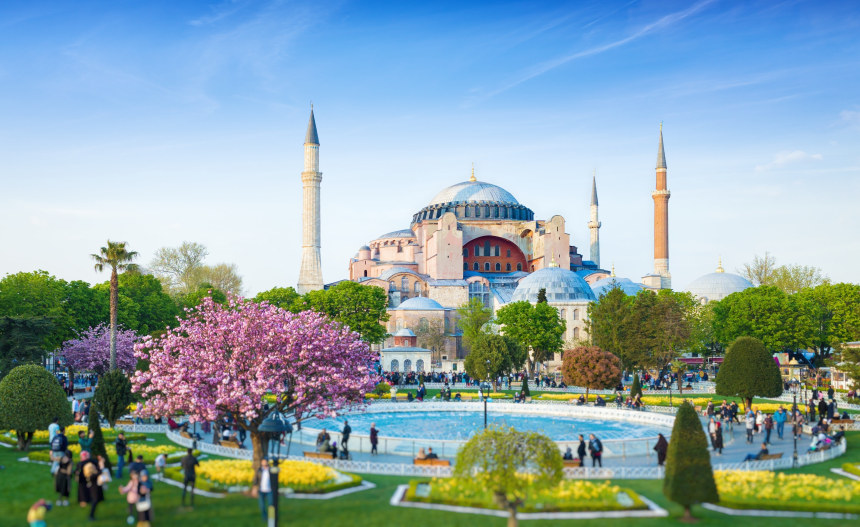
Give Istanbul at least three days.
Start with the landmarks. Hagia Sophia, the Blue Mosque, Topkapi Palace and the Basilica Cistern provide an essential introduction to a city that has served as the capital of the Roman, Byzantine and Ottoman empires.
Then keep walking.
In Balat, colourful buildings line narrow streets filled with cafés, antique shops and local businesses. In Fener, historic churches and old houses reveal the city's diverse communities. These neighbourhoods feel far removed from the crowds around the major landmarks, yet they tell an equally important story.
An Istanbul private tour can make these places more meaningful. A local guide can explain who lived in a neighbourhood, how it developed and why apparently ordinary buildings matter.
You begin to realise that Istanbul is not a city you can simply tick off.
It is a city you have to wander through.
Lose Yourself in the Grand Bazaar
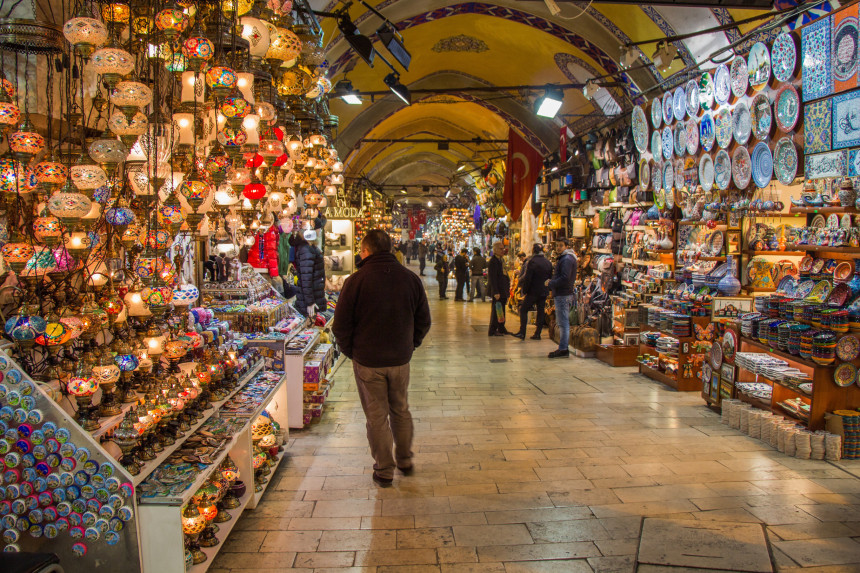
Eventually, your journey will probably lead to the Grand Bazaar.
Its thousands of shops and interconnected streets can feel overwhelming, but look beyond the souvenirs and another side emerges.
Family businesses sell carpets, ceramics, jewellery, leather goods, and traditional lamps, with some crafts passed down from one generation to the next. A local guide can introduce travellers to established artisans, explain bargaining customs and help distinguish traditional craftsmanship from mass-produced goods.
The reward is not necessarily what you buy.
It is the story you take home with you.
Follow the Bosphorus at Sunset
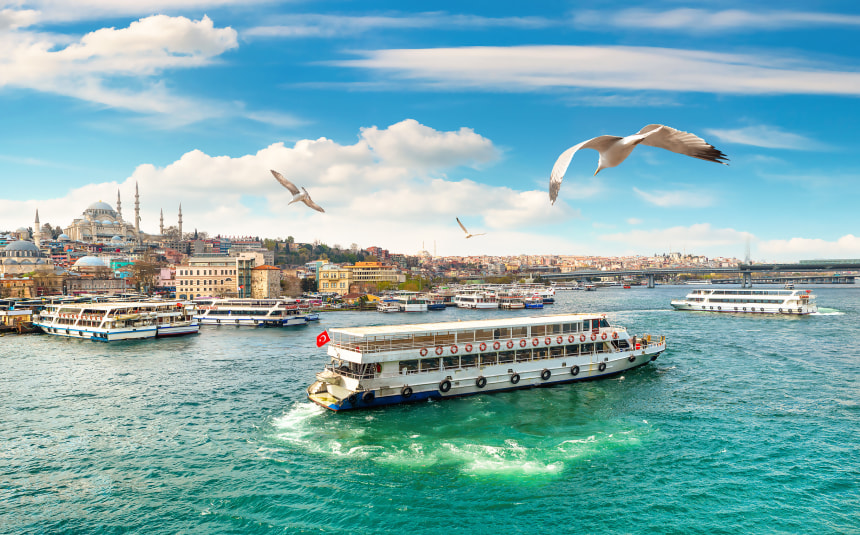
Later, head towards the water.
The Bosphorus has shaped Istanbul for centuries. It is a working waterway, a natural boundary and one of the city's most beautiful viewpoints.
A boat trip offers views of Ottoman palaces, waterfront mansions, mosques and historic fortresses. Late afternoon is particularly atmospheric as the light softens across the water.
A guide can explain the history behind landmarks such as Dolmabahçe Palace and Rumeli Fortress, turning a scenic cruise into a much more memorable experience.
Then Comes Cappadocia
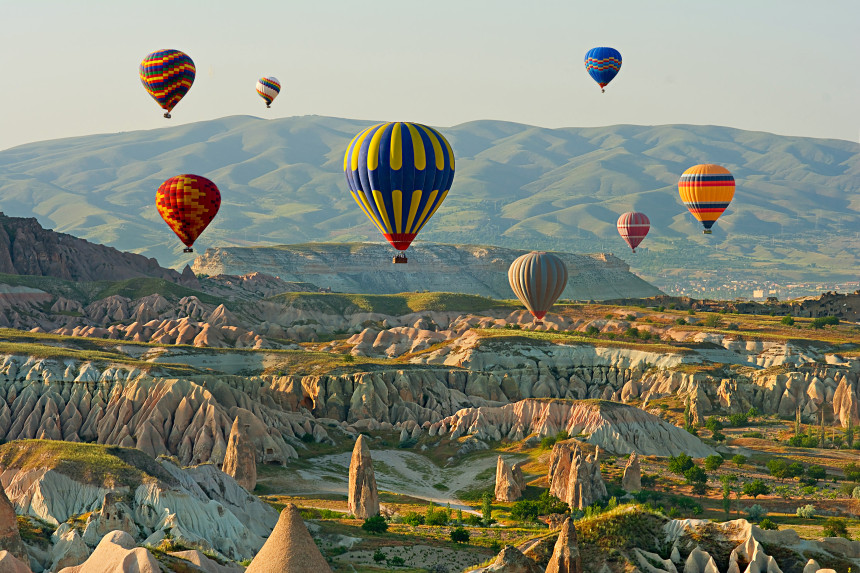
After Istanbul's energy, Cappadocia feels almost like another world.
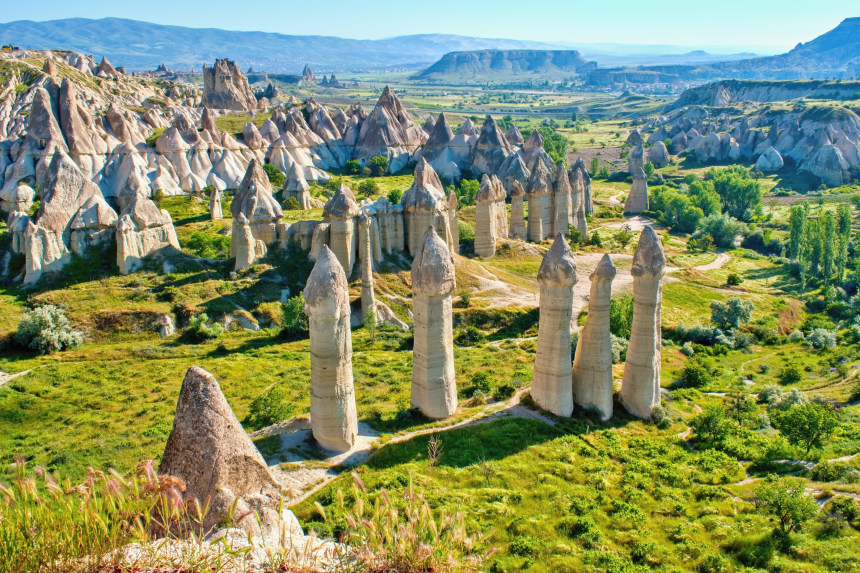
Volcanic rock has been shaped into towering formations, deep valleys and strange stone pillars known as fairy chimneys. Cave homes and churches appear inside the rock, while villages sit among vineyards and orchards.
Then, before sunrise, the sky begins to fill with balloons.
Watching hundreds of colourful balloons drift above Cappadocia is one of Turkey's most memorable experiences. The landscape slowly changes colour as the first light reaches the valleys.
You could watch from one of the popular viewpoints.
Or you could ask a local.
Experienced Cappadocia tour guides know quieter places around Love Valley, Rose Valley and Red Valley where travellers can enjoy the view without standing among large crowds. They can also suggest alternatives when weather conditions prevent balloon flights. That flexibility matters.
Sometimes the best morning is not the one you planned.
Go Beneath the Surface
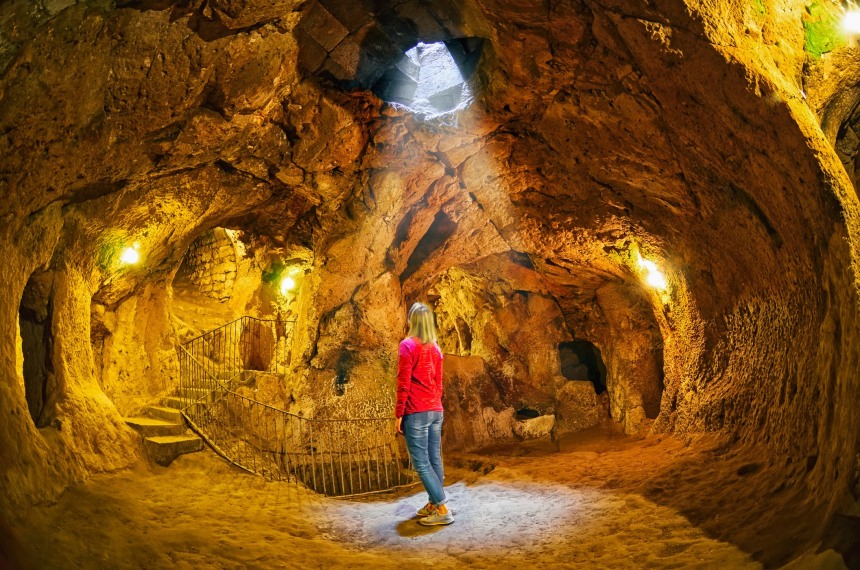
Cappadocia has another surprise waiting underground.
Places such as Derinkuyu and Kaymaklı contain several levels of tunnels, rooms, kitchens, storage spaces and ventilation systems carved into volcanic rock.
Walking through them alone, it can be difficult to imagine entire communities living beneath the surface.
Then a guide starts explaining.
You learn how people organised their daily lives, how ventilation worked and why underground settlements became places of refuge. The tunnels stop feeling like an archaeological curiosity and begin to feel like the remains of a real community.
This is where local knowledge earns its place. A guide is not simply showing you where to walk. They are helping you understand what you are seeing.
Meet the Artisans of Avanos
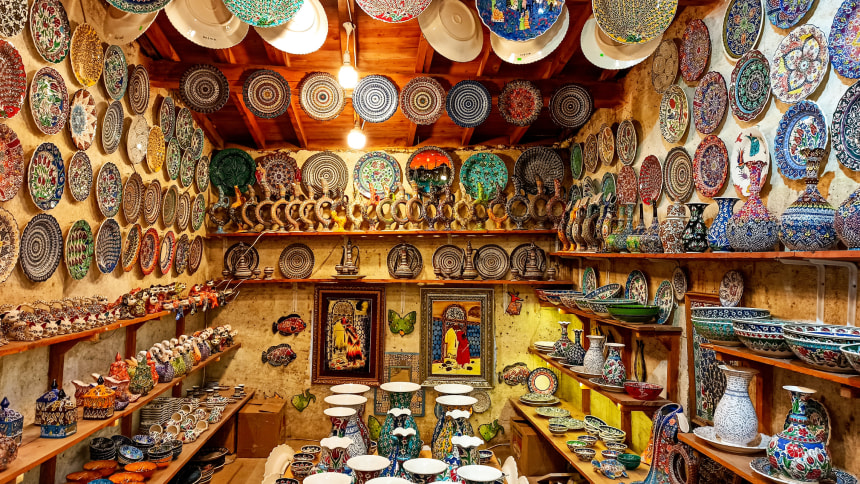
Cappadocia's story is not only written in ancient stone.
In Avanos, pottery remains part of local culture. The town sits beside the Kızılırmak River, whose red clay has been used by potters for generations.
Visit a family-run workshop, and you may find an artisan shaping clay on a traditional wheel while explaining techniques passed down through generations. Some workshops even allow visitors to try making their own piece.
It is easy to overlook experiences like this when planning a trip around Cappadocia's major attractions.
It is also the kind of experience you are likely to remember.
Finish Among the Ruins of Ephesus
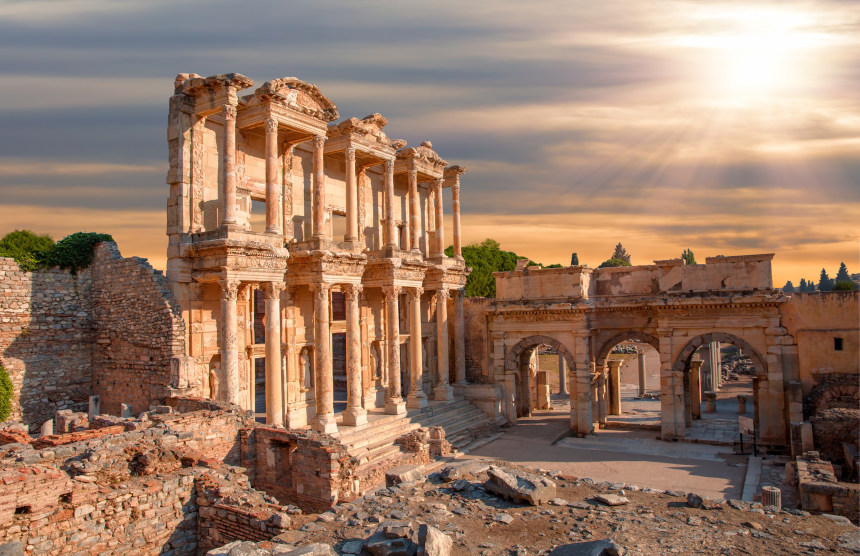
From Cappadocia, continue west towards the Aegean coast and the ancient city of Ephesus.
Walking into Ephesus can feel like stepping into another era. Marble streets stretch between monumental buildings, the Great Theatre rises above the ruins, and the Library of Celsus remains one of the most recognisable structures in Turkey.
But the longer you look, the more details appear.
Inscriptions reveal fragments of daily life. The remains of shops suggest how commerce worked. The Terrace Houses contain intricate mosaics and frescoes that offer a glimpse into the lives of wealthy Roman residents.
A licensed guide can transform the experience.
Without context, Ephesus can become a beautiful collection of ruins. With someone explaining who lived here, how the city functioned and why particular buildings mattered, the streets begin to feel alive again.
The Turkey You Remember Is Often Not the Turkey You Planned
The famous sights may be what bring you to Turkey, but they are rarely the only things you remember.
Perhaps it is the tea offered while browsing a small shop in Istanbul. Perhaps it is watching a potter shape clay in Avanos. Perhaps it is sitting down to a meal after a long day, with a dish on the table you have never tried before.
These moments are difficult to schedule. That is why local knowledge can be so valuable.
A guide can help you understand what you are seeing, but it can also help you notice what you might otherwise walk past.
Choosing a Local Guide in Turkey
The best guide is not necessarily the one who can fit the most attractions into a day.
Think about what you want to understand.
If history is your passion, look for someone who can bring Turkey's different civilisations to life. If food matters most, find someone who knows the regional culinary scene. Photography enthusiasts may benefit from a guide who understands the best light and quieter viewpoints.
Through tourHQ, travellers can browse local guides across Turkey, discuss their interests and shape an experience around the way they want to travel.
You do not need a guide every day. One carefully chosen experience in Istanbul, Cappadocia or Ephesus can add context that makes the rest of the journey more rewarding.
A Few Things to Know Before You Go
Turkey is relatively easy to navigate, particularly between the major destinations.
Domestic flights are the quickest way to connect Istanbul with Cappadocia and the Aegean region. Long-distance buses are another option for travellers with more time.
The Turkish Lira is the local currency. Cards are widely accepted in cities and tourist areas, although carrying some cash remains useful for smaller businesses and markets.
The climate varies considerably. Istanbul can be cool and rainy, Cappadocia has cold winters and hot summers, while the Aegean coast becomes particularly warm during summer. Check conditions for each region before packing.
See Turkey, Then See It Differently
Turkey is easy to fall in love with because it offers so much in a single journey.
There is Istanbul, with its extraordinary skyline and layers of history. There is Cappadocia, where balloons float above landscapes that seem almost impossible. There is Ephesus, where ancient streets still reveal stories of the people who once walked them.
But look beyond those famous images, and another Turkey emerges.
It is found in neighbourhood cafés, pottery studios, local markets, family kitchens and quiet streets. It is heard in the stories told by people who have spent their lives here.
That is perhaps the smartest way to travel through Turkey in 2026. See the landmarks, certainly. But give yourself time to understand what lies behind them.
Because the best souvenir from Turkey is rarely something you can pack in a suitcase.
It is the story of the place you finally learned to see.