

| 8 mins read
Picture this: you step out of the bright sun into a cool stone cellar smelling of damp earth, oak, and fermenting juice. An elderly winemaker draws wine from a massive cask, pouring a splash of crimson that will not reach retail shelves for three years. Leaning on the barrel, he explains how summer hail forced his family to harvest every cluster by hand.
Moments like that never happen on tour buses, nor can you book them online. Most visitors think wine travel means driving between commercial tasting rooms and listening to memorised talking points. True discovery feels entirely different. It connects the liquid in your glass to living history, personal pride, and the soil beneath your feet.
That shift is why hiring a private wine tour guide changes everything. Travelling with a local specialist gets you welcomed inside. An expert guide unlocks gates to family estates closed to the public, introduces you to winemakers over raw barrel samples, and reserves tables at village trattorias where lunch was planned around the morning harvest.
Why Wine Country Demands Local Expertise
Exploring famous wine regions independently sounds romantic until the practical realities set in. Many premier family wineries lack public tasting rooms, requiring personal introductions. Navigating winding mountain roads between cellars also creates an obvious safety concern around responsible drinking.
A dedicated wine tour guide handles navigation and appointments while cutting through confusing jargon. Instead of chemistry lectures, they walk you into the vineyard, pick up a handful of limestone, and explain why cool river fog keeps grapes crisp. Think of your guide as a trusted insider who knows which cellars experiment with clay pots, which castles craft stellar bottles, and which growers are rescuing rare grape varieties. Their connections turn an ordinary vacation into a series of private invitations.
Great Regions Reimagined Through Local Eyes
Tuscany and Chianti
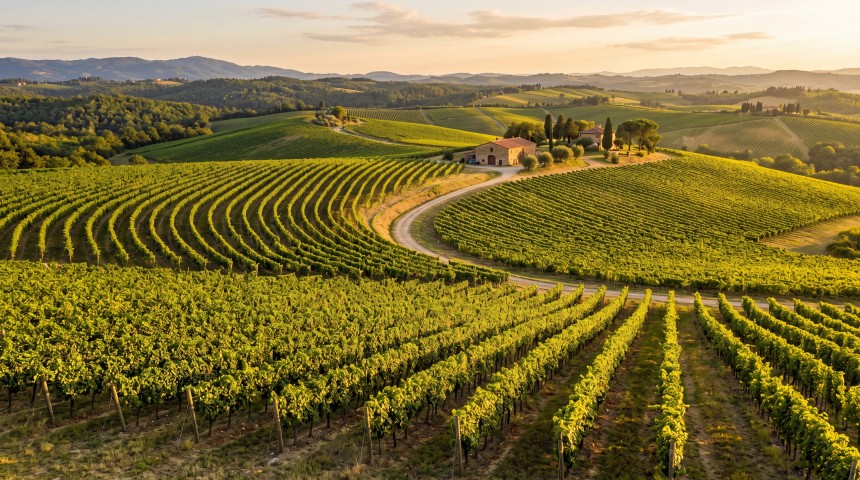
Rolling cypress hills make Tuscany one of the world's most celebrated wine destinations. Most travellers stay in crowded plazas in Florence and Siena, taking standard day buses into the countryside. Yet the authentic heart of Tuscan viticulture beats along quiet gravel lanes deep inside Chianti.
Here, a local guide steers you away from commercial highway estates to hillside hamlets like Greve and Castellina. You can meet multi-generational families tending small plots of Sangiovese vines, where grandmothers still oversee drying sweet Vin Santo grapes in attic lofts.
The local advantage: Guides in Siena know where the soil shifts from flaky galestro clay to hard limestone, completely altering the wine's flavour. After cellar visits, your guide brings you to a village butcher shop for Florentine steaks paired with reserve bottles unavailable outside the province.
Bordeaux and Its Historic Châteaux
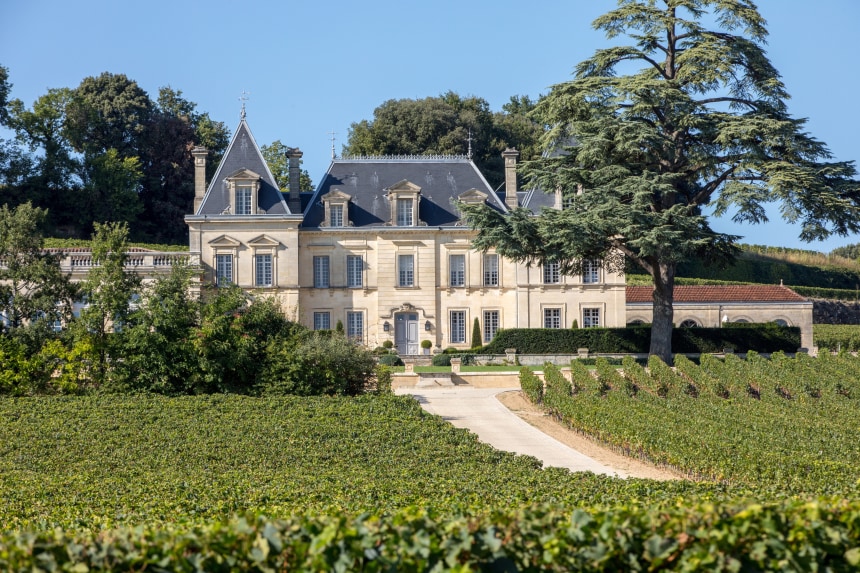
In southwest France, the historic wine country of Bordeaux can easily feel formal. Massive stone gates, gravel drives, and strict trade classifications often keep travellers at arm's length. Visiting prestigious estates along the Left Bank in the Médoc, or heading to Saint Émilion and Pomerol on the Right Bank, requires genuine local access.
A specialist guide in Bordeaux acts as your key to this historic world. Instead of commercial visitor centres, you walk straight into working vat rooms. Winemakers explain how warm river gravel helps late-ripening Cabernet Sauvignon thrive, letting you taste base wines from oak casks before final blending.
Douro Valley
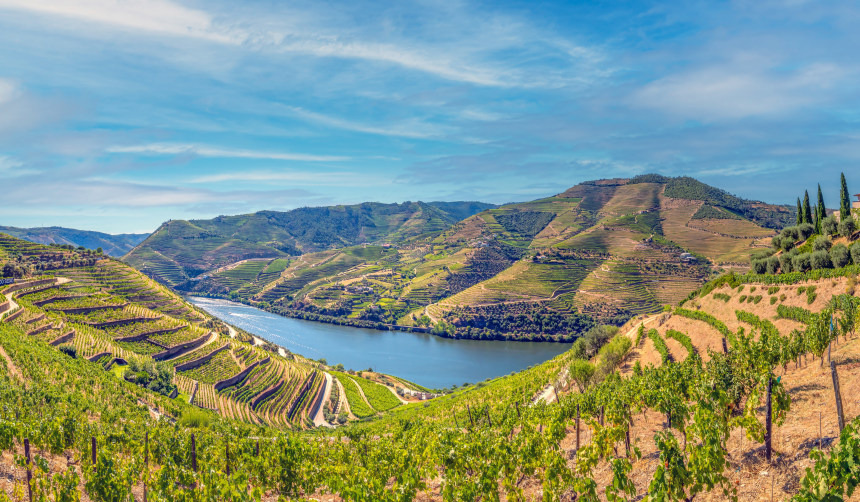
Few places look as breathtaking as the Douro Valley. Rising east of Porto, sheer schist mountains plunge into the river below, carved into thousands of stone terraces by hand. Most visitors take crowded boat cruises, gazing at vines from water level without ever setting foot on the slopes.
A knowledgeable guide drives you up steep switchbacks to family quintas that open their doors only to personal guests. You walk the terraces, learn about gruelling manual harvests, and taste dry table wines crafted from native Touriga Nacional. In granite cellars, your guide arranges tastings of vintage ports that have rested in oak casks for decades.
Rioja Valley
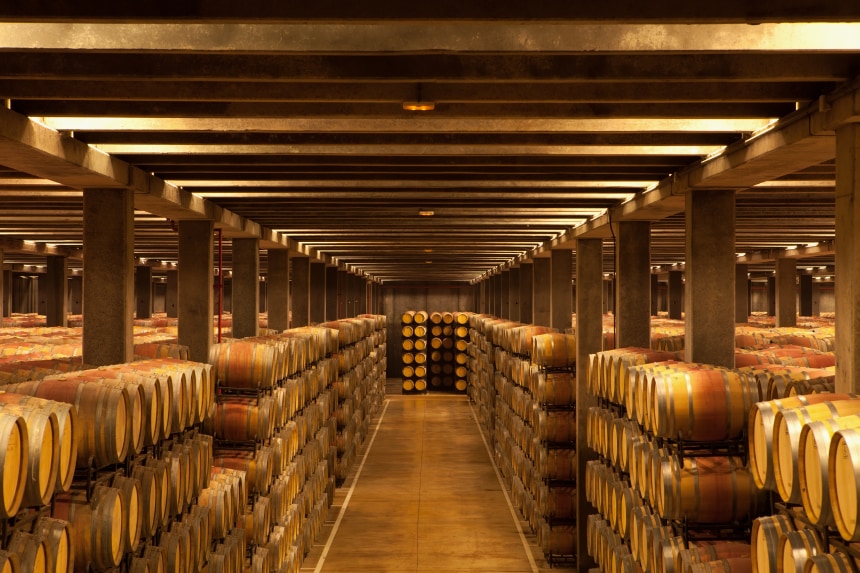
In northern Spain, the celebrated Rioja Valley combines centuries of winemaking with modern architecture. Starting from Bilbao or lively tapas streets in Logroño, travellers find three distinct zones: Rioja Alta, Rioja Alavesa, and Rioja Oriental.
While independent tourists flock to wineries designed by celebrity architects, a local guide takes you underground. Beneath medieval towns like Laguardia lies a labyrinth of tunnels carved into bedrock. Here, families ferment whole clusters of Tempranillo in stone lagares, ageing red wines in seasoned oak until they taste velvety, spicy, and complex.
Kakheti Region
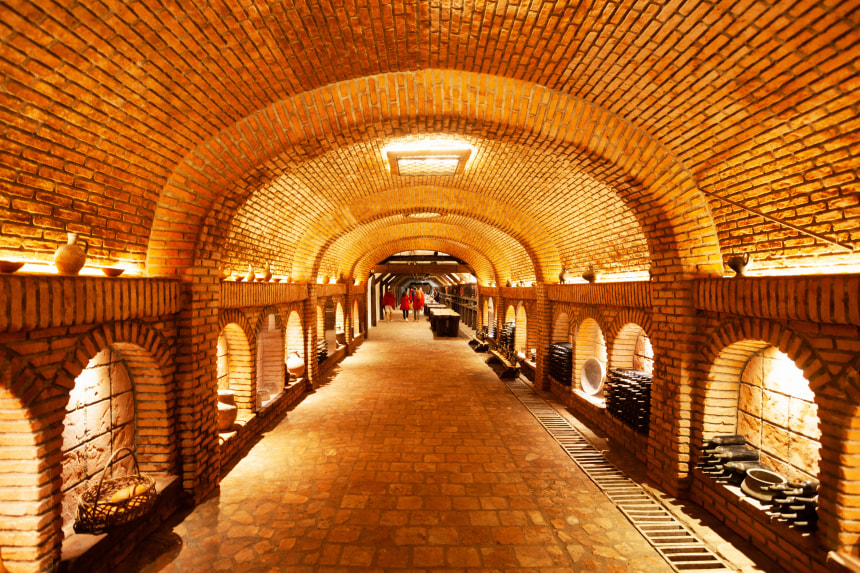
To discover where wine began, travel to Georgia, where winemaking spans eight thousand continuous years. Leaving lively courtyards in Tbilisi, you cross high mountain passes into Kakheti, the cradle of the worldwide natural wine movement.
Traditional Georgian winemaking does not rely on oak barrels or stainless steel tanks. Instead, winemakers ferment crushed grapes with skins inside a qvevri, an earthenware vessel lined with beeswax and buried underground. Because family cellars, called maranis, are private homes, you need a local guide to be introduced to them. Hospitable winemakers unseal fresh qvevri vessels with long ladles, pouring amber Rkatsiteli and inky Saperavi straight into your cup.
The local advantage: A local guide arranges your seat at a traditional supra feast, featuring polyphonic singing and heartfelt toasts led by the tamada, revealing that wine in Georgia remains a sacred cultural bond.
Cappadocia
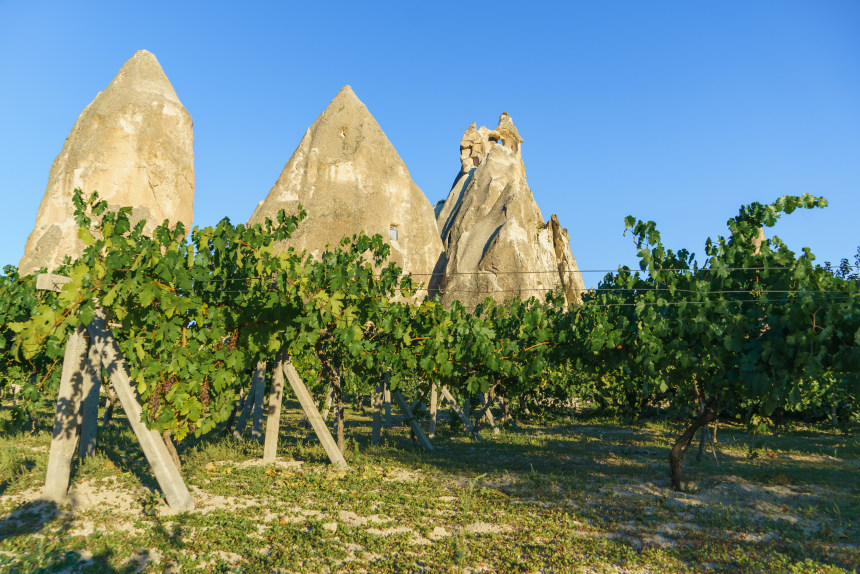
Few regions look as surreal as Cappadocia in central Turkey. Ancient volcanic eruptions blanketed this plateau in soft tufa rock, which centuries of weathering sculpted into wild fairy chimneys. High plateau vineyards flourish here on original ungrafted rootstocks that survived phylloxera.
A local guide introduces you to boutique producers cultivating rare indigenous grapes like crisp white Emir and juicy red Öküzgözü. You taste these vibrant volcanic wines inside cellars carved directly out of canyon walls, naturally insulated against weather extremes, while learning about winemaking traditions dating back thousands of years to the Hittites.
Mendoza
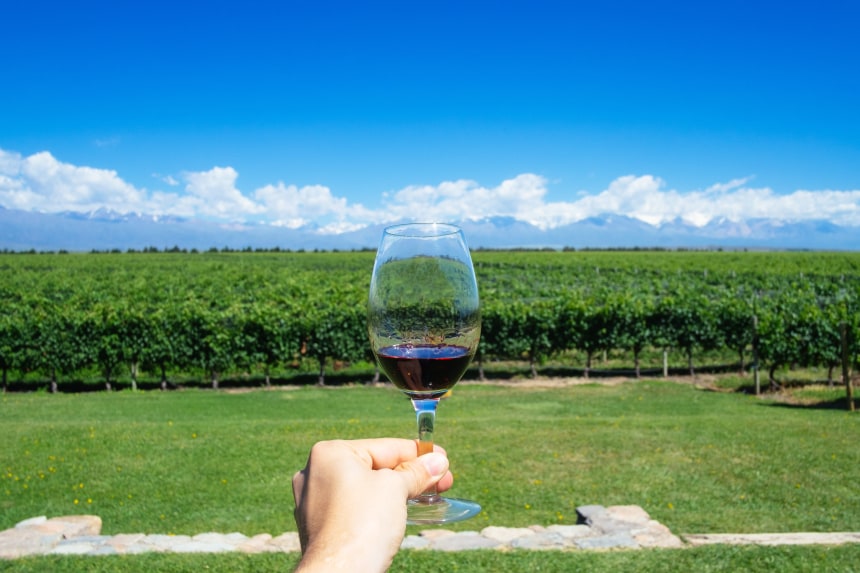
Sitting against the snow-dusted Andes, Mendoza anchors South American wine tourism. While historic cellars in Luján de Cuyo remain popular, the modern frontier lies south in the high-elevation Uco Valley.
Here, intense mountain sunlight and pure glacial runoff nourish vineyards planted four thousand feet above sea level. A regional expert guides you between sleek, gravity-fed cellars, explaining how cold Andean nights keep high-altitude Malbec, Cabernet Franc, and Chardonnay remarkably fresh. The day concludes with a vineyard lunch cooked over open hardwood fire, overlooking jagged mountain peaks.
How to Brief Your Guide for the Perfect Day
A rewarding private wine tour depends on clear communication before your trip begins. An expert guide designs each day around what excites you most.
First, be candid about your wine knowledge. Tell your guide whether you want an approachable overview of regional flavours or a technical discussion of soil composition and cellar methods.
Second, share your taste preferences. Clarify whether you favour rich reds, crisp mineral whites, sparkling bottles, or experimental orange wines fermented on skins.
Third, set your preferred pace. Decide whether you prefer a relaxed day with two estate visits and vineyard walks, or a brisk itinerary visiting four diverse producers.
Worth knowing: Always ask your guide to include one wildcard stop. The most memorable encounters often happen at humble family wineries that never appear in glossy guidebooks.
Regional Food and Wine: The Real Magic at the Table
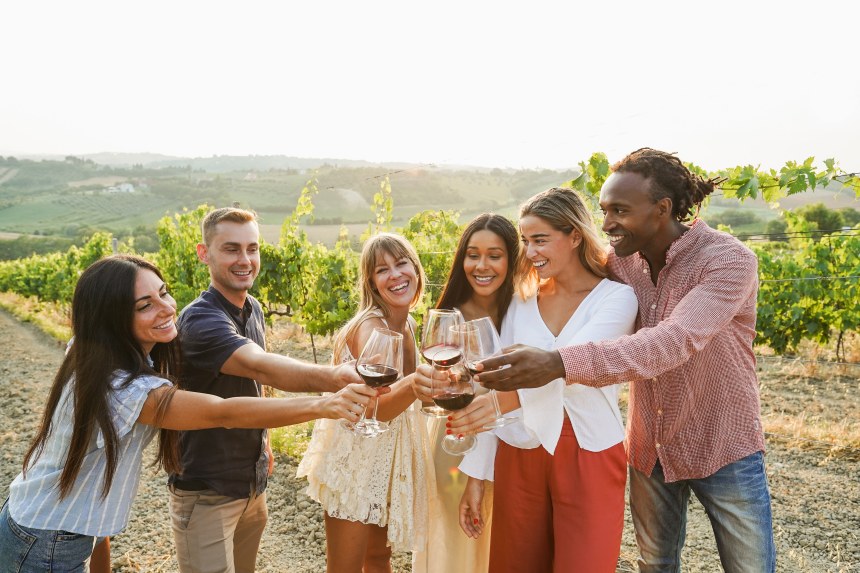
Wine was never meant to be evaluated on a sterile counter; it was born to accompany hot food, lively conversation, and shared tables. One of the greatest rewards of travelling with a local specialist is discovering how regional gastronomy unlocks the glass.
In Tuscany, an expert leads you to a countryside trattoria where the bright acidity of young Sangiovese cuts cleanly through rich wild-boar pasta and aged pecorino. In Bordeaux, your guide pairs cedar-scented reds with roasted Pauillac lamb. In Porto, you enjoy fresh grilled sardines alongside crisp coastal whites, while in Rioja, you savour tender lamb chops roasted over smoking vine shoots right beside the cellar door.
By uniting private cellars, regional history, and authentic food, a skilled guide transforms ordinary travel into a profound sensory journey. You return home with far more than souvenir bottles; you carry lasting memories of the people, soil, and cultural traditions that give every wine its soul.
FAQ
Why should I hire a private wine tour guide instead of driving myself?
A private guide eliminates navigation headaches on steep rural back roads and ensures safe transport after tasting rich wines. More importantly, local specialists have personal relationships with winemakers, gaining access to private cellars and family tastings that are closed to the general public.
How far in advance should I book a private wine guide?
Top family estates in places like Bordeaux and Tuscany admit only a handful of guests each week and fill up months ahead. Reserving your guide three to six months before your departure ensures access to premier producers and peak harvest experiences.
Do I need to be a wine expert to enjoy a guided wine tour?
Not at all. Dedicated guides tailor every stop to your comfort level, whether you want an easy introduction to local grape varieties or a deep dive into soil geology and barrel ageing.
Can private wine tours cater to non-drinkers or guests with food allergies?
Yes. Wine country culture is deeply tied to history, scenery, olive groves, and artisan foods. Guides easily arrange scenic landscape photography stops, artisan cheese workshops, and custom dining tailored to your dietary preferences.