

| 8 mins read
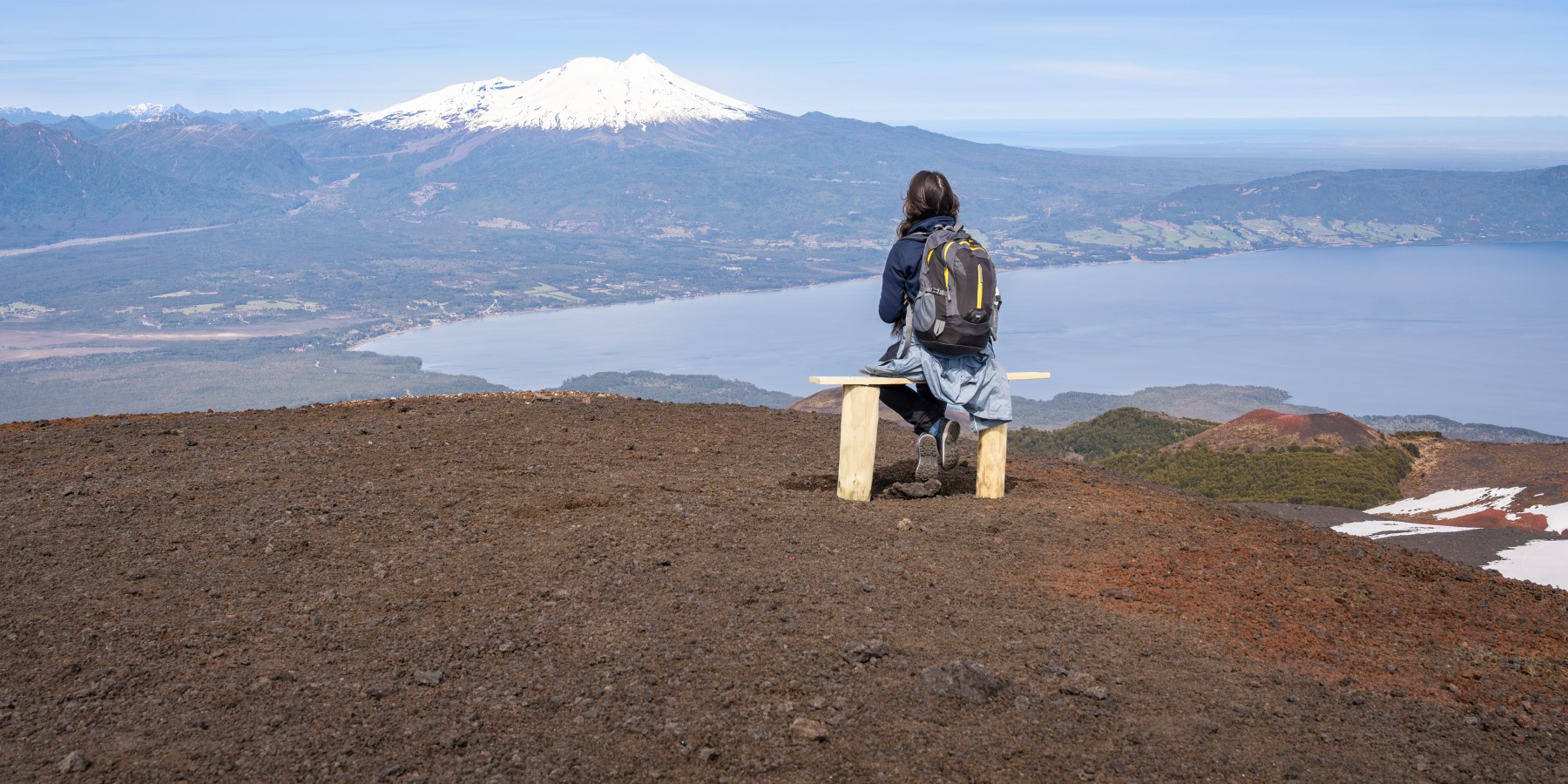
Imagine waking up somewhere unfamiliar and realising there is nothing you need to check.
No work messages. No news alerts. No reservation to hurry towards. No urge to photograph breakfast before eating it. Outside, there may be a forest, a mountain valley or simply the sound of birds beginning the day.
For a few hours, nothing is asking for your attention.
That feeling is becoming a travel ambition in its own right. In recent times, the word quietcation has entered mainstream travel vocabulary, describing holidays built around silence, stillness, low stimulation and deliberate disconnection. Euronews recently reported that searches for quiet destinations had risen dramatically, with the growing demand even acquiring its own name.
The important part is not the word. It is what the word reveals about how travel itself is changing.
When a holiday starts feeling like another task
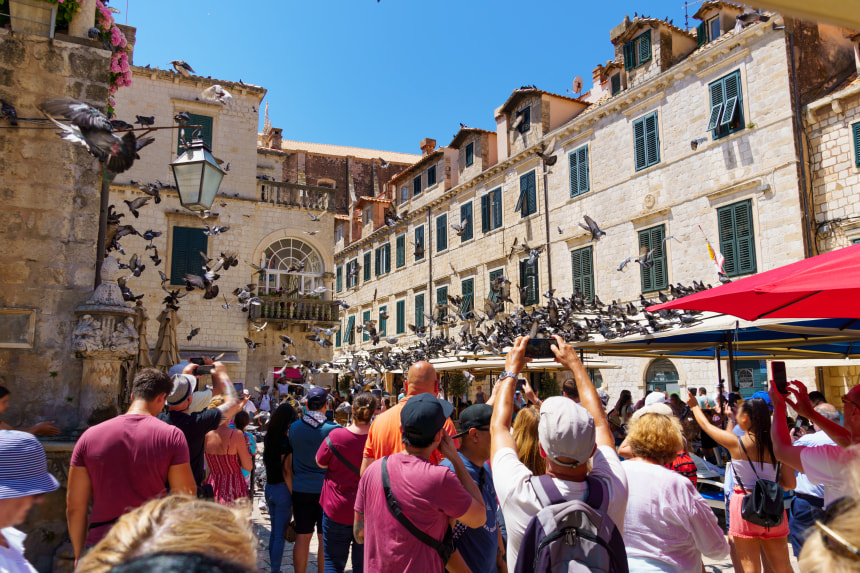
For years, the ideal holiday was measured in experiences. More places, more restaurants, more activities, more photographs.
That model now has an uncomfortable contradiction. You can spend ten days away from work and return needing another holiday.
The problem is not necessarily that travel is tiring. It is that modern travel often reproduces the same conditions people are trying to escape. Constant information, constant movement and constant decisions simply follow you somewhere prettier.
The 2026 State of the Global Workplace report from Gallup found that only 20 per cent of employees globally were engaged at work in 2025. Forty per cent reported experiencing significant stress the previous day, and the proportion experiencing negative emotions remained above pre-pandemic levels.
At the same time, researchers studying digital detox travel are beginning to describe travel itself as a coping response to digital strain. A study published in 2026, based on 381 responses, found that high screen use was associated with multiple forms of digital-related strain, while perceived benefits of disconnecting strengthened people's intention to undertake digital detox-oriented travel.
This helps explain the quietcation.
People are not necessarily travelling less. They are becoming more selective about where they want to spend their attention.
A quietcation is more than a digital detox
Taking your phone on holiday and simply deciding not to look at it for three days is not enough. A proper quietcation changes the structure of the trip.
There are fewer transfers. Fewer attractions. More time in one place. Mornings matter. Walking matters. Empty space matters. The itinerary has room in it rather than merely having gaps between activities.
This is also why a quietcation should not be confused with doing nothing. A long walk through a mountain valley is doing something. Sitting beside a lake for an hour is doing something. Entering a centuries-old temple before the crowds arrive is doing something.
The difference is that none of these experiences demands constant reaction.
The hidden skill of finding somewhere genuinely quiet
This is where a local guide becomes unusually valuable.
A beautiful destination does not automatically produce a peaceful experience. The famous viewpoint may be packed. The supposedly secret beach may have vendors. The forest trail recommended on social media may be full of people who had exactly the same idea.
A guide knows the geography behind the photograph. They know which valley becomes busy after breakfast. They know where a walking route can begin before the tour buses arrive. They know which monastery requires quiet behaviour and which remote road is worth taking simply because almost nobody takes it.
Most importantly, they can remove decisions. That matters on a quietcation because mental rest is not achieved by spending three hours researching the quietest restaurant, trail and viewpoint every morning.
The local advantage: you are not paying a guide to fill the day. You are paying for someone who knows what can be left out.
Five places where quiet can become the point of the journey
Bhutan
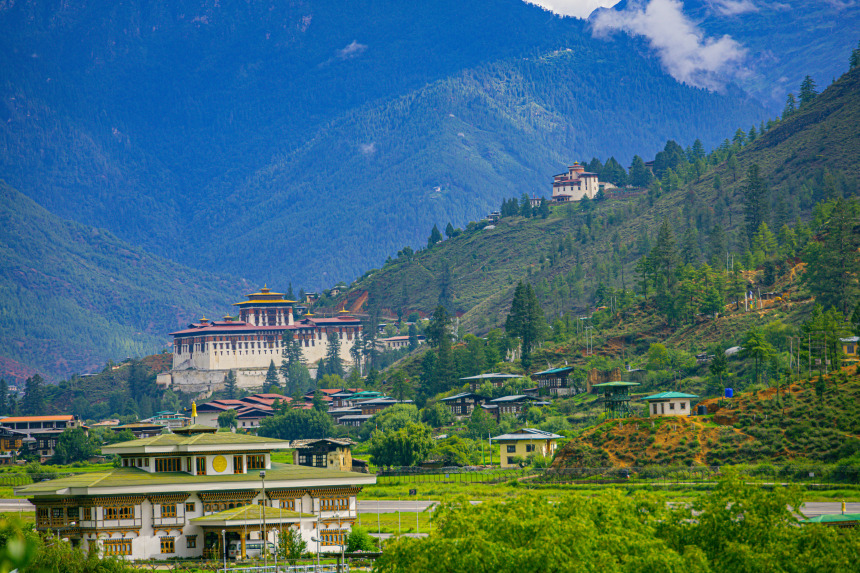
Bhutan is unusual because the idea of wellbeing is already woven into the country's cultural and development philosophy. Gross National Happiness emphasises well-being, culture, environmental conservation, and sustainable development rather than treating economic growth as the sole measure of progress. tourHQ's Bhutan guides frequently frame the country through these ideas, while current local guide profiles offer tailor-made journeys involving culture, trekking, nature and slower experiences.
For a quietcation, the appeal is not simply Himalayan scenery. It is the possibility of spending several days moving through Paro, Thimphu, mountain valleys and monasteries without trying to turn each stop into an achievement.
A knowledgeable guide can also explain why a seemingly ordinary village, shrine or landscape matters, giving the traveller permission to look more closely rather than constantly searching for the next attraction.
The Scottish Highlands
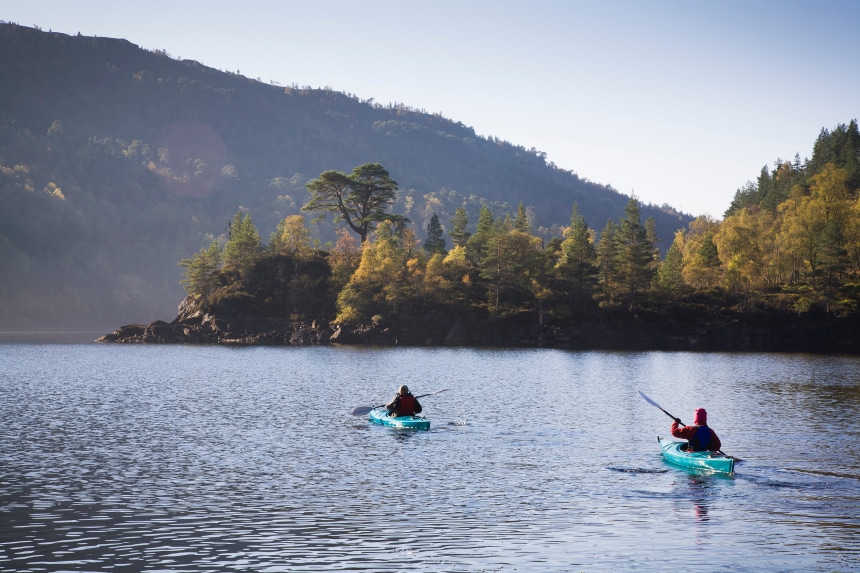
There is a different kind of silence in the Scottish Highlands. It is expansive rather than enclosed: lochs, glens, moors, distant hills and roads that can seem to disappear into the landscape.
Yet even here, finding solitude is partly a matter of local timing and routing.
tourHQ guides based in the Highlands describe taking travellers to hidden places off the heavily visited routes, with itineraries tailored to individual interests.
That is exactly what quietcation travel needs. Not a famous viewpoint with a different angle, but a day deliberately designed around the possibility of having the landscape largely to yourself.
Cappadocia
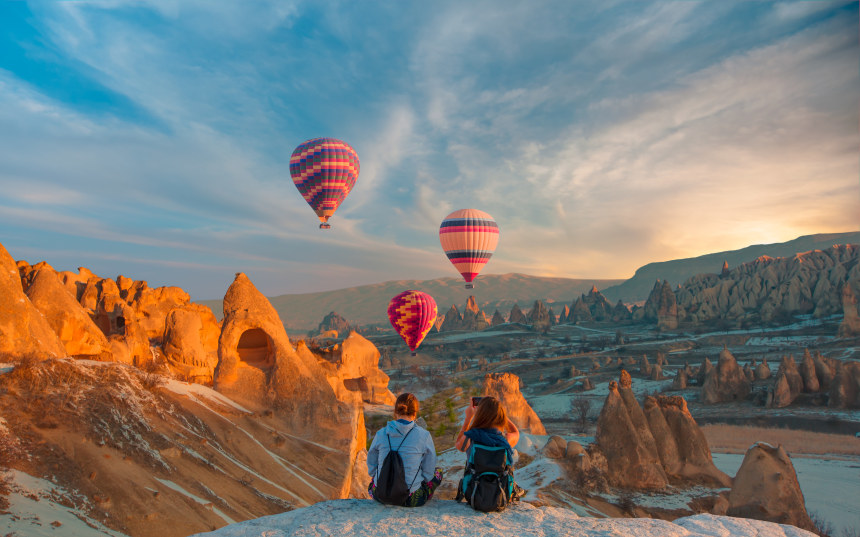
At first glance, Cappadocia seems an unlikely quietcation destination. Balloons fill the sunrise sky, and the region's most famous viewpoints attract visitors precisely because everyone wants the same view.
But the landscape is much larger than its most photographed locations.
A local guide can time a valley walk for the quieter part of the morning and take you beyond the obvious viewpoints. tourHQ guides in Cappadocia highlight hidden cave churches, quieter locations, and private sunrise viewpoints, while local itineraries can include villages and less-visited corners in the valleys.
The contrast is striking. The same landscape that can feel crowded at one viewpoint can become almost completely still a little farther along the trail.
Oaxaca
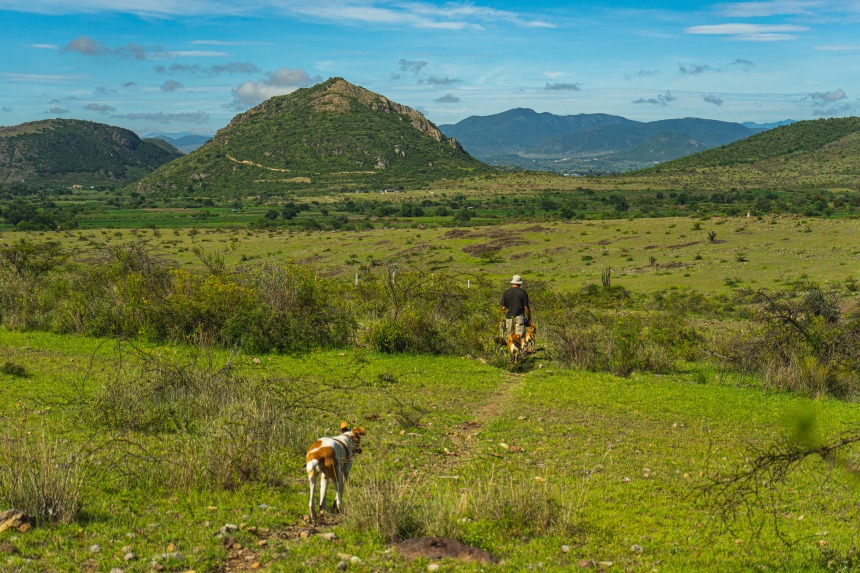
The mountains beyond Oaxaca City offer a quieter interpretation of Mexico, particularly in the Sierra Norte.
The appeal here is not simply wilderness. It is the opportunity to combine walking through forested mountain country with encounters shaped by local communities and traditions.
tourHQ guides have spent years leading trekking experiences in the mountains of Oaxaca.
For a quietcation, that local knowledge matters. A mountain landscape is not merely scenery to pass through. Understanding who lives there, how the trails are used and what you are looking at changes the experience from solitary sightseeing into something more grounded.
Kyoto at dawn
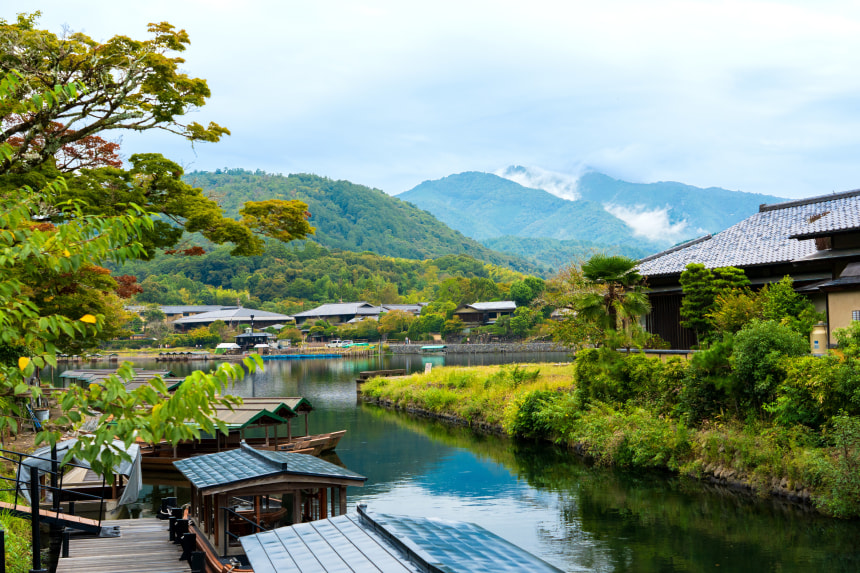
Perhaps the most revealing quietcation destination is Kyoto, because you do not need to escape the city to escape the noise.
You simply need to arrive before it begins.
Kyoto's official tourism authority notes that famous temples can be remarkably free of crowds early in the morning and lists numerous sites that open from very early hours. Kiyomizu-dera, Kifune Shrine and Honen-in are among the locations that can be visited from around 6 AM, while Nishi Hongwan-ji opens even earlier.
tourHQ guided experiences around Daitokuji and Kamigamo go further—using quieter neighbourhoods, hidden paths, gardens, and sacred spaces, rather than focusing solely on Kyoto's most famous sights. At six in the morning, Kyoto can feel like a completely different city.
The phone should disappear without becoming the story
The best no-phone rule is one you barely notice.
A thoughtful guide might begin the day by suggesting that you leave the phone behind for a walk. Breakfast can become an uninterrupted hour. A temple visit can be approached without a camera in your hand. A forest can be entered without stopping every few minutes to check directions.
The objective is not technological purity. It is to direct attention elsewhere.
You may eventually discover that the strange part is not being without your phone. It is realising how rarely you actually needed it. That may be the quietcation's most valuable lesson. The world does not become quieter because you have travelled far away. For a little while, you simply stop adding to the noise.
A quietcation is ultimately not about finding a place where the world makes no sound. It is about choosing, for a little while, what deserves your attention and what does not. Sometimes the most restorative journey is the one that leaves you with fewer photographs, fewer plans and a much quieter mind.
FAQ
What is a quietcation?
A quietcation is a holiday deliberately designed around silence, low stimulation, fewer crowds, slower movement and meaningful disconnection from everyday digital demands.
How is a quietcation different from slow travel?
Slow travel focuses primarily on travelling at a less rushed pace and spending longer in places. A quietcation goes further by making peace, low stimulation and disconnection central to the experience.
Do I need to completely stop using my phone?
No. The purpose is not to create anxiety around technology. Planned periods without notifications, social media and unnecessary screen use are usually enough to change the rhythm of the day.
Why is a guide useful on a quietcation?
A local guide can identify lesser-visited trails, quieter viewpoints, and the best times and places to visit that may not be obvious from standard tourist information. They can also reduce the amount of planning the traveller has to do.
What makes a destination suitable for a quietcation?
Look beyond beauty. The most suitable destinations offer opportunities for solitude, nature, cultural depth, slower activities, and flexible itineraries, rather than requiring constant movement between attractions.