


| 7 mins read
There is a particular freedom in knowing you only have two days.
You cannot see everything. You cannot follow every recommendation saved on your phone. You cannot spend an afternoon wandering into every museum simply because it happens to be nearby. And strangely, that can make a trip better.
Micro-adventure travel is not simply a smaller holiday. It is travel built around intention. Instead of asking how many days you can take off, you ask what you can genuinely experience in the time you have.
Recent travel trends show a rise in shorter, spontaneous escapes, with nearly 63 per cent of travellers planning several shorter trips during the year and searches for one- to three-night hotel stays up 13 per cent year on year. It also found that travellers increasingly value doing fewer things well.
The appeal is obvious. A two-week holiday may require months of planning. A 48-hour escape can fit around real life.
The secret is not fitting more in
A long holiday gives you room. A short trip gives you focus. Longer trips can become a procession of airports, transfers, queues and attractions that blur together. Forty-eight hours removes that luxury. You have to choose.
Maybe your trip is about Edinburgh's medieval history. Perhaps it is food and neighbourhood life in Istanbul. Maybe you want Renaissance Florence, one carefully chosen side of Paris, ancient Rome, Cairo and Giza, or the old streets and surrounding countryside of Hoi An. The goal is not to squeeze a week into two days. It is to remove everything that does not matter. Two days done well can be richer than two weeks done badly.
Why a private guide matters more when time is short
On a 48-hour trip, a wrong decision is expensive. Choose the wrong area, and you can lose an hour in traffic. Arrive at an attraction at the wrong time and another hour disappears into a queue.
A private guide changes the equation. Instead of spending days researching, tell a local what you care about and let them shape the route. History, food, architecture, religion, markets and neighbourhood life can become one connected experience.
This is where tourHQ can be genuinely useful. The point is not simply having somebody beside you. It is finding a local who understands the destination well enough to build a day around your interests.
Give your guide a simple brief: “One day. I want to feel like a local, not a tourist.”
Then say what fascinates you, what you would happily skip and how much walking you enjoy. That small amount of direction can turn sightseeing into discovery.
Edinburgh: several centuries in one day
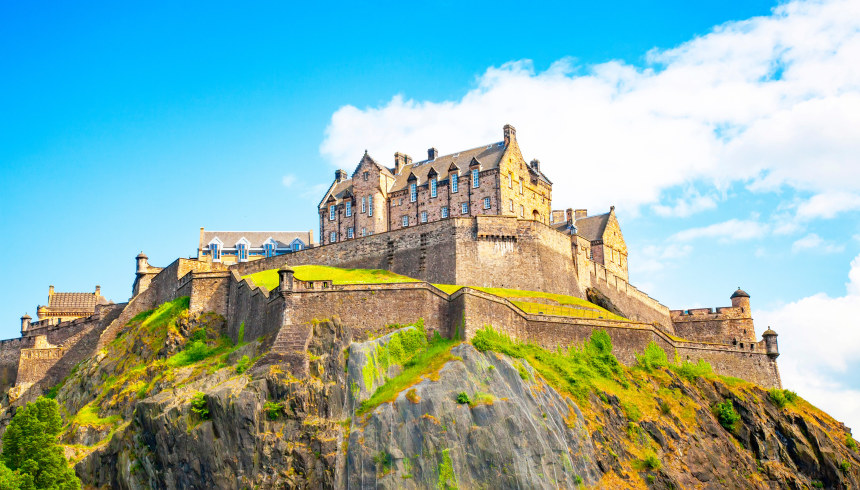
Edinburgh is unusually generous to short visits because so much of its historic character can be explored on foot.
The Old and New Towns of Edinburgh form a UNESCO World Heritage site, bringing together the medieval Old Town and the planned eighteenth-century New Town.
Spend the morning following the Old Town, the Royal Mile and its closes. Do not simply count buildings. Let an Edinburgh guide explain how the city developed, how people lived in its dense medieval streets and why Edinburgh became such an important intellectual centre.
Then change the mood after dark.
A ghost tour can introduce the darker stories attached to the old streets, while a whisky experience offers another distinctly Scottish way to experience the city.
In a single day, Edinburgh can move from architecture to history to folklore and whisky without feeling like a checklist.
Istanbul: follow the city, not the checklist
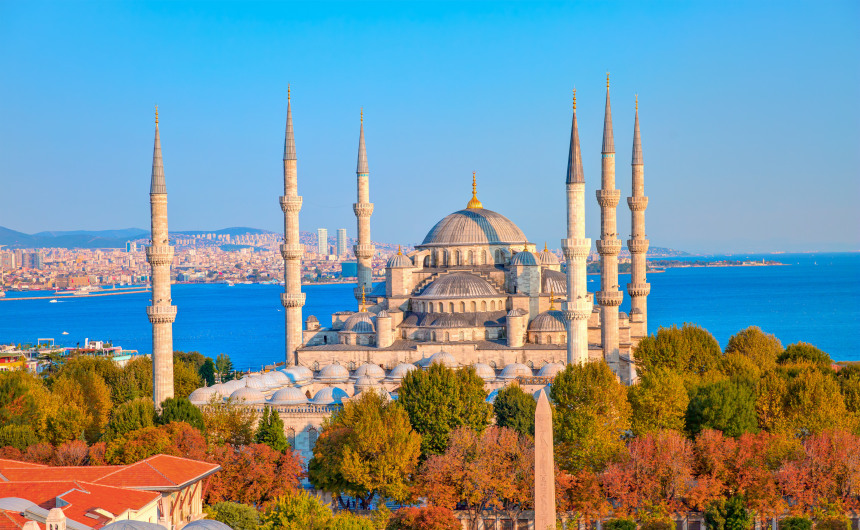
Istanbul is easy to visit badly because almost every direction offers another landmark. Resist the urge to collect them.
Begin around the historic centre, then let the day move towards markets, food and neighbourhood streets. The monuments matter, but so does the life between them.
This is where local knowledge is valuable. Istanbul's Byzantine, Ottoman, and modern layers are easier to understand when someone explains them as you move through the city.
Even Turkish coffee offers a glimpse into the culture of hospitality and conversation surrounding it. A good Istanbul day should leave room for discovery rather than filling every gap with another sight.
Florence: go deeper, not wider
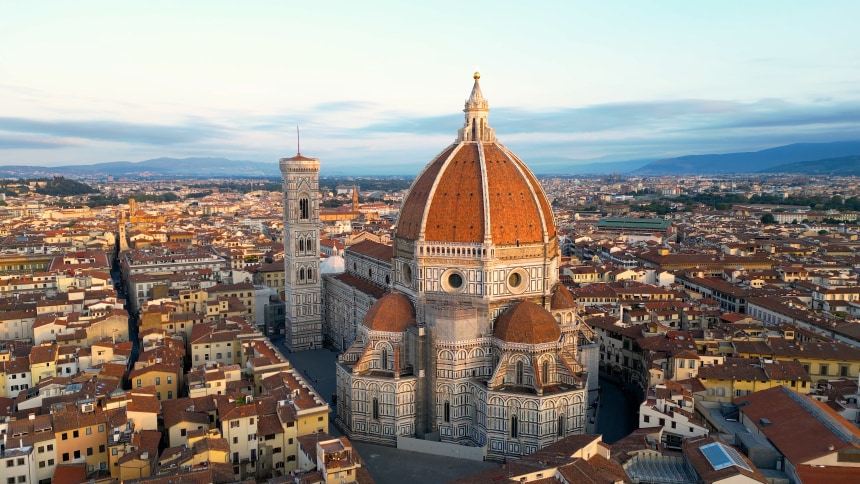
Florence can overwhelm a short visit because there is simply too much art.
Its historic centre contains an extraordinary concentration of Renaissance heritage, including the cathedral complex, Uffizi, Santa Croce and Palazzo Pitti.
Do not try to conquer them all. Choose one major artistic experience, then walk. Cross the Arno. Explore smaller streets. Stop for lunch.
A guide with strong knowledge of Florentine art can make a handful of works far more meaningful by explaining the people, politics and ideas behind them.
In 48 hours, context is worth more than quantity.
Paris: choose a neighbourhood
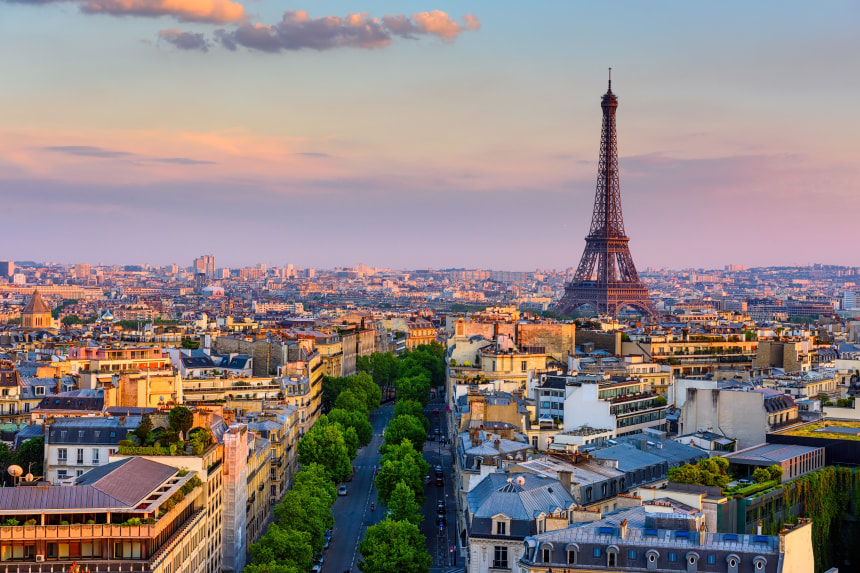
Paris is the classic short city break, but its size can make a weekend surprisingly inefficient.
Choose a part of the city and let it become your Paris.
The Marais brings together historic streets, galleries, and food. Montmartre offers artistic history and village character. The Seine and the historic centre provide another concentrated world.
You cannot see Paris properly in a weekend. You can experience one part of it properly.
Rome and Vatican City: choose a story
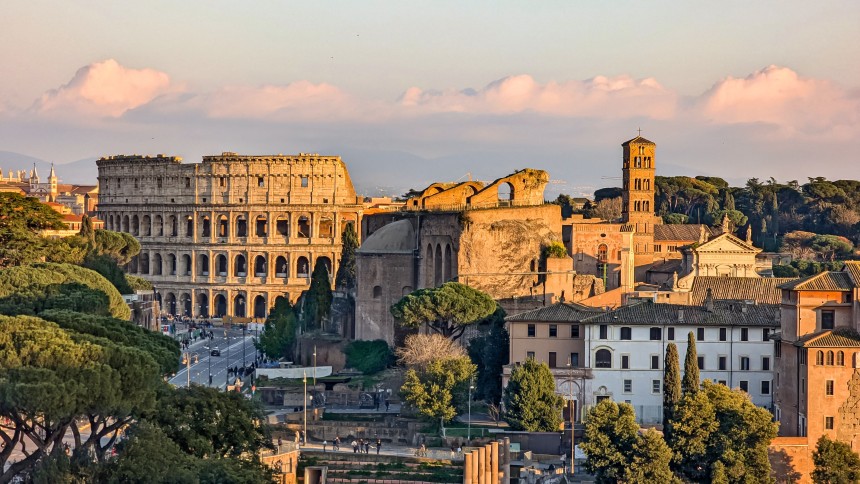
Rome is almost impossible to finish in 48 hours, which is precisely why it works.
Its historic centre contains layers of ancient Roman, Christian, Renaissance and Baroque history.
So choose a story. Follow ancient Rome through the Colosseum, Forum and Palatine. Or build the day around Vatican City and the artistic world surrounding St Peter's.
Then stop.
Have lunch. Walk through a residential neighbourhood. Find a piazza. Let the city between the monuments become part of the experience.
Sometimes the most memorable part of Rome is the five minutes between two famous sights.
Cairo and Giza: ancient Egypt, living city
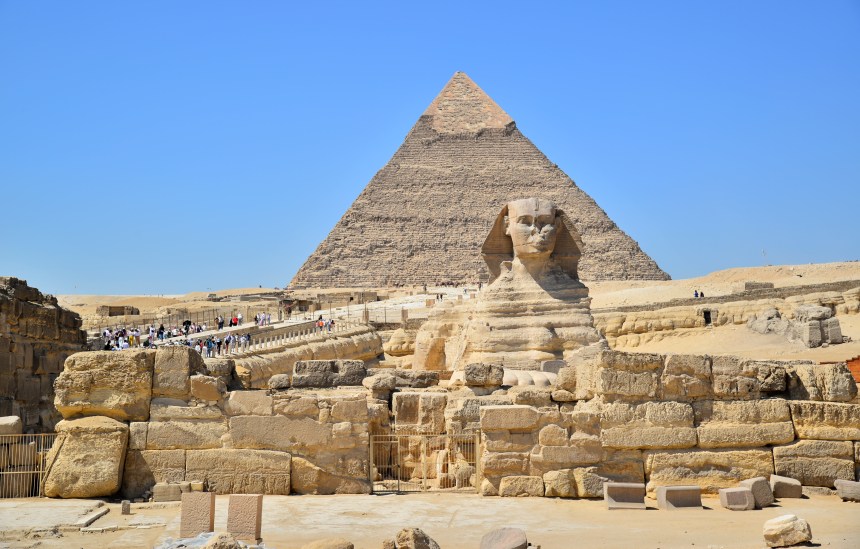
Cairo looks impossible to compress, but that density makes it an extraordinary short adventure.
Begin at Giza. The pyramids and the Great Sphinx are spectacular, but the plateau is home to more than three monuments. The wider funerary landscape includes subsidiary pyramids, tombs, temples and other structures.
Then return to Cairo.
Historic Cairo is a living urban landscape of mosques, markets, streets and neighbourhoods, with layers of history extending from the Fatimid period through later Islamic dynasties.
A local guide can connect Giza to that wider story and help you navigate the city without turning the experience into a lecture. In 48 hours, Egypt can become more than a photograph. You can see the ancient landscape and the living city around it.
Hoi An: a whole landscape within reach
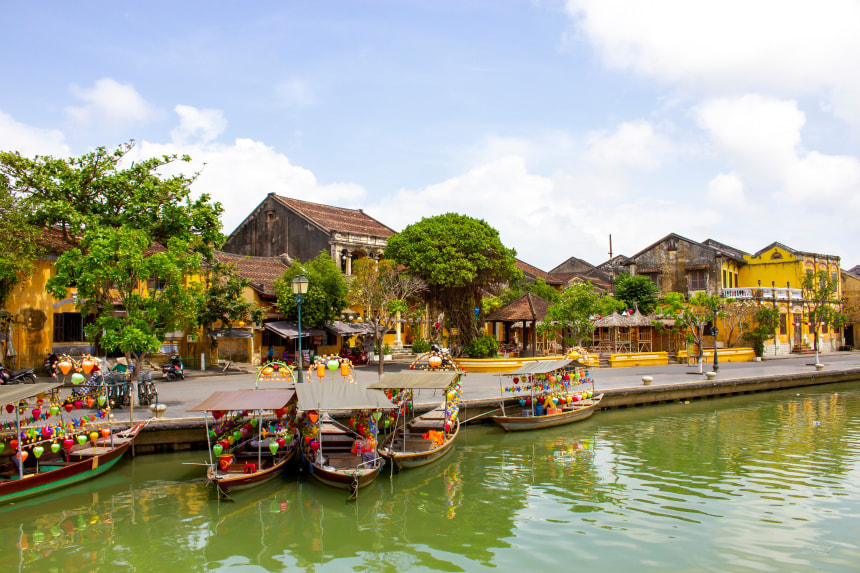
Hoi An works beautifully for a short escape because the experience extends far beyond its famous Ancient Town.
The UNESCO-listed town preserves the architecture and street plan of a trading port that flourished between the fifteenth and nineteenth centuries, with Vietnamese, Chinese, Japanese and later European influences.
Spend the first day in the old streets, historic houses, markets and riverside after dark.
Then use the second day to move outward.
Tra Que Vegetable Village is about three kilometres from the Ancient Town and offers a glimpse of the farming landscape behind Hoi An. Cam Thanh brings waterways and coconut palms into the picture, while An Bang Beach provides an easy change of pace. For a deeper historical excursion, My Son Sanctuary lies about 40 kilometres away and preserves temples associated with the ancient Champa civilisation.
The appeal is contrast.
One day feels old, intimate and urban. The next can take you through farms, waterways, coast and archaeology.
What to prioritise, and what to leave behind
The best micro adventures are built around a surprisingly short list. Choose one thing you genuinely want to understand. Choose one meal you will remember. Choose one stretch of time with nothing booked. Everything else can move around those decisions.
Do not cross an entire city because an attraction is supposedly essential. Do not fill every hour. Do not measure success by how exhausted you are when you return home.
Measure it by what remains with you.
Perhaps it is Edinburgh after dark. The smell of spices in Istanbul. A painting in Florence that suddenly made sense. A quiet Paris street. The weight of history around the Roman Forum. Your first view of the pyramids. Cairo at night. Or the lanterns of Hoi An reflected in the river.
You were there for only 48 hours. But you were actually there. And that is the point of a micro adventure.