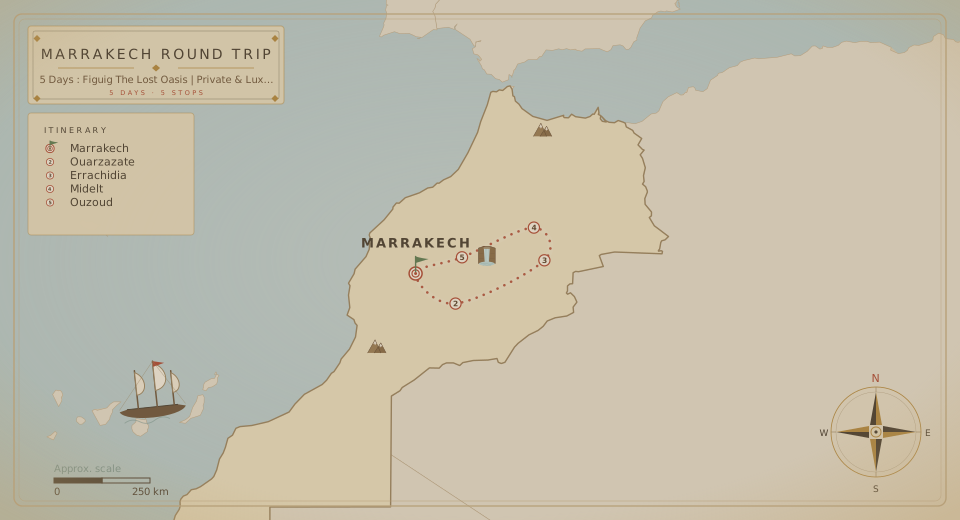
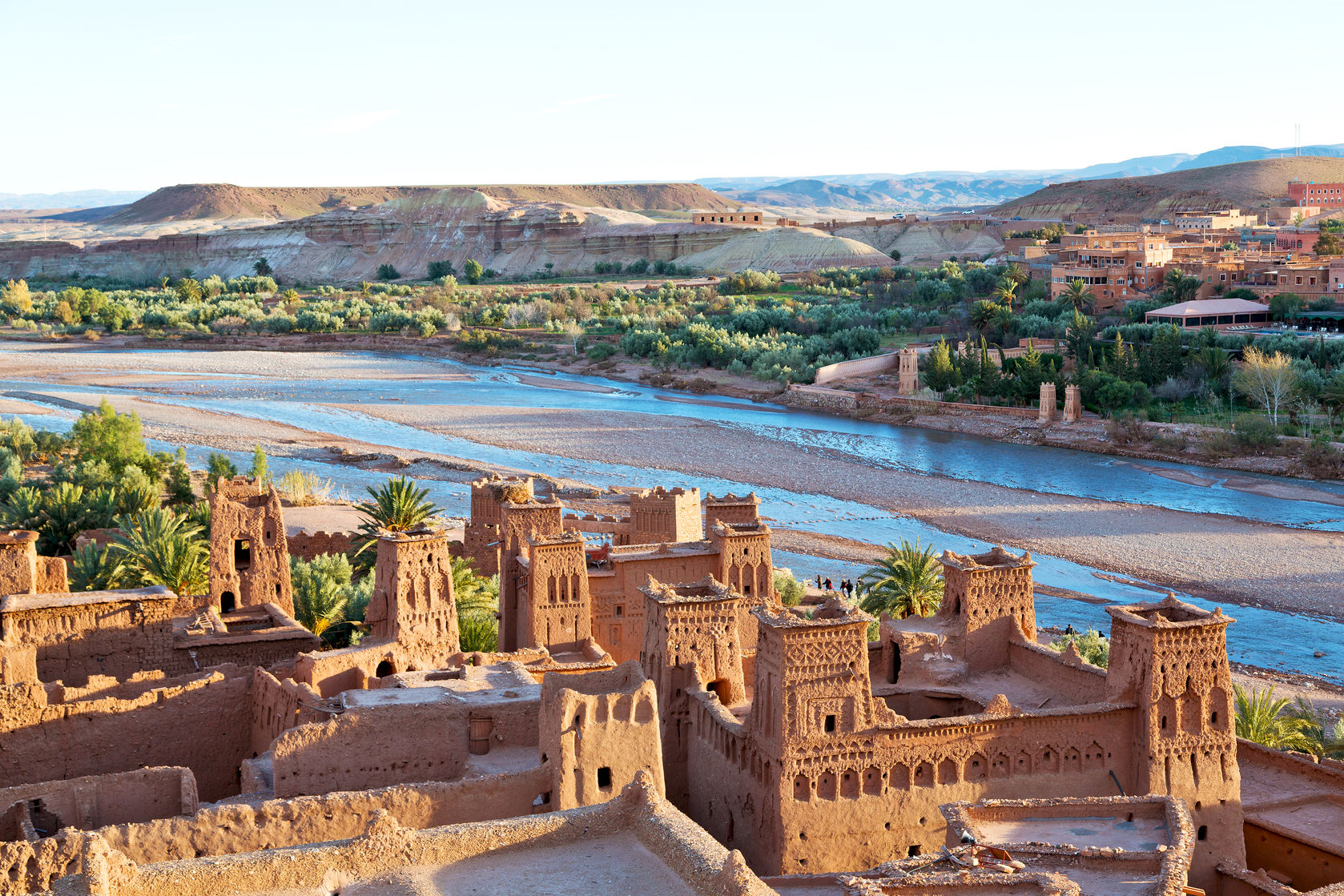
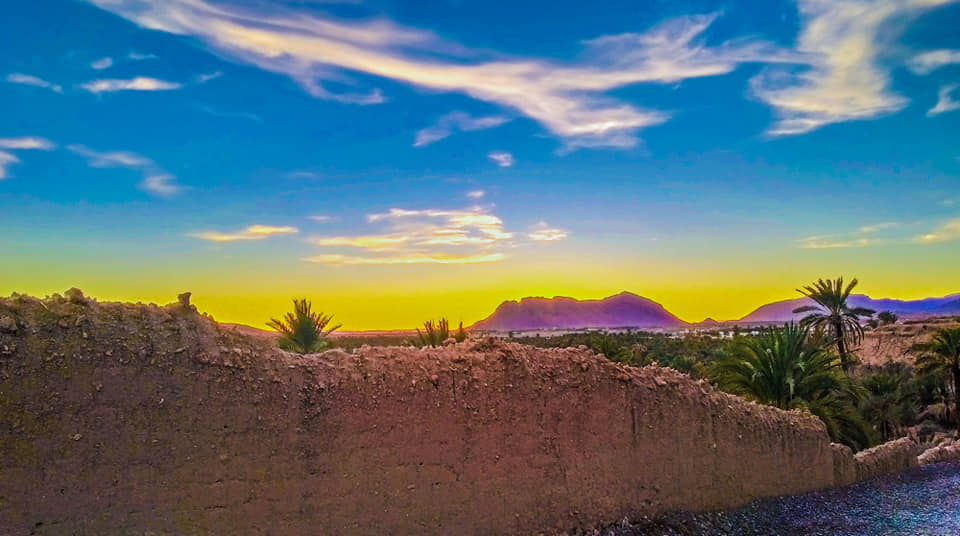
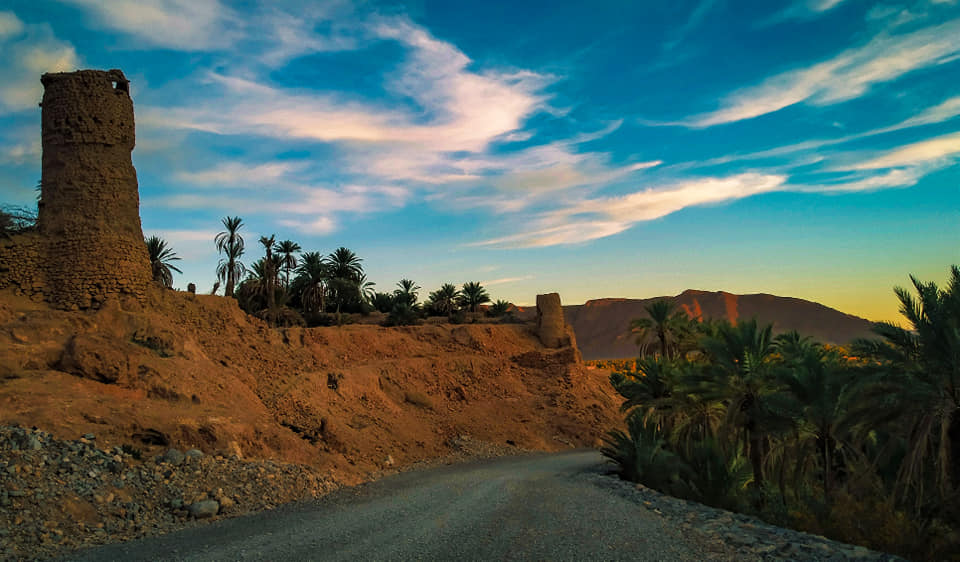
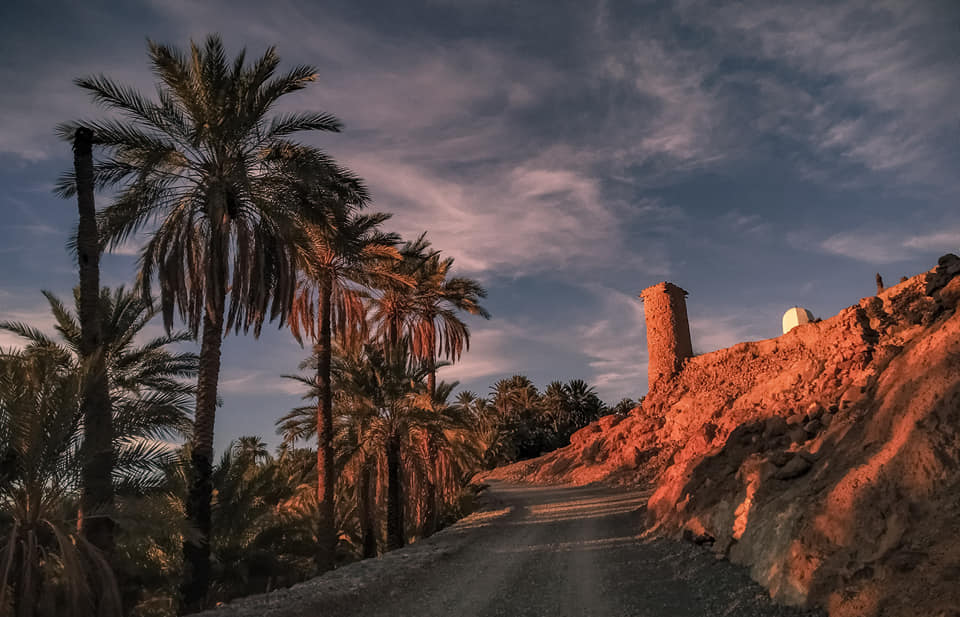
An Early bio breakfast will be on served then you will meet your local guide to start your journey to discover a city wher the time had Stood still
Figuig, the oasis off the beaten track
In the past, from the 14th to the 16th century, Figuig designated a long and particularly prosperous territory extending to the south-east of Morocco, along the border with Algeria.
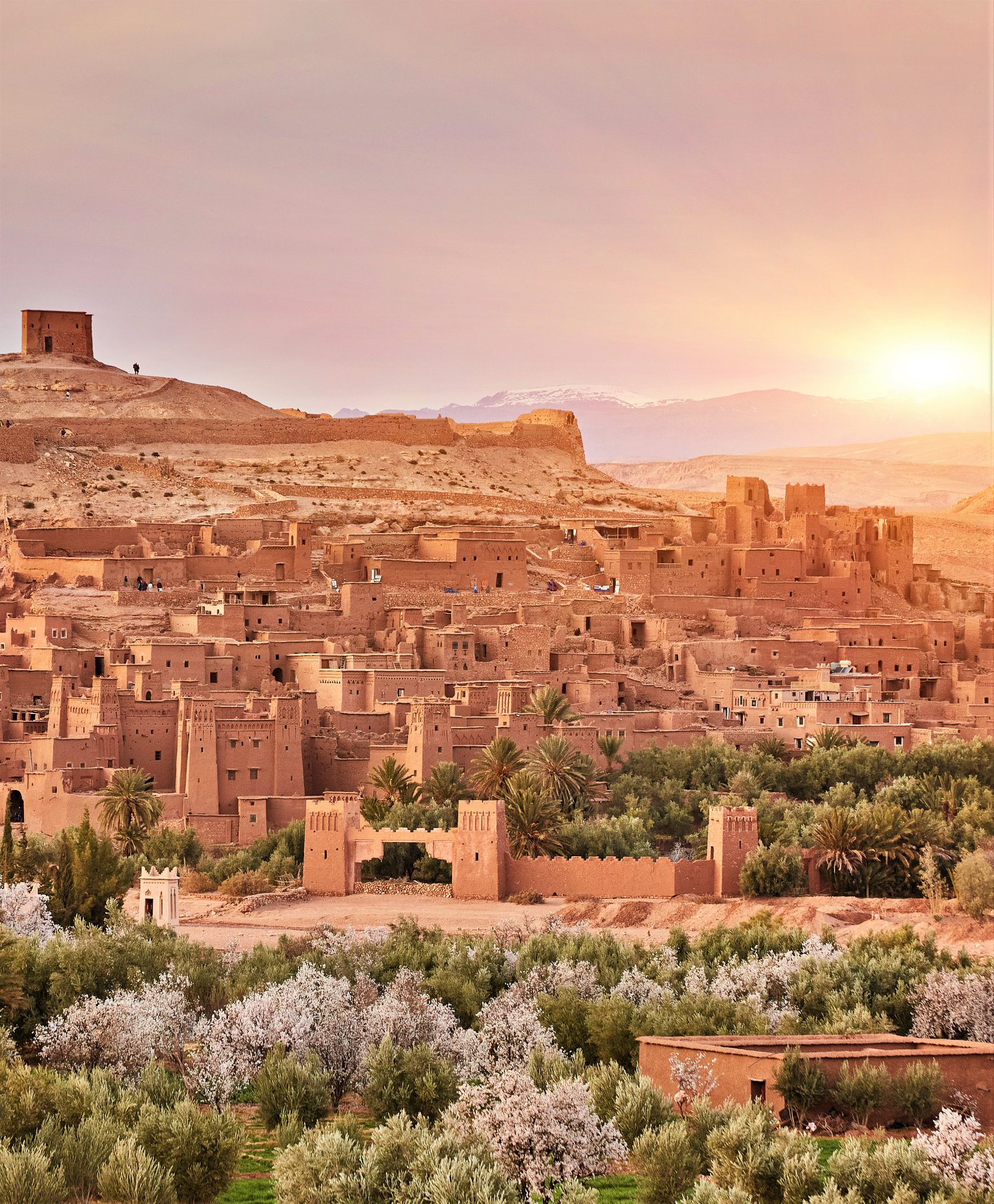
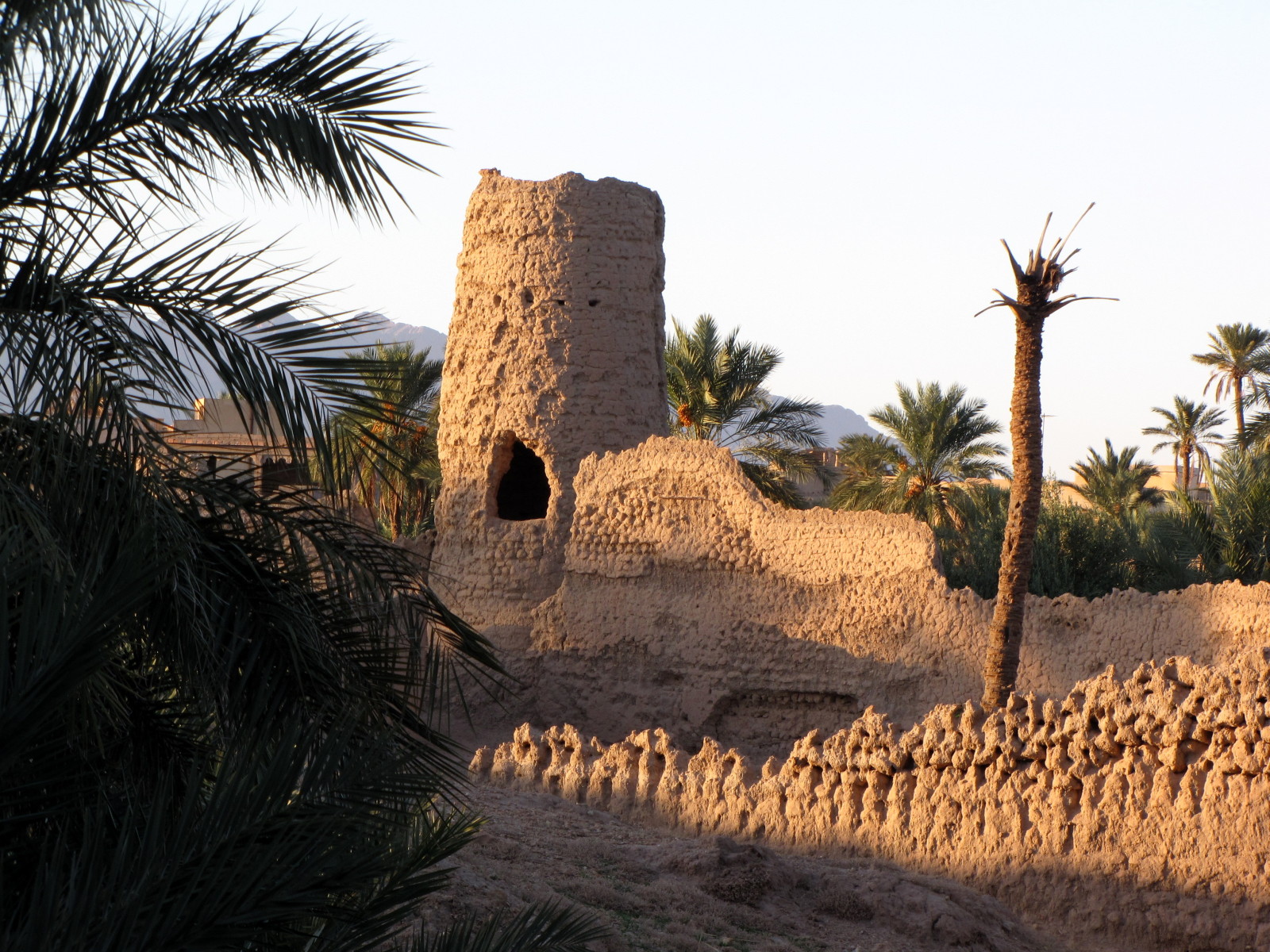
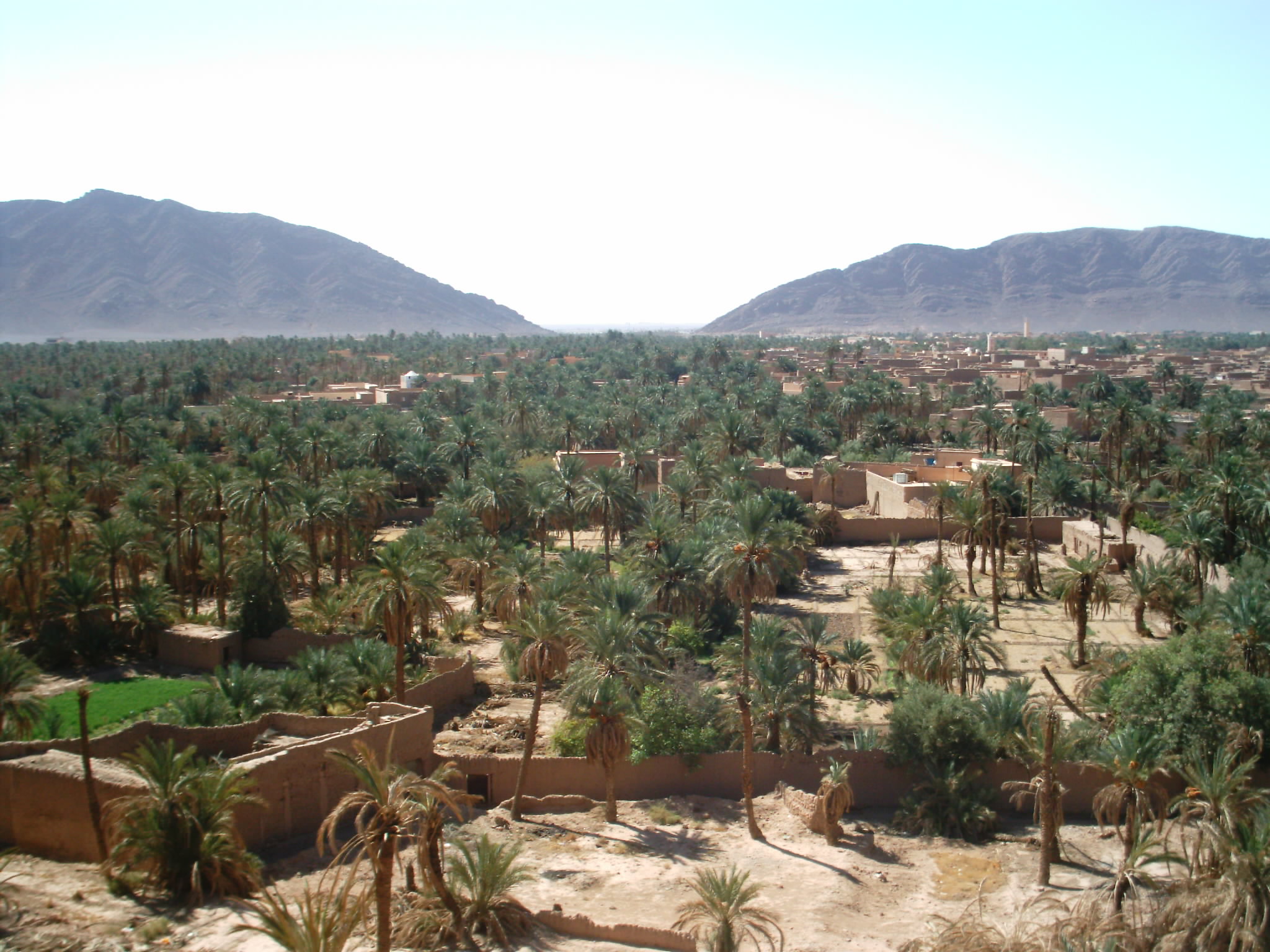
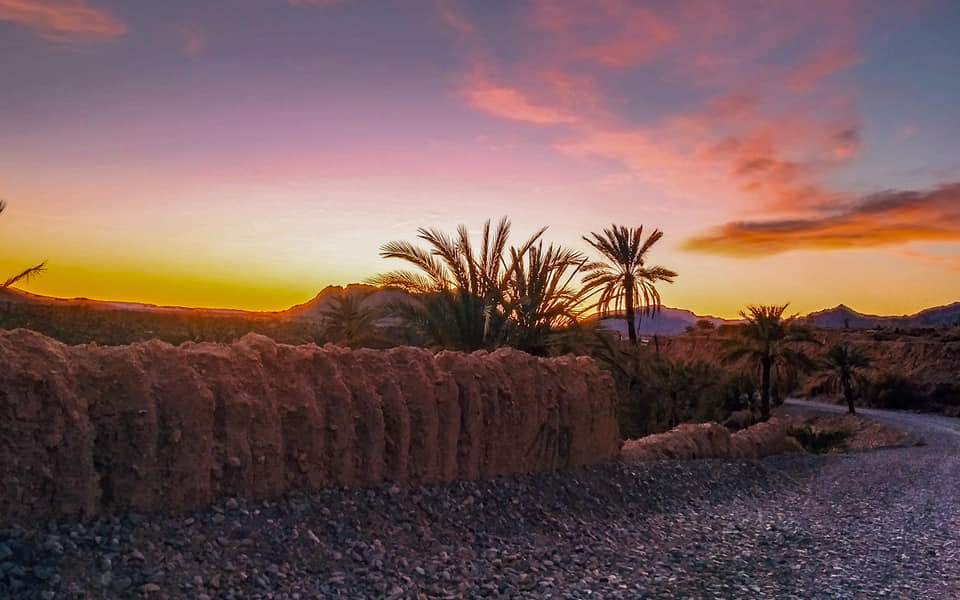
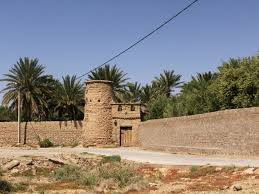
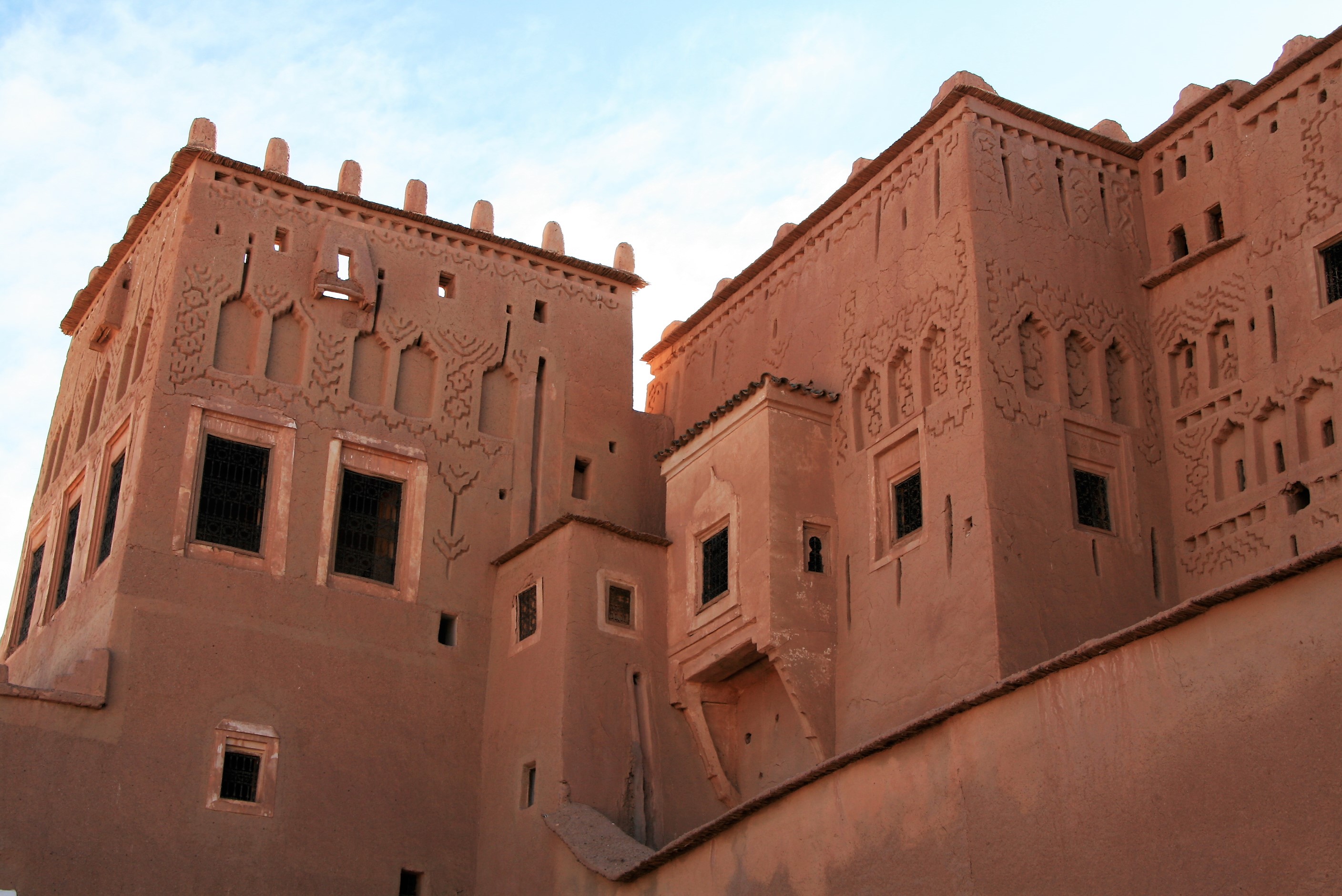
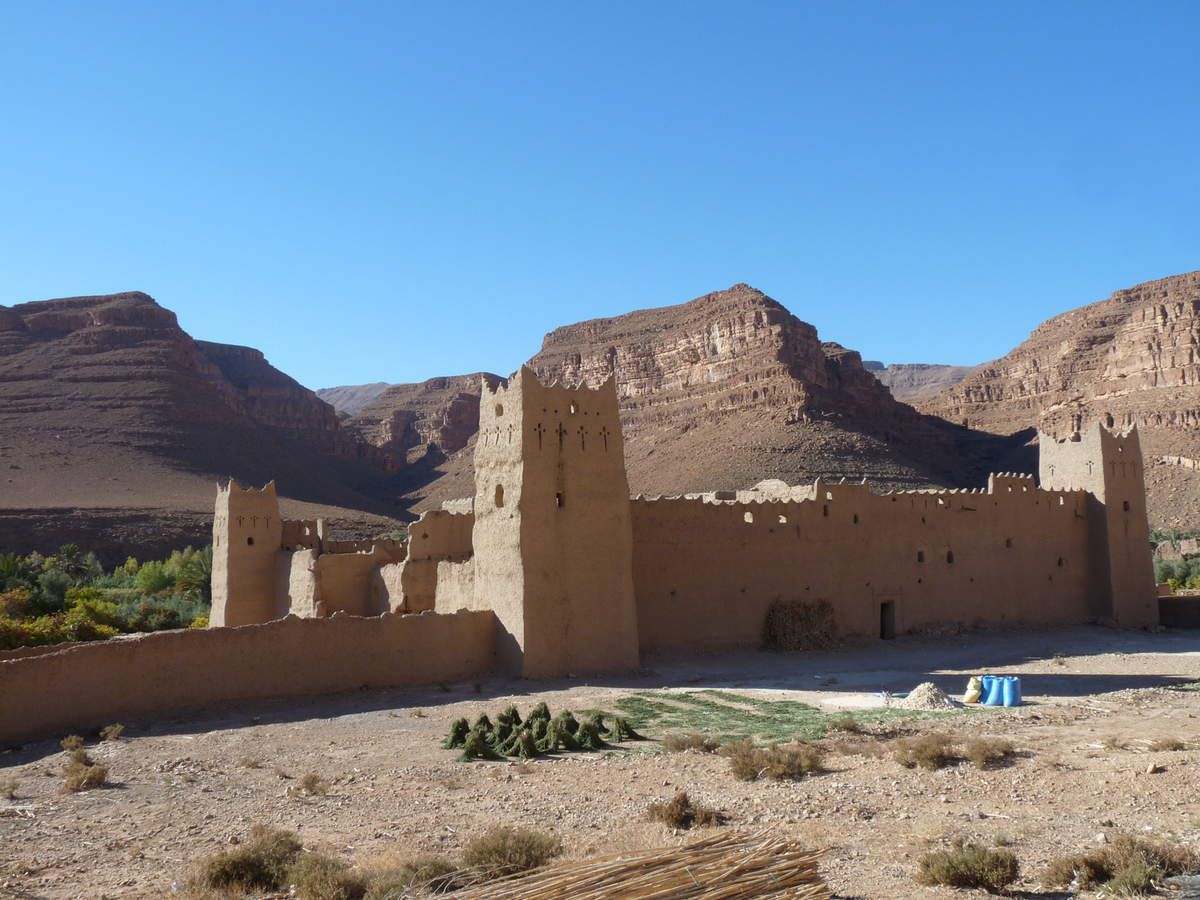
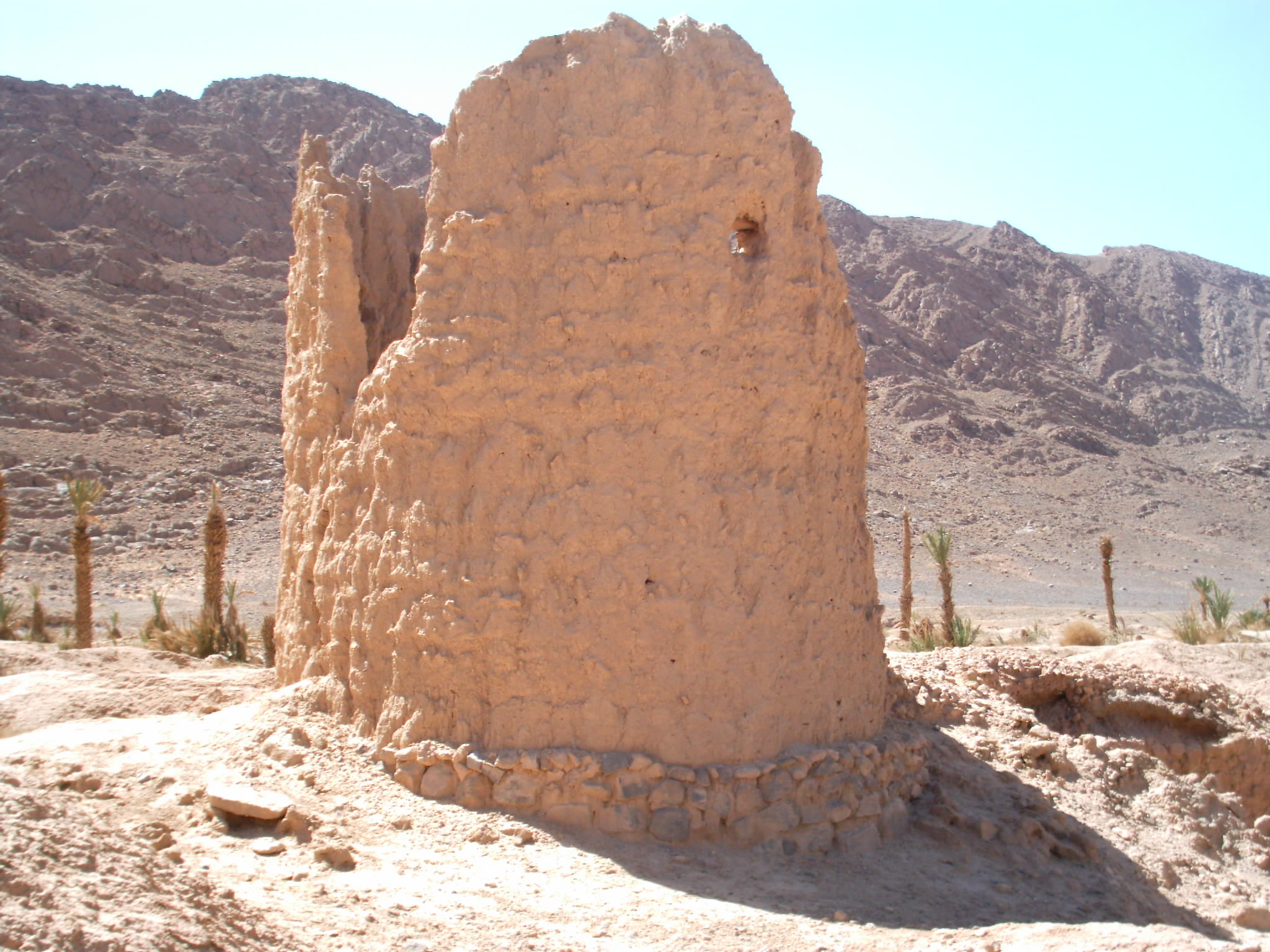
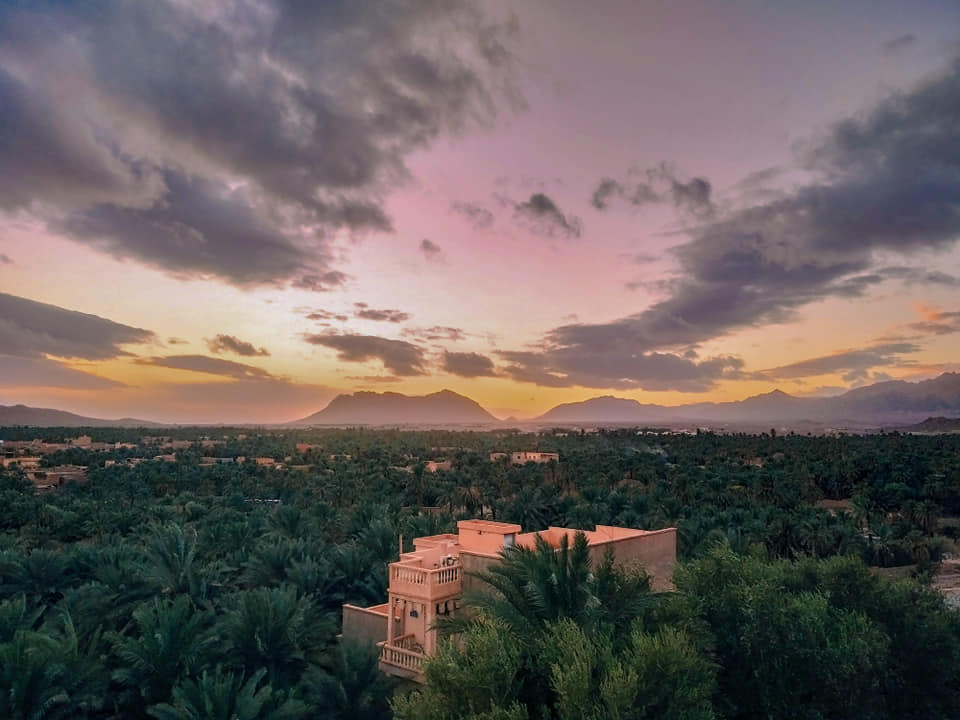
Today, the oasis of Figuig, planted in the heart of a mountainous circus located at the threshold of the great Saharan erg, is the union of 7 ksour, divided into two adjacent palm groves.
There are six in the North, on the Loudaghir plateau, including that of El Hammam- el-Foukani, while in the South the Zenaga ksar, in the Baghdad plain, the largest, alone comprises a third of the population of the oasis estimated at 15,000 inhabitants.
Because of its distance from traditional tourist circuits, unknown to most travellers and tour operators, Figuig has kept a real authenticity.
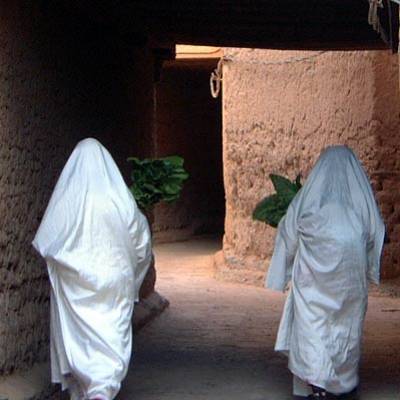
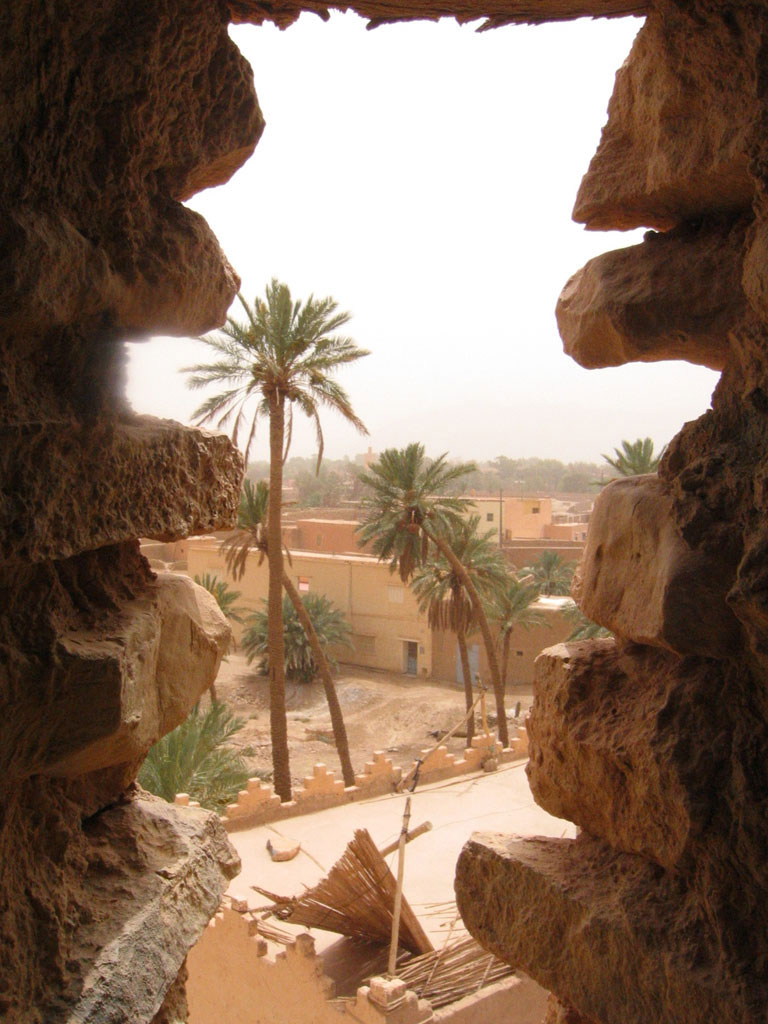
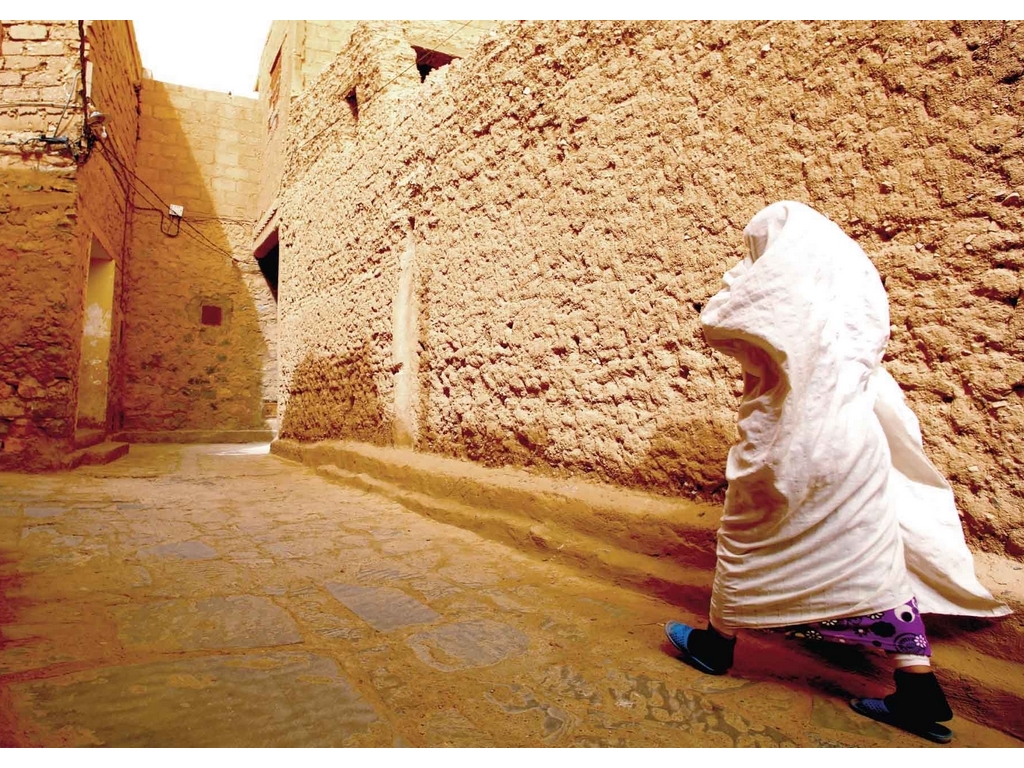
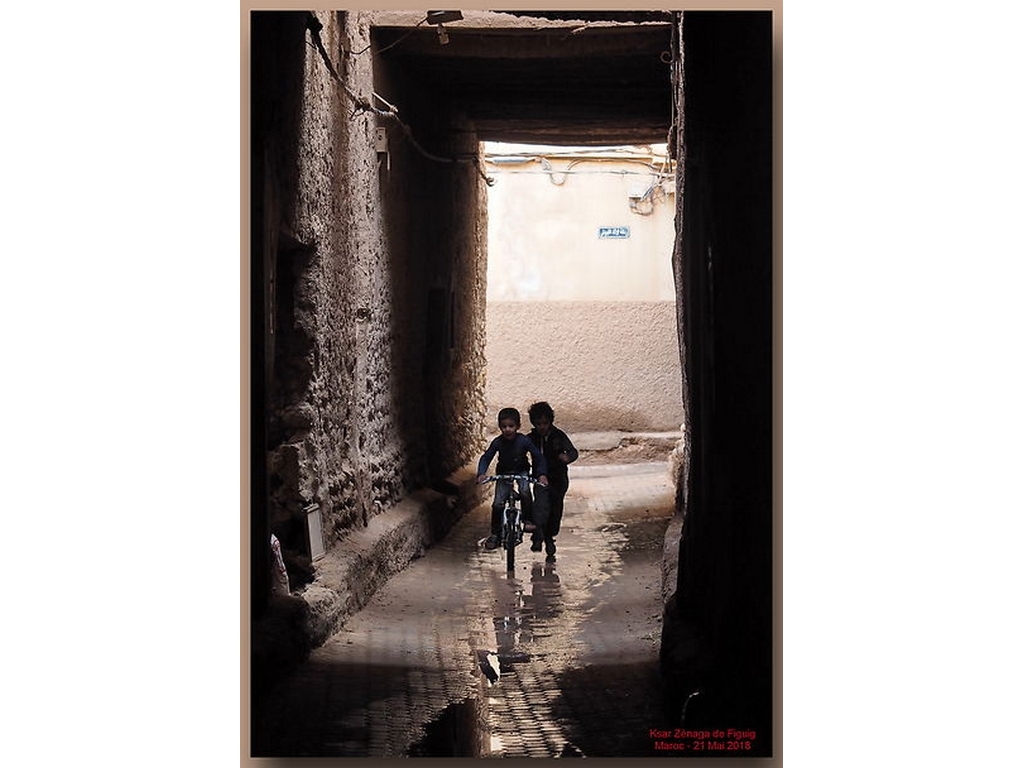
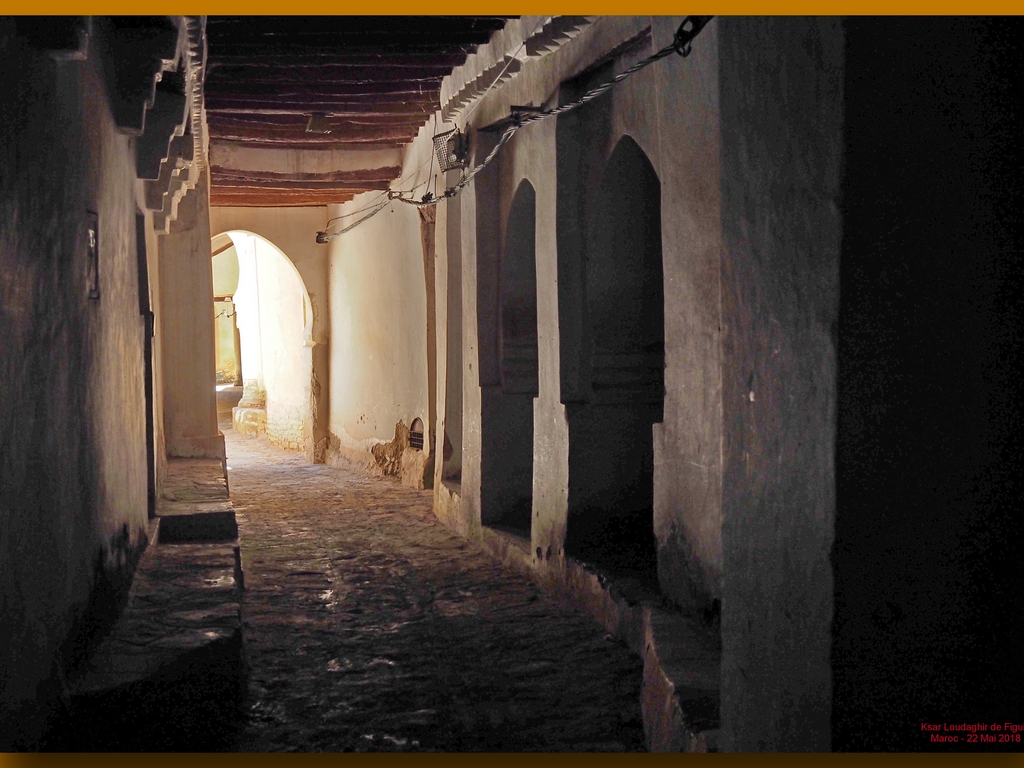
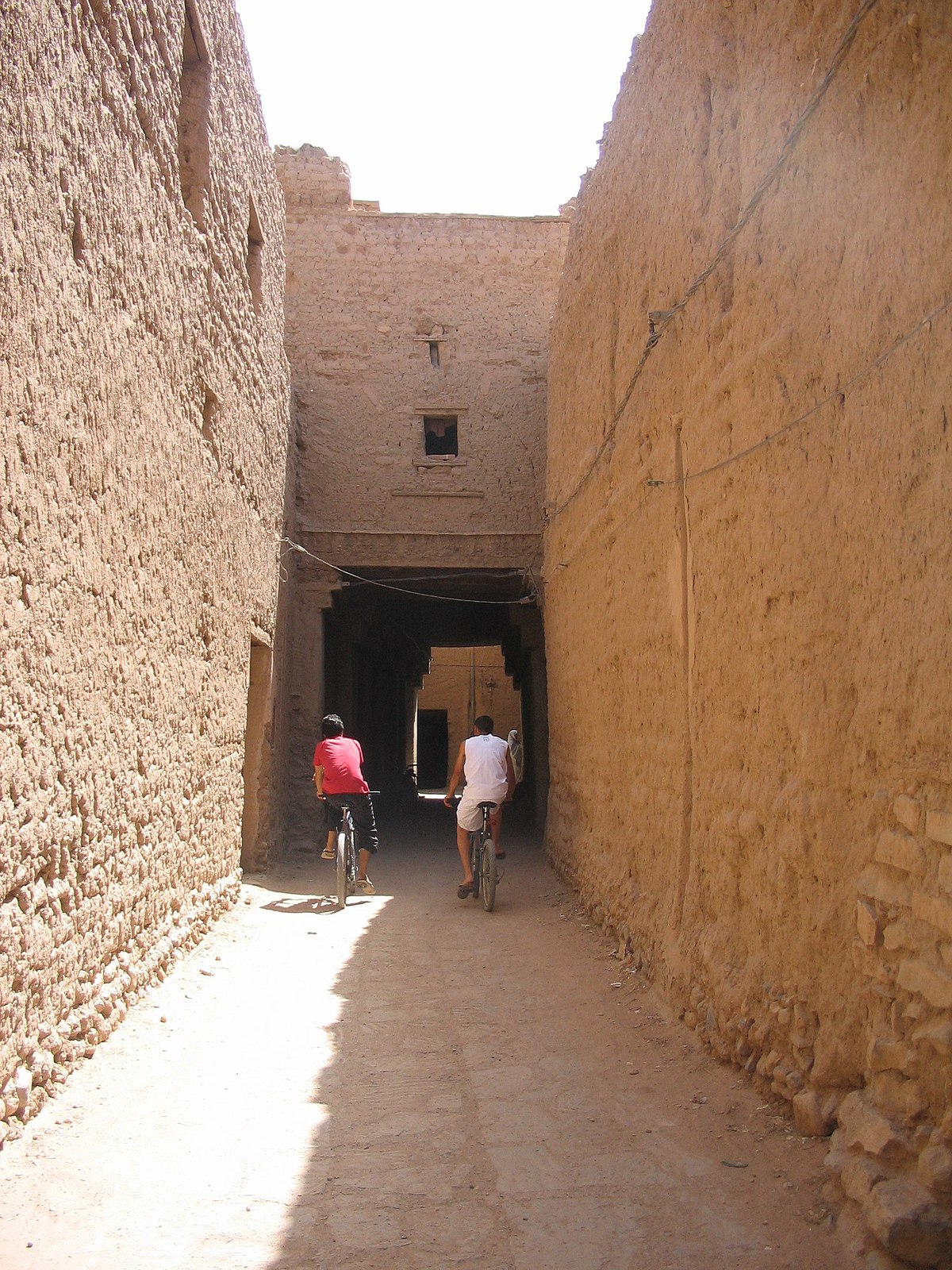
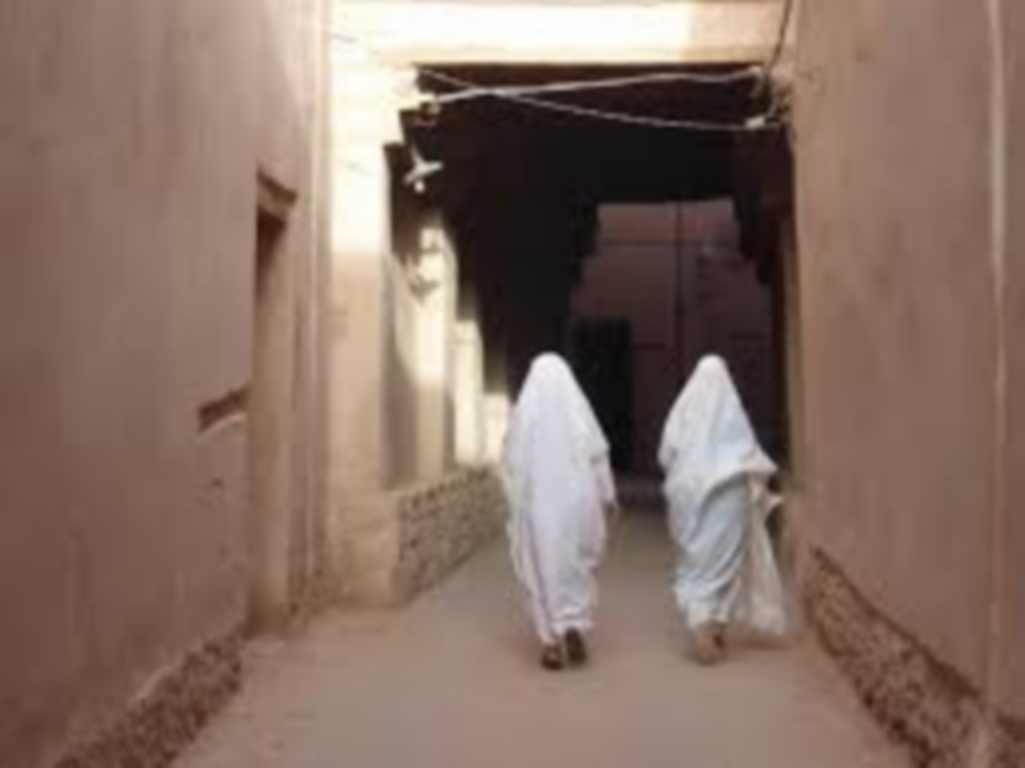
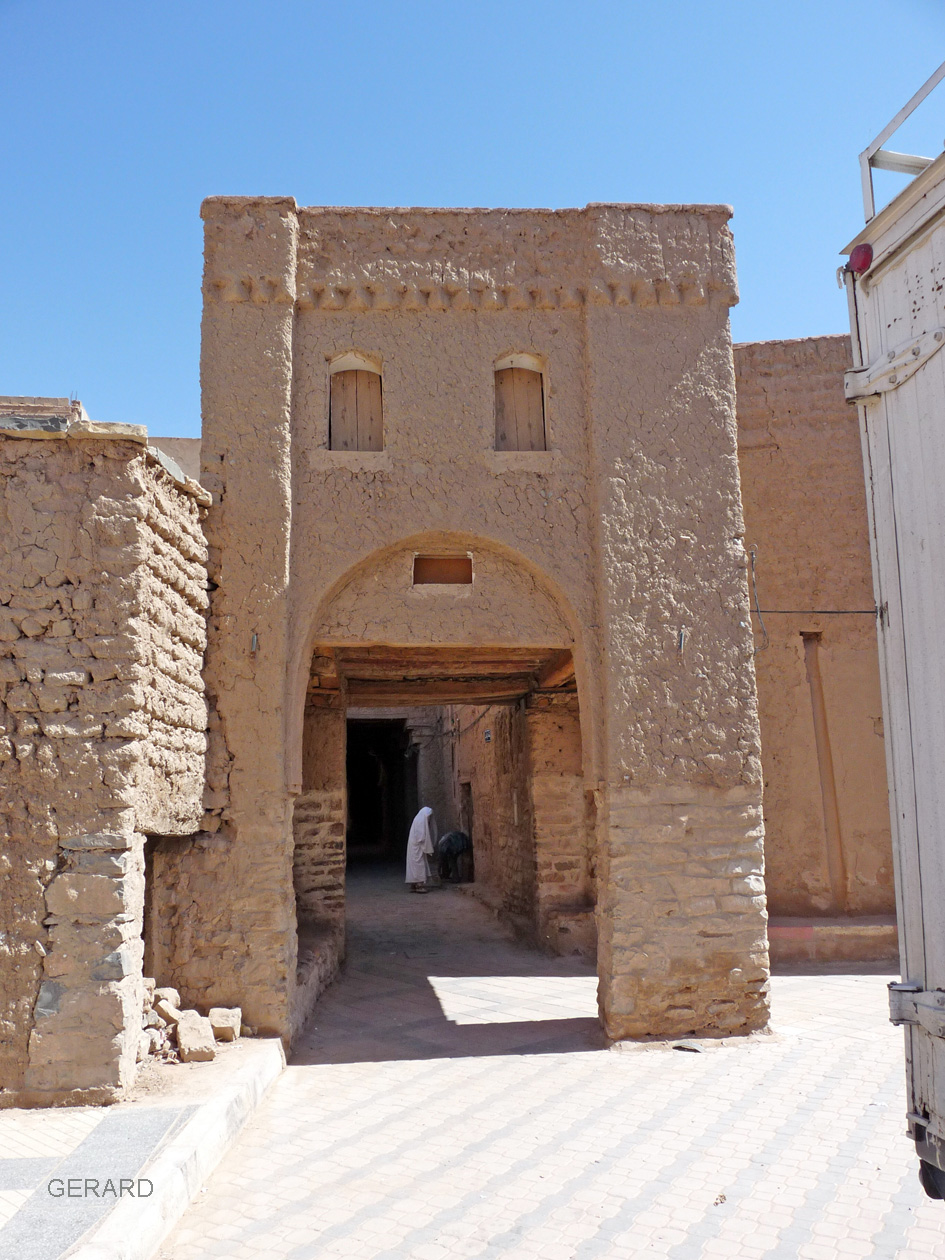
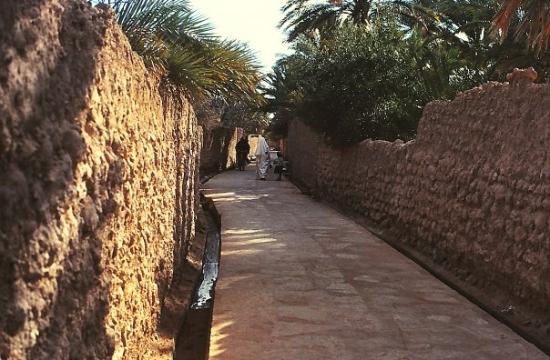
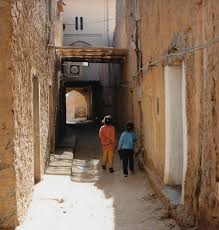
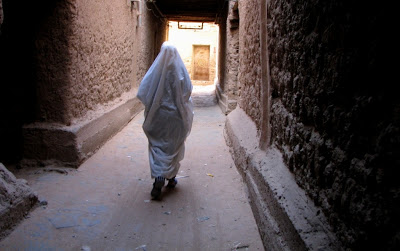
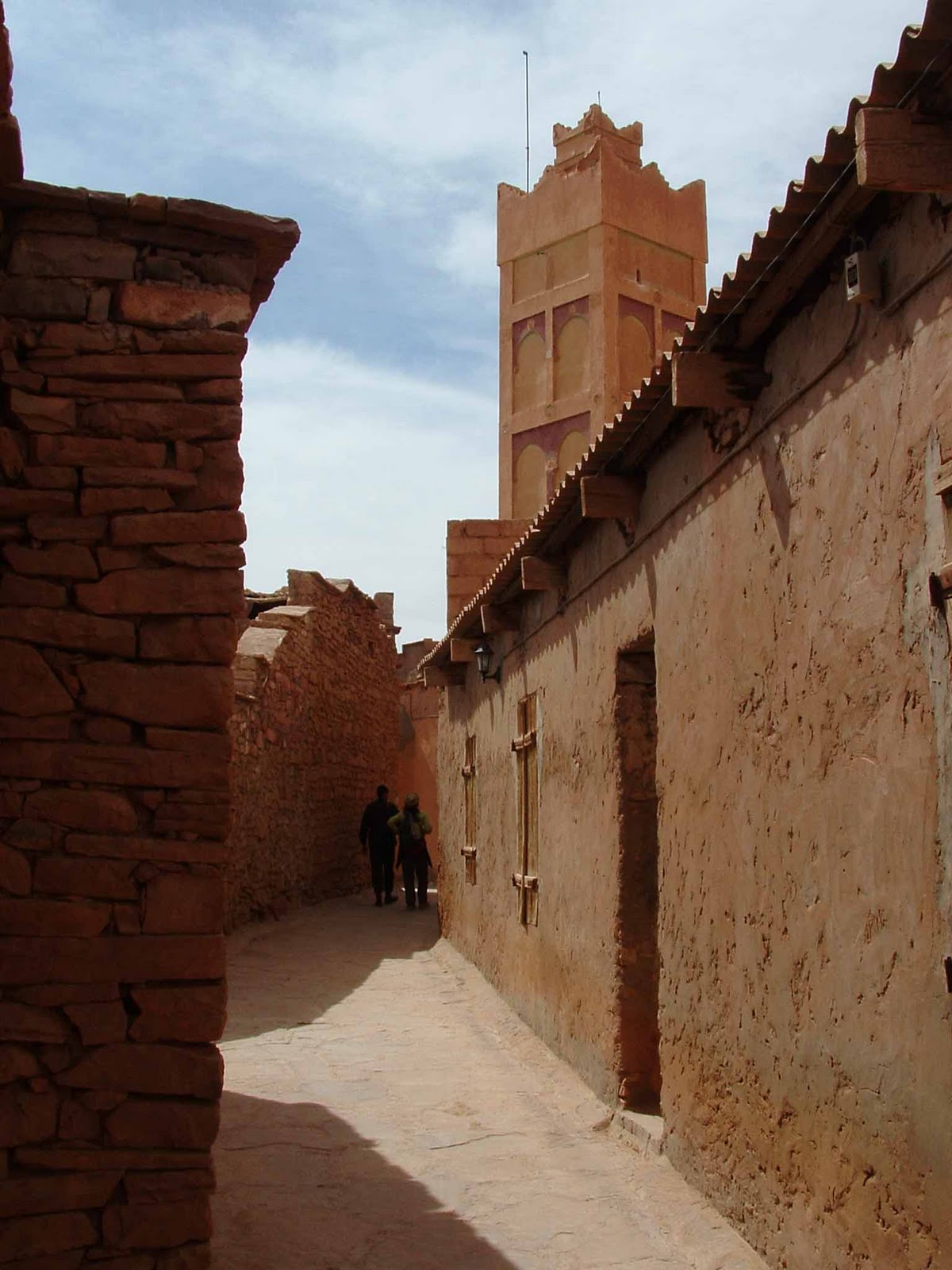
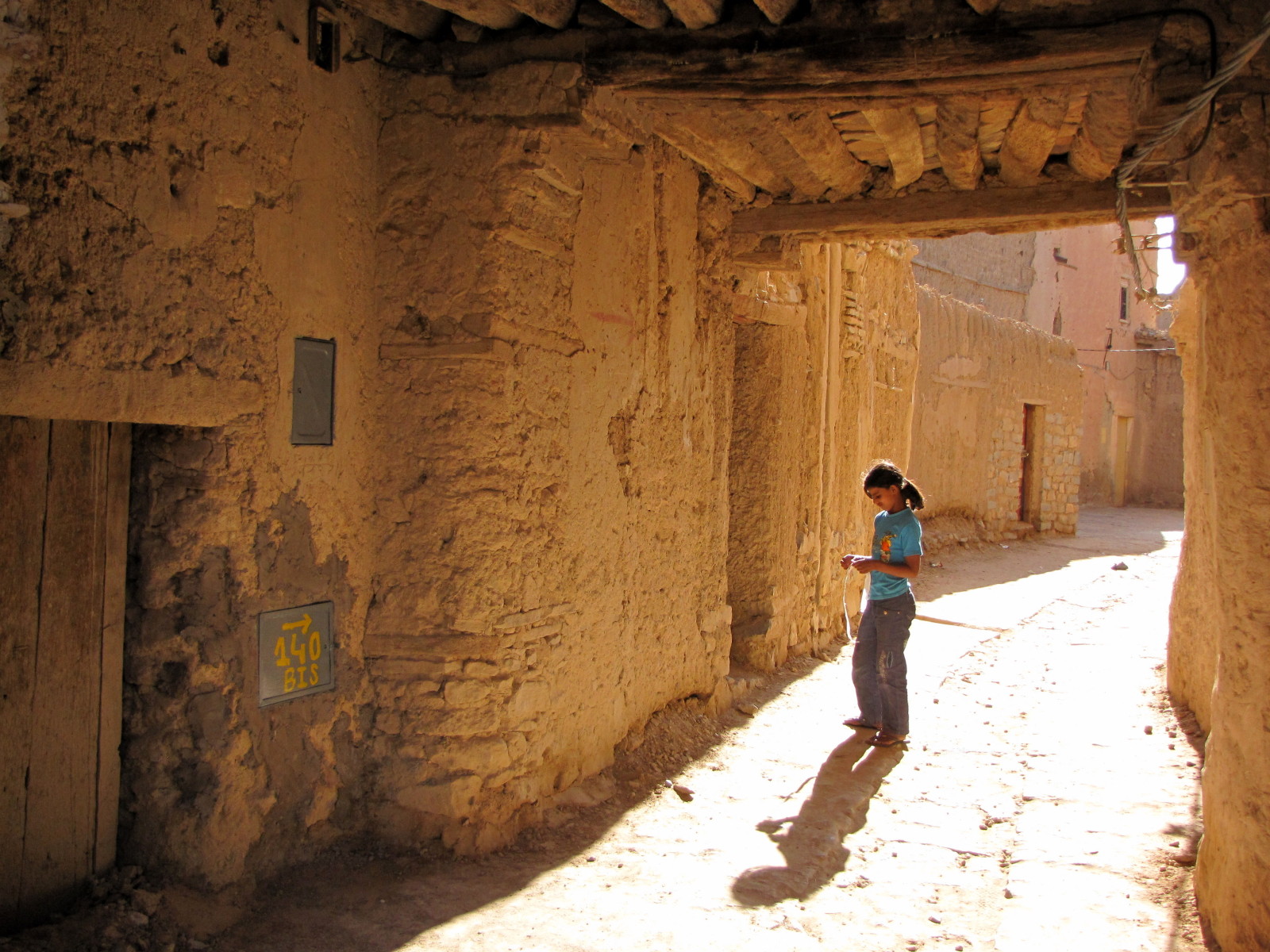
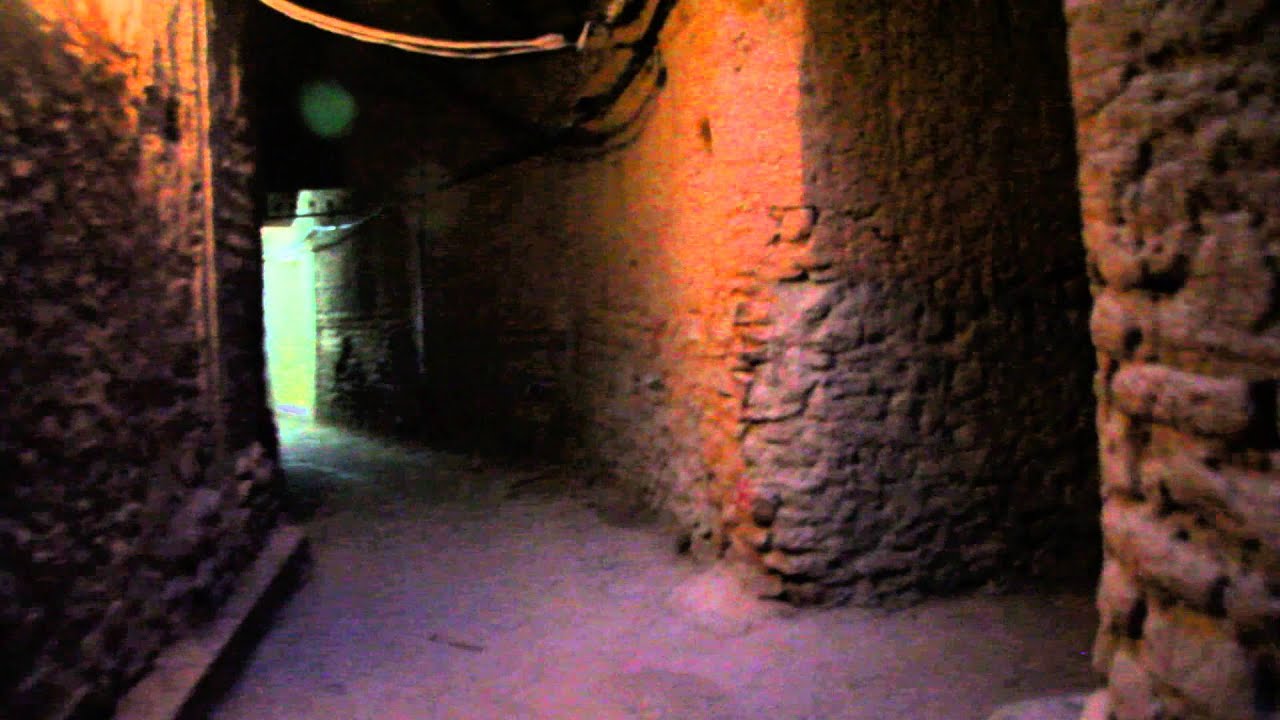
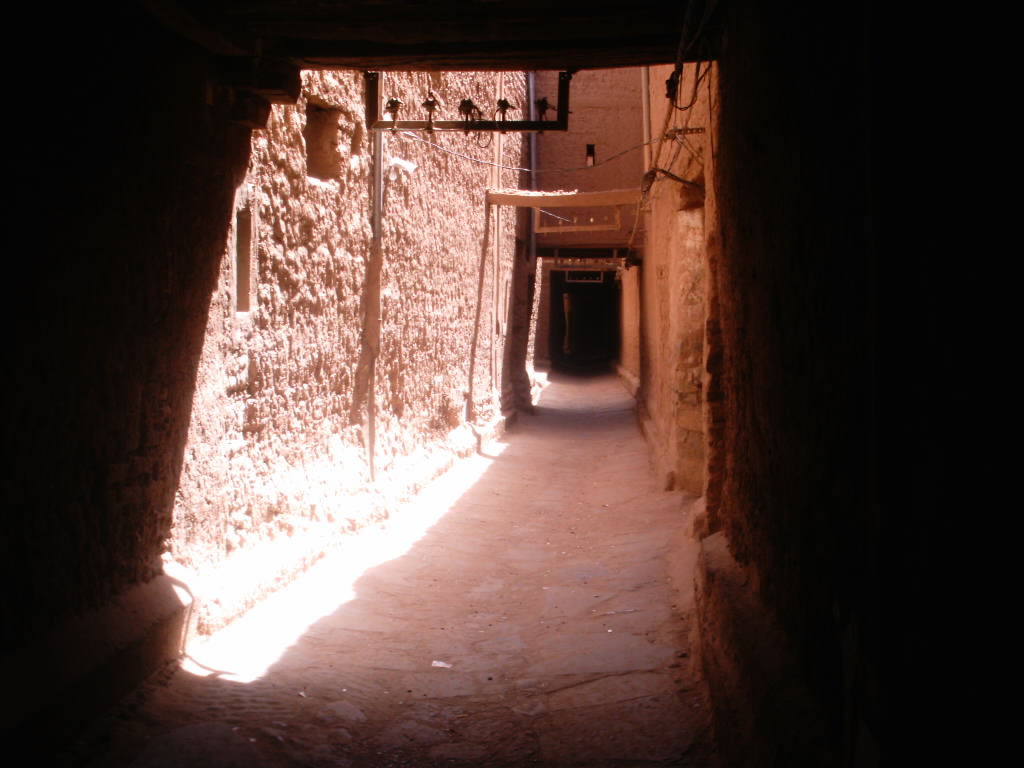
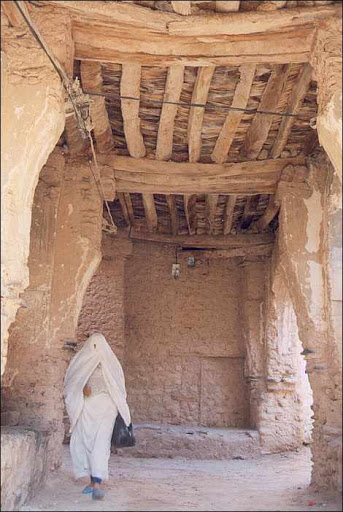
Discover the oasis of Figuig, it is to stroll in the narrow lanes of its ksour, to walk the paths of the palm groves El Hammam and El Maïz, to leave with the assault of the various paths of excursion climbing the surrounding mountains and to admire the panoramic views overhanging the oasis.
Visit Figuig
Ksar of El-Hammam-el-Foukani North-east of El Maïz
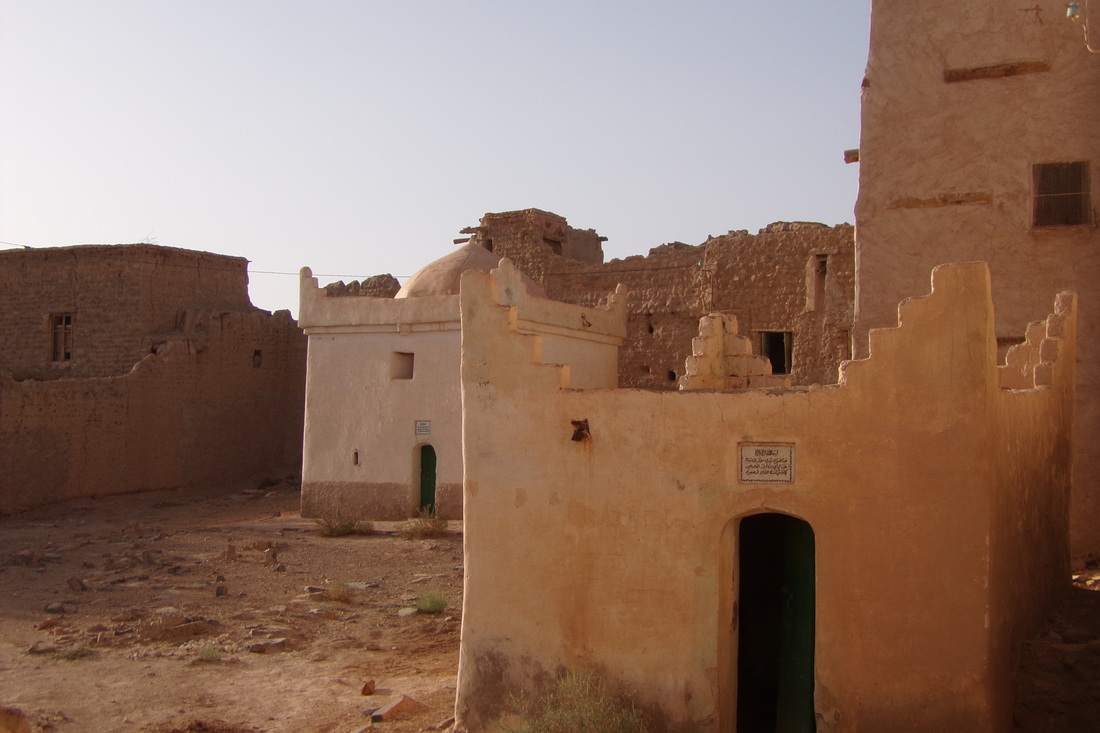
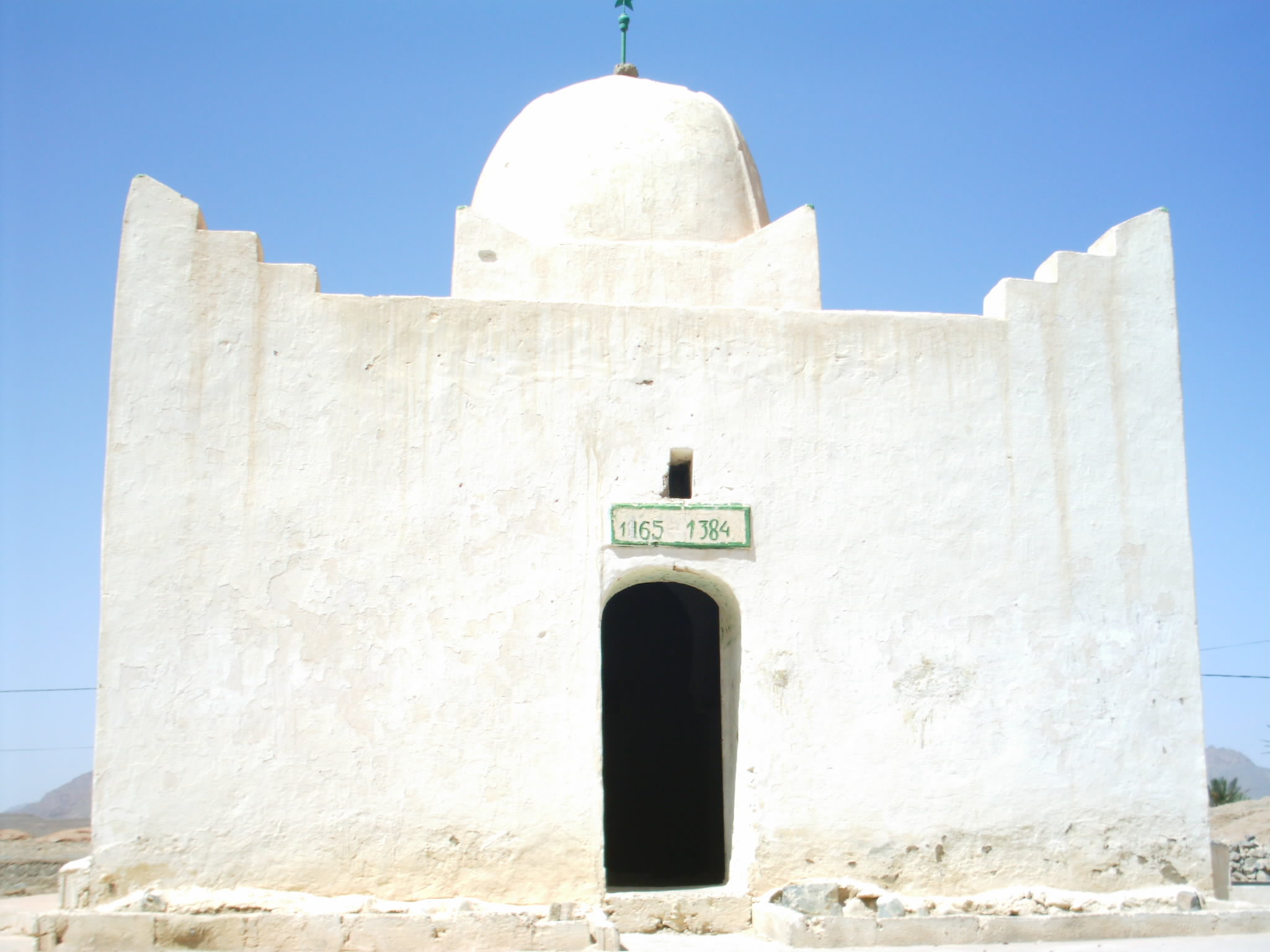
It contains the ancient Zaouïa of Sidi Bou Amama (1840 – 1908), native of the ksar, it was an emblematic figure of the uprising of the populations of the south of Oran, in Algeria, against the French occupation.
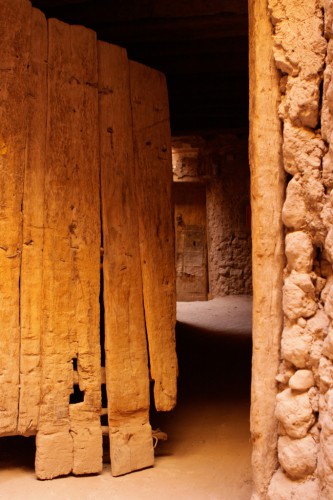
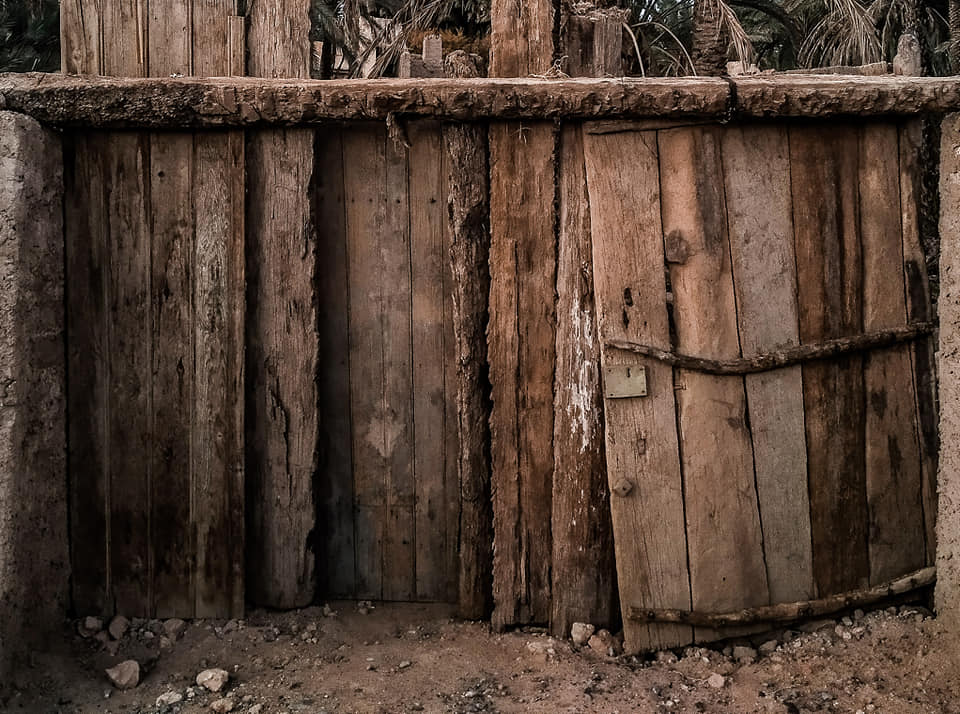
To the south of the ksar behind a small door, a staircase, slippery attention, goes down to the hot spring at 33° which gives its name to the ksar.
Ksar Zenaga 5 km south
A path bypasses the ksar el Oudaghir, from the west, and leads to hot and salty springs and a palm grove to reach the ksar of Zenaga, the farthest, but the largest ksour of the Figuig oasis.
The introduction of concrete in renovations or new constructions is a slight task in this typical ksour setting and undeniably removes charm from the traditional character of the place.
The main artery, Hassan II Boulevard, houses Figuig’s bus stop, post office and bank branches, as well as the inevitable traditional cafés and small restaurants.
The craft trade is found in the ksour: carpets, djellabas, and burnous are the specialties. Nearby, numerous walks can be made, in particular with the assault of the many hot springs of the valley of wadi Zousfana offering splendid panoramic views on the close Sahara.
The surprising hikes to make within the chain of Jbel Grouz participate in the beauty of the site.
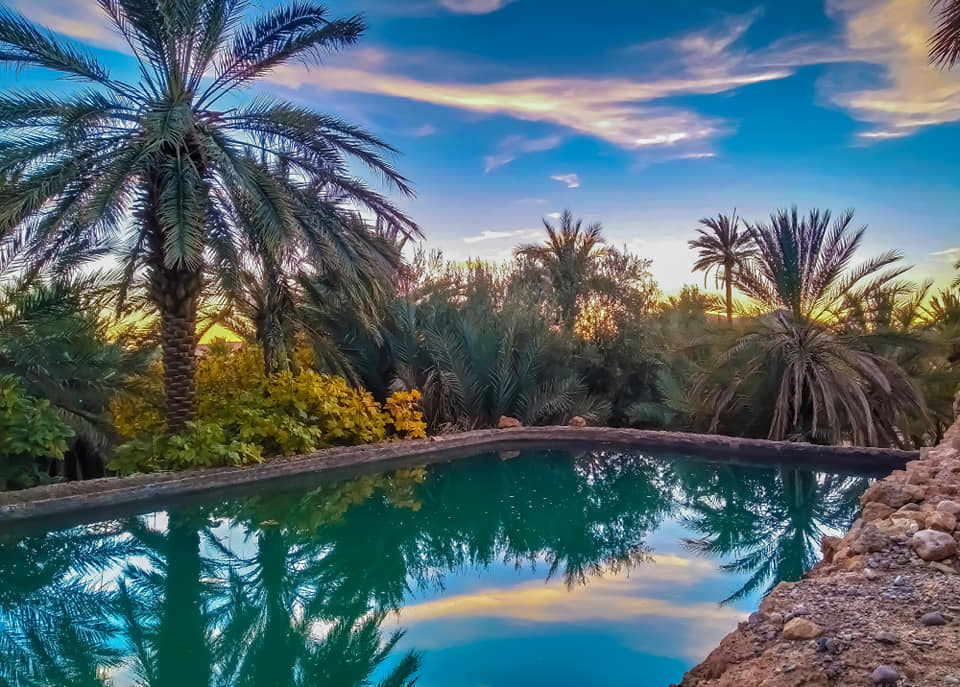
Palm grove of Figuig
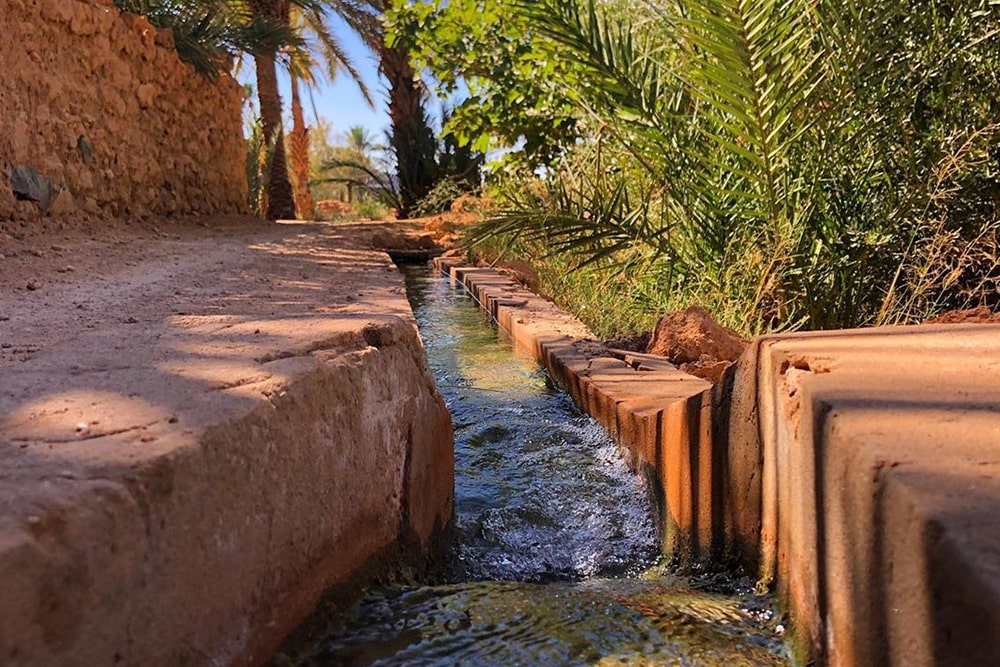
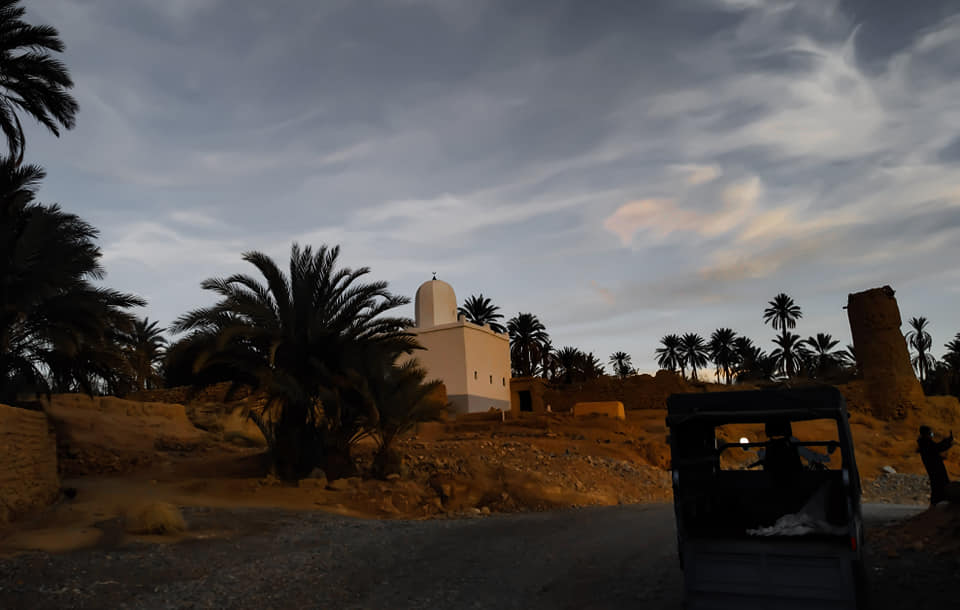
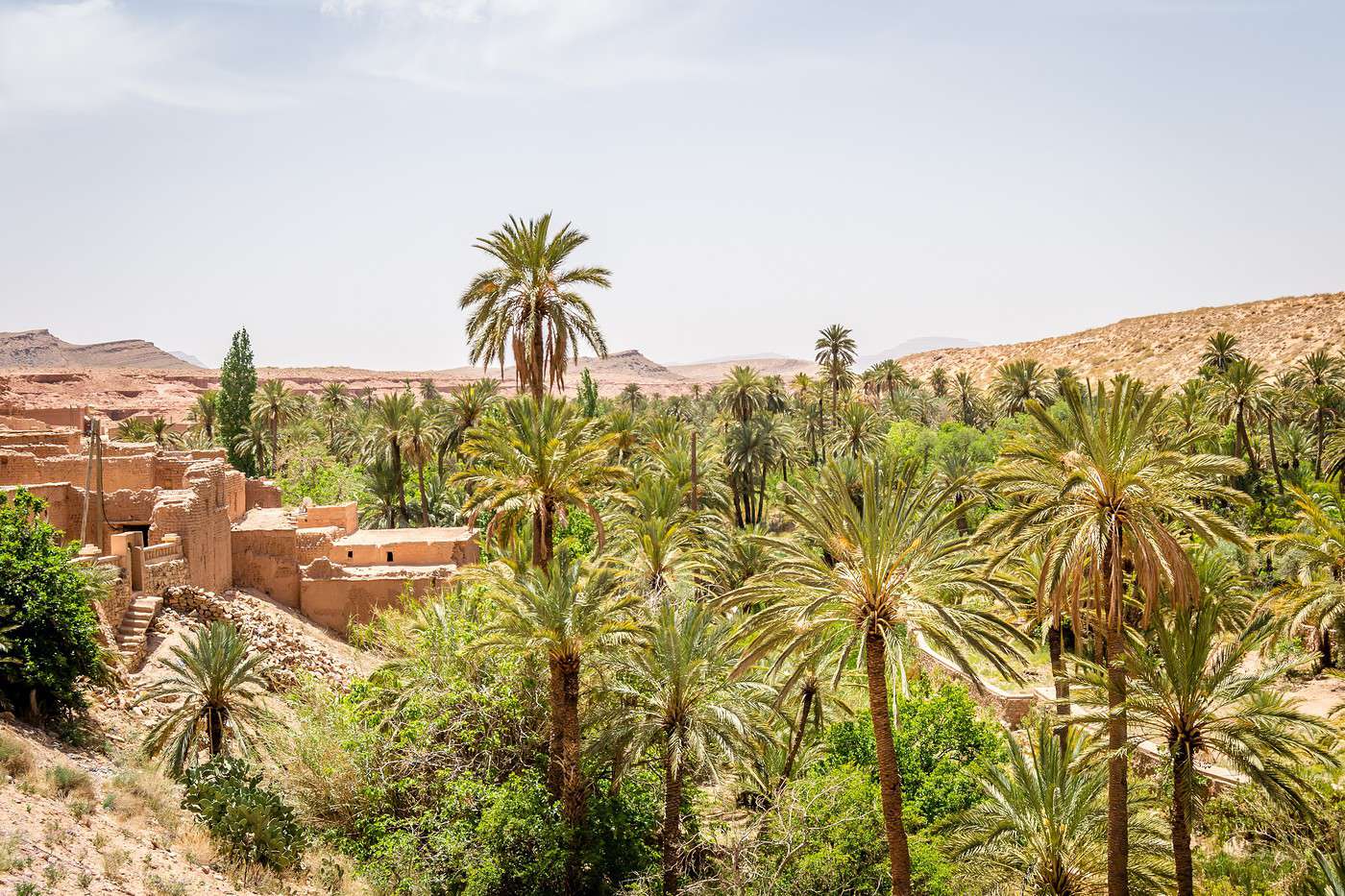
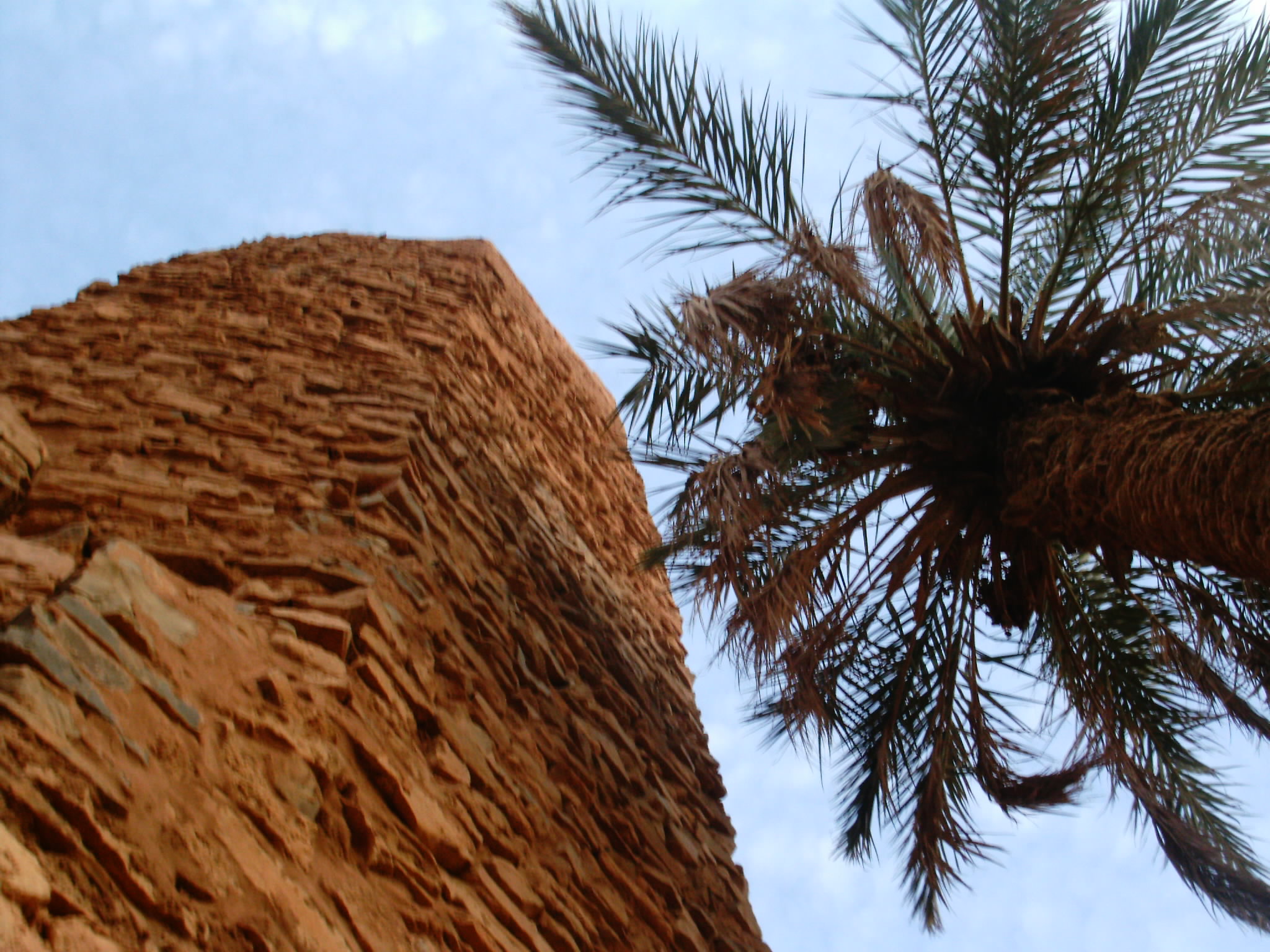
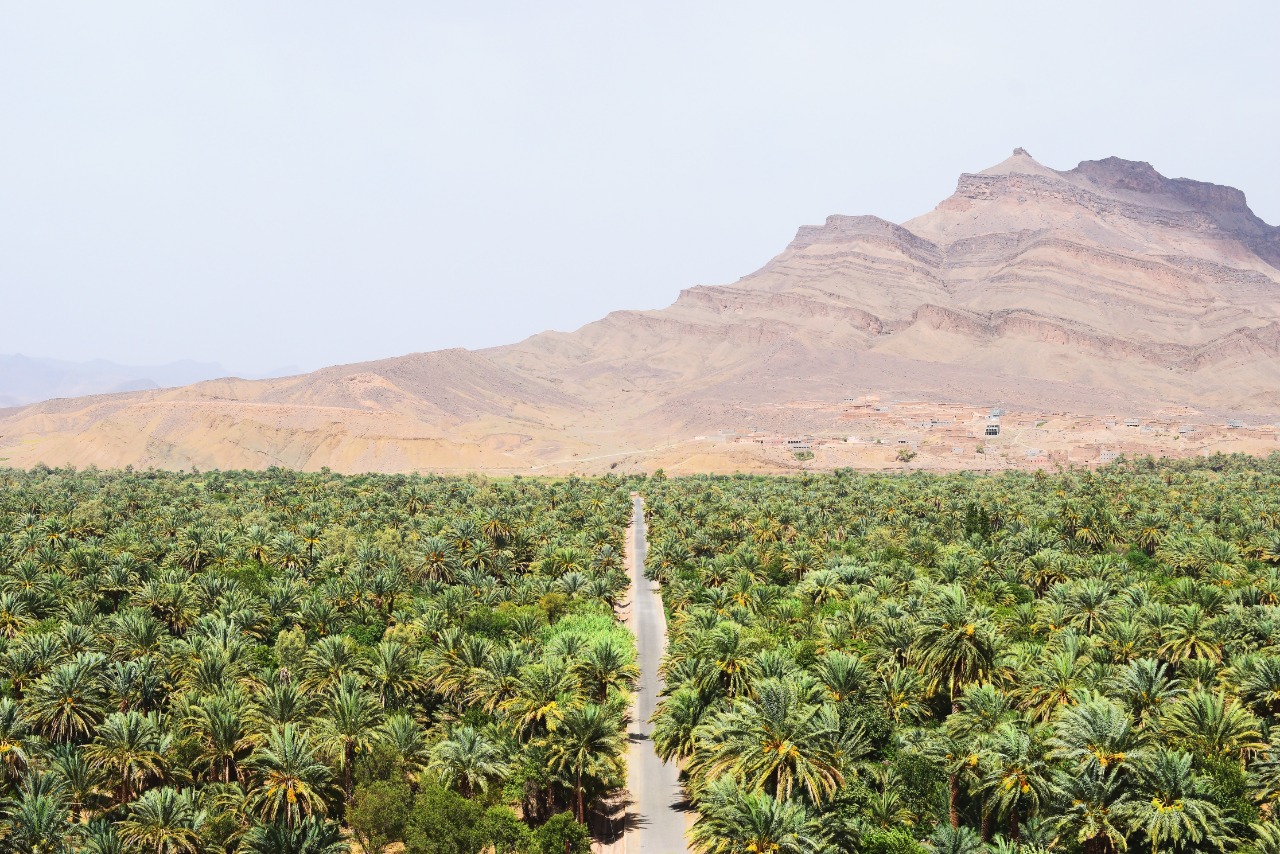
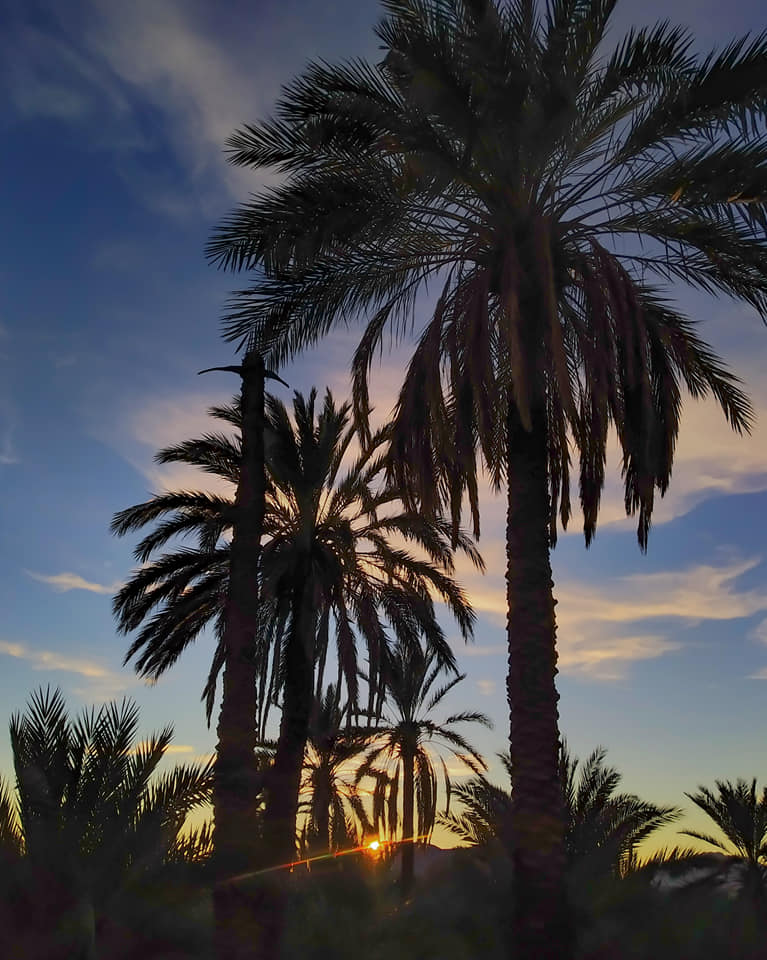
Rich of about 150 000 palm trees, the Figuig oasis is among the most beautiful in Morocco. Emerging from about twenty springs, the water is conveyed by gullies, seguias, or by underground channels, khettaras.
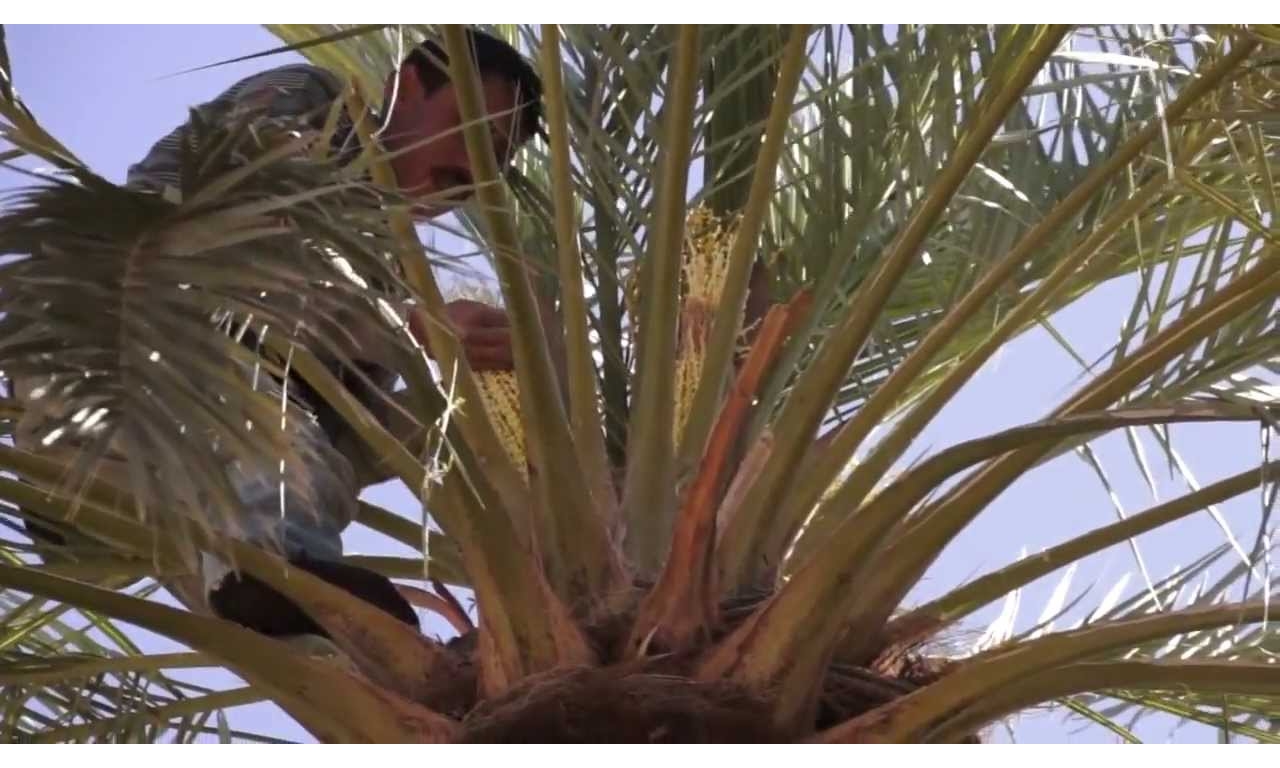
Most of the inhabitants of the oasis live from the exploitation of fruit trees, pomegranate trees, olive trees, fig trees and vines as well as from the cultivation of cereals, vegetables and alfalfa. But the most important remains that of date palms.
In autumn, the harvest period of dates being the major activity, Figuig knows a certain effervescence.
After the long day a good traditional local meal in diner will be served and good night sleep in the calm of the oasis .