

Doge's Palace
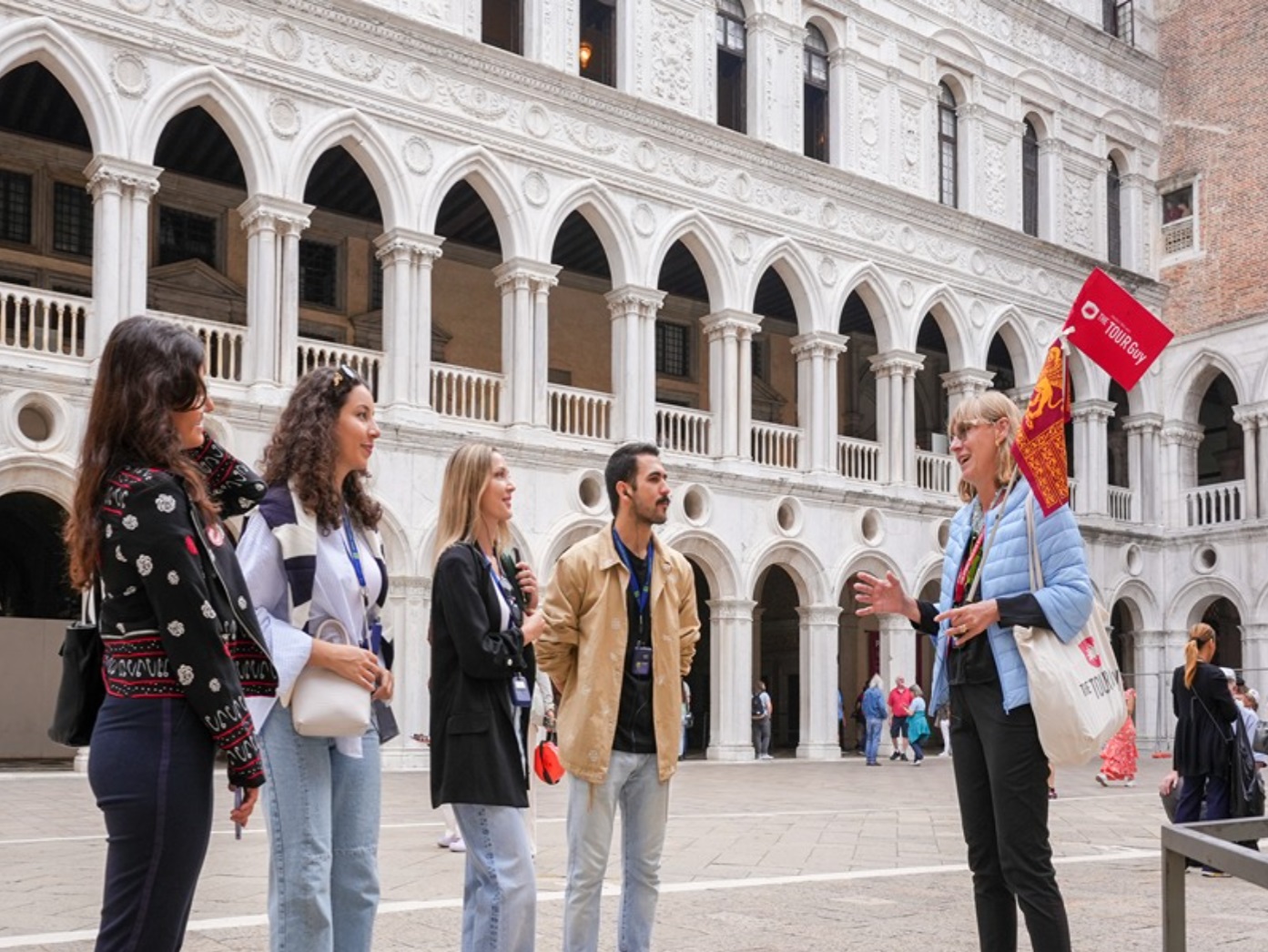
The Doge's Palace, or Palazzo Ducale in Italiano, is a perfect example of Venetian gothic architecture in Venice. The grand palace, once home to the Doge of Venice when the city was a Republic, sits on one side of St. Mark's Basilica. It's delicate pink facade and ornate columns are just part of the reason it attracts over a million visitors each year. But don't let the external beauty of the palace fool you, this palace holds many dark stories hidden within its walls. Meet your guide outside Doge's Palace. Before skipping the line to enter, admire the exterior of the palace and learn about the history of Doge's Palace and St. Mark's Square. introduction to the exterior, the Doge's Palace history and the surrounding area.
Torture Chambers and Casanova
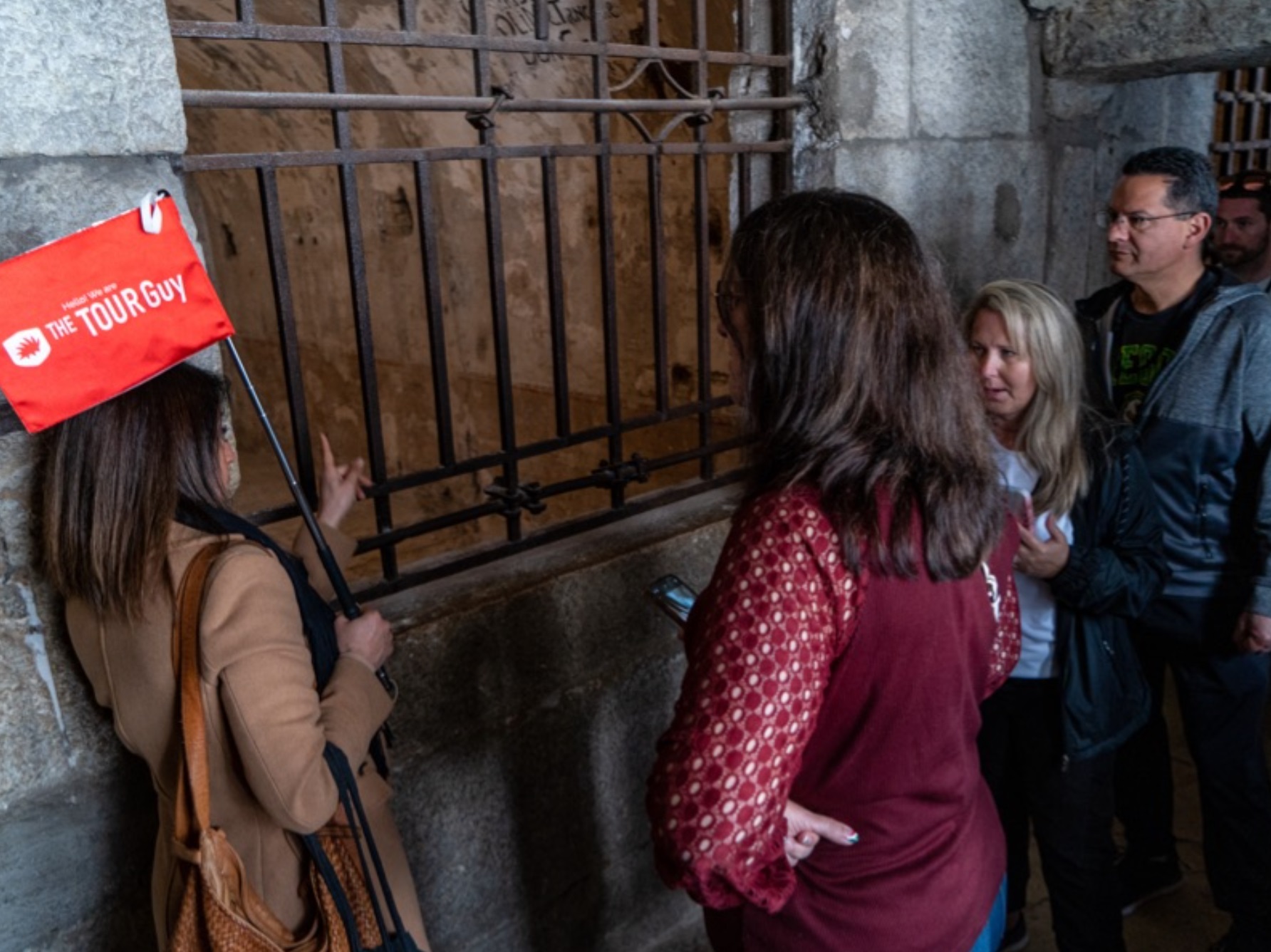
You'll soon arrive at the Doge's Palace torture chamber. Also known as the Chamber of torment, this chamber is directly linked to the prisons. Inside this room, our guide will explain the common torture methods employed during interrogation. Next door, find even more prison cells. These cells, called Piombi, are not quite as gruesome as the Pozzi found on the lower levels. These rooms here were kept for people who committed political crimes and those serving only short-term prison sentences. One man who occupied both the Pozzi and the Piombi, was the Italian adventurer and author, Giacomo Casanova.
Bridge of Sighs
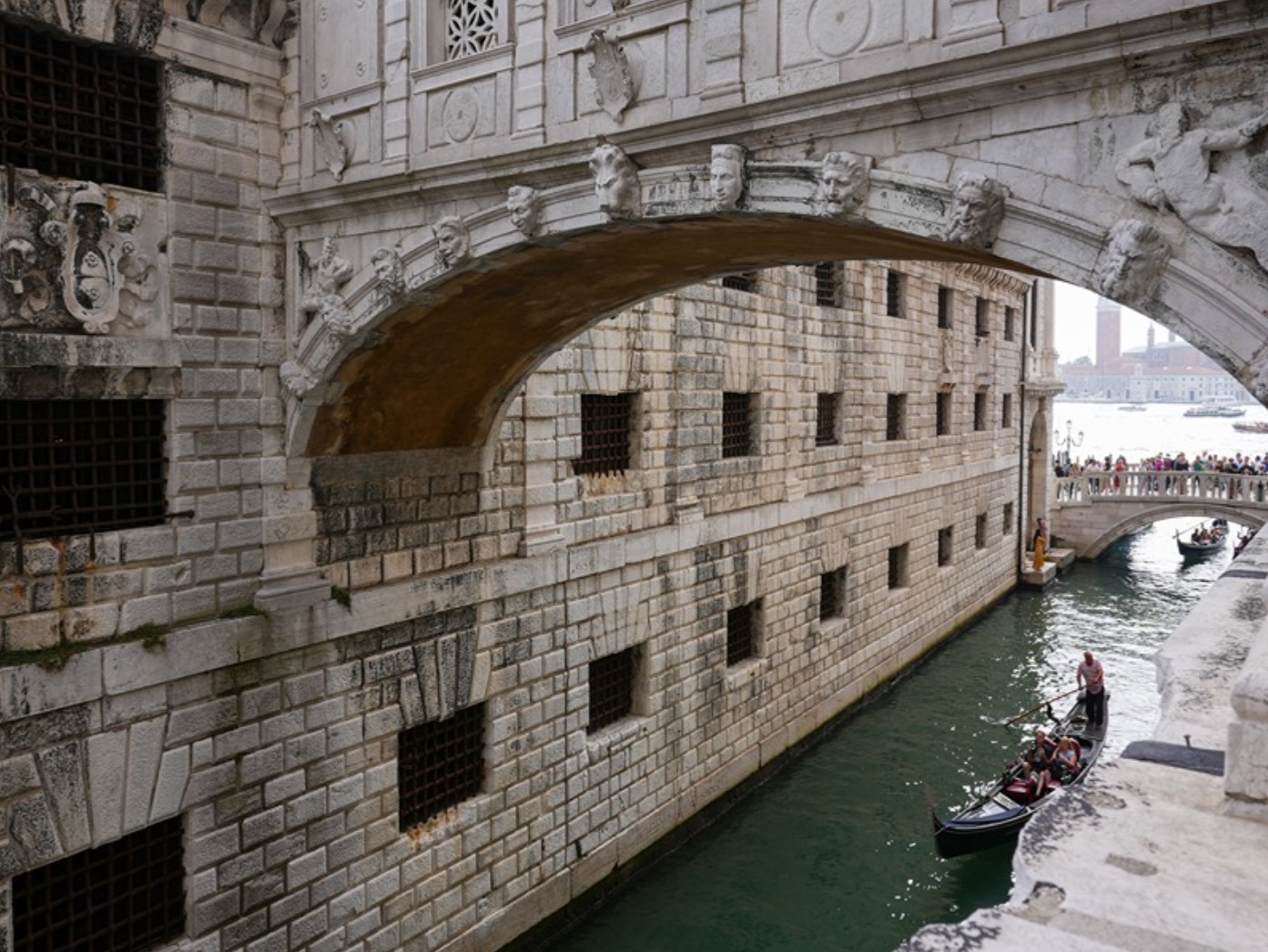
The Bridge of Sighs, or Ponte dei Sospiri in Italiano, connects the Doge's Palace interrogation chamber to the new prison cells. The bridge once connected freedom with incarceration, and prisoners walked across this bridge before spending years or even the remainder of their lives in prison. If that was not enough to sigh about, the small windows carved into the bridge offered prisoners their last glance of beautiful Venice, before being locked up.