


| 8 mins read
For years, ambitious holidays were measured by how many experiences travellers could fit into a limited number of days. Several cities in a week, famous attractions from morning until evening, then an early train or flight to start again somewhere new.
The itinerary might look impressive, but the experience can be exhausting. Constant packing, hotel check-ins, transfers and long journeys consume valuable holiday time. Travellers may return with hundreds of photographs but little sense of the places they actually visited.
Slow travel offers another approach.
Instead of asking, “How many places can I visit?”, slow travellers ask, “How well can I experience this place?”
It might mean spending a week exploring Lisbon and its surroundings, allowing a Tuscan lunch to stretch through the afternoon, or staying in Sri Lanka’s tea country long enough to walk through the plantations rather than simply viewing them through a train window.
Slow travel is not about doing less. It is about giving a destination enough time to become more than a collection of attractions.
What Is Slow Travel?
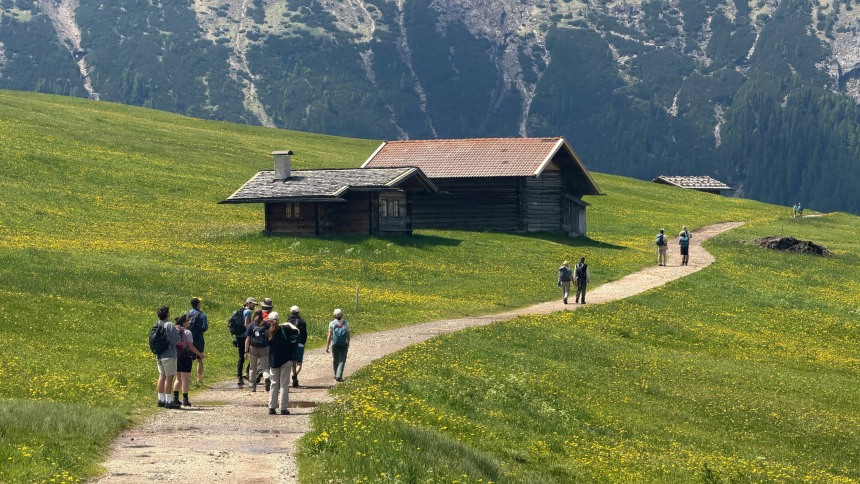
Slow travel prioritises depth, curiosity and connection.
Famous landmarks can still be part of the journey, but they are no longer the entire purpose of it. Travellers create space for neighbourhood walks, markets, regional food, conversations and unexpected discoveries.
Consider Lisbon. It is possible to move quickly between Belém Tower, Praça do Comércio, São Jorge Castle and the city’s viewpoints before leaving the following morning.
A slower visit allows time to wander through Alfama, explore Mouraria, stop at a neighbourhood bakery, listen to fado and return to a favourite viewpoint at sunset.
The difference is not simply how long you stay. It is how much attention you give to the destination.
A week can be slow travel. A month can still feel rushed.
Why Travellers Are Moving Beyond Checklist Tourism
There is nothing wrong with wanting to see famous attractions. The problem begins when completing a list becomes more important than experiencing the destination.
Changing hotels repeatedly means packing, checking out, travelling and starting again. Long transfers consume hours that could have been spent exploring a neighbourhood or enjoying a leisurely meal.
Packed itineraries also leave little room for discoveries that cannot be planned in advance. A village celebration, a recommendation from a café owner, an interesting market or an unexpected walking trail can easily be missed when every hour is already occupied.
Slow travel creates space for these experiences.
It can also encourage travellers to spend more time with independent restaurants, markets, accommodation providers, artisans and other local businesses rather than simply moving through the busiest visitor attractions.
Five Principles of Slow Travel
Choose fewer destinations. Concentrate on one city, island, valley or region rather than attempting to cover an entire country.
Leave time unplanned. Reserve experiences that require advance booking, but avoid filling every hour. An open afternoon gives you freedom to follow recommendations.
Experience everyday life. Neighbourhood markets, cafés, workshops and smaller communities can reveal aspects of local culture that famous landmarks cannot.
Follow your curiosity. If you develop an interest in Portuguese ceramics, Tuscan cooking or Colombian coffee, give yourself time to explore it.
Use local knowledge when it matters. A knowledgeable local tour guide can explain history and customs, help overcome language barriers and introduce experiences that may be difficult to discover independently.
How to Slow Travel When You Only Have a Week
You do not need a month away to travel slowly.
With seven days, consider choosing one or two bases instead of changing hotels repeatedly. Identify the experiences that genuinely matter to you and organise your plans around them rather than creating an enormous list of attractions.
Leave part of each day flexible. Walk when distances are reasonable, use local transport and allow meals to become part of the experience.
Most importantly, give yourself permission to change your plans. If you discover a village you love, stay longer. If someone recommends a market nearby, visit it.
An unexpected afternoon is not wasted holiday time.
Six Destinations That Reward Slow Travel
Portugal: Discover the Neighbourhoods
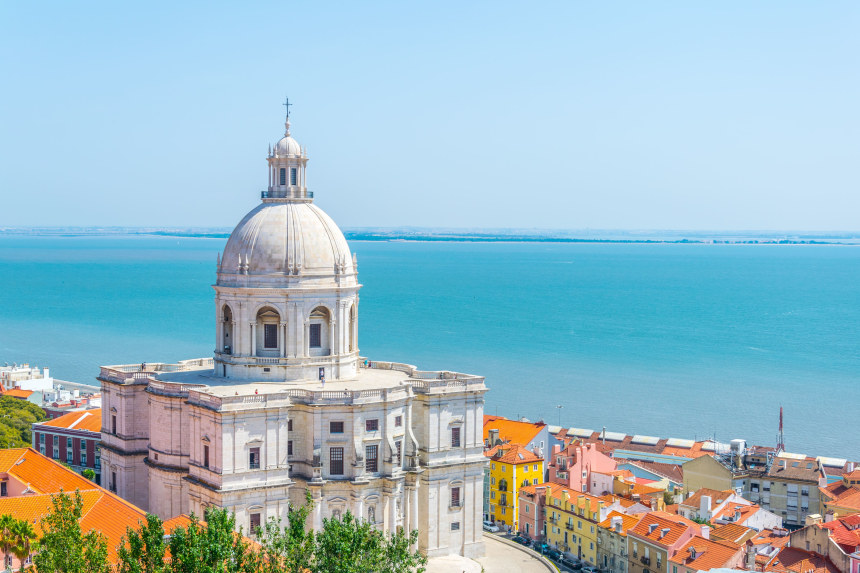
Portugal’s compact size can tempt travellers into ambitious itineraries, but its individual regions deserve time.
In Lisbon, neighbourhoods such as Alfama and Mouraria reveal traditional shops, bakeries, small squares and residential streets that are easy to miss when rushing between attractions.
The Douro Valley offers a pace entirely of its own. Vineyards descend towards the river, while small producers provide opportunities to understand the traditions behind one of Europe’s great wine regions.
Travellers interested in food, wine and history may find a Portugal tour guide useful for discovering smaller producers and communities beyond the most familiar routes.
Tuscany: Give the Countryside Time
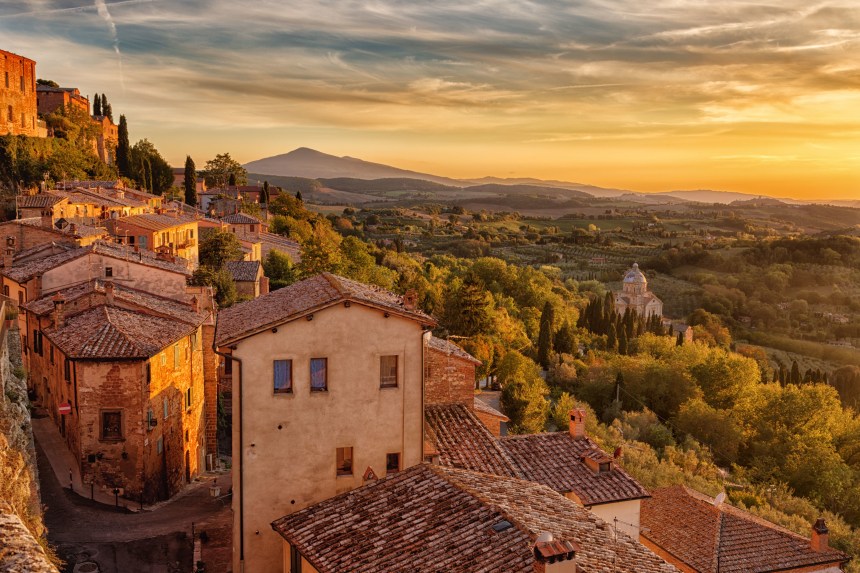
Tuscany rewards travellers who resist the temptation to rush between famous towns.
Spend a morning visiting an artisan workshop, learn about olive oil at a family farm or explore a medieval town after the busiest visitors have departed. Food and wine are not simply additions to sightseeing here. They are part of understanding the region.
Travellers with a particular interest in Renaissance history, cooking, wine, or traditional crafts can consider private tours in Tuscany that explore one of these subjects in greater depth.
Scottish Highlands: Spend Time in the Landscape
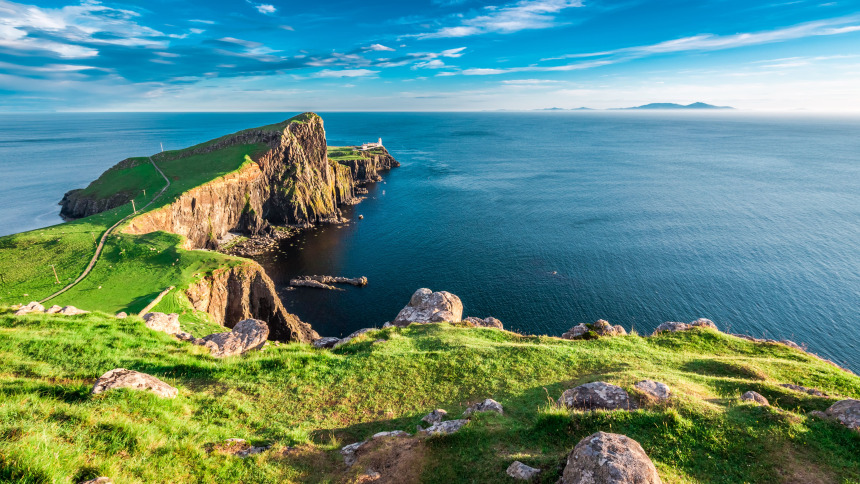
The Scottish Highlands are easy to underestimate on a map. Narrow roads, changing weather and scenic stops can turn seemingly short journeys into long days.
Instead of trying to drive everywhere, choose fewer areas.
Walk through Glen Coe, spend several days on the Isle of Skye and make time for Highland villages and historic sites. Local guides can add context through stories of clan history, folklore and communities that have shaped the landscape.
Eastern Turkey: Follow the Food and History
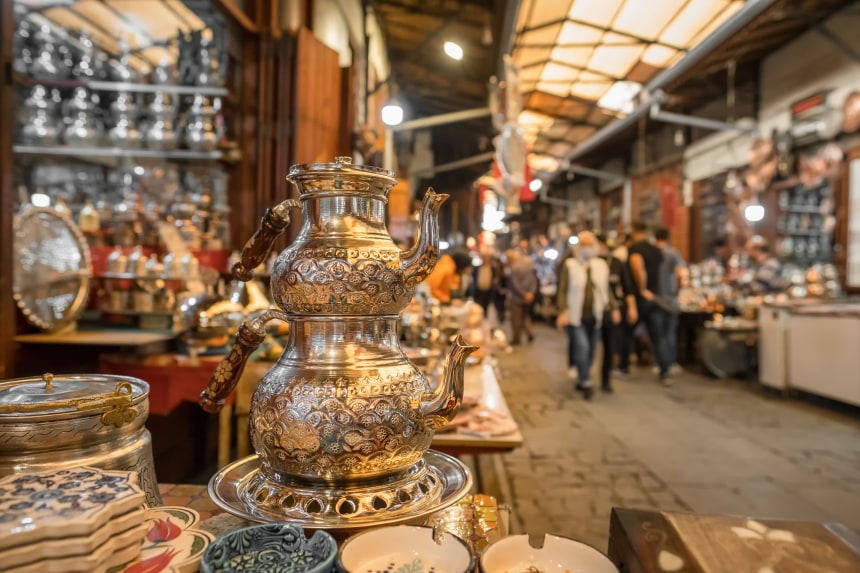
Eastern Turkey rewards travellers interested in food, archaeology and cultural history.
Gaziantep is one of the country’s great culinary destinations, with markets filled with spices, pistachios and regional ingredients. Further east, Doğubayazıt offers dramatic scenery near Mount Ararat and the remarkable İshak Pasha Palace.
Şanlıurfa adds bazaars, sacred places and archaeological heritage.
Language, distances and layers of history make local tour guides in Turkey particularly valuable for travellers seeking a deeper understanding of the region.
Sri Lanka: Choose Fewer Regions
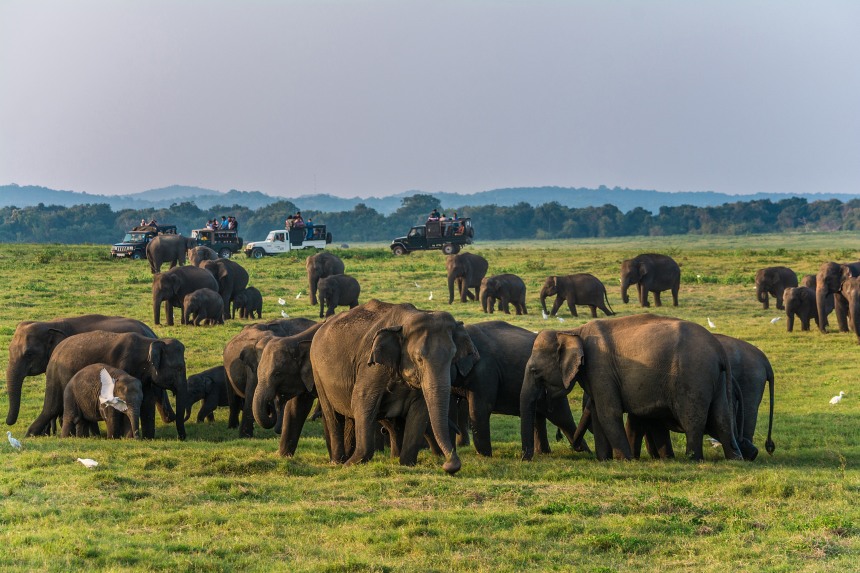
Sri Lanka may look small on a map, but attempting to cover the entire island can result in too much time spent travelling.
In the central highlands, stay long enough to walk through tea-growing landscapes and visit a working estate. On the southern coast, give Galle Fort time beyond a quick circuit of its walls. Its streets contain cafés, galleries, shops and architectural details worth discovering gradually.
Wildlife experiences also reward patience. In Yala National Park, observing elephants, birds, and the wider landscape can be as rewarding as searching for a famous leopard sighting.
Colombia: Travel One Region at a Time
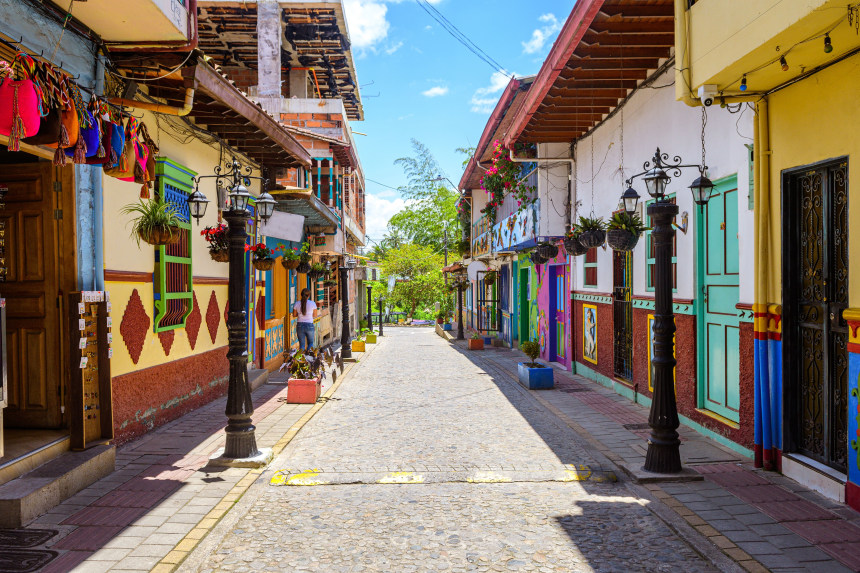
Colombia makes more sense when explored region by region.
In the coffee-growing highlands, travellers can stay near working farms, learn how coffee is cultivated and enjoy the surrounding mountain landscapes.
Medellín offers a different experience. Its neighbourhoods contain complex stories of social change and urban development. Exploring responsibly with a local tour guide in Colombia can provide useful context around community projects, public spaces and street art.
Travelling slowly also makes Colombia’s regional differences in food, climate, music and traditions easier to appreciate.
When a Private Guide Adds Value
Slow travel and guided travel are not opposites.
A thoughtful private guide can tailor an experience to the traveller rather than forcing them to follow a rigid schedule.
If a market becomes interesting, there can be time to stay. If you want to understand a religious tradition or historical event, you can ask questions. Guides can also recommend regional dishes, family businesses, and workshops that may have little online visibility.
Creating a Slow Travel Brief on tourHQ
When contacting a guide through tourHQ, focus on how you want to travel rather than providing a long list of attractions.
Explain your interests, whether they include food, photography, wildlife, architecture, history, crafts or village life. Mention if you prefer walking to driving, quiet locations to busy attractions, or leisurely meals to tightly scheduled sightseeing.
You can also ask about markets, family businesses, artisan workshops and local experiences that may not appear in conventional itineraries.
The more a guide understands your interests and preferred pace, the easier it becomes to create a journey that feels personal rather than predictable.
See Less, Experience More
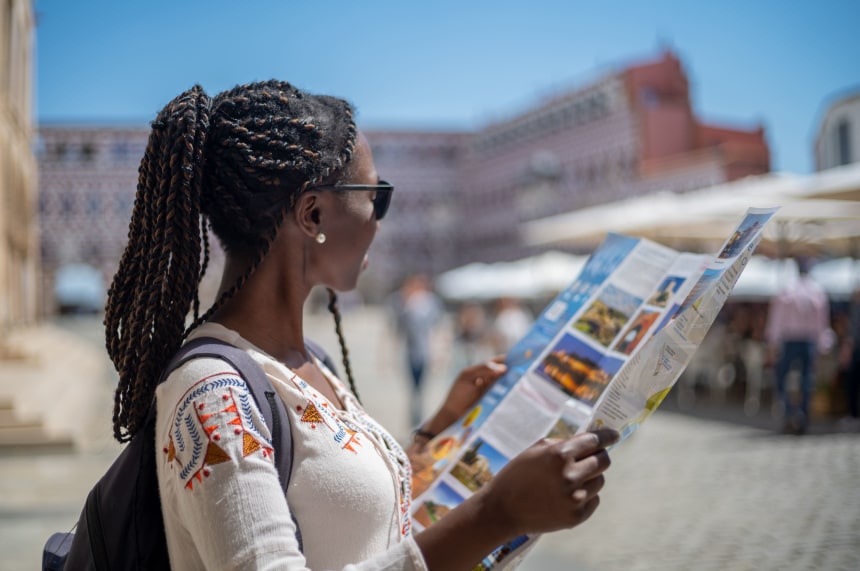
Slow travel does not require abandoning itineraries or avoiding famous landmarks. It simply means giving places enough time to become more than scenery.
That could mean walking through Lisbon without watching the clock, spending an afternoon around a Tuscan table, exploring the Scottish Highlands on foot, tasting your way through Gaziantep, lingering among Sri Lanka’s tea fields or listening to the stories behind a Medellín neighbourhood.
Sometimes a local guide can reveal stories and traditions you might otherwise miss. At other times, the most memorable experience may come from wandering independently and discovering something you never planned to find.
Both belong in a slower journey.
In 2026, one of travel’s greatest luxuries may be surprisingly simple: having enough time to pay attention.