Day 01
Historic Cremona and Its Violin-Making Heritage
- The guided tour of Cremona will take you to discover the historic center, home to its most important monuments. We begin with a visit to the Church of Sant'Agostino, built in Lombard Gothic style and remodeled in the 1500s, which contains the beautiful altarpiece by Perugino and a series of marble statues.
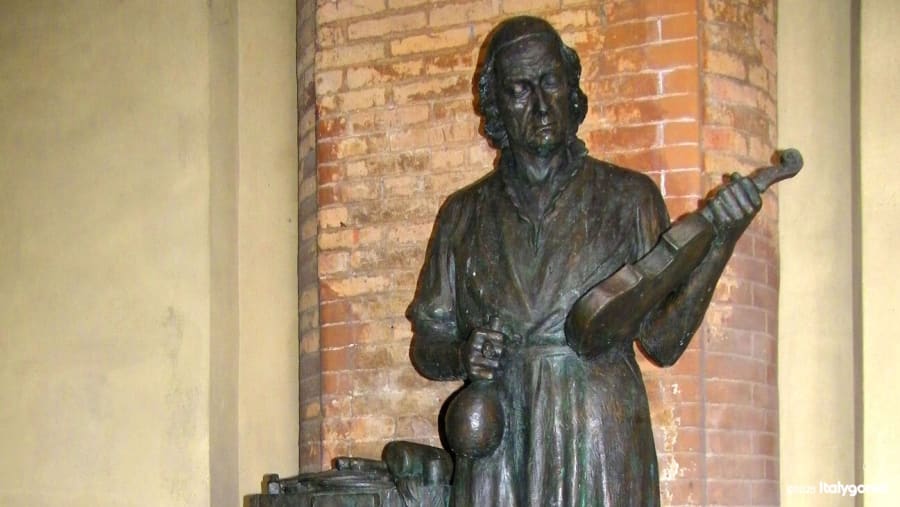
- A few steps away, we admire the house where Cremona's most illustrious citizen lived with his first wife in the 1600s: the famous luthier Antonio Stradivari, renowned throughout the world for his violins and their unique sound. For this reason, Cremona dedicated a statue to him in front of the house.
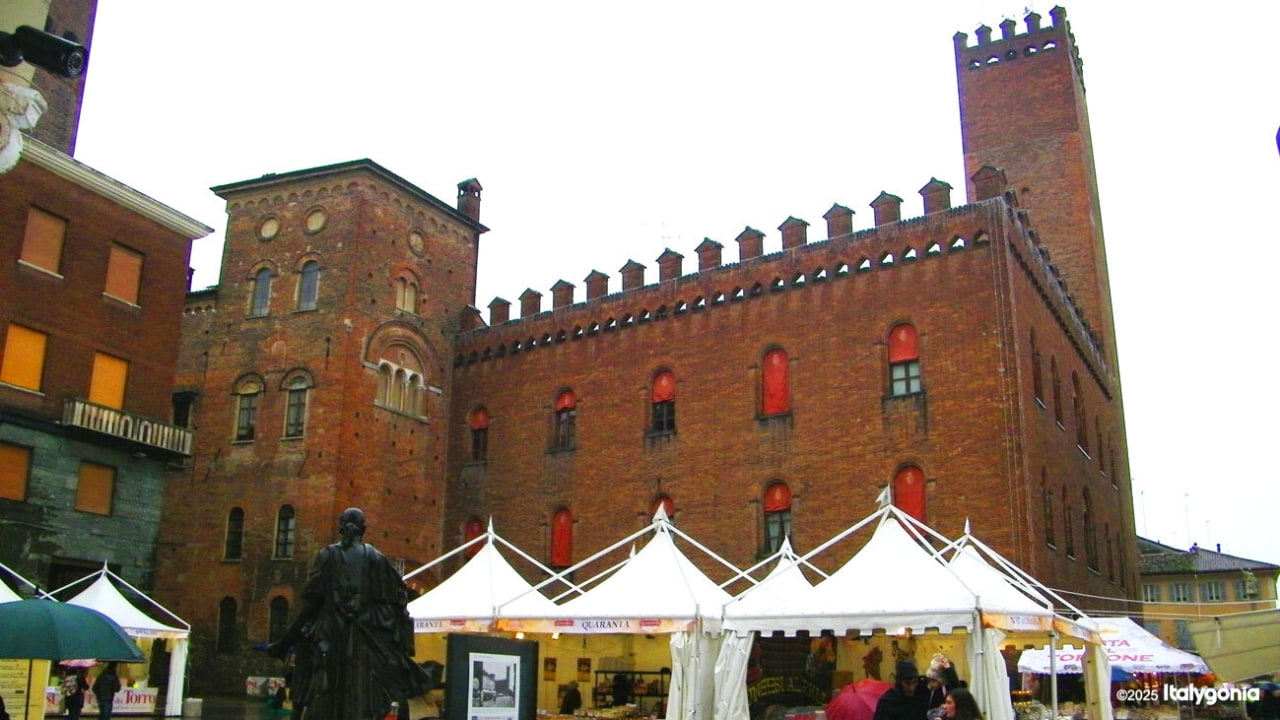
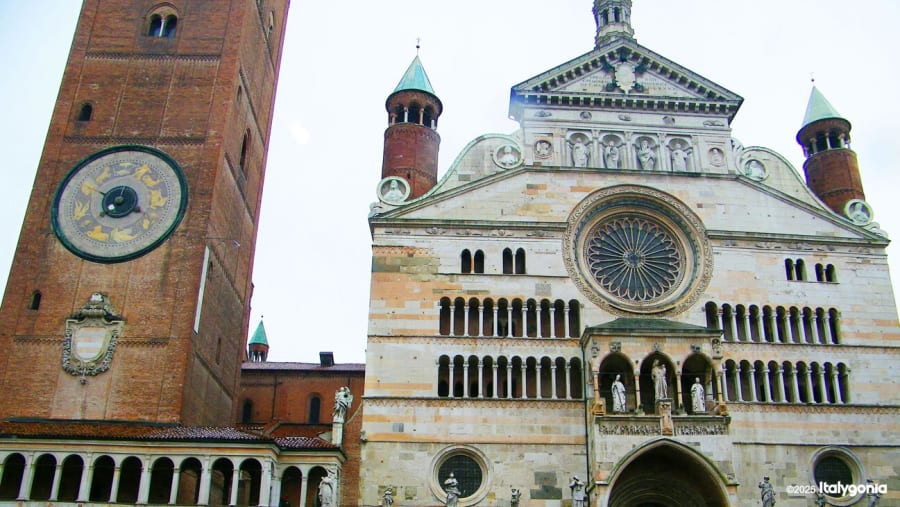
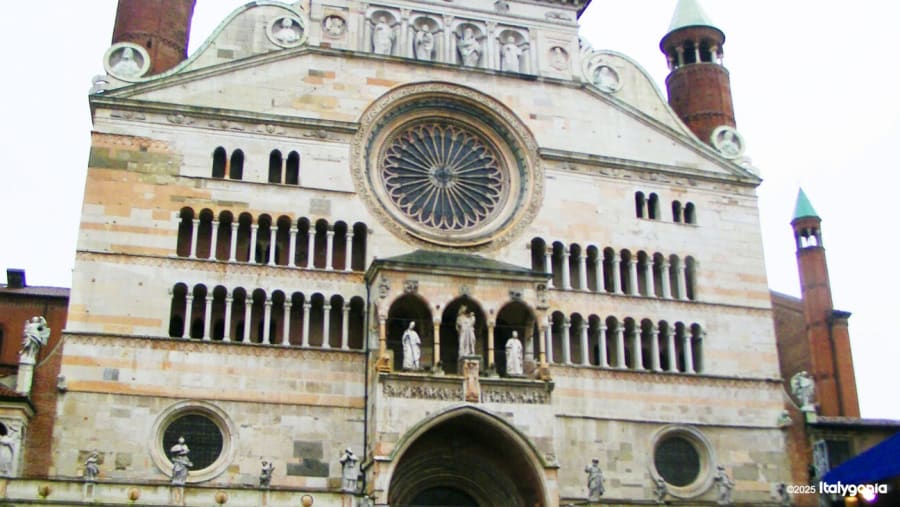
- Walking through the alleys of the historic center, we reach the town's most beautiful square, Piazza del Comune, where the most important historic civil and religious buildings are concentrated. Here we visit the Cathedral of Santa Maria Assunta, with its beautiful facade in white Carrara marble and Verona red, a large rose window, a two-storey loggia, and two lions at the base of the columns that amaze visitors. Inside the church, we notice the very high ceiling, the Great Cross above the altar in gold and silver, and the rich series of precious frescoes that have earned the church the nickname of the Sistine Chapel of the Po Valley.
- On one side of the Cathedral stands the Torrazzo, the highest bell tower in Europe at 112 meters, built entirely of brick. It has become the symbol of Cremona, with its large astronomical clock and the golden sphere placed at the top, where a piece of the Cross of Jesus and other relics are preserved.
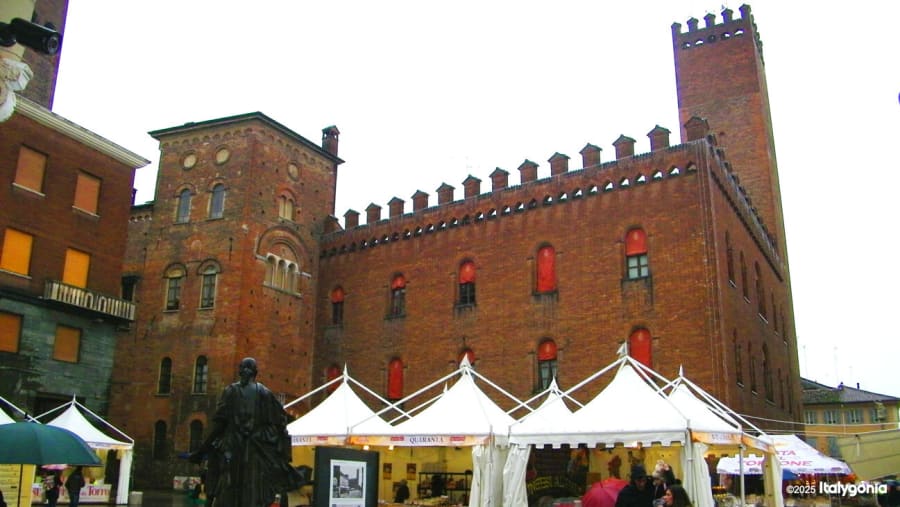
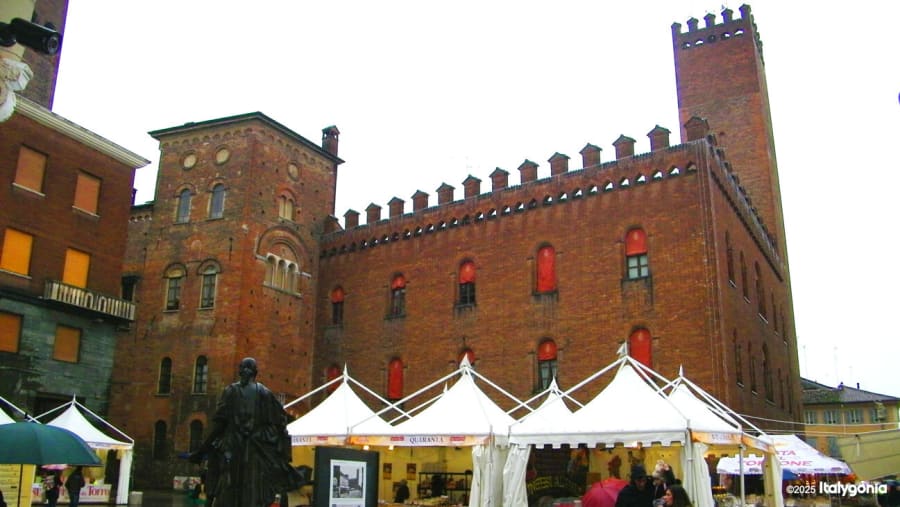
- The guided tour continues with a visit to the Baptistery, with its octagonal plan dating back to the 1100s, and the medieval Town Hall, which has been in use for over 800 years. We visit the violin room, the Consulta room, and the paintings room, from where you can enjoy a panoramic view of the Duomo and the Torrazzo.
- Before leaving the square, we pause at the Loggia dei Militi, one of the town's historic buildings, and head toward the area of the ancient pastry shops, such as Sperlari and Vergari, where the famous Cremonese nougat originated, along with the chocolate, jams, and mustards typical of the area. Among the alleys, we also find the lutherie workshops - about 150 of them - where violins, stringed instruments, and strings are still made today.
- We end the tour with an external visit to the Violin Museum, where you can see Stradivarius violins and listen to reproductions of great concerts.