Ecuador · Glacier Tours

2-Day Cotopaxi Summit Climb from Quito with Glacier Ascent

2 Days Round trip from Quito Moderate pace

The journey

Trip highlights
  • 01 Experience glacier climbing with crampons and an ice axe on Cotopaxi
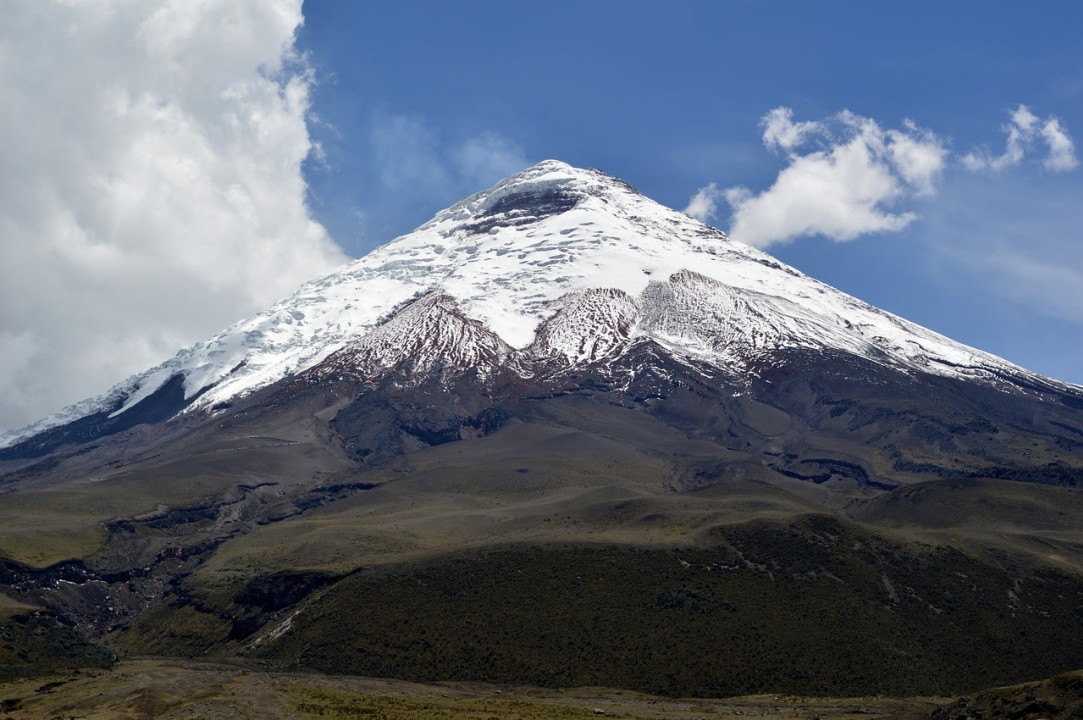
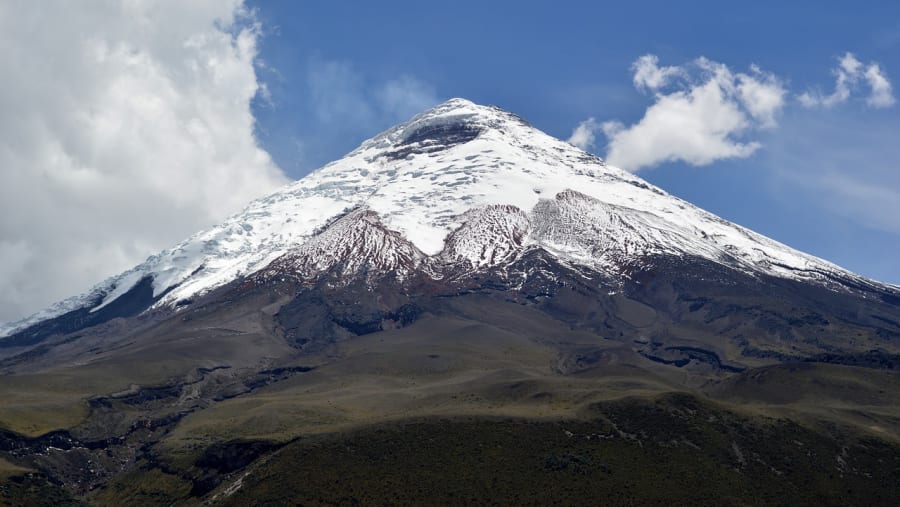
  • 02 Reach the 19,347 ft summit of one of Ecuador's most iconic volcanoes
  • 03 Take in breathtaking views of the crater and surrounding high-altitude landscapes
  • 04 Scenic drive along the Avenue of the Volcanoes
  • 05 Hike to the José Ribas Refuge in Cotopaxi National Park

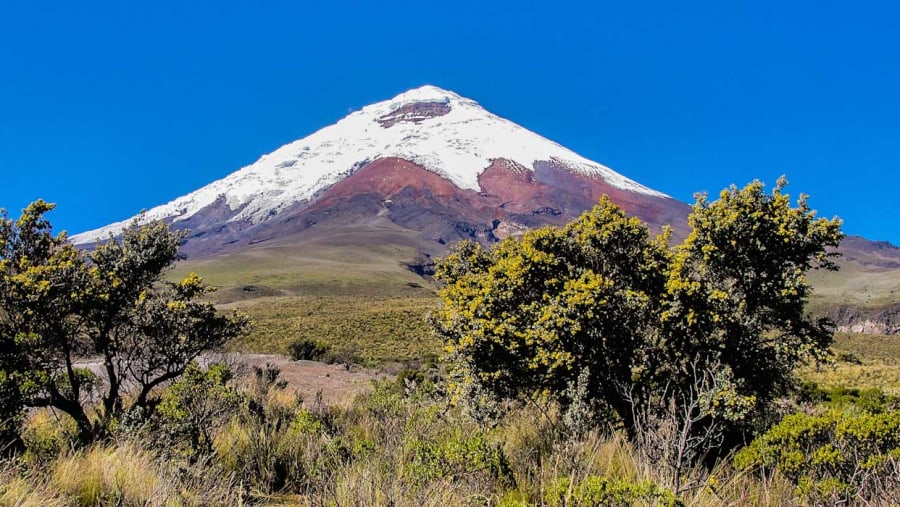
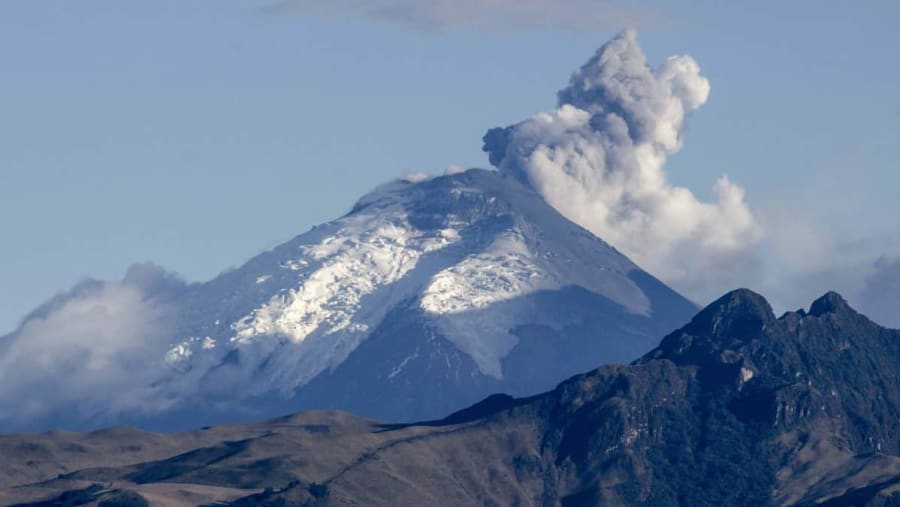
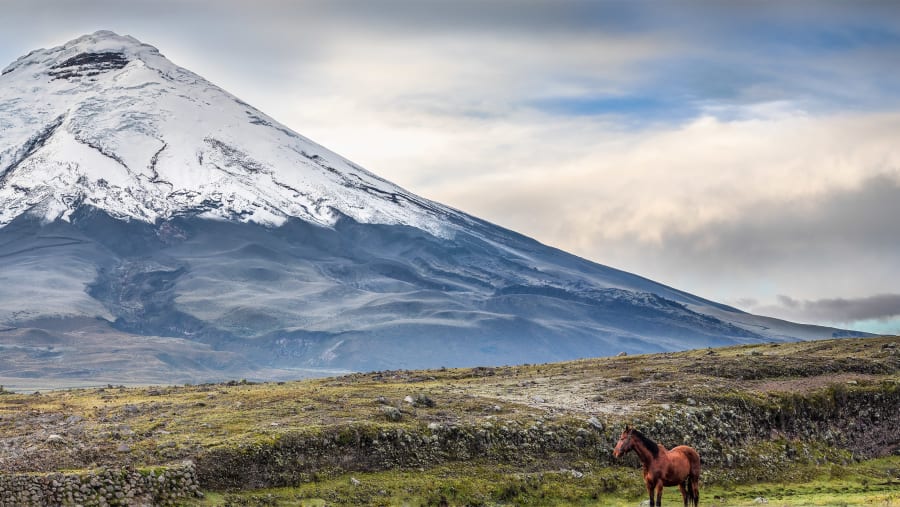
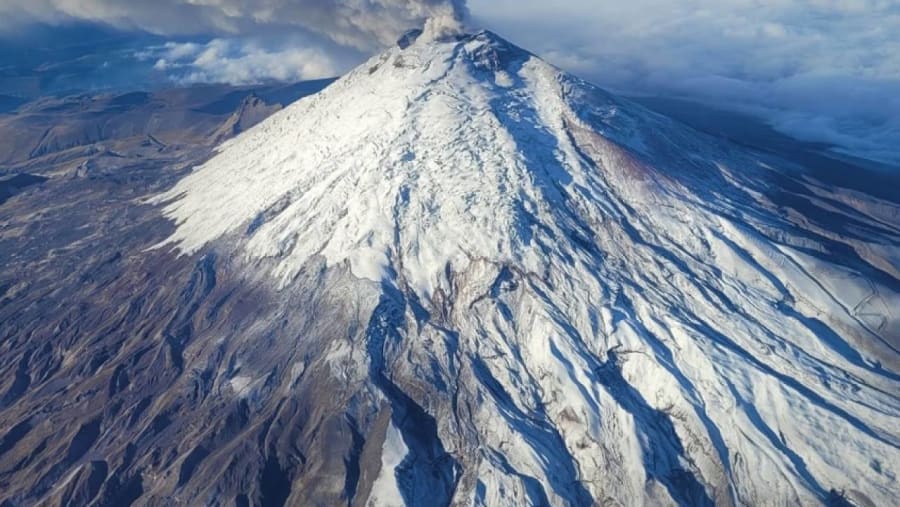
Explore the stunning Cotopaxi National Park on a 2-day climbing adventure from Quito, including a hike to the José Ribas Refuge and a glacier ascent on one of Ecuador's most iconic volcanoes. Learn to use crampons and an ice axe as you make your way toward the 19,347 ft summit. From the top, take in breathtaking views of the crater and surrounding high-altitude landscapes before descending through this beautiful volcanic environment. This experience combines glacier climbing, mountain training, and the thrill of standing atop Cotopaxi.

Explore the stunning Cotopaxi National Park on a 2-day climbing adventure from Quito, including a hike to the José Ribas Refuge and a glacier ascent on one of Ecuador's most iconic volcanoes.

From the itinerary

At a glance

What this trip includes

Duration 2 Days
Tour type Shared
Activity level Moderate
Accommodation Included · Standard
Transport Included
Wheelchair access No
Cities Quito, Cotopaxi National Park
Languages English, Spanish

Day by day

The itinerary

1
Day 01

Drive to Cotopaxi and Hike to José Ribas Refuge

Elevation: 4864 m./15,958 ft.

  • We will leave Quito early in the morning, around 11:30 a.m., and drive south along the Avenue of the Volcanoes until we reach the town of El Chaupi.
  • This town is the location of Cotopaxi-Travel's home base, where we will prepare all the necessary equipment for the ascent.
  • We will have lunch at Andes Alpes Restaurant, and then continue to the entrance of Cotopaxi National Park.
  • From here, we will head east to the Cotopaxi parking lot (14,764 ft/4864 m), and then hike for about an hour to the José Ribas Refuge (15,951 ft./4862 m).
  • Then we will have dinner and rest until midnight. At this point, we will pack our belongings and get ready to make our final ascent.
  • Meals: Lunch, dinner
  • Accommodation: Cotopaxi Refuge
2
Day 02

Midnight Ascent to the Cotopaxi Summit

Elevation: 5897 m./19,347 ft.

  • Midnight will be our wake-up time, and departure to the top (19,347 ft/5897 m) will be around 1 a.m.
  • After having a light breakfast, we will get our gear ready for the ascent.
  • At the entrance of the glacier, your guide will explain all the necessary tips for using crampons and an ice axe, if needed.
  • The climb will take about 6 to 8 hours, and once at the summit, we'll take our time for pictures of the crater and surroundings. We will then head back down to the refuge, which will take 2 to 3 hours.
  • Once at the refuge, we will pack our belongings, have something to eat, and go down to the parking lot, where our transportation will be ready to take us back to Quito (9,186 ft/2800 m).
  • Meals: Light breakfast before the ascent and full breakfast after the ascent.
Cotopaxi glacier, José Ribas Refuge, Avenue of the Volcanoes

Where this trip takes you

Cotopaxi glacier, José Ribas Refuge, Avenue of the Volcanoes

The route

Where you'll travel

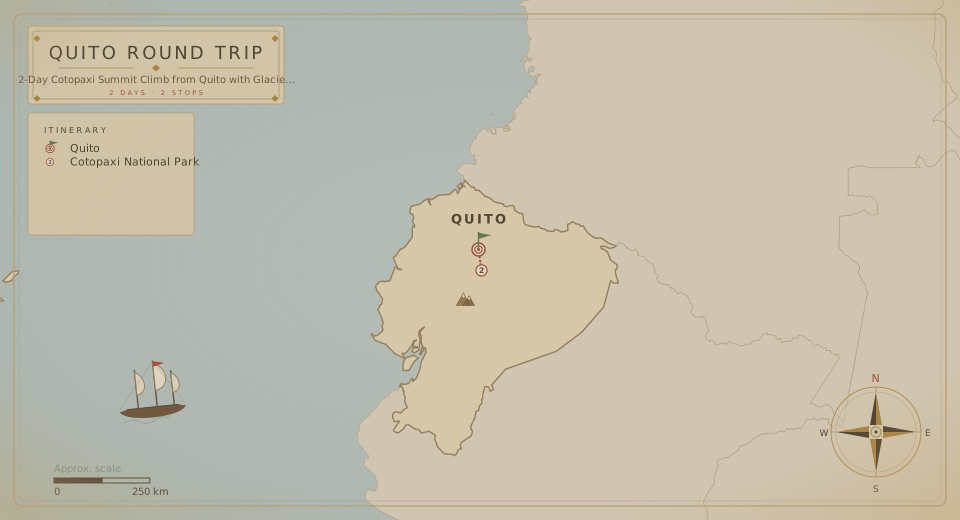
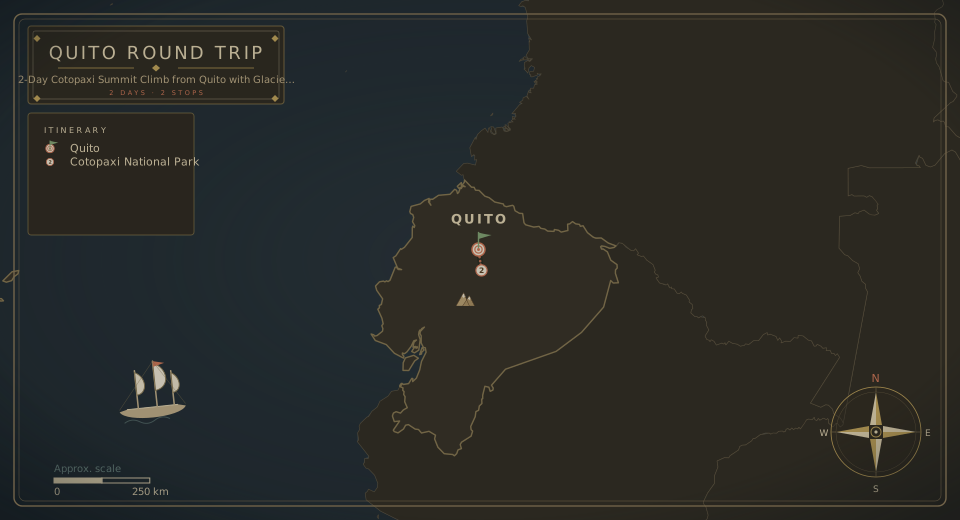
Tour route map
Round trip from Quito 2 cities · 2 Days

The fine print

Trip details

What's Included

  • Qualified and experienced Ecuadorian local mountain guide (ASEGUIM/UIAGM), ratio 2 climbers to 1 guide
  • Registration in the SIB System (System Information of Biodiversity)
  • Technical mountain equipment (mountaineering boots, crampons, ice axe, harness, helmet)
  • Land transportation and transfers to Cotopaxi National Park
  • Accommodation at Cotopaxi Refuge
  • All meals during the hikes and climbs (shown above)

What's Not Included

  • Personal mountain gear (warm clothes, sleeping bag, sunglasses, headlamp, etc.)
  • International flight tickets
  • Hotel in Quito
  • Tips
  • Insurance of any kind, including travel accident and health insurance
  • Luggage insurance and trip cancellation
  • Other non-specified expenses

What to bring

Here's a packing list for your Cotopaxi Climbing Adventure in Ecuador:

Clothing

  • Base layers (thermal top & bottom): Moisture-wicking to keep you warm and dry.
  • Climbing pants: Durable and flexible for movement.
  • Insulated jacket: Down or synthetic for warmth in cold conditions.
  • Windproof & waterproof jacket: Protects against wind and rain at high altitudes.
  • Climbing gloves: Warm, but with enough dexterity to use equipment.
  • Warm hat: To keep your head warm, especially at higher altitudes.
  • Neck gaiter or balaclava: For extra warmth and protection.
  • Gaiters: To prevent snow and debris from entering your boots during the climb.
  • Socks: Several pairs of high-quality, moisture-wicking socks for comfort (preferably wool).
  • Comfortable clothes for downtime: For resting at the refuge.

Footwear

  • Mountaineering boots: Stiff, insulated boots suitable for crampon use.
  • Camp shoes: Comfortable shoes for after the climb, such as sandals or sneakers.

Climbing Equipment (provided by the tour, but double-check with the guide)

  • Crampons: For glacier ascent.
  • Ice axe: Essential for climbing and navigating the glacier.
  • Helmet: To protect your head during the climb.
  • Harness: If required for safety measures during the climb.

Personal Gear

  • Backpack: Small day pack (30-40L) for carrying your personal items to the refuge.
  • Sleeping bag: A warm sleeping bag (rated for temperatures as low as -10°C to -15°C/14°F to 5°F).
  • Headlamp: Essential for the midnight start of your ascent, with extra batteries.
  • Water bottles/hydration system: Stay hydrated throughout the climb.
  • Snacks: Energy bars, nuts, and other easy-to-carry high-calorie snacks for during the ascent.

Other Essentials

  • Sunscreen: High SPF for protection from the sun at high altitudes.
  • Lip balm with SPF: To protect your lips from the cold and sun.
  • Sunglasses or glacier glasses: Protect your eyes from glare at high altitudes and on the glacier.
  • Personal hygiene items: Toothbrush, toothpaste, and wet wipes for freshening up at the refuge.
  • Travel insurance: Including coverage for mountaineering activities.
  • ID and copies: Passport or ID card, and a photocopy of each.
  • Camera: To capture the stunning views and summit photos (optional).
  • Trekking poles: Optional, but can be helpful for balance during the hike to the refuge.

Optional

  • Gaiters for snow protection
  • Personal medication or altitude sickness medication: Consult your doctor beforehand.
  • Earplugs and eye mask: For better sleep at the refuge.

Ensure all your gear is well-suited for high-altitude mountaineering, and double-check with your tour operator about what equipment is provided and what you need to bring yourself. Stay safe and enjoy the stunning Cotopaxi climb!

Know before you go

FAQ's

  • IS NECESSARY PREVIOUS GLACIER EXPERIENCE?
  • Having previous glacier experience is not required. We do recommend that you join one of our best acclimatization and ascent programs, which contains instructions and skills that we teach you, as previous mountaineering training helps you enjoy the overall experience. It is also important that you try out your mountaineering gear prior to joining this adventure. If you don't have gear, we have it for you in our rental equipment shop.
  • WHEN IS THE BEST TIME TO CLIMB COTOPAXI?
  • A). In Ecuador, you can climb all year, but these are the seasons - High Season: June to August / December to January - Low Season: February to May / September to November
  • B). Likewise, weather forecasts are very unpredictable. Therefore, we recommend being prepared for all types of weather.
  • DO I REALLY NEED RESCUE INSURANCE?
  • We strongly urge you to purchase travel and accident insurance. We recommend Global Rescue for both types of insurance.
  • IS COTOPAXI A DANGEROUS MOUNTAIN?
  • A). Cotopaxi is a relatively safe climb on the routes we use. The biggest challenges are the high altitude and people not coming physically prepared. Some groups try to ascend too quickly and do not take the time to acclimatize. We do not have this issue because our itinerary has been carefully planned over years of experience working in low-oxygen environments.
  • ACCLIMATIZATION IS IMPORTANT AND HOW DO I PREPARE FOR HIGH ALTITUDE?
  • A). Acclimatization is the most important factor and should be taken seriously. Even if you are fit and practice physical activity, it is important to follow the process for a successful climb.
  • B). Firstly, there is some very specific training you should be doing. Learn more. Let's be clear: always pick the itinerary with more acclimatization built in. After that, you need to focus on mapping out a training plan that emphasizes strength and endurance. We will pace the trip at lower heart rates so we can perform for longer periods of time. You still need to be comfortable hiking for 6+ hours. We know that building up the weight you carry in your backpack for hours at sea level builds endurance, strength, and cardio, which stress-tests your body for high altitude. We can help you learn more about how to prepare for your high-altitude adventure.
  • WHAT KIND OF GEAR, CLOTHING AND EQUIPMENT DO I NEED TO BRING?
  • A). We will provide you with a full detailed itemized kit list.
  • SAFE TO BRING AND LEAVE OUR BAGS IN THE BASE CAMP?
  • A). Yes, you can leave a bag of items not needed in our base camp. You can also leave valuable items in the safe.
  • WHAT ROUTE DO WE CLIMB ON?
  • A). Depending on the glacial conditions, we will follow the safest route to the top. We also leave from the refuge at 4864 m./15,958 ft. for all our summit attempts.
  • DO YOU HAVE TRAINING ADVICE?
  • A). If you sign up for one of our trips, we can give ongoing advice. We also have training courses in Cotopaxi that you can sign up for.
  • CAN I PAY WITH CREDIT CARD?
  • A). Yes, you can do it.
  • TIPS
  • Develop a personalized training plan. Mountaineering requires multiple types of training, each focusing on a different need:
  • Cardio workouts to improve the overall fitness level of your heart and lungs.
  • Interval sessions to boost your ability to process more oxygen with each breath.
  • Strength and endurance exercises so you can haul a heavy load and sustain physical output for many hours.
  • Balance and flexibility training because you need both for mountaineering.
  • Hiking days to extend your training into real-world situations.

Logistics

Meeting & route

Meeting point
Quito, Ecuador
Tour start
Quito, Ecuador
Tour ends at the same location as the start point.
End of the journey

Your 2 days finish where they began, in Quito.

Watch the tourHQ film Watch the film

Create your own adventure

Can't find the perfect tour? Tailor your dream trip.

  • Tell us your destination, dates and group size.
  • Our travel experts and local guides design a tailored itinerary, just for you.
  • Enjoy your trip with peace of mind, knowing everything is taken care of.
Plan my holiday

Say goodbye to travel stress.

Starting from

USD 650 /person
Book This Tour

When

Travellers

Total