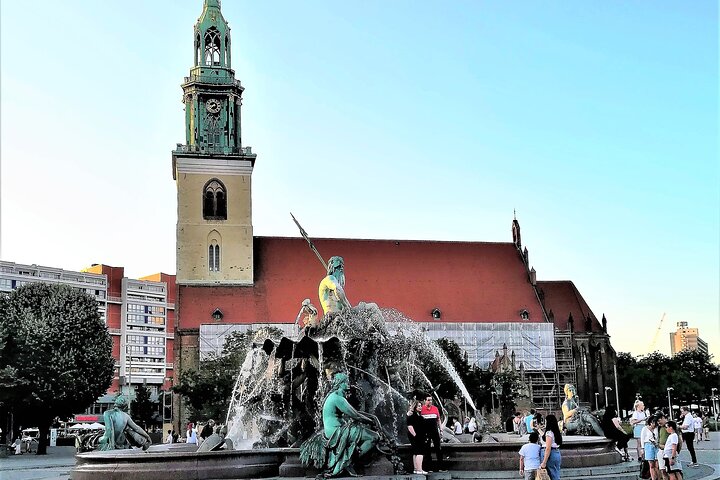

TV Tower (Fernsehturm)
Berlin's tallest structure at Alexanderplatz – built in East Berlin in 1969 and today a symbol of the reunited city.
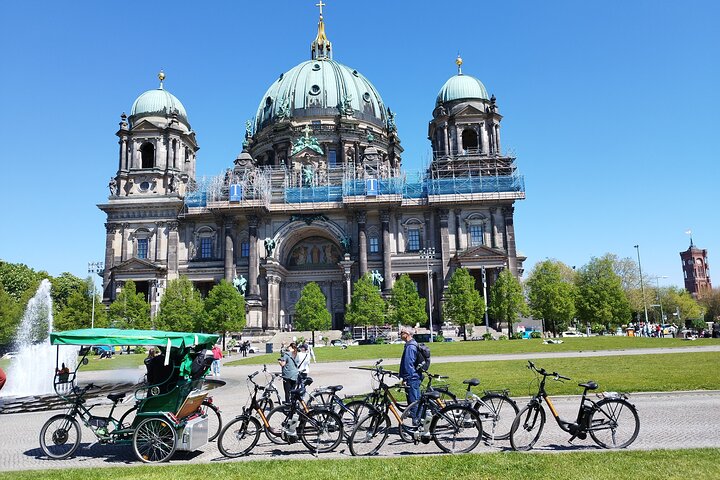
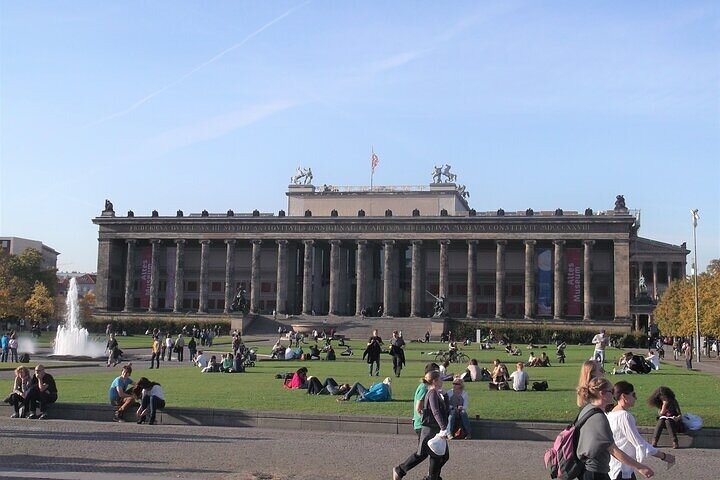
City Palace (Humboldt Forum) and Museum Island
The Stadtschloss Berlin, also known as the Berlin City Palace, is a historical and architectural icon in the heart of Berlin, Germany. Originally built in the 15th century, it served as a residence for royal and imperial families. With its lavish baroque façade and impressive dome, the palace stood as a symbol of grandeur. Over the years, it underwent various renovations and modifications while retaining its status as cultural heritage. Unfortunately, the palace suffered heavy damage during World War II and was later demolished by the former German Democratic Republic. However, in 2019, the reconstruction of the Stadtschloss was completed. Today, it rises anew as the Humboldt Forum, a center for arts and culture that harmoniously blends tradition and modernity. The Stadtschloss Berlin is a tangible reminder of Berlin's rich past and a symbol of the city's resilience and ongoing evolution.
Bebelplatz (Book Burning Memorial 1933)
Bebelplatz, situated in the heart of Berlin, is a historic square known for its cultural significance and poignant history. It gained international attention due to the infamous Nazi book burning that took place here in 1933, symbolizing suppression of intellectual freedom. The square is flanked by prominent institutions like Humboldt University and State Opera, creating a blend of academia and culture. An underground memorial designed by Micha Ullman commemorates the book burning, featuring empty bookshelves, symbolizing lost knowledge. Today, Bebelplatz stands as a reminder of the importance of preserving intellectual freedom and a site that reflects Berlin's complex historical narrative.
Gendarmenmarkt
Gendarmenmarkt, located in the heart of Berlin, is one of the city's most picturesque squares, celebrated for its architectural elegance and historical significance. This symmetrical square is adorned by three impressive buildings: the German Cathedral, the French Cathedral, and the Konzerthaus (Concert Hall). These structures are a testament to Berlin's history and cultural influences, showcasing neoclassical and baroque architectural styles.
The German and French Cathedrals frame the square with impressive facades and elegant domes. The Konzerthaus, home to the Berlin Symphony Orchestra, adds a touch of cultural vibrancy. The square's open space, surrounded by these architectural marvels, creates a serene ambiance, making it a popular gathering place for locals and visitors.
Checkpoint Charlie
Checkpoint Charlie, situated in the heart of Berlin, is a historic crossing point that once marked the boundary between East and West Berlin during the Cold War. This iconic checkpoint gained global recognition as a symbol of the ideological divide between the communist and capitalist worlds.
During the Cold War, Checkpoint Charlie was one of the few border crossings where diplomats, military personnel, and foreigners could cross between East and West Berlin. The checkpoint's wooden guardhouse became a powerful symbol of the tense relations between the United States and the Soviet Union.
Today, a replica of the guardhouse stands at the original location, serving as a poignant reminder of the city's divided history. The adjacent Checkpoint Charlie Museum chronicles the stories of those who attempted daring escapes from East to West, showcasing the creativity and resilience of individuals seeking freedom.
Topography of Terror
The Topography of Terror, located in Berlin, is an important historical site that documents the atrocities committed by the Nazi regime during World War II. This museum and documentation center is situated on the former grounds of the Gestapo and SS headquarters, making it a chilling reminder of the city's dark past.
The exhibition at the Topography of Terror offers comprehensive insights into the Nazi regime's machinery of repression, propaganda, and terror. Through photographs, documents, and historical accounts, visitors gain a deep understanding of the systematic persecution, genocide, and crimes against humanity that occurred during the Nazi era.
Site of the Führerbunker
The Führerbunker, located in Berlin, is a historically significant underground complex that served as Adolf Hitler's last headquarters during the final days of World War II. This fortified bunker complex was constructed beneath the Reich Chancellery and became the epicenter of Nazi Germany's leadership during its downfall.
Hitler and key members of his inner circle took refuge in the Führerbunker as Allied forces closed in on Berlin in 1945. It was here that Hitler spent his final weeks, making crucial decisions as his regime crumbled. On April 30, 1945, Hitler died by suicide in the bunker, marking the end of an era of tyranny and oppression.
The Führerbunker's location remained largely hidden from the public after the war. The site was partially demolished, and the area was redeveloped. However, in recent years, efforts have been made to commemorate the historical significance of the site. An information panel now marks the location where the bunker once stood.
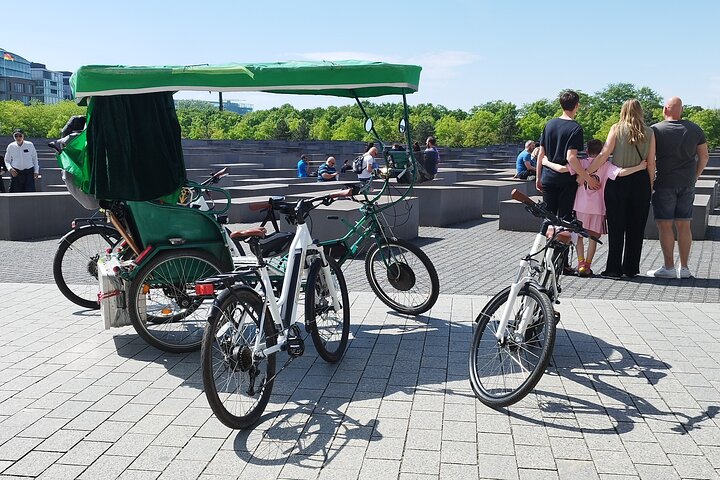
Holocaust Memorial
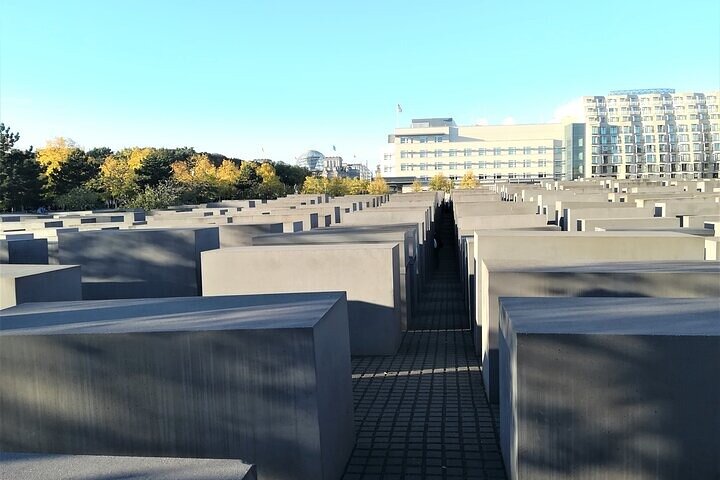
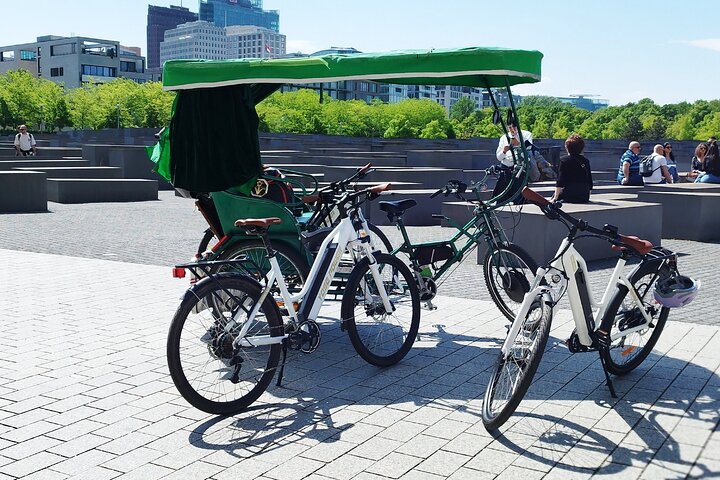
The Holocaust Memorial, officially known as the Memorial to the Murdered Jews of Europe, is a poignant and significant monument located in Berlin. Designed by architect Peter Eisenman, this memorial commemorates the six million Jewish victims of the Holocaust during World War II.
The memorial consists of 2,711 concrete slabs of varying heights, arranged in a grid-like pattern across a 19,000-square-meter area. As visitors move through the narrow pathways between the slabs, the uneven ground and towering structures create a sense of disorientation and contemplation, symbolizing the chaos and loss experienced by the victims.
Beneath the memorial, an underground information center offers detailed accounts of the Holocaust, personal stories, and historical context. The memorial seeks to honor the memory of those who suffered and perished while encouraging visitors to reflect on the devastating consequences of prejudice, intolerance, and hatred.
Brandenburg Gate
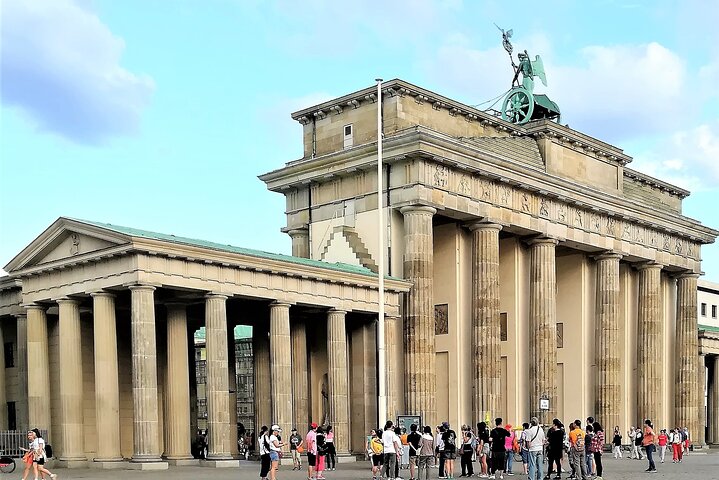
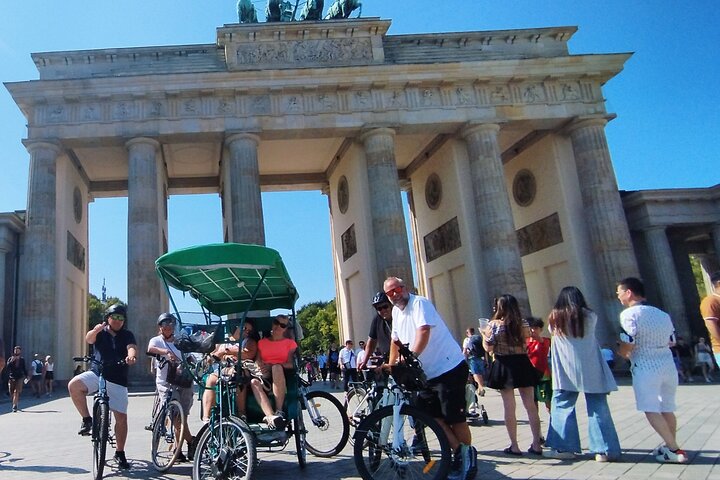
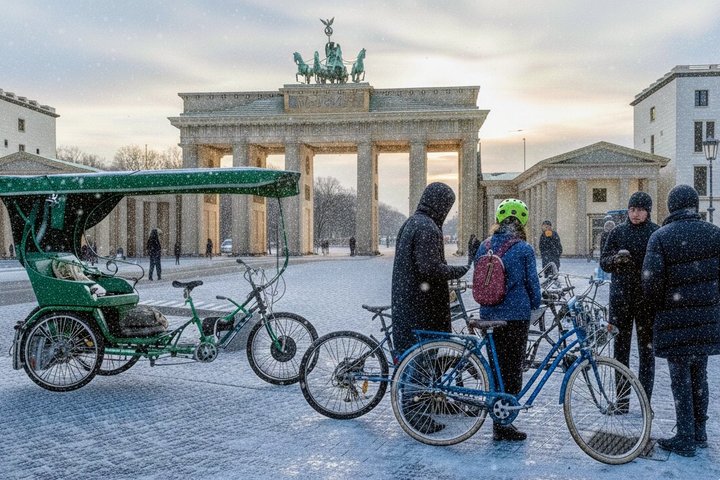
The Brandenburg Gate, located in Berlin, is a renowned historical landmark and symbol of both the city and Germany's history. This iconic neoclassical monument stands as a testimony to Berlin's past, its division, and eventual reunification.
Constructed in the late 18th century, the Brandenburg Gate originally marked the entrance to the city through the old city wall. Its design draws inspiration from ancient Greek architecture, featuring grand Doric columns and an imposing central gate flanked by pedestrian passages.
Throughout history, the Brandenburg Gate has witnessed significant events. It served as a backdrop to Napoleon's triumphal entry into Berlin and later bore witness to the city's division during the Cold War, when the Berlin Wall stood nearby. The Gate became a symbol of unity when the wall fell in 1989, marking the beginning of Berlin's reunification.
Reichstag (German Parliament)
The Reichstag Building, located in Berlin, is an iconic symbol of Germany's political history and democracy. This historic structure has played a central role in shaping the country's governance and identity.
Constructed in the late 19th century, the Reichstag Building was originally designed to house the Imperial Diet of the German Empire. Its eclectic architectural style combines classical and Renaissance elements, and the distinctive glass dome crowning the building is a modern addition that symbolizes transparency and openness in government.
The Reichstag Building witnessed pivotal moments in German history. It was here that the Weimar Republic was declared in 1919, marking the birth of Germany's first democratic government. After surviving through tumultuous times, the building fell into disuse during the Nazi era and the division of Berlin.