
Alexanderplatz
Alexanderplatz is one of the most famous and busiest places in Berlin. It is a large square in the heart of the city, surrounded by tall buildings, shops, and public transport stations. People in Berlin often call it simply Alex.
The square is named after a Russian emperor who visited the city in the early nineteenth century. In the past, it was used as a market. Later, it became an important center for transportation and business. Many trams, trains, and underground lines still meet here today, making it one of the main crossroads of the city.
During the early twentieth century, Alexanderplatz became a symbol of modern life. It was full of lights, people, and traffic. A famous German novel called Berlin Alexanderplatz told the story of a man trying to live a better life in the middle of this busy square. The novel showed both the beauty and the struggles of life in the city.
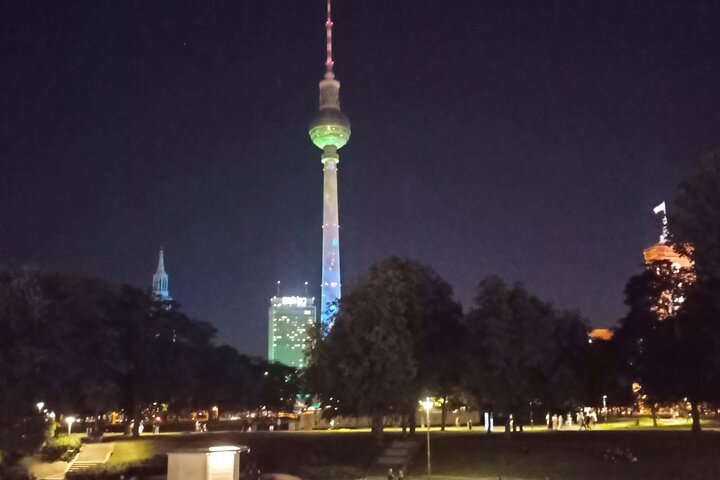
In the Second World War, much of the area was destroyed. After the war, it became part of East Berlin. The East German government rebuilt the square with big open spaces and concrete buildings. They also built the television tower nearby. This tower is one of the tallest buildings in Europe, and people can take an elevator to the top to see the whole city.
In the year nineteen eighty nine, just before the fall of the Berlin Wall, many people gathered in Alexanderplatz to protest peacefully. This event was one of the last steps before Germany became one country again.
Today, Alexanderplatz is full of life. You can find street performers, tourists, workers, and students all moving through the square. There are shopping centers, hotels, and places to eat. Even though many of the buildings are modern and made of glass or concrete, the square still holds deep meaning for people who live in Berlin.
Alexanderplatz is not just a place to pass through. It is a place where the past and the present meet, where every building and corner tells a story.
Lustgarten
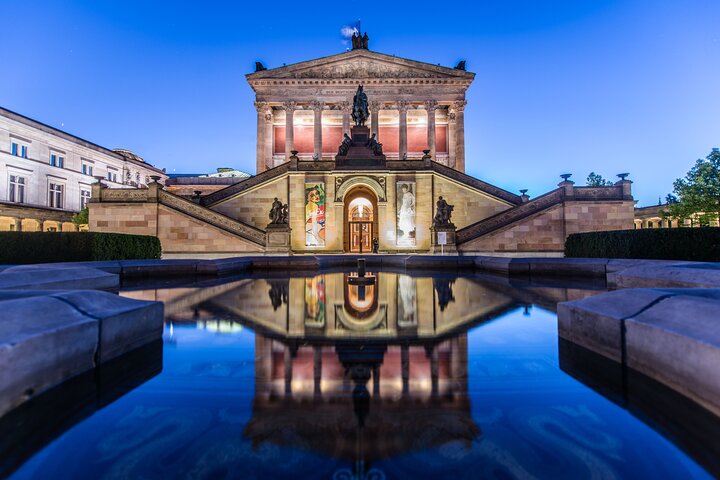
Visitors can take in the beauty of Berlin Cathedral on Museum Island, once the royal garden of the Prussian kings. Some of the city’s most important cultural landmarks are nearby: the reconstructed City Palace, the Old Museum, the Old National Gallery, the Pergamon Museum, and the Bode Museum. Each of these buildings holds a part of Berlin's rich history, from ancient art and archaeology to grand architecture and royal tradition.
Museum Island Berlin
Museum Island is one of the most important museum complexes in the world and a UNESCO World Heritage Site. Located in the heart of Berlin, it brings together some of the city’s most treasured cultural institutions. From here, you can also see Berlin’s historic boulevard Unter den Linden, lined with grand buildings and filled with centuries of history.
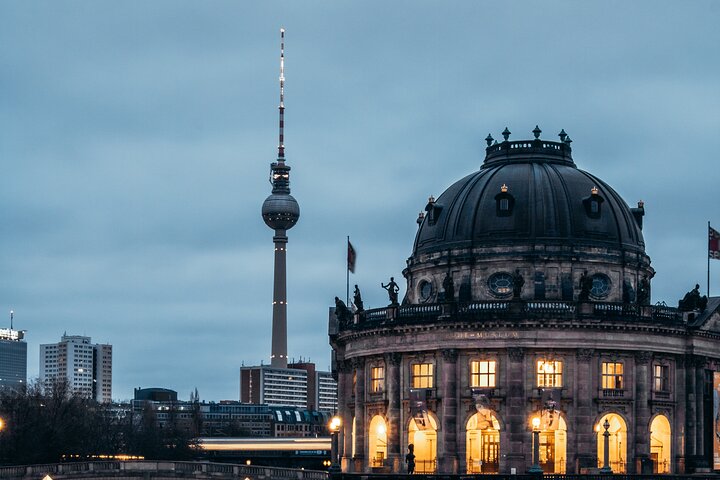
Standing at the center is the Berlin Cathedral, with its impressive dome and detailed façade. Close by is the partially reconstructed City Palace, a project that blends historical architecture with modern design. Surrounding them are some of Germany’s most famous museums: the Old Museum, with its classical antiquities; the Old National Gallery, home to Romantic and Impressionist masterpieces; the Pergamon Museum, known for its monumental archaeological exhibits; and the Bode Museum, which focuses on sculpture, coins, and Byzantine art.
Together, these landmarks form a unique and powerful reflection of Berlin’s artistic, historical, and architectural heritage.
the Nazi book burning took place in 1933
Just a short walk from Museum Island, near the main building of Humboldt University on Bebelplatz, you’ll find a quiet yet deeply moving site: the square where the Nazi book burning took place in 1933. On May 10th of that year, around 25,000 books deemed "un-German" by the regime were thrown into the flames by students, professors, and Nazi officials.Today, a memorial set into the ground marks the spot. It consists of a glass window looking down into a white, empty underground library—its shelves symbolically left bare to represent the loss of knowledge, culture, and freedom. Nearby, a plaque features a haunting quote by German poet Heinrich Heine, written in 1820: “Where they burn books, they will also ultimately burn people.”This quiet square, framed by historic buildings and often filled with unaware passersby, remains one of Berlin’s most powerful reminders of how quickly freedom can vanish when fear and hate take its place.
Gendarmenmarkt
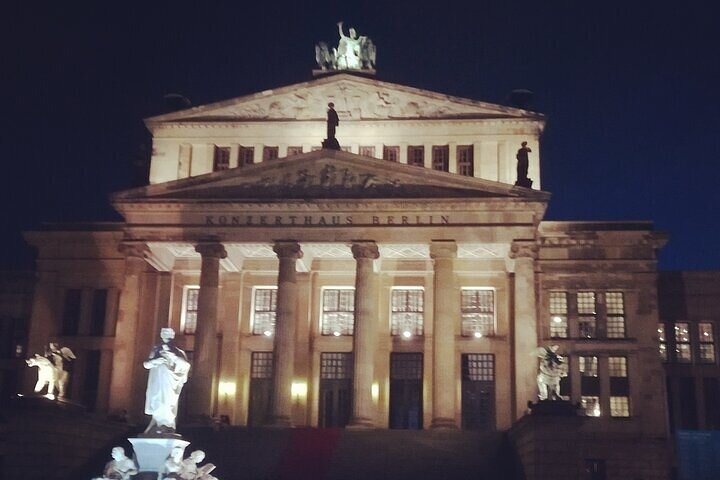
At Gendarmenmarkt, you will find the former Royal Concert Hall standing proudly at the center of the square. On its south side is the German Dome, while the French Dome stands on the north side. These two stunning churches, built by the German and French communities centuries ago, give the square its unique and elegant character.
Gendarmenmarkt is often regarded as one of the most beautiful squares in Europe. Its harmonious architecture, historic significance, and vibrant atmosphere attract visitors year-round. Whether during festive Christmas markets or quiet afternoons, the square remains a cherished landmark that reflects Berlin’s rich cultural heritage.
Checkpoint Charlie
Checkpoint Charlie was one of the most famous border crossings between East and West Berlin during the Cold War. It stood as a symbol of the division between the two sides and became the main crossing point for foreigners and diplomats.In 1961, just weeks after the Berlin Wall was built, Checkpoint Charlie was the site of a tense standoff between American and Soviet tanks. For several days, both sides faced each other in a showdown that brought the world dangerously close to a third world war. Fortunately, the crisis ended peacefully, but the event remains a powerful reminder of the Cold War’s risks and fears.Today, Checkpoint Charlie is a popular tourist spot, with a replica of the original guardhouse and nearby museums that tell the stories of escape attempts and life in divided Berlin. It stands as a symbol of both conflict and the eventual triumph of freedom.
The wall and the Topography of Terror
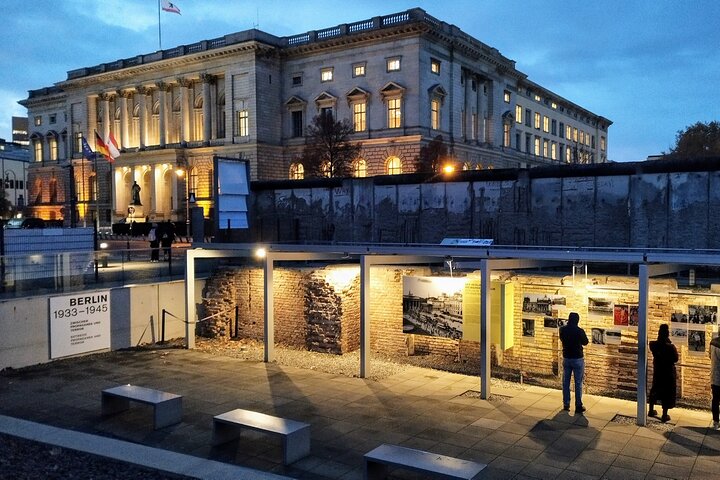
While along the former border strip, you will come across preserved sections of the Berlin Wall—stark reminders of the decades-long division that once split the city in two. Along this route, you will also encounter the site of the Topography of Terror, one of Berlin’s most visited and sobering documentation centres on the history of National Socialism.
Located on the grounds where the SS and Gestapo once had their headquarters, the Topography of Terror presents a powerful open-air and indoor exhibition. Through photographs, documents, and personal testimonies, it traces the rise of the Nazi regime, the machinery of state terror, and the widespread persecution and murder carried out from this very location.
The remaining fragments of the Wall stand just beside the exhibition, offering a stark visual contrast between oppression and remembrance. This place invites reflection not only on the crimes of the past but also on the importance of vigilance, education, and human rights in the present. It is a key stop for anyone seeking to understand how Berlin remembers its darkest chapters.
Potsdamer Platz
Potsdamer Platz is one of Berlin’s most striking examples of transformation. Once a bustling centre of life in the 1920s, it was reduced to rubble during World War II and later became a desolate no-man’s-land divided by the Berlin Wall. After reunification, the area was completely redeveloped and became Europe’s largest construction site throughout the 1990s.
Today, Potsdamer Platz is a bold mix of glass, steel, and modern architecture. Skyscrapers and futuristic buildings rise where emptiness once stood. The Sony Centre, with its dramatic tent-like roof and open plaza, is the centrepiece of the area. It houses cinemas, restaurants, shops, offices, and even a museum dedicated to film and television.
Surrounding the square are other contemporary buildings designed by renowned architects, forming a dynamic urban ensemble that blends commerce, culture, and daily life. Despite its modern appearance, parts of the old Berlin Wall are still visible nearby—reminders of the area’s dramatic past. Potsdamer Platz now stands as a symbol of renewal and energy, reflecting Berlin’s constant evolution.
The Memorial to the Murdered Jews of Europe, also known as the Holocaust Memorial
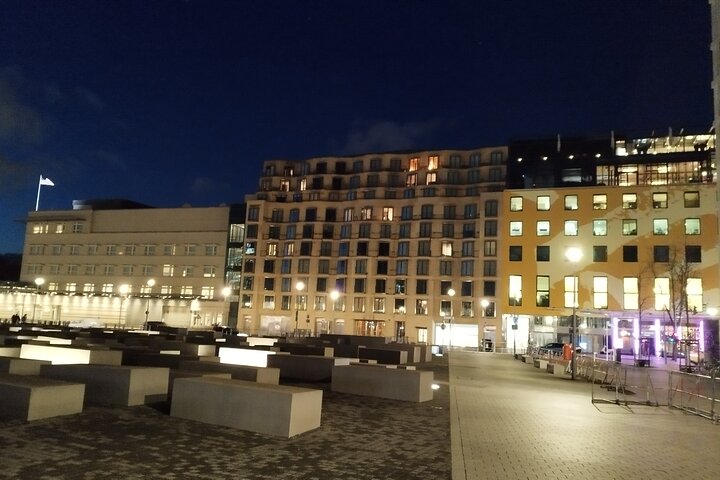
Following the path of the former border strip that once divided East and West Berlin, you arrive at one of the city’s most powerful and solemn sites: the Memorial to the Murdered Jews of Europe, also known as the Holocaust Memorial. Opened to the public in 2005, this memorial stands in silent remembrance of the more than six million Jewish men, women, and children who were murdered during the Holocaust under National Socialism.
Designed by architect Peter Eisenman, the memorial consists of 2,711 concrete slabs arranged in a grid across a sloping field. Varying in height and depth, the slabs create a disorienting and haunting landscape. As you walk among them, the noise of the city fades, replaced by an unsettling sense of silence and isolation—a physical and emotional experience meant to evoke absence, memory, and the weight of loss.
Beneath the field of stelae lies the underground information center, which presents the names and stories of victims, personal letters, photographs, and historical documents. It connects the abstract design of the memorial with the real, individual lives that were destroyed.
The Holocaust Memorial is not only a place of mourning, but also of reflection. It challenges each visitor to confront the darkest chapter of German history and to carry its lessons forward.
The Brandenburg Gate
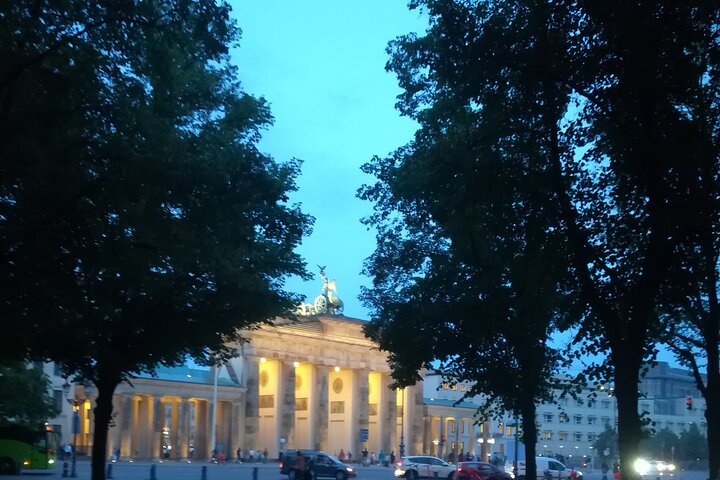
One of the most important and recognizable symbols of Berlin is the Brandenburg Gate, located at Pariser Platz. This neoclassical monument, completed in 1791, once marked the entrance to the city and has witnessed some of the most dramatic chapters in German history.
Originally commissioned by King Frederick William II of Prussia as a symbol of peace, the gate later became a symbol of division during the Cold War. Standing just behind the Berlin Wall, it was inaccessible to both East and West Berliners for nearly three decades. When the wall fell in 1989, the Brandenburg Gate became a powerful symbol of unity and freedom.
Today, it stands at the heart of a reunified Berlin. Surrounded by embassies, historic buildings, and cultural institutions, Pariser Platz has been restored to its former elegance. The gate itself, crowned by the Quadriga—a chariot drawn by four horses—remains a must-see for visitors and a site of national pride for Germans.
Whether during peaceful demonstrations, New Year’s Eve celebrations, or quiet early mornings, the Brandenburg Gate continues to embody the spirit of a city that remembers its past and looks firmly toward the future.
Führerbunker
"Führerbunker", Gertrud-Kolmar-Straße, Berlin, Germany