

Day 01
Visit the Accademia Gallery Masterpieces
- See paintings by Giotto, Bernardo Daddi (student of Giotto), Taddeo Gaddi (student of Giotto), Perugino (the teacher of Raphael), Filippino Lippi (the student of Botticelli), Mariotto Albertinelli, Fra Bartolomeo, Botticelli, and Giovanni di ser Giovanni, known as "lo scheggia" (brother of Masaccio).
- We will highlight the differences between a Gothic and a Renaissance altarpiece.
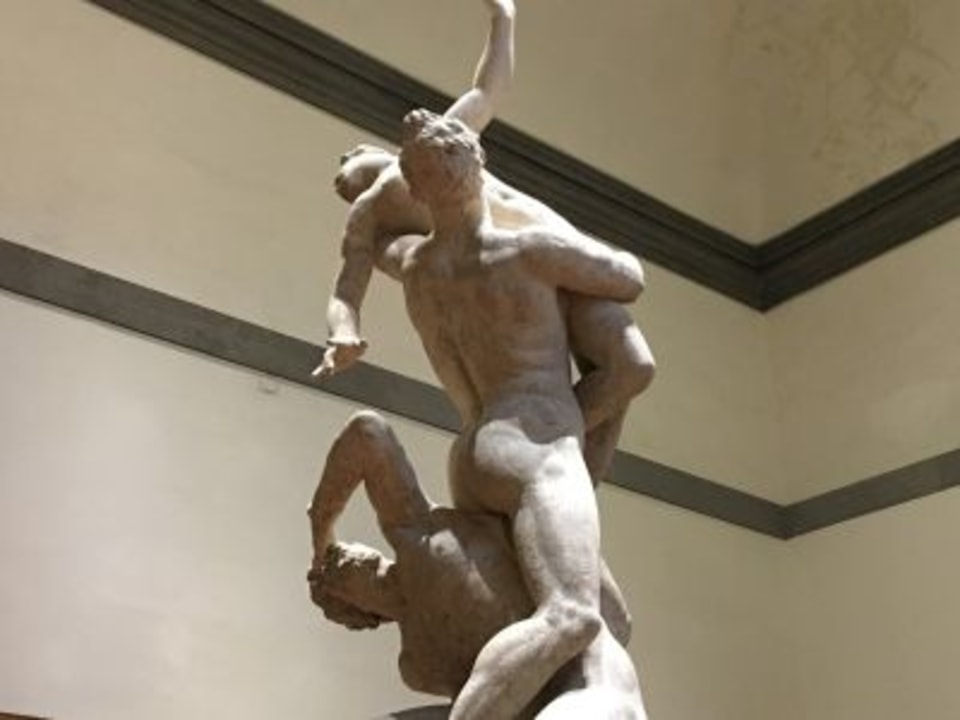
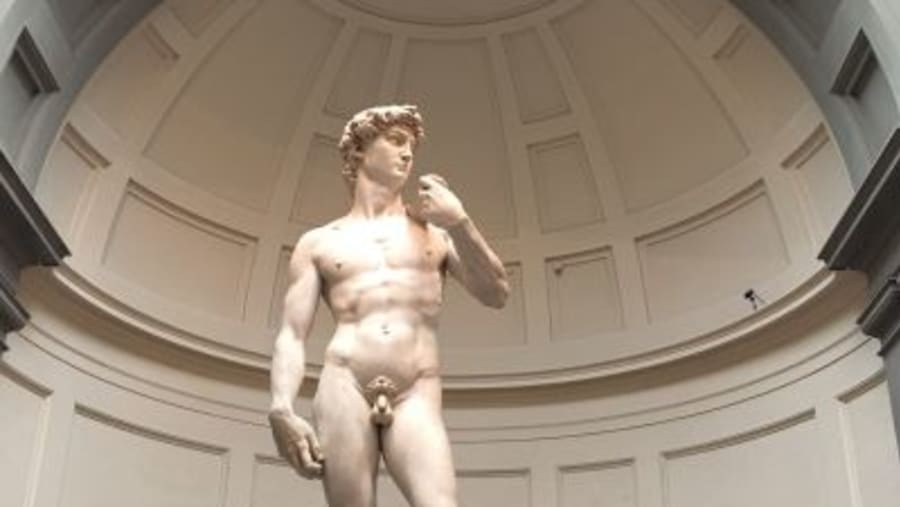
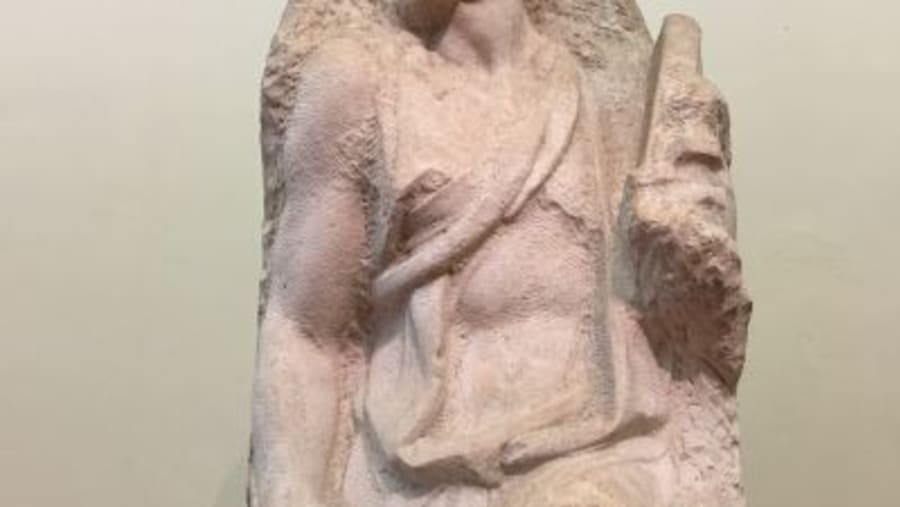
- Check out the following sculptures: Michelangelo, the star of the Accademia Gallery, David (transferred here from Piazza della Signoria in 1873), the unfinished Prisoners (thought for the tomb of Pope Julius II), and the unfinished St. Matthew (thought for the Duomo). The fact that the Prisoners and St. Matthew are unfinished gives us great help in recognizing the differences in technique between the art of Michelangelo and that of many other sculptors. Other sculptures include Giambologna (the Rape of the Sabine Woman), Lorenzo Bartolini (one of the favourite sculptors of nineteenth-century European aristocratic families), and Luigi Pampaloni (one of the best students of Lorenzo Bartolini).
- See the lute art: Stradivarius. Grand Prince Ferdinando De Medici loved music very much, and he greatly supported musicians. To play music in his palace, he asked Stradivarius in 1690 to create five instruments, known as the Medici Quintet (a Viola Tenor, a Viola Contralto, two Violins, and a Cello). Two of them, the Viola Tenor and the Cello, are in the Accademia Gallery. Bartolomeo Cristofori modified the harpsichord, turning it into the piano.