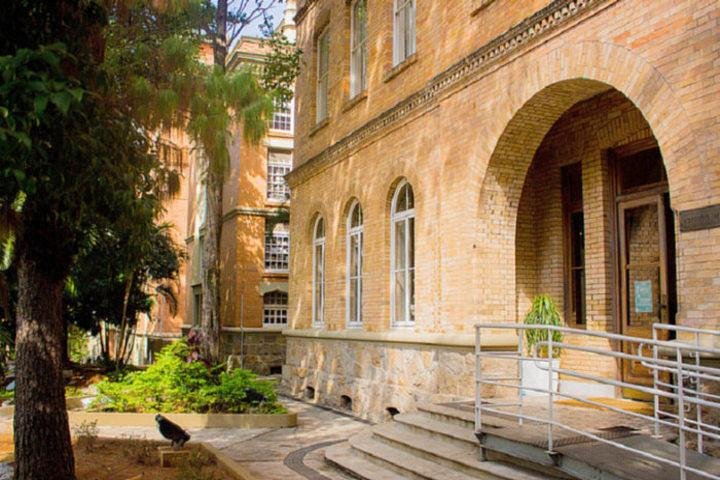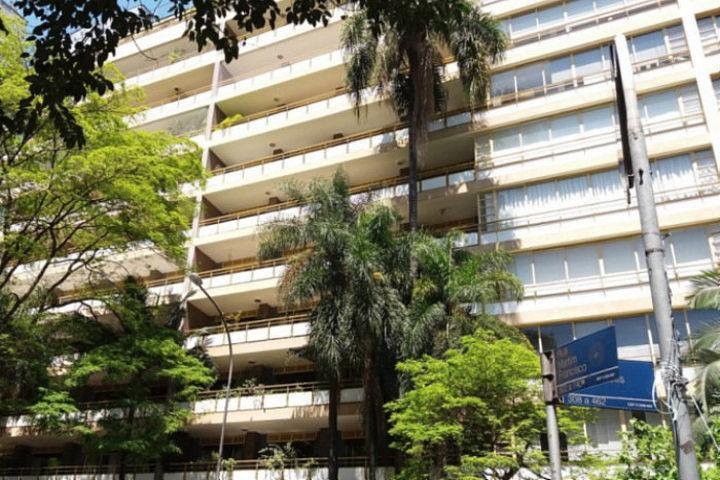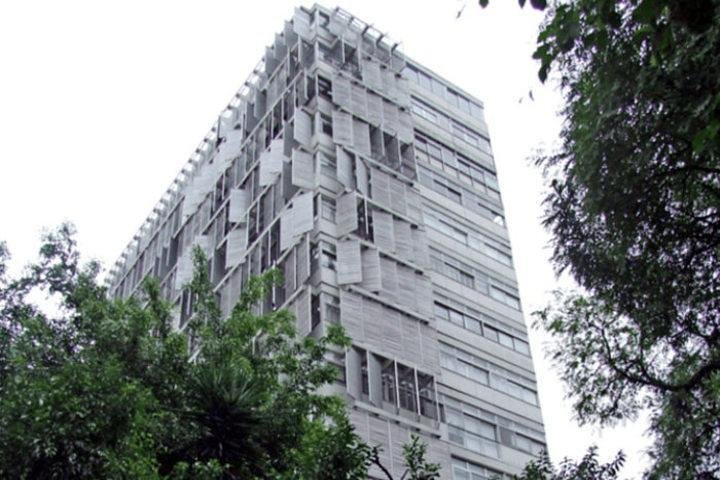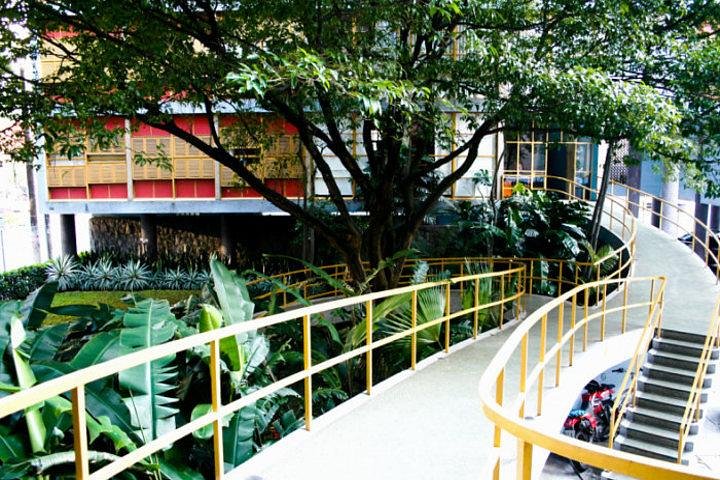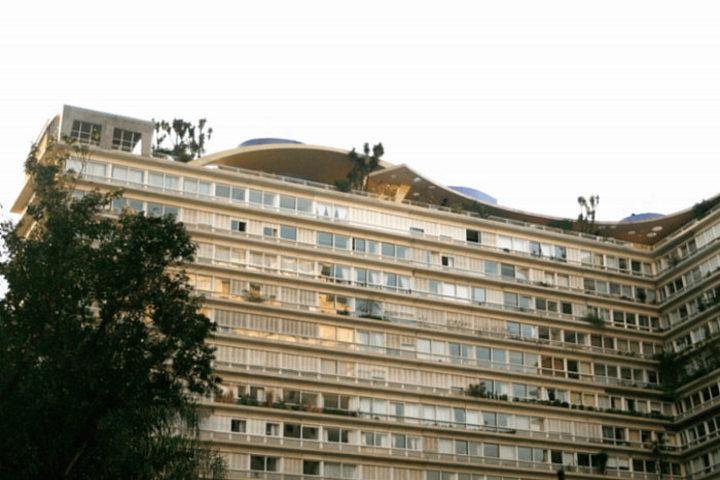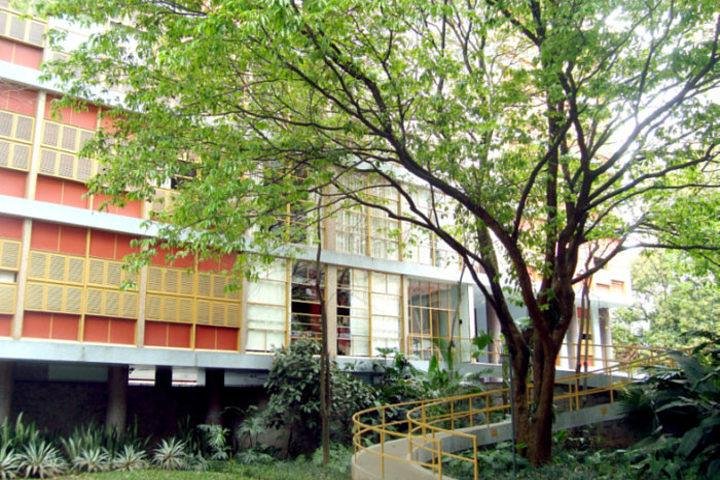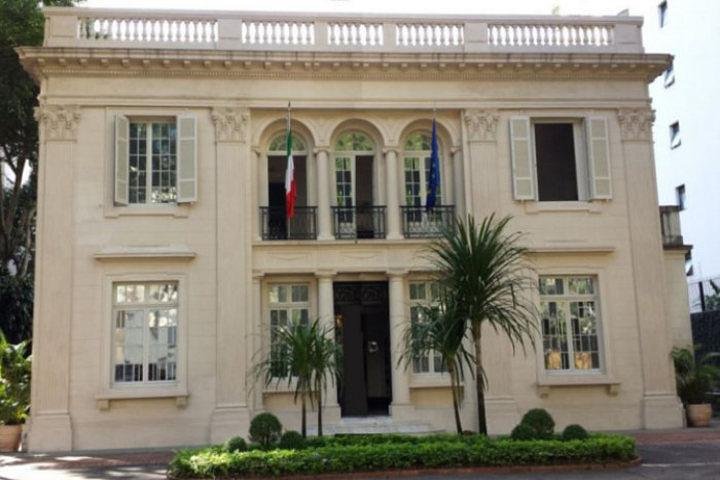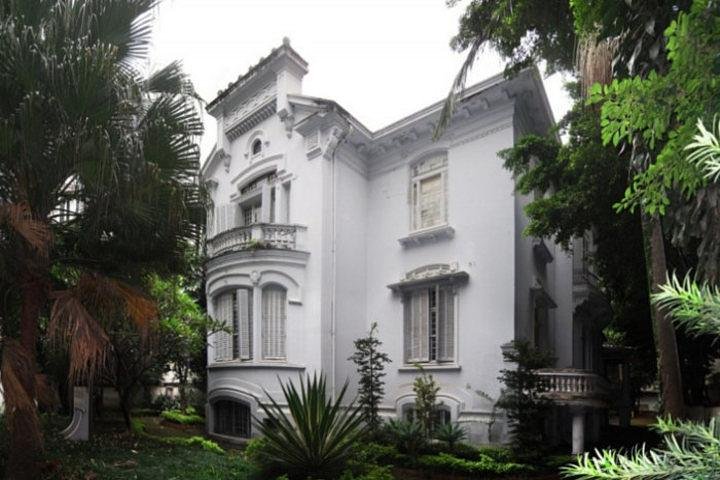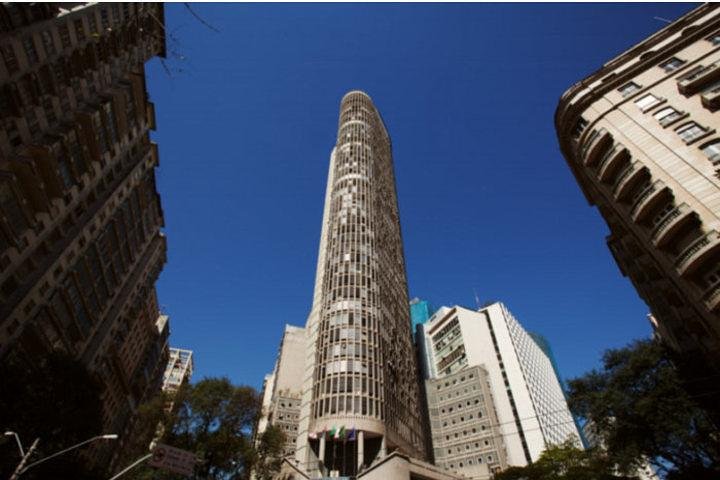
Higienópolis is an old district in the city of São Paulo, since its foundation was residence of the more wealthy classes.
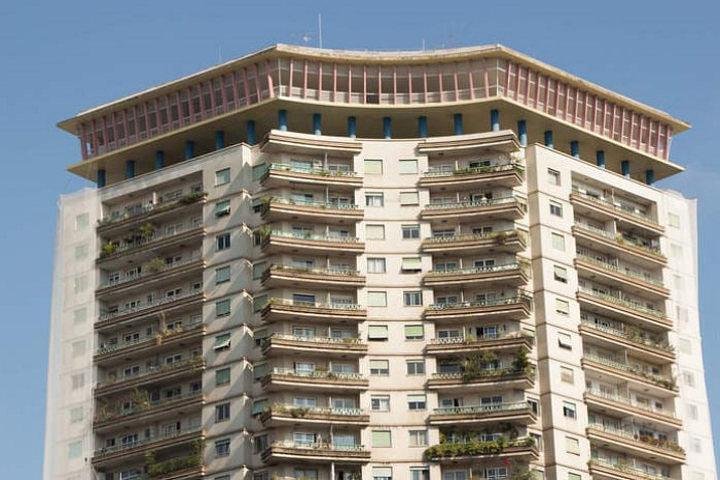
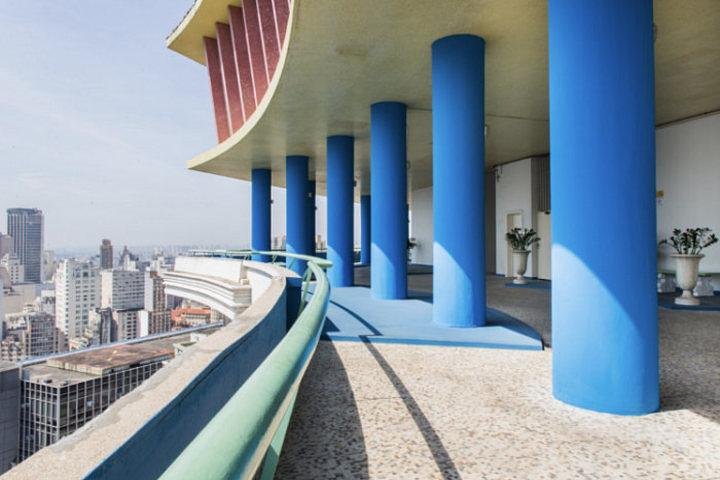
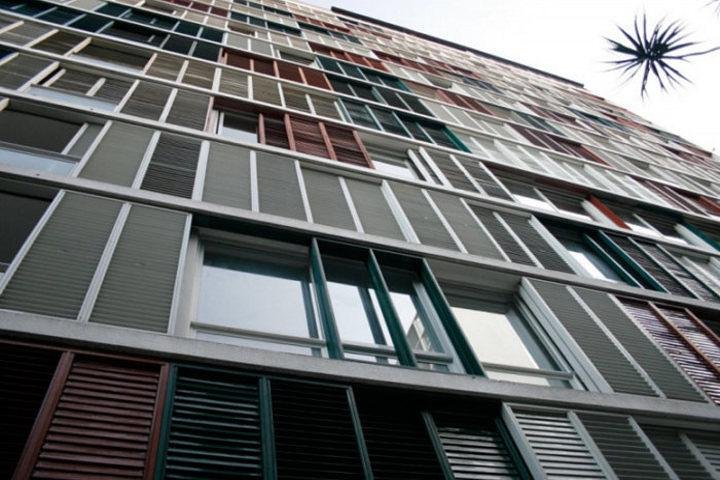
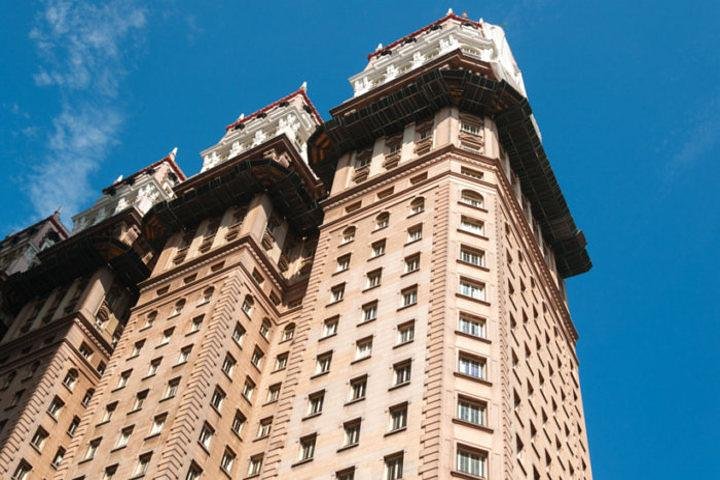
There are lots of palaces that belonged to the coffee barons and their children, together with the modernist buildings from the early twentieth century, makes it a reference when it comes to architecture in São Paulo.
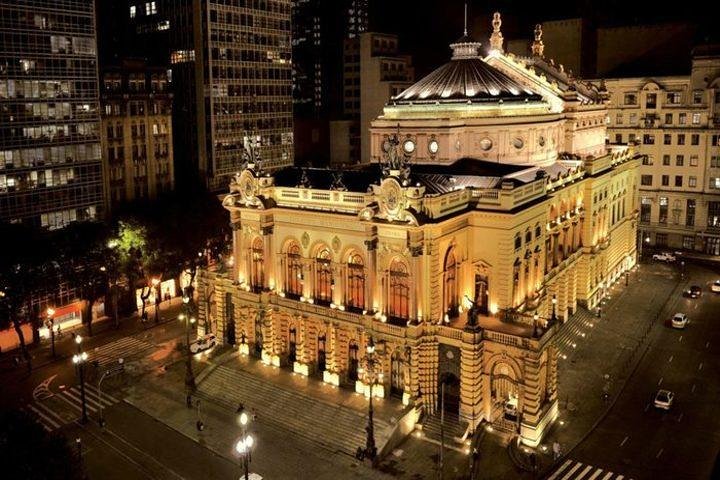
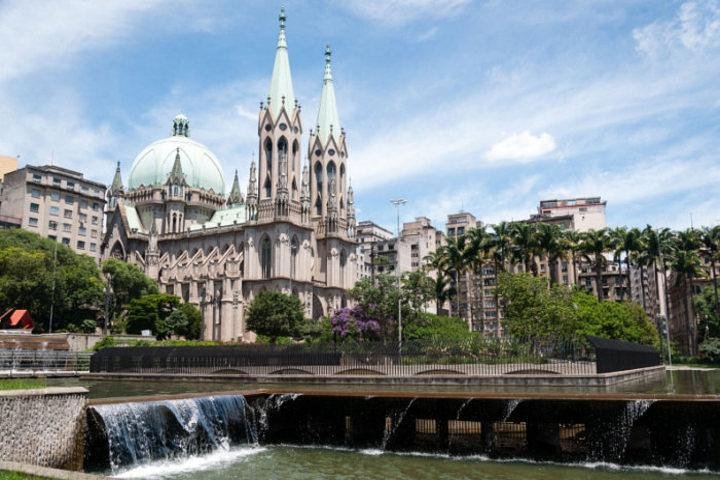
There are examples in styles such as eclectic, neoclassical, picturesque, Norman, Florentine, art nouveau, neocolonial, art deco, and others, being the subject of studies and researches. Many of these properties have been registered as historical heritage properties and are under preservations laws.Walk through the historical downtown of Sao Paulo to see the history of the city being told by its constructions and concrete manifestations.
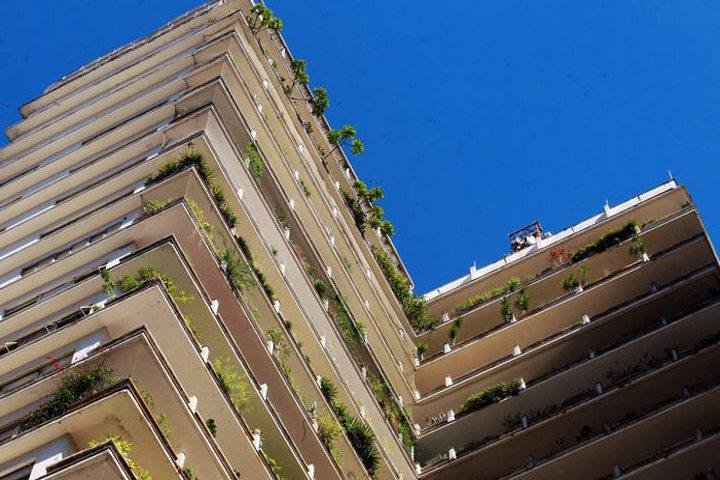
A village that until 1872 had little more than 30 thousand inhabitants and was restricted to a couple of streets, São Paulo has been going through an everlasting process of verticalization from the early times into this current metropolis status of more than 12 million inhabitants.
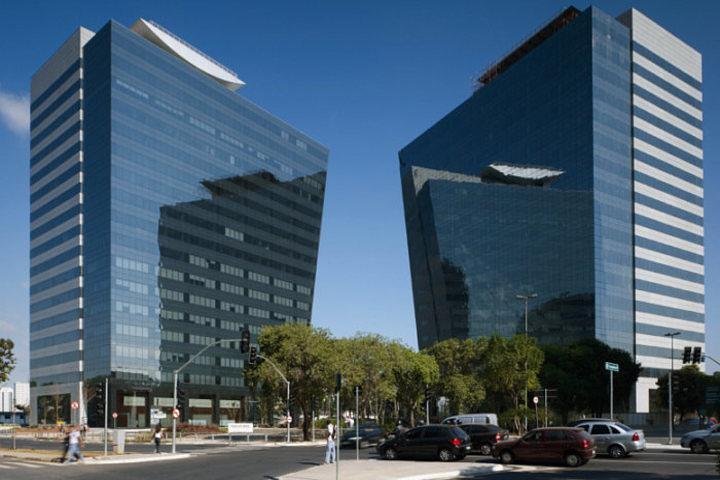
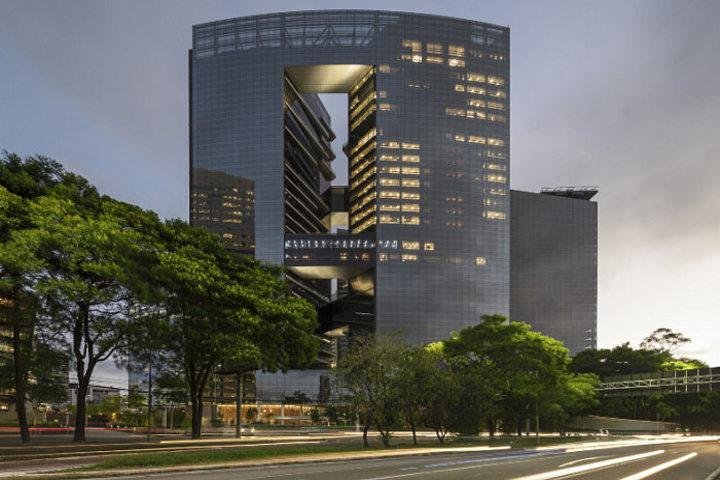
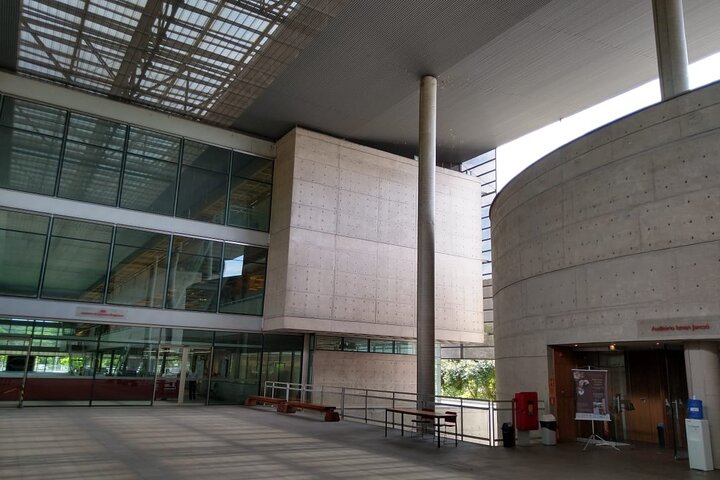
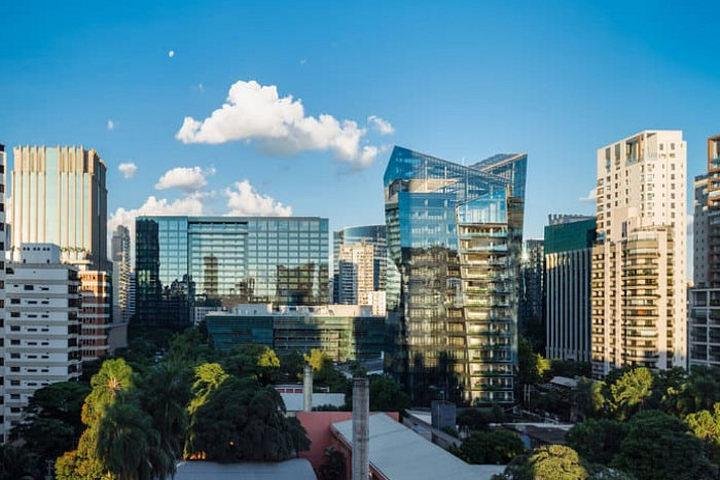
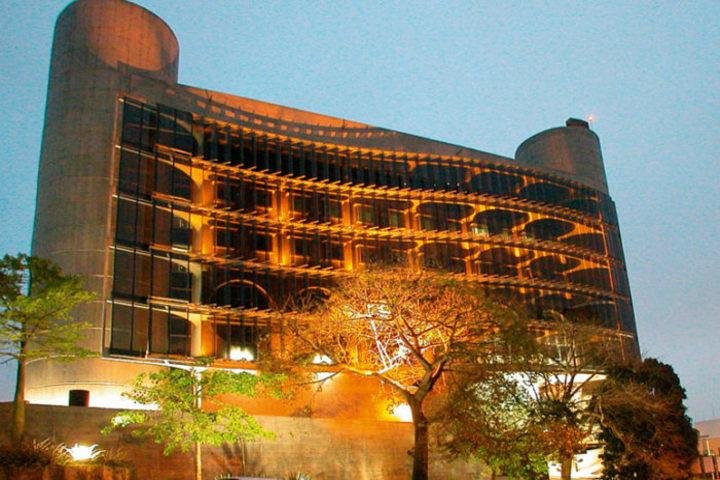
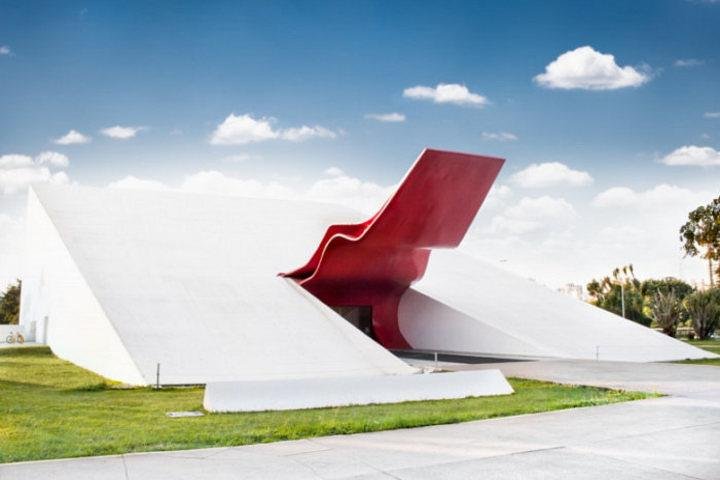
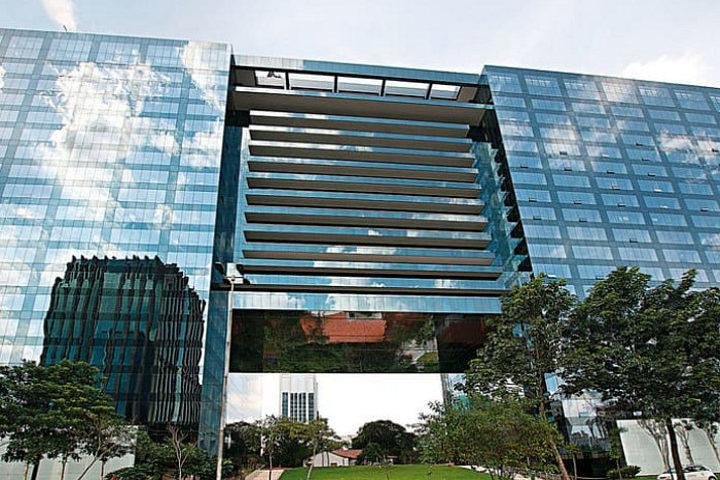
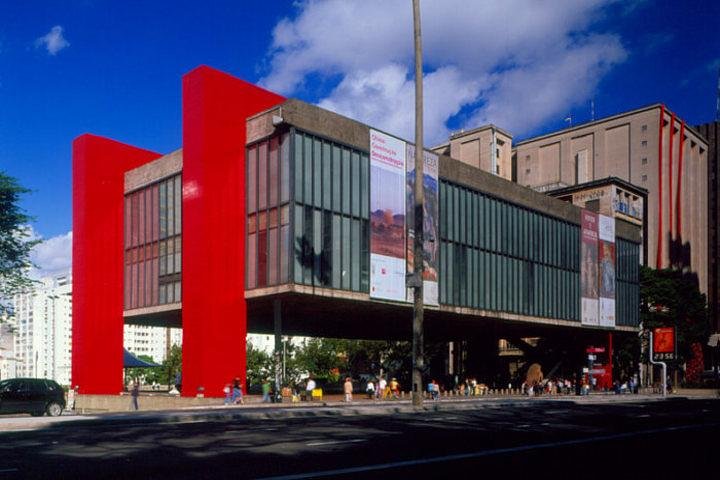
Discover some of the superstar architects behind the designs and the quirky and unusual features of São Paulo’s innovative buildings.Paulista avenue is one of the most important in São Paulo architecturally and historically. It has several different architectonic styles representing the last 130 years ranging from old mansions to high-teach green buildings.Mirrored buildings, glazed towers, environmentally-friendly buildings, giant free spans, vertical gardens and the largest number of helipads in the city. The area of the Brigadeiro Faria Lima Avenue it’s the main Brazil’s business district full of modern pieces of architecture.
Among the mirrored buildings, the architecture that most attracts attention is the Pátio Victor Malzoni. It has most expensive square meter in town and a preserved 18th century house listed as a historical heritage. The two interconnected modern towers contrasts with the historical old house. It’s really gem!