
Syracuse and the Archaeological Park of Neapolis
Meet your Syracuse tourist guide and head to the Archaeological Park of Neapolis to visit the following:
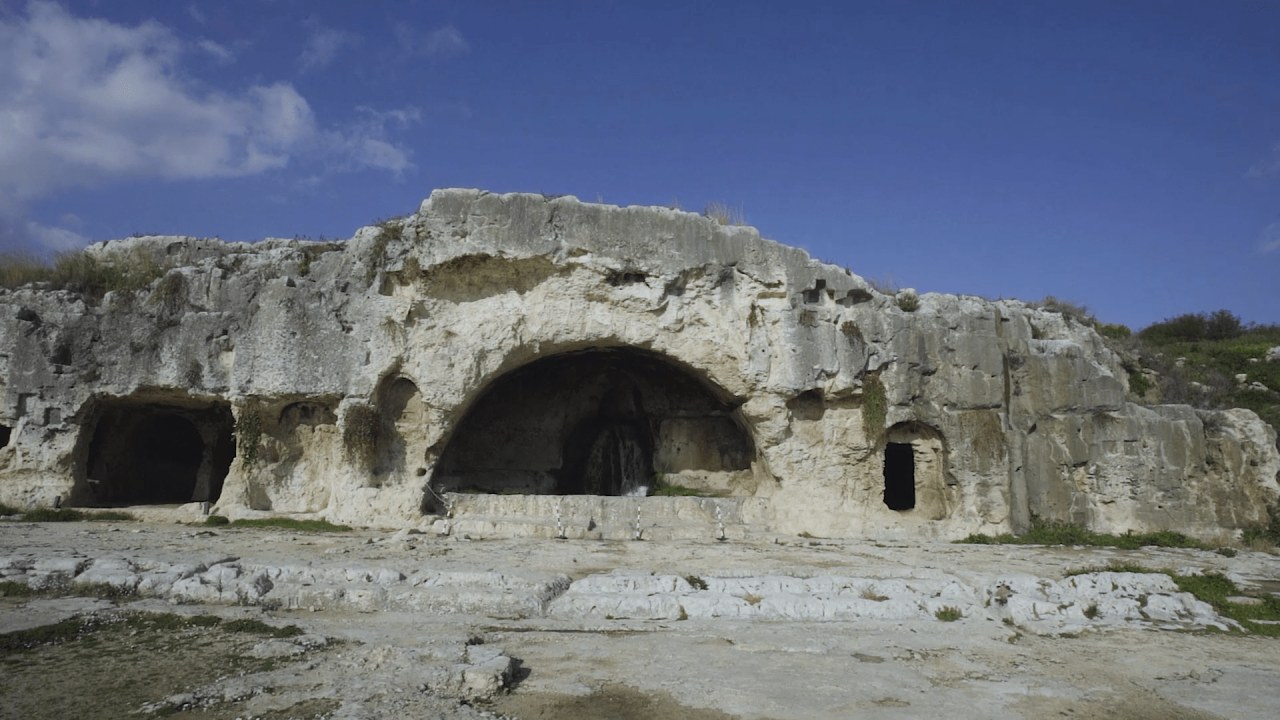
Greek Theatre: There is evidence of this theatre dating back to 500 BC, 2,500 years ago, and today it remains one of the most famous monuments and the symbol of Syracuse. Since its creation, it was highly successful, serving as an important meeting place for the Greeks and later being used by the Romans for performances. Over the centuries, it was damaged, but it is still possible to see the part carved into the rock, which allows us to appreciate its majesty. The missing blocks were probably used to build other structures in the city during the Middle Ages.
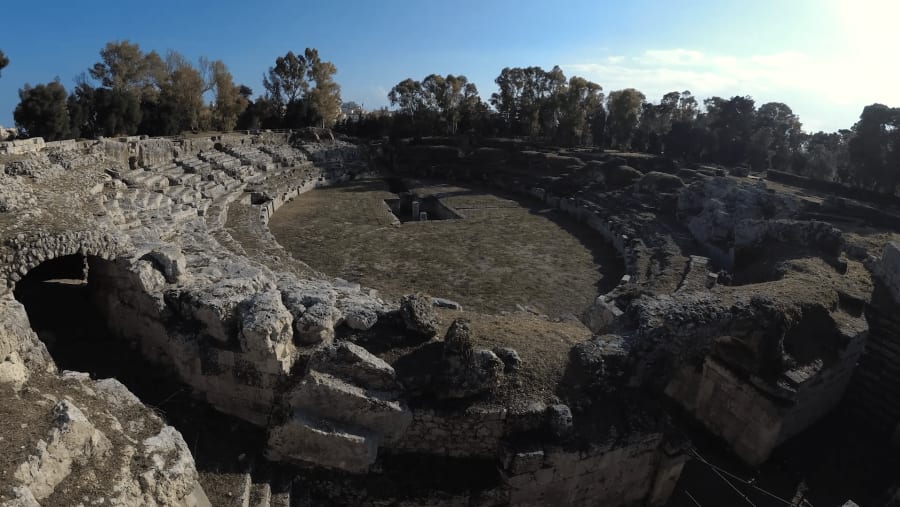
Roman Amphitheatre: The Roman Amphitheatre of Syracuse is the second largest in Italy after the one in Verona. It dates back around 2,000 years and can be reached by a path lined with stone sarcophagi from the city's necropolis. Its dimensions are impressive and, in addition to the amphitheatre itself, the remains of an arch and a fountain are also visible. Here too, only the part excavated into the rock remains, while the raised section was dismantled in past centuries for use in other constructions.
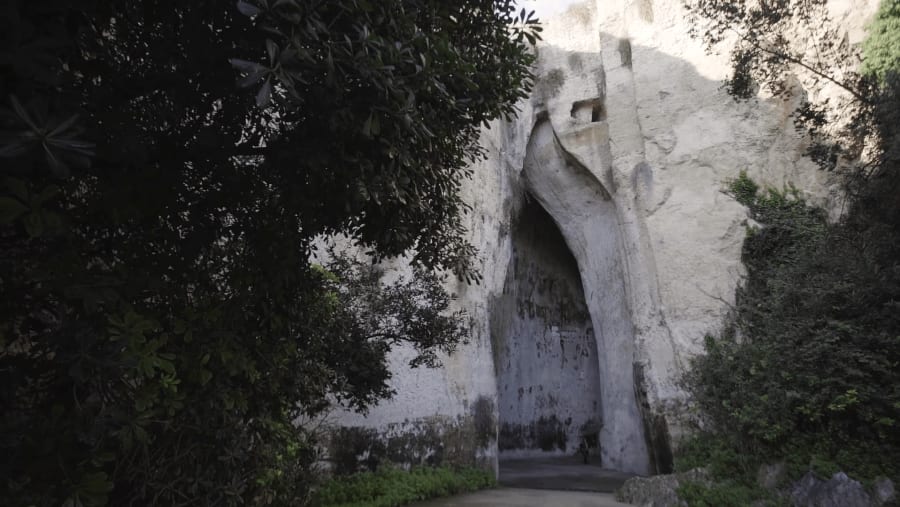
Ear of Dionysus: The Ear of Dionysus is an imposing artificial cave with incredible dimensions, reaching 23 metres in height. The origin of its name is attributed to Caravaggio who, while visiting the city, coined this singular name because of the ear-shaped entrance to the cave. Dionysius was a tyrant of Syracuse who had the cave dug to imprison captives, listening to them from a hidden upper cavity. This was possible thanks to the cave's incredible acoustics, which can amplify sounds up to 16 times.
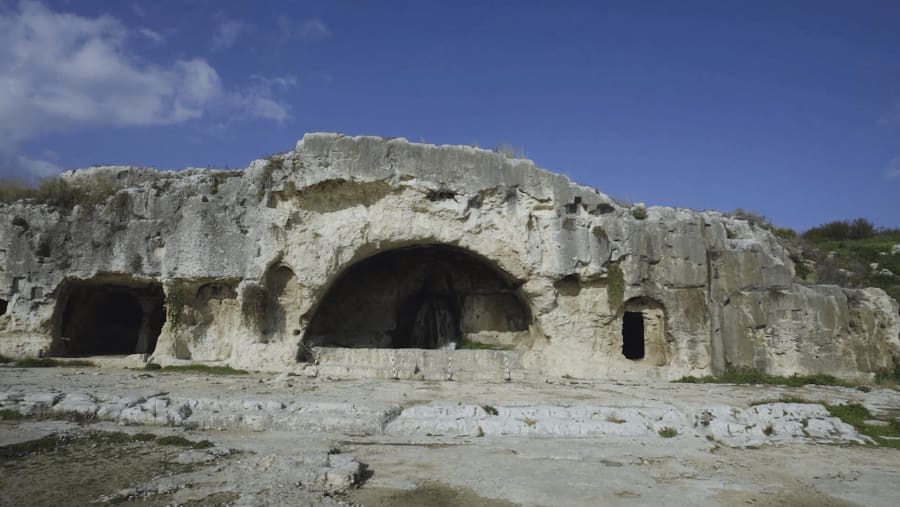
Cave of the Cordari: Not far from the Ear of Dionysus is the Cave of the Cordari, another artificial cave. Its name comes from the fact that it was once used by rope makers as a place to manufacture ropes, a task made easier by the humidity inside. Today, some parts are covered with moss and maidenhair fern, creating a magical atmosphere thanks to the particular play of light inside. The cave was also used for limestone extraction, and this activity gave it a distinctive square architecture.