


| 8 mins read
When the sun goes down, many travellers consider the sightseeing day over. Yet around the world, some of the most memorable experiences are only beginning.
Historic streets become quieter, landmarks glow against the night sky, wildlife emerges from the shadows, and markets come alive with locals. In remote landscapes, darkness reveals another kind of attraction entirely, from the Northern Lights to some of the clearest skies on Earth.
This growing interest in exploring after sunset is known as noctourism. Instead of treating nighttime as the end of the day, travellers are increasingly making it part of the journey.
The appeal is simple. Evening temperatures can be more comfortable, popular attractions may be less crowded, and certain experiences simply cannot happen during daylight. For travellers searching for the best night tours around the world, the choices range from wildlife and history to food, astronomy and natural wonders.
Why Travellers Are Exploring After Dark
Traditional sightseeing has always revolved around daylight. Museums open in the morning, major attractions fill up during the afternoon, and evenings are often reserved for dinner.
That pattern is changing as travellers look for experiences that feel more immersive and less rushed.
Night can completely transform a familiar destination. An illuminated monument has a different atmosphere from the same building under the midday sun. A busy market becomes more comfortable once temperatures fall, while a historic neighbourhood can feel more atmospheric after the crowds disappear.
Exploring at night can also be more complicated. Transport may be less frequent, some places can be difficult to find, and natural experiences often depend on weather or local conditions. This is where a knowledgeable guide can make a genuine difference.
Why a Local Guide Can Improve a Night Tour
A good guide brings more than directions.
They know which viewpoints are worth visiting, when to arrive and how local conditions can affect the experience. For wildlife tours, guides understand animal behaviour. For cultural experiences, they can explain traditions and stories that visitors might otherwise overlook.
Nighttime also requires flexibility. If clouds cover an Aurora viewing area or an attraction becomes unexpectedly busy, an experienced guide may know how to adjust the plan.
The best guided experiences feel less like following a fixed schedule and more like discovering a destination with someone who understands it.
Northern Lights in Iceland
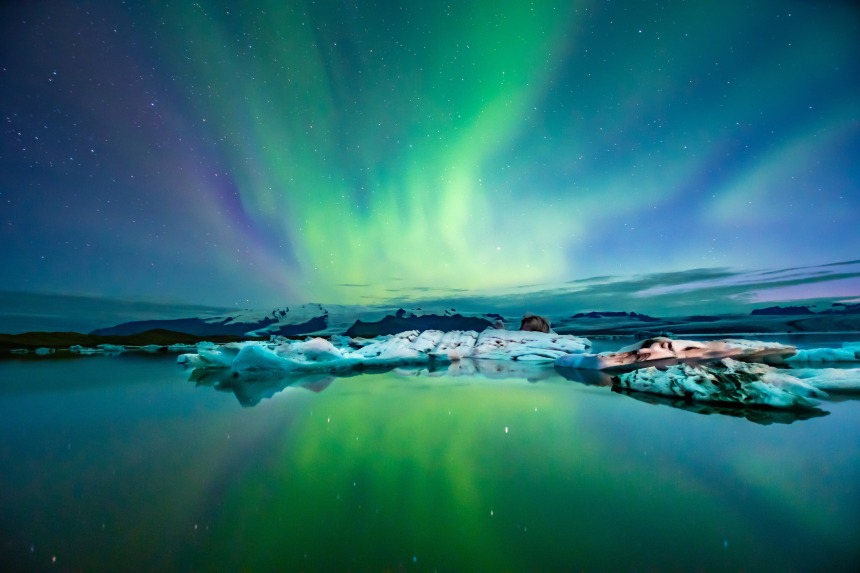
Few nighttime experiences are as spectacular as the Northern Lights.
From autumn through early spring, Iceland offers opportunities to see the Aurora Borealis appear in shades of green, pink and purple. But witnessing it depends on solar activity, cloud cover and darkness.
Experienced guides monitor these conditions and adjust their routes when necessary. They also know quieter locations away from artificial light, where the Aurora can be easier to see.
For photographers, local knowledge can be particularly useful. Guides can suggest suitable locations and offer advice on capturing the lights.
The Aurora is never guaranteed, but a knowledgeable guide can make the search far more rewarding.
Night Safari in Kenya
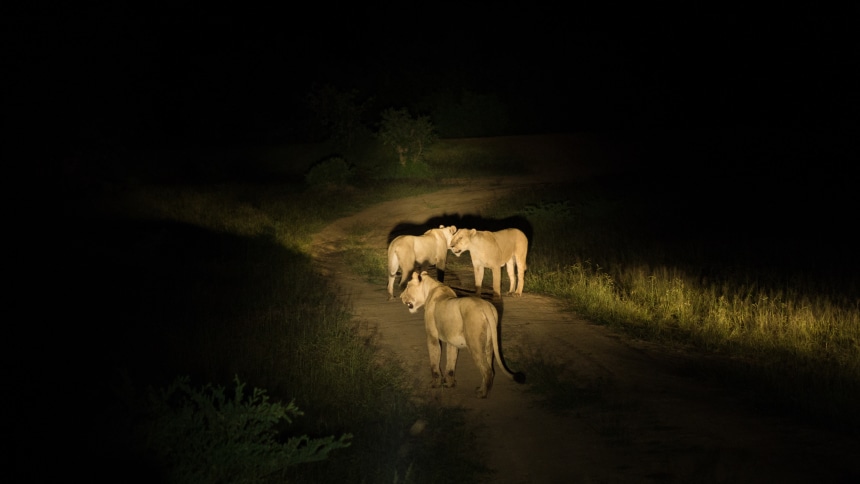
The African savannah changes dramatically after sunset.
During the day, travellers may see elephants, giraffes and herds moving across the grassland. At night, predators and nocturnal animals become active. Lions may begin hunting, leopards emerge from cover and smaller creatures that remain hidden during the day become visible.
A night safari reveals another side of the ecosystem rather than simply offering a darker game drive.
Experienced safari guides of Kenya understand animal behaviour and can interpret tracks, sounds and movements that visitors might otherwise miss. Their knowledge also helps ensure wildlife is observed responsibly.
Paris After Dark
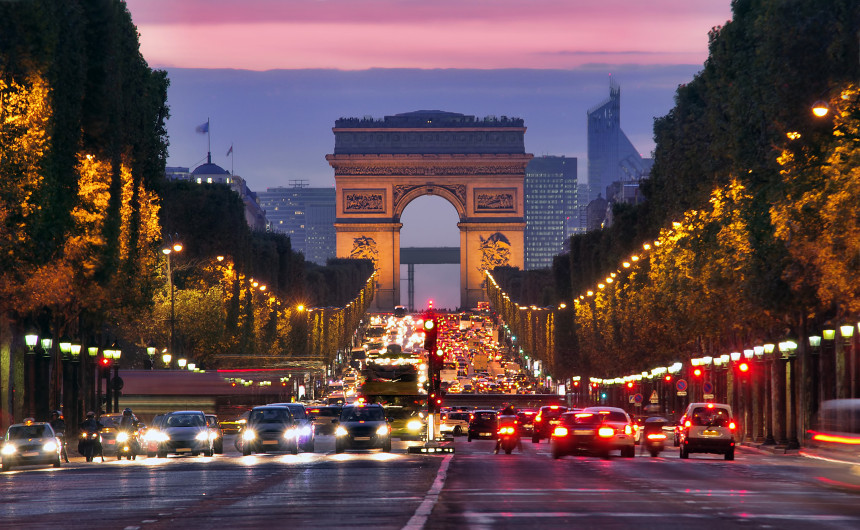
Paris has earned its reputation as the City of Light, and the illuminated Louvre shows why.
The glass pyramid glows against the historic palace after sunset, creating a striking scene. Depending on opening arrangements, evening visits can also provide a calmer atmosphere than busy daytime periods.
A knowledgeable guide can help you navigate the vast museum while focusing on works that align with your interests. Rather than attempting to see everything, you can explore particular artists, periods or collections in greater depth.
The Colosseum at Night in Rome
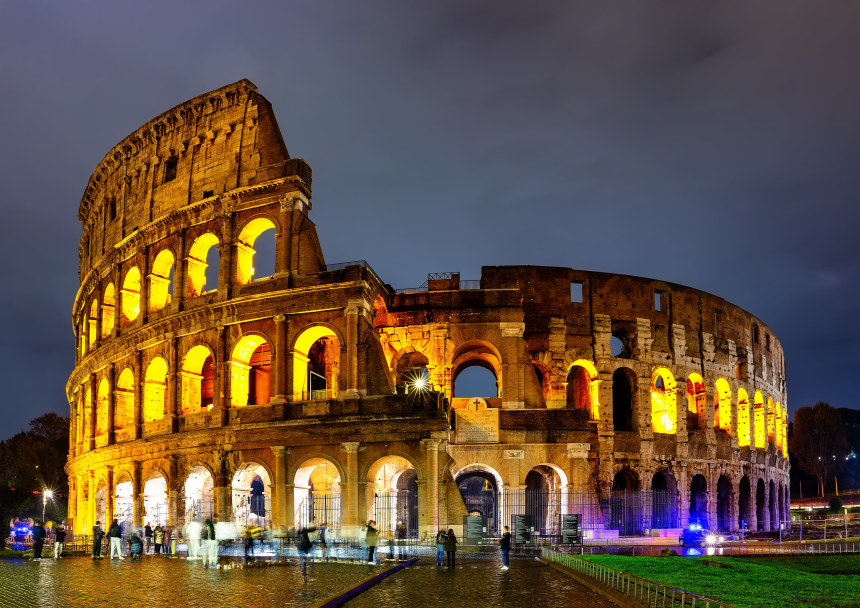
The Colosseum is impressive at any hour, but seeing it after dark creates a different mood.
Illuminated against the evening sky, the ancient amphitheatre feels even more dramatic. With fewer crowds, visitors can take more time to imagine the Roman world that once surrounded the arena.
A private Italian guide can bring the site to life by explaining gladiatorial contests, Roman engineering and the lives of the people who entered the amphitheatre.
Evening access can vary, so travellers should check current arrangements before planning a nighttime visit.
Ghost Tours in Edinburgh
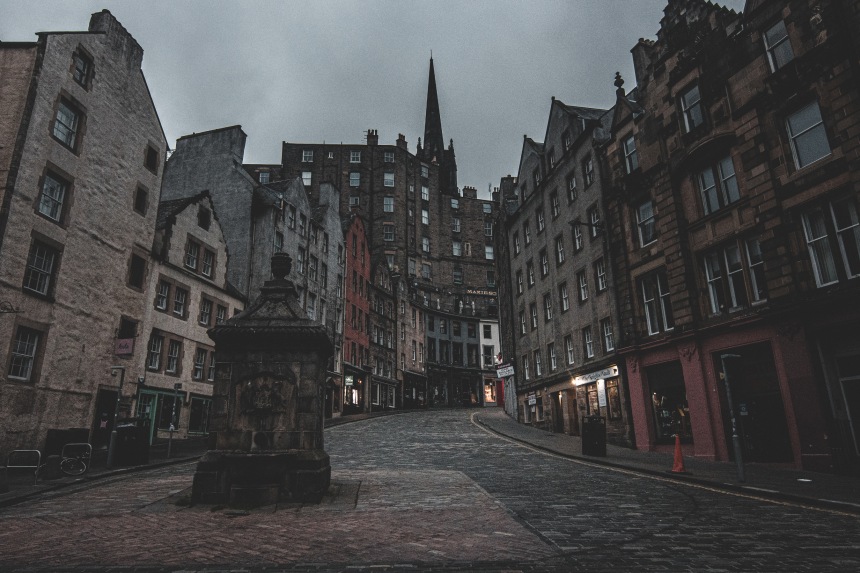
Edinburgh's medieval Old Town becomes particularly atmospheric after sunset.
Narrow closes, ancient buildings and underground spaces provide the setting for stories involving ghosts, witches, crimes and unexplained events.
The strongest tours, however, go beyond simple ghost stories.
A knowledgeable local guide can explain which tales are connected to historical events and which developed through folklore. The result is a nighttime walk that reveals Edinburgh's history as much as its supernatural reputation.
Bangkok's Night Markets
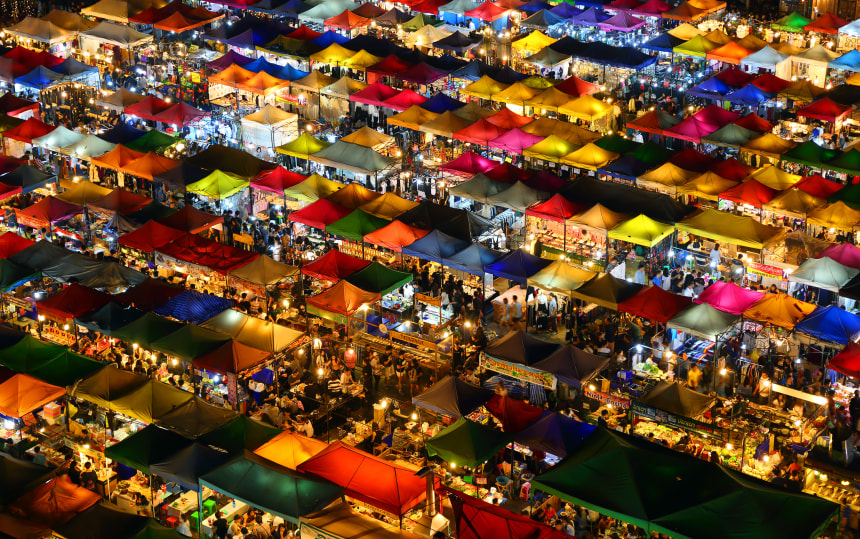
Bangkok comes alive after dark as temperatures fall and streets fill with food stalls, shopping and entertainment.
Travellers can sample noodles, grilled meats, seafood and desserts while browsing local crafts and clothing. For first-time visitors, the scale of Bangkok's markets can be overwhelming.
A local guide can introduce dishes worth trying, explain unfamiliar ingredients and point out stalls that might otherwise be missed. For food lovers, a guided evening exploration can offer a more meaningful introduction to Bangkok's culinary culture.
The Taj Mahal Under Moonlight
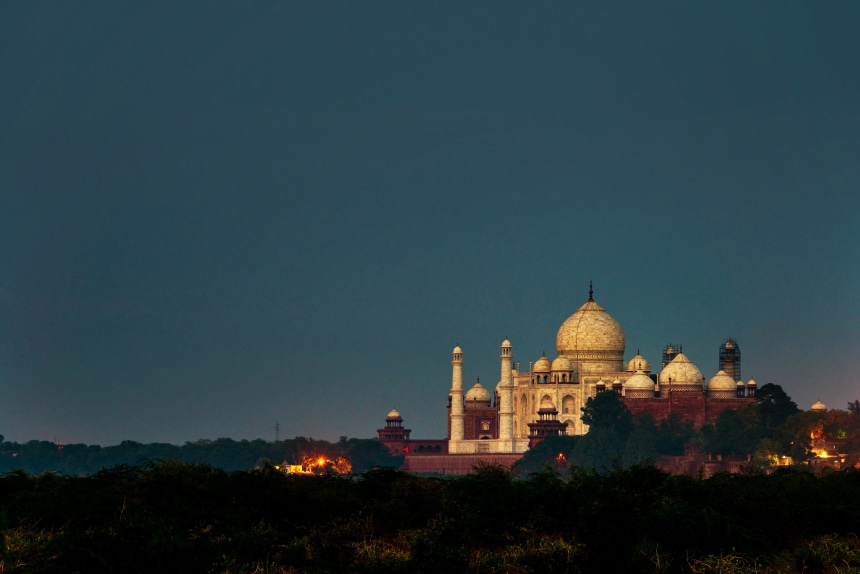
The Taj Mahal is spectacular during the day, but select full-moon viewings offer a rare opportunity to see the monument in a different light.
The white marble takes on subtle shades beneath the moon, creating a quieter atmosphere.
Because moonlit viewing is available only on specific dates and involves particular access arrangements, advance planning is essential. A local guide can help visitors understand the process while providing historical context about one of India's most famous monuments.
Desert Nights in Wadi Rum
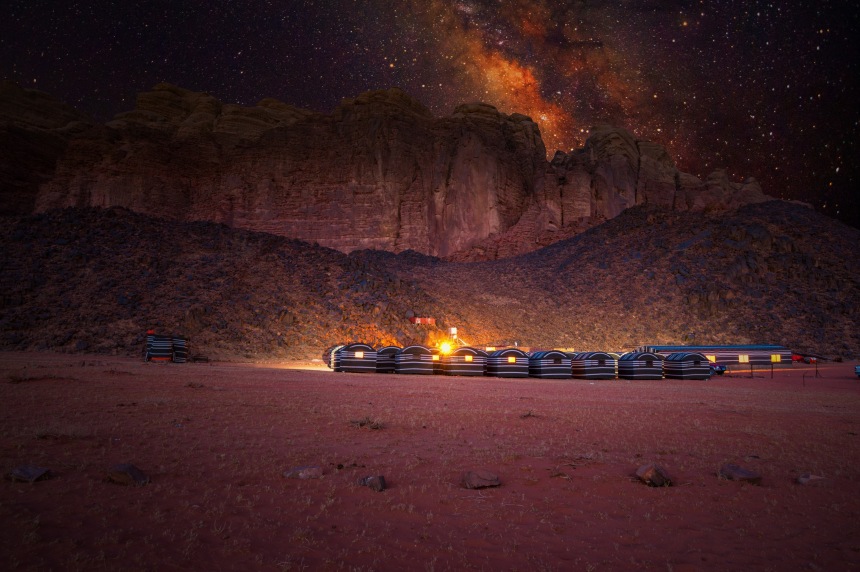
When darkness settles over Wadi Rum, the desert becomes remarkably quiet.
The sandstone formations fade into the darkness while the stars become the main attraction. Far from artificial light, the night sky can appear extraordinarily clear.
Staying in a Bedouin camp adds a cultural dimension. Travellers can share a meal around a fire, learn about desert traditions and hear stories connected to life in the region.
A local guide helps connect the landscape with the people and traditions that have shaped it.
Bioluminescent Bays in Puerto Rico
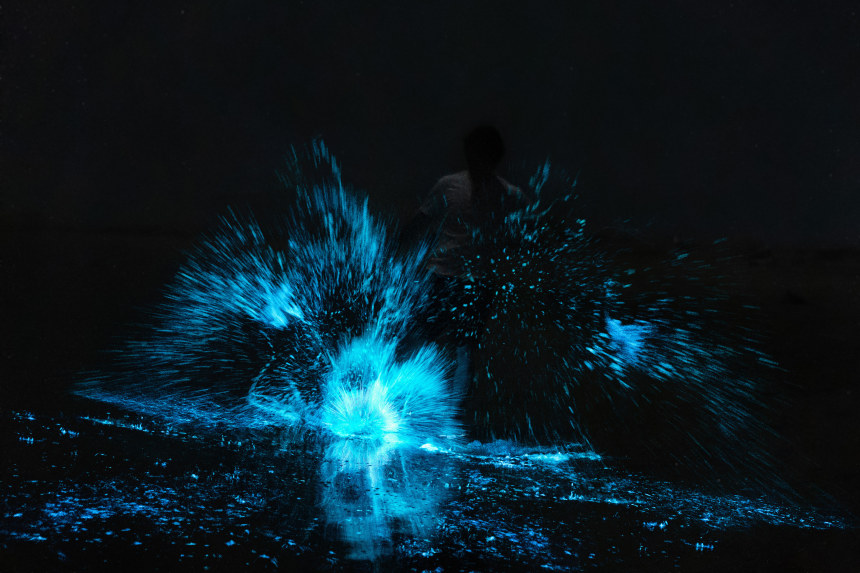
Some nighttime experiences are impossible during the day.
Puerto Rico's bioluminescent bays are a perfect example. Microscopic organisms in the water emit light when disturbed, creating glowing trails around paddles and moving hands.
Because these ecosystems are fragile, responsible tourism is important. Guided experiences help visitors enjoy the phenomenon while protecting the environment.
Paddling through water that appears to glow beneath the darkness is one of noctourism's most unusual experiences.
Stargazing in Chile's Atacama Desert
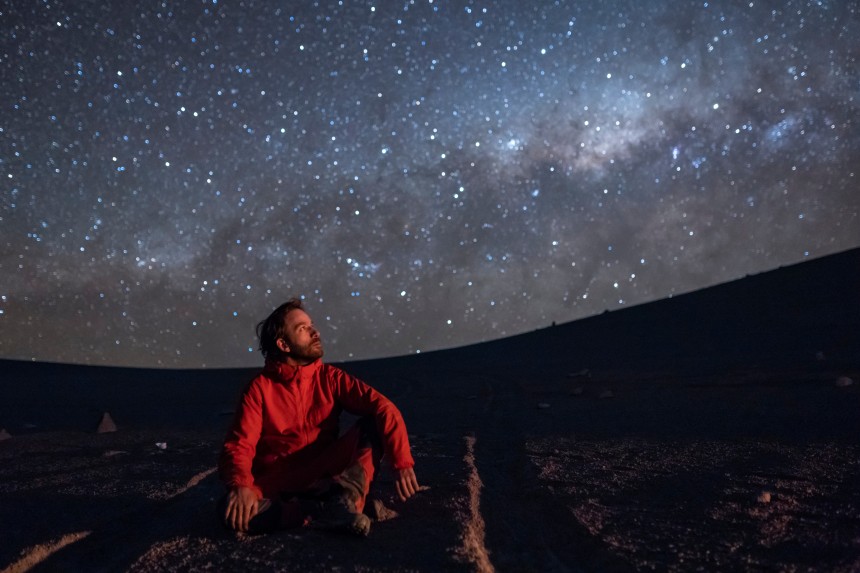
The Atacama Desert is one of the world's great destinations for observing the night sky.
Its high altitude, extremely dry climate and limited light pollution create exceptional conditions for astronomy. On clear nights, travellers can see thousands of stars, planets and distant celestial objects.
Astronomy guides explain what visitors are seeing and use telescopes to reveal details invisible to the naked eye.
For travellers fascinated by science, photography or simply the beauty of a dark sky, the Atacama offers an unforgettable evening.
Finding the Right Night Tour
The right nighttime experience depends on what interests you most.
Wildlife lovers may prefer a safari, photographers might choose the Northern Lights, while food enthusiasts can explore Bangkok after sunset. History lovers may prefer Rome or Edinburgh, while those seeking tranquillity could head into the desert.
When choosing a guide, consider their interests and experience rather than simply looking for the cheapest option.
On tourHQ, travellers can browse local guides, explore their experiences and reviews and contact them before making arrangements. Sharing your interests, available time, and preferred type of experience can help create a tour that feels personal rather than generic.
Final Thoughts
Noctourism is changing the way travellers experience destinations.
The night is no longer simply when sightseeing ends. In many parts of the world, some of the most unusual experiences begin.
From the Northern Lights of Iceland and the wildlife of Kenya to Bangkok's markets, the deserts of Jordan and the stars above Chile, travelling after dark reveals a side of the world that daytime visitors often miss.
And sometimes, the greatest value a guide provides is knowing where to go, when to arrive and what you are looking at.
For travellers ready to experience familiar destinations differently, the night may be where the most memorable part of the journey begins.