


| 10 mins read
There is a particular mistake people make when planning Egypt: they try to see all of it.
It starts innocently enough with Cairo and Giza. Then Saqqara appears on the map. Luxor is apparently essential. Abu Simbel cannot possibly be missed. Aswan is nearby, Alexandria is “only” a few hours away, and suddenly a week that was supposed to feel like a holiday starts to resemble the itinerary for a diplomatic delegation.
Egypt makes this easy. There is always another temple, tomb or ancient city waiting around the corner.
A private Egypt tour lets you escape that kind of planning. You can build the trip around what interests you, change the pace when necessary and occasionally decide that you have seen enough for one day. That last freedom is more valuable than it sounds.
Why choose a private tour of Egypt?
Take Giza. Most visitors arrive knowing precisely what they are going to see: the pyramids, the Sphinx, photographs and perhaps a camel ride. But Giza is part of a much larger archaeological landscape extending towards Saqqara and Dahshur, with tombs, temples, settlements and pyramid complexes from different periods of ancient Egyptian history. UNESCO recognises Memphis and its Necropolis as a World Heritage site.
A good guide may point out something you would otherwise walk past. You ask a question, the answer leads to another, and suddenly the twenty minutes you allocated to a site have become an hour. On a group tour, the bus is probably already waiting. With a private guide, you can follow that curiosity.
The same applies to Luxor. You may arrive at the Valley of the Kings intending to see as many tombs as possible, only to become absorbed by one particular tomb and its decoration. A knowledgeable private tour guide can give you the context to understand what you are seeing and help you decide where to spend your limited time.
That is the real luxury of private travel in Egypt. It is not the vehicle. It is having some control over the day.
What can a private Egypt tour include?
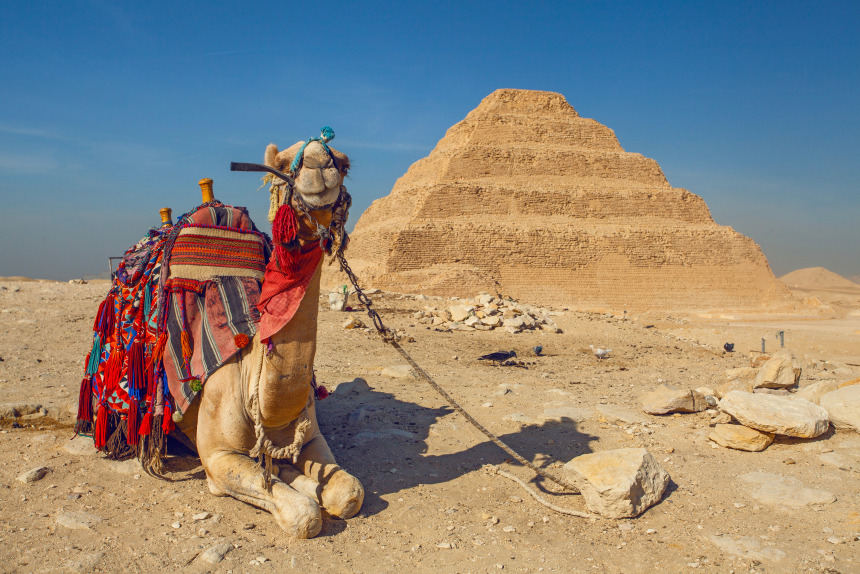
Cairo and Giza are the obvious starting points, but you do not have to treat them as one enormous sightseeing day. If ancient Egypt is your priority, consider giving Giza its own morning and adding Saqqara or Dahshur. The Step Pyramid of Djoser at Saqqara offers a very different experience from the familiar Giza skyline and helps put the development of pyramid building into perspective.
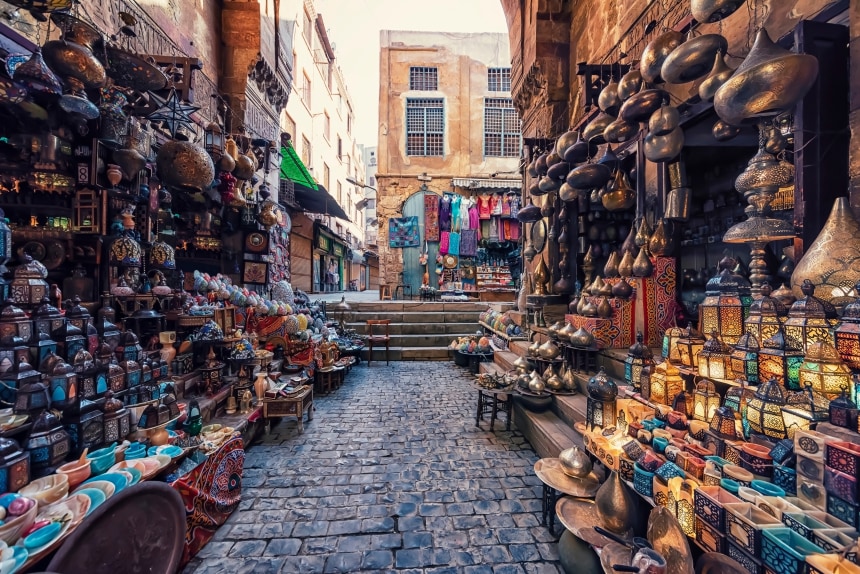
Then give Cairo itself some attention. Historic Cairo has its own UNESCO World Heritage status, and the city offers a very different side of Egypt through Islamic architecture, Coptic heritage, markets, food and ordinary neighbourhood life. A private tour of Cairo does not need to be another procession of famous monuments.
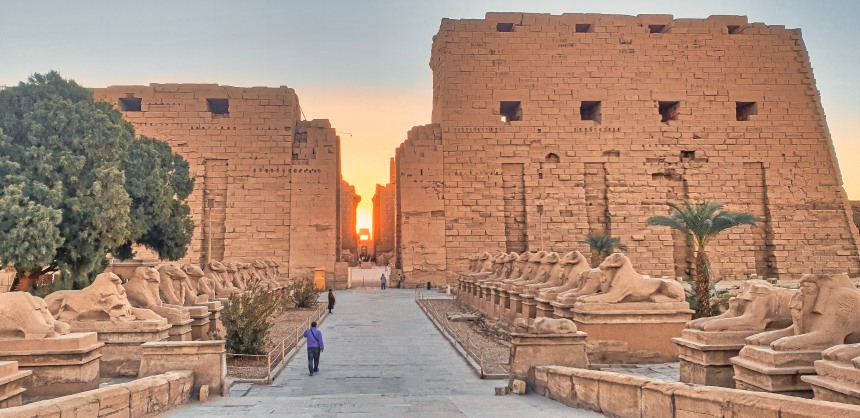
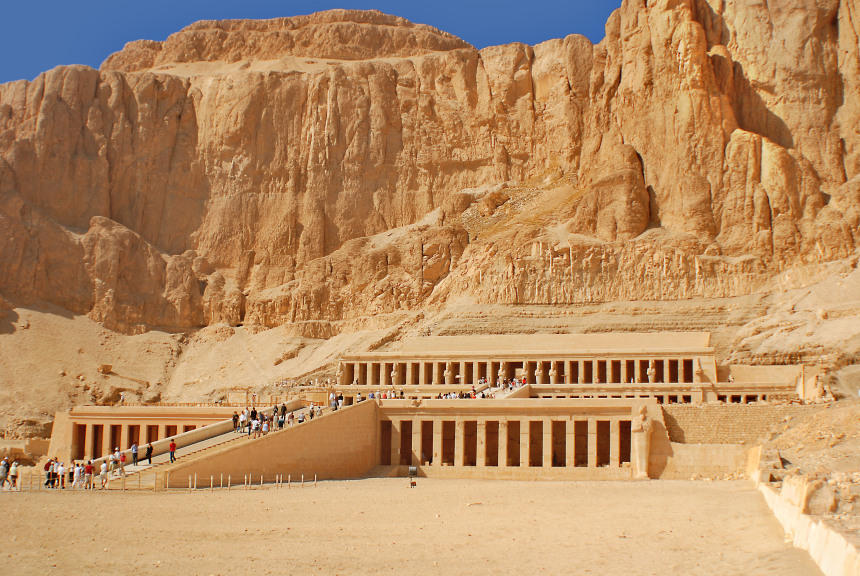
Luxor is where the scale becomes almost unreasonable. Ancient Thebes and its necropolis stretch across both sides of the Nile, with Karnak and Luxor Temple on the East Bank and the Valley of the Kings, Valley of the Queens and other sites on the West Bank. UNESCO recognises Ancient Thebes and its Necropolis as a World Heritage site. This is an excellent place for private tours of Luxor, because local knowledge can help you decide which sites deserve a long visit and which ones you can comfortably leave for another time.
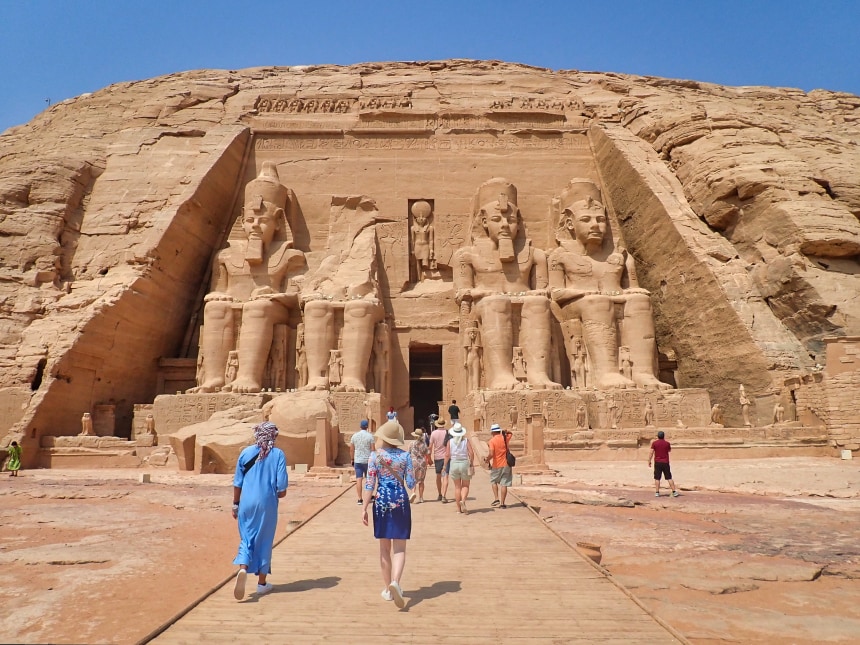
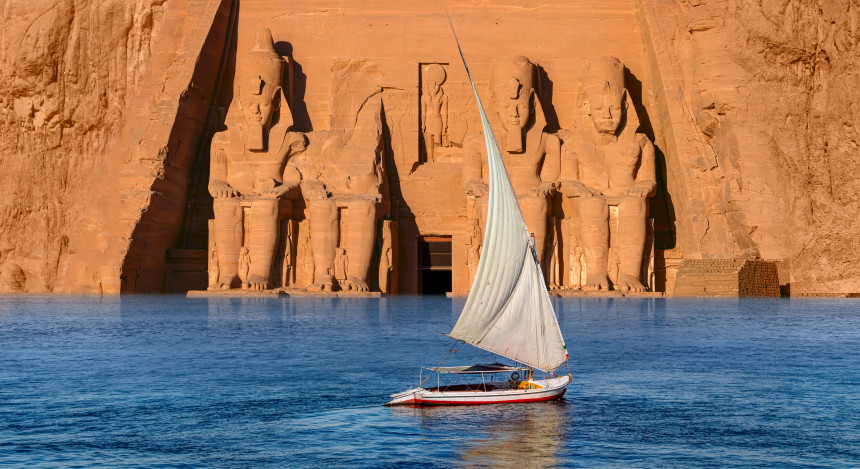
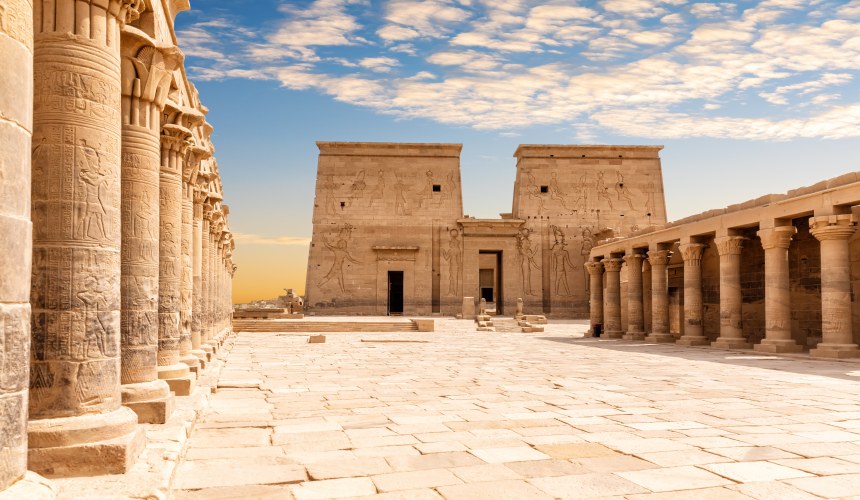
Farther south, Aswan changes the rhythm of the trip. The river becomes a more obvious part of daily life, while Nubian history and culture add another dimension. Philae and Abu Simbel are among the major attractions of the southern route, with the Nubian Monuments World Heritage property extending from Abu Simbel to Philae. A private tour of Aswan can therefore be more than a stop between archaeological sites.
How many days do you need?
Four days is enough for a very good Cairo and Giza trip. It is not enough to see Egypt, and accepting that early will improve the holiday.
With five to seven days, you can build a strong first trip around Cairo, Giza and Luxor, with Aswan possible if the transport arrangements work well. Eight to ten days gives you considerably more breathing room for Cairo, Luxor and Aswan, and makes an Abu Simbel excursion easier to accommodate.
If you have more time, resist the temptation to fill every space. Egypt can be tiring. Archaeological sites involve walking, heat and early starts, and after several days you may find that sitting beside the Nile with nothing planned feels better than another major monument.
How to choose an Egypt private guide
The person guiding you may matter more than the itinerary itself. Look at where the guide works, the languages they speak, their experience and the subjects they know particularly well. Then pay attention to the personality that comes through in their profile and reviews.
tourHQ currently lists guides across Cairo, Giza, Luxor, Aswan and other Egyptian destinations, with different backgrounds and areas of expertise. Some have strong archaeology or Egyptology experience, while others offer broader cultural and multilingual guiding.
Your interests should shape your choice. Tell the guide if ancient religion fascinates you, if you are travelling with children, if you have already visited Giza or if you would happily trade another museum for an afternoon exploring Cairo’s streets. Those details make it possible to create a private guided tour of Egypt that actually suits you.
One question is particularly revealing: “What would you leave out?” A guide who is willing to remove things from your itinerary may understand private travel better than someone promising to show you everything.
Can you customise an Egypt itinerary?
Yes, and customisation does not have to mean inventing an elaborate route.
For a family, it might mean shorter sightseeing sessions and proper breaks. For a photographer, it could mean paying much closer attention to timing. Someone fascinated by archaeology might want to spend longer around Saqqara and Luxor, while a repeat visitor may have no interest in returning to the most famous sights.
A customised itinerary should reflect those differences. You are not trying to make your itinerary look unusual. You are trying to make it feel like someone thought about who is actually taking the trip.
That could mean fewer temples. It could mean a later morning. It could mean an afternoon in Cairo with no attraction attached.
What should you clarify before booking?
The practical questions are not glamorous, but they can make or break a trip. Ask who will guide you, which language they will use and whether transportation is private. Confirm which entrance fees are included and what happens with intercity travel.
If a private Nile tour is part of your plans, ask exactly what that means. A felucca ride, private boat and multi-night cruise are very different experiences. Do the same with accommodation, meals, airport transfers and excursions such as Abu Simbel.
Most importantly, ask what is excluded. The word “private” means the experience is not a standard group outing. It does not tell you what the price covers.
Current tourHQ listings range from individual local guides to broader private tour arrangements, so inclusions can vary by experience.
Three example private Egypt itineraries
Four days: Cairo and Giza
Stay close to Cairo and resist the urge to add another city. Give Giza a proper morning, with Saqqara if ancient history is your main interest. Spend another day exploring Cairo itself and keep your final day relatively light before departure.
You will not see everything. You may remember more.
Seven days: Cairo, Luxor and Aswan
Spend two or three days around Cairo and Giza before heading south. Give Luxor enough time for both sides of the Nile rather than trying to compress every major temple and tomb into one day. Continue towards Aswan if the transport fits comfortably into your schedule, and decide early whether Abu Simbel belongs in the trip.
This is a sensible first private Egypt tour for travellers who want the major highlights without spending the entire holiday moving between them.
Ten days: leave room for the unexpected
Give Cairo three days, Luxor two or three, then head on to Aswan and Abu Simbel. The important addition is not another destination. It is an unplanned stretch of time.
Perhaps you return to somewhere you liked. Perhaps you sleep late. Perhaps your guide mentions a place you had never heard of, and you decide to go.
That possibility is one of the quiet pleasures of a tailor-made Egypt tour.
Finding a local guide in Egypt
Once you know what kind of trip you want, finding the right guide becomes much easier. This is where tourHQ fits naturally. Its current Egypt marketplace allows travellers to browse local guides by destination and experience, including guides working in Cairo, Giza, Luxor and Aswan.
Rather than sending a guide only your dates and a list of monuments, tell them how you travel. “We love archaeology but do not like rushing.” “We are travelling with children.” “We have already seen Giza.” “We want to understand ancient Egyptian religion.” That gives a local guide something far more useful than a generic request for the best Egypt itinerary.
You can browse private Egypt tours and local guides on tourHQ, compare their experience and areas of expertise, and then discuss the kind of trip you want to build.
Before booking, ask that same question one more time: “What would you skip?”
The answer might be the most useful part of the entire conversation.
Frequently Asked Questions
Is a private tour of Egypt worth it?
It can be, particularly if you want control over the pace and content of your days. The main advantage is not just private transport. It means spending more time on what interests you and less on what doesn't.
How many days are enough for a private Egypt tour?
Four days works well for Cairo and Giza. Around seven days gives you room for Cairo and Luxor, while eight to ten days makes a route including Aswan and potentially Abu Simbel much more comfortable.
Can I create a private Egypt itinerary tailored to my interests?
Yes. Archaeology, architecture, food, photography, family travel and local culture can all influence the route and how much time you spend at different sites.
Should I use one guide throughout Egypt?
Not necessarily. A Cairo-based guide may know the city particularly well, while a Luxor-based guide may have deeper knowledge of the archaeological sites around Luxor. Some guides work across several destinations.
What should I ask before booking?
Confirm the guide, language, transport, entrance fees, meals, accommodation, Nile travel and optional excursions. Ask specifically what is excluded as well as what is included.
Are private tours suitable for families?
They can be particularly useful because you can adjust the day around children, breaks and energy levels. Tell your guide the children’s ages and the pace that works for your family.
Where can I find a private tour guide in Egypt?
tourHQ has a great collection of expert local guides across Egypt, including Cairo, Giza, Luxor and Aswan. You can compare profiles, experience, languages and areas of expertise before discussing your itinerary with a guide