


| 9 mins read
You have booked the flight, chosen the hotel, and saved restaurants, museums, neighbourhoods, and viewpoints to your phone. Then comes the harder question: what can you actually learn about a destination before you arrive? Online research can tell you what is famous, what is open, how much a ticket costs, and what other travellers thought, but it cannot always tell you whether a place is worth crossing the city for, which attractions work well together, or why an ordinary-looking neighbourhood deserves an afternoon.
That is where a local travel expert can add something different. The smartest approach to international trip planning is rarely choosing between independent travel and a guide. It is knowing which parts of the trip are easy to research yourself and which benefit from someone who understands the destination firsthand.
What You Can Plan Yourself
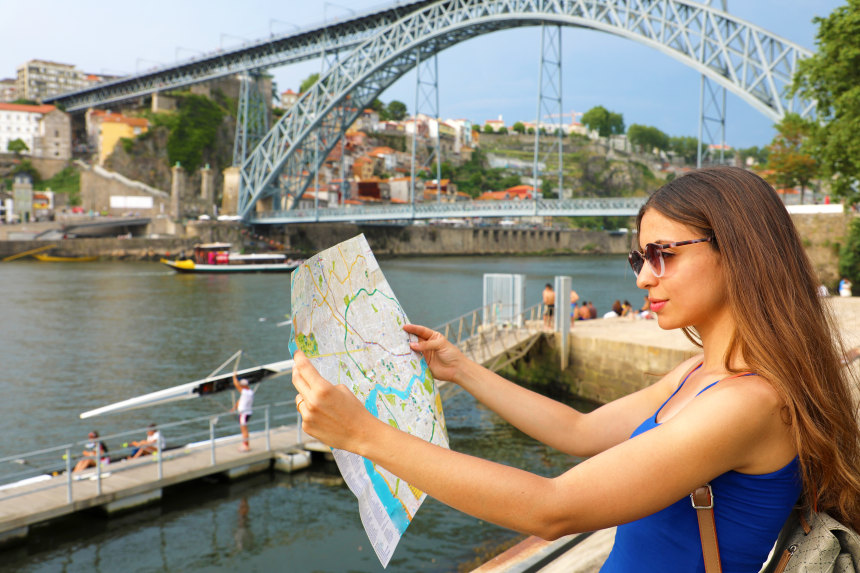
Flights, accommodation, visa information, travel insurance, opening hours, and major attractions are usually straightforward to research. Official websites provide essential practical information, while maps and traveller reviews help you understand a destination before you arrive. If you enjoy building your own travel itinerary, this part of the process can be part of the fun because you decide how slowly to travel, which neighbourhoods interest you, and how much structure you want each day.
Independent planning also gives you freedom. You can change your plans because of rain, stay longer somewhere you enjoy, or skip an attraction that looks less appealing once you arrive. The limitation is usually not information, but judgment: a map can show that two attractions are close together without explaining that one is best visited early while the other works better later in the day.
The same applies to restaurants and markets. Reviews can identify popular places, but local timing often matters just as much. A market may be liveliest early in the morning, while a historic neighbourhood may be more pleasant later in the day when crowds and heat have eased.
Where Local Expertise Makes a Difference
Getting Oriented in an Unfamiliar City
The first few hours in a new city can be surprisingly confusing. You are learning the transport system, understanding the neighbourhoods, and working out how long journeys actually take, often while adjusting to a new language, currency, and daily rhythm.
A short orientation with a local guide can give you a mental map that remains useful for the rest of your trip. In Tokyo, understanding how the railway network connects different neighbourhoods can help you organise sightseeing more efficiently. In Istanbul, knowing how ferries connect the European and Asian sides can change how you arrange your days.
The value is not simply being shown landmarks. It is learning how the city fits together so you can explore it more confidently afterwards.
Understanding Local Culture
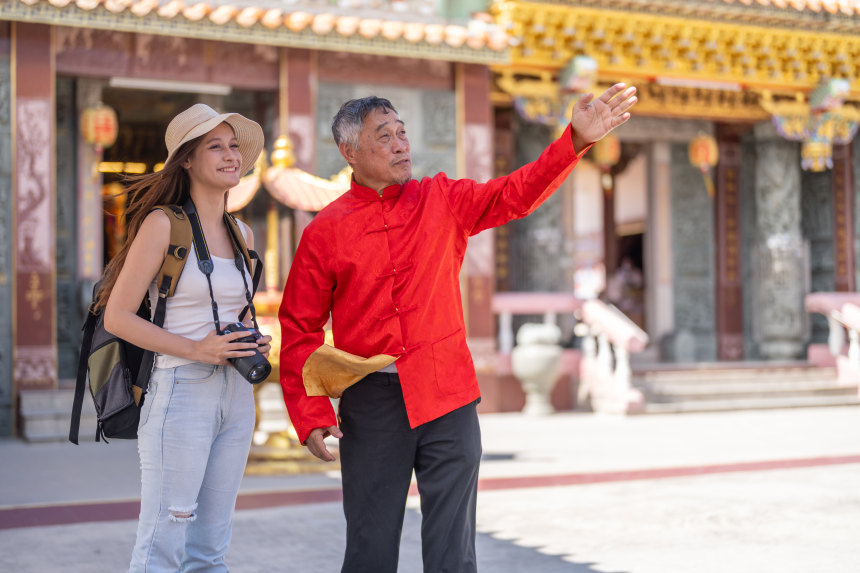
Some experiences are difficult to appreciate without context. A temple, historic building, religious ceremony, or traditional meal may be fascinating while leaving a visitor unsure about its significance or the appropriate way to behave.
A knowledgeable local guide can explain customs while you experience them, including when photography is inappropriate, how visitors should behave in religious spaces, and why certain traditions matter. This can prevent small misunderstandings while giving greater meaning to places that might otherwise become another stop on a sightseeing checklist.
Making Short Trips Work Better
Time changes the value of local knowledge. If you have three weeks, losing an afternoon to an inefficient route may not matter much, but if you have only two days in a city, the same mistake can significantly reduce what you experience.
A local expert may know which attractions become crowded early, which neighbourhoods naturally fit together, and which routes take longer because of traffic or transfers. The goal is not necessarily to see more, but to spend your limited time more deliberately.
Going Deeper Into a Specific Interest
Sometimes the most useful guide is not a general sightseeing guide at all. If you are interested in architecture, photography, food history, ceramics, textiles, wine, contemporary art, or traditional crafts, look for someone with expertise in that particular subject.
A traveller interested in Japanese ceramics, for example, may learn far more from a specialist explaining regional techniques and workshop traditions than from a standard sightseeing tour. The same applies to food, where a local expert can explain not only what to eat, but why a dish belongs to a particular region and how it fits into local culture.
The subject should determine the guide, not the other way around.
Make a Local Guide Part of Your Travel Plan
Working with a local travel expert does not mean giving up control of your holiday. Instead, you can build local expertise into your itinerary around the places, interests, and experiences that matter most to you. A guide can help you get oriented when you arrive, take you deeper into a particular subject, or shape a day around several priorities that would be difficult to combine on your own.
The key is choosing the type of guidance that suits the destination and the way you like to travel. Whether you want a broad introduction to a city, a specialist cultural experience, or a customised day built around your interests, local knowledge can become part of the journey rather than something added to it.
Begin With an Orientation Tour
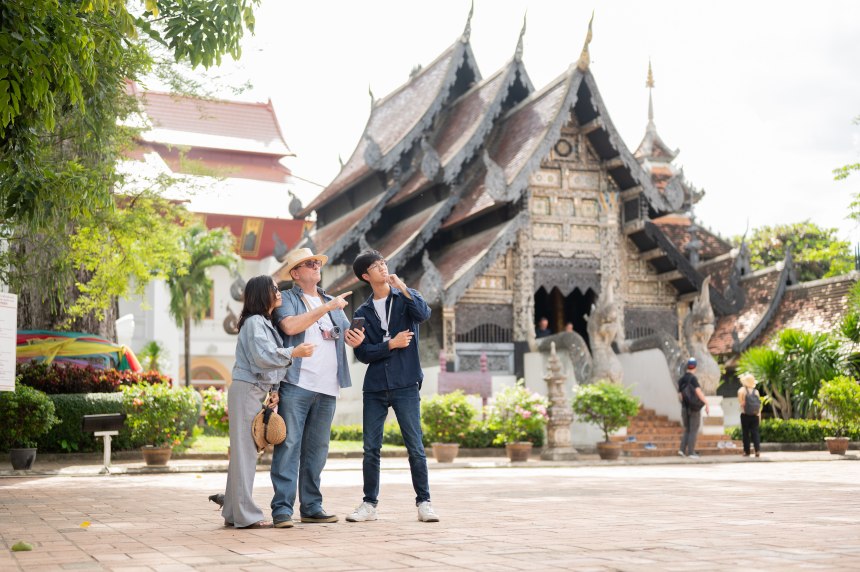
If you are visiting a large or unfamiliar city, an orientation tour can give you an immediate understanding of its neighbourhoods, transport, landmarks, and local rhythm. A guide can explain how different parts of the city connect, point out places worth returning to, and help you understand practical details that are easy to miss when planning from home.
This is particularly useful in cities where geography and transport strongly influence how you experience the destination. Getting that local perspective early can make the rest of your itinerary feel more natural and easier to navigate.
Choose a Specialist Experience
For travellers with a particular interest, a specialist guide can turn a sightseeing stop into a much deeper experience. A cooking experience in Naples, a photography walk in Marrakech, a craft workshop in Kyoto, or a historical walk focused on a specific period can reveal details and stories that are difficult to discover through general travel research.
The benefit is not simply having someone explain what you are seeing. A knowledgeable specialist can connect an experience to the traditions, people, and history behind it, giving you a more informed understanding of the destination.
Build a Custom Day Around Your Interests
A customised day is useful when you have several priorities but are unsure how to fit them together. Share your interests, available time, preferred pace, and places you have already visited, and a local guide can shape the experience around those details.
This approach is particularly valuable when transport, reservations, language, distance, or seasonal conditions make an itinerary more complicated. Instead of spending your time working out the logistics, you can focus on experiencing the destination while your guide handles the local details.
A Ten-Day Example: Japan
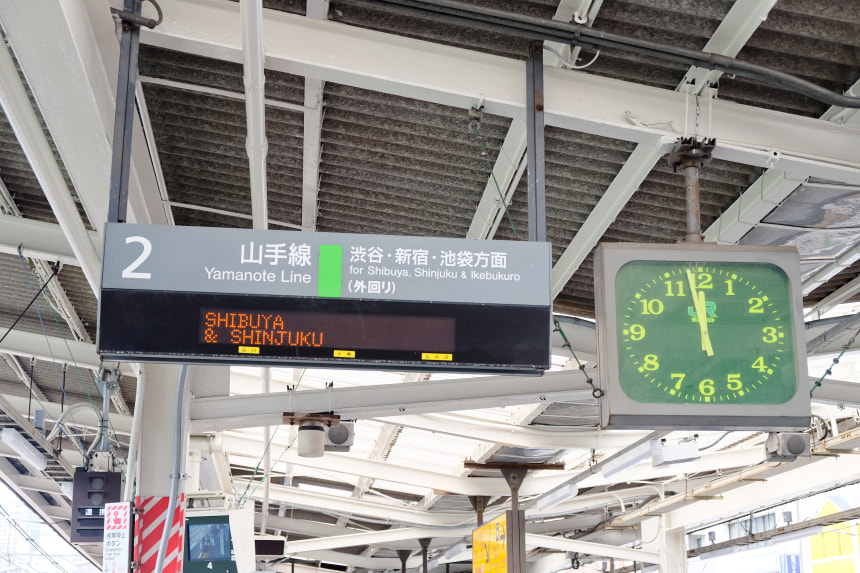
Imagine a ten-day first trip to Japan, divided between Tokyo, Kyoto, and Osaka. Flights, hotels, major attractions, and basic transportation can all be arranged independently, while a local guide helps you make the most of each destination.
In Tokyo, your guide can help you get oriented, understand the railway network, and navigate the city’s neighbourhoods with confidence. In Kyoto, they can take you beyond the main sights with local knowledge of tea culture, traditional crafts, temples, and everyday life. A guide in Osaka can introduce you to the city’s food culture, neighbourhoods, and dining customs while tailoring the experience to your interests.
A local guide does not simply show you the sights. They add context, save you time, and help you experience each destination with the perspective of someone who knows it well. For a first international trip, that local expertise can make the entire journey more comfortable, meaningful, and personal.
Ask What You Are Actually Paying For
Before booking a local guide, ask yourself what you want that person to provide. If the answer is simply a standard list of attractions, independent research may be enough. If the answer is specialist knowledge, cultural interpretation, difficult logistics, local connections, or access to experiences that are hard to discover online, the value becomes much clearer.
It is also worth considering whether you need a general guide or someone with a particular speciality. The right person for a food experience may not be the right choice for architecture or history, so choose the expertise that matches what you want to understand about the destination.
The Practical Takeaway

Good international trip planning does not require choosing between complete independence and a fully guided holiday. Use research for the practical foundations, build your itinerary around your own interests, and then bring in a local travel expert when firsthand knowledge can improve your route, explain cultural context, solve a logistical problem, or introduce you to something you might otherwise miss.
For some travellers, that means an orientation walk. For others, it may be one specialist experience, a custom day, or help creating an itinerary before departure. The goal is not to outsource your holiday, but to know when local knowledge is worth bringing into it.
tourHQ can support this approach by helping travellers arrange individual local experiences and shorter custom itineraries alongside the parts of a trip they prefer to plan themselves. A well-planned international trip should still feel like your own, with local expertise adding depth where it genuinely matters.
Frequently Asked Questions
Do I need a local guide for my entire international trip?
A local guide can make your entire trip easier and more rewarding, from planning and orientation to personalised experiences, local insights, and on-the-ground support.
When is a local travel expert worth the cost?
Local expertise is particularly useful when you need specialist knowledge, cultural context, help with complicated logistics, or access to experiences that are difficult to discover independently.
Can I use a local guide for only part of my trip?
Yes. A single experience or short guided session can fit naturally into an otherwise independent holiday.
What is a custom itinerary?
A custom itinerary is a travel plan shaped around your interests, available time, preferred pace, and priorities rather than a standard sightseeing schedule.
Can a local expert help before I travel?
Yes. Local expertise can be used during the planning stage to create or refine an itinerary, even if you explore independently once you arrive.
What should I look for in a local guide?
Look for destination knowledge that matches your interests, relevant experience, clear communication, and an approach suited to your preferred pace and priorities.