


| 9 mins read
A family holiday looks very different when three generations pack their bags.
Grandparents, parents, teenagers and young children can arrive with completely different ideas of what makes a great trip. One wants ancient ruins, another wants good food, teenagers are looking for something exciting, and the youngest traveller simply wants somewhere to run around.
Yet that is exactly what makes multi-generational travel so rewarding.
Families are increasingly travelling together for birthdays, anniversaries, reunions, and simply to spend more time together. Instead of collecting souvenirs, they are looking for experiences they can remember together, whether that means watching elephants on safari, learning to cook a local dish or sharing lunch in an Italian piazza.
The challenge is making sure everyone enjoys the journey.
Travelling with three generations requires more thought than a typical family holiday. Different ages bring different energy levels, interests and practical needs. The answer is not to keep everyone together every minute. It is to create a flexible itinerary with shared experiences, personal time and enough breathing space for everyone.
Why Multi-Generational Travel Is Growing
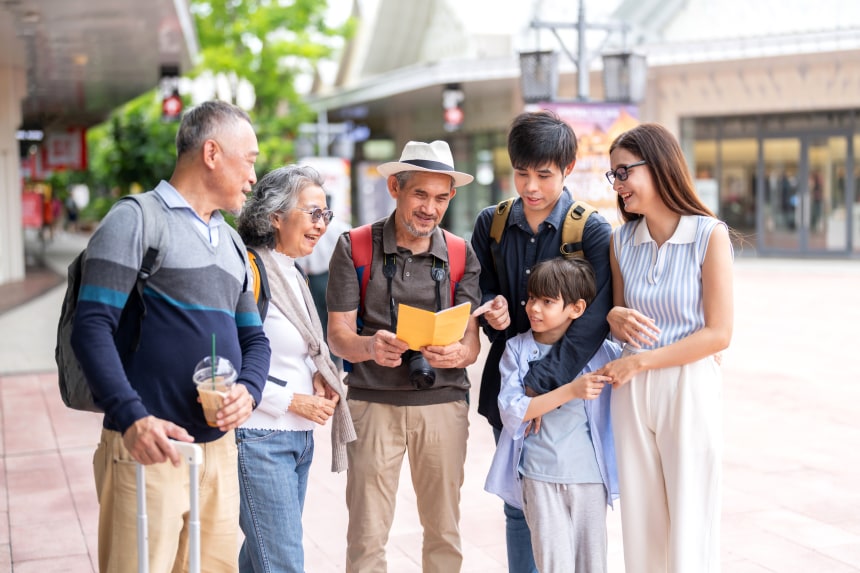
Family holidays have always been popular, but the way families travel is changing.
Many families now see experiences as a better way to celebrate important moments than traditional gifts. Flexible working arrangements have also made longer holidays easier to organise, while retired grandparents often have greater freedom to travel outside traditional holiday periods.
There is another reason behind the rise of multi-generational family travel. Modern families are busy, and relatives may live in different cities or even different countries. A shared holiday creates an opportunity to reconnect without the usual distractions of work, school and everyday life.
Today's grandparents are also often more active travellers. Many are just as interested in exploring ancient cities, national parks and cultural destinations as their children and grandchildren.
This has created greater demand for personalised family tours, flexible itineraries and experiences that can work for different generations.
The Real Challenge Is Not Choosing the Destination
Imagine a family arriving in Rome.
The grandparents want to explore the Colosseum and Roman Forum. The teenagers have found cafés and shopping streets online. The children have already spotted the city's fountains and want to investigate them. Meanwhile, the parents are trying to make sure nobody feels left out.
This is the reality of family travel with grandparents.
Children need regular breaks and shorter activities. Teenagers may prefer interactive experiences or some independence. Older travellers may want a slower pace, particularly in cities with uneven streets, stairs and long walking routes.
Even meals can require planning. One person may want to try street food while another prefers a quiet restaurant. Weather, transport and queues can quickly change the mood of the day.
The solution is not finding activities everyone loves equally. It is creating a rhythm that gives every generation something to enjoy.
Build the Day Around Shared Experiences

A successful multi-generational family holiday does not need to keep everyone together from breakfast until bedtime.
Start with something everyone can enjoy while energy levels are high. A guided city tour, a scenic boat ride, a cooking class, or a wildlife experience can bring different generations together.
Then leave room for people to do their own thing.
Grandparents might enjoy sitting at a café while teenagers explore nearby shops. Younger children may need time in a park or a quiet afternoon at the hotel.
Everyone can come back together for lunch, dinner or another shared experience.
These pauses are not wasted time. They often make the rest of the holiday more enjoyable.
Create a Few Memories Everyone Will Share
The strongest family holidays usually have a handful of moments that everyone remembers.
It could be a wildlife safari, a family cooking class, a scenic train journey or watching the sunset from a beautiful viewpoint. These are the experiences that give everyone something to talk about long after the holiday ends.
They also work because they are not age-dependent. A grandparent and a child may experience the same moment differently, but both can enjoy being there together.
Instead of trying to see every major attraction, choose a few meaningful family travel experiences that everyone can genuinely remember.
Six Destinations for Multi-Generational Family Travel
1. Rome

Rome combines history, food and lively public spaces, making it one of the best destinations for multi-generational travel in Italy.
Grandparents can explore the Colosseum, Roman Forum and Pantheon, while younger travellers may be more interested in gelato, fountains and colourful piazzas.
A private guide in Rome can make ancient history more engaging for children by choosing routes with fewer unnecessary climbs and planning visits around the busiest periods. Regular café breaks also fit naturally into the city's relaxed rhythm.
For families visiting Rome for the first time, a personalised itinerary can make it much easier to balance major attractions with time to relax.
2. Kyoto
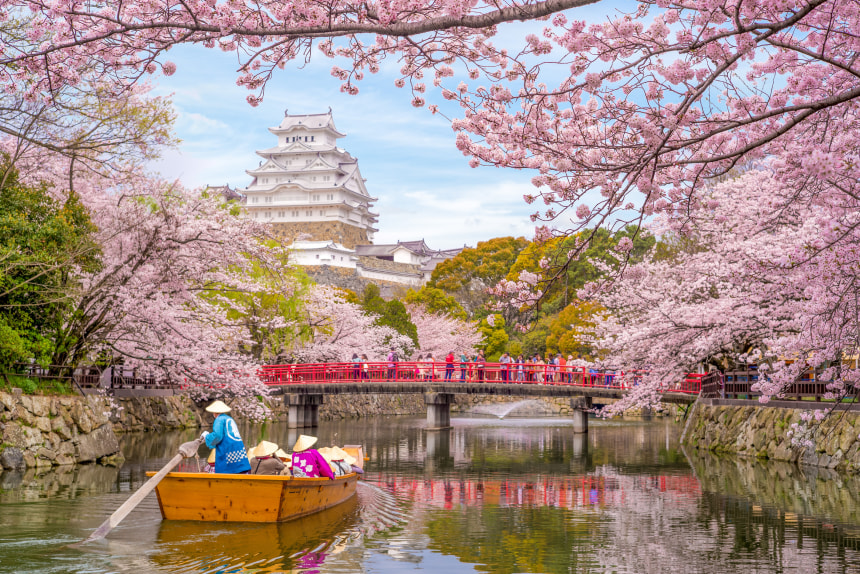
Kyoto suits families who prefer a more peaceful pace.
Temples, gardens and traditional neighbourhoods provide plenty to explore without requiring a packed itinerary. Families can attend a tea ceremony, visit the Arashiyama Bamboo Grove or discover traditional crafts.
A local guide in Kyoto can explain customs that visitors might otherwise miss and introduce quieter temples and neighbourhoods away from the busiest tourist routes. This can make Kyoto more comfortable for older travellers while giving younger family members a more engaging introduction to Japanese culture.
3. Costa Rica
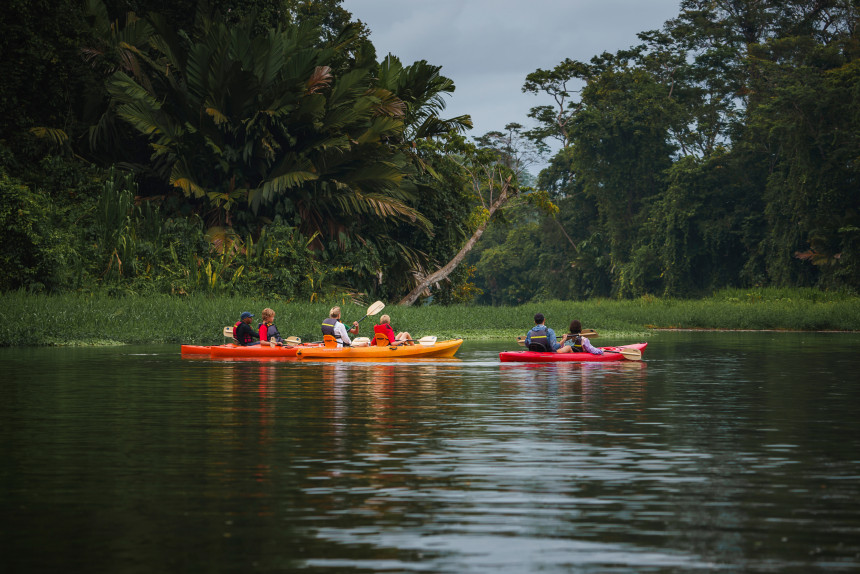
For families who would rather spend their holiday outdoors, Costa Rica offers an extraordinary variety of wildlife and landscapes.
Sloths, monkeys, colourful birds and sea turtles can keep younger travellers fascinated, while gentle wildlife walks, boat trips through mangroves and visits to coffee plantations can be enjoyed without demanding too much physically.
A private guide in Costa Rica can tailor activities to the family's pace, helping to combine adventure with comfort. This is particularly useful when grandparents and young children are travelling together.
4. Cape Town
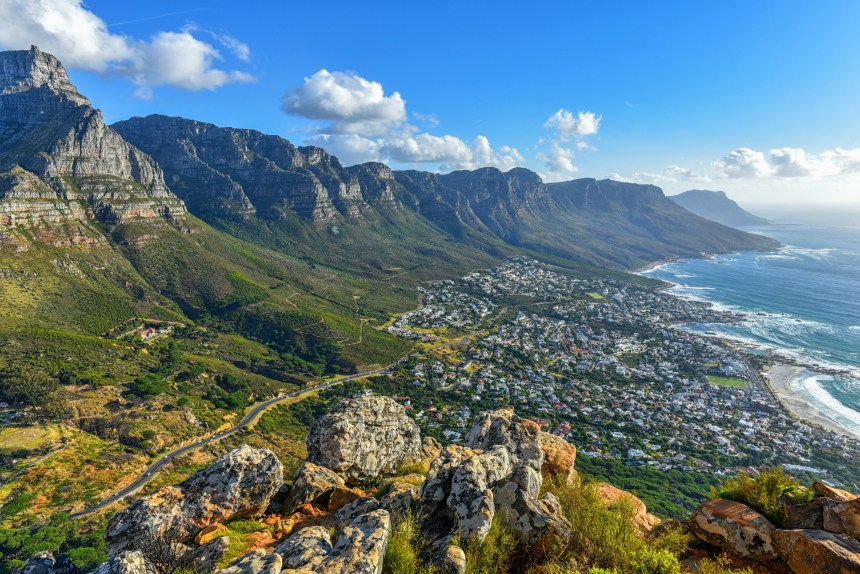
Cape Town combines dramatic scenery, wildlife, history and food, with many attractions accessible by car.
Families can take the cable car up Table Mountain, see the penguins at Boulders Beach, explore Bo Kaap or drive along Chapman's Peak.
A local guide in Cape Town can organise the day around weather conditions and different energy levels, while recommending family-friendly restaurants and alternative activities when plans need to change.
The city is particularly well suited to families who want variety without having to walk between attractions every day.
5. London
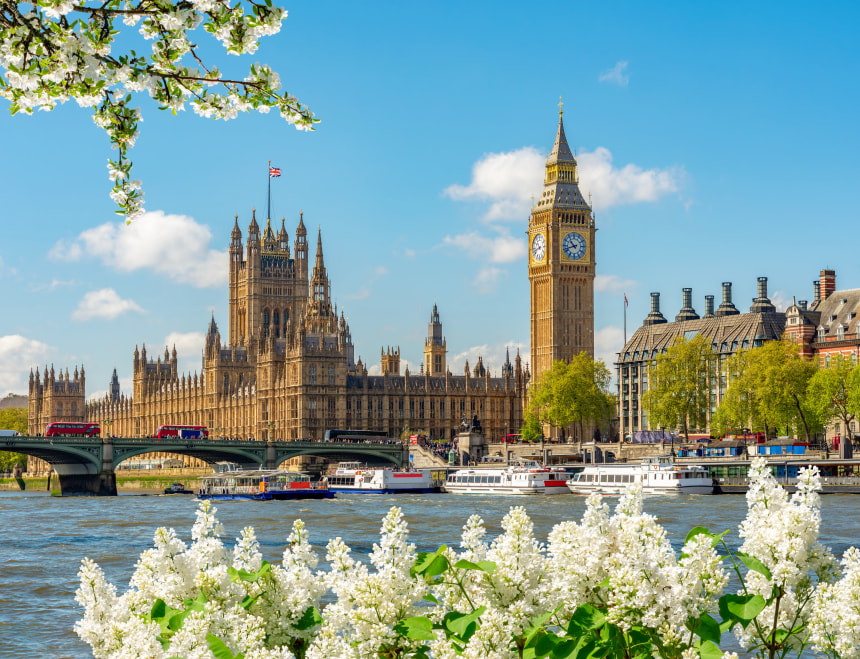
London has something for almost every age.
Grandparents may enjoy its museums and historic landmarks, while younger travellers can explore interactive exhibitions, parks and river cruises.
The city's transport network makes getting around relatively straightforward, but a private guide in London can still save valuable time by grouping attractions sensibly and choosing neighbourhoods where the whole family can slow down together.
A local guide can also adapt a sightseeing day around children's interests, making history and culture feel less like a school lesson and more like an adventure.
6. Bali
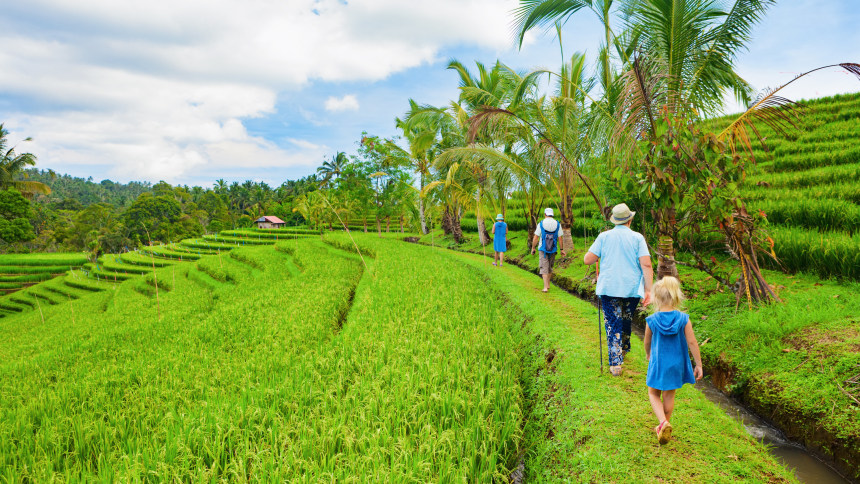
Bali combines culture, nature, and relaxation, making it particularly well-suited for family holidays.
A day might include a temple visit, a walk through rice terraces and a traditional dance performance, followed by an afternoon at the beach.
A local guide in Bali can take families beyond the busiest tourist areas to discover artisan workshops, village communities and family-run restaurants. These quintessential Bali experiences can give younger travellers a more personal introduction to Balinese culture while allowing older family members to explore at a comfortable pace.
Make Comfort Part of the Itinerary
For families travelling with grandparents, accessibility should be considered before the trip begins.
Long walking routes, steep steps and uneven streets can turn an enjoyable day into an exhausting one. A private guide in Rome, a local guide in Kyoto, or a guide at another historic destination can suggest shorter routes, accessible entrances, suitable transport, and quieter visiting times.
The same principle applies to children.
Regular breaks, sensible meal times and a realistic number of activities can make a huge difference. Trying to fit too much into one day often leaves everyone tired before the experience has had a chance to become enjoyable.
A comfortable itinerary is not a less interesting itinerary.
It simply leaves enough energy for everyone to enjoy what they came to see.
What to Tell Your tourHQ Guide Before Booking
The more your guide knows before the trip, the easier it is to create an itinerary that works for everyone.
Start by sharing the travellers' ages and any mobility requirements. Let your tourHQ guide know if someone prefers shorter walks, needs regular breaks or requires accessible transport.
Food preferences and dietary requirements are equally important.
It is also worth explaining the interests of each generation. Perhaps the grandparents enjoy history and architecture, while younger travellers are more interested in local food, wildlife or outdoor adventures.
Mention any special occasion, too. A birthday, anniversary or family reunion can give your guide ideas for experiences that make the trip feel more personal.
Most importantly, explain the pace you want. Some families want full days packed with sightseeing. Others prefer slow mornings, long lunches and plenty of free time.
There is no perfect family tour itinerary. There is only one that works for your family.
Travelling Together, Remembering It Together

The real appeal of multi-generational travel is not seeing how many attractions a family can fit into one trip.
It is having grandparents tell stories while walking through an ancient city. It is watching a child see a wild animal for the first time. It is discovering a new food together or sitting around a table at the end of a long day and talking about what everyone enjoyed most.
With the right destination, a flexible itinerary and an experienced local tour guide, different generations do not have to travel at the same pace to enjoy the same journey.
Whether you are planning family travel with grandparents, a milestone celebration or simply a holiday that brings everyone together, thoughtful planning can turn different interests into shared memories.
The destination may bring everyone together, but it is the moments shared along the way that families remember.