


| 9 mins read
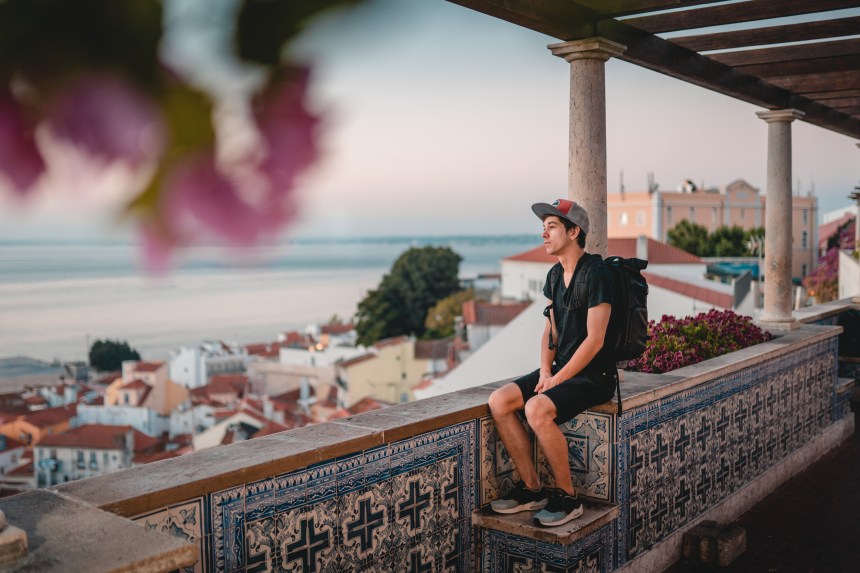
A particular kind of frustration sets in around hour three of a group tour in Lisbon: someone is still photographing the tilework at a viewpoint while the rest of the group waits below, checking the time. Lisbon just was not built for that pace! The city climbs across a cluster of steep hills above the Tagus River, and its best moments tend to arrive slowly. That is why so many travellers end up looking into private Lisbon city tours instead, and why the real planning questions are less about what to see and more about how the day should actually run.
Why a Fixed Schedule Struggles Here

Lisbon spreads across roughly seven hills, and distances that look short on a map often take far longer on foot once cobblestones and summer heat get involved. The city's layered history makes the case even stronger for going slow. Much of downtown Baixa exists because of a decision made after the catastrophic earthquake of November 1, 1755, when the Marquês de Pombal scrapped the old medieval streets entirely and laid out a new grid built to survive future tremors.
Alfama, by contrast, sits on solid bedrock and survived largely intact, which is why its lanes still follow a tangled, Moorish-era layout rather than Pombal's straight lines. None of this is trivia for its own sake; it is the difference between walking past a building and understanding why the street beneath your feet looks the way it does, and a private guide moving at your pace is what makes that context actually land.
Choosing Where to Focus: Belém, Alfama, or Both
Belém, home to the Jerónimos Monastery and Belém Tower, sits apart from central Lisbon and generally works better as a dedicated part of the day rather than a rushed add-on.
Alfama is where a walking tour really earns its keep. Its narrow, winding lanes are easy to get turned around in, and the neighbourhood is closely associated with Lisbon's fado tradition. Baixa and Chiado offer a different side of the city, with grand squares, historic cafés, shops and some of Lisbon's best-known central streets.
Trying to cover all three properly in one short outing usually means rushing through each. A good customised tour picks depth over breadth.
Walking Tour or Private Transport

A walking tour works particularly well within one compact area such as Alfama, Baixa or Bairro Alto and gives you more time to notice the details you would miss from a vehicle.
A private tour with a car or tuk-tuk adds range. It can make it easier to combine areas such as Belém and central Lisbon in the same day, and it can be a more comfortable option if you have limited mobility or would rather avoid Lisbon's steepest streets.
Many tours combine both: transport between distant areas and walking once you arrive.
The right choice largely depends on how you want to spend the day. If the streets themselves are part of the attraction, walk. If seeing more of the city matters more than covering every lane on foot, consider private transport.
What Should Actually Be Included
Before booking, check what the price actually covers. Look for clear information about:
the tour duration
group size
transport
entrance fees
hotel pickup
guide language
accessibility
what can be customised
A good private tour should also leave enough flexibility for you to spend a little longer somewhere that interests you. If you want to linger at a viewpoint, stop for coffee or spend more time inside a museum, the itinerary should not feel as though every minute has already been locked in.
If a listing doesn't clearly spell out its inclusions, ask before you pay. Knowing exactly what is included makes it much easier to compare private Lisbon tours on price and value.
Do You Actually Need an English-Speaking Guide

If your guide is not comfortable speaking your preferred language, much of what makes a private tour worthwhile can get lost.
Many licensed guides in Lisbon speak English, while others offer French, Spanish, German and other languages. If language matters to you, check reviews for comments about communication and storytelling rather than relying only on the overall rating.
It is also worth telling your guide what interests you before the tour. Someone fascinated by architecture may want a very different experience from a traveller more interested in food, history, photography or local life.
Where These Tours Actually Begin
Private tours can start from several convenient points in Lisbon, including central meeting places such as Rossio Square or Praça do Comércio. Some tours also offer hotel pickup.
Belém-focused tours may use a meeting point within the neighbourhood, while walking tours often begin close to the area being explored.
If the meeting point is unfamiliar, check the route on a map the night before. Lisbon's hills get plenty of attention, but its maze of streets and pedestrian lanes can be just as confusing for first-time visitors.
Tourist Traps to Skip and What Locals Do Instead
Here is the part most guides skip over politely. Tram 28 photographs beautifully, but during the day it can be packed shoulder to shoulder, making the ride far less enjoyable than the pictures suggest. It is one of Lisbon's most recognisable experiences, and also a common target for pickpockets in crowded areas. If riding it matters to you, ask your guide about the best time and boarding point rather than treating it as a must-do at any hour.
Pink Street is lively and photogenic, but its nightlife atmosphere is very different from the quieter neighbourhoods nearby. If you're looking for a more local side of Lisbon, ask your guide to take you through Mouraria, a neighbourhood closely associated with the city's fado tradition and often less crowded than Alfama's most photographed streets.
The same principle applies to food. Rather than choosing a restaurant simply because someone is standing outside with a menu, ask your guide for recommendations away from the busiest tourist streets. A local guide can point you towards neighbourhood spots that suit your budget, interests and the kind of food you actually want to eat.
Worth knowing: if your visit falls on a Tuesday or Saturday, Feira da Ladra is another option worth asking your guide about. The historic flea market is held in Alfama and can be a good way to see a different side of the neighbourhood.
A Few Things Worth Knowing Before You Go
Lisbon's cobblestone streets can be tiring, particularly if you're walking for several hours, so comfortable shoes are worth prioritising. A light layer is useful too, especially around viewpoints and areas close to the river where it can feel cooler than on sheltered streets.
If you are visiting historic churches or other religious sites, dress respectfully and check the current visitor guidelines before you go.
Fado performances also come with their own etiquette. If you attend a show, expect the room to become quiet during performances rather than treating it like a conventional bar or restaurant.
And if your trip includes markets or smaller businesses, carrying a little cash as a backup can still be useful.
How Much a Private Guide Actually Costs
Private Lisbon tours can vary considerably in price, so it is better to compare what is included than to focus on one headline figure.
The final price can depend on:
the length of the tour
the size of your group
the guide's specialisation
whether transport is included
entrance fees
the language requested
hotel pickup
the level of customisation
A specialist guide, such as someone focused on Portuguese history, architecture or food, may charge more than a general city guide. That difference can make sense if the subject is important to you.
Private tours are also often priced for the group rather than per person, but this varies by listing, so check before booking.
The easiest way to compare options is to look at the current price, duration and inclusions together rather than assuming the cheapest tour is the best fit.
A Three Hour Alfama Walk

A three-hour Alfama tour could start at Miradouro das Portas do Sol, giving you an immediate view across the rooftops and the Tagus.
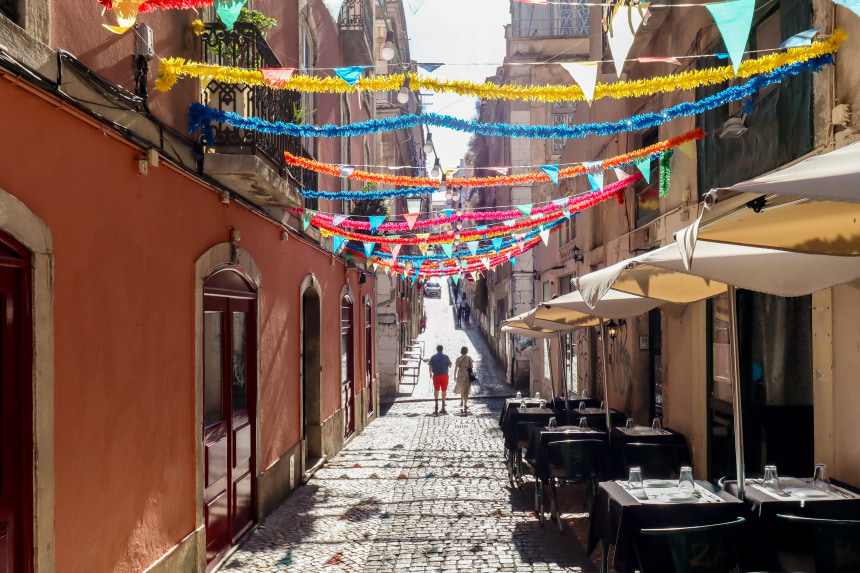
From there, wind down through Alfama's narrow lanes towards Sé Cathedral, stopping along the way for tiled façades, small shops, viewpoints and stories about the neighbourhood's history. Instead of trying to tick off every famous landmark, leave room for the streets that catch your attention.
If fado interests you, ask your guide about the neighbourhood's musical history and whether they can recommend a fado venue for later that evening.
The exact route matters less than the principle behind it. The point of going private is that the itinerary answers to you: the places you want to linger, the streets you would rather skip and the pace at which you actually want to experience Lisbon.
FAQ
How much does a private tour guide cost in Lisbon?
Prices vary depending on the duration, group size, guide, transport and inclusions. Check current listings carefully to see what is included rather than comparing headline prices alone.
Is a private Lisbon tour priced per person or per group?
Many private tours are priced for the group, but this varies between listings. Always check the pricing structure before booking.
Do I need an English-speaking guide specifically?
If English is your preferred language, check the guide's profile and reviews for comments about communication. Many Lisbon guides also offer tours in languages including French, Spanish and German.
Where do private Lisbon city tours usually start?
Meeting points vary. Central tours may start around Rossio Square or Praça do Comércio, while some tours offer hotel pickup. Tours focused on Belém or another specific neighbourhood may begin there.
Is Tram 28 worth riding?
It can be, particularly if riding one of Lisbon's historic trams is important to you. However, it can become extremely crowded during the day. Ask your guide about timing and boarding points before building your itinerary around it.
Should I choose a walking tour or a private vehicle?
Choose a walking tour if you want to explore a neighbourhood slowly and don't mind Lisbon's hills and cobblestones. A private vehicle makes more sense if you want to cover several parts of the city in one day or reduce the amount of walking.
Can I customise a private Lisbon tour?
That is one of the main advantages of booking privately. Tell your guide what interests you, how much walking you want to do, whether you need transport and which parts of Lisbon you most want to see before finalising the itinerary.
What should I wear for a Lisbon walking tour?
Comfortable walking shoes are the priority. A light layer can be useful around viewpoints and the river, and respectful clothing is advisable when visiting religious sites.