


| 8 mins read
There is a particular moment when a trip stops feeling like a sightseeing checklist. It might happen over a bowl of ramen in Tokyo, at a crowded table in Bangkok or while tearing into warm bread in a Marrakech souk. Suddenly, the city is no longer something you are looking at. You are tasting it.
Food has moved firmly into the centre of travel planning. Travellers are increasingly choosing destinations for their culinary culture, planning market visits, street food walks, cooking experiences and restaurant discoveries alongside their usual sightseeing.
The appeal is simple. Food takes travellers into markets, neighbourhoods, family restaurants and everyday places that a conventional itinerary can miss. The harder part is knowing where to go, what to order and what you are actually tasting.
That is where a good local food guide earns their place.
Why food is one of the best ways to understand a destination
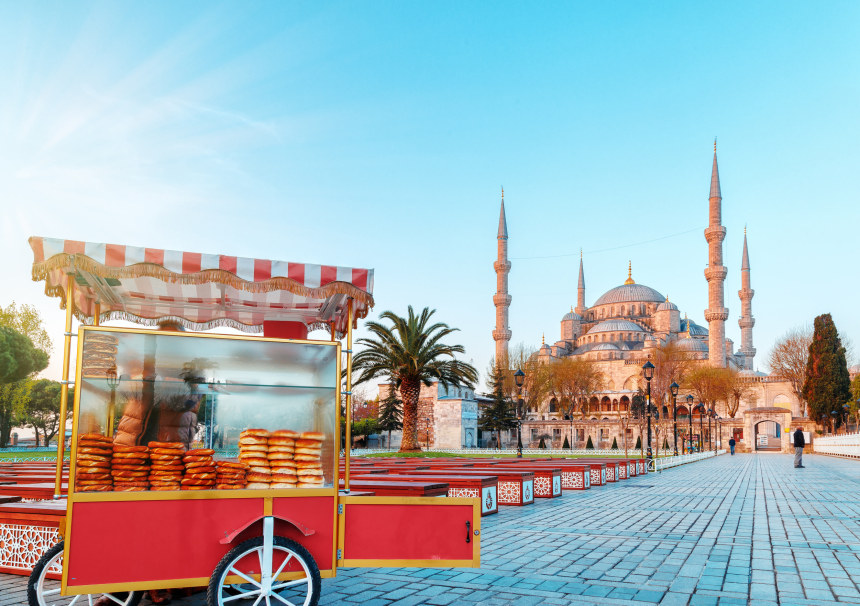
A landmark can tell you where a city has been. A meal can show you how people live there now.
In Mexico City, tacos, tamales, quesadillas and other street foods sit alongside a sophisticated restaurant scene. In Istanbul, Turkish and Ottoman influences appear across grilled meats, seafood, breads, pastries and tea. In both cities, food reveals layers of history and culture that are difficult to appreciate from a sightseeing bus.
Food experiences are therefore about more than finding somewhere good to eat. They can reveal migration, geography, trade and family traditions in a way that a standard sightseeing stop rarely can.
They also encourage travellers to explore beyond the postcard version of a destination. A neighbourhood bakery, morning market or tiny family restaurant can become one of the most memorable parts of a trip.
What a local food guide adds
Finding restaurants is easy. Finding the right ones for you, understanding what to order and seeing how they fit into local life is harder.
A knowledgeable guide may take you to a traditional market early in the morning, explain why one neighbourhood specialises in a particular dish or suggest a small restaurant that would be easy to miss.
Guides are especially useful when food customs or language create uncertainty. They can explain unfamiliar ingredients, communicate dietary requirements, recommend dishes and help you understand local dining etiquette.
Most importantly, a local guide tells you the story behind the plate.
The best food tours do not feel like a list of restaurant stops. They feel like a conversation that moves through a market, bakery, street stall and neighbourhood restaurant.
For travellers searching for local tour guides or a private food tour, that local knowledge is often the real value. Through tourHQ, travellers can find guides who can shape an experience around particular cuisines, neighbourhoods and interests.
Choose the food experience that suits your trip
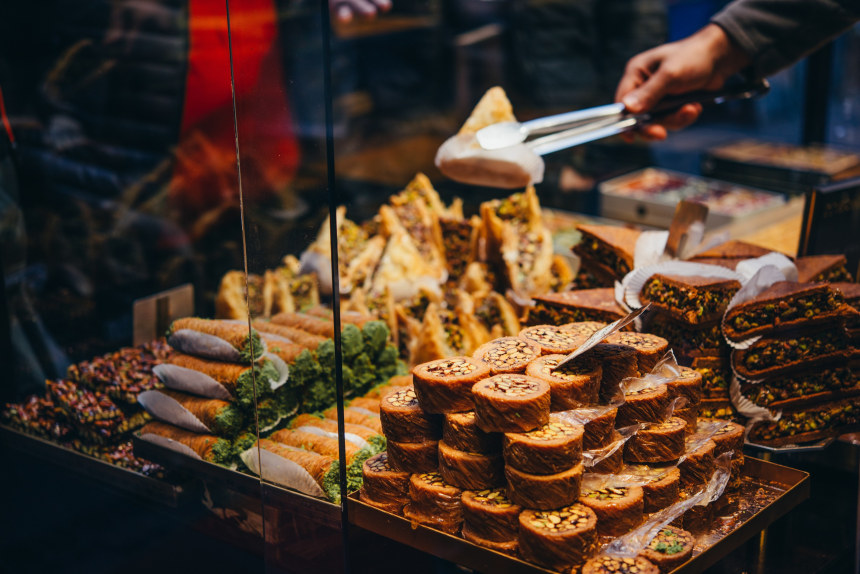
A market tour is ideal for travellers who want to understand local ingredients and daily life. A street food tour offers variety, atmosphere and a chance to taste what residents actually eat.
A restaurant-focused experience suits travellers who want to understand fewer dishes in greater depth. Cooking experiences offer something different again. Visiting a market, selecting ingredients and preparing a regional meal with a local cook can leave you with both a memory and a recipe to recreate at home.
Taking a food tour early in your stay has another advantage. A good guide can introduce you to neighbourhoods and dishes that you can return to independently for the rest of your trip.
Six cities where food reveals another side of the destination:
Tokyo, Japan
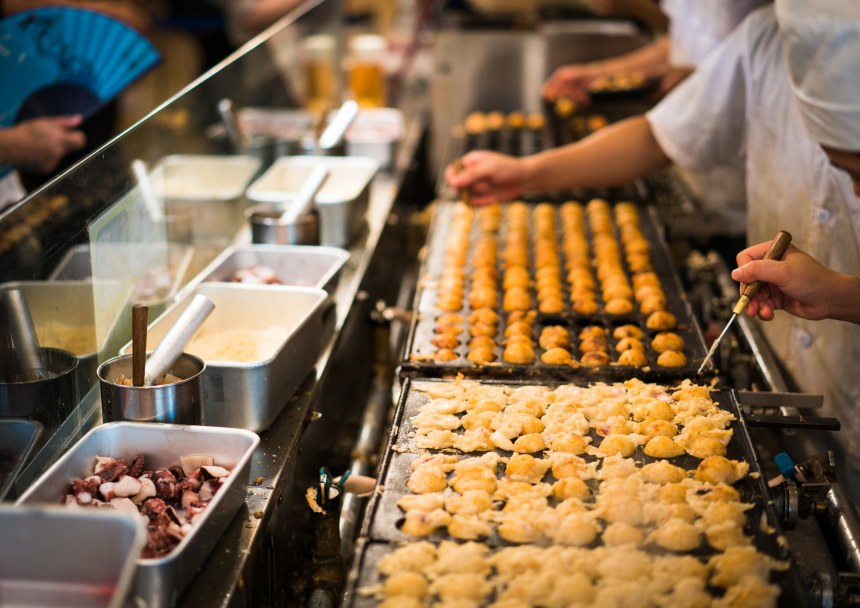
Tokyo can seem almost impossibly vast when approached through food. There are sushi counters, ramen shops, izakayas, soba restaurants and family-run eateries scattered across the city.
Shinjuku is known for its ramen scene; the areas around Tsukiji and Toyosu are closely associated with seafood, while traditional districts such as Asakusa and Nihonbashi offer long-established restaurants and classic Japanese dishes.
A Tokyo tour guide can help you make sense of the choice, introduce lesser-known neighbourhood spots and explain the customs behind the meal. Instead of simply chasing the most famous restaurant, you can discover how locals actually eat and why certain dishes matter.
Istanbul, Türkiye
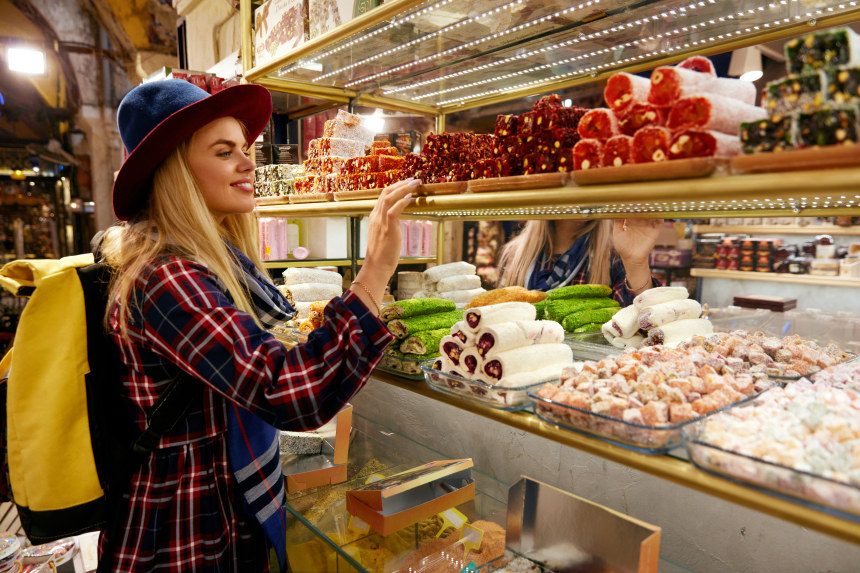
Food in Istanbul is inseparable from the city’s history. Turkish, Ottoman and regional influences appear across grilled meats, seafood, breads, pastries, meze and vegetable dishes.
A food walk becomes more revealing when it includes markets, bakeries and tea houses as well as restaurants. Turkish coffee and tea also offer a glimpse into the social rituals surrounding food and hospitality.
A local Istanbul guide can connect these individual tastes to the larger story of Istanbul, explaining how geography, trade and cultural exchange have shaped what appears on the table today.
Mexico City, Mexico
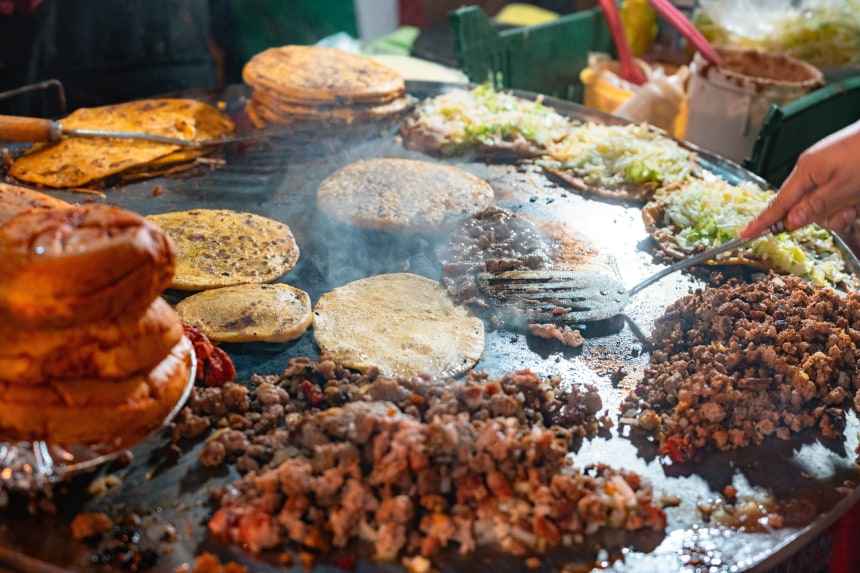
Mexico City rewards curiosity. Tacos al pastor may be the obvious introduction, but tamales, tlacoyos, quesadillas, esquites and regional specialities reveal a much wider culinary culture.
Markets such as La Merced offer a glimpse into the ingredients behind the city’s cuisine, while neighbourhood taquerias and street food stalls show how deeply these traditions remain part of everyday life.
A local tour guide can help travellers move beyond familiar dishes, explain ingredients they may not recognise and introduce food traditions that are difficult to understand from a menu alone. For travellers who want to experience Mexico City beyond its headline attractions, food provides an especially good route in.
Marrakech, Morocco
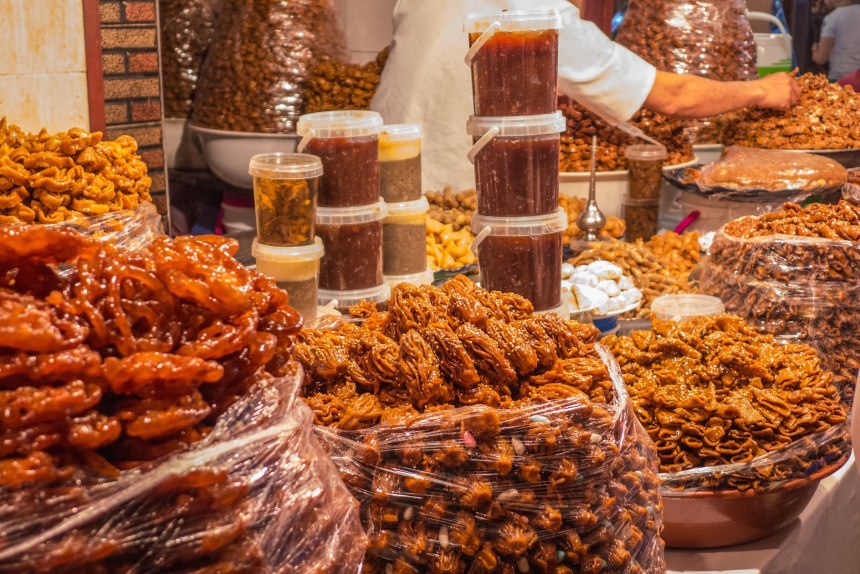
Marrakech is a city to explore with your senses switched on. The souks are filled with spices, olives, dried fruit and fresh bread, while Jemaa El Fna becomes a lively food destination as evening arrives.
Food is closely tied to Moroccan hospitality. Mint tea plays an important role in welcoming guests, while traditional dishes such as tagine, couscous and harira remain central to the country's culinary identity.
A private Marrakech guide can help travellers navigate busy market areas, understand local customs and discover family run restaurants or traditional dishes beyond the most obvious tourist stops.
Bangkok, Thailand
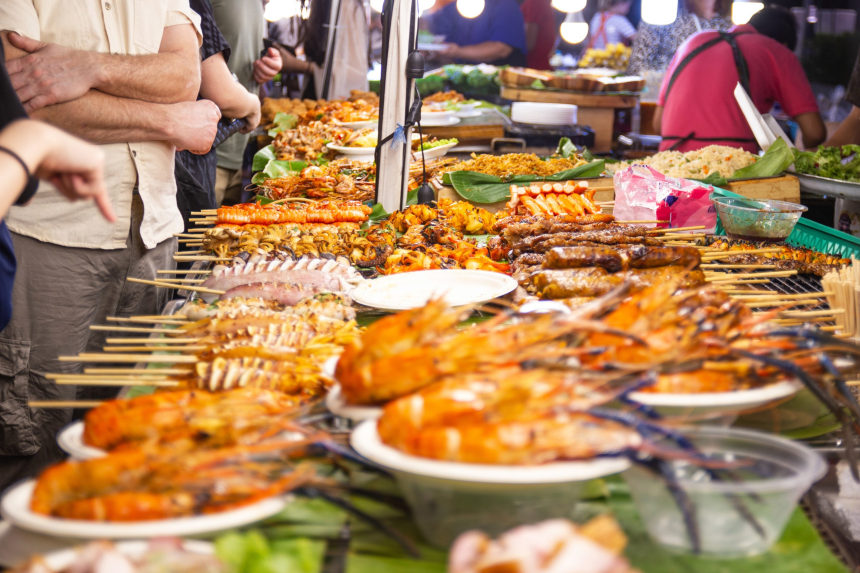
Bangkok is best approached hungry. Street food is woven into the city, and Yaowarat, the historic Chinatown, is one of the most rewarding places to experience it.
The area’s food also reflects generations of Chinese migration and cultural exchange. Chinese cooking techniques have blended with Thai ingredients and flavours to create dishes that are now part of Bangkok’s identity.
A local Thai food guide can help visitors navigate crowded streets, choose trusted stalls and understand the stories behind the dishes. Pad Thai, grilled seafood, spicy salads, noodles and mango sticky rice are only the beginning. The real pleasure is discovering how Thailand’s flavours and influences come together on the plate.
Rome, Italy
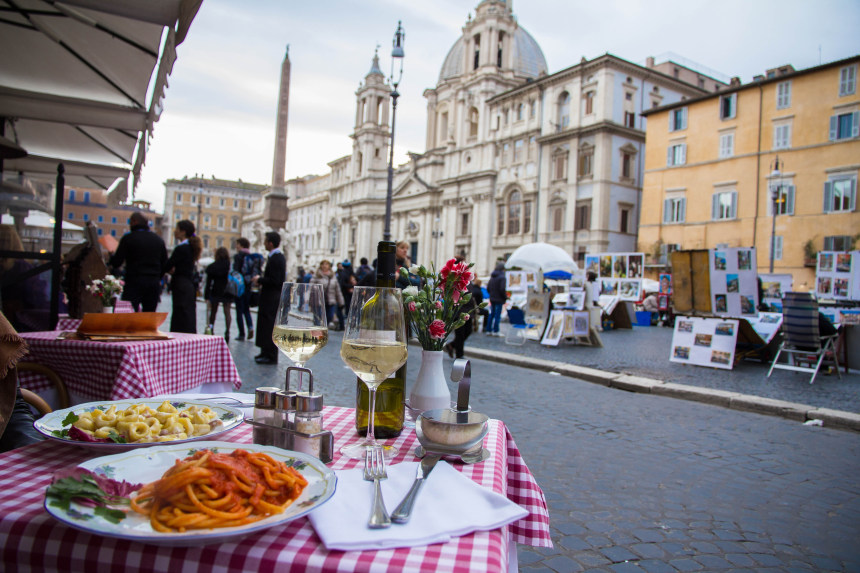
Rome’s food culture is built around familiar ingredients and deeply rooted traditions. Neighbourhoods such as Testaccio and Trastevere remain important for classic Roman cooking, including carbonara, amatriciana and gricia.
Testaccio is particularly interesting because its food culture is closely tied to the district’s working-class history. Today, its markets, bakeries and trattorias still offer a more everyday view of Roman cuisine than the restaurants clustered around major landmarks.
A private tour in Rome can take travellers beyond famous restaurants and into neighbourhoods where food remains part of ordinary life.
How to get more from your food tour
Tell your guide what you actually enjoy before you meet. You might be interested in markets, street food, traditional restaurants or regional cooking.
Share dietary requirements and allergies in advance. It is also worth explaining your preferred pace. Some travellers want many small tastings, while others would rather spend longer at a few memorable stops.
Wear comfortable shoes, carry water and leave enough room to keep tasting. Most importantly, stay curious. The dish you have never heard of may become the meal you remember longest.
Eat locally, then explore independently
The best food tour is not necessarily the one with the longest list of stops. It is the one that teaches you how to look at the city differently.
You learn that Tokyo extends far beyond sushi, Bangkok’s street food carries stories of migration, Rome’s best food can be found in ordinary neighbourhoods, and Istanbul’s cuisine reflects centuries of cultural exchange.
That knowledge stays useful after the guide has gone. It might lead you back to a market the next morning, send you to a neighbourhood you had never planned to visit or give you the confidence to order something unfamiliar.
Explore the best local tours and guides at tourHQ to find an expert who matches your interests, or consider private tours when you want an experience shaped around your schedule, appetite, and curiosity.
Because sometimes the most revealing way to see a city is not to look up. It is to sit down, order what the locals are eating and ask someone who knows the place why.