

| 8 mins read
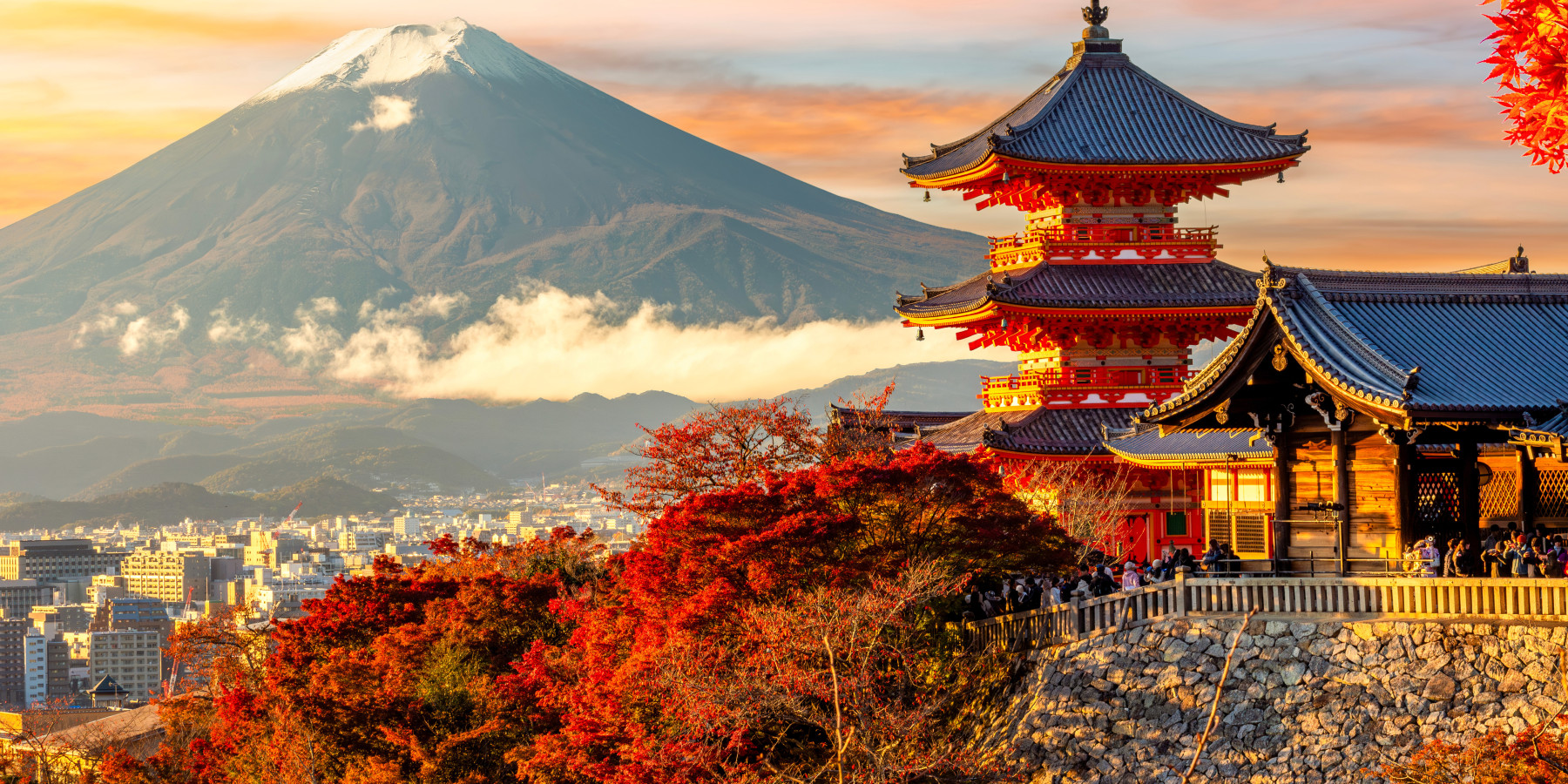
Japan is one of those destinations where even a carefully planned itinerary can only show you part of the picture. Tokyo’s neon-lit neighbourhoods, Kyoto’s centuries-old temples, Osaka’s food culture and Hokkaido’s dramatic landscapes are compelling reasons to visit, but much of Japan’s character is found beyond its headline attractions.
For first-time visitors, navigating the country can also take some getting used to. The transport system is extensive, cultural customs may be unfamiliar, and some of the most rewarding local experiences are not always easy to find independently.
This is where travelling with a tour guide can add another dimension to your trip. Whether you book a guide for a few hours or arrange private tours in Japan, local knowledge can help you understand the places you visit rather than simply see them.
Why Explore Japan with a Local Tour Guide?
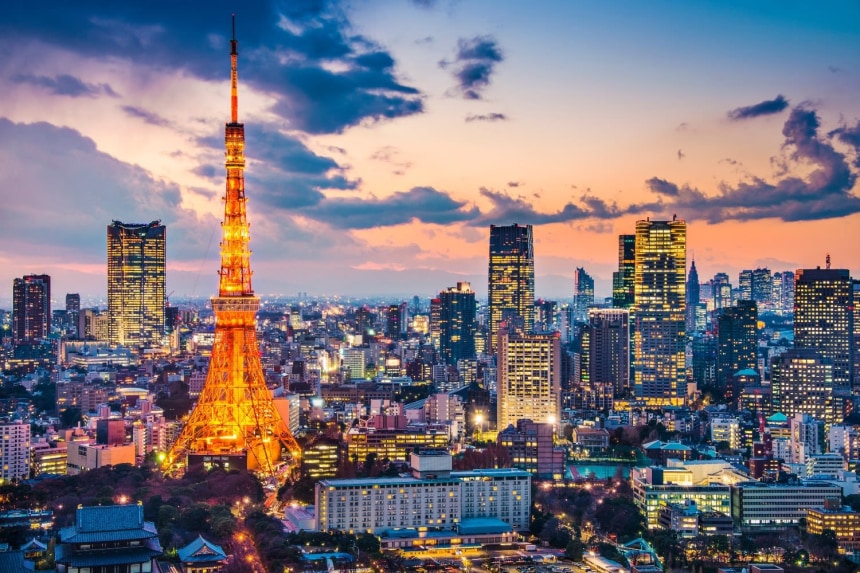
Japan is relatively easy to travel around independently. Public transport is efficient, major stations have extensive signage, and tourist infrastructure is well developed. However, ease of transportation does not necessarily mean that everything is easy to discover.
A local tour guide in Japan can help bridge the gap between sightseeing and actually understanding a destination. At a shrine or temple, for instance, a guide can explain the rituals, symbolism and history behind what you are seeing. At a market, they can introduce you to regional ingredients and dishes that you may otherwise walk straight past.
Local knowledge is particularly useful for travellers who want to move beyond standard itineraries. Instead of spending an entire day travelling between famous landmarks, you might explore a residential neighbourhood, visit an artisan workshop, eat at a small family-run restaurant or discover a quiet temple away from the busiest areas.
The experience can also be shaped around your interests. Food lovers, history enthusiasts, photographers and families will all want something different from Japan, and private tour guides can build an itinerary around those preferences.
Tokyo: Discover More Than the Famous Landmarks
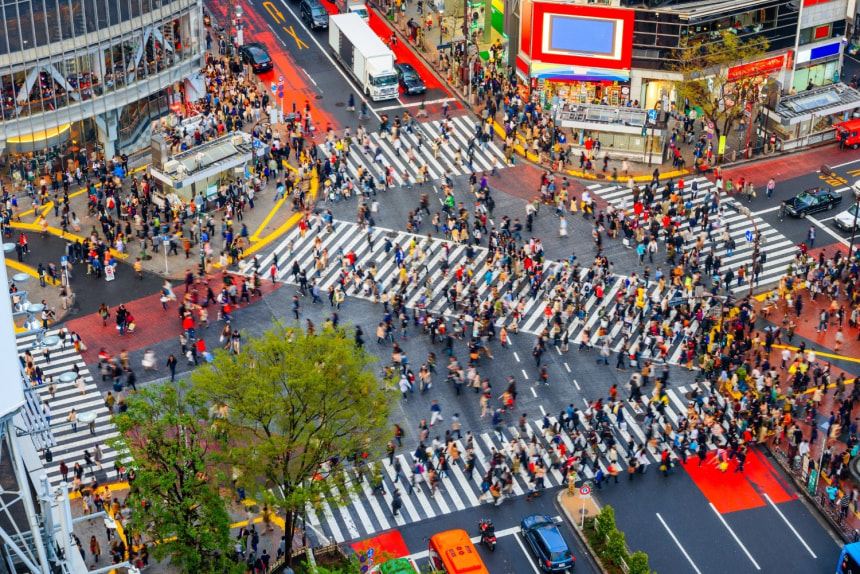
For many international visitors, Tokyo is their first introduction to Japan.
Shibuya Crossing, Sensō-ji and Akihabara are among the capital’s most recognisable attractions, but Tokyo becomes particularly interesting when you explore its individual neighbourhoods.
Head to Yanaka, for example, and the pace changes considerably. Its narrow streets, temples, traditional buildings and independent shops offer glimpses of an older Tokyo that can feel far removed from Shibuya’s giant screens and crowded intersections.
A Tokyo tour guide can introduce you to neighbourhoods that might otherwise receive only a brief stop on your itinerary. Local shopping streets, traditional workshops, small shrines and family-run restaurants can reveal how people actually live in this enormous city.
Tokyo is equally fascinating after dark. Tiny izakayas occupy narrow alleyways and spaces beneath railway tracks, often with only a few seats. For travellers unfamiliar with Japanese dining customs, exploring these areas with a guide can make the experience considerably more approachable.
Kyoto: Look Beyond the Most Photographed Sights
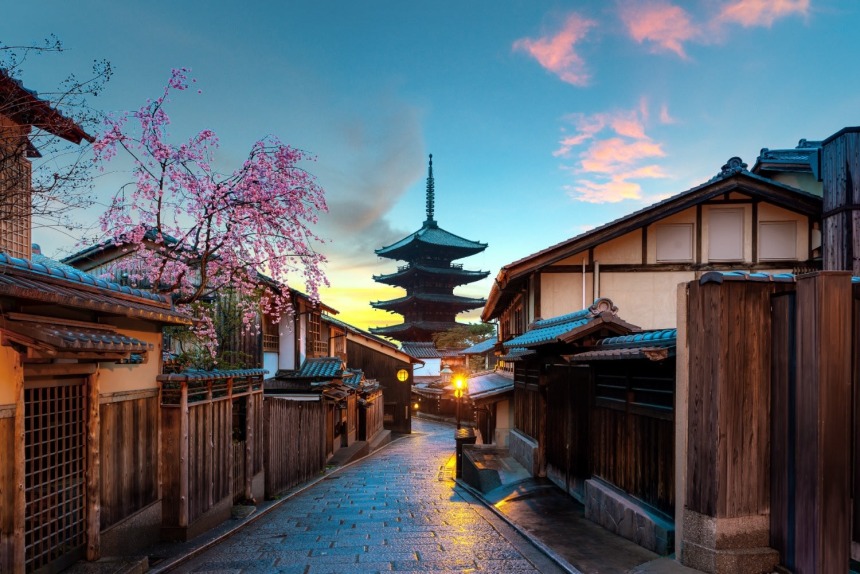
Kyoto is home to some of Japan’s most famous cultural attractions. Fushimi Inari Taisha, Kinkaku-ji and the Arashiyama Bamboo Grove attract visitors from around the world, but they represent only one side of the city.
Smaller temples, gardens and historic lanes can offer a quieter experience, particularly when visited outside peak hours. Having a local tour guide in Kyoto can also help you understand the religious traditions, architectural details and customs behind places that might otherwise become quick photo stops.
Kyoto is also one of the best places to discover traditional Japanese craftsmanship. Artisans continue to produce ceramics, textiles, lacquerware, incense and handmade paper using techniques developed over generations.
Visiting a workshop with one of the city’s local tour guides can provide insight into these traditions and the people working to preserve them.
Osaka: Understand the City Through Its Food
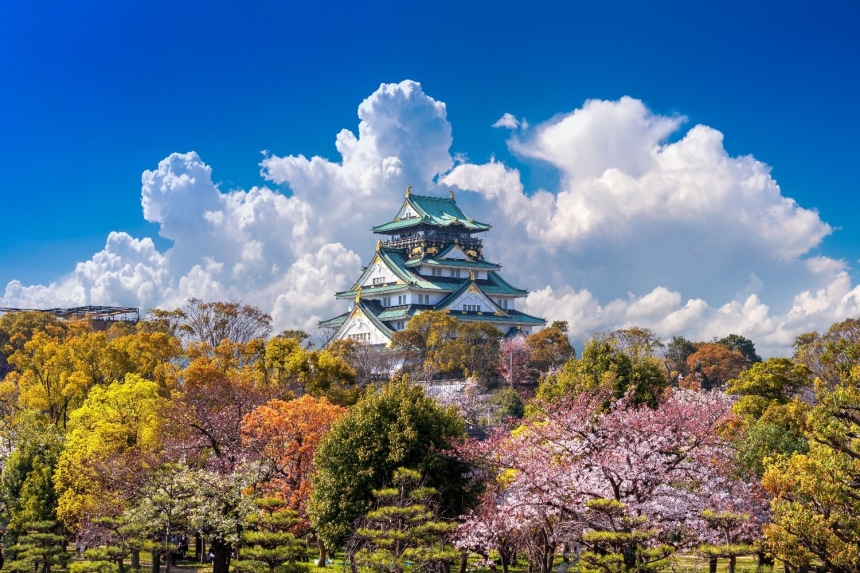
Osaka has a personality quite different from Tokyo or Kyoto. The city is known for its informal atmosphere, nightlife and, most famously, its food.
Dotonbori is the obvious starting point, with neon signs, busy restaurants and street-food stalls creating one of Osaka’s most recognisable scenes. But the city’s culinary culture goes well beyond this famous district.
At Kuromon Market, visitors can encounter fresh seafood, produce and prepared foods while getting a closer look at the ingredients used in Japanese cooking.
Takoyaki and okonomiyaki are two Osaka classics worth trying, but travelling with an Osaka tour guide can lead you to smaller restaurants and neighbourhood establishments while providing some context about the dishes you are eating.
Food-focused private tours in Osaka can be particularly useful for travellers who want to explore beyond the restaurants that appear most frequently in guidebooks and social media recommendations.
Hiroshima: Understand the Past and Present
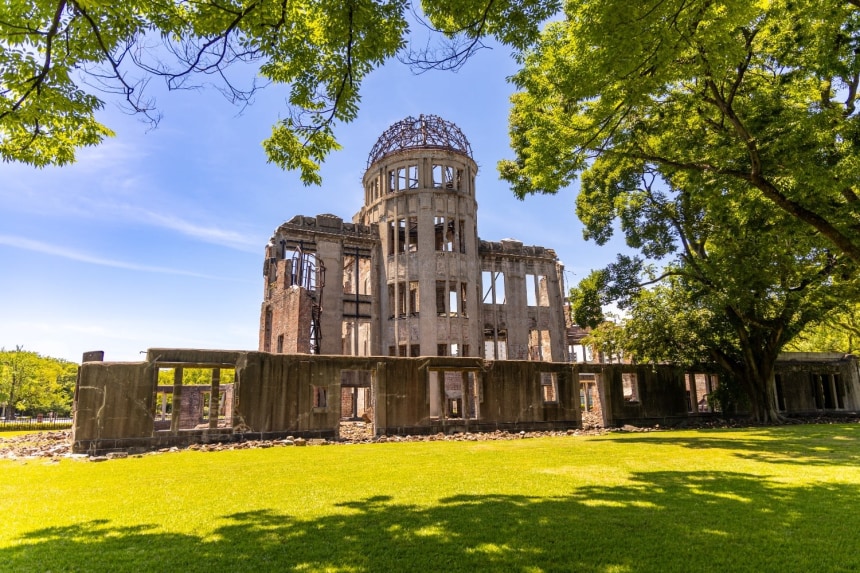
The Hiroshima Peace Memorial Park and Atomic Bomb Dome are among Japan’s most significant historical sites. Visiting them can be deeply moving, but understanding the city’s reconstruction and development after 1945 adds important context.
A knowledgeable tour guide in Hiroshima can help connect the history presented at memorial sites with the modern city that surrounds them.
Hiroshima is also a convenient base for visiting Miyajima, famous for Itsukushima Shrine and its torii gate. Beyond the busy waterfront, walking routes and forested areas reveal a quieter side of the island.
Learning about Miyajima’s religious significance and Shinto traditions can transform the visit from a scenic excursion into a much richer cultural experience.
Hokkaido: Explore Japan’s Wild North
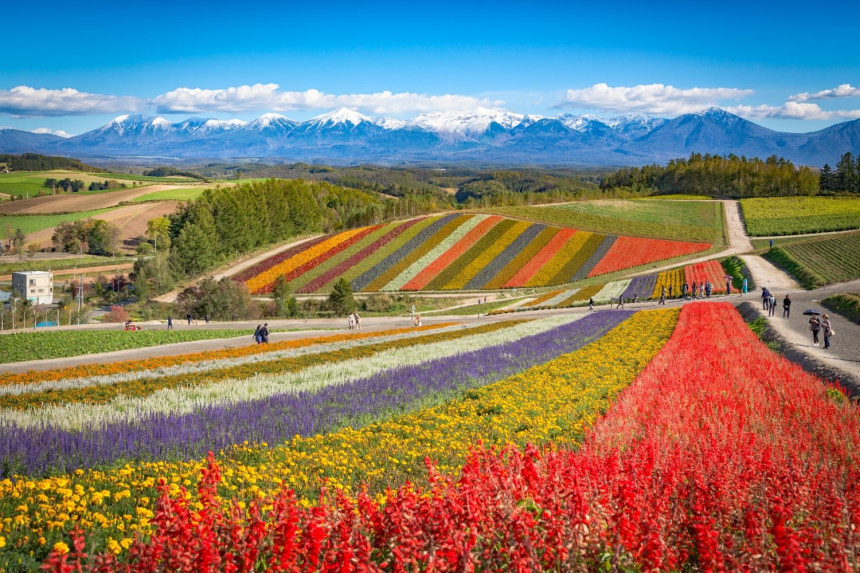
Travelling north to Hokkaido reveals yet another side of Japan.
The island is known for mountains, forests, lakes, flower fields and snowy winters. Skiing and winter activities dominate the colder months, while warmer weather opens up hiking routes and national parks.
Food is another major attraction. Hokkaido is celebrated for seafood, dairy products and regional specialities. Local markets are excellent places to try crab, scallops and other seafood, while Sapporo is particularly associated with miso ramen.
Outside the major cities, transport can be less straightforward than it is in Tokyo or Kyoto. For travellers hoping to explore more remote areas, private tours in Hokkaido can make it easier to build an itinerary around nature, food and smaller destinations.
Experiences You May Not Find on a Standard Itinerary
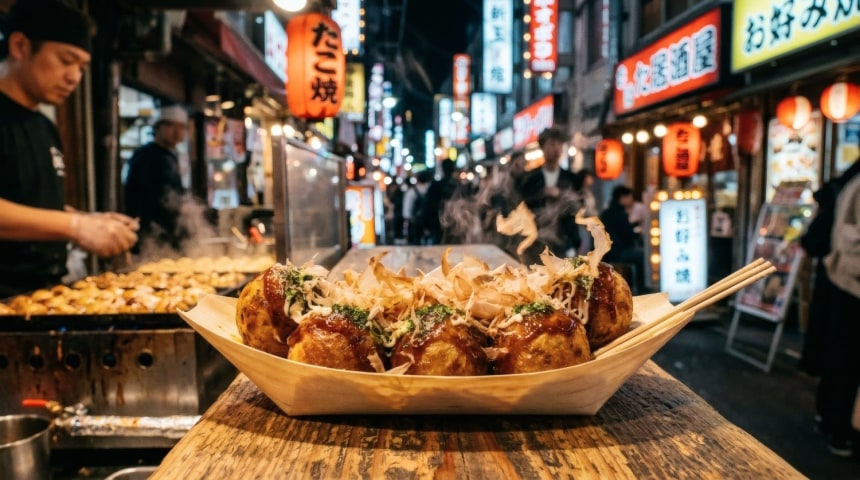
Some of Japan’s most memorable experiences are not major tourist attractions at all.
It might be a tiny restaurant with a handwritten menu, a neighbourhood shrine, a seasonal festival or a workshop run by an artisan whose family has practised the same craft for generations.
This is one reason local tour guides can be particularly valuable. Their knowledge is not limited to monuments and museums. A local tour guide can introduce travellers to local businesses, explain customs and suggest experiences based on what is happening during a particular season.
Japan holds festivals throughout the year, ranging from major celebrations to neighbourhood events primarily attended by local communities. Likewise, workshops involving ceramics, textiles, traditional sweets and other crafts can provide a more hands-on introduction to Japanese culture.
These experiences may not always be the places you originally planned your trip around, but they can easily become the ones you remember most.
How to Choose the Right Tour Guide in Japan
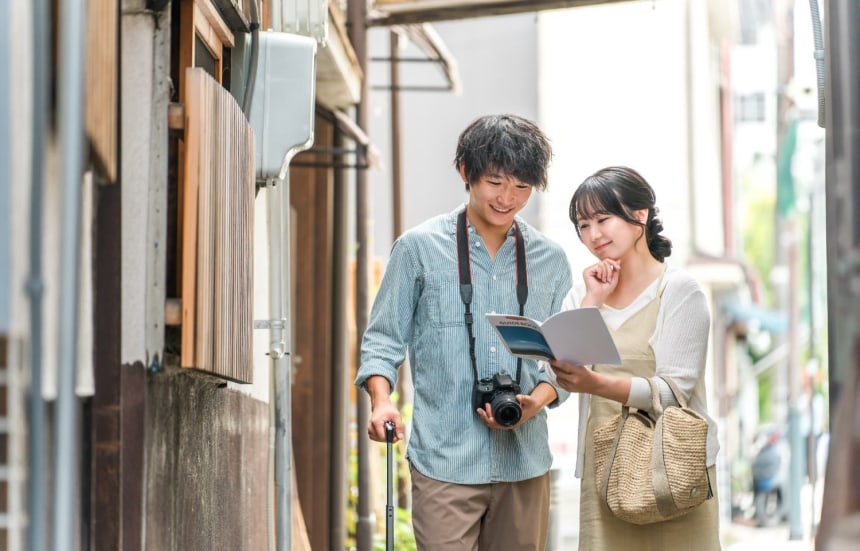
The right guide depends on the kind of trip you want.
Before booking, consider your interests, pace and destinations. Someone fascinated by samurai history may want a very different private tour guide from a traveller interested in street food, contemporary architecture or photography.
Families should look for guides experienced with children, while travellers with mobility requirements or dietary restrictions should communicate these needs before finalising an itinerary.
Reviews are also useful when comparing the best local tours and guides for your trip. Look beyond the overall rating and read what previous travellers say about the guide’s knowledge, communication, flexibility and ability to personalise the experience.
When Should You Book Private Tours in Japan?
Timing is important, particularly during Japan’s busiest travel periods.
Cherry blossom season, autumn foliage, Golden Week and major festivals can create high demand for accommodation, transport and popular activities. Experienced tour guides may also have limited availability during busy seasons.
Booking in advance gives you more time to find a guide whose expertise matches your interests and discuss what you want from the day.
This becomes particularly useful when your itinerary includes restaurants, workshops or other experiences requiring advance reservations.
Do You Tip Tour Guides in Japan?
Tipping is generally not part of everyday Japanese culture, so visitors should not automatically assume that a tour guide in Japan expects a gratuity.
Policies can vary between guides and tour arrangements, however, so check beforehand if you are unsure. A sincere thank-you and a thoughtful review are also meaningful ways to show appreciation after an enjoyable experience.
See a Different Side of Japan
Japan’s famous landmarks deserve their reputation, but the country has much more to offer travellers willing to look beyond them.
A neighbourhood restaurant, an artisan workshop, a quiet temple or a conversation about a local tradition can tell you as much about Japan as its most photographed attractions.
Travelling independently gives you freedom, while spending time with local tour guides in Japan provides something different: context, local knowledge and access to experiences you might otherwise miss.
The two approaches do not have to compete. Combine independent travel with carefully chosen private tours, and you can experience Japan at your own pace while still benefiting from the people who know the destination best.