


| 8 mins read
A micro retirement is not simply a longer holiday. It is a deliberate career break, often lasting one to six months, in which travel becomes part of a temporary lifestyle change.
For experienced professionals, the attraction is obvious: more time, fewer obligations and the chance to experience a place beyond its highlights.
You are not trying to see everything. You are trying to discover how you might live there.
That is where a private local guide becomes particularly useful.
Why a regular holiday guide is not enough
A holiday guide helps you make the most of limited time. A micro retirement guide solves a different problem: helping you understand a city quickly enough to make months of free time count.
You need to know which neighbourhoods suit you, how locals move around, where to eat regularly and where your interests connect with the community.
Instead of asking, “What should I see?”, ask, “How could I live well here?”
The First Week: Compress Months of Discovery into a Week
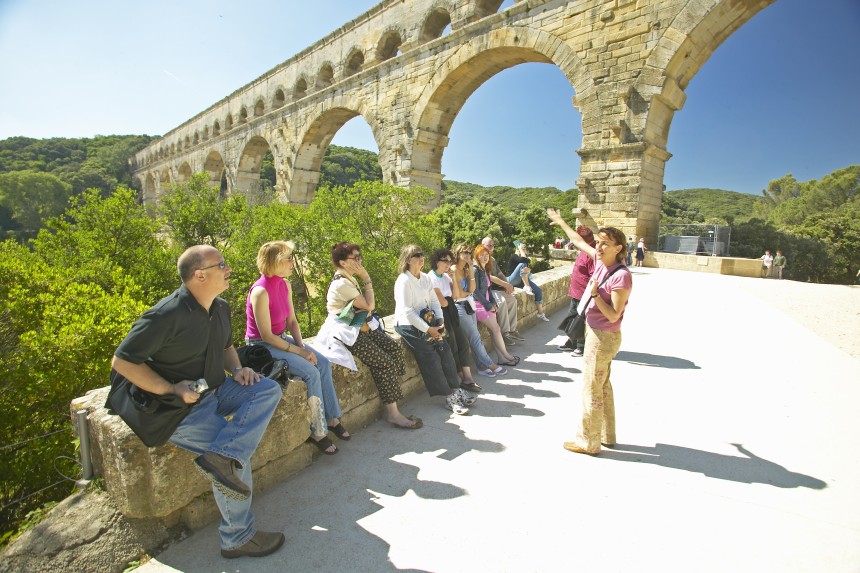
Think of your first guided experience as an orientation.
Days 1-2: Understand neighbourhoods, transport, markets and the geography of your new city.
Days 3-5: Build the beginnings of a routine through food, cafés, parks, shops or activities that match your interests.
Days 6-7: Look beyond places and towards people. Ask about language exchanges, workshops, cultural events and local groups.
The goal is simple: turn an unfamiliar city into a place you can navigate confidently on your own.
Seven cities worth considering for a career break
The best sabbatical travel ideas are not necessarily the places with the longest lists of attractions. A strong micro retirement destination offers enough culture, community, and everyday variety to build a satisfying life for several months. It also gives a local guide enough depth to help you discover something beyond the obvious.
Lisbon
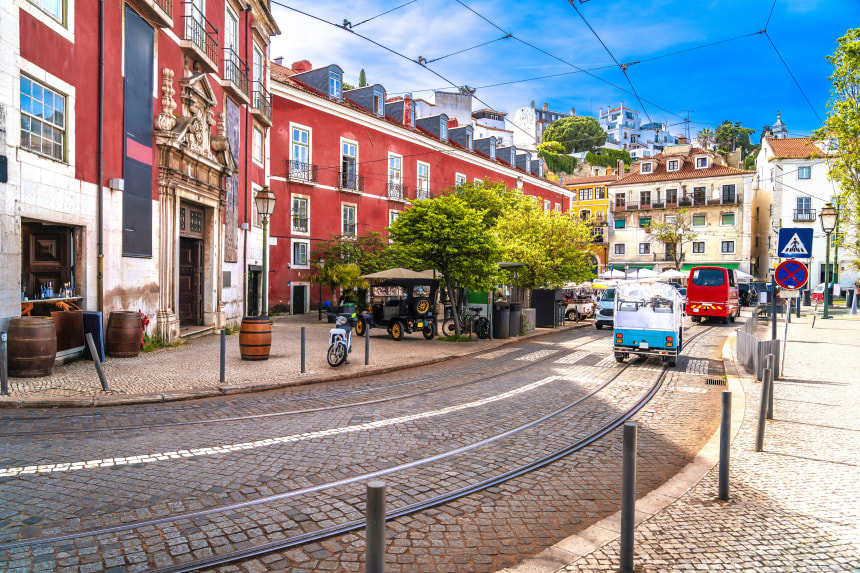
Why it works: Lisbon offers an unusually easy transition into longer-term travel. Its walkable neighbourhoods, food culture, coastal setting and established international community make it comfortable without feeling overly familiar. The challenge is choosing where your version of Lisbon begins.
What a local guide can unlock: Neighbourhood knowledge, local markets, Portuguese food traditions and the practical realities of getting around. Instead of spending your first day collecting viewpoints, ask a guide to show you where you might actually spend an ordinary Tuesday.
Medellín
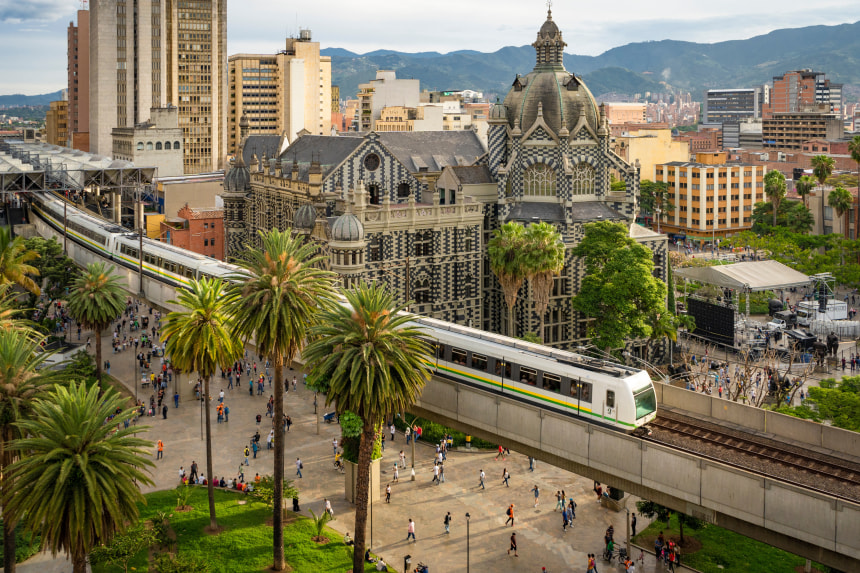
Why it works: Medellín combines a mild climate, mountain scenery, energetic urban life and plenty of opportunities to practise Spanish in everyday situations. It is particularly interesting for travellers who want their career break to include language learning. The city makes more sense once you understand its neighbourhoods and how residents move between them.
What a local guide can unlock: Neighbourhood context, cultural spaces, local food and activities that can become part of your routine. The objective is not simply to see Medellín, but to work out where you could imagine living within it.
Chiang Mai

Why it works: Chiang Mai suits travellers looking for a slower rhythm, with markets, temples, northern Thai cuisine, wellness traditions and easy access to the surrounding countryside. It offers plenty to explore without demanding that every day be packed. Local context matters here, particularly around religious sites and cultural etiquette.
What a local guide can unlock: Temple traditions, regional food, markets, cooking experiences and opportunities to explore local interests more naturally. If meditation, Thai language, crafts or food are part of your break, tell your guide before the first meeting.
Tbilisi
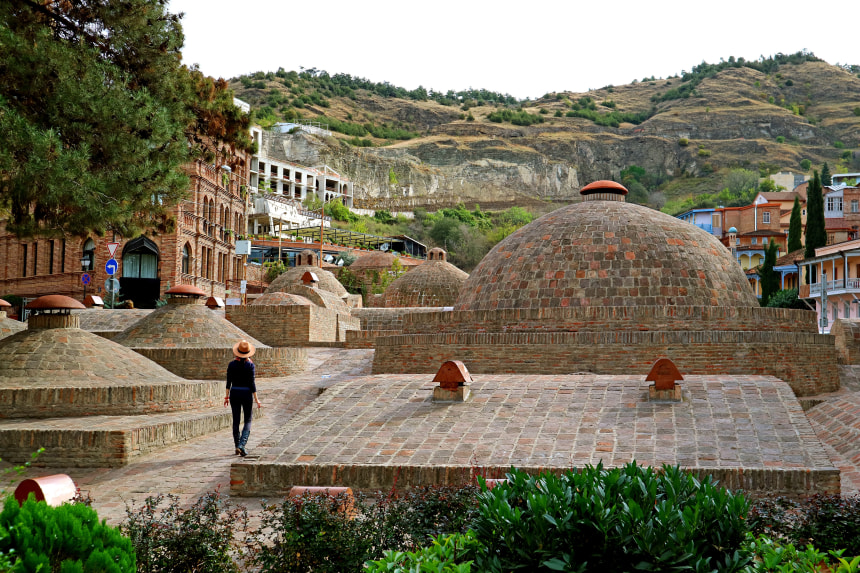
Why it works: Tbilisi rewards travellers who enjoy history, food, wine and cities with a strong cultural identity. Its architecture and traditions become more interesting the longer you stay, making it well suited to slower exploration.
What a local guide can unlock: The stories behind neighbourhoods, Georgian dining customs, wine traditions and cultural experiences that are easy to overlook on a short visit. The right introduction can turn a sightseeing route into a deeper understanding of how the city sees itself.
Mexico City
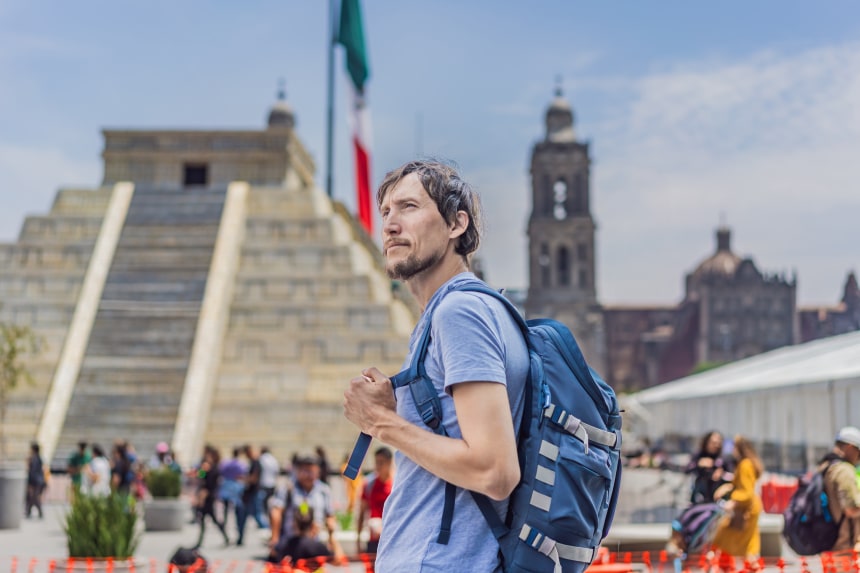
Why it works: Mexico City offers extraordinary depth for a longer stay. Museums, architecture, food, markets, galleries and neighbourhood culture could occupy months without exhausting the possibilities. Its scale, however, can be intimidating.
What a local guide can unlock: A personal map of the city shaped around your interests rather than a generic list of attractions. Tell your guide whether you care about art, architecture, food, history, or contemporary culture, and use the first day to discover places you will want to return to on your own.
Budapest

Why it works: Budapest lends itself naturally to routines. Thermal baths, cafés, architecture, restaurants, and cultural venues provide a structure for a long stay without making every day feel like sightseeing.
What a local guide can unlock: The small rituals that make the city feel like home, from choosing the right thermal bath to finding neighbourhood restaurants, markets and cultural events. For a micro retirement, those recurring pleasures may be more valuable than a list of landmarks.
Valencia
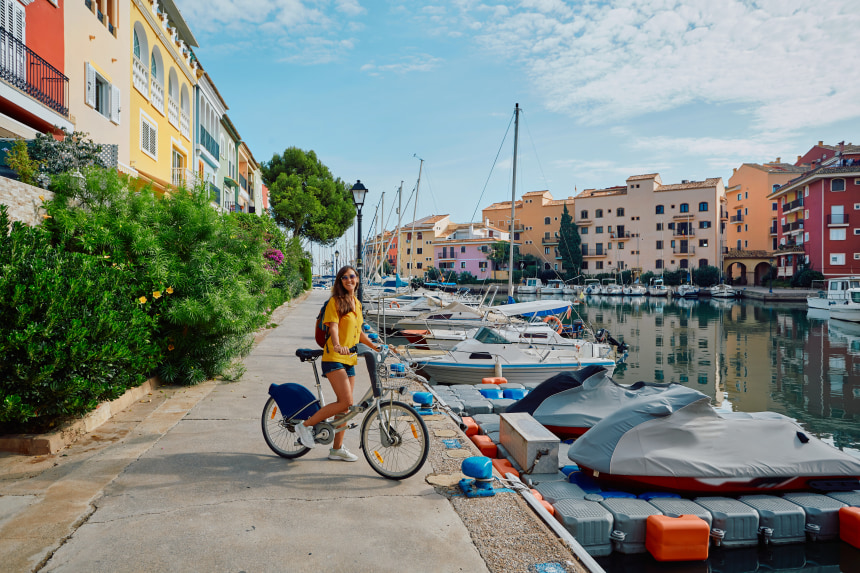
Why it works: Valencia offers a compelling combination of city life, beaches, markets, cycling and Mediterranean pace. It works particularly well for travellers who want their career break to feel restorative rather than relentlessly stimulating.
What a local guide can unlock: The practical side of settling into the city, including neighbourhood character, food markets, cycling routes and local dining habits. Once you understand Valencia itself, a guide can also help identify worthwhile trips into the surrounding region that you can later explore independently.
The common thread is simple: you are not choosing a place to visit, but a place to live temporarily. That changes what you need from a guide. The landmarks still matter, but so do the places you will return to, the people you might meet and the routines you may build.
The Local Expert Network

A good local introduction can be more valuable than another attraction.
Tell your guide you are interested in ceramics, and they may point you towards a workshop. Mention language learning, and they may know about a regular exchange. Talk about art, music, food or running, and they can identify communities and recurring events worth exploring.
This is the Local Expert Network: not guaranteed personal introductions, but access to the local knowledge that helps you find where a city actually connects.
A tourist needs recommendations. A temporary resident needs routines, relationships and context.
Your first guided day versus your first guided week
Your first guided day should answer: “How does this city work for me?”
Focus on neighbourhoods, transport, food, practical orientation and places you are likely to revisit.
Your first guided week should answer: “How could I live well here?”
Go deeper into one interest, explore a community, take a regional excursion, and learn enough of the local language or etiquette to continue independently.
The objective is not to have a guide for your entire break. It is to become confident enough to explore without one.
How to brief your TourHQ guide

Do not simply say, “Show me the highlights.”
Tell your guide how long you are staying, what interests you, how you like to spend your time and what you want to discover beyond sightseeing.
Mention language learning, food, art, fitness, history, crafts or local communities if they matter to you. Also, say what you do not want.
The more specific the briefing, the more useful your orientation becomes.
The real value of micro retirement travel

The biggest risk of a long career break is not running out of things to do. It is taking time to figure out where to begin.
A local guide can shorten that learning curve, helping you understand a city's geography, culture and communities before settling into your own rhythm.
That is why career-break travel deserves a different approach to guidance.
You are not buying more sightseeing.
You are buying a better start.
FAQ
How long should a micro retirement last?
There is no fixed duration. One to six months is a useful range, depending on your career, finances and travel goals.
What are some good micro-retirement destinations for 2026 and 2027?
Lisbon, Medellín, Chiang Mai, Tbilisi, Mexico City, Budapest and Valencia all offer enough depth for a longer stay.
Should I hire a guide for the whole trip?
Usually not. A focused orientation at the beginning with a dedicated local tour guide, followed by occasional specialist experiences or excursions, can be more valuable.
What should I ask a guide to show me?
Prioritise neighbourhoods, food, transport, cultural etiquette, local events, and communities aligned with your interests.
What makes micro retirement travel different from a holiday?
A holiday is about experiencing a destination. A micro retirement is about discovering whether you can build a satisfying temporary life there.