


| 9 mins read
There is a strange intimacy in travelling somewhere you have never seen but have heard about all your life.
Perhaps your grandmother always talked about a village in Amritsar, India. Perhaps an old family photograph was taken somewhere in Kingston, Jamaica, but nobody remembers exactly where. Perhaps your family left Italy, Ghana, Mexico, Lebanon, or Ireland generations ago, taking little more than a surname and a story with them.
Now you are going back.
You may have a birth certificate in your luggage, a few names written in an old notebook and a family tree built late at night from online records. You may even know the street where an ancestor once lived.
Then you arrive and discover that the street has another name, the house is gone, and the village on your document seems to have disappeared. This is where ancestry travel becomes more complicated, and much more interesting, than simply visiting a destination.
You are not really travelling to the place on the page. You are trying to find the place as it exists today.
Start With One Story
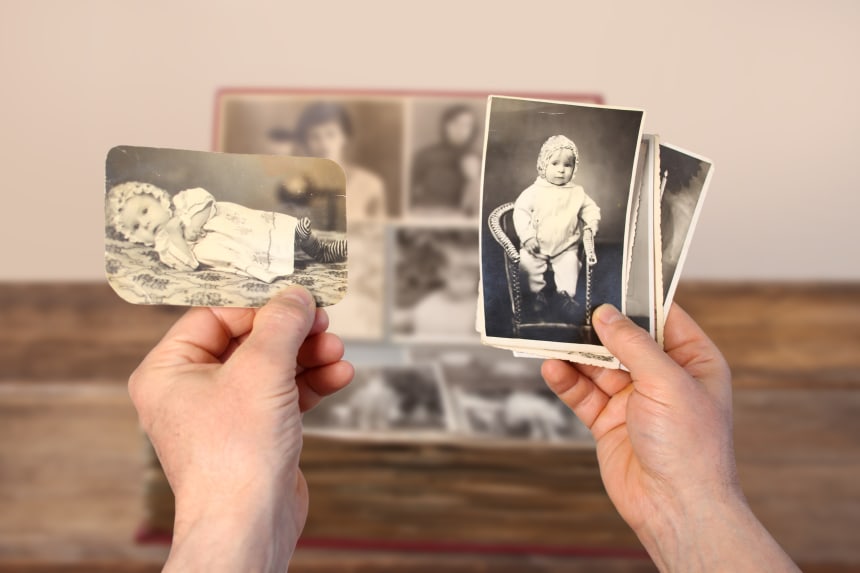
Before you start searching for flights, decide which family story you want the trip to follow.
Trying to investigate every branch of a family tree at once can leave you chasing dozens of names across several regions. A single question is much easier to build a journey around.
Maybe you want to find the home where your great-grandfather was born. Maybe you want to stand inside the church where your grandparents married. Maybe you simply want to understand why your family left.
Write down everything you know about that person: names, alternative spellings, dates, occupation, religion where relevant, addresses and the sources behind each detail.
Do not worry if the information is inconsistent. An incorrect date or unfamiliar spelling can sometimes be more useful than a neat family tree because it gives you something to investigate.
Be Careful With Place Names
This is one of the easiest ways for an ancestry trip to go wrong.
A family story might say that an ancestor came from a particular town when they actually lived in a nearby village. An old document might use the name of a district that no longer exists. A settlement may now belong entirely to another municipality.
Before you build an itinerary, check the place against multiple records. Look at historical maps as well as modern ones. Compare old and current administrative boundaries. Search alternative spellings. Check nearby villages and parishes. This matters whether your family came from Mexico, India, Ireland, Ghana or somewhere else entirely.
DNA testing can be useful for understanding broad regional connections, but it should not be treated as proof that an ancestor came from one particular village. That usually requires documentary evidence.
The Archive May Be More Important Than the Tourist Sights
When you imagine an ancestry trip, you might picture an old family house or a photograph in front of a village church.
The most important stop could be much less dramatic.
It might be a municipal archive. A parish office. A library. A cemetery register. A box of documents in a regional collection.
Depending on the country and period, records can include births, marriages, deaths, census material, land documents, immigration papers, wills and religious registers. FamilySearch notes that many historical records remain unindexed, so a basic online name search does not necessarily reveal everything that exists.
This is why it pays to find out where the records are before you travel.
Contact the archive. Check opening hours. Ask whether appointments are needed. Find out whether identification is required and whether you can photograph or order copies of documents.
A little planning at home can save an entire day once you arrive.
Then Walk the Place

The records tell you who was there. The landscape can tell you something about how they lived.
Once you have found the village, do not rush straight back to the hotel. Walk. Find the old place of worship. Visit the cemetery. Look at the roads leading out of the village. Find the market or railway station. Notice whether the family home was surrounded by farmland, mountains, a river or a busy port.
These details can make old documents suddenly easier to understand.
In Jamaica, for example, family research may lead you through churches, burial grounds and communities shaped by generations of migration. In Ghana, a family story may become more meaningful when you understand the landscape and the communities it connects to.
The same principle applies everywhere. You are not just looking for a house. You are trying to understand the world around it.
Be Ready for the Story to Change
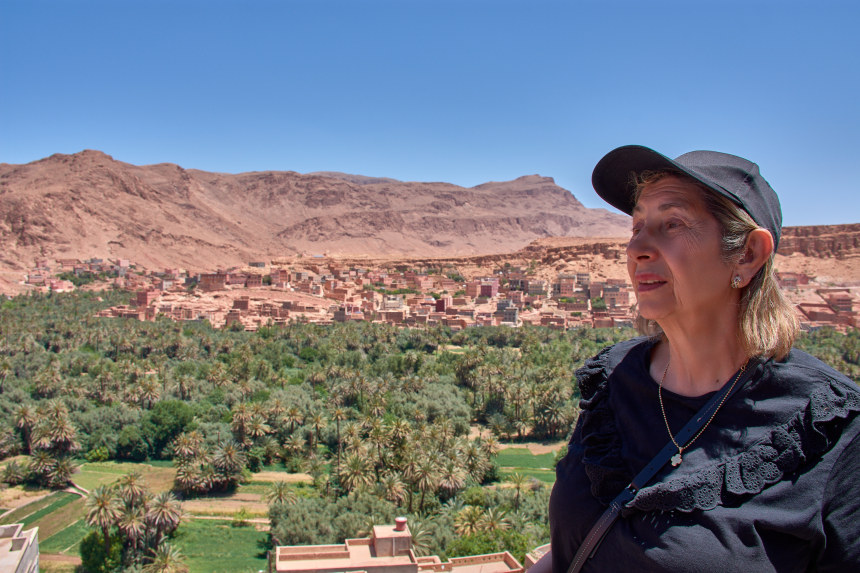
This is often the part of ancestry travel nobody prepares you for.
You may discover that the house was demolished. The surname may be spelt differently on every document. The village may look nothing like the photograph your family kept. You may even discover that the story you grew up with was slightly wrong.
That can feel disappointing for about five minutes. Then it becomes interesting.
A different spelling of a surname can lead to a separate record. A changed street name can reveal how the town developed. A neighbouring village can explain a marriage or migration. A cemetery inscription can introduce a relative you knew nothing about.
Treat every discovery as a lead rather than a conclusion. Local stories are valuable, but they should still be checked against records wherever possible.
This Is Where Local Knowledge Can Make a Difference

Not every ancestry trip requires a guide. If you speak the local language, understand the transport system and have already identified the records you need, you may be perfectly happy exploring independently.
But some journeys are more complicated.
Perhaps the ancestral village is several hours from the nearest city. Perhaps the documents are written in a language you cannot read. Perhaps the address on an old record no longer exists. Perhaps you need to visit a church, an archive, a cemetery, and a family property spread across several communities.
That is where a good local guide can be genuinely useful.
The value is not having someone point out landmarks. It is having someone who understands the place well enough to help you connect the pieces.
A bilingual guide can help with conversations and local terminology. Someone who knows the region may recognise an old place name, know which office holds local records or tell you that two places which look close on a map are much harder to reach than expected.
When choosing a guide, explain your research while booking. Share your names, dates, documents and specific questions. A guide who responds with useful questions of their own is usually more valuable than someone who simply sends you a standard sightseeing itinerary.
Leave Room for the Unexpected

Do not pack every hour of the trip.
An archive conversation might lead you to another record. A visit to a cemetery might reveal a new surname. Someone in the village might remember a family connection. Those moments are impossible to schedule.
Leave an afternoon open. Carry copies of important documents. Keep a notebook. Save photographs with location details while you still remember what they show.
The National Archives recommends keeping careful research notes so that you can retrace your work later. This is especially important on an ancestry trip, where one day can produce more information than weeks of online research.
Go Home With More Than Photographs
The success of an ancestry trip is not measured by whether you find the exact house.
Maybe you find it. Maybe you find a document that changes your family tree. Maybe you meet someone who remembers the family name. Or maybe you return home knowing that one part of the story is still unresolved. All four outcomes can move your research forward.
The real gift of ancestry travel is that it turns a collection of names and dates into a tangible place. A village becomes more than a line in a family tree. A cemetery becomes part of a story. A road has a reason for being there.
And sometimes, standing in that unfamiliar place, you realise that the family story was never really about finding one house. It was about understanding where your people once stood. That is what makes ancestry travel worth the journey.
FAQ
What should I research before an ancestry trip?
Choose one ancestor or family branch and gather names, dates, places, relationships and supporting records. Start with a specific question rather than trying to solve your entire family tree.
How do I confirm an ancestral village?
Compare several records, check historical place names and administrative boundaries, and look at old maps alongside modern ones.
What records should I look for?
Depending on the destination, useful records may include birth, marriage and death records, census material, immigration documents, land records, wills and religious registers.
Should I hire a local guide?
Yes. A local guide can help with language, archives, transport and finding places that may be difficult to locate independently.
What should I tell a guide before booking?
Share your research notes, names, dates, locations and the specific questions you want to answer. Ask about the guide's experience with local history and heritage travel.
What if the ancestral house is gone?
Look at the surrounding neighbourhood, cemetery, place of worship, market and landscape. These can still provide context and lead to further research.
Can local stories be trusted?
They can be valuable clues, especially when records are difficult to find, but important claims should be checked against documentary evidence.
How should I record my discoveries?
Photograph documents and locations, and record names, dates, places, and the source of each piece of information.