

| 8 mins read
There is something wonderfully direct about eating a peach beneath the tree that grew it, or drinking coffee a short walk from the plants where its cherries were picked. The distance between farm and table disappears, and food becomes part of the landscape rather than simply something served on a plate.
That is helping make farm-to-table travel one of the more meaningful travel ideas of 2026. National Geographic Traveller has identified interest in farm life as one of the travel trends shaping the year, reflecting a broader desire for more grounded, participatory experiences.
The appeal is not simply about photographing a rustic kitchen or filling a basket with vegetables.
It is about understanding who grows the food, how seasons shape a region, and why an ingredient tastes different when you encounter it where it is produced.
Agritourism beyond the Instagram version
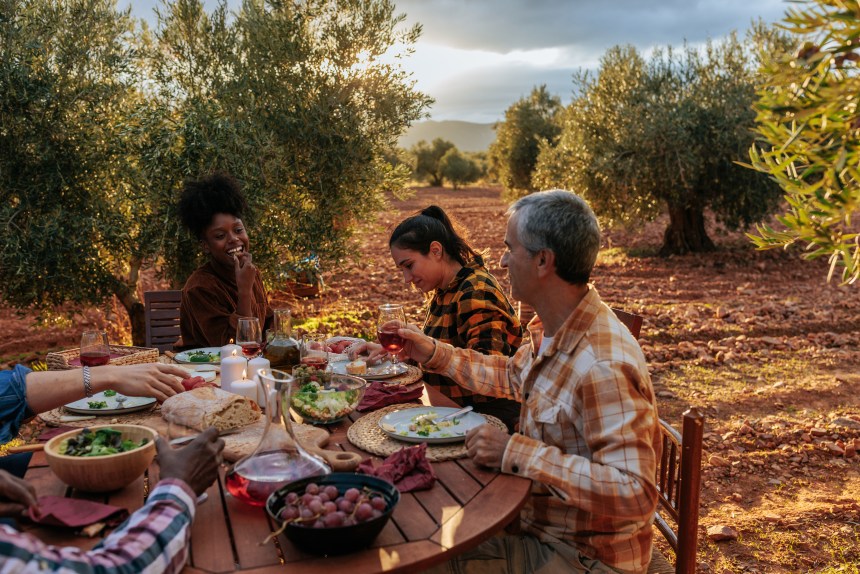
The Instagram version of agritourism is easy to imagine: a farmhouse, a basket of tomatoes and a long lunch beneath a pergola.
Real farm experiences are usually more ordinary, and much more interesting.
You might walk muddy paths before breakfast, sort olives, learn how coffee cherries are graded, help prepare lunch, watch a winemaker check fermenting grapes or sit at a family kitchen table while someone explains a recipe that has never been written down.
A genuine food farm tour should connect the meal to agricultural work, local people and the surrounding landscape. It should also respect the fact that farms are working environments, not theatrical sets.
The local advantage: A knowledgeable guide can help arrange experiences where visitors are welcomed as guests rather than simply processed as customers. They can explain what is appropriate to photograph, where visitors can walk and when farm work needs to take priority.
Tuscany: truffles, olive groves and the rhythm of harvest
Few places demonstrate the pleasure of seasonal food better than Tuscany. Base yourself around Florence, Siena or a smaller countryside town, then follow the produce outward into the hills.
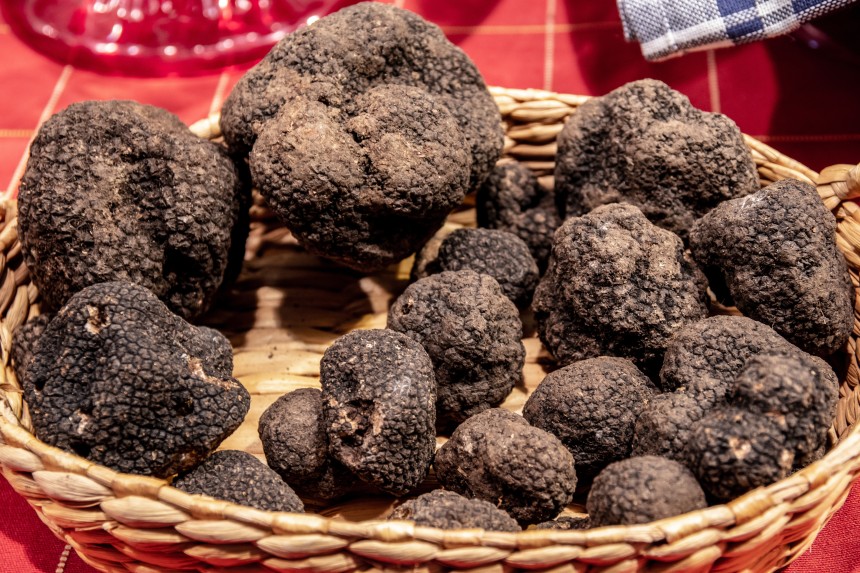
Truffle hunting is particularly revealing because the valuable ingredient is invisible. Around San Miniato, trained dogs accompany hunters into woodland to locate truffles beneath the soil. White truffle season is concentrated in autumn, while other varieties appear at different times of year.
Autumn also brings grape and olive harvests. Exact dates change with weather and ripeness, so a local guide can check what is actually happening during your visit rather than relying on a fixed calendar.
A rewarding arrangement is a morning on a farm, followed by lunch made with local produce. You experience the work first, then taste the result while the process is still fresh in your mind.
Colombia: follow coffee from cherry to cup
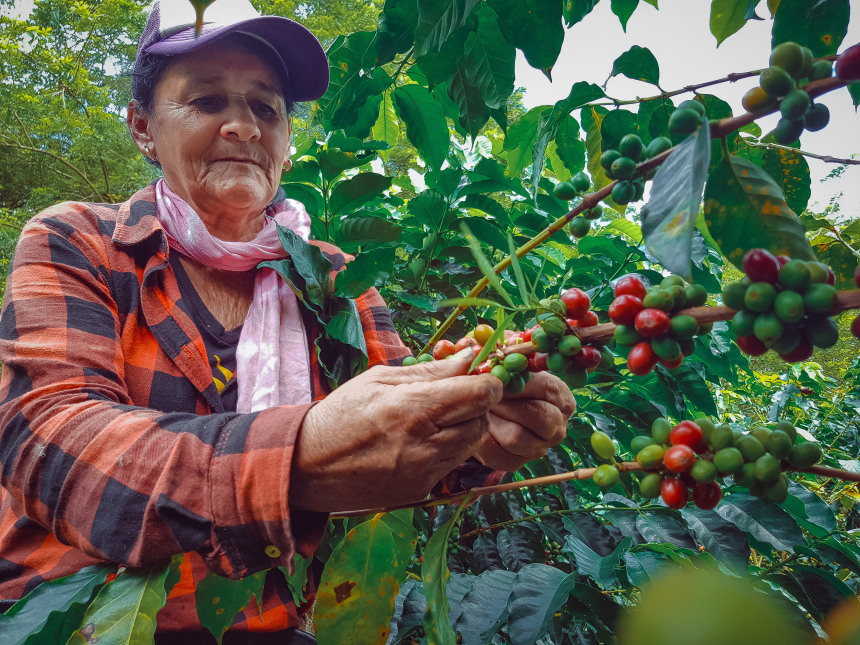
In Colombia, the farm is inseparable from the culture of coffee. The Coffee Cultural Landscape, which covers parts of Caldas, Quindío, Risaralda, and Valle del Cauca, is a UNESCO World Heritage site and one of the country's defining agricultural regions.
Manizales, Pereira and Armenia make useful bases for reaching plantations, while Salento and Filandia offer a more rural atmosphere. Visitors can see cultivation, harvesting and processing before tasting coffee at its origin.
The best experience is not necessarily the plantation with the most elaborate visitor centre. Look for a working farm where you can walk among the plants, learn about harvesting, see processing, and spend time with growers.
A private guide can make the geography easier to understand. The mountainous terrain and scattered farms make independent exploration time-consuming, especially if you want several agricultural experiences rather than a single commercial coffee attraction.
Provence: olive oil, cheese, fruit and farm kitchens
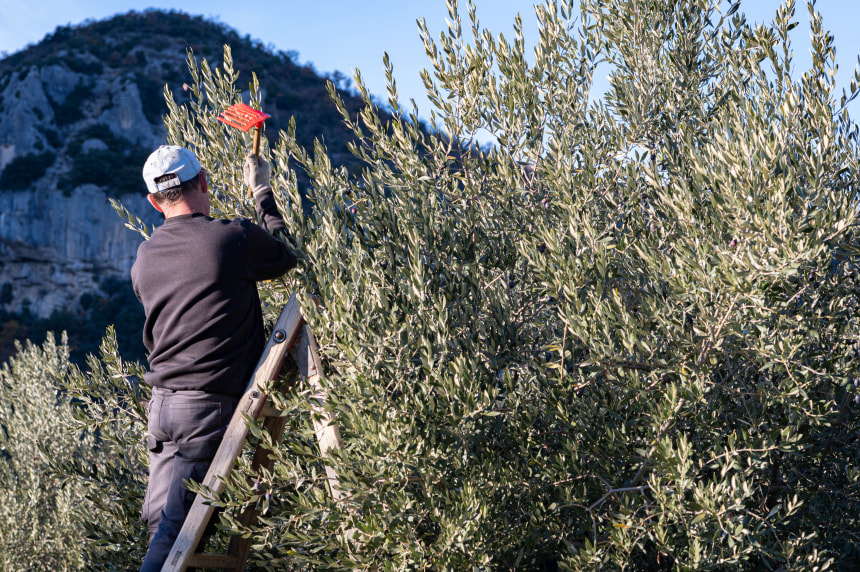
For a Mediterranean version of agritourism, look towards Provence, particularly around Avignon, Aix-en-Provence and the Luberon.
The region offers farm stays, producer visits, and seasonal activities related to fruit, vegetables, olive oil, cheese, honey, and wine. Its variety makes it especially appealing for travellers who want more than one type of food experience.
You might spend a morning with an olive producer, visit a small farm shop and finish with lunch built around ingredients from nearby fields.
The practical challenge is distance. Farms are spread across rural areas, and the most interesting producers are not always easy to reach without a car. A local guide can build the day around a particular crop or producer, rather than simply sending you from one well-known visitor attraction to another.
Sicily: food shaped by farms and volcanic soil
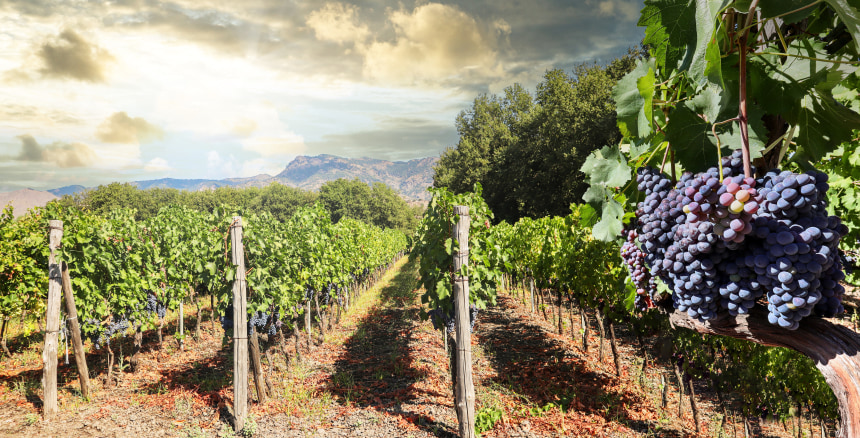
Sicily offers another compelling interpretation of food-at-source. Around Catania, the slopes of Mount Etna provide vineyards and agricultural landscapes where altitude and volcanic terrain influence cultivation. Elsewhere, olive oil producers, farms, dairies and wineries create opportunities for intimate food experiences.
The island has an established network of agricultural companies, wineries, oil mills, farms and dairies that welcome visitors for tastings, production visits, traditional meals and sensory workshops.
Sicily is particularly rewarding for travellers who want food to remain central to the itinerary. A farm visit can naturally lead into dishes built around vegetables, cheese, olive oil, and seasonal produce, rather than treating the tasting as a separate activity.
A guide can connect those ingredients to place, explaining which products belong to which landscape and helping distinguish a working producer from a venue designed primarily for visitors.
The Basque Country: cheese, cider and the family farm
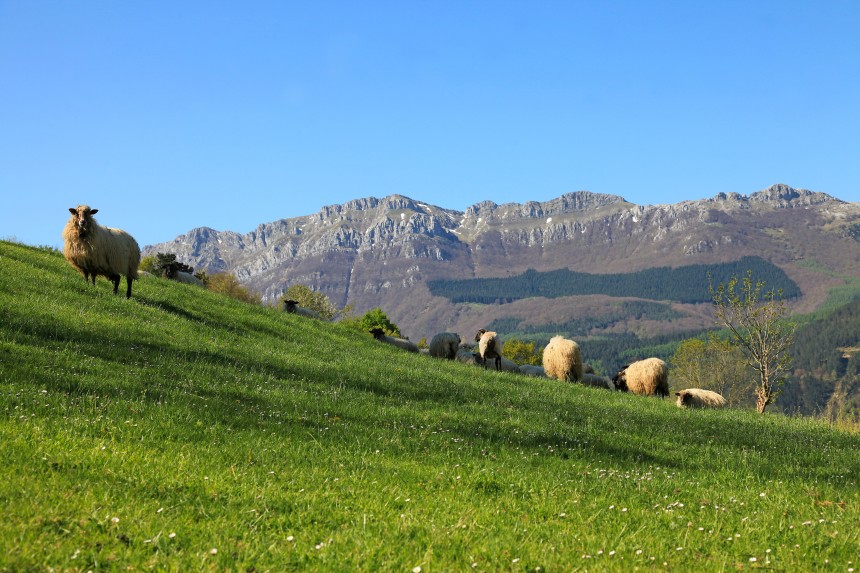
In northern Spain, the Basque Country offers a deeply social version of farm travel. Around San Sebastian, Bilbao and the rural Gipuzkoa countryside, food culture reaches directly into working farms and family homes.
Cheese is one of the strongest entry points. Visitors can meet shepherds, see flocks and learn how cheese is made before tasting it. Cider provides another route into the countryside, allowing travellers to understand the agricultural traditions behind a drink closely woven into local food culture.
This is a destination where a guide can be especially valuable for language and context. The traditional farmhouse is not simply a photogenic rural building. It represents a living agricultural tradition, and conversations with producers reveal far more than a standard tasting menu can.
Stellenbosch: vineyards and the Cape table
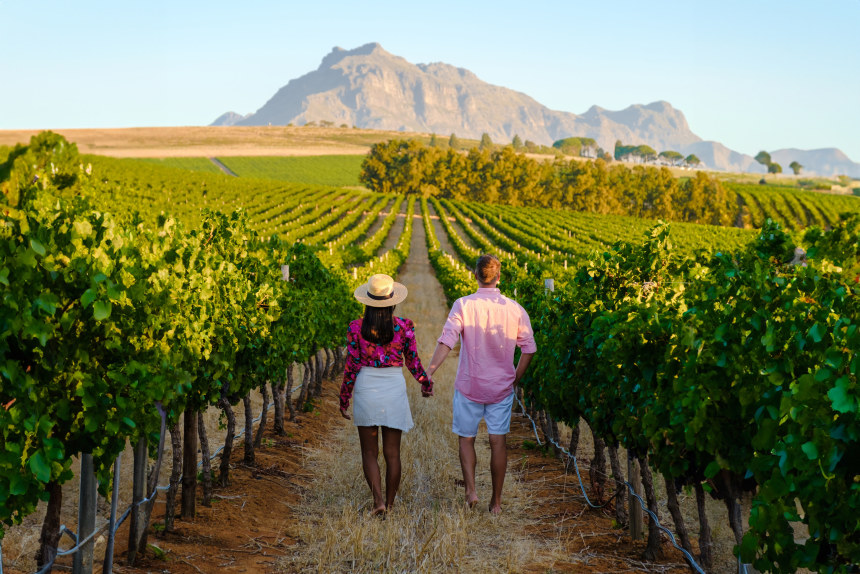
Near Cape Town, Stellenbosch offers an accessible way to combine agricultural landscapes with serious food and wine.
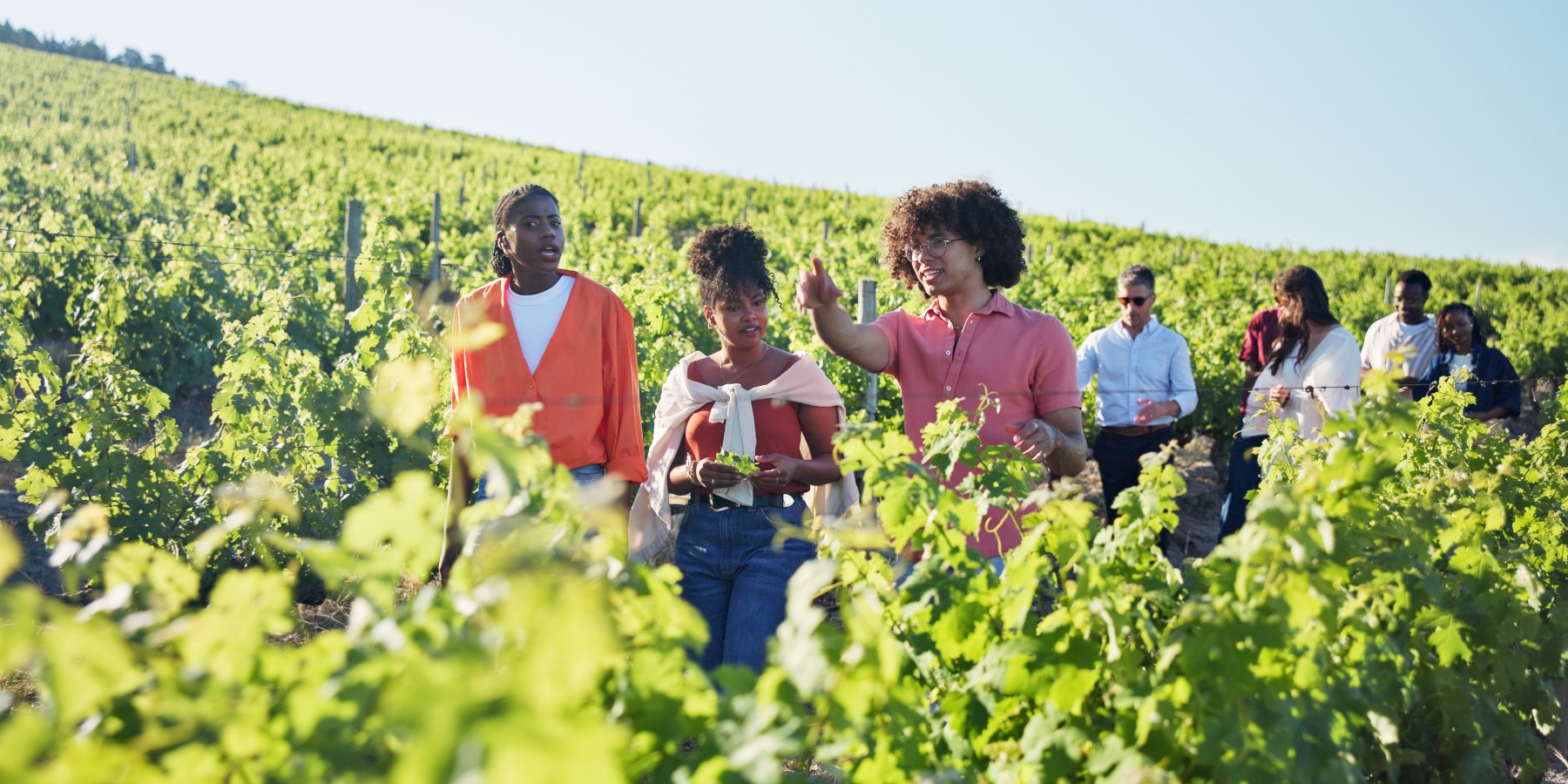
Harvest is particularly atmospheric. February is the main grape-harvesting period, although the exact timing depends on the vineyard and growing conditions. Some estates allow visitors to observe grape processing and cellar work, while others focus more on tastings and meals.
A good guided day might combine a working vineyard, a farm kitchen and a smaller producer rather than several large tasting rooms. That creates a clearer sense of how ingredients move through the local food system.
If agriculture is your priority, tell your guide that you want to see production rather than simply visit tasting rooms.
What a local guide adds
A farm is not necessarily an attraction. It is someone's workplace, livelihood and family environment.
That is why relationships matter.
A local guide may know which farmer enjoys meeting visitors, which estate can accommodate a private lunch, which producer is harvesting that week and which places are better visited quietly rather than in a large group.
The guide also fills in stories that a farm sign cannot. Why is one olive variety preferred locally? What happens to imperfect produce? Which foods are reserved for celebrations? Why does harvest begin at dawn?
Those conversations turn agritourism into cultural travel.
How to brief your TourHQ guide
Be specific before the trip. Instead of asking for a generic farm tour, explain what you want to understand.
Mention the ingredients that interest you, whether you want hands-on participation, your preferred group size, dietary requirements and how much time you want to spend with farmers rather than restaurants.
Ask the guide to prioritise working farms, family producers or smaller estates. If you want a harvest experience, ask them to confirm what is actually being harvested during your dates.
Also ask about transport. Rural farms can be scattered, roads may be unsuitable for unfamiliar drivers, and public transport rarely connects neatly between agricultural sites.
The best brief is seasonal: tell your guide what food you want to encounter, then let local knowledge determine where and when it happens.
Plan around the harvest
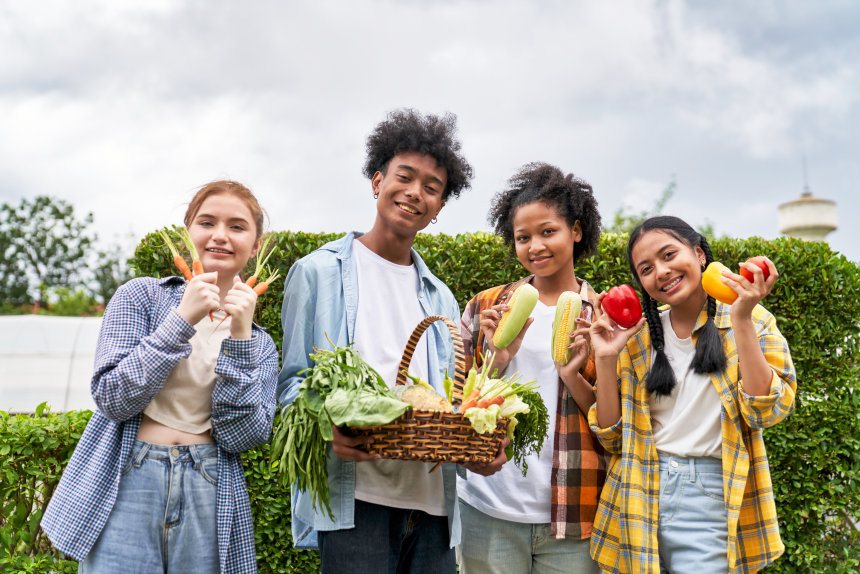
Farm travel rewards flexibility. Harvest dates shift with weather, rainfall, altitude and crop conditions.
In Tuscany, September through November can bring grapes, olives, truffles and autumn produce.
In Colombia's Coffee Region, harvesting varies by area and elevation, so your guide should check local conditions rather than rely on a generic annual calendar.
In Provence, agricultural experiences change with the season, from spring and summer fruit and vegetables to autumn olives and other produce.
In Sicily, vineyards, olives, citrus and seasonal vegetables offer different windows depending on the crop and location.
In the Basque Country, cheese and cider experiences follow their own agricultural rhythms, making advance planning worthwhile.
Around Stellenbosch, February is strongly associated with grape harvest, although each vineyard follows its own growing conditions.
If your priority is participation rather than simply seeing fields, tell your guide clearly. Some agricultural work has safety or insurance restrictions, while other activities can be adapted for visitors.
The reward is simple. You sit down to eat knowing where the ingredients came from, who handled them and what season brought them to the table. That is the real promise of farm-to-table travel: not merely eating locally, but travelling far enough into the story that the meal finally makes sense.
Looking for a farm experience that matches your travel dates and interests? Find a local guide through TourHQ and ask about working farms, seasonal harvests and private food experiences in your destination.