


| 8 mins read
Africa is often introduced through its wildlife. A lion at dawn, elephants crossing a dusty track, wildebeest moving towards the horizon.
However, upon arrival, the picture becomes much larger.
There are forests where gorillas move through dense vegetation, mountains that demand several days on foot, wetlands explored by canoe and coastlines where shipwrecks lie among the fog.
For anyone planning an African safari, the more interesting question is not simply where to see animals. It is what kind of journey you want to have.
Kenya safari experiences in the Maasai Mara
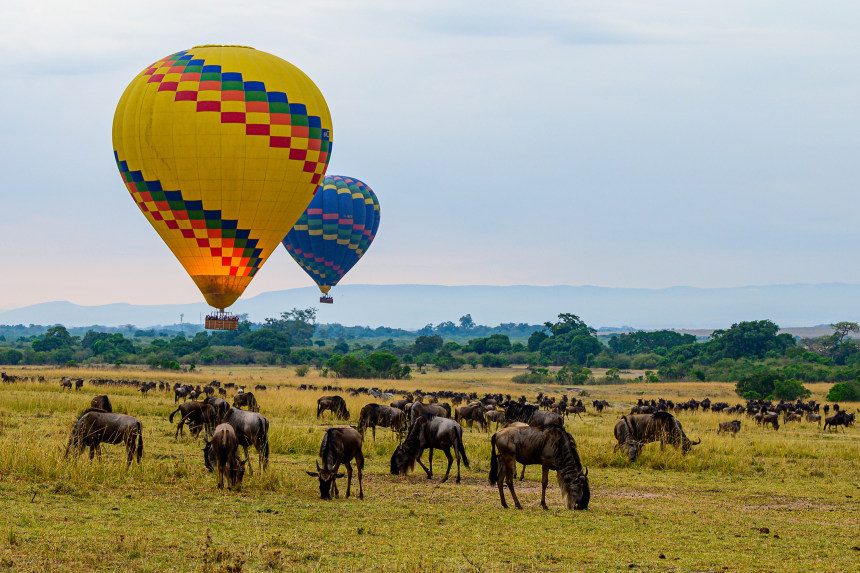
The Maasai Mara safari remains one of the defining African wildlife experiences, particularly for travellers drawn to open grasslands, big cats and enormous herds of herbivores.
The Great Migration is generally associated with July through October, although the animals respond to rainfall and grazing conditions rather than a fixed calendar. January and February can also offer excellent wildlife viewing.
How long should you stay
Allow three to five days in the Mara.
That gives you time to experience the reserve at different hours instead of turning every drive into a search for a dramatic sighting. Around the Mara, a carefully arranged community visit can also introduce travellers to Maasai crafts, livelihoods and contemporary life.
A private tour guide in Maasai Mara can be useful when wildlife viewing and cultural experiences form part of the same itinerary. Local knowledge can influence where you go, when you go and how you approach places outside the most obvious tourist routes.
Before heading into the reserve, spend a little time in Nairobi. Museums, restaurants, markets and the city's creative scene provide a useful introduction to present-day Kenya.
Tanzania safari holidays and Kilimanjaro trekking
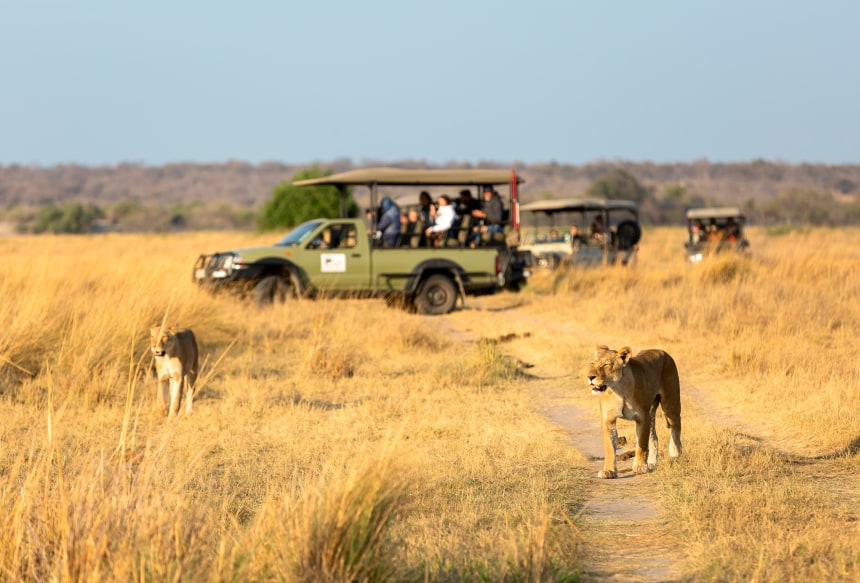
Tanzania brings together two very different ideas of African travel.
In the Serengeti National Park, the scale is extraordinary. Huge plains support migrating wildebeest and zebra alongside lions, cheetahs and other predators. Four to six days gives you enough time to explore without making every morning a race across the park.
Then the landscape changes completely.
Trekking Mount Kilimanjaro
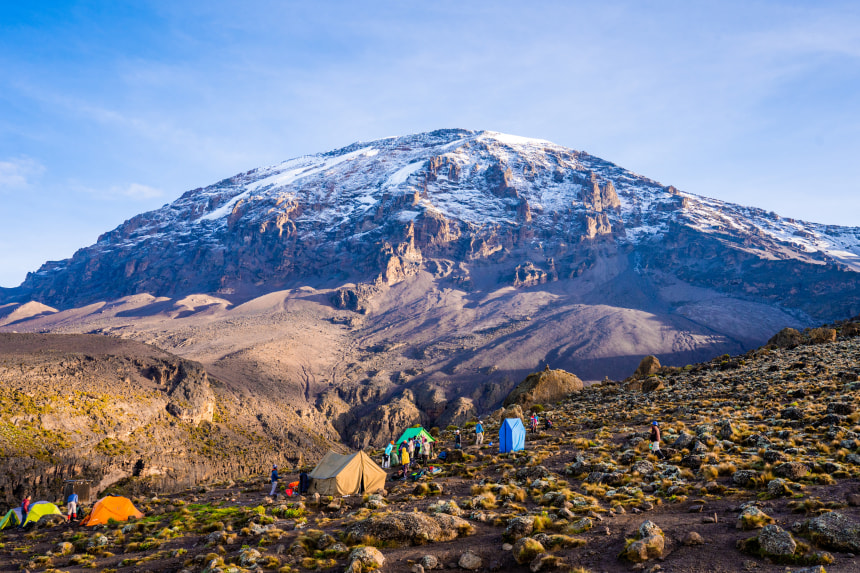
At 5,895 metres, Mount Kilimanjaro is Africa's highest mountain. The climb passes through rainforest, moorland and alpine terrain before reaching the stark upper slopes.
Allow around seven to nine days for a well-paced trek, depending on the route.
This is where an experienced Kilimanjaro tour guide matters. Altitude, weather, pacing and route decisions can influence the experience considerably.
Tanzania is particularly appealing for travellers who want to combine a Serengeti safari with Kilimanjaro trekking in the same trip.
Uganda gorilla trekking and mountain adventures
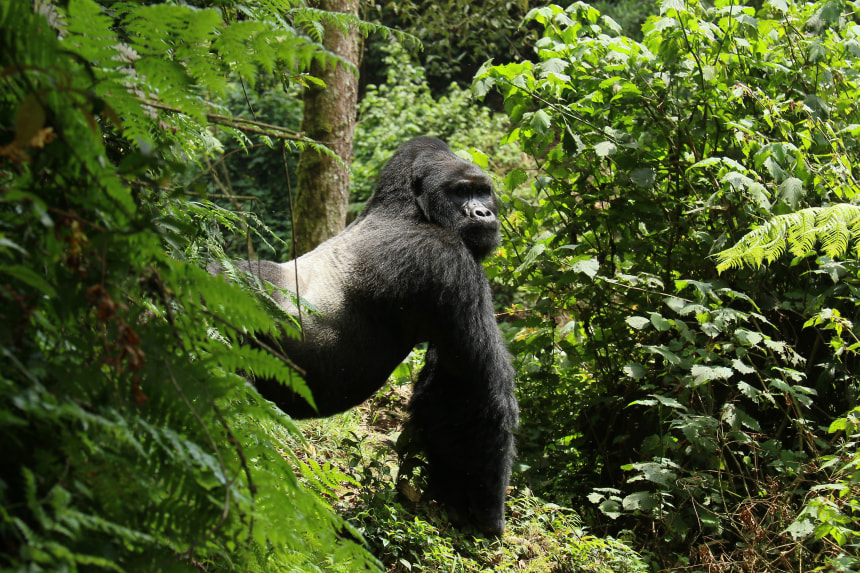
Uganda offers a much more intimate encounter with nature.
At Bwindi Impenetrable Forest, the experience happens on foot. Instead of scanning the horizon, visitors move through dense forest in search of mountain gorillas.
Into the forest
Plan three to four days around Bwindi.
The terrain can be steep, muddy and wet, so sturdy walking shoes and rain protection are important. Visitor behaviour around gorillas is also carefully regulated, making preparation and good guiding particularly valuable.
Travellers can look for a gorilla trekking guide in Bwindi who knows the forest and understands the practical realities of the trail.
For those seeking a more demanding experience, the Rwenzori Mountains offer high-altitude trails, dramatic vegetation, and long days on foot.
Botswana safari experiences in the Okavango Delta
The Okavango Delta changes the conventional safari experience because water shapes the landscape.
Channels, lagoons, reed beds and islands create habitat for elephants, hippos, crocodiles, lions, leopards and wild dogs, as well as exceptional birdlife.
See the Delta from the water
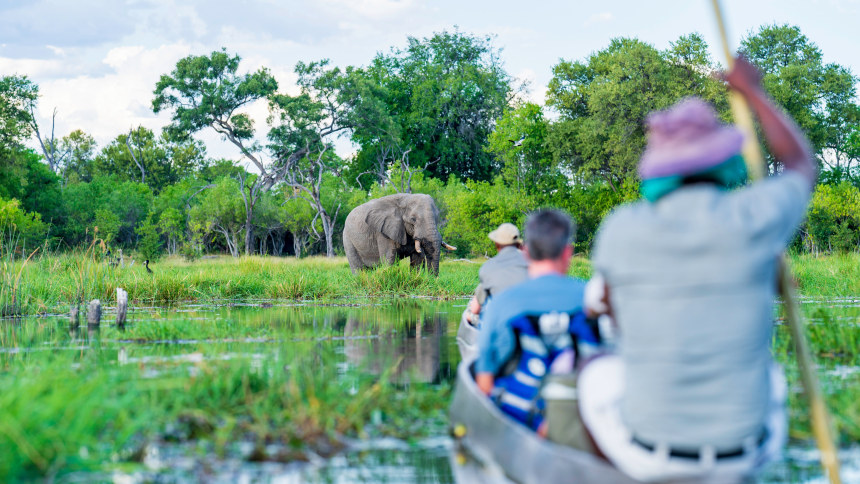
Stay for three to five days and combine game drives with a mokoro excursion where conditions permit.
The timing is distinctive too. Botswana's dry season coincides with the arrival of much of the Delta's floodwater, making roughly May through August particularly rewarding for wildlife and water-based experiences.
Maun is the main gateway to the Delta and can be a useful place to gain local insight before travelling deeper into the wilderness.
A Botswana safari guide can also be valuable because water levels affect which areas are accessible and which activities are feasible on a given day.
Namibia wildlife safaris and the Skeleton Coast
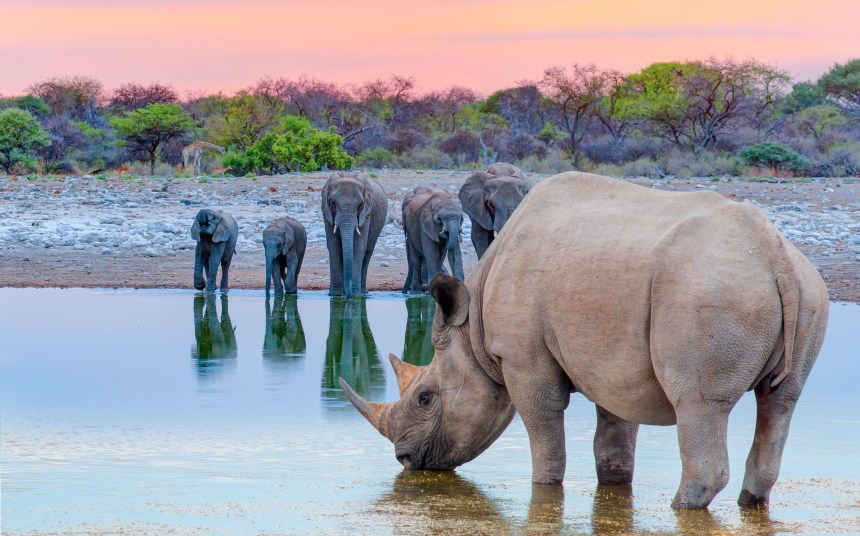
Namibia offers a very different vision of safari country.
At Etosha National Park, wildlife gathers around waterholes against a backdrop of a vast salt pan and dry bush. During the drier months, animals become easier to locate as water sources grow scarce, making this one of Namibia's most rewarding periods for wildlife viewing.
Allow four to six days if Etosha is a major part of your itinerary.
Then head west, and the mood changes entirely.
The haunting beauty of the Skeleton Coast
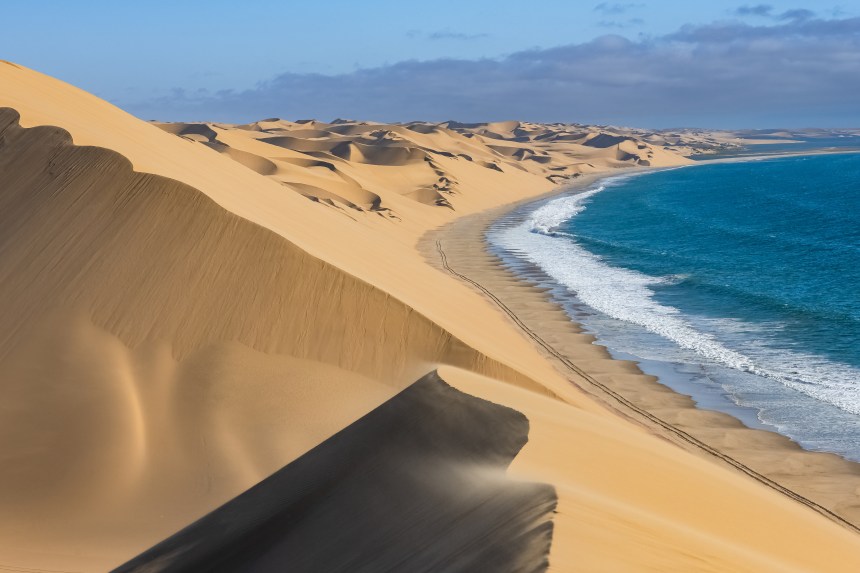
The Skeleton Coast is one of Namibia's most distinctive landscapes, where cold Atlantic fog meets desert and beaches marked by the remains of ships that never made it through the treacherous waters.
It is a strange combination of desolation and life. The coast supports large seal colonies and abundant birdlife, while the surrounding desert has produced remarkably resilient forms of wildlife.
The attraction is not simply the possibility of seeing animals. It is the landscape itself, immense, remote and difficult to confuse with anywhere else.
A private tour guide in Skeleton Coast National Park can be especially useful here because distances are vast and access varies considerably across the region. Along the Atlantic coast, Swakopmund also makes a practical base for exploring the country's contrasting desert and ocean environments.
South Africa for safari, mountains and city life
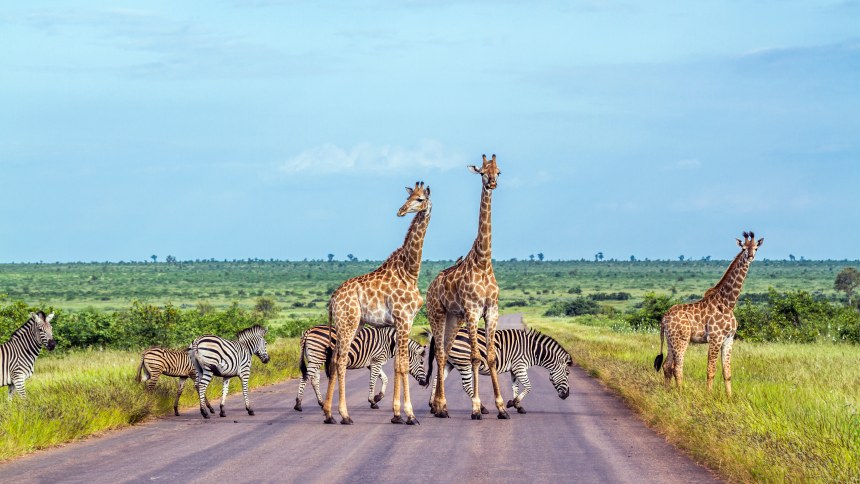
For travellers who want several different experiences without covering enormous distances, South Africa is an easy country to navigate.
Start with Kruger National Park for classic wildlife viewing, then head towards the Drakensberg Mountains for hiking, dramatic scenery and San rock art.
Allow three to four days in Kruger and another two to four days in the mountains.
The wider itinerary can extend to Cape Town, wine country, or the coast, making South Africa particularly appealing for travellers who want wildlife alongside food, culture, and urban experiences.
For a more tailored itinerary, a private tour guide in Cape Town can also help connect the safari portion with the country's very different city and mountain experiences.
The best time to visit Africa depends on what you want
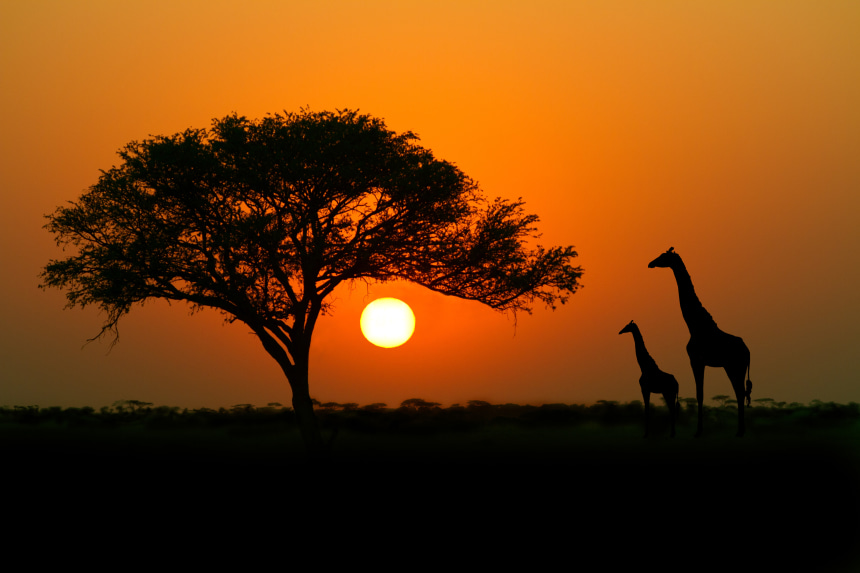
There is no single best season for the entire continent.
In Kenya and Tanzania, July through October is popular for dry-season wildlife viewing and migration, while January and February can be particularly appealing in parts of Tanzania.
In Botswana and Namibia, the drier months are generally excellent for wildlife because animals become more concentrated around available water.
Mountain trekking follows a different logic. Kilimanjaro is commonly climbed during the clearer periods from June through October and December through March.
Start with the experience you want and choose your travel dates around it.
How long should an Africa trip be
A focused seven- to ten-day Africa itinerary can work extremely well when you stay within one country or region.
Two weeks gives you more room to combine safari with trekking or cultural experiences.
What often works less well is trying to collect countries. Africa's distances are deceptive, and transfers can quietly consume a large part of a short holiday.
Leave some space in the itinerary. Wildlife does not keep appointments, and some of the most memorable encounters cannot be scheduled.
When a private tour guide is genuinely useful
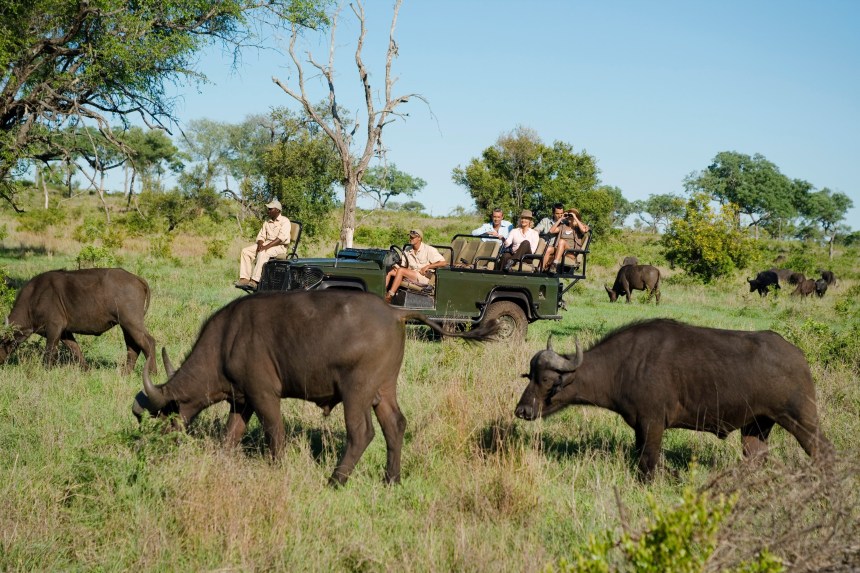
A good guide should offer more than information.
In the Serengeti, local knowledge can help interpret tracks and animal behaviour. In Bwindi, it means understanding the forest and the realities of the trail. In the Okavango, it can mean adjusting plans according to water conditions. Along the Skeleton Coast, it can bring meaning to a landscape that might otherwise seem stark and empty.
That is where tourHQ can fit naturally into an Africa itinerary. Travellers can look for a private tour guide whose knowledge matches the experience they actually want, whether that means safari, trekking, culture or a combination of all three.
The value is not having someone beside you.
It is having someone who understands where you are.
Practical tips for planning an African safari
Pack layers, because early-morning game drives can be surprisingly cool.
Bring proper walking shoes and rain protection for gorilla trekking and mountain routes.
Ask before photographing people during cultural visits and remember that communities are living societies, not attractions.
Do not assume every safari will produce a dramatic sighting. Sometimes watching elephants quietly cross a river is more rewarding than chasing a rare animal simply to get a better photograph.
Above all, resist the temptation to measure the trip by how many animals or countries you manage to tick off.
Africa rewards attention.
FAQ
Which African destination is best for a first safari?
Kenya, Tanzania and South Africa are strong choices because they offer excellent wildlife viewing alongside varied travel infrastructure and additional experiences.
How many days do you need for an African safari?
Three to five days works well for one safari region. Seven to fourteen days gives you more freedom to combine wildlife with trekking or cultural experiences.
Where can you combine safari and mountain trekking?
Tanzania is particularly well suited to combining the Serengeti with Kilimanjaro.
Is gorilla trekking physically difficult?
It can be demanding. Bwindi has steep, muddy trails, so fitness, proper footwear, and preparation are important.
When is the best time to visit Africa?
It depends on the destination and the experience. Dry periods are generally popular for safari viewing, while particular seasons are better for migration, mountain trekking, birdlife or lush landscapes.
Is a private tour guide worth it?
For remote safaris, mountain treks and culturally sensitive experiences, specialist local knowledge can improve logistics, interpretation, etiquette and flexibility.