


| 8 mins read
Adventure travel is no longer reserved for mountaineers and seasoned explorers. Today, it appeals to families, couples, solo travellers and anyone who wants to experience a destination through nature, movement and discovery.
For some, adventure means a wildlife walk at sunrise or a coastal hike above the sea. For others, it means crossing a glacier, climbing a volcano or trekking through the desert. The attraction is not always about danger or endurance. Often, it is simply about experiencing a place more closely.
Local knowledge can make that experience safer and more rewarding. A skilled guide understands changing weather, local terrain, wildlife behaviour and cultural context. Through tourHQ, travellers can connect with local guides for experiences ranging from accessible outdoor excursions to demanding expeditions.
Choosing Your Kind of Adventure
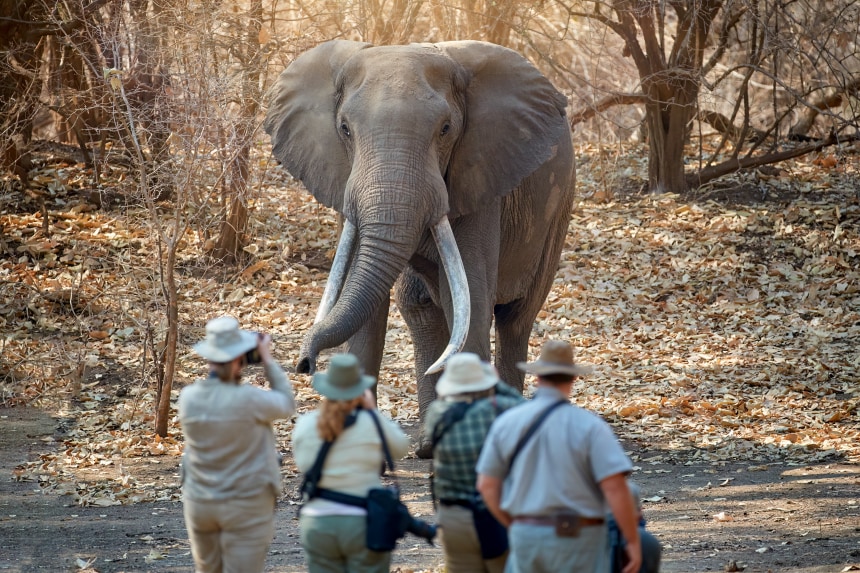
Soft adventure combines moderate activity with nature, scenery and cultural discovery. Wildlife walks, coastal hikes, volcano trails and nature treks can provide a genuine sense of exploration without requiring specialist training.
Extreme adventure demands more preparation. Glacier crossings, volcano summit expeditions, cave exploration and multi-day desert treks may involve challenging terrain, specialist equipment, and rapidly changing conditions. In these environments, professional guidance can be an essential part of responsible travel.
The right choice depends on your interests, experience and physical ability. There is no prize for choosing the hardest route. A well-matched adventure should challenge you while still allowing you to enjoy the destination.
Wildlife Walks in Kenya, Borneo and South Africa
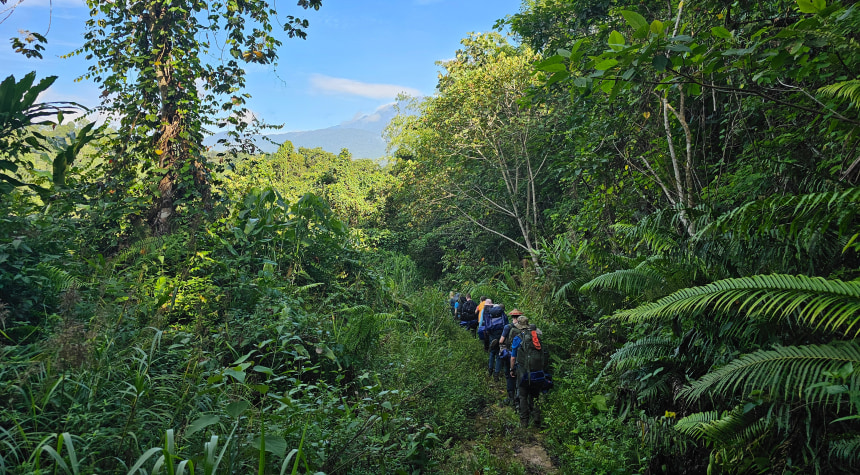
Some of the most fascinating adventures happen at walking pace.
In Kenya, guided wildlife walks reveal animal tracks, bird calls, plants and subtle changes in the landscape that are easily missed from a vehicle. Guides can explain how individual species interact and how the wider ecosystem functions. One of the must-visit places in Kenya is the Masai Mara.
In Borneo, rainforest trails pass through habitats inhabited by orangutans, proboscis monkeys, hornbills and countless plant species. Local guides can help visitors spot wildlife hidden in the dense vegetation of Mount Kinabalu while explaining the rainforest environment and conservation challenges.
In South Africa, guided bush walks at Kruger National Park combine wildlife observation with tracking and conservation. Rather than focusing only on famous animals, walkers learn to notice smaller creatures, plants and signs of animal activity.
Coastal Hiking Along Spectacular Shores
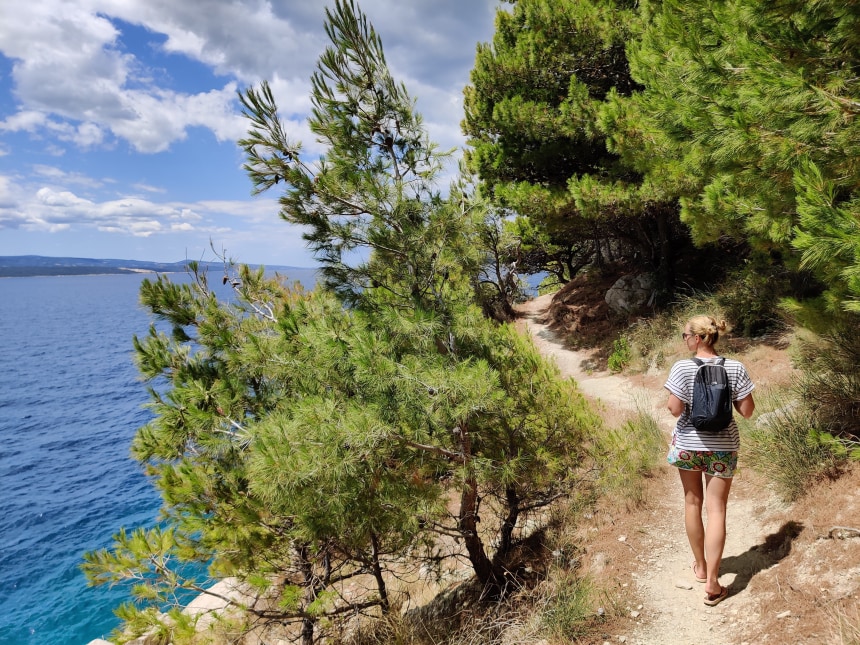
Coastal trails offer a rewarding combination of exercise, scenery and local history.
Croatia's Dalmatian Coast brings together historic settlements, olive groves, beaches and views across the Adriatic. A local guide from Brač or Hvar Islands can reveal old paths, quieter viewpoints and stories that add depth to the landscape.
Ireland offers a more dramatic experience, with cliffs, windswept headlands and villages shaped by maritime life. Local knowledge is particularly useful on exposed routes where weather can change quickly.
New Zealand's South Island combines beaches, native forest and mountain scenery. Guides can introduce travellers to local geology, wildlife and Māori heritage while helping them navigate changing coastal conditions.
Volcano Hiking in Iceland
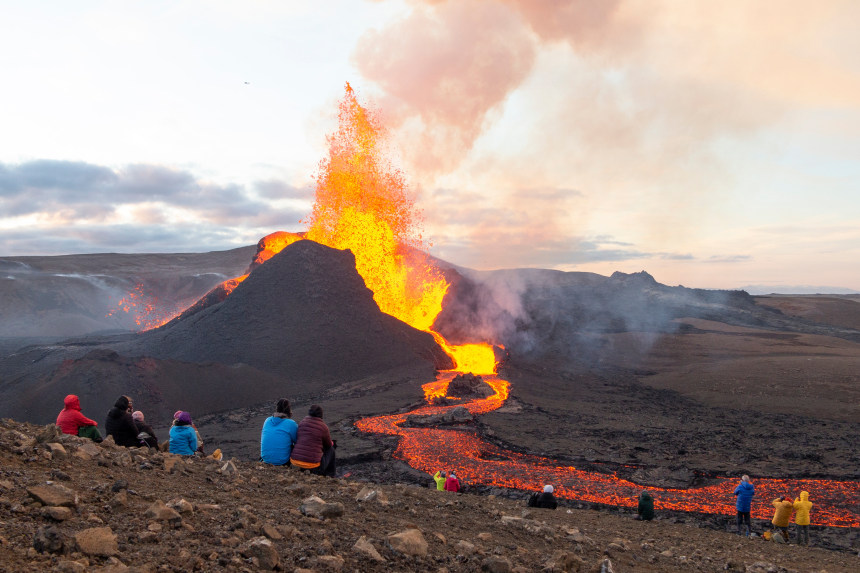
Iceland's lava fields, volcanic craters and geothermal landscapes make even a moderate hike feel otherworldly.
Some routes suit reasonably fit travellers, but Icelandic weather can change rapidly. Wind, rain, poor visibility and shifting trail conditions can alter a route's difficulty within hours.
A local guide can monitor conditions, choose suitable routes and explain the geological forces behind the landscape. The result is not simply a safer walk, but a better understanding of what makes Iceland so unusual.
Patagonia: Wilderness Without the Extreme Expedition
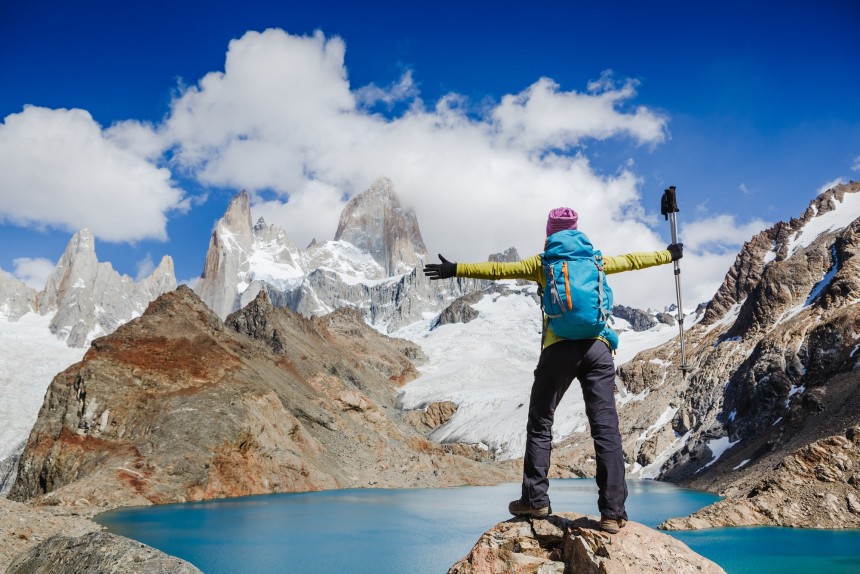
Patagonia is famous for demanding trekking, but travellers do not need to undertake a major expedition to appreciate its landscapes.
Southern Chile offers towering peaks, turquoise lakes, ancient forests and glaciers. Moderate nature treks provide spectacular scenery for travellers who enjoy walking but are not looking for technical challenges.
Weather is one of the region's biggest practical considerations. Strong winds and rain can appear unexpectedly, making flexible planning important. Experienced guides can adapt routes while sharing knowledge about Patagonia's wildlife, geology and conservation.
When Adventure Becomes Extreme
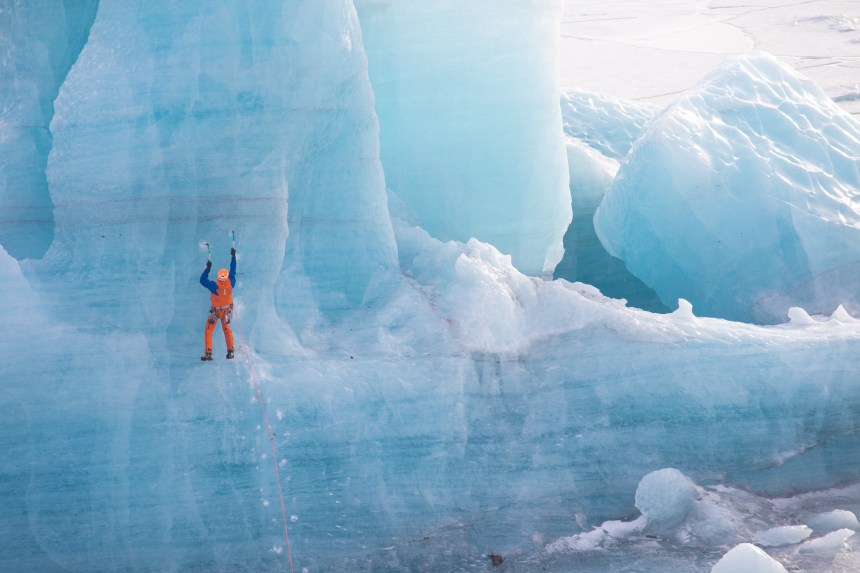
Some environments leave little room for guesswork.
Glacier trekking in Iceland is one example. Crevasses, unstable ice and changing weather make independent exploration dangerous. Proper glacier experiences require trained leaders and specialist equipment such as crampons, helmets and ropes. Guides assess conditions and select routes appropriate to the group's ability.
Volcano summit expeditions present another level of challenge. Peaks such as Snæfellsjökull and Hvannadalshnúkur require preparation, fitness and an understanding of mountain conditions. Snow, ice, steep terrain, and rapidly changing weather can affect an ascent, making experienced mountain guidance particularly valuable.
Adventure can also be found underground. Rome's ancient catacombs combine confined passageways with centuries of history. A knowledgeable guide helps visitors understand the archaeological and religious significance while navigating the site.
Desert Trekking in Wadi Rum
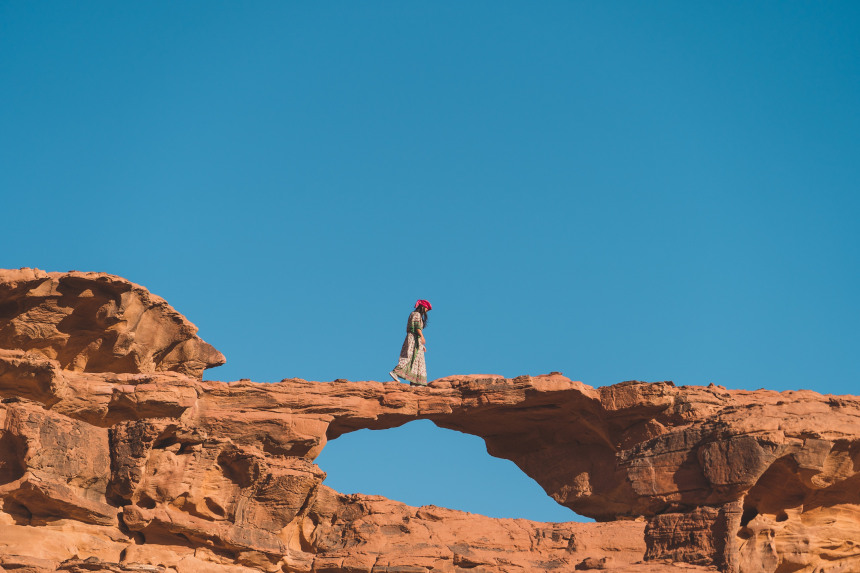
Wadi Rum's sandstone landscapes create an extraordinary setting for multi day desert adventures. Towering rock formations, dunes and enormous skies make the region spectacular, but the desert demands respect.
Day and night temperatures can vary dramatically, while navigation, water and shelter become important considerations on longer treks.
Local Bedouin guides bring generations of knowledge about the landscape. They understand routes and desert conditions while offering insight into the traditions and communities connected to Wadi Rum. Here, local expertise is as much a cultural resource as a practical one.
Be Honest About Your Fitness
Choosing an adventure begins with an honest assessment of your ability.
Before booking, tell your guide about your previous hiking experience, usual activity level and comfort with uneven terrain, long walking days or altitude. Be equally clear about the pace you prefer.
Some travellers want frequent breaks for photographs and scenery. Others prefer a steady pace. Sharing this information allows a guide to recommend an experience that genuinely suits you.
Choosing an easier route is not a failure. The best adventure is one that challenges you without preventing you from enjoying the landscape.
Why Local Guides Matter
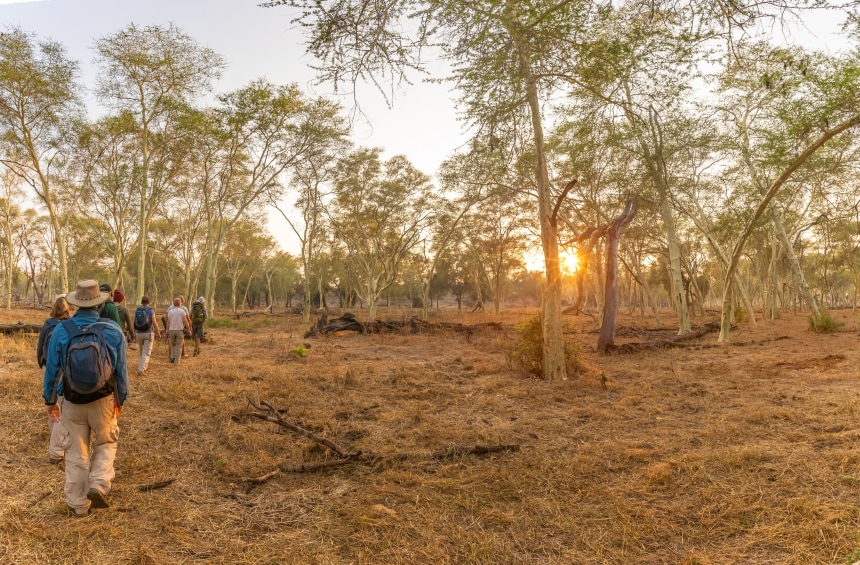
A guide should do more than lead the way.
In remote environments, conditions can change faster than a digital map can communicate. A guide can assess weather, terrain and group fatigue, then decide whether to continue, slow down or change the route.
Guides also provide something online research rarely can: interpretation. They can identify wildlife, explain geological features, share local traditions and place attractions within their historical context.
That matters because adventure is not simply about reaching the end of a trail. It is about understanding where you are.
Prepare Before You Leave
Good preparation improves both safety and comfort.
Wear footwear appropriate for the terrain and use layers that can be adjusted as conditions change. Carry water, snacks, sun protection and any personal medication you need.
For technical activities, ask your guide which specialist equipment is provided and what you need to bring yourself.
Travel insurance also deserves careful attention. Check that your policy covers the activities you plan to undertake, particularly glacier trekking, mountain climbing and other higher-risk experiences.
Finally, take the safety briefing seriously. Even experienced outdoor travellers can benefit from advice about unfamiliar terrain and local conditions.
Adventure Is About Connection
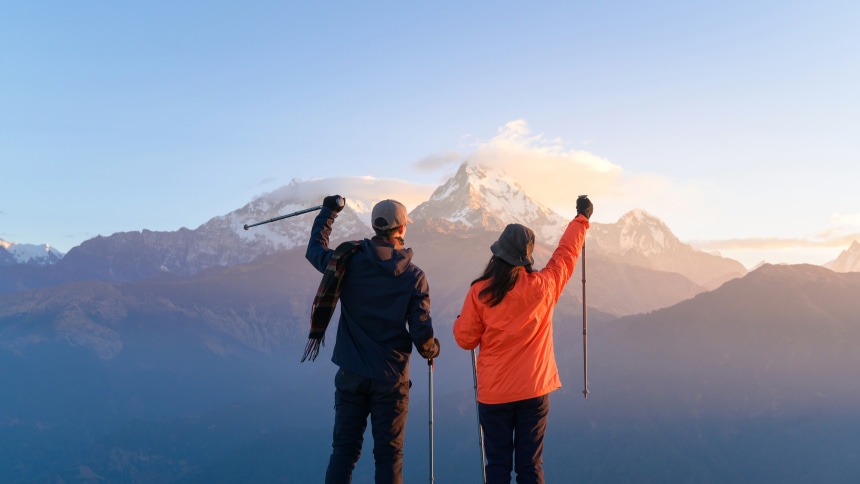
The greatest adventure is not necessarily the most difficult one.
It might be watching wildlife emerge at sunrise, following a coastal path, standing beside an ancient volcanic crater or seeing the stars appear above Wadi Rum. These moments create a closer relationship with a destination than conventional sightseeing often allows.
That is the real strength of guided adventure travel. A guide can help travellers move beyond simply seeing a landscape and begin to understand it.
Through tourHQ, travellers can find local guides for experiences across different levels of adventure. Whether your ideal journey is a relaxed nature walk or a demanding expedition, the important thing is to choose an experience that matches your abilities and interests.
Adventure does not have to mean pushing yourself to the limit. It can mean stepping beyond the usual tourist route, moving through a landscape at your own pace and allowing local knowledge to reveal a side of the destination you might otherwise miss.
Frequently Asked Questions
Is adventure travel suitable for beginners?
Yes. Wildlife walks, coastal hikes and accessible nature treks can be suitable for travellers with limited outdoor experience.
Do I need a guide for every adventure?
Not necessarily. However, guides become particularly important in remote, technical or unpredictable environments such as glaciers and high mountains.
What should I tell my guide before booking?
Explain your fitness level, previous outdoor experience, preferred pace and comfort with challenging terrain. This helps the guide recommend an appropriate experience.
What equipment do I need?
Basic hikes generally require suitable footwear, clothing, water and sun protection. Technical activities may require specialist equipment, so confirm requirements before departure.
Does travel insurance cover adventure activities?
Not always. Check your policy carefully and confirm that it covers the specific activities on your itinerary.
What is the biggest benefit of a local guide?
A local guide combines practical knowledge with cultural and environmental interpretation. They can help manage changing conditions while showing travellers details they might otherwise miss.