Day 01
Choose Your Taipei Metro Route
Meet your guide at the agreed location and choose one of the following three routes.
Route A: Lungshan Temple - Traditional Market - CKS Memorial Hall - Ximending - Dadaocheng
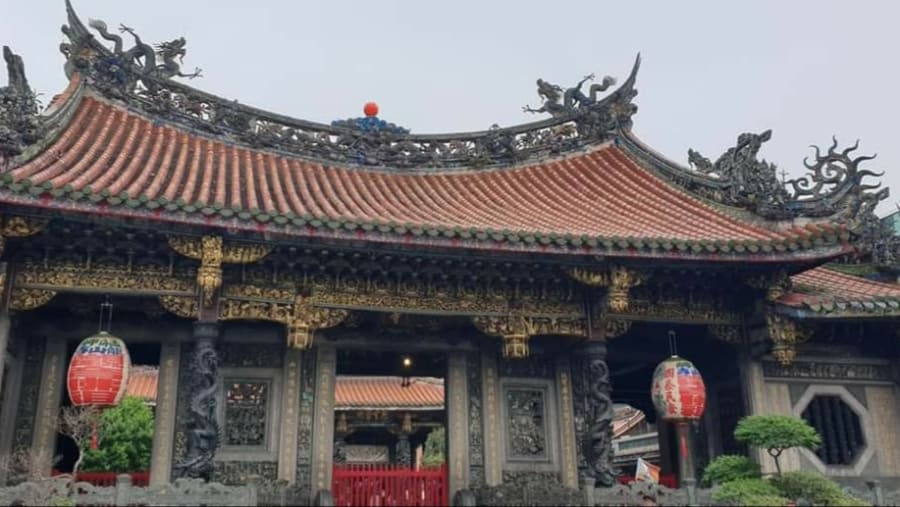
- Lungshan Temple is a famous old temple in Taiwan. It is dedicated to Guanshiyin Buddha and other divine spirits. The temple was built in 1740 during the Qing Dynasty. Due to natural disasters and damage caused by people, the temple has been restored several times. The doors, beams, and pillars are beautifully decorated. There is a pair of bronze dragon pillars in the front hall and four pairs of dragon pillars in the middle hall. The sculptures are delicate, and there are also exquisite wood carvings. The well and Buddha setting in the main hall are especially admired. The temple also features many Chinese poems, verses, and lyrics on signs, adding a touch of literature to its religious and sightseeing value.
- Taiwanese traditional markets have a unique charm that gives you a sense of the vibrant local lifestyle.
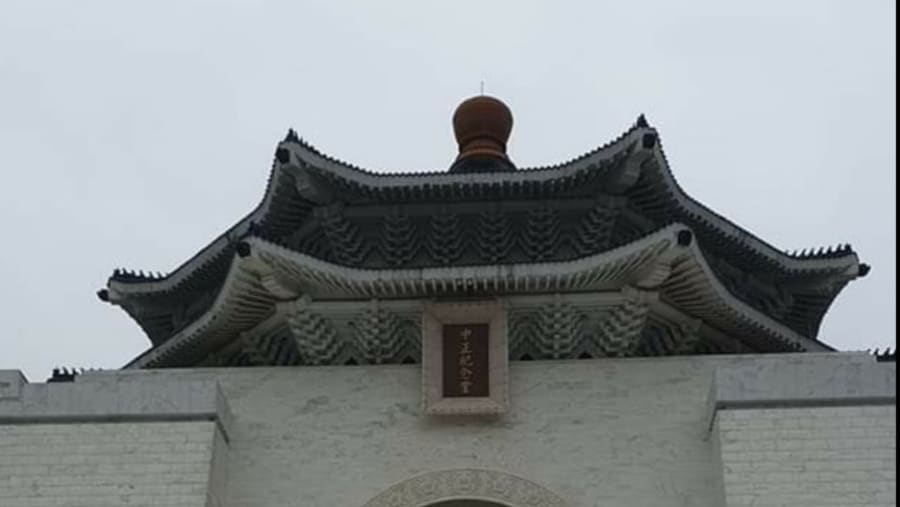
- The National Chiang Kai-shek Memorial Hall is a national monument, landmark, and tourist attraction erected in memory of Generalissimo Chiang Kai-shek, former President of the Republic of China. The Memorial Hall is white on all four sides. Its roof is blue and octagonal, reflecting the symbolism of the number eight, traditionally associated with abundance and good fortune in China. Two sets of white stairs, each with 89 steps representing Chiang's age at the time of his death, lead to the main entrance. The ground level of the memorial houses a library and a museum documenting Chiang Kai-shek's life and career, with exhibits detailing Taiwan's history and development. The upper level contains the main hall, where a large statue of Chiang Kai-shek stands and where a guard-mounting ceremony takes place at regular intervals.
- Ximending has been called the "Harajuku of Taipei" and the "Shibuya of Taipei." It is the source of Taiwan's fashion, subculture, and Japanese culture. Ximending also has a host of clubs and pubs in the surrounding area. Located in the northeastern part of Wanhua District in Taipei, it is the most important consumer district in the western part of the city. The well-known Ximending Pedestrian Area was the first pedestrian zone built in Taipei and is the largest in Taiwan.
- In the late 1880s, Dadaocheng began to prosper with the opening of Tamsui Harbor. It has since become a keystone of economic and cultural development. In Dadaocheng, you will see extravagant Baroque architecture, traditional Hokkien bungalows, and brilliant red-brick Western houses. Historical buildings, traditional folklore centres, tea houses, fabric stores, Chinese pharmacies, and local eateries are all rich in history. A new everyday aesthetic has emerged in the vintage neighbourhoods of Dadaocheng, where century-old stores meet contemporary innovation.
Route B: National Palace Museum - New Beitou - Tamsui
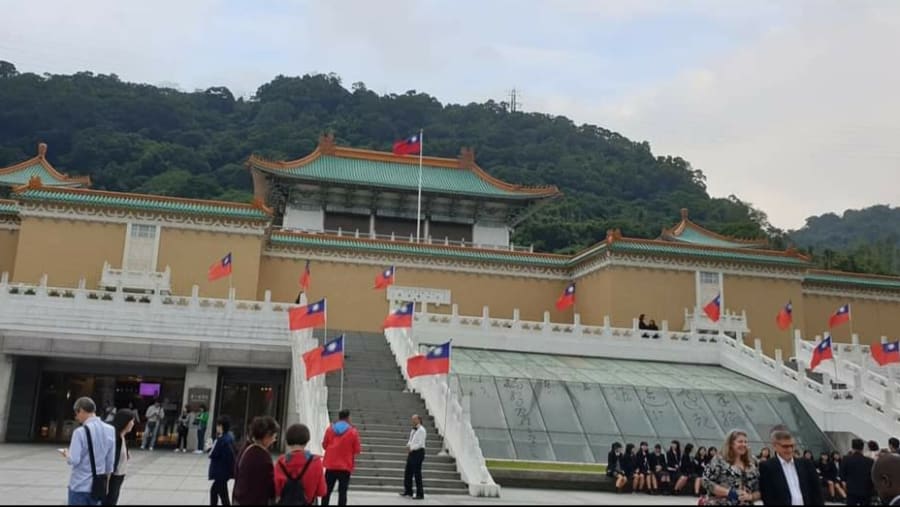
- The National Palace Museum was established in 1925 in Beijing. It has a permanent collection of nearly 700,000 pieces of Chinese artifacts and artworks, many of which were moved from the Palace Museum as well as five other institutions throughout mainland China during the ROC retreat, making it one of the largest museums of its kind in the world.
- The museum's collection encompasses items spanning 8,000 years of Chinese history, from the Neolithic age to the modern period. Most of the collection consists of high-quality pieces collected by Chinese emperors. The National Palace Museum shares its roots with the Palace Museum in the Forbidden City of Beijing, whose extensive collection of artwork and artifacts was built upon the imperial collections of the Ming and Qing dynasties.
- Hailed as the "paradise of hot springs" by the New York Times, Beitou boasts abundant resources and a long history. Famous attractions include Beitou hot springs, Yangmingshan National Park, and the Guandu Scenic Area. Beitou has become a major tourist hub because it meets the needs of modern travellers, including those interested in culture.
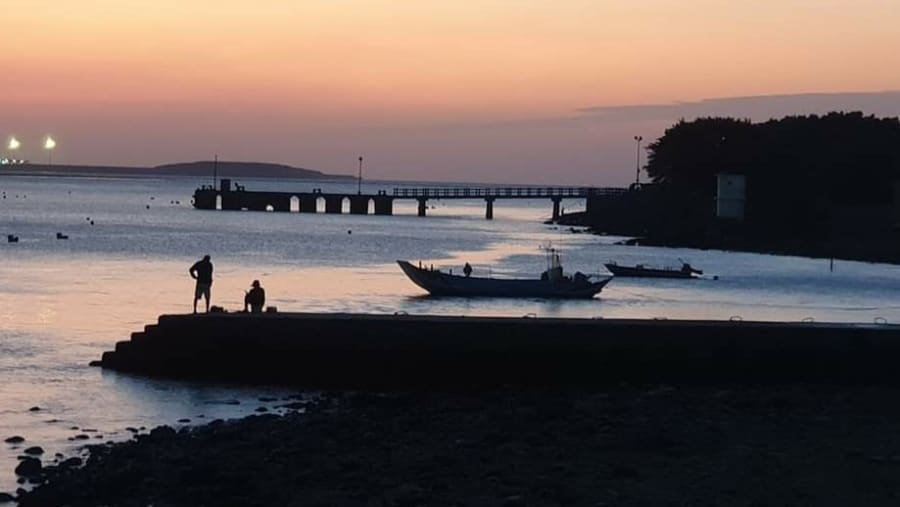
- Tamsui District is a seaside district in New Taipei, Taiwan. It is named after the Tamsui River, meaning "freshwater." The town is popular as a place to watch the sun set into the Taiwan Strait. Though modest in size, with a population of 184,192, it plays a significant role in Taiwanese culture.
Route C: Traditional Market - Taipei Zoo - Maokong Gondola
- Taiwanese traditional markets have a unique charm that gives you a sense of the vibrant local lifestyle.
- The Taipei Zoo, sometimes referred to as the "Muzha Zoo," is a public zoological garden in Wenshan District, Taipei, Taiwan. It is the most famous zoological garden in Taiwan and a leader in conservation, research, education, and recreation. It is also one of the largest zoos in Asia, with a total area of 165 hectares, of which more than 90 hectares are developed.
- With a total length of 4.03 kilometres, the Maokong Gondola is the first gondola system in Taipei City.
- The three most beautiful times to take the gondola are during the rain, at sunset, and at night when the city's lights are shining. As the gondola passes over the undulating terrain, you can glimpse moving Metro trains, the park along the Jingmei River, and the "giraffe" incinerator. When you reach the second stop, the gondola makes a big turn, giving you a panoramic view of the landscape, including vehicles moving along the freeway below. After passing Zhinan Temple Station, you will enter a steep V-shaped gully, where the gondola ride reaches its unforgettable climax. The final stop is Maokong, home to numerous tea plantations and tea shops. Many visitors make the trip here especially to have tea and chat. Be sure to visit a tea shop and order the famous "Muzha Tieguanyin" or "Wenshan Pouchong tea." The trip will be worth your while when you taste the delicious speciality tea and meal combo while enjoying the stunning scenery of Taipei Basin.