

Malbork Castle - PRIVATE tour from Gdansk (6h)
Highlights
Gdansk
Private Tour
6 Hours
EASY
Description
Your guide will greet you at the hotel and invite you for the fully private sightseeing.
Transfer from Gdansk to Malbork Castle, the medieval capital of the Teutonic Order in Eastern Europe.You will have a guided visit to the biggest red brick gothic castle in the world which earned it the title of being a “UNESCO World Heritage Site”. This is not only your chance to admire beautiful architecture, but also to experience what life was like in the past, see their technology, and an antique collection of arms.The Castle's cellars also host the "History of Amber" exhibition presenting an astounding collection of Baltic Sea amber including jewelry, and other products made out of amber. After this extraordinary visit, we will transfer back to Gdansk.
Itinerary
-
Malbork castle
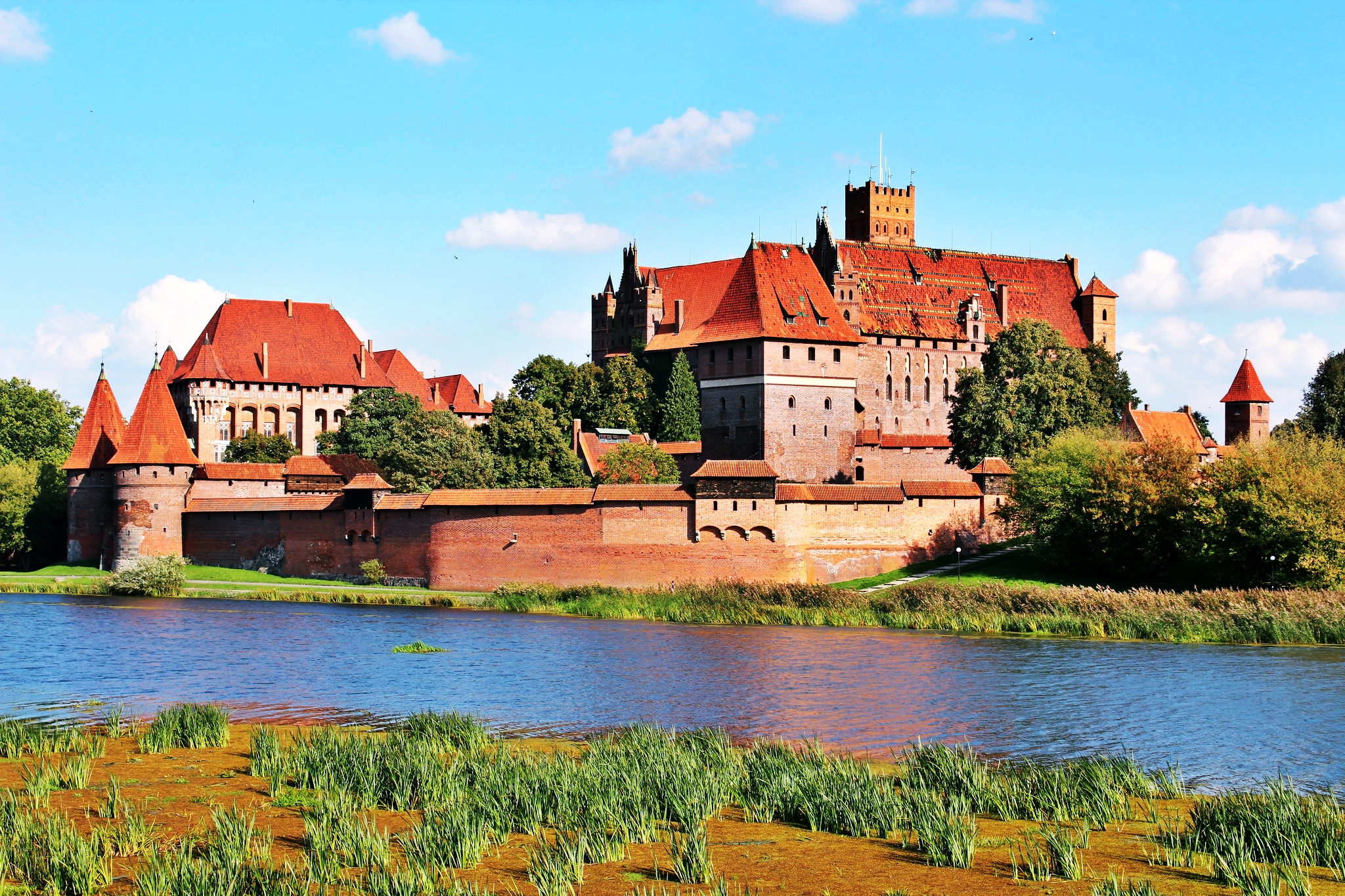
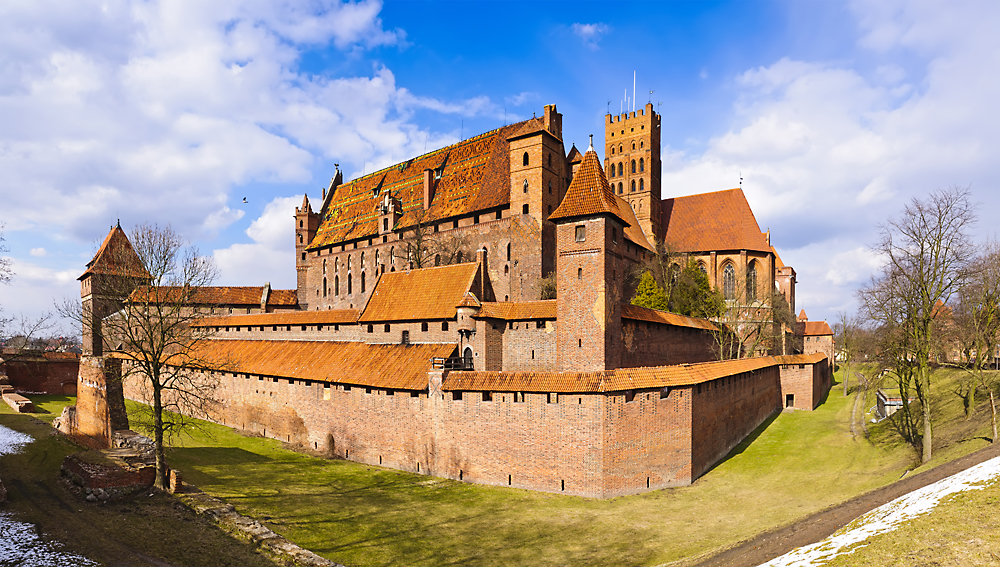
The Castle of the Teutonic Order in Malbork is an imposing castle fortification, the mightiest medieval fortress in Europe, and the largest brick construction in the world.Located in northern Poland, seated on the east bank of the Nogat River, Malbork Castle dates to the 13th century and was originally founded by the Teutonic Order.As the complex expanded in the 14th and 15th centuries, it eventually grew to become the largest bricked castle in the world in terms of surface area.Meticulously restored in the 19th and early 20th centuries, this stunning example of medieval engineering is now a UNESCO Heritage Monument.
-
Unconquerable fortress
The Malbork castle is the mightiest fortress of medieval Europe.Its construction begun in the 13th century. But major transformation begun in early 14th century, when the Grand Master Siegfried von Feuchtwangen moved his office to Malbork. The castle was promoted to the status of being the capital of one of the most powerful states on the southern coast of the Baltic.
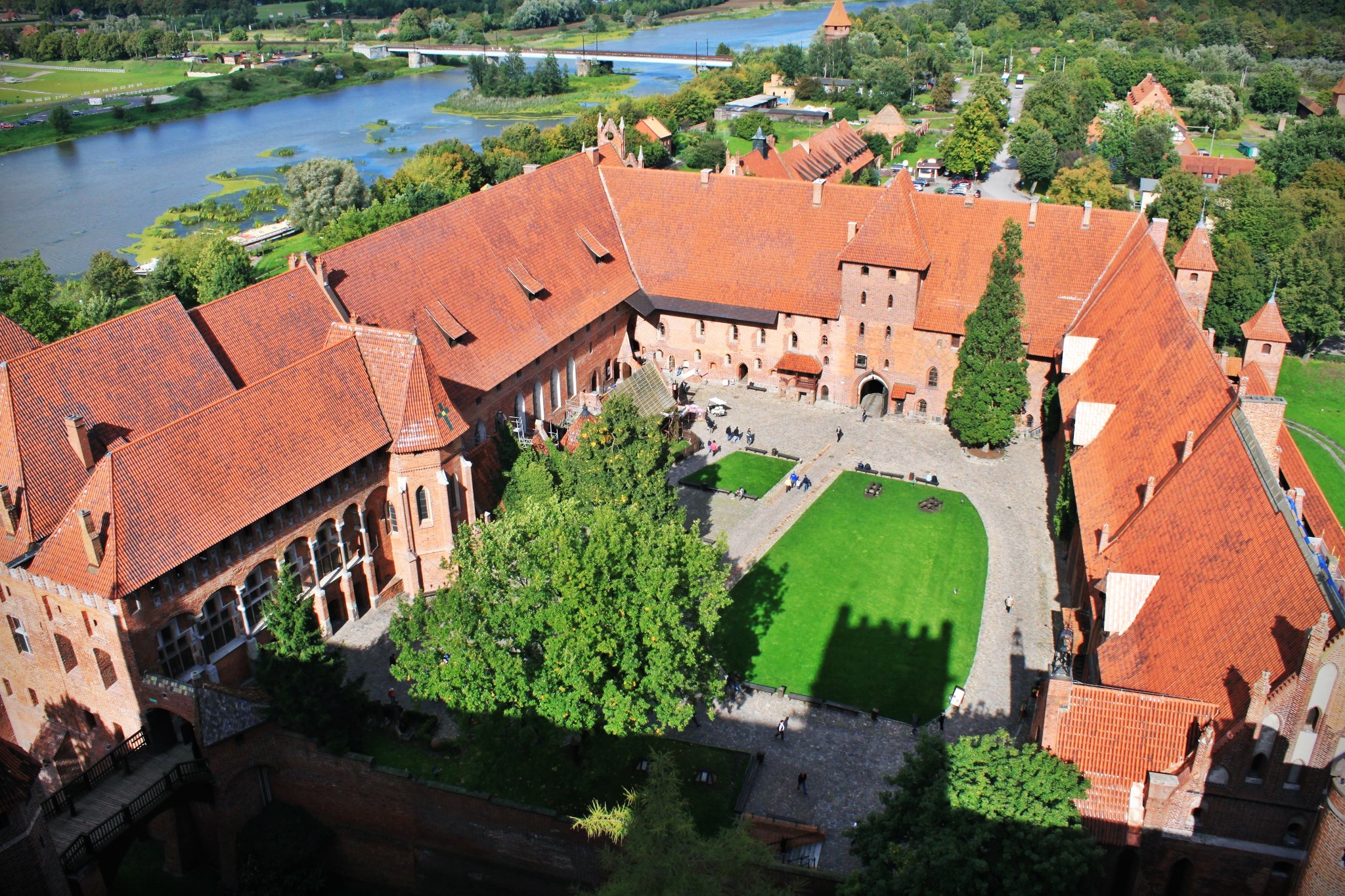
The old structure apparently could not fulfil its new functions in its current form. It took almost half a century to transform a convent house into a strongly fortified High Castle.Surrounded by deep moats and several rings of defensive walls, it housed several representative rooms.Among these are: the church of the Blessed Virgin Mary, enlarged by a new chancel, and St.Ann’s chapel beneath it – the burial site for the Grand Masters.The old settlement outside the outer walls was also expanded, becoming a spacious and functional Middle Castle available to knights – guests from Western Europe.
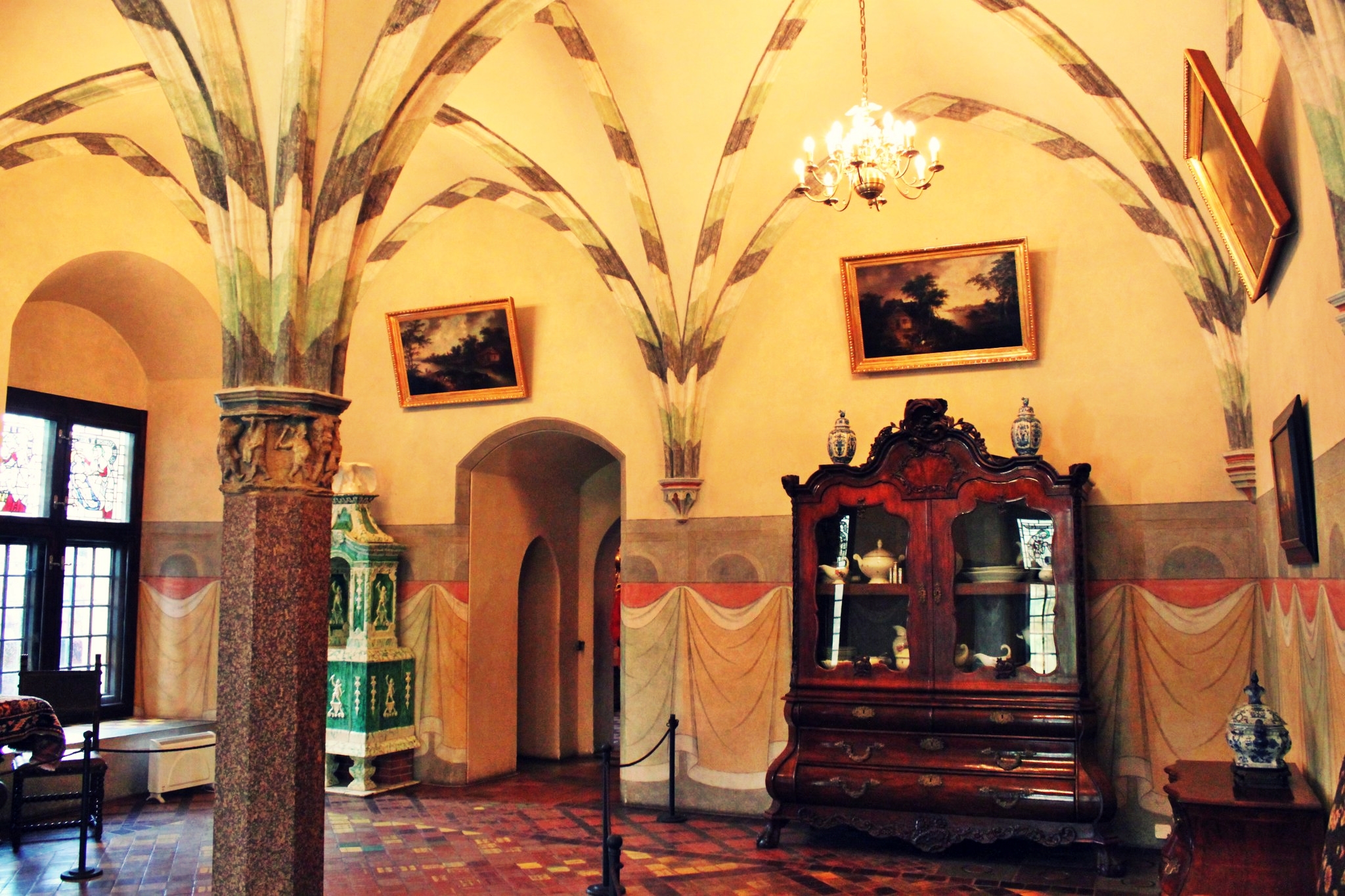
Apart from living quarters, the Grand Refectory – the largest hall in the castle – was also located here.It was topped with a beautiful fan vault.There was also an Infirmary for the older and sicker brothers, as well as the Palace of the Grand Masters.
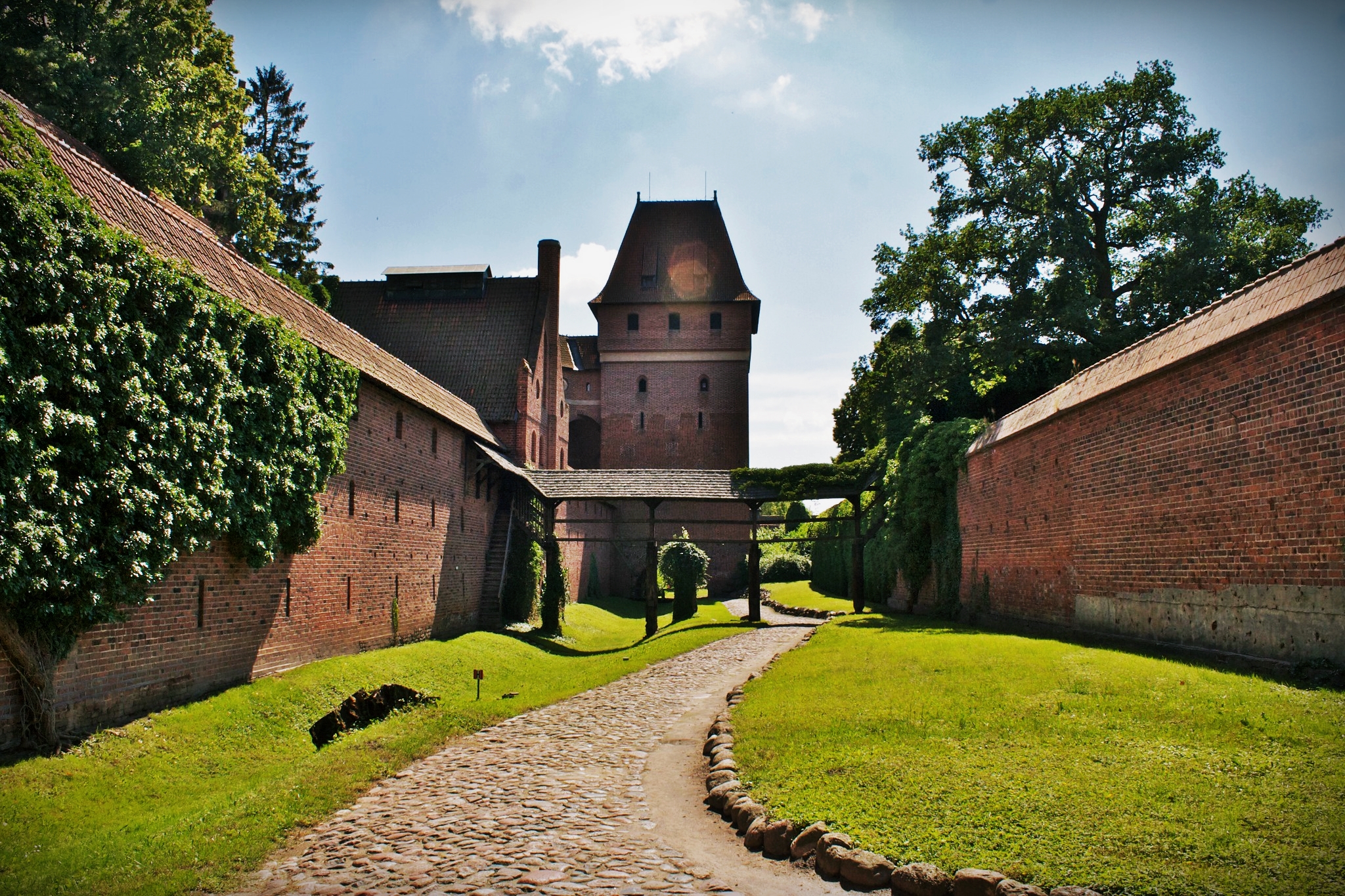
In the 14th and first half of the 15th century, a third part of the stronghold was established and expanded respectively – the Low Castle, known later as the Outer Castle.Among other buildings, the Karwan – a large armory for cannons and war carts, a granary on the shore of the Nogat river, as well as a number of outbuildings (a founder’s workshop, the stables, brewery, etc.) were all located there.St.Lawrence’s chapel, intended for the castle’s servants, is located next to one of them.The whole complex was surrounded by moats and defensive walls with countless towers, connected with the fortifications of the city of Malbork.
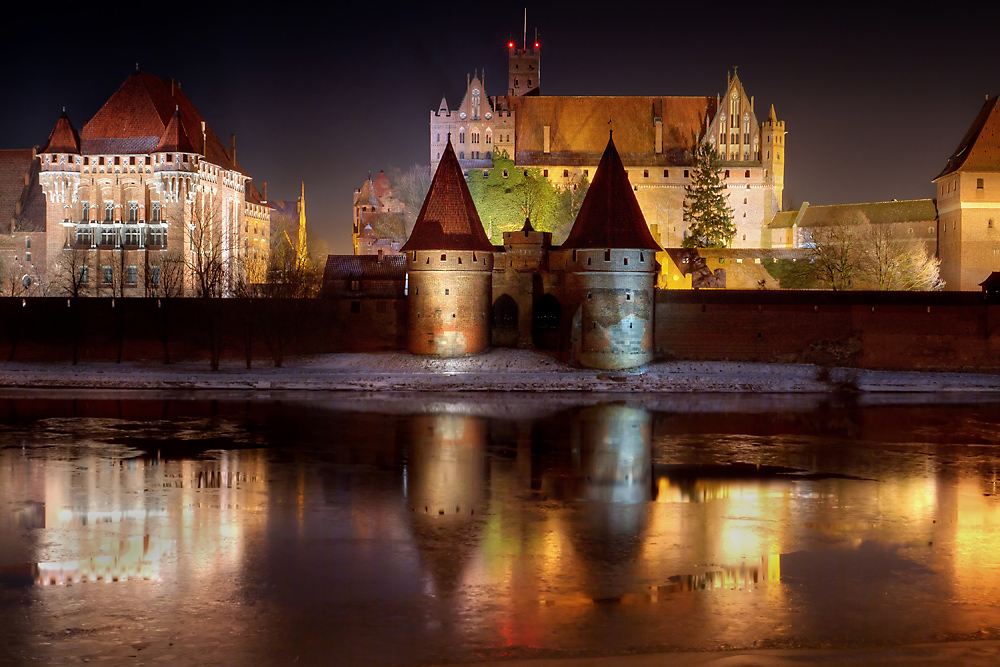
The best spot to admire the enormous size of the castle is from the Nogat River side.
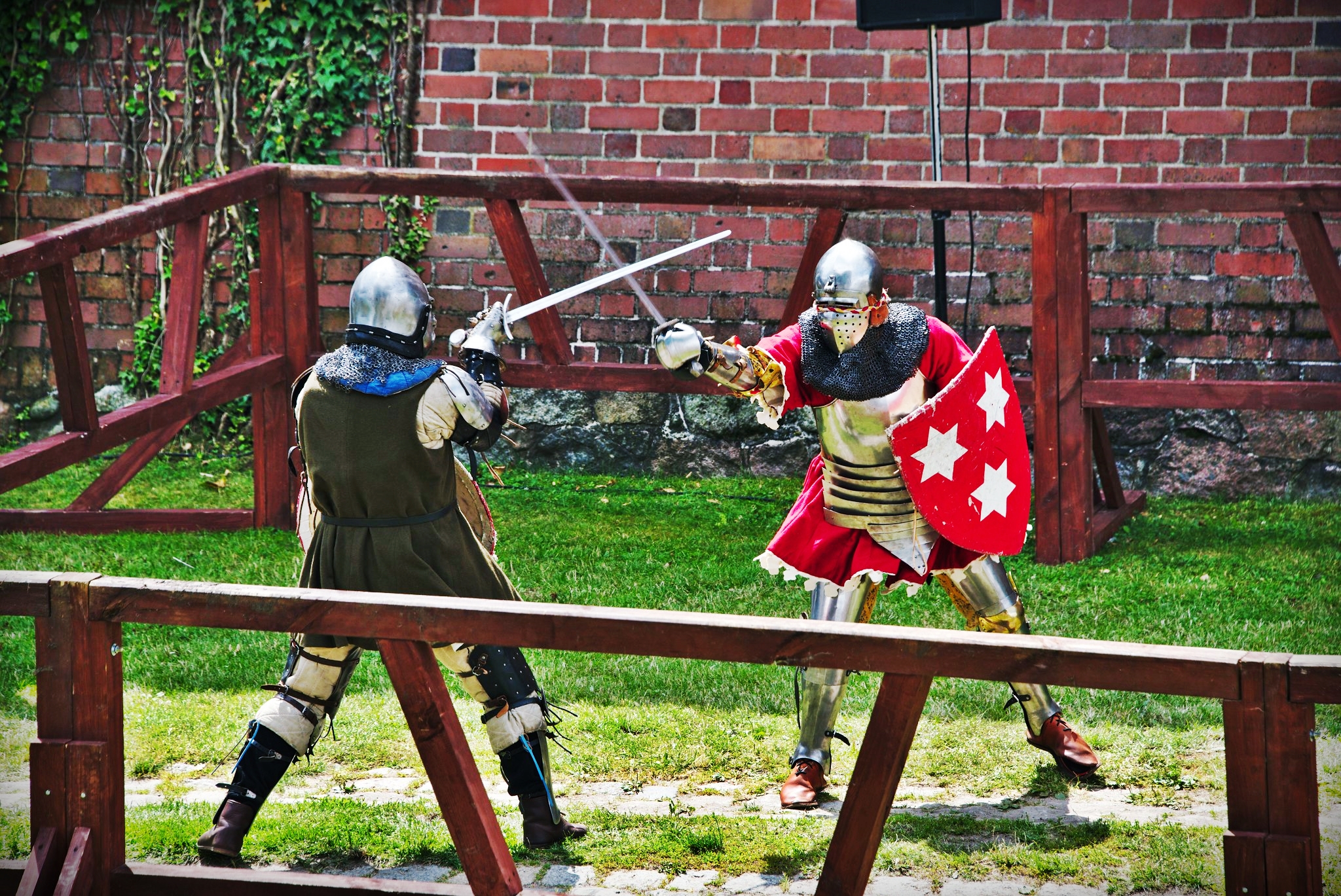
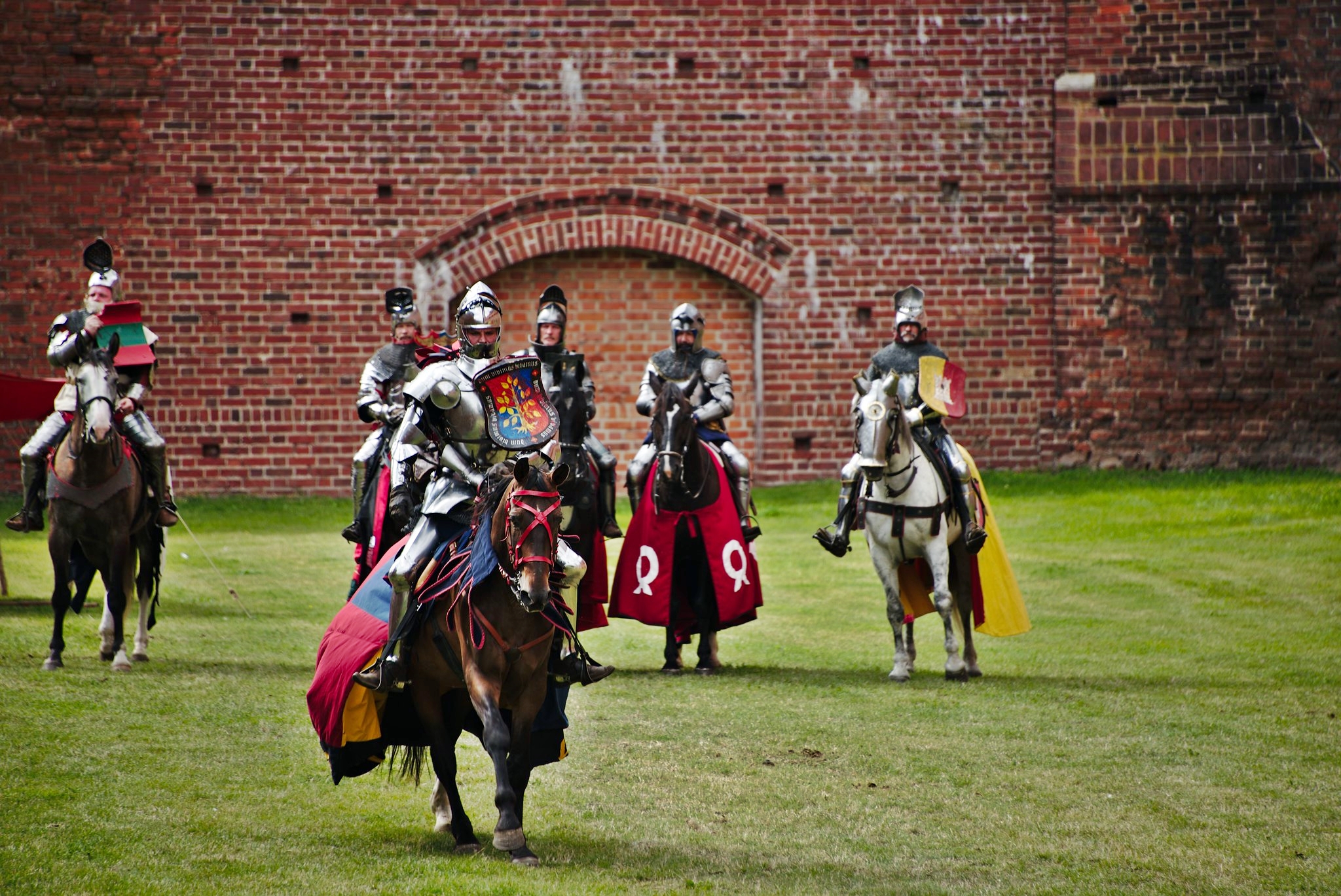
The Malbork Castle Museum houses numerous exhibitions, to name just a few militaria, amber, china and glass art, furniture and more to discover. One of the highlight of the Malbork Casltle are son et lumière spectacles staged in the evening in the castle courtyards as well as night tours of the castle interiors.The castle chambers often host music concerts and medieval style banquets.In recent years, a great historical event entitled The Siege of Malbork is organized during the last weekend of July.
The Malbork Castle is a UNESCO Heritage Monument and member of the Polish Gothic Castles Association that represents historical buildings located in eight other cities of the region.
-
The Teutonic castle of Malbork
The castle was founded in 1274 by the Teutonic Order during their government of Prussia and is located on the Southeastern bank of the river Nogat. It was named Marienburg after the Virgin Mary, patron saint of the Order.
The Order had been based in Acre, but when this last stronghold of the Crusades fell, the Order had to move its headquarters to Venice. In 1309,in the wake of both the papal persecution of the Knights Templar as well as the Teutonic takeover of Danzig, the Order under Siegfried von Feuchtwangen moved its headquarters into the Prussian part of their monastic state.They chose the Marienburg, conveniently located on the Nogat, in the Vistula Delta, which allows access by ship.
The castle was expanded several times to host the growing number of Knights, and became the largest fortified Gothic building in Europe, featuring several sections and walls.It consists of three separate sections - the High, Middle and Lower Castles, separated by multiple dry moats and towers.The castle once housed approximately 3,000 "brothers in arms", and the outermost castle walls enclose 52 acres (210,000 m²), four times larger than the enclosed space of Windsor Castle.
The favorable position of the castle on the river Nogat and its relatively flat surrounding allowed for easy access by barges and trading ships, from the Vistula and the Baltic Sea.During their governance, the Teutonic Knights collected river tolls on passing ships, as did other castles along the rivers imposing a monopoly on the trade of amber.When the city became a member of the Hanseatic League, many Hanseatic meetings were held at Marienburg castle.
In the summer of 1410, the castle was besieged following defeat by the armies of Władysław II Jagiełło at the Battle of Grunwald, but Heinrich von Plauen successfully led the defense in the Siege of Marienburg (1410), during which the city itself was razed.
In 1456, during the Thirteen Years' War, the Order- deserted and opposed for establishing taxes to pay high ransoms for prisoners taken by the Polish king -could not pay its mercenaries.Hochmeister Ludwig von Erlichshausen moved the seat of the Order to Königsberg, and gave the castle to the Bohemian mercenaries as payment.The mercenaries left, after selling the castle to King Casimir IV Jagiellon, who thus acquired what he and his predecessor could not conquer. He entered the castle triumphantly in 1457.
Under Mayor Bartholomäus Blume, the city itself resisted the Polish onslaught for three more years, until the Poles captured and hanged Blume in 1460.A monument to him was erected in 1864.Castle and town became part of Royal Prussia in 1466, and served as one of the several Polish royal residences.During the Thirty Years' War, in 1626 and 1629, Swedes occupied the castle, and again from 1656 to
1660 in The Deluge (Polish history) during the Northern Wars.
What's Included
Please Note
Cancellation Policy
-
For cancellations upto 2 days before the tour -
Refund of 80% of the tour price.