

Private Fátima Pilgrimage Day from Porto: Sanctuary, Valinhos and Aljustrel Shepherds’ Houses
Highlights
Porto, Fátima
Private Tour
11 Hours
EASY
Portuguese, English, Spanish, French
Description
Discover Fátima through a private full-day journey from Porto designed for travellers who want to approach Portugal’s most important Marian sanctuary with clarity, calm pacing and meaningful time at the site.This itinerary balances devotional atmosphere, historical context and personal space, allowing the day to unfold with purpose rather than pressure.The result is an experience that feels reflective, well structured and deeply connected to the meaning of place.
The morning begins with a scenic drive from Porto through central Portugal, allowing the story of Fátima to be introduced gradually before arrival.By the time you reach the sanctuary, the site can be understood not only as a destination of pilgrimage, but also as a place whose scale, rhythm and symbolism have shaped the experience of visitors from around the world.
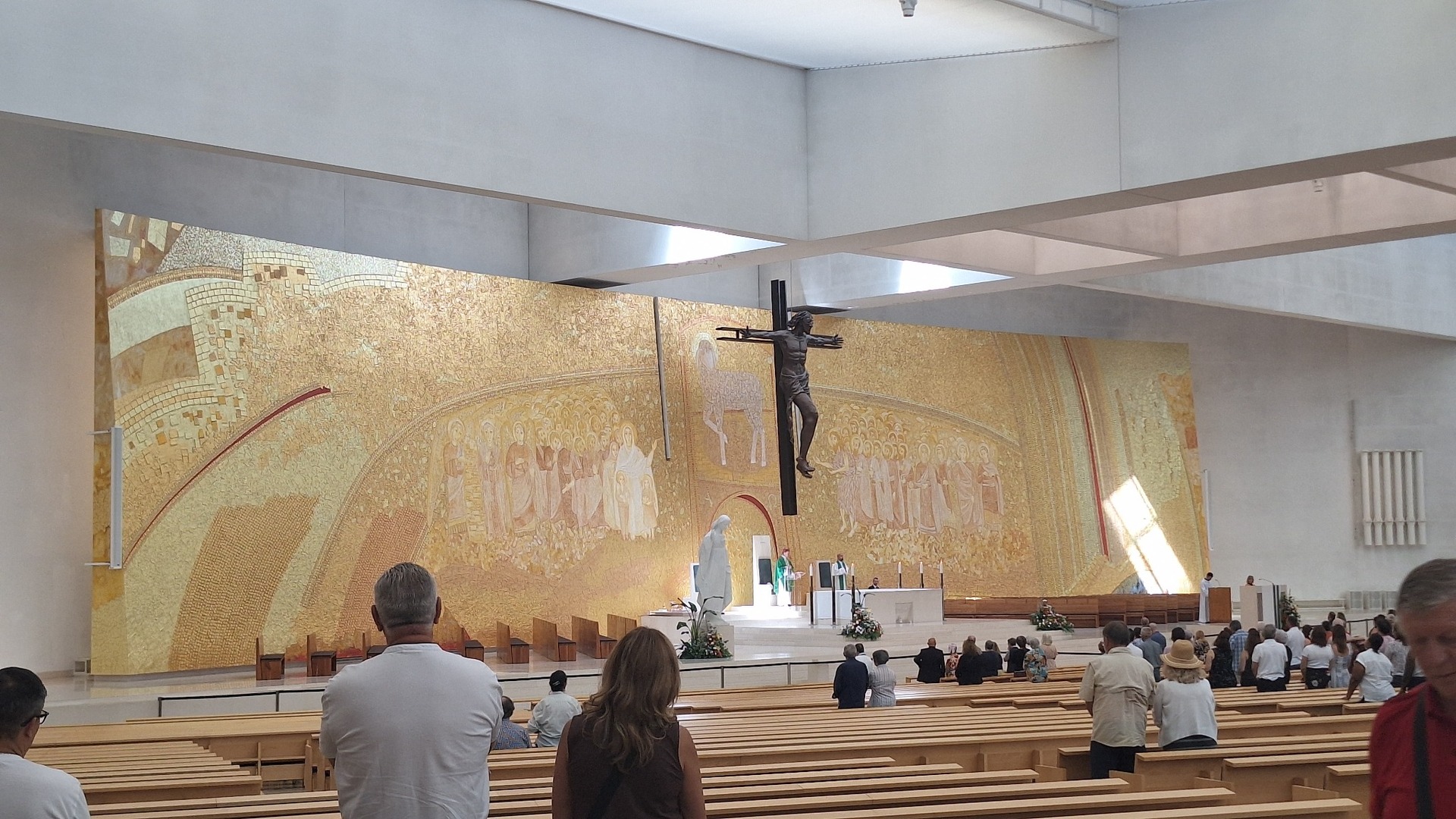
The first part of the visit is centred on the sanctuary itself.A guided visit to the Basilica of the Most Holy Trinity offers a clearer understanding of how light, scale and symbolism shape one of the sanctuary’s most contemporary sacred spaces.
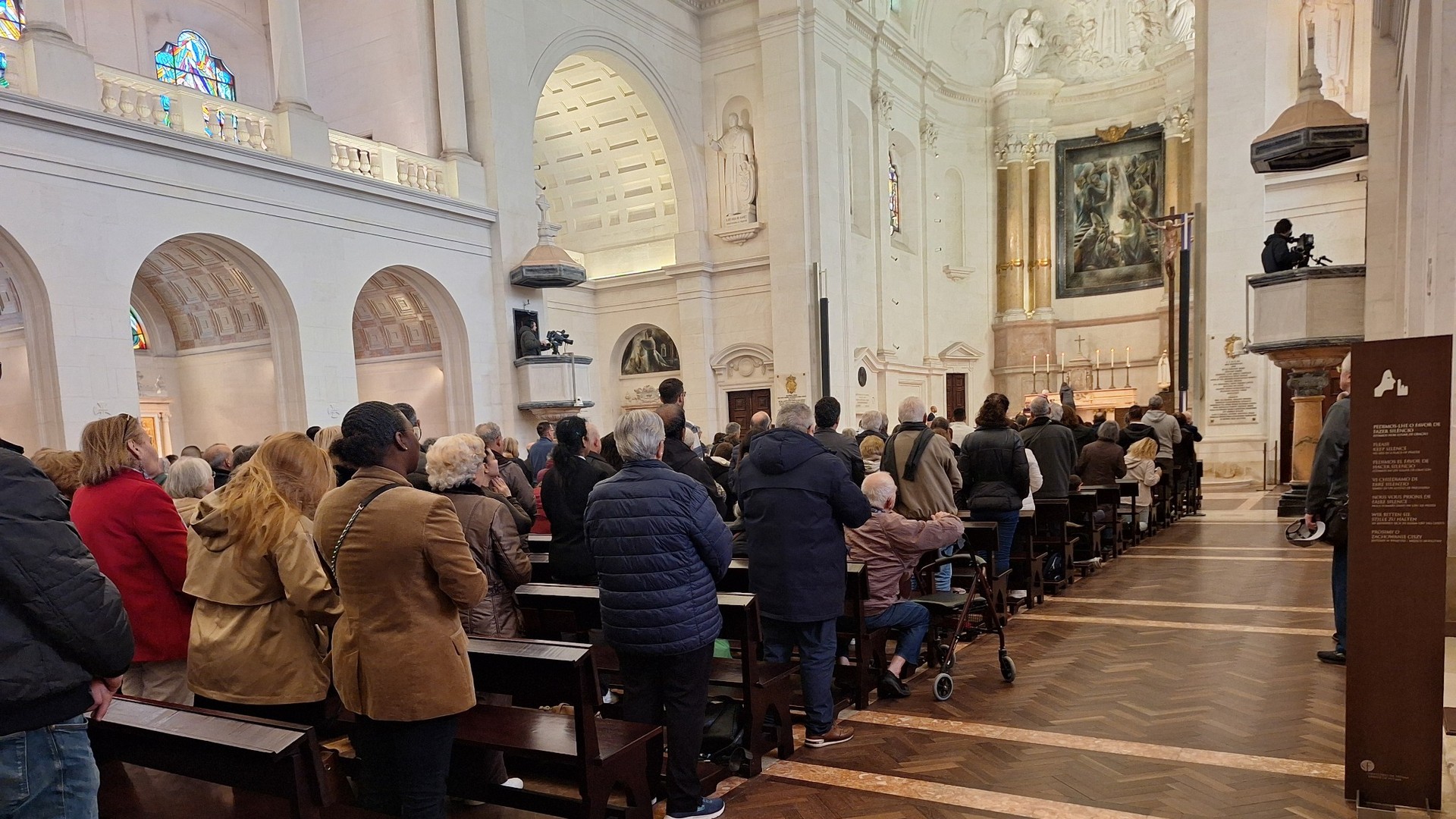
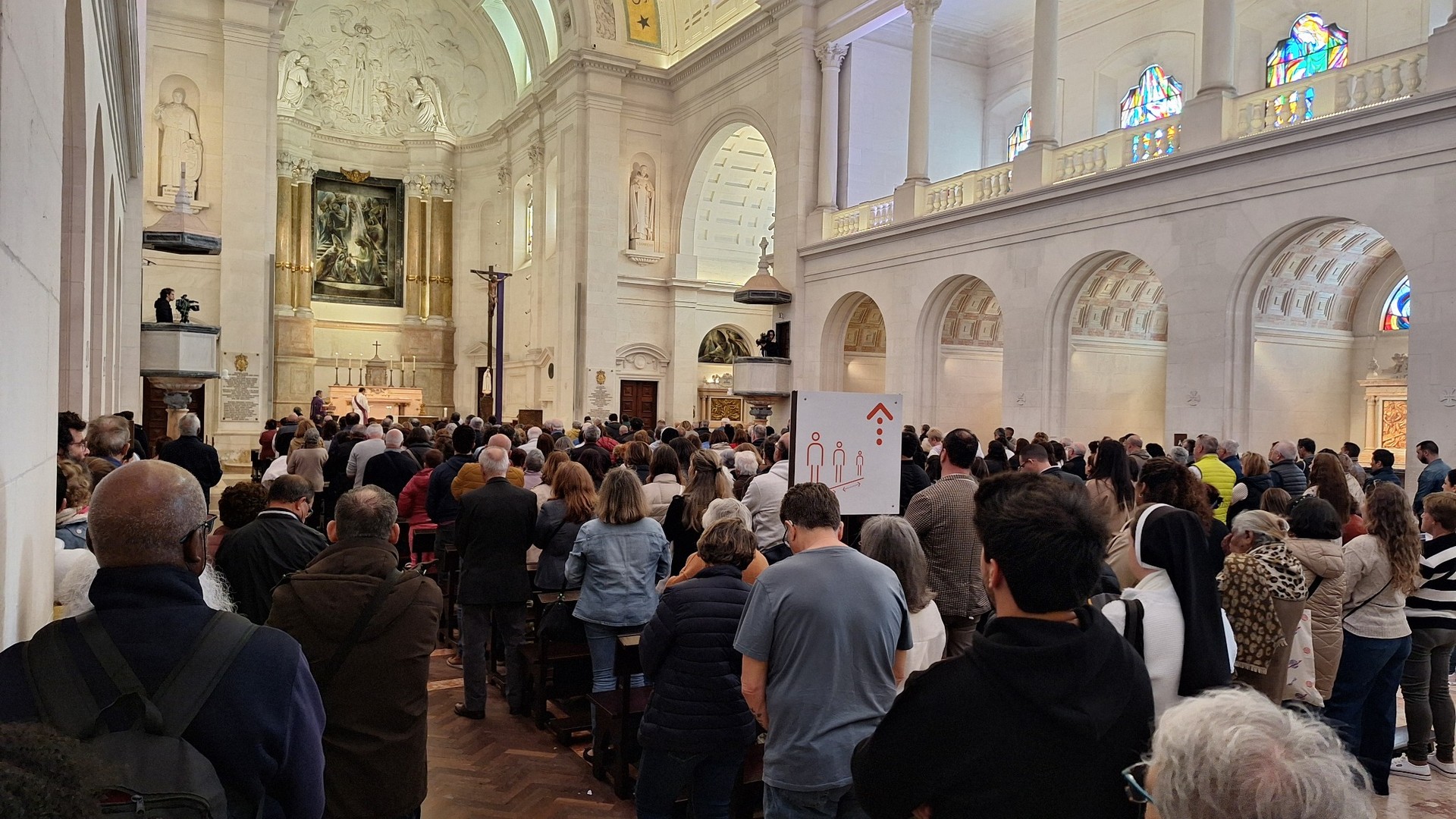
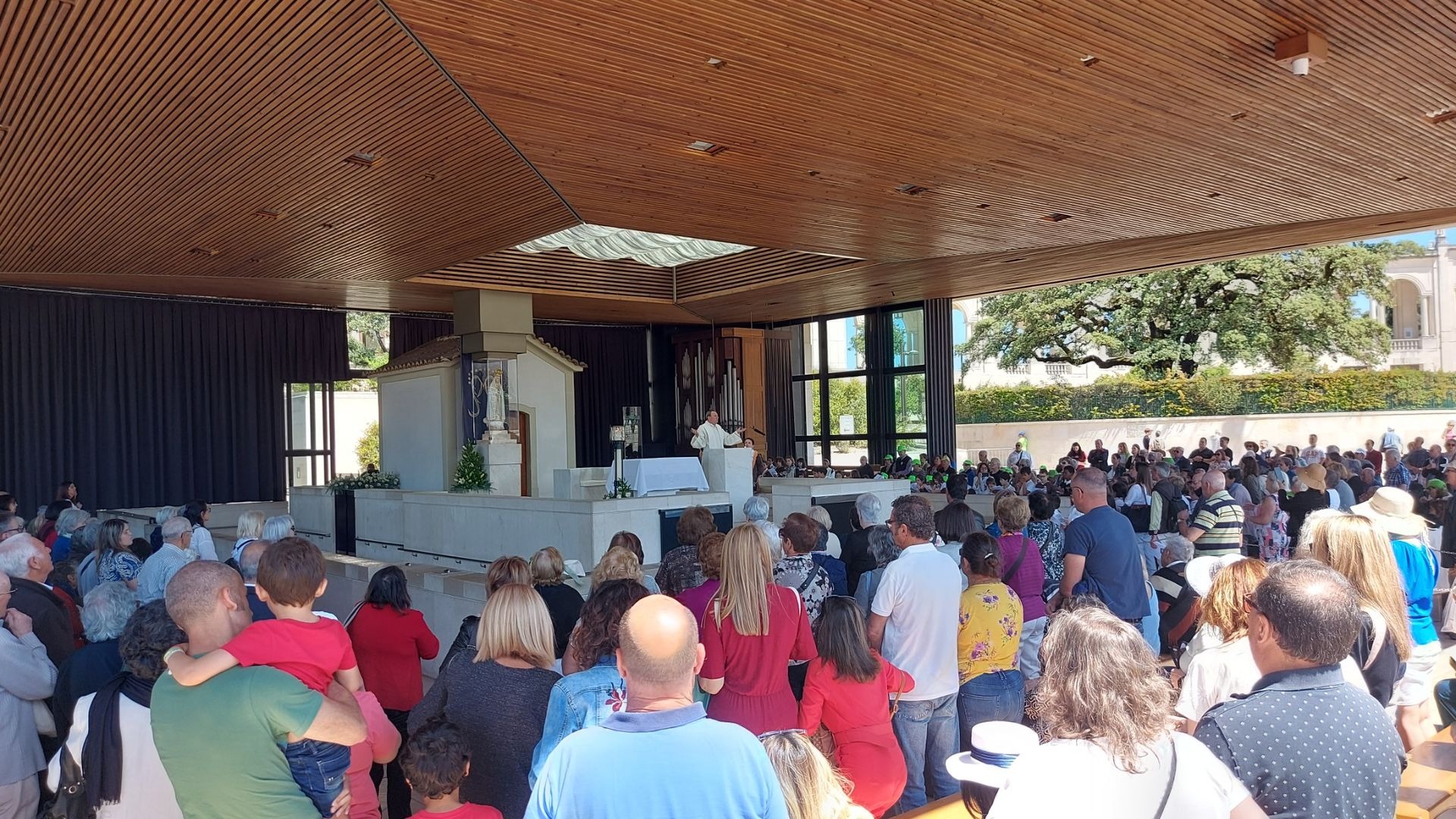
From there, the experience continues through the central Prayer Area, where a guided orientation helps make the sanctuary more legible, both practically and spiritually.This part of the route include the Chapel of Apparitions, the emotional heart of Fátima, and the Basilica of Our Lady of the Rosary, which gives the day another architectural and devotional layer.Depending on your wishes and the rhythm of the day, the Rosary at the Chapel of Apparitions or a Mass in the basilica may also be experienced as part of the visit.
Midday is intentionally left flexible so that lunch, personal time and quiet return visits can happen without pressure.This open interval works especially well for mixed groups, including pilgrims, cultural travellers and families, because it preserves comfort and autonomy without disrupting the day’s overall [sensitive content]als are not included in the base tour.
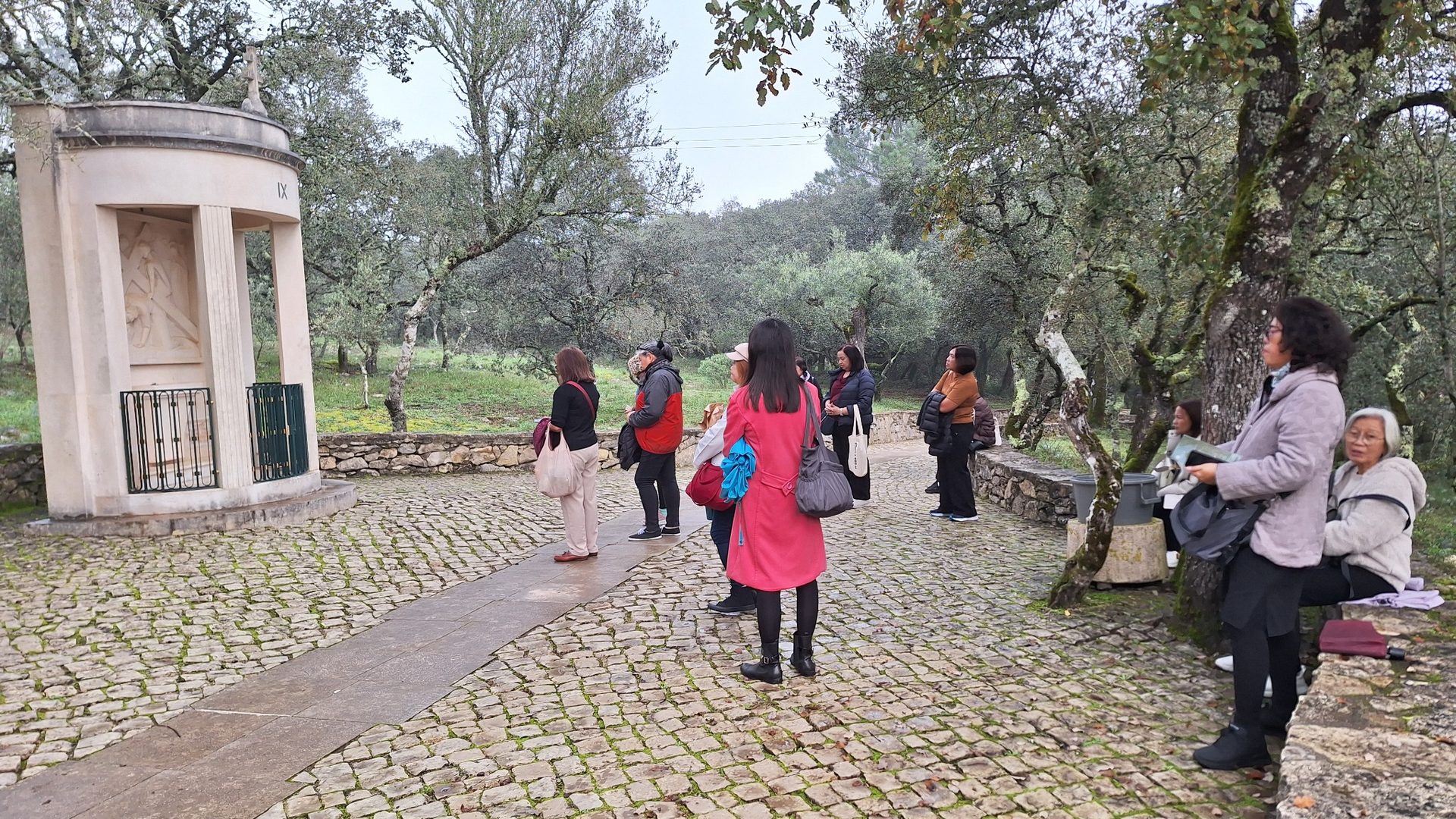
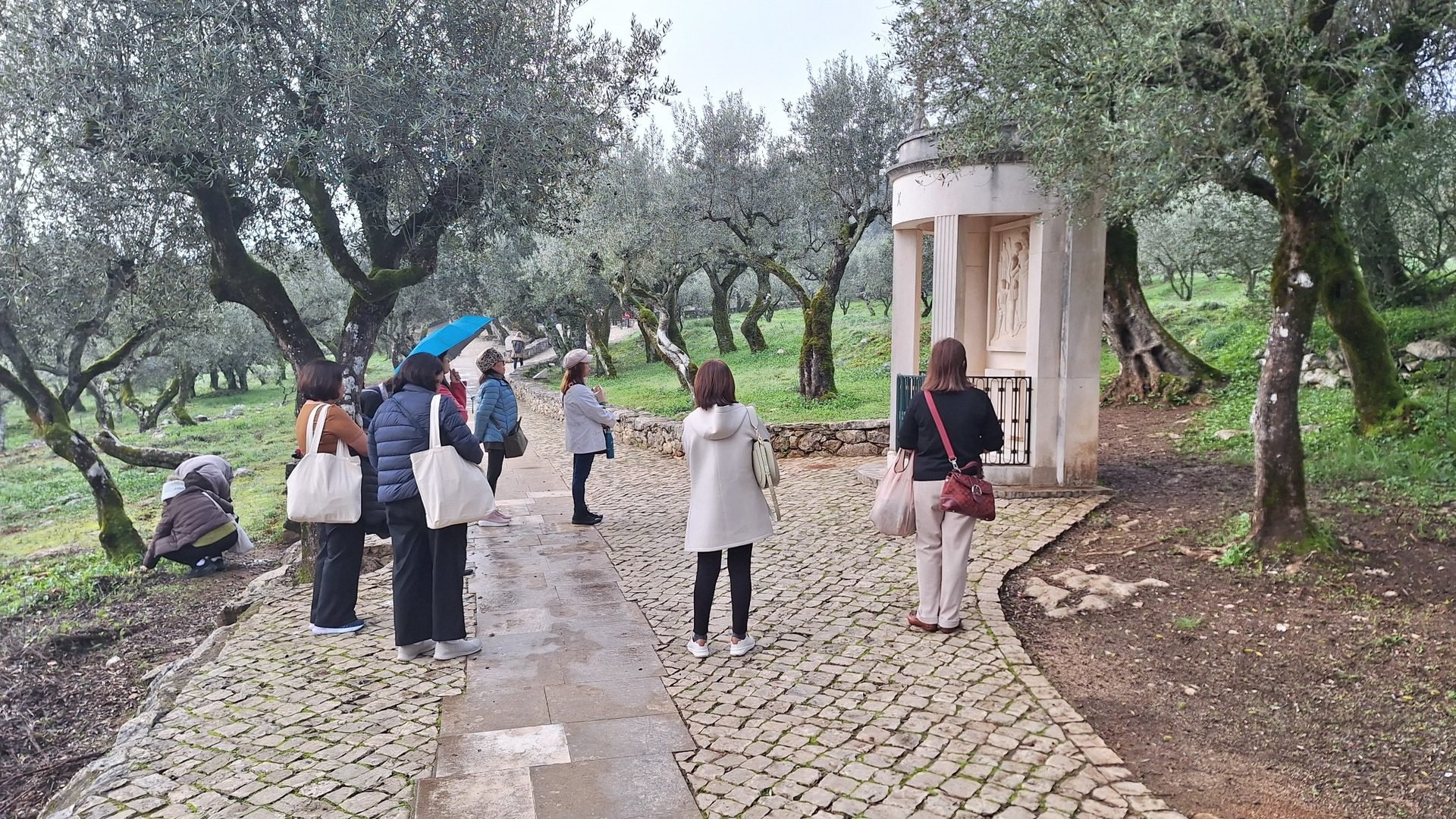
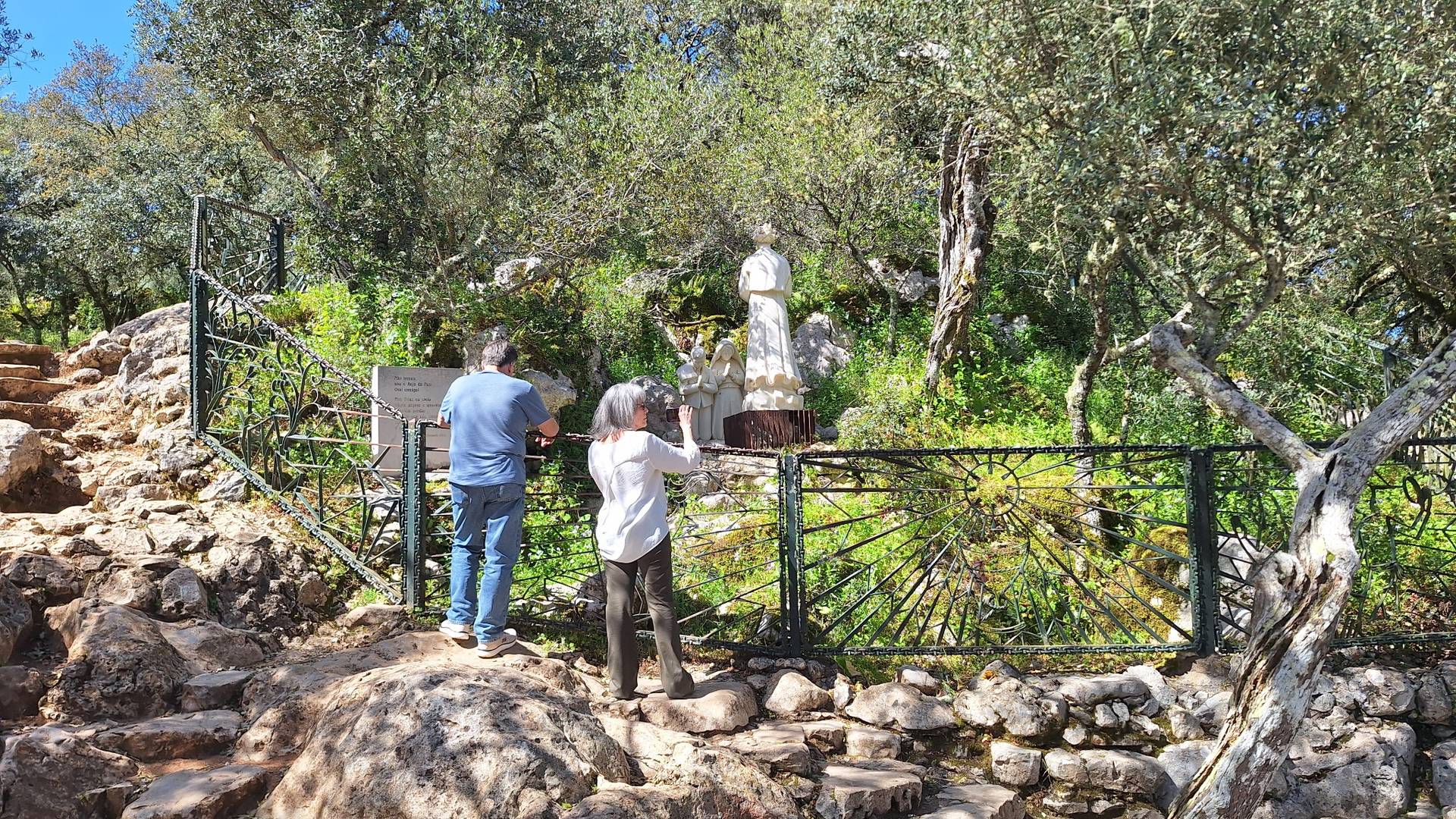
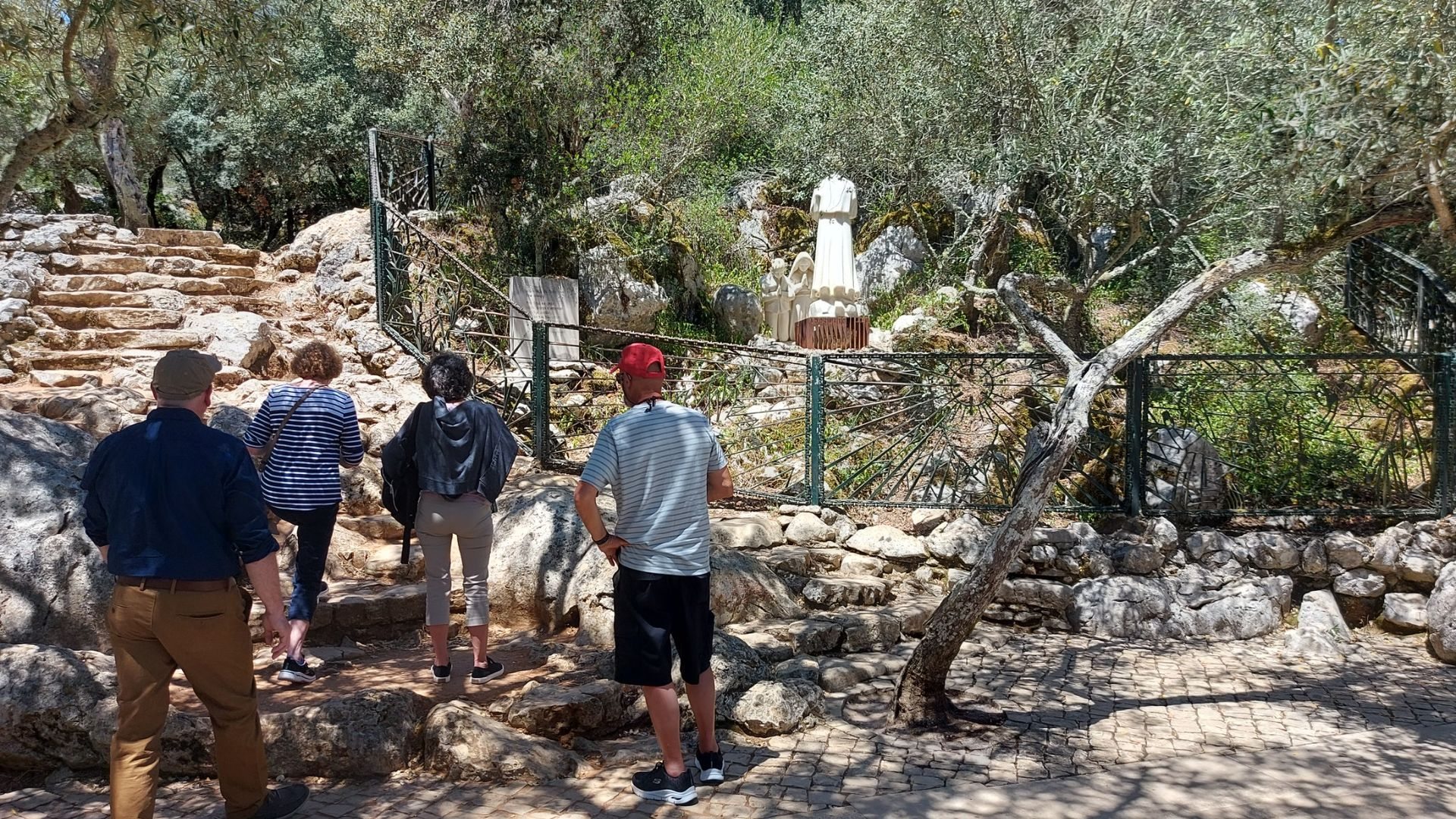
In the afternoon, the itinerary moves outward into the landscape that helps anchor the story of Fátima beyond the sanctuary esplanade.A walking tour visit to the Way of the Cross, the Hungarian Calvary and the Valinhos Sanctuary will be the next step, creating a more reflective chapter shaped by countryside, devotion and quieter surroundings.This part of the route offers a calmer register than the central sanctuary, while still deepening the meaning of the site.
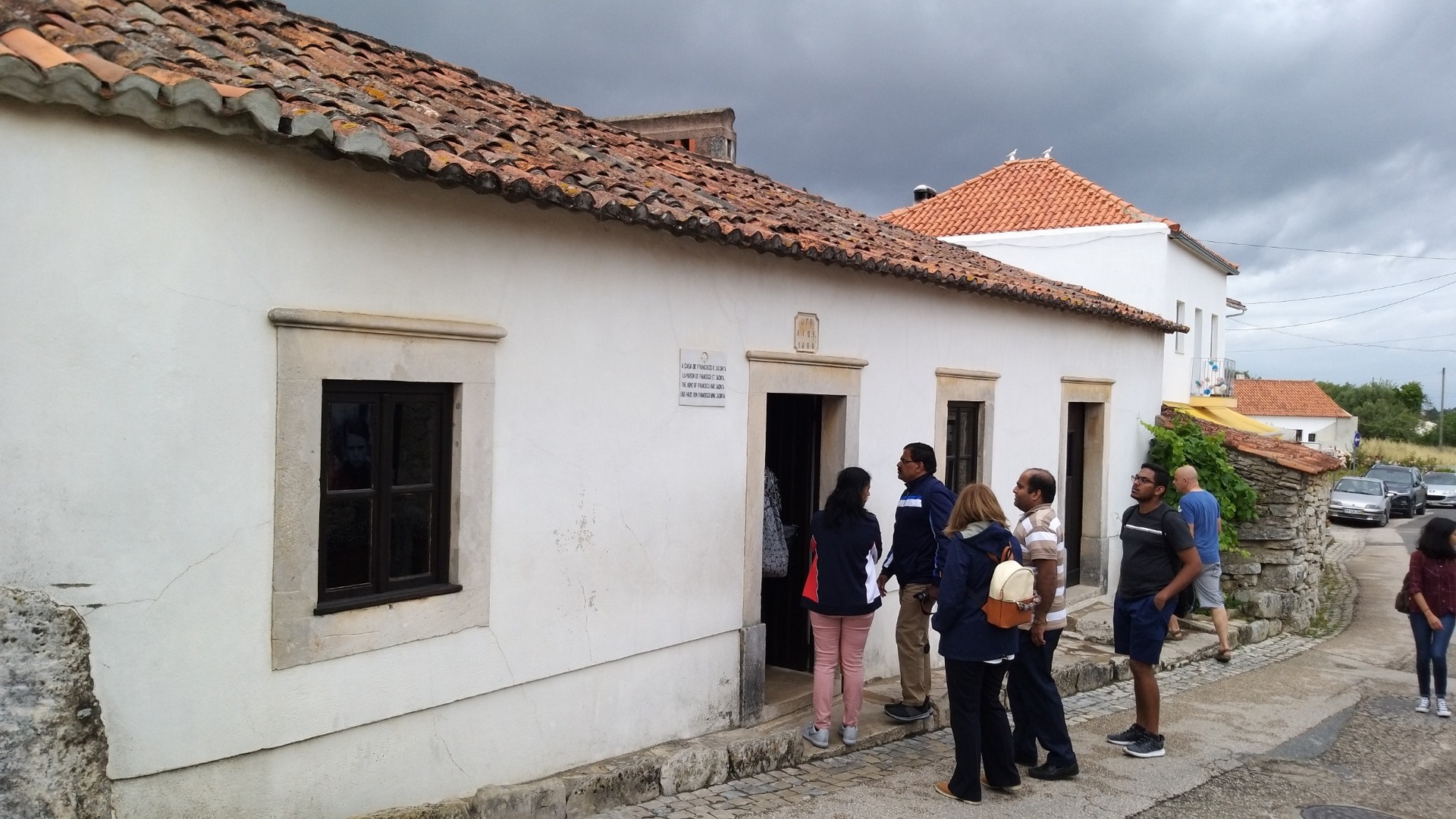
The final stop in Aljustrel brings the day back to a human scale, visiting the Little Shepherds’ Houses.More than a concluding detail, this stop helps connect the sanctuary to the rural world from which the story began, giving the pilgrimage a stronger sense of origin, texture and lived reality.
By the time you return to Porto in the early evening, the impression is of having experienced Fátima not only as a landmark of devotion, but as a complete narrative shaped by sanctuary, landscape and memory.Together, these elements create a private pilgrimage day that feels calm, coherent and quietly memorable.
Itinerary
-
Fátima – Pilgrimage, Memory and the Spiritual Heart of Modern Portugal
Set in central Portugal, Fátima is the country’s most important Marian sanctuary and one of the most recognised pilgrimage destinations in the Catholic world.Its significance is rooted in the events of 1917, when the apparitions reported by the three shepherd children transformed what had been a rural landscape into a place of global devotion, prayer, and religious reflection.
Today, the civil parish of Fátima has a resident population of 13,212 inhabitants, according to the latest official 2021 Census data.This gives the town a relatively modest local scale despite its extraordinary international visibility, helping explain why Fátima still feels grounded in place even as it welcomes pilgrims from around the world.
This is a stop that gives the day immediate purpose and emotional depth.For travellers coming from Porto in search of devotion, context, or contemplative experience, Fátima offers one of the most resonant journeys in Portugal.
-
Sanctuary of Our Lady of Fátima – The Devotional Centre of the Day
The Sanctuary of Our Lady of Fátima is the defining spiritual and architectural core of the destination, built around the site associated with the apparitions of 1917 in the Cova da Iria.Over time, it has grown into a broad and coherent sacred complex where monumental architecture, open prayer space, and devotional landmarks are arranged with unusual clarity.
For visitors, the sanctuary is easy to read and emotionally immediate.The esplanade, the basilicas, the Chapel of Apparitions, and the rhythm of pilgrims moving through the site all help explain why Fátima feels less like a monument to be viewed and more like a living place of spiritual practice.
This is a stop that brings coherence, atmosphere, and significance to the itinerary from the first moment of arrival.The Sanctuary of Our Lady of Fátima offers one of the clearest and most powerful introductions to the religious life of modern Portugal.
-
Basilica of the Most Holy Trinity – Modern Sacred Architecture at Monumental Scale
The Basilica of the Most Holy Trinity is one of the most important contemporary buildings in Fátima, created to respond to the vast number of pilgrims who gather at the sanctuary.The project was selected through an international competition in 1997, designed by the Greek architect Alexandros Tombazis, with the foundation stone laid on 6 June 2004 and the church dedicated on 12 October 2007.
Its circular form, white interior, and restrained language create a modern sacred space shaped by light, proportion, and stillness rather than ornament.The altar, carved from a single piece of local stone, reinforces the architectural clarity of the space, while the great suspended crucifix and Marian image give the basilica a solemn but contemporary devotional identity.
This is a stop that adds architectural clarity, scale, and contemporary meaning to the day.The Basilica of the Most Holy Trinity offers one of the most compelling examples of modern religious architecture in Portugal.
-
John Paul II and Pius XII Squares – The Contemporary Frame of the Sanctuary
Around the Basilica of the Most Holy Trinity, the sanctuary opens into a broader ceremonial composition through the John Paul II Square and the Pius XII Square.These spaces help frame the modern side of Fátima and reinforce the sanctuary’s expansion into a more contemporary architectural language while keeping clear lines of movement and gathering.
For visitors, these squares add more than circulation: they provide a sense of how the sanctuary has been shaped by papal visits, ecclesiastical memory, and major public celebrations.Statues, open space, and the visual organisation of the area give this part of Fátima a monumental but legible character that complements the older basilica and chapel.
This is a stop that adds breadth, structure, and contemporary ceremonial presence to the itinerary.The John Paul II and Pius XII squares help visitors understand Fátima as a sanctuary that has continued to grow in both scale and meaning.
-
Optional – Museum of the Sanctuary of Fátima – Where the Story Gains Historical Shape
The Museum of the Sanctuary of Fátima plays an essential role in helping visitors understand the message and development of the site.Through objects, interpretation, and historical narrative, it connects the devotional life of the sanctuary to the people, chronology, and material culture that shaped its growth.
For visitors, the museum provides the clarity that allows the rest of the day to feel grounded rather than abstract.It transforms Fátima from a place known through devotion alone into a destination that can also be understood through context, memory, and the lived reality of its history.
This is an optional stop that adds depth, coherence, and interpretive value to the itinerary.The Museum of the Sanctuary of Fátima offers one of the clearest ways to connect spiritual meaning with historical understanding.
-
Prayer Area of the Sanctuary – The Open Heart of Fátima
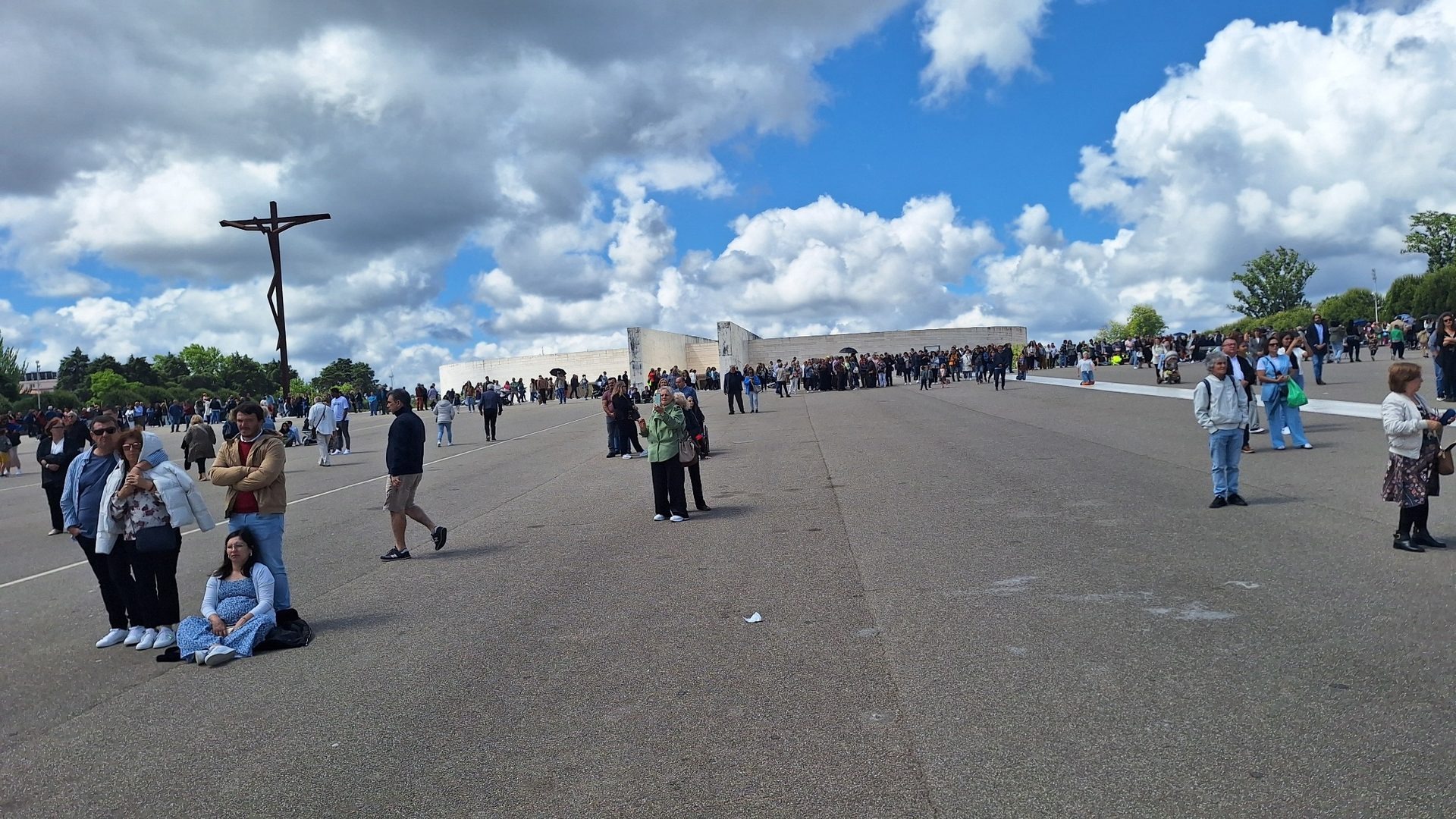
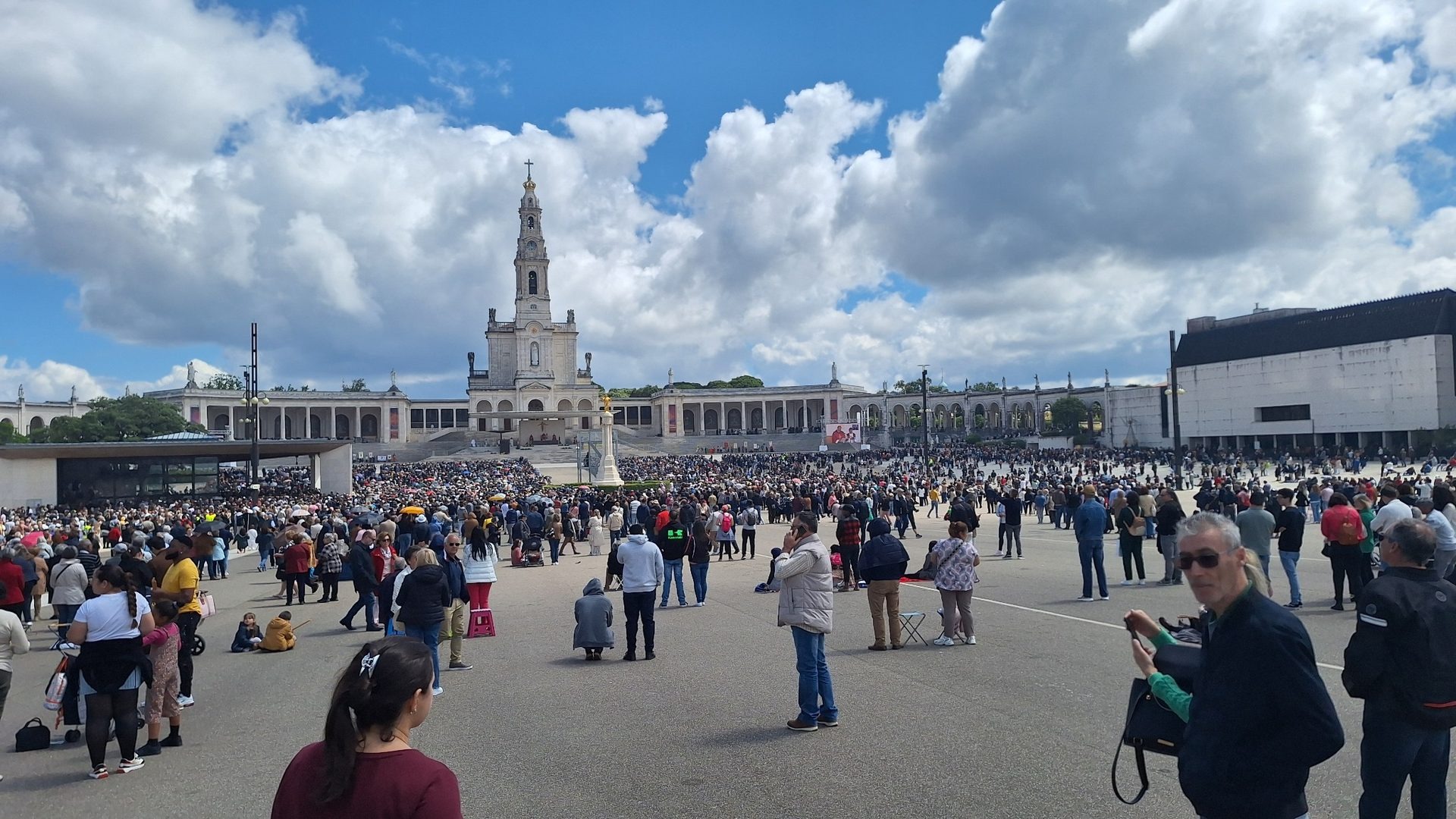
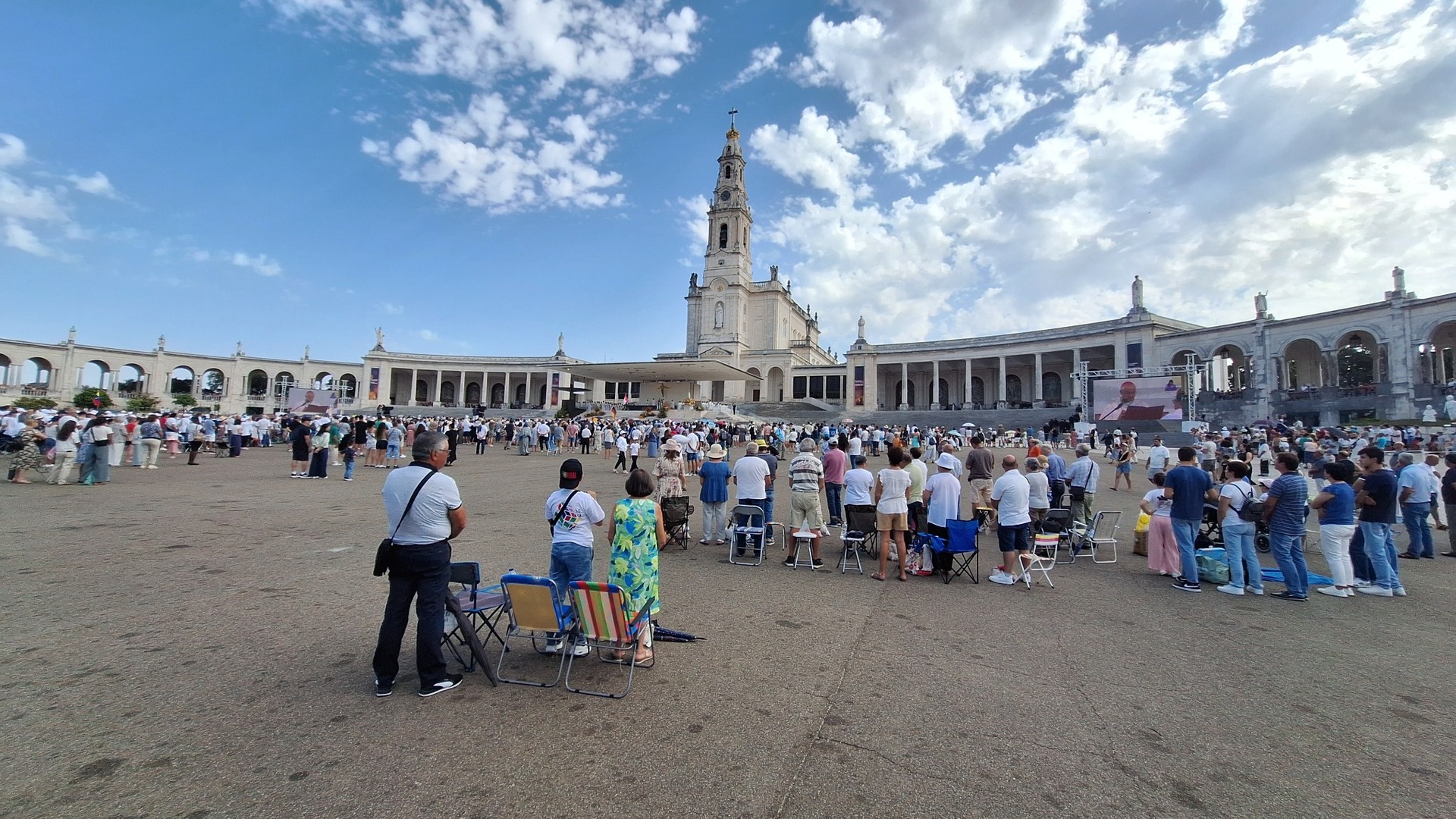
The Prayer Area is the great central esplanade of the sanctuary, extending between the Basilica of Our Lady of the Rosary and the Basilica of the Most Holy Trinity.Designed as a space for large gatherings yet also for personal recollection, it is one of the most recognisable elements of the site.
For visitors, this broad open space explains how Fátima works as a place of pilgrimage.It is where processions, prayer, silence, and collective devotion all take visible form, allowing the sanctuary to be experienced not only through buildings, but through movement, gathering, and spiritual rhythm.
This is a stop that adds scale, orientation, and a strong sense of communal devotion to the day.The Prayer Area offers one of the clearest readings of Fátima as both sanctuary and lived pilgrimage.
-
Prayer Area Symbols – The Holm Oak, Sacred Heart and the Sanctuary’s Living Memory
Within the Prayer Area, several landmarks help visitors understand how memory and devotion were gradually inscribed into the sanctuary.Among them is the Large Holm Oak, a tree more than a century old and one of the few survivors from the earlier landscape of the Cova da Iria, soon associated by pilgrims with the events of 1917.
Nearby, the Monument of the Sacred Heart of Jesus, placed over the early fountain structure created to provide water for pilgrims, reinforces the spiritual centre of the esplanade.These elements may be modest in scale when compared with the basilicas, yet they help give the sanctuary its continuity, linking natural memory, practical history, and devotional symbolism.
This is a stop that adds texture, intimacy, and historical layering to the visit.The holm oak and the Sacred Heart monument reveal how Fátima grew not only through monumental architecture, but also through small signs of faith and pilgrim presence.
-
Nativity Scene, Berlin Wall and the New Altar – Signs of Universal Meaning in the Prayer Area
The Prayer Area also contains symbolic elements that broaden the meaning of Fátima beyond its local origins.The modern Nativity Scene, inaugurated on 25 December 1999, takes the form of a triangle alluding to the Most Holy Trinity, while the Berlin Wall monument, inaugurated on 13 August 1994, brings into the sanctuary a visible sign of division, suffering, and reconciliation in modern history.
The sanctuary’s new altar, used for the major celebrations that gather vast numbers of pilgrims, reinforces the ceremonial centre of the esplanade.Together, these elements show how Fátima speaks not only to private devotion, but also to wider themes of peace, hope, and the spiritual interpretation of world events.
This is a stop that adds symbolic depth and contemporary resonance to the route.The Nativity Scene, the Berlin Wall, and the new altar help reveal Fátima as a sanctuary with both local roots and universal reach.
-
Chapel of Apparitions – The Emotional Core of Fátima
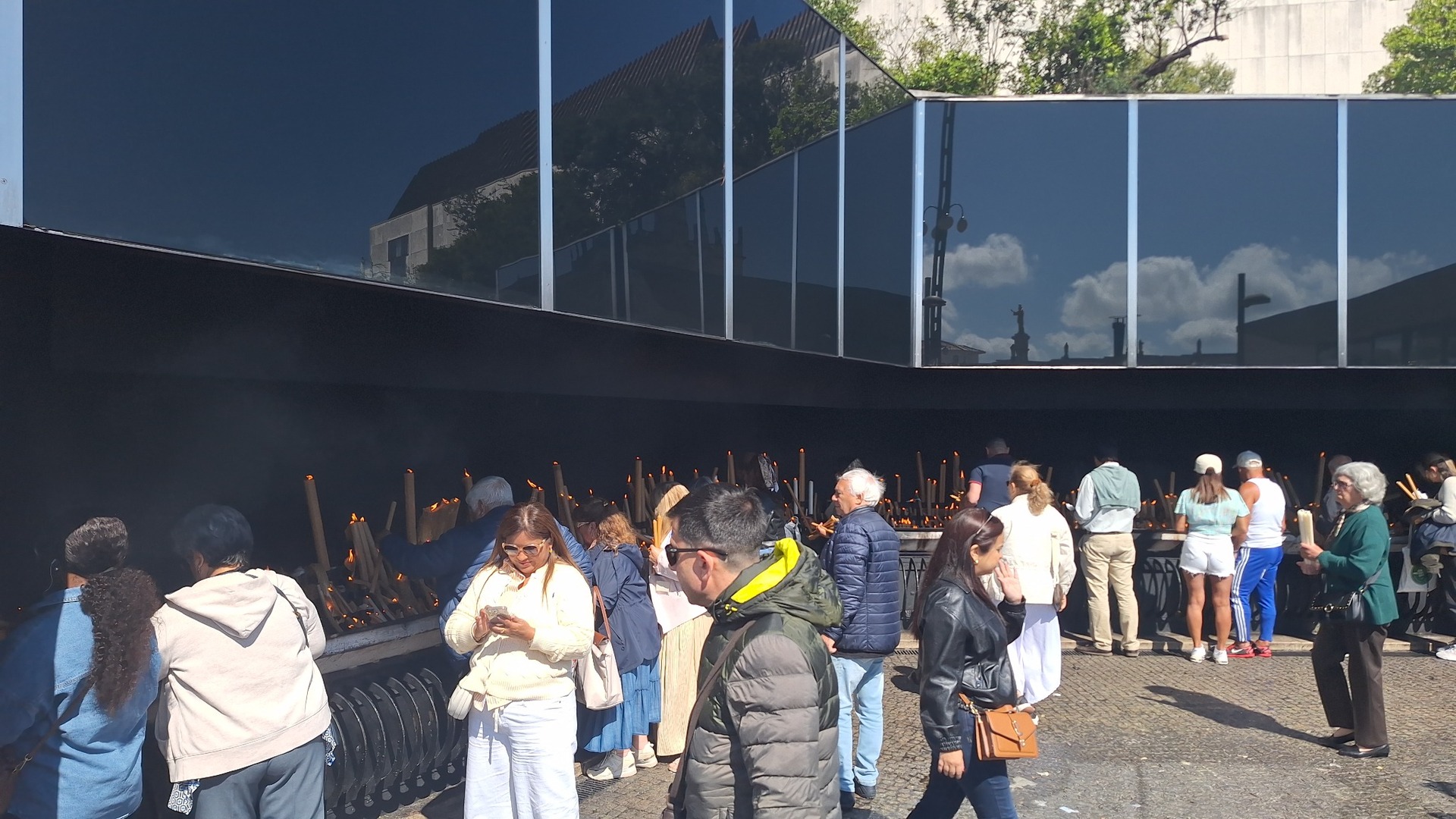
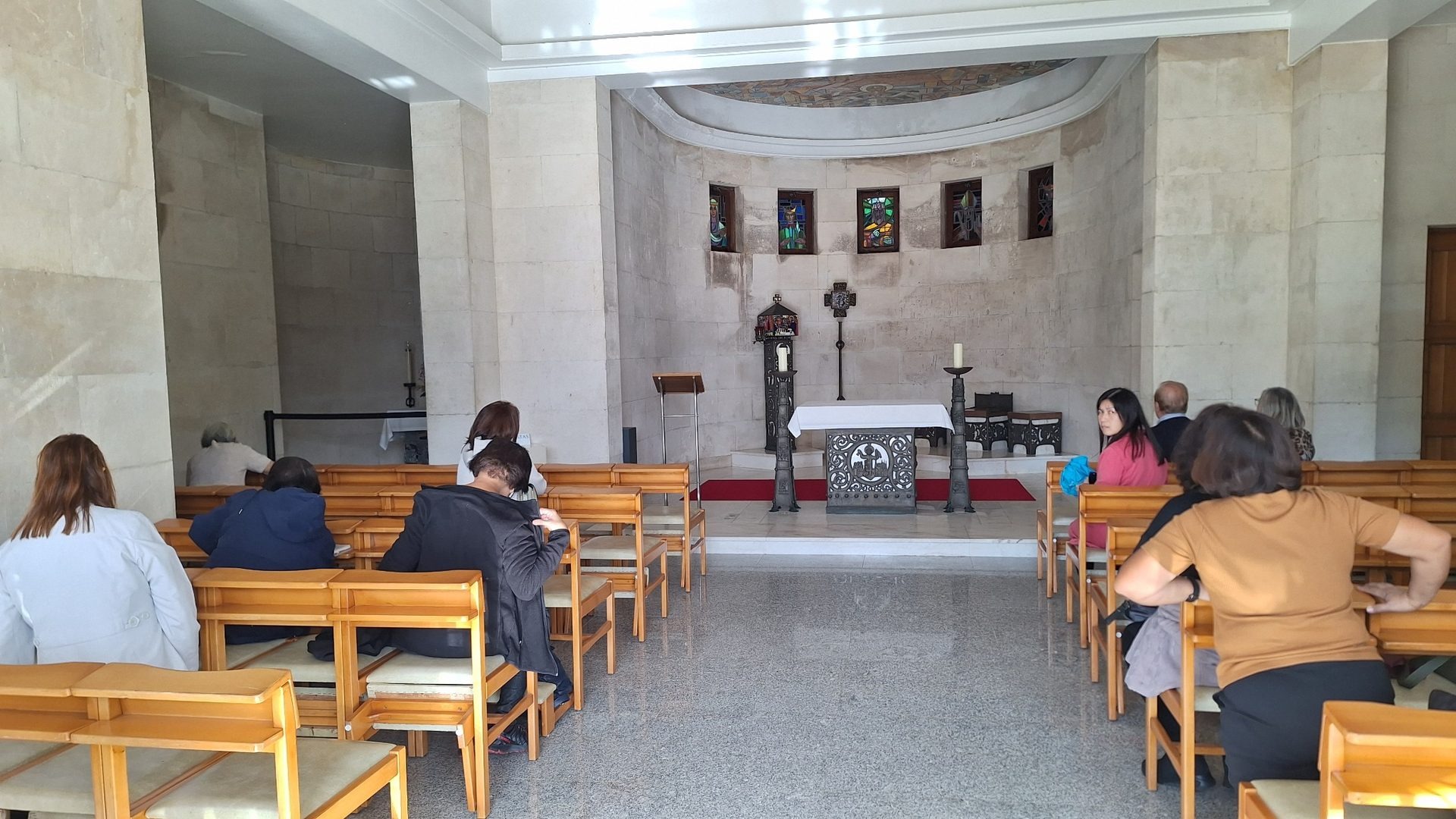
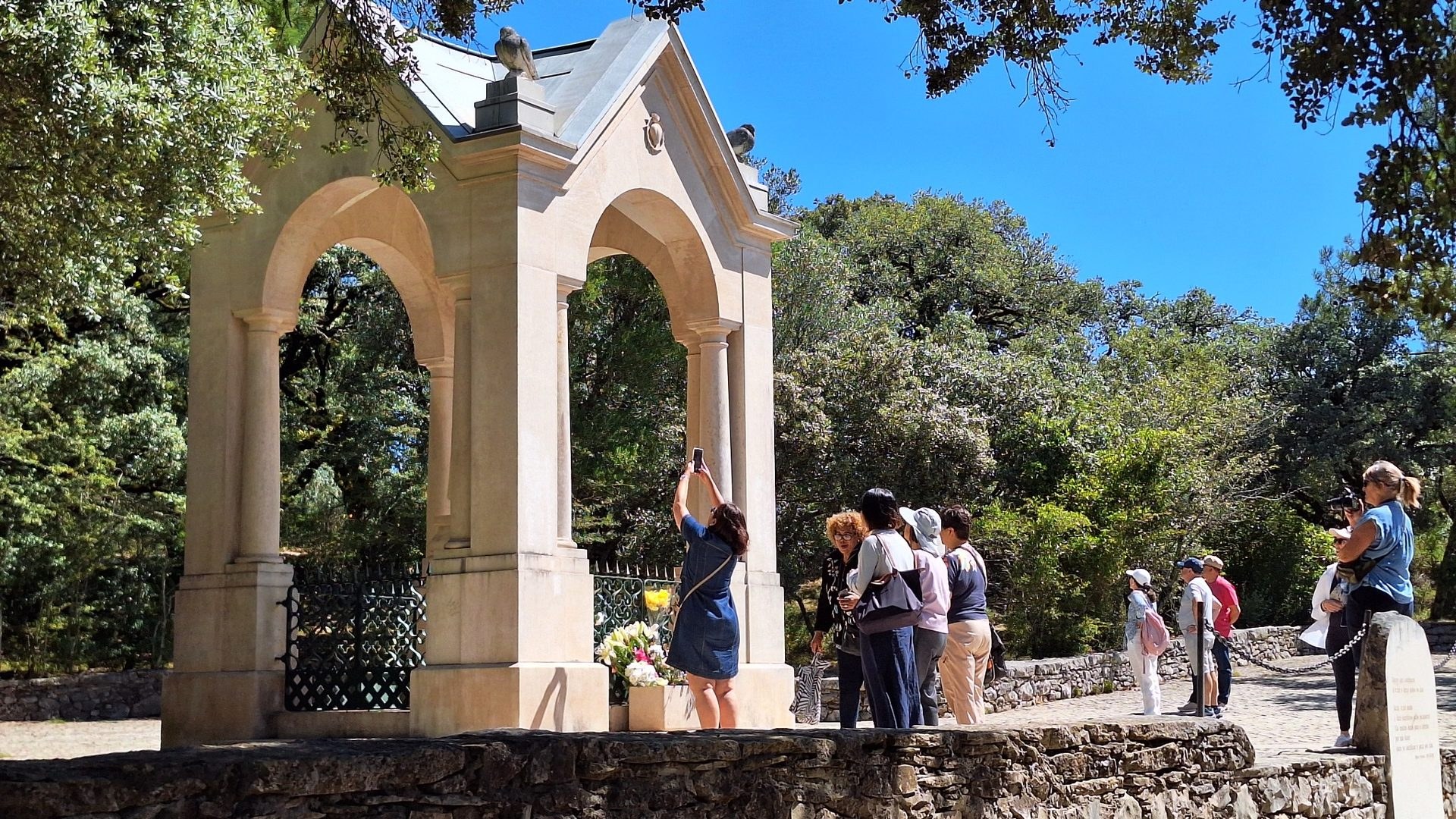
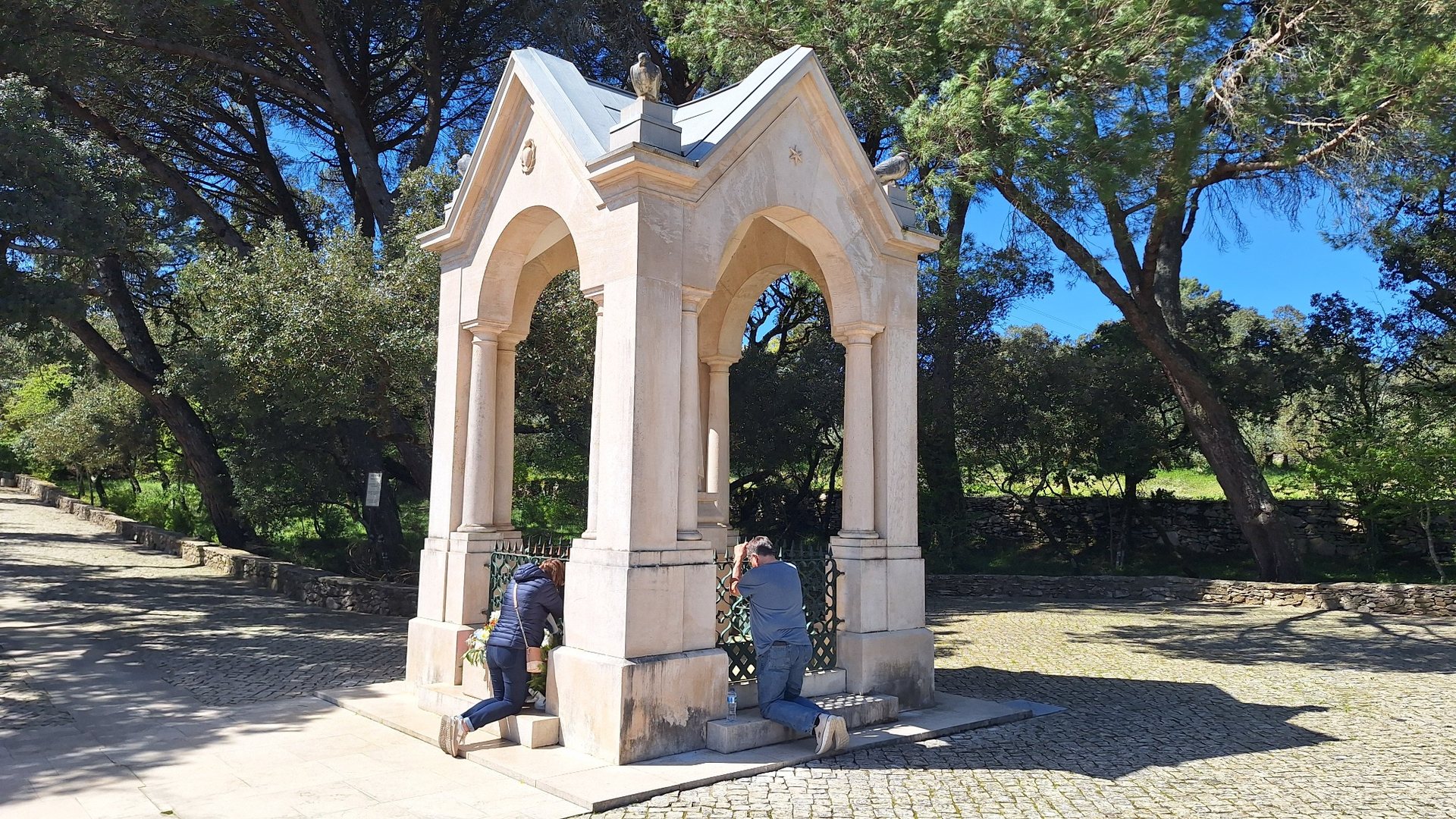
The Chapel of Apparitions stands at the heart of the sanctuary and is the place most directly associated with the reported apparitions of Our Lady of Fátima.Built in 1919, later damaged in 1922 and reopened in 1923, it remains deliberately simple, preserving the humility and devotional focus that continue to define its meaning for pilgrims.
For visitors, the chapel’s power lies precisely in that simplicity.The plinth where the image of Our Lady of Fátima stands marks the site of the small holm oak once linked to the apparitions, and the crowned image itself carries one of the sanctuary’s most moving modern associations: the bullet placed in the crown after the attack on John Paul II on 13 May 1981.
This is a stop that brings devotion, memory, and spiritual immediacy to the itinerary.The Chapel of Apparitions offers the most intimate and resonant encounter of the day.
-
Basilica of Our Lady of the Rosary of Fátima – The Sanctuary’s Historic and Devotional Landmark
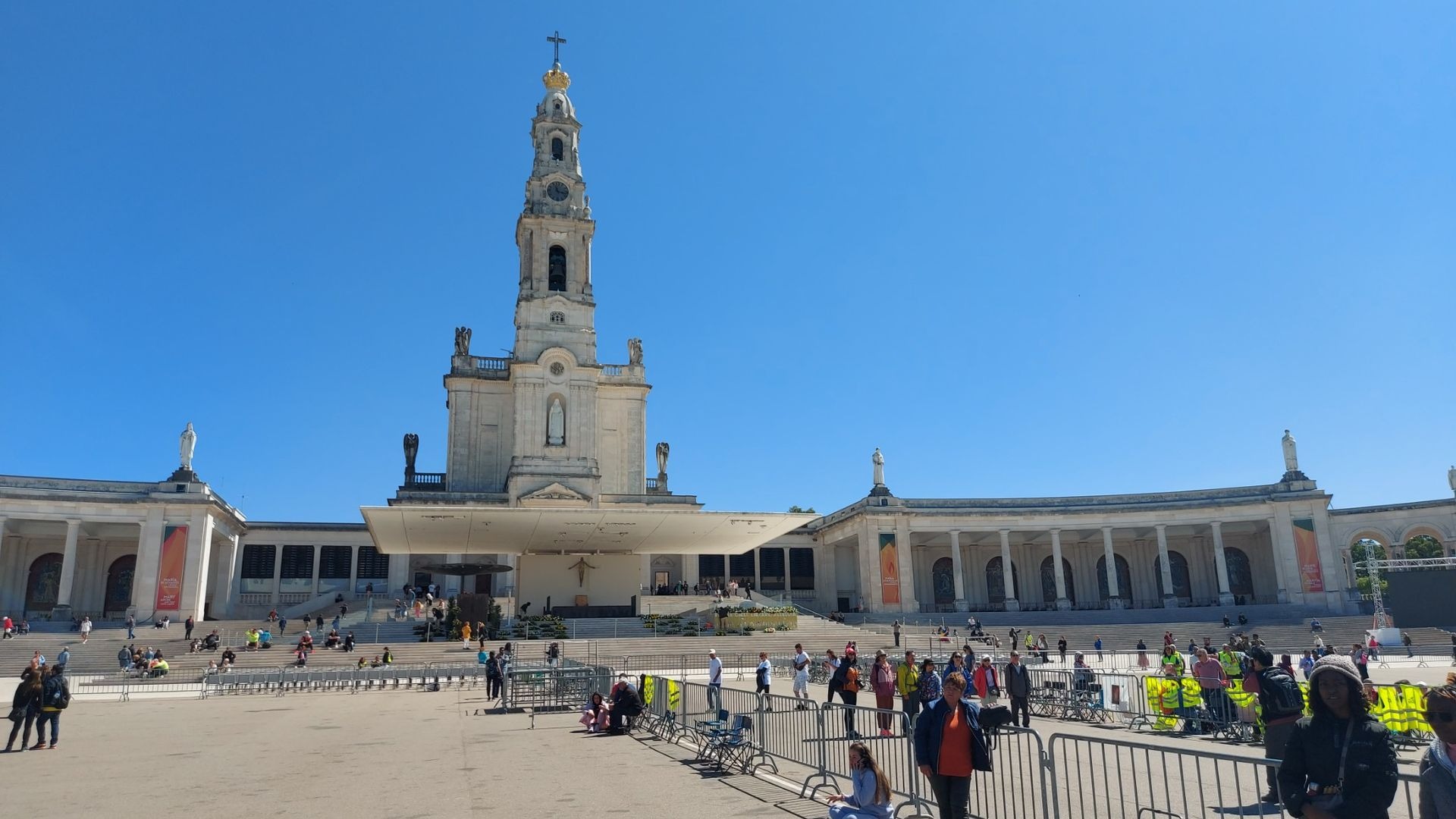
The Basilica of Our Lady of the Rosary of Fátima is the sanctuary’s original monumental church and one of its most recognisable architectural symbols.Designed by Gerardus Samuel van Krieken and continued by João Antunes, its foundation stone was blessed on 13 May 1928, and the church was dedicated on 7 October 1953.
Built in regional limestone and marked by a tall bell tower, the basilica expresses the earlier devotional and architectural language of Fátima.For visitors, it offers a more traditional sacred atmosphere than the newer basilica and gives the sanctuary historical continuity, linking the beginnings of the pilgrimage movement to its present global scale.
This is a stop that adds architectural dignity, devotional atmosphere, and historical continuity to the visit.The Basilica of Our Lady of the Rosary of Fátima remains one of the clearest expressions of the sanctuary’s enduring identity.
-
Rosary at the Chapel of Apparitions – Fátima as Living Pilgrimage
To attend the Rosary at the Chapel of Apparitions is to experience Fátima not only as a destination, but as a living devotional practice.The prayer of the rosary remains one of the central acts of pilgrimage at the sanctuary and continues to gather visitors from different countries, generations, and intentions.
For visitors, this moment adds something no architectural stop can offer: the lived rhythm of Fátima as a place of faith in action.Whether joining in prayer or observing respectfully, the experience helps explain why the site continues to resonate so strongly with pilgrims from around the world.
This is a stop that adds authenticity, emotional depth, and communal meaning to the day.The Rosary at the Chapel of Apparitions offers one of the most direct ways to understand Fátima as a place of living devotion.
-
Way of the Cross and Hungarian Calvary – A Reflective Path Through Landscape and Faith
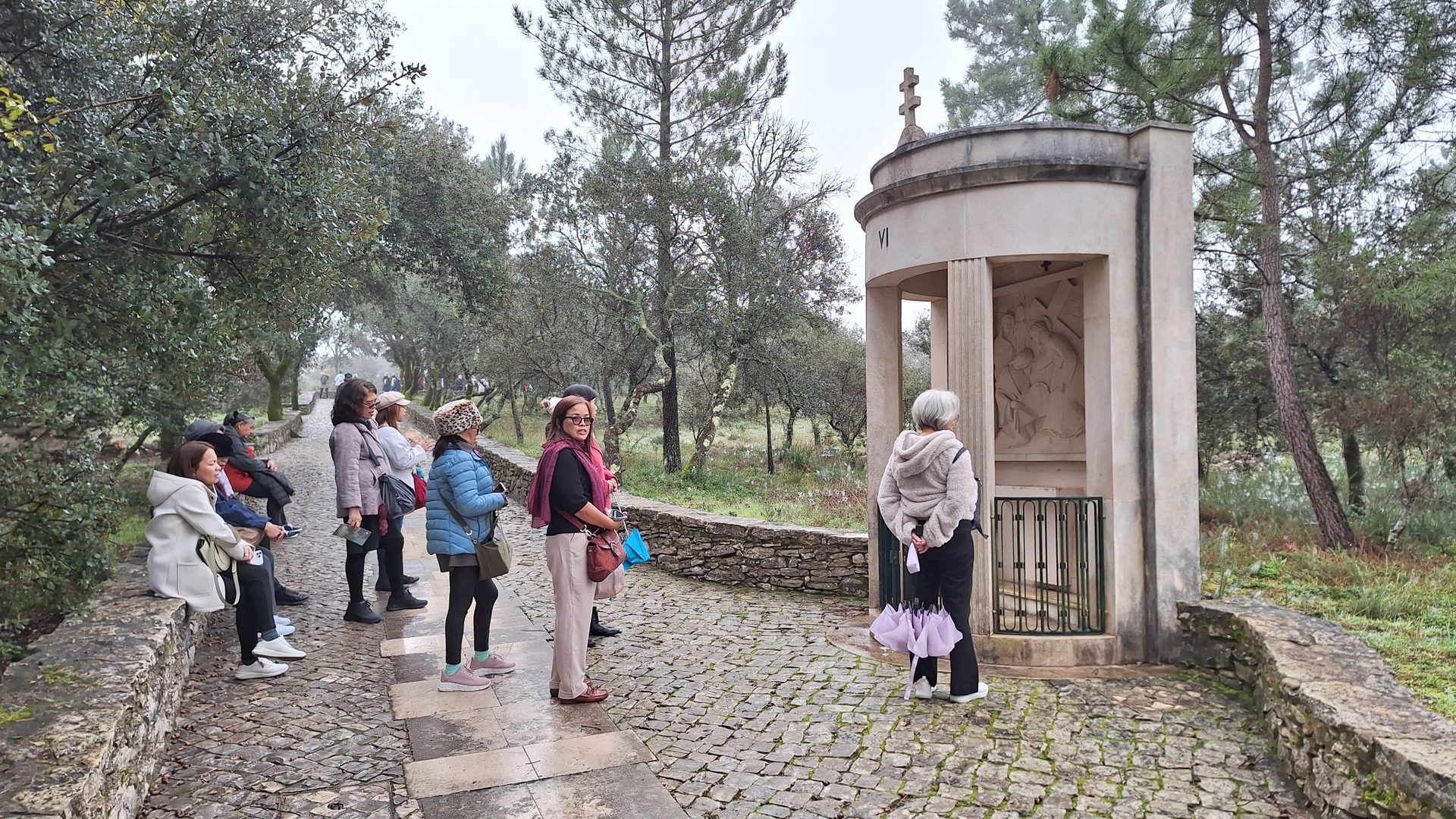
The Way of the Cross, laid out along the path traditionally associated with the shepherd children, leads through a quieter landscape toward the Hungarian Calvary.The route, whose first stone was blessed in 1959, ends at a chapel dedicated to Saint Stephen, King of Hungary, linking open countryside to one of the most contemplative devotional sequences in the wider Fátima area.
For visitors, this stretch offers a different rhythm from the sanctuary esplanade.The landscape, the stations, and the gradual movement through the terrain create a more reflective atmosphere, allowing the spiritual experience of Fátima to be felt through walking, silence, and the surrounding countryside.
This is a stop that adds calm, reflection, and a strong sense of pilgrimage in motion to the itinerary.The Way of the Cross and the Hungarian Calvary offer one of the most meditative chapters of the day.
-
Loca do Cabeço and the Well of Arneiro – The Angel’s Presence in the Landscape of Fátima
Beyond the main sanctuary, the places associated with the Angel of Peace add an earlier and quieter layer to the story of Fátima.The Loca do Cabeço is traditionally identified as the site of the first and third apparitions of the Angel in 1916, while the Well of Arneiro, in the yard of Lúcia’s house, is linked to the second apparition.
For visitors, these places shift the narrative away from monumental pilgrimage space and back toward the rural intimacy of the original setting.They reveal a more silent and preparatory chapter of the story, one rooted in landscape, prayer, and the early spiritual experiences that preceded the apparitions of 1917.
This is a stop that adds depth, stillness, and narrative continuity to the day.The Loca do Cabeço and the Well of Arneiro help complete the spiritual geography of Fátima beyond the sanctuary itself.
-
Valinhos – Landscape, Apparition Memory and Pilgrim Quiet
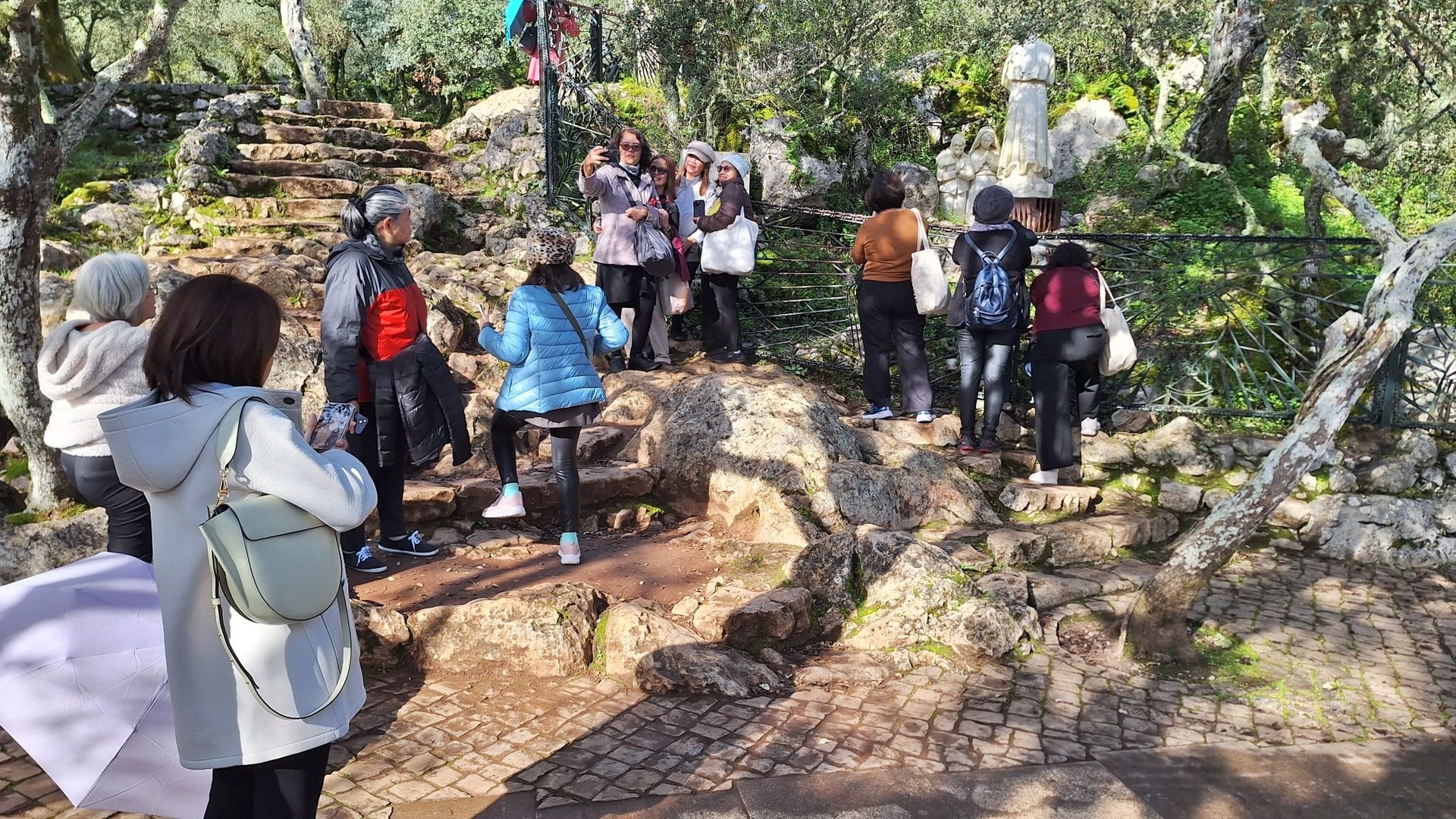
Valinhos is one of the most meaningful landscape stops in the wider Fátima narrative, associated with one of the 1917 apparitions and closely linked to the route taken by the shepherd children.Set away from the main sanctuary, it preserves a more rural and contemplative atmosphere that helps anchor the story in its original environment.
For visitors, Valinhos offers a sense of physical and emotional distance from the monumental sanctuary complex.The open setting, the devotional markers, and the quieter rhythm of the place help make the story of Fátima feel more immediate, local, and human in scale.
This is a stop that adds atmosphere, context, and spiritual stillness to the afternoon.Valinhos offers one of the most grounded and reflective encounters with the landscape of Fátima.
-
Aljustrel and the Little Shepherds’ Houses – Human Scale, Rural Life and the Origins of the Story
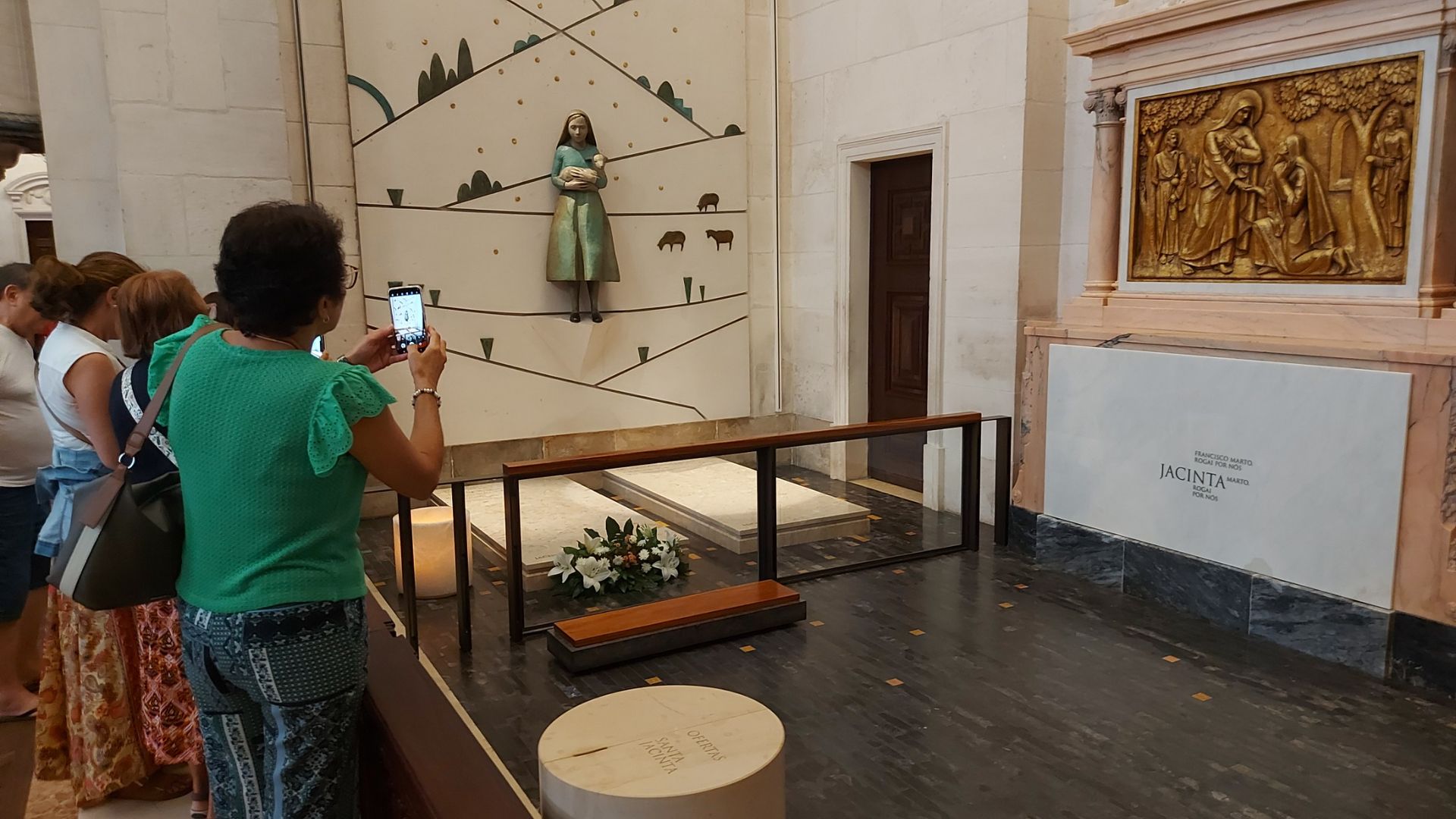
The village of Aljustrel offers one of the most important counterpoints to the monumentality of the sanctuary, preserving the rural setting where the three shepherd children — Lúcia, Francisco, and Jacinta — were born and raised.Their houses remain accessible and help reveal the domestic and social context of early 20th-century life in the region.
For visitors, Aljustrel gives the story of Fátima its most human scale.The modest houses, the village environment, and the visible simplicity of daily life help explain how a global pilgrimage narrative emerged from a small pastoral world marked by poverty, faith, and routine.
This is a stop that adds intimacy, realism, and historical grounding to the itinerary.Aljustrel and the Little Shepherds’ Houses offer a fitting and deeply meaningful conclusion to the day, bringing the story back to its origins in place, family, and lived experience.
What's Included
What's Excluded
What To Bring
Please Note
Meeting Point
Cancellation Policy
-
For cancellations upto 2 days before the tour -
Refund of 80% of the tour price.