Arrival in Arusha and Cultural Visit
- Pickup from Kilimanjaro or Arusha Airport.
- Drive to Arusha town.
- Visit the Arusha Giraffe Centre at Kisongo.
- Explore Shanga Workshop or enjoy a coffee tour.
- Check in at the lodge for dinner and an overnight stay.
Tanzania · Safari
The journey
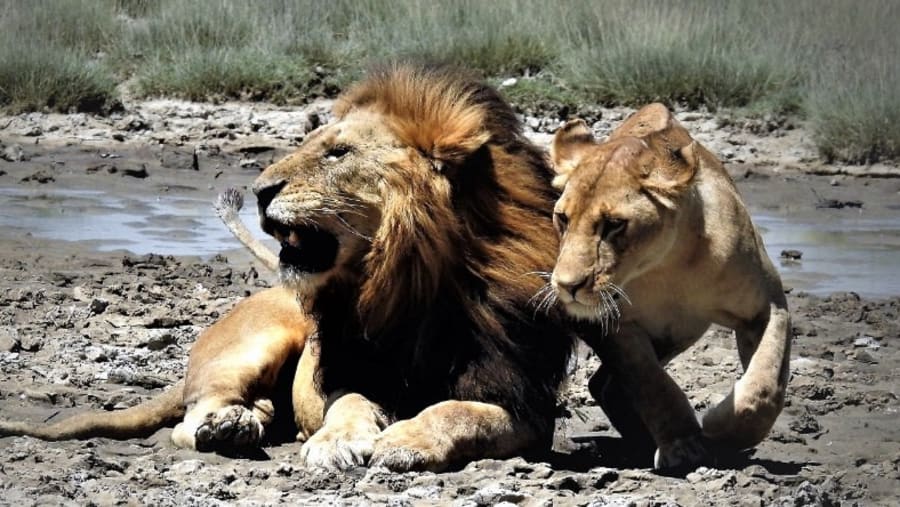
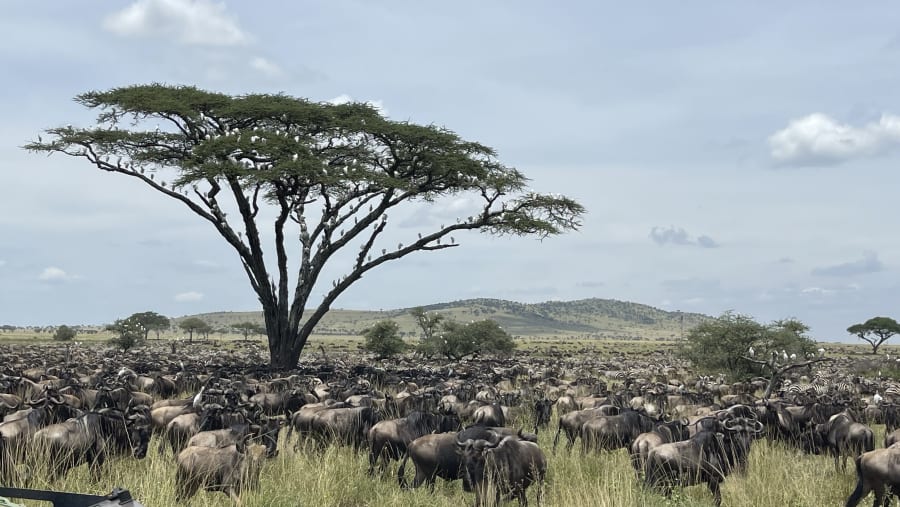
Explore Tanzania on a 6-day safari through Arusha, Tarangire, Lake Manyara, Ngorongoro Crater, and Serengeti, witnessing the Big Five, tree-climbing lions, elephants, giraffes, zebras, and diverse wildlife across stunning savannahs, forests, and crater landscapes. Enjoy thrilling morning and evening game drives, capture breathtaking sunrises over the plains, and spot a kaleidoscope of bird species while visiting iconic national parks.
Explore Tanzania on a 6-day safari through Arusha, Tarangire, Lake Manyara, Ngorongoro Crater, and Serengeti, witnessing the Big Five, tree-climbing lions, elephants, giraffes, zebras, and diverse wildlife across stunning savannahs, forests, and crater landscapes.
From the itinerary
At a glance
Day by day
Drive to Ngorongoro Crater and enjoy wildlife sightings and scenic viewpoints.
Spot baboons, leopards, and other wildlife along the way.
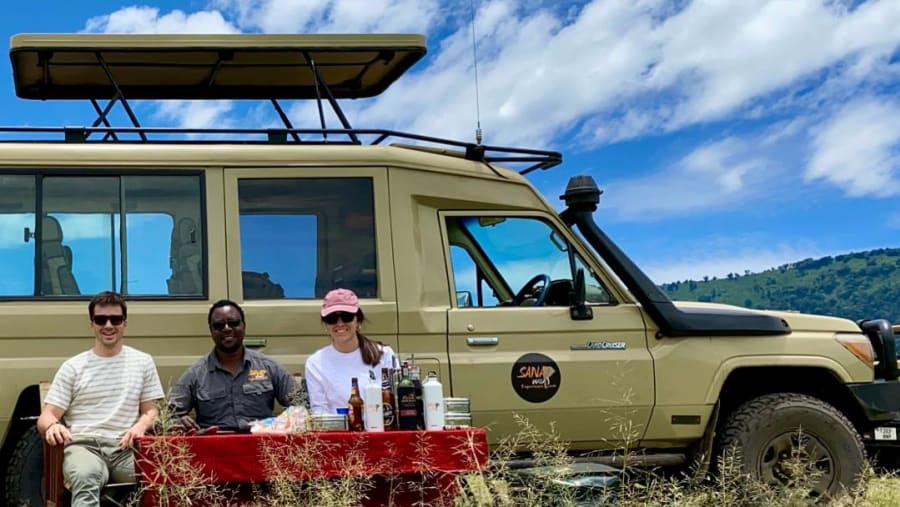
Have lunch inside the crater.
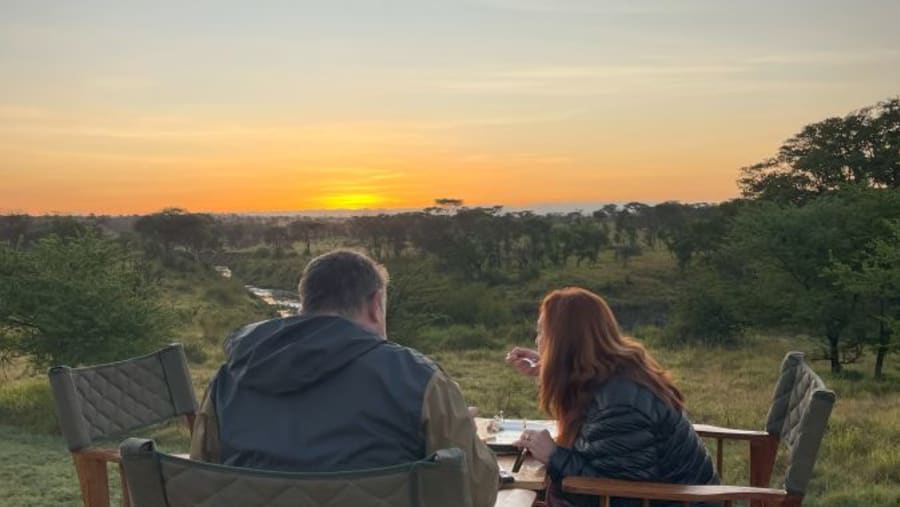
Continue to Serengeti National Park and check in at the lodge for dinner and an overnight stay.
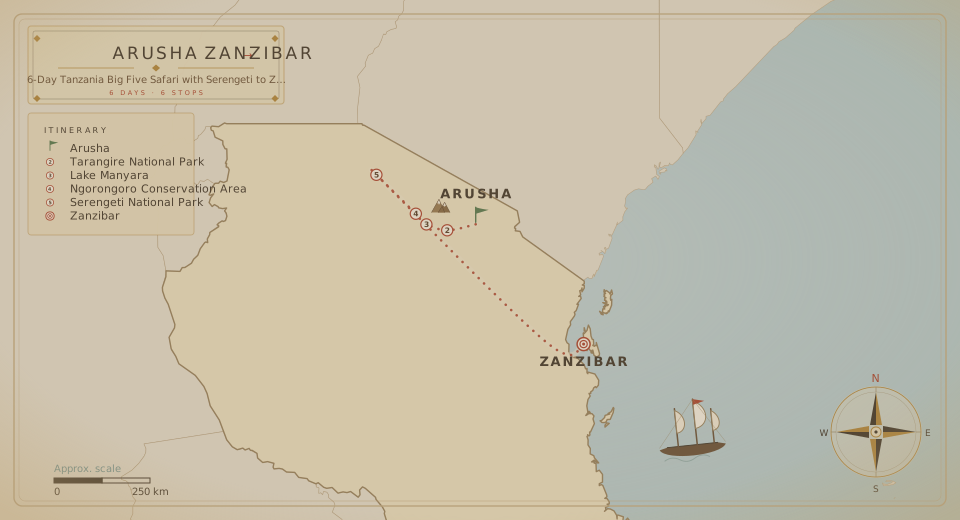
Where this trip takes you
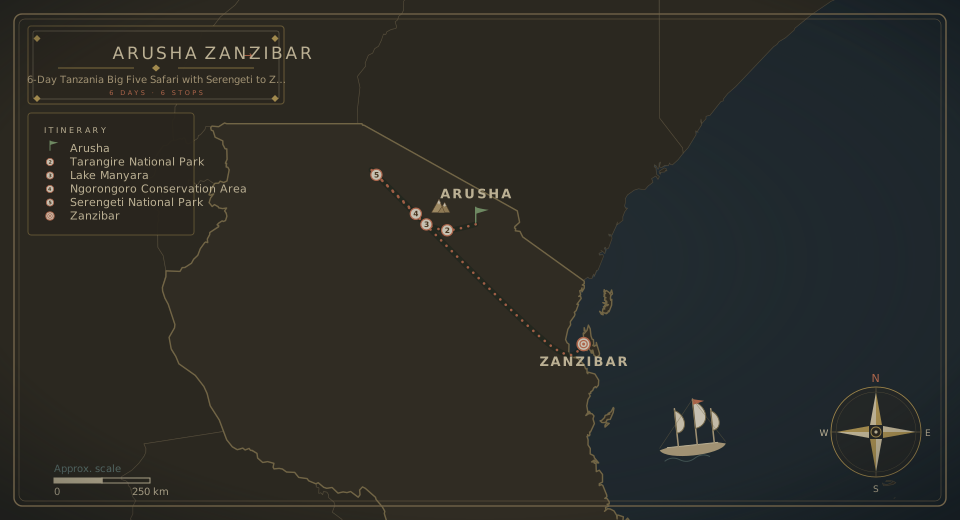
Tarangire National Park, Lake Manyara, Ngorongoro Crater, Serengeti National Park
The route
The fine print
Sun protection: Pack sunscreen with high SPF and broad-spectrum protection to shield your skin throughout the day, as well as lip balm with SPF.
Insect repellent: Apply insect repellent with DEET to ward off mosquitoes and other biting insects.
Clothing for layering: Pack lightweight long-sleeved shirts and pants in neutral colours like khaki or beige to protect from the sun, mosquitoes, and unexpected temperature changes.
Comfortable shoes: Wear closed-toe shoes with good ankle support for walking on uneven terrain, and bring sandals for lounging at the camp.
Hat and sunglasses: A wide-brimmed hat and polarized sunglasses are essential for sun protection and for keeping dust out of your eyes during game drives.
Binoculars: Bring a good pair of binoculars to magnify the amazing wildlife sightings.
Camera gear: Pack your camera with extra batteries, memory cards, and ample storage to capture all your safari memories.
Reusable water bottle: Stay hydrated with a reusable water bottle throughout the day.
First-aid kit: Include basic supplies like band-aids, antiseptic wipes, and medications for headaches, upset stomachs, and allergies.
Power bank: Bring a portable phone charger to keep your camera and phone powered throughout the trip.
Choose the perfect Tanzania safari destination: Tanzania boasts numerous wildlife reserves and national parks, each offering a unique experience. Serengeti National Park, famous for the Great Migration, is a classic choice. Ngorongoro Crater boasts Africa's highest concentration of wildlife within a confined space. For a more off-the-beaten-path experience, consider Tarangire National Park, known for its large elephant herds, or Lake Manyara National Park, home to tree-climbing lions.
Choose the perfect time to visit: The dry season (June to October) is the most popular safari time, with sunny skies and minimal rain. However, this is also peak season with higher prices and larger crowds. The green season (November to May) offers lush landscapes and fewer crowds, but some roads may become muddy, and some parks may have limited access. If you are specifically interested in witnessing the Great Migration, plan your trip between December and July, when millions of wildebeest thunder across the plains.
Be prepared for long safari drives: Safaris often involve long drives between park areas. Pack comfortable clothing, bring snacks and water, and be prepared for potential dust.
Pack for sun and shade: Daytime temperatures in Tanzania can soar, so pack lightweight, breathable clothing with long sleeves and pants. Mornings and evenings can be cool, so bring layers. Do not forget a hat, sunglasses, and sunscreen.
Respect the wildlife: Always follow your guide's instructions and stay safe around the animals. Avoid loud noises and sudden movements that could startle them.
Tipping your guide: Tipping your guide is a common way to show appreciation for their expertise and service. While tipping amounts vary, $10-15 USD per person per day is a reasonable guideline.
Be prepared for limited amenities: While some safari camps offer luxurious amenities, others provide a more basic experience. Be prepared for limited access to Wi-Fi, electricity, and hot showers.
Embrace the adventure: Part of the safari experience is adapting to unexpected situations. Be prepared for potential changes in the itinerary due to weather or wildlife sightings.
Bring local currency: While some larger camps may accept US dollars or Euros, it is always best to have Tanzanian shillings on hand for smaller purchases, tipping, and park fees.
Learn a few Swahili phrases: A few basic Swahili phrases will go a long way in enhancing your safari experience. Learning greetings like 'Jambo' (hello) and 'Asante' (thank you) will be appreciated by locals.
Giraffe orphanage and balloon safari are available as optional activities.
Logistics
Your 6 days finish where they began, in Arusha.
Watch the film
Create your own adventure
Say goodbye to travel stress.
Starting from
When
Travellers
Total
—