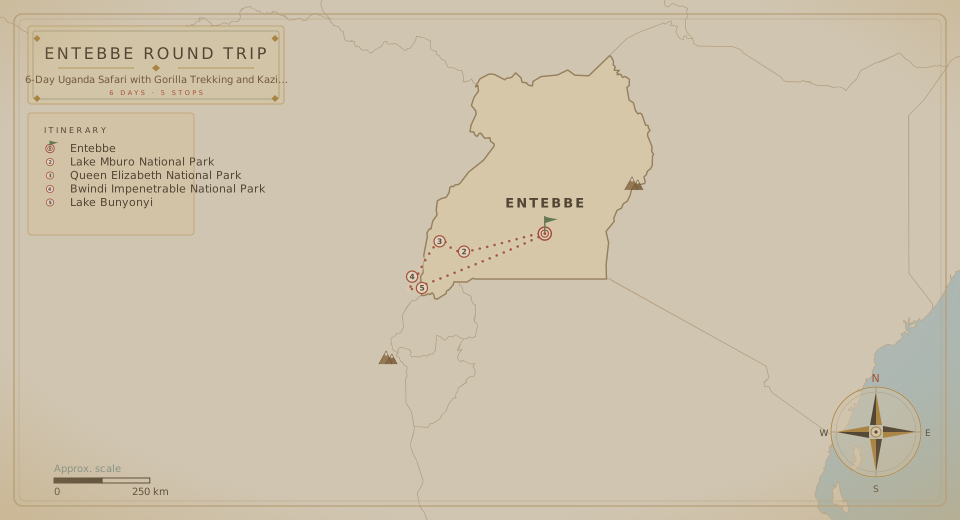
Lake Mburo National Park: Walking Safari
What to Expect:
Lake Mburo is unique in Uganda for offering walking safaris, allowing you to explore its diverse ecosystems on foot. Guided walks, typically starting from Rwonyo Tourism Center, last about 3 hours and provide opportunities to see zebras, impalas, elands, buffaloes, hippos, and over 300 bird species. These walks are conducted during the day and at night, with nocturnal walks using spotlights to observe night-active animals like leopards and hyenas.
Preparation Tips:
- Wear lightweight, neutral-colored clothing and sturdy walking shoes.
- Carry insect repellent with at least 30% DEET, sunscreen, a wide-brimmed hat, and sunglasses.
- Bring binoculars and a camera for wildlife viewing and photography.
- Stay hydrated by carrying a reusable water bottle.
- A small backpack can be useful for carrying essentials during the walk.
Queen Elizabeth National Park: Game Drive, Chimpanzee Tracking and Kazinga Channel
Highlights:
- Game drives: Explore the park's diverse landscapes, home to lions, elephants, buffaloes, and various antelope species.
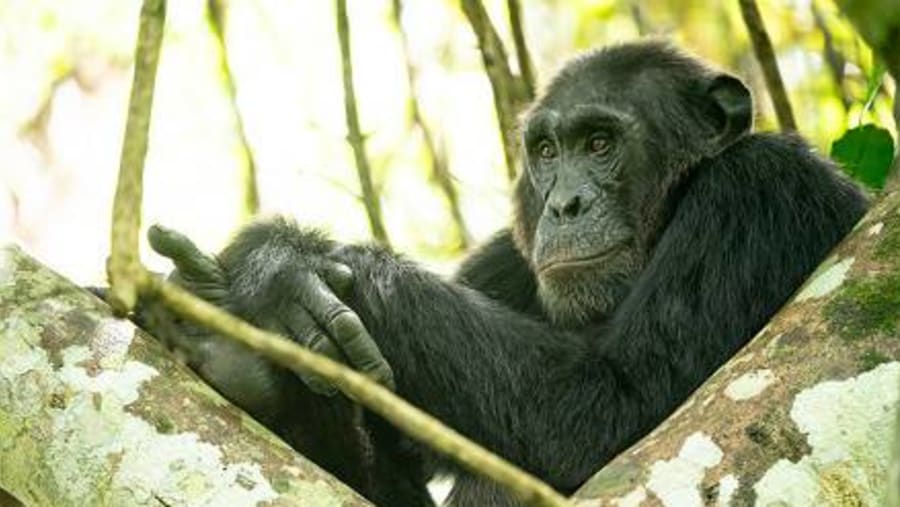
- Chimpanzee tracking: Kyambura Gorge offers a chance to track habituated chimpanzees in a lush, forested setting.
- Kazinga Channel boat cruise: This 32 km natural channel connects Lake Edward and Lake George, hosting one of the world's largest concentrations of hippos and numerous Nile crocodiles. The boat cruise provides close-up views of these animals and a variety of bird species.
Tips:
- For chimpanzee tracking, wear long sleeves and trousers to protect against insects and thorny vegetation.
- Boat cruises are typically scheduled in the morning and late afternoon when wildlife activity is highest.
- Bring a good camera and binoculars for birdwatching and wildlife observation.
Ishasha Sector: Tree-Climbing Lions
Unique Feature:
The Ishasha sector, in the southern part of Queen Elizabeth National Park, is renowned for its population of tree-climbing lions - a rare behavior observed in only a few places worldwide. These lions often rest in fig trees during the heat of the day.
Travel Note:
Access to Ishasha is typically by road, with the sector located approximately 2 hours from the main areas of Queen Elizabeth National Park. It is a common route when traveling from Queen Elizabeth to Bwindi Impenetrable National Park.
Bwindi Impenetrable National Park: Gorilla Trekking
Experience:
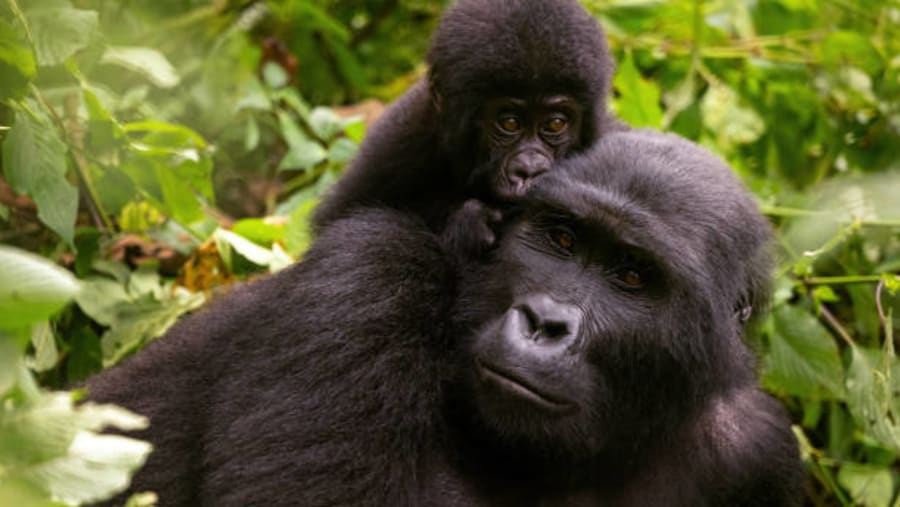
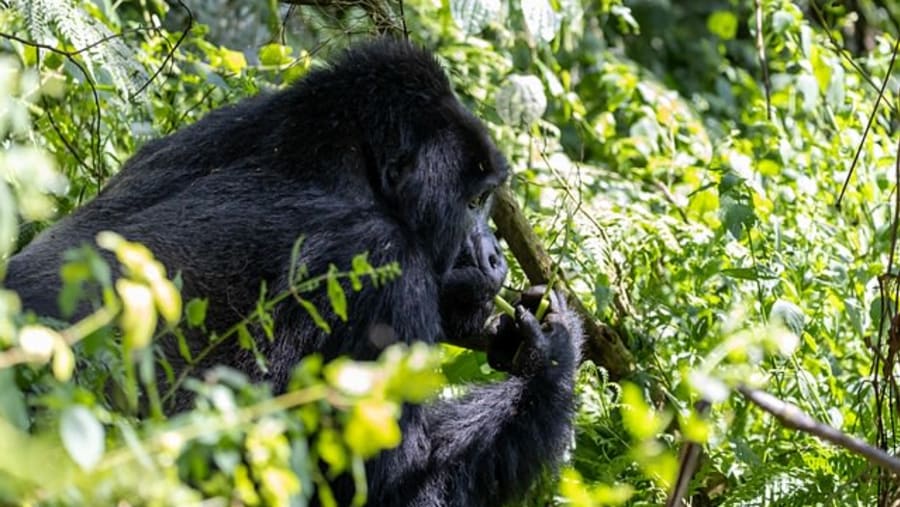
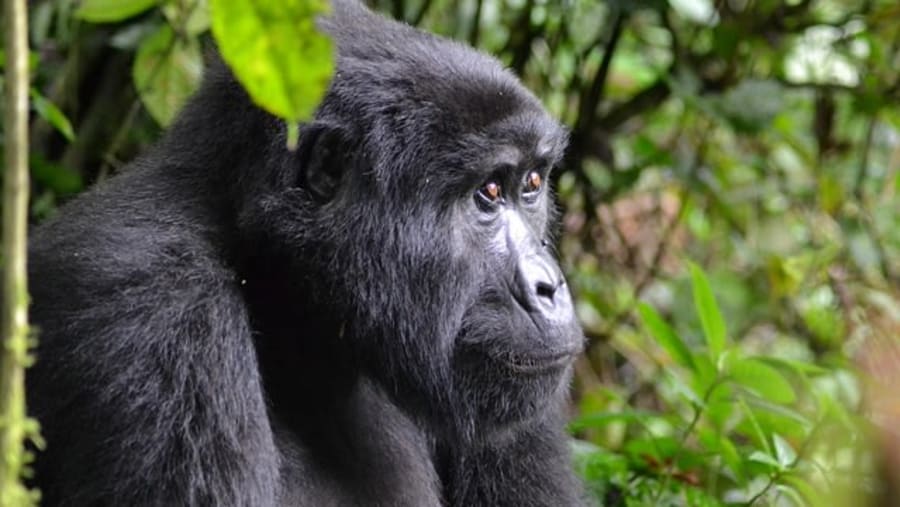
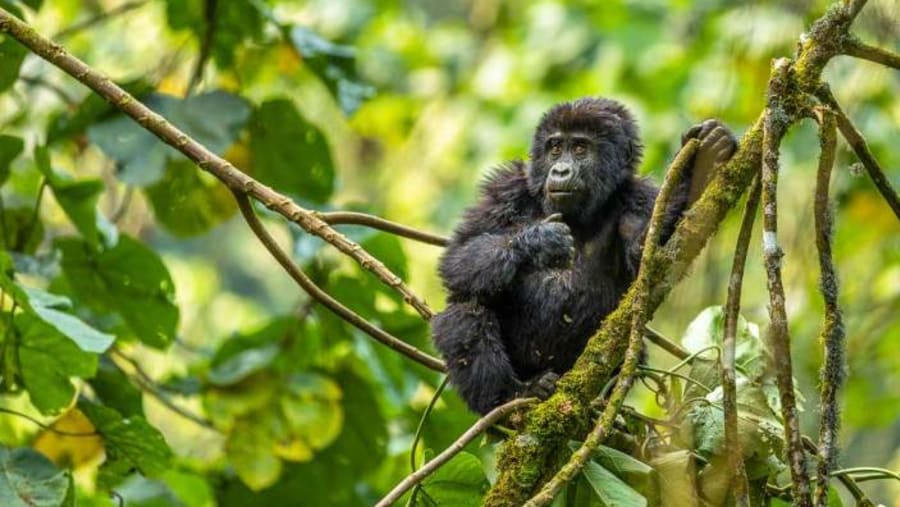
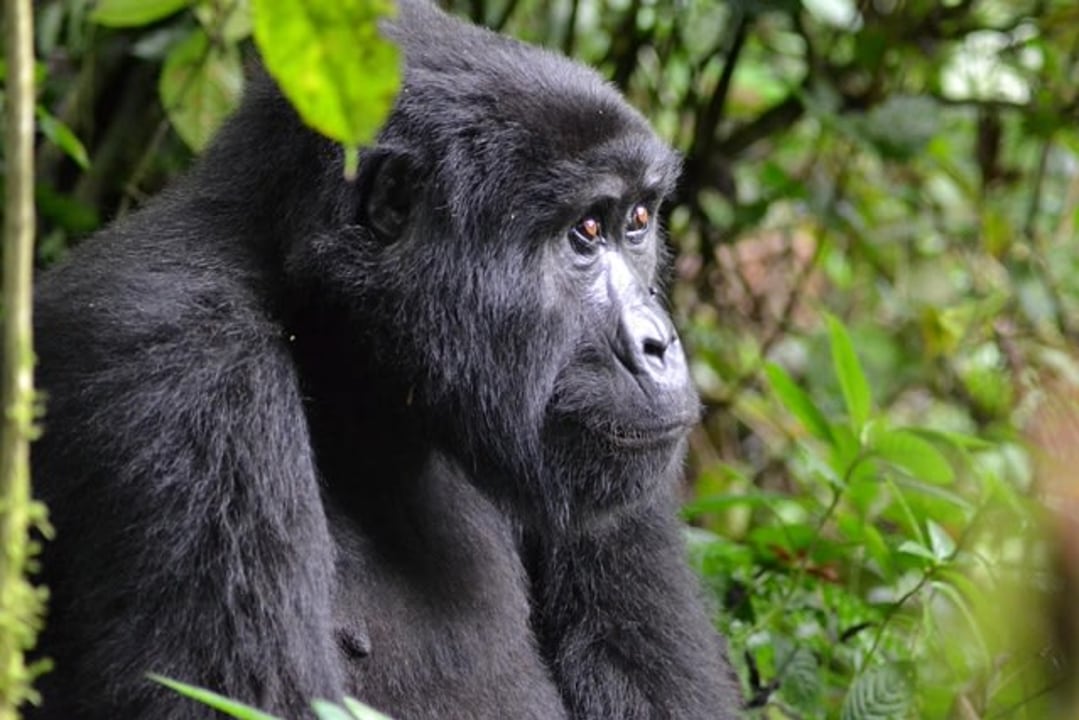
Bwindi is home to over half of the world's remaining mountain gorillas. Gorilla trekking involves hiking through dense forest to spend a precious hour observing a habituated gorilla family in their natural habitat.
Preparation Tips:
- Wear sturdy hiking boots, long sleeves, and trousers.
- Bring gloves to protect your hands from nettles and thorns.
- Carry a rain jacket, as the weather can be unpredictable.
- Hiring a porter is recommended to assist with your backpack and provide support during the hike.
- Optional lion tracking is available at an extra cost of $120.
Lake Bunyonyi: Relaxation
Overview:
Lake Bunyonyi, meaning "Place of Many Little Birds," is Uganda's second-deepest lake and is known for its scenic beauty and tranquility. With 29 islands scattered across its waters, it is an ideal spot to unwind after your safari adventures.
Activities:
- Take a canoe ride to explore the lake and its islands.
- Visit local communities to learn about their culture and traditions.
- Enjoy birdwatching, with numerous species inhabiting the area.
- Relax at lakeside lodges, taking in the serene environment.
Travel Tips and Timing
- Best time to visit: June to September and December to February are the dry seasons, offering better trekking conditions and wildlife viewing opportunities.
- Permits: Secure gorilla and chimpanzee trekking permits well in advance, as they are limited and in high demand.
- Health precautions: Consult your doctor about vaccinations and medications, such as malaria prophylaxis, before traveling.
- Local currency: The Ugandan Shilling (UGX) is the local currency. It is advisable to carry some cash, as card facilities may not be available in remote areas.