Gayer-Anderson Museum, Ibn Tulun Mosque and El Moez Street
Our friendly expert Egyptologist guide will accompany you to visit the Gayer-Anderson Museum, an art museum that gets its current name from John Gayer-Anderson, the British major and army doctor who lived in the house between 1935 and 1942 with special permission from the Egyptian Government. It is located in the heart of Historic Cairo, adjacent to the Mosque of Ahmad ibn Tulun in Sayyida Zeinab. The Gayer-Anderson Museum was formed by combining two houses built in 1632 and 1540 into one building. The larger home, built in 1632, is situated to the east, on the farthest side from the mosque. It was later owned by a wealthy Muslim woman from Crete, and the residence became known as Beit al-Kritliyya, or "House of the Cretan Woman."
The second house to the west, on the side closest to the mosque, was built in 1540 by Abdel-Qader al-Haddad. Later, it adopted the name "Beit Amna bint Salim" in honour of its previous owner.
This museum is a great example of 17th-century domestic architecture and has a wonderful collection of furniture, carpets, curios, and other antiquities that fascinate visitors.
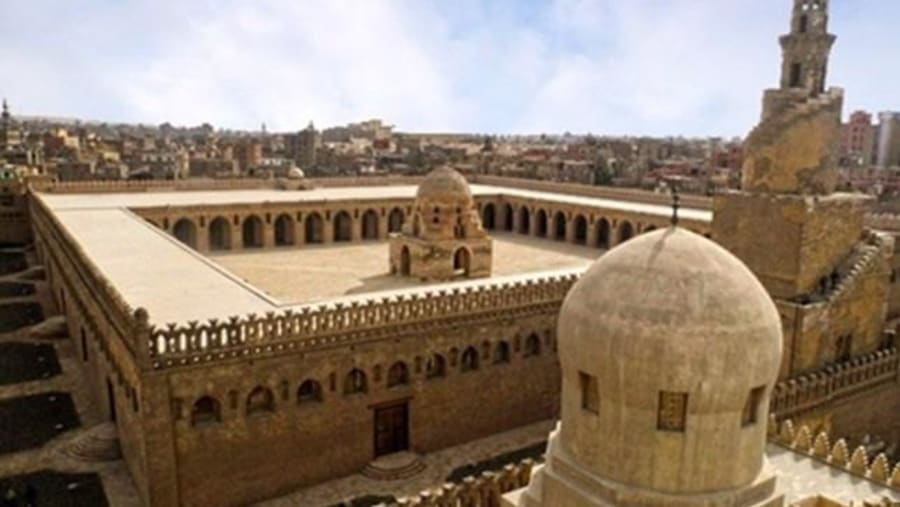
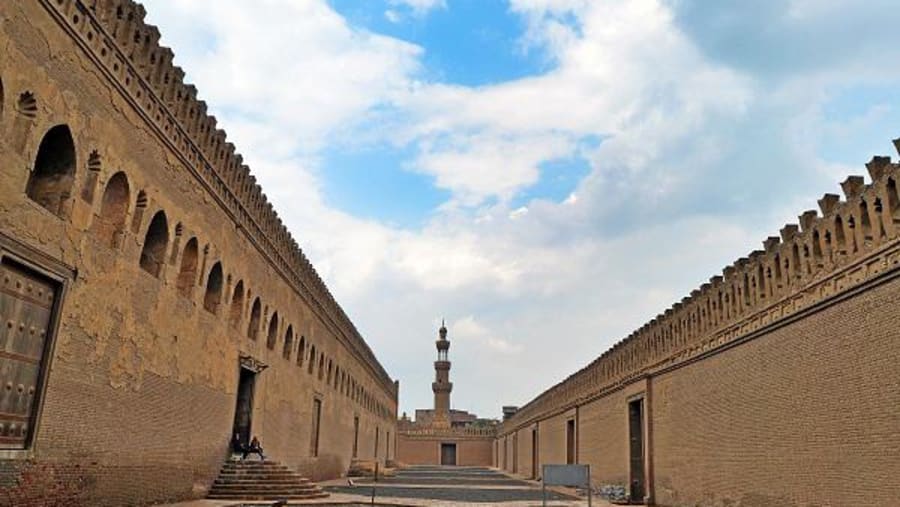
The Mosque of Ibn Tulun was constructed in the 9th century during the Abbasid Empire by the renowned Muslim general Ahmed Ibn Tulun. It is one of the largest mosques in Egypt by area and is built primarily of brick, except for the minaret, which is made of stone. This mosque is important for its historical and religious significance and for its unique architecture, which stands out from other mosques in the city. The mosque is distinguished by its spiral minaret, which echoes the design of the al-Abbas Mosque in Samarra, Iraq. The interior of the mosque contains six mihrabs. The mihrab is a niche in the wall of a mosque that marks the qibla, the direction of the Kaaba in Mecca, which Muslims face during prayer. The main mihrab is hollow and elaborately decorated.
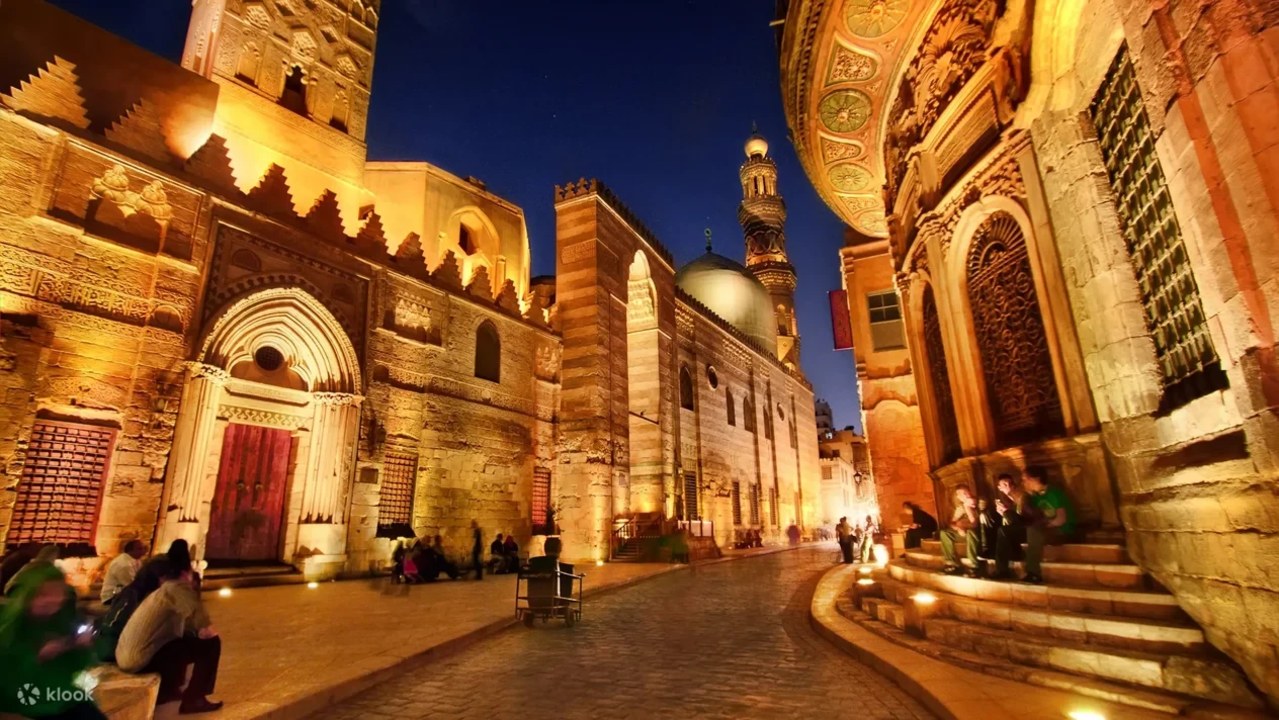
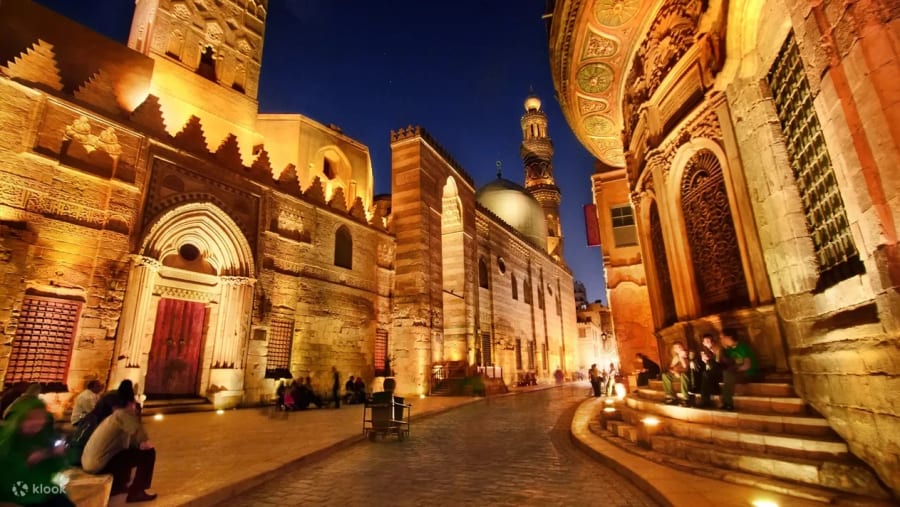
El Moez Street is considered to be the biggest open-air museum of Islamic architecture in the world. Most tourists who visit the Islamic quarter of Cairo end up circling the souq, Khan El Khalily market, and because of a lack of knowledge, they miss this street. However, the street is much bigger than the market and has far more to see than just shops and cafés.
The street was one of the two main streets crossing Cairo when it was first built 1,000 years ago.
The first thing to see when you enter the street is the ancient gate that once protected Cairo, attached to the huge enclosure wall. As you continue along the street, you will see an uncounted number of ancient mosques, mausoleums, old workshops for traditional handicrafts, local restaurants, coffee shops, and the real Egyptian market where Egyptians go shopping, not tourists. In other words, you will be in real Cairo, the one that travellers truly look for to experience. You can walk this street in 45 minutes as a quick passerby, or you can spend 2-3 hours taking pictures, visiting the buildings on both sides, and paying attention to the little details. With the guided tour, you will listen to many stories about the Mamluk kings of Egypt, heroes who rose and fell, a woman who led the army and saved the Egyptian kingdom, and so much more.
The highlights on the street include Bab El Fotoh, Bab El Naser, Bab Zwaela with a panoramic view of Cairo, El-Hakim Mosque, El-sheik Moaed Mosque, El Ghoria market, the Tentmakers, the Ben Qalaoun complex, and Egyptian pie restaurants.