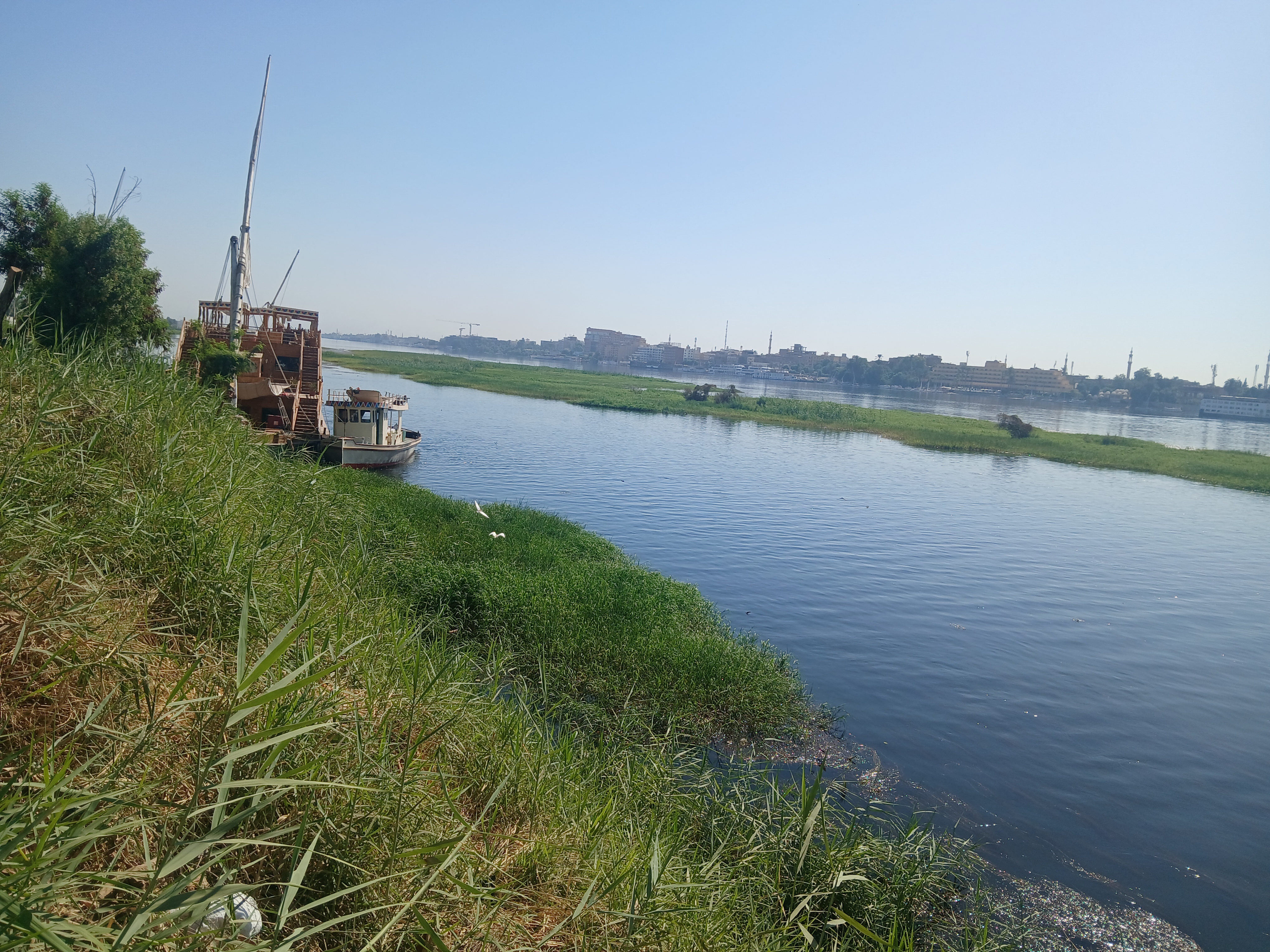
Visiting west bank
After enjoying a delicious breakfast, you will receive your lunch box and check out of the hotel with all your luggage. Your first stop of the day will be Medinet Habu, where you’ll have one hour to explore this captivating site. Known for its impressive mortuary temple of Ramses III,
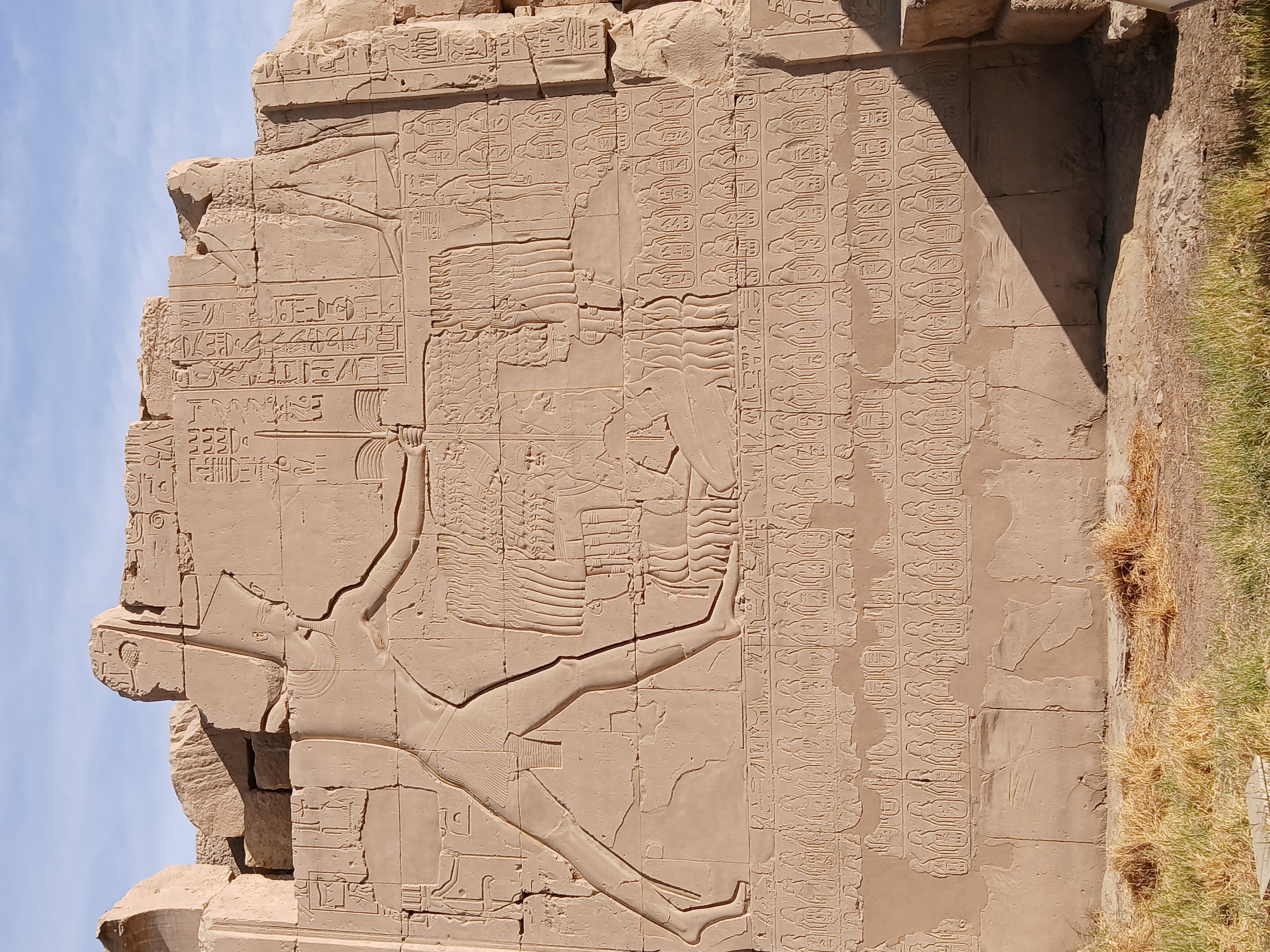
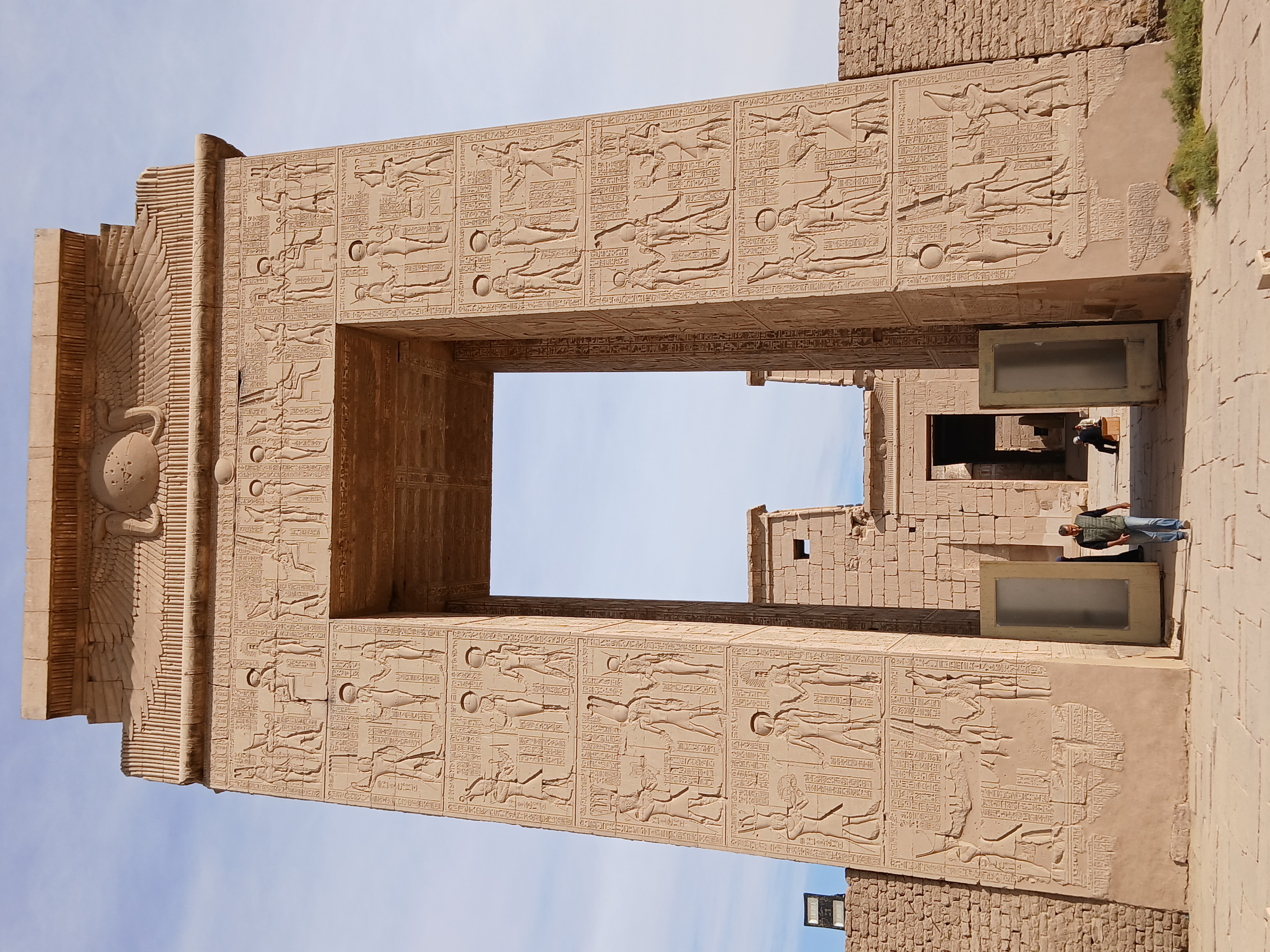
The Temple of Medinet Habu—a monumental masterpiece standing as a testament to the divine power and eternal legacy of the great Ramesses III, the last of Egypt’s mighty New Kingdom pharaohs. Nestled on the west bank of the Nile, this colossal temple complex is not only a place of worship, but a living history book etched in stone, telling the story of Egypt’s struggle for survival and its ultimate triumphs. The temple’s towering walls and massive pylons rise above the surrounding desert like sacred fortresses, guarding the ancient kingdom's most important secrets.
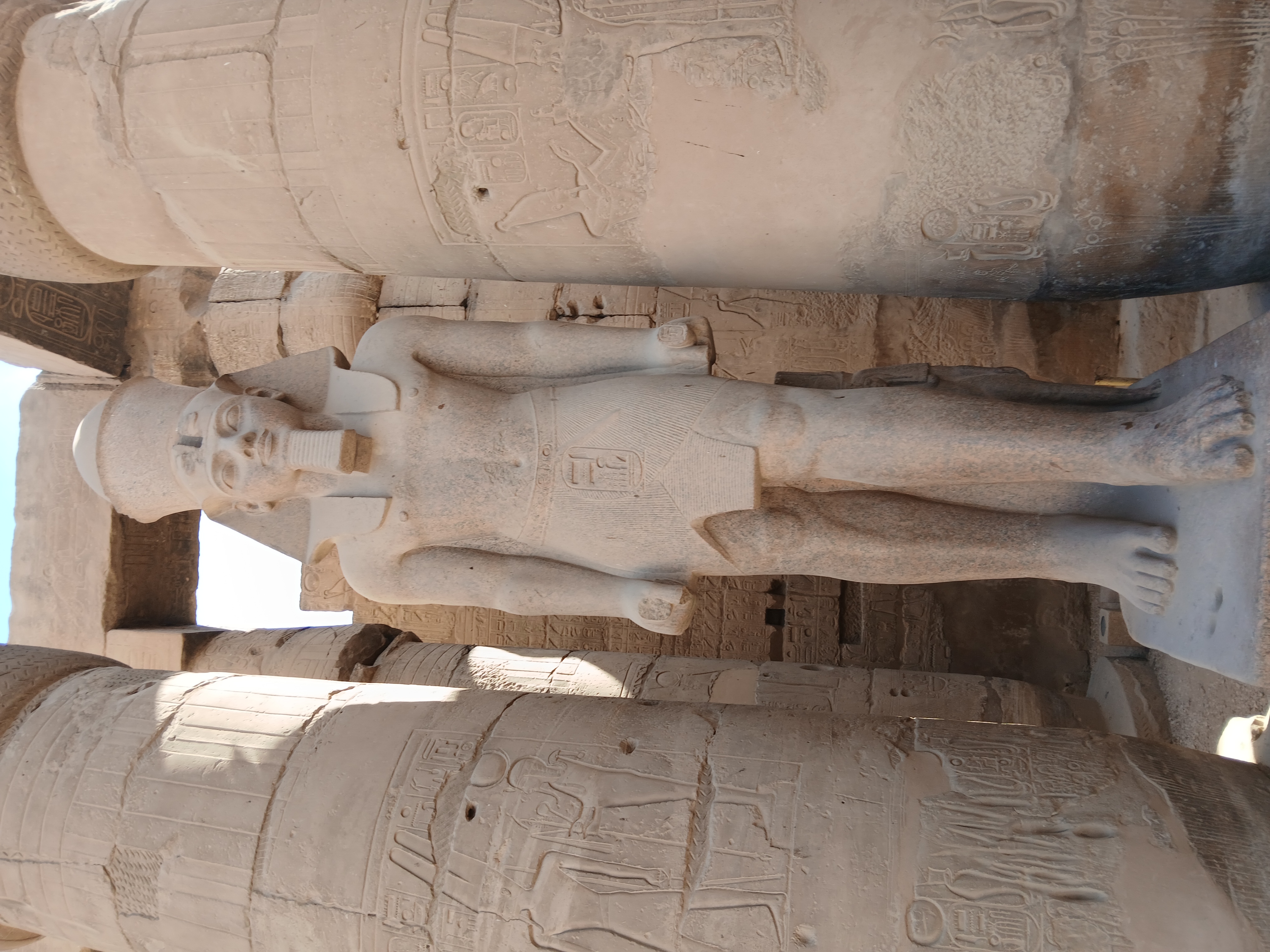
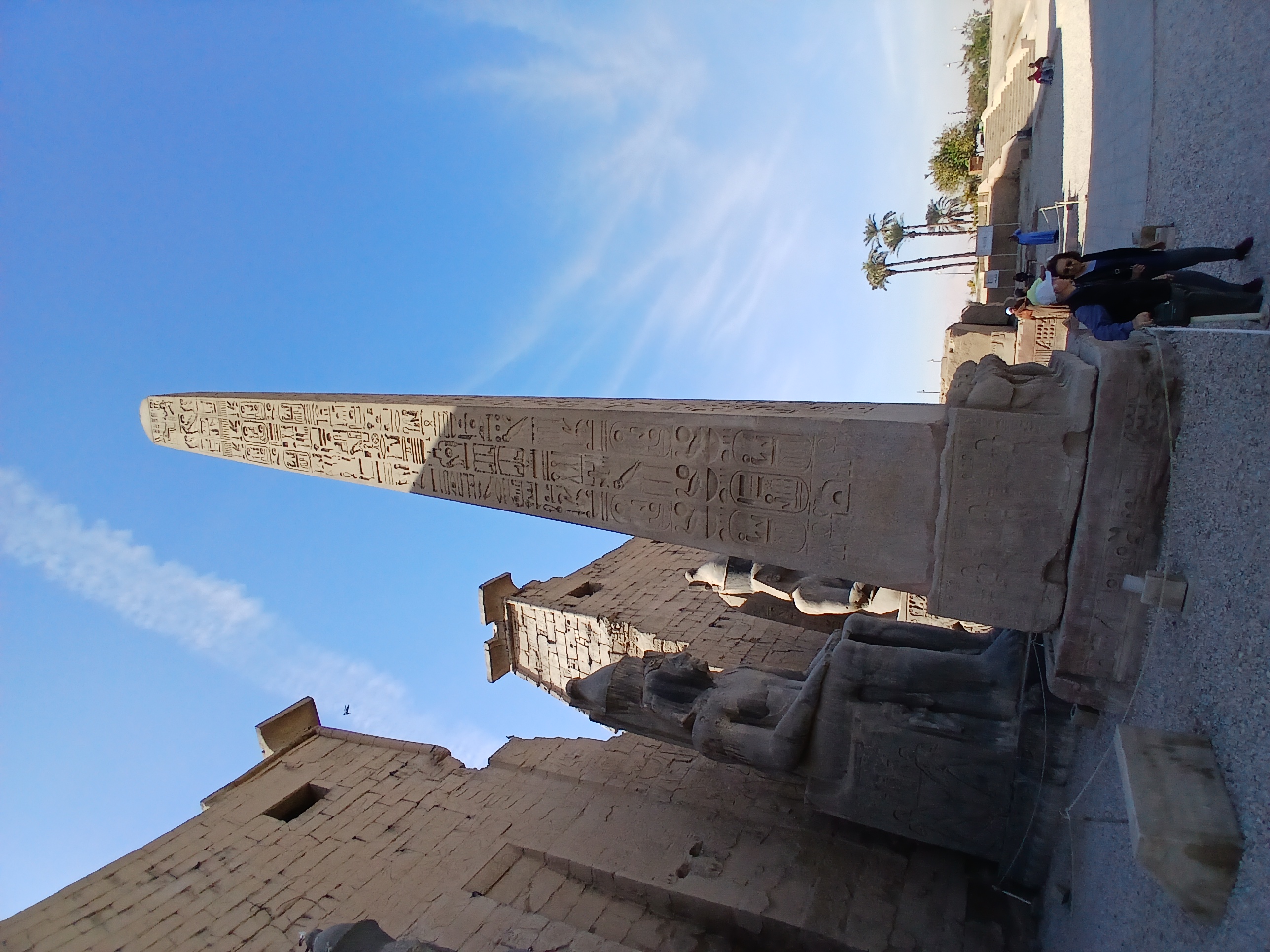
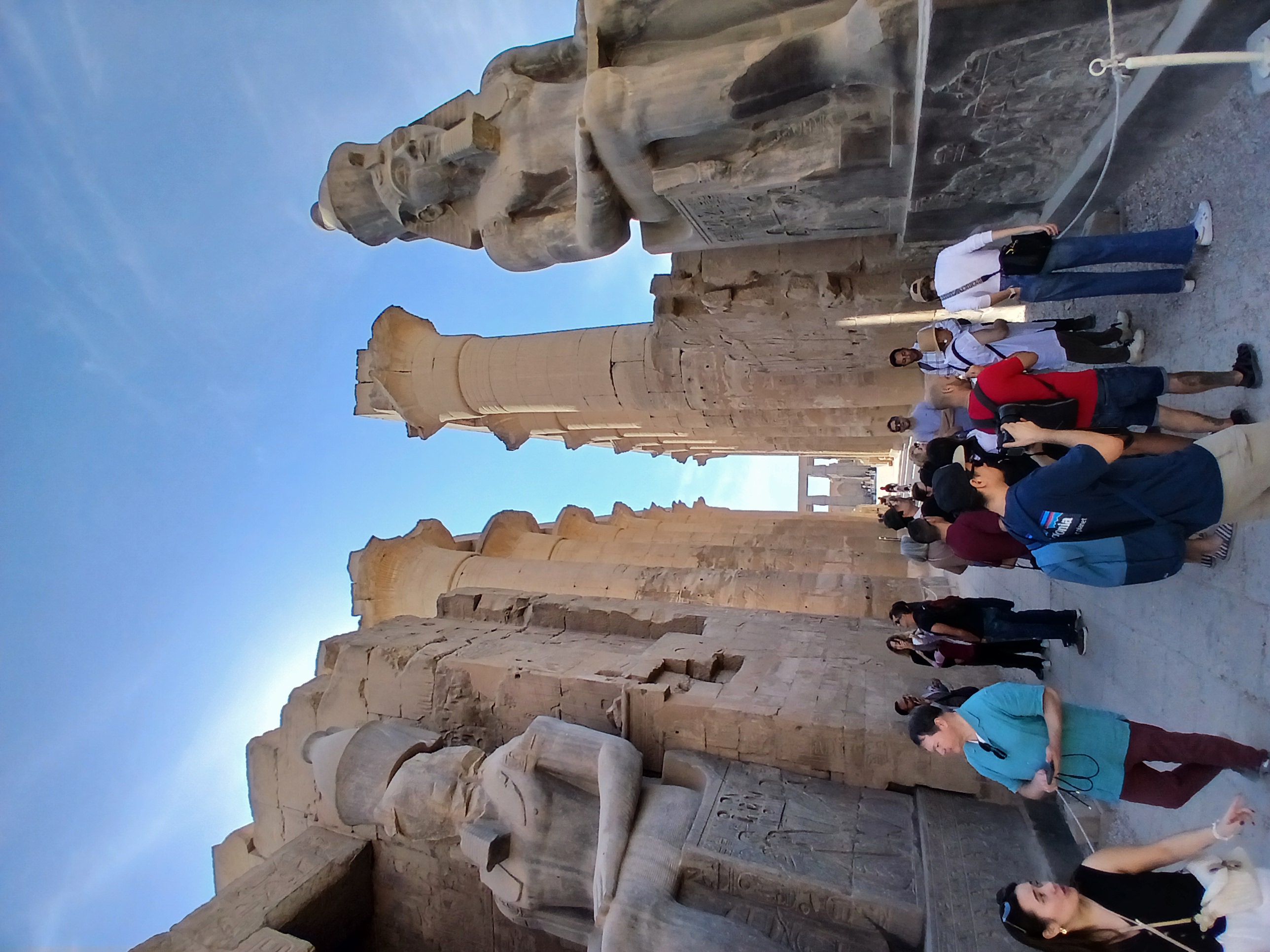
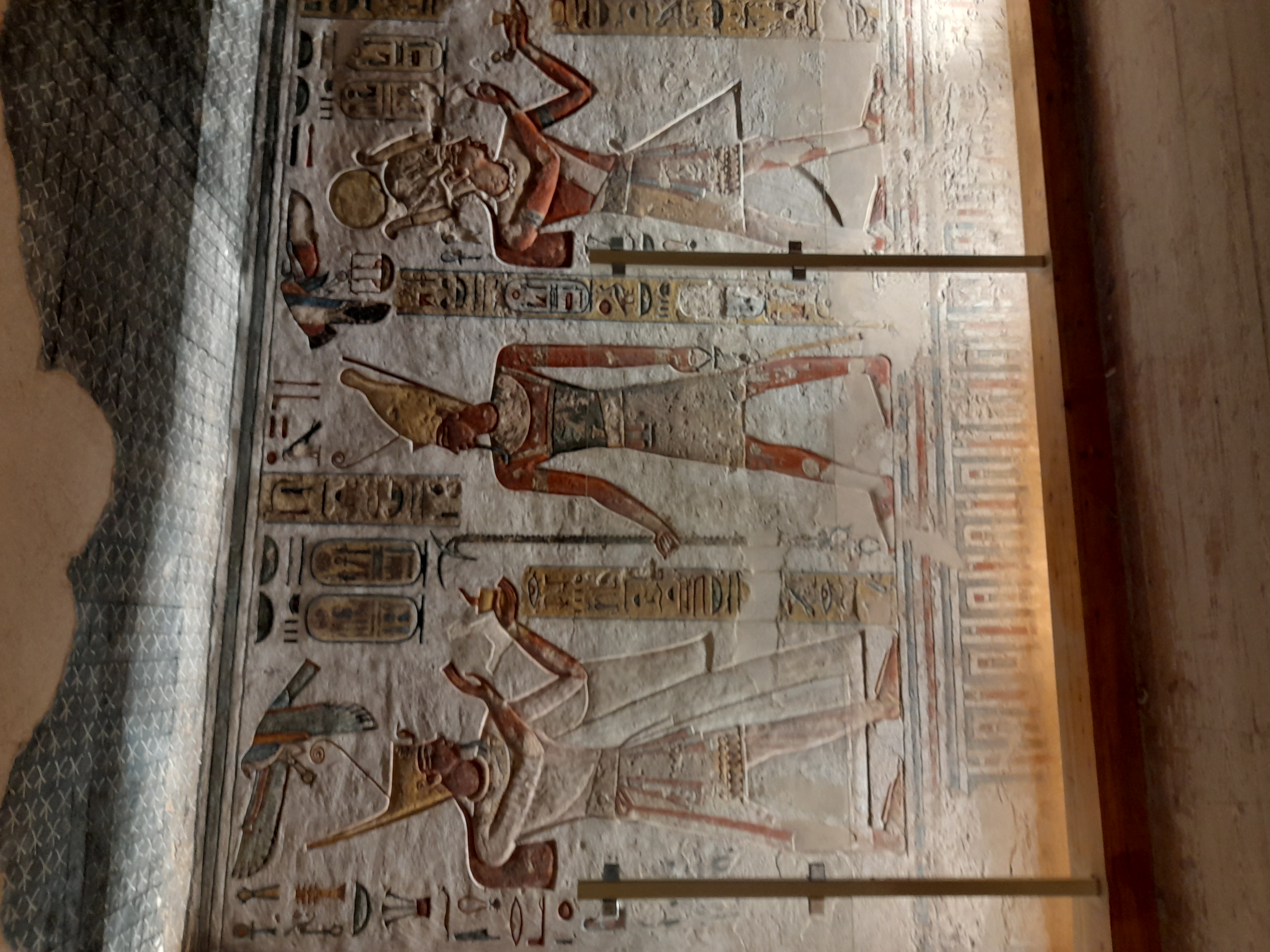
Approaching the temple, the entrance looms with great intensity, where enormous statues of Ramesses III stand watch. These stone giants seem to breathe the air of ancient Egypt itself, a symbol of the king’s divine strength and eternal rule. The imposing pylons lead you into the heart of the temple, where the ancient world unfolds in intricate reliefs and carvings, illustrating the victories of Ramesses III over foreign invaders and his incredible strength in defending Egypt's borders. His triumphant battles against the Sea Peoples are immortalized here, a reminder of Egypt’s resilience and the power of its pharaohs to protect their sacred land.
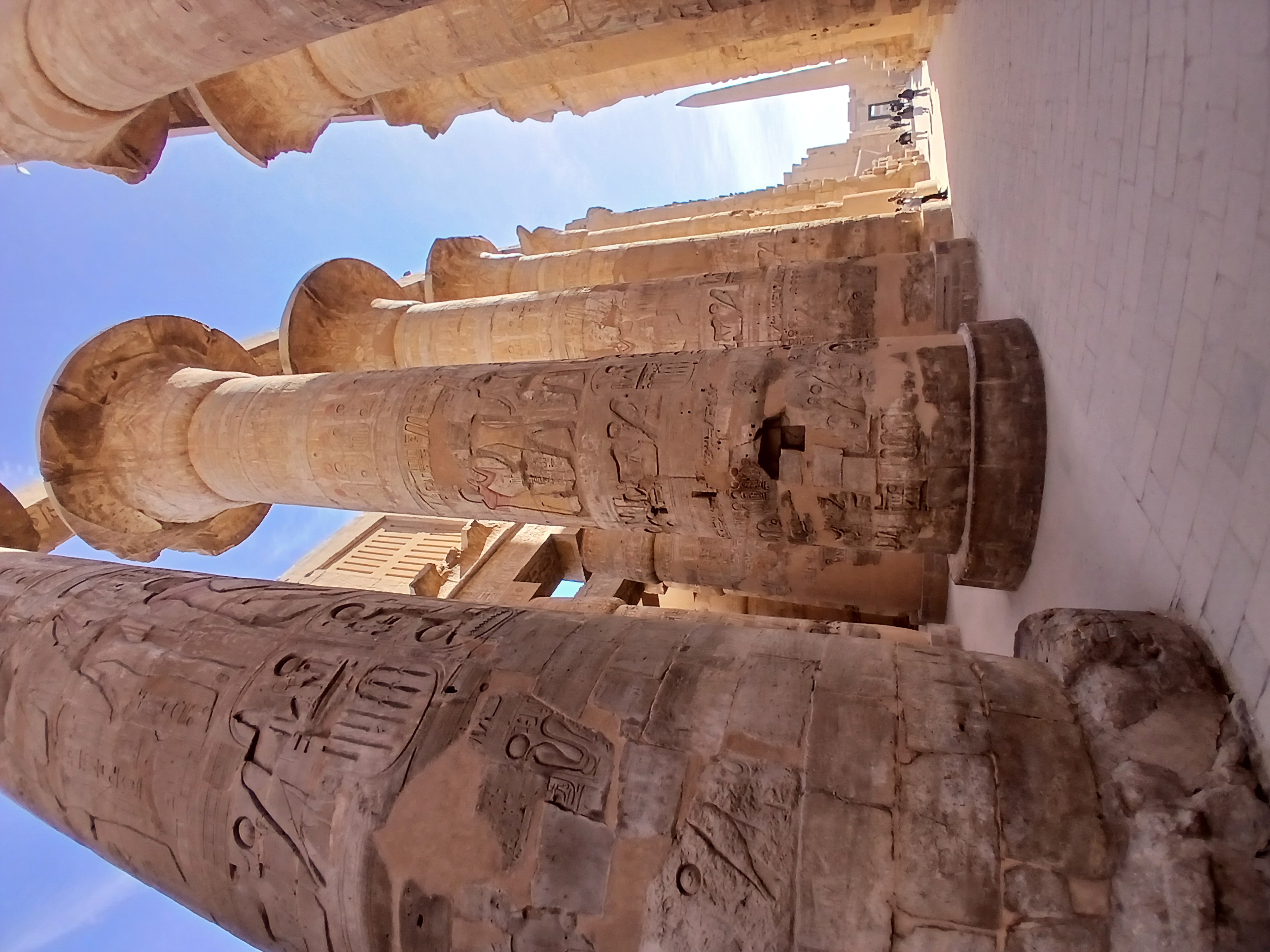
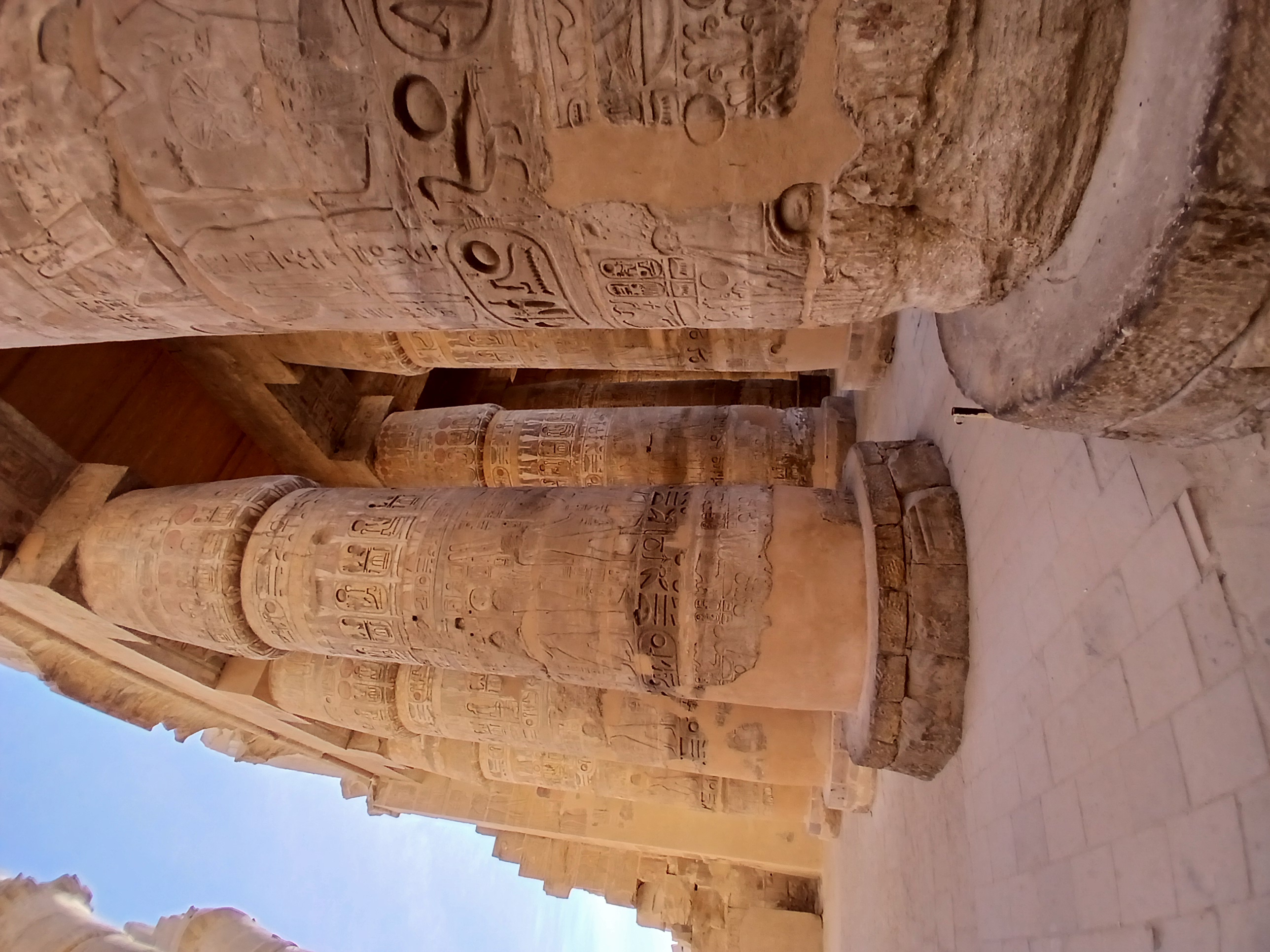
Inside, the hypostyle hall welcomes you with its grand columns, each adorned with detailed reliefs that speak of Egypt’s military might, divine protection, and royal authority. The walls whisper tales of the king’s reign, his connection to the gods, and his role as the protector of the land. The sanctuary at the heart of the temple once housed the sacred statues of the gods, and it’s here that the most sacred rituals were performed, where Egypt’s spiritual connection to the divine was renewed and strengthened.
The grandeur of Medinet Habu is not just found in its scale and monumental architecture, but in its unique ability to convey the deep spiritual connection between the king, the gods, and the people. The temple’s layout, with its massive walls and impressive courtyards, mirrors the idea of protection and fortress, an embodiment of Egypt’s enduring strength and stability. As you stand before the towering walls, the energy of Egypt’s most powerful era flows through the stones, a connection to the past that has endured for thousands of years.
Medinet Habu is a sacred and majestic place where the pharaoh’s earthly reign and divine rule come together in perfect harmony, immortalizing the triumphs and wisdom of the gods. As the sun sets over the ancient stones, casting long shadows across the ruins, you can almost hear the echoes of the prayers and chants that once filled the air—a timeless reminder of Egypt’s divine legacy and the enduring strength of its people.
Visting deir el media at luxor west bank
After visiting Medinet Habu, you will proceed to Deir el-Medina, the ancient village where the skilled craftsmen and artisans who worked on the royal tombs were buried
Deir el-Medina—a hidden jewel, nestled within the cliffs on the western bank of the Nile, this ancient village once thrived as the home to the skilled workers, artisans, and craftsmen who were entrusted with creating the tombs in the Valley of the Kings. Unlike other monumental temples and structures, Deir el-Medina was a place where the everyday life of Egypt’s greatest artisans was intimately intertwined with the divine, where sacred art and craftsmanship met the spiritual world of the gods.
As you enter the site, the remnants of this once-thriving community come into view—modest yet sacred homes, workshops, and temples that give you a glimpse into the daily lives of those who worked on the tombs of the pharaohs. The village exudes a deep sense of devotion, as if every wall and every piece of art was crafted not just for the royal tombs, but for the gods themselves. The workers of Deir el-Medina were not just laborers; they were the sacred servants of the gods, shaping the afterlife of Egypt’s rulers with their hands and their hearts.
At the heart of Deir el-Medina stands the small temple of Hathor, the goddess of love, joy, and motherhood, whose energy fills the site with a gentle yet powerful aura. The temple, though smaller in size compared to the great monuments of Egypt, is a spiritual oasis, where the workers would come to pay homage to Hathor, seeking her protection and divine favor. Her image, serene and nurturing, is found throughout the temple, reminding the workers of her nurturing power and her role as the mother of all creation. The temple’s columns, though weathered by time, still stand proudly, as silent witnesses to the worship and rituals that once took place within its walls.
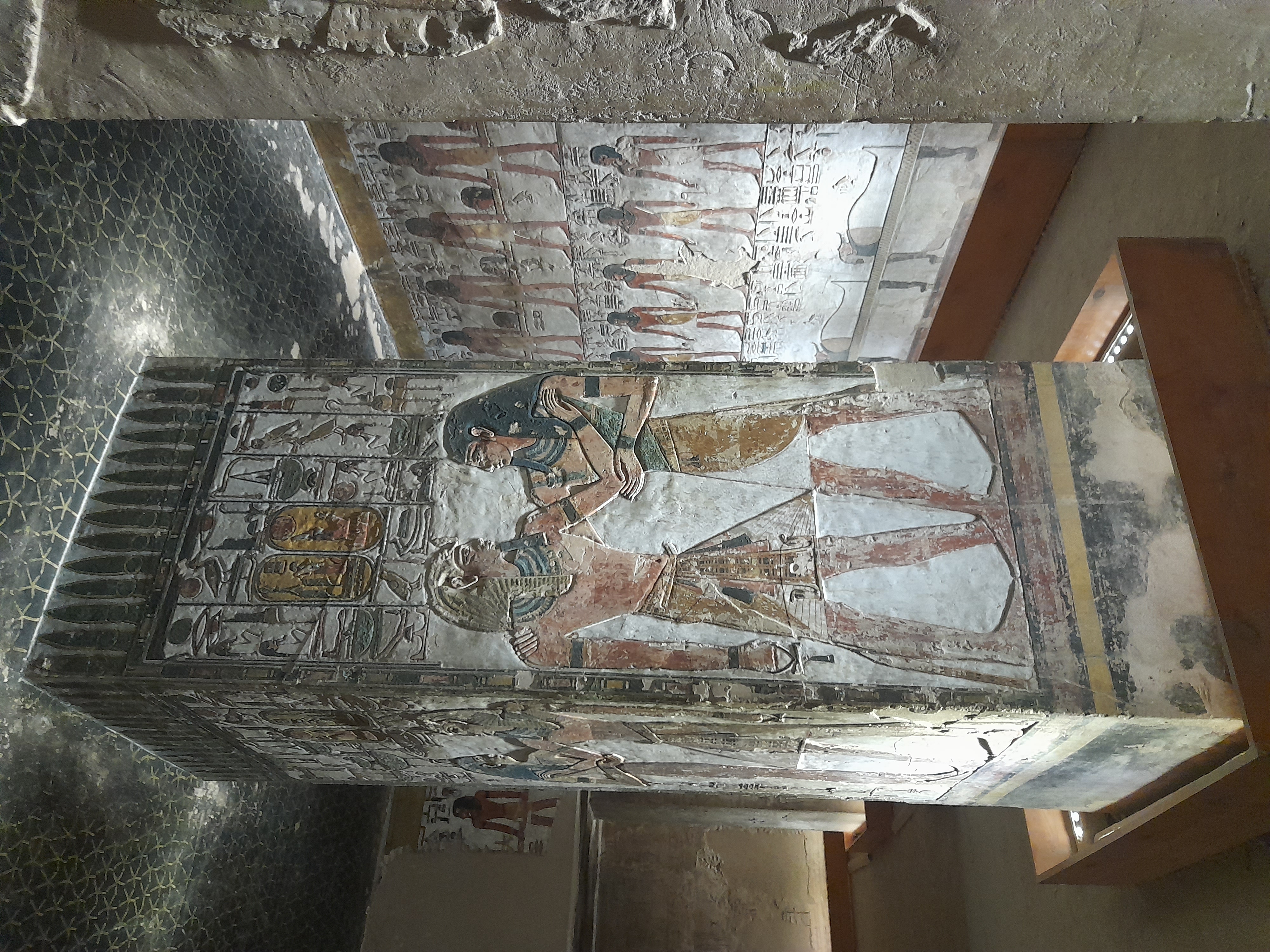
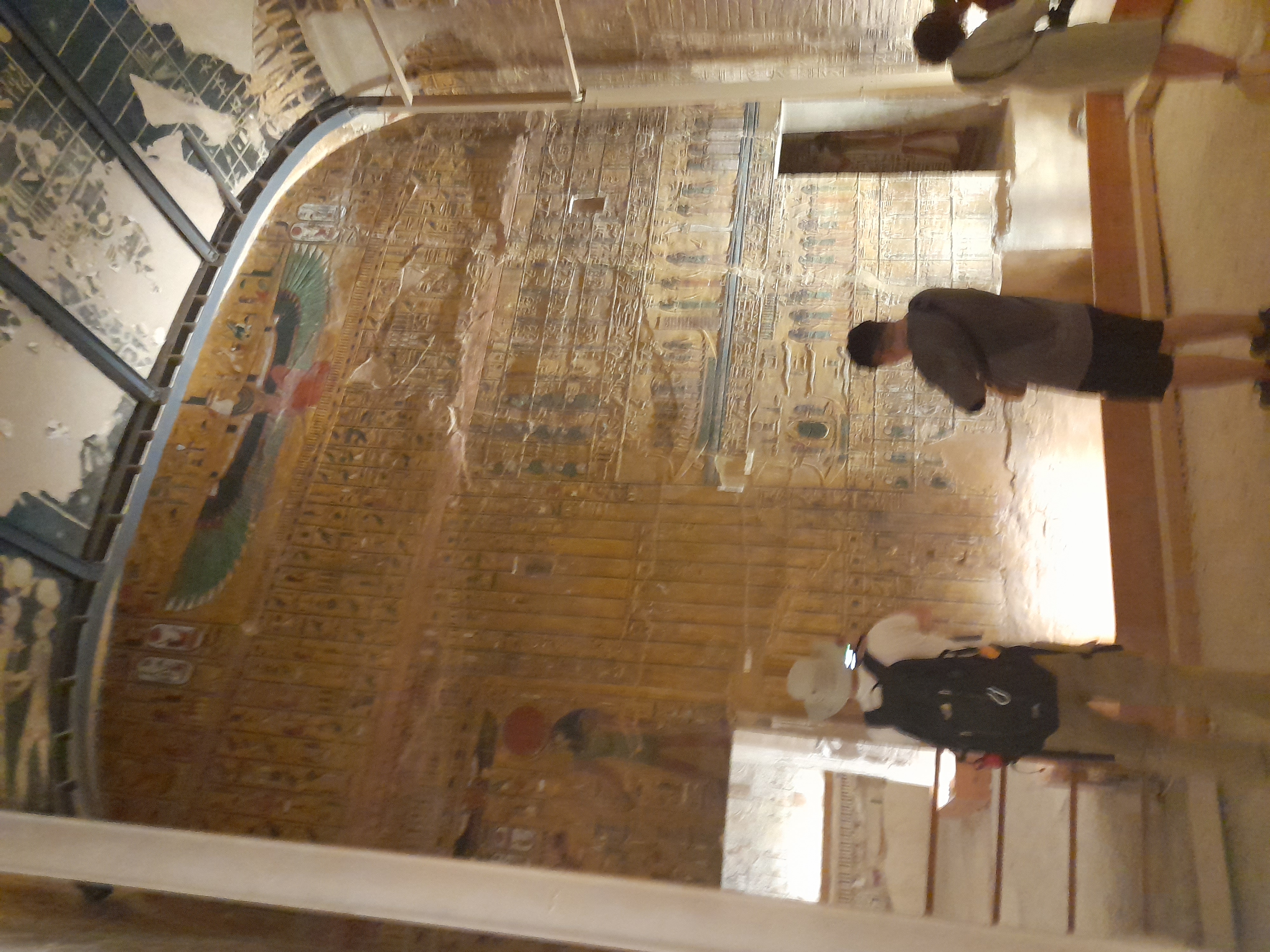
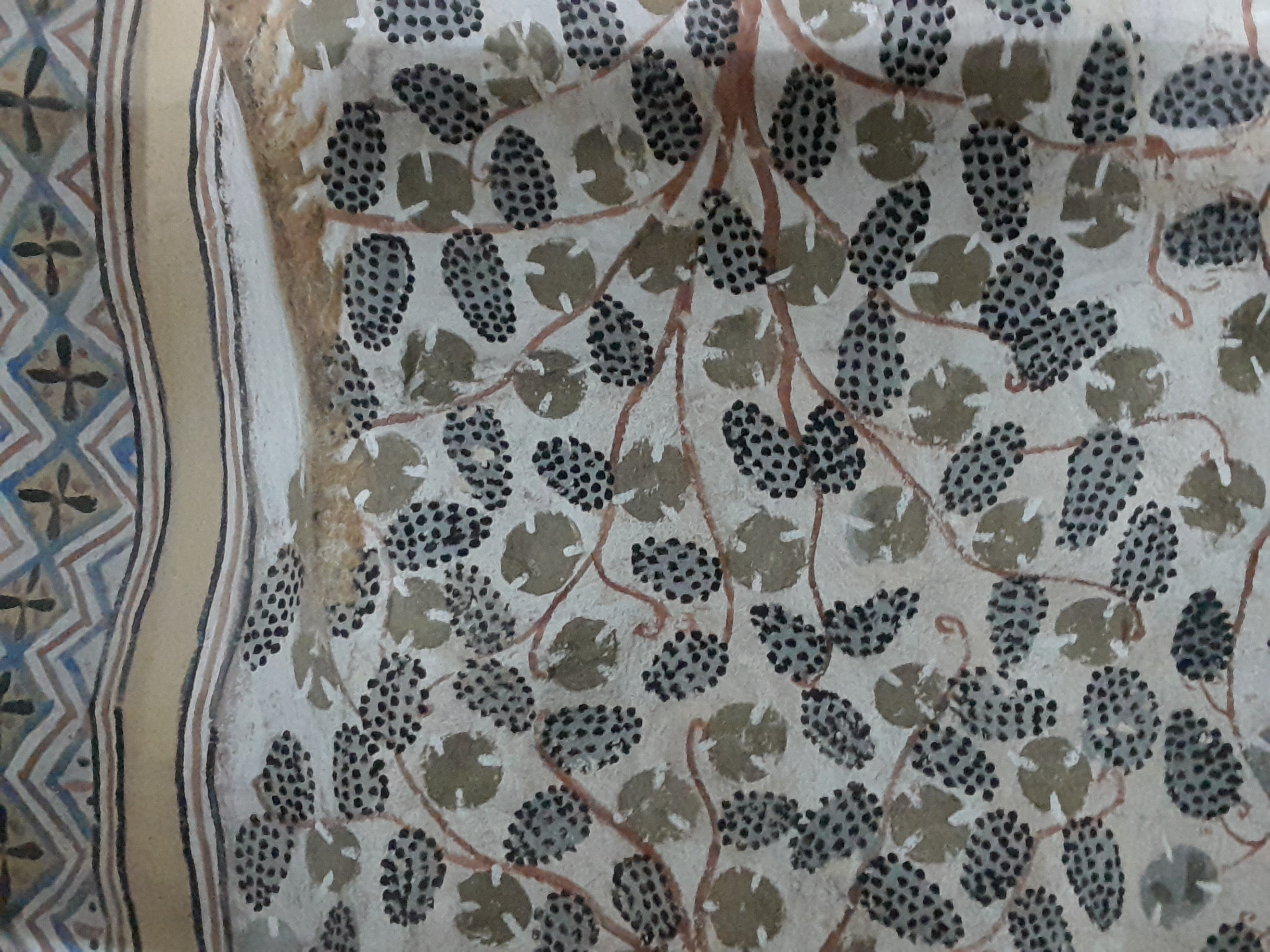
The tomb workers of Deir el-Medina were not only skilled craftsmen—they were also deeply spiritual people who believed their work was part of a divine mission. The murals and reliefs they created in their own tombs tell of their lives and beliefs, painted with incredible detail and a sense of personal devotion to the gods. These vibrant paintings are like windows into a world of ancient rituals and spirituality, where even the humblest worker was deeply connected to the divine order of the universe.
The spirit of Deir el-Medina is one of devotion, craftsmanship, and divine protection. Even though it was a place of humble living, it radiates a quiet, sacred energy that speaks of the powerful connection between Egypt’s artisans and their gods. The mystique of the workers’ lives and the legacy they left behind in the tombs of the pharaohs continues to echo through the ruins. Standing amidst the ruins of this ancient village, you can feel the sacred bond between the everyday life of the workers and the divine mission they fulfilled—shaping the eternal resting places of Egypt’s most powerful rulers.
Afterward, you’ll enjoy your final lunch in Egypt before heading to the airport for your departure, marking the end of an unforgettable journey through Egypt’s history.
Luxor airport
After finishing our visit to Luxor's West Bank, we will head to the airport for your flight back home, marking the end of your unforgettable journey through Egypt.
Arriving Gatwick airport
Later on Day 8, you will arrive back home safely, bringing with you a collection of wonderful gifts from the Middle East, as well as cherished memories, souvenirs, and countless photos to remember your unforgettable journey