
Mombasa Heritage Walk through Fort Jesus, Old Town and Spice Market
Explore Fort Jesus (9:00 AM - 9:45 AM)
Walk through the massive coral-stone fortress built by the Portuguese in 1593.
Navigate the fortress's courtyards, tunnels, and old prison cells while learning about centuries of conflict and control.
Visit the on-site museum and examine artifacts such as Chinese porcelain, Omani jewelry, and Swahili pottery.
Climb to the top of the walls for panoramic views of the Indian Ocean and the old harbor.
Observe ancient wall carvings and faded frescoes from the Portuguese and Omani periods.
Stroll through Old Town (9:45 AM - 10:45 AM)
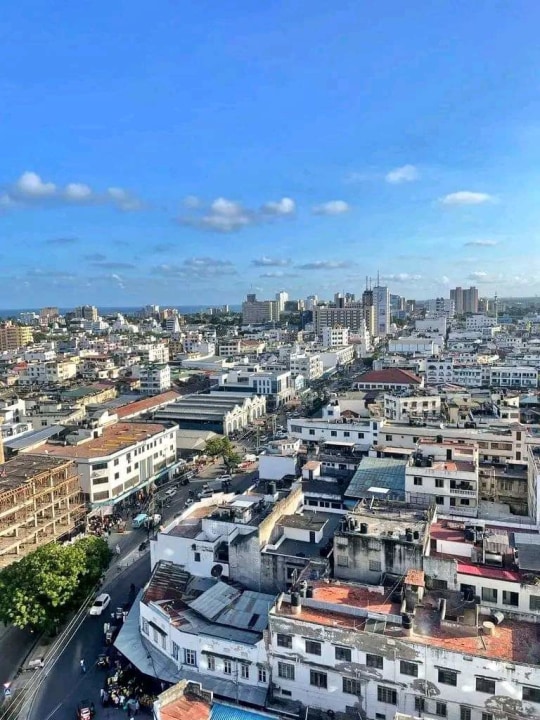
Walk through narrow alleys lined with carved wooden doors and coral-stone buildings.
Visit Mandhry Mosque, one of the oldest mosques in Mombasa, known for its whitewashed minaret and quiet charm.
Browse local shops for items like kanga fabrics, beaded sandals, and brass trinkets.
Stop at a local cafe and enjoy Swahili coffee with cardamom, or sample street food like samosas and bhajias.
Admire architectural blends of Swahili, Arab, and Indian influences reflected in balconies, doors, and window grilles.
Visit the Spice Market (10:45 AM - 11:30 AM)
Enter the lively spice market and take in the explosion of colors, scents, and sounds.
Interact with vendors selling cloves, cumin, cardamom, and vanilla pods.
Taste local delicacies such as halwa, tamarind snacks, or a spiced cup of chai.
Bargain for spice blends like pilau masala and carry home a piece of Mombasa's culinary heritage.
Watch the daily rhythm of the market, with multi-generational traders exchanging stories and spices.
Conclude at the Elephant Tusks on Moi Avenue (11:30 AM - 12:00 PM)
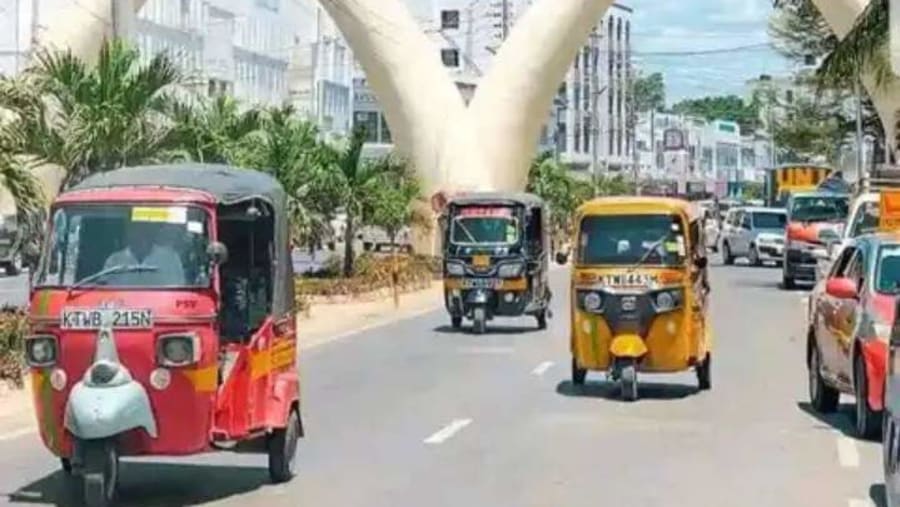
Stand beneath the iconic aluminum tusks forming the letter "M" for Mombasa.
Learn the history behind the landmark, built in 1952 to honor Queen Elizabeth II's visit.
Soak in the hustle and bustle of Moi Avenue with its vibrant street vendors and city life.
Capture memorable photos of the tusks, especially with the changing morning light.
Browse nearby souvenir shops for final keepsakes such as Kenyan tea, coffee, or beadwork.