

Day 01
Historical Heritage of Samarkand
- Start of the city tour:
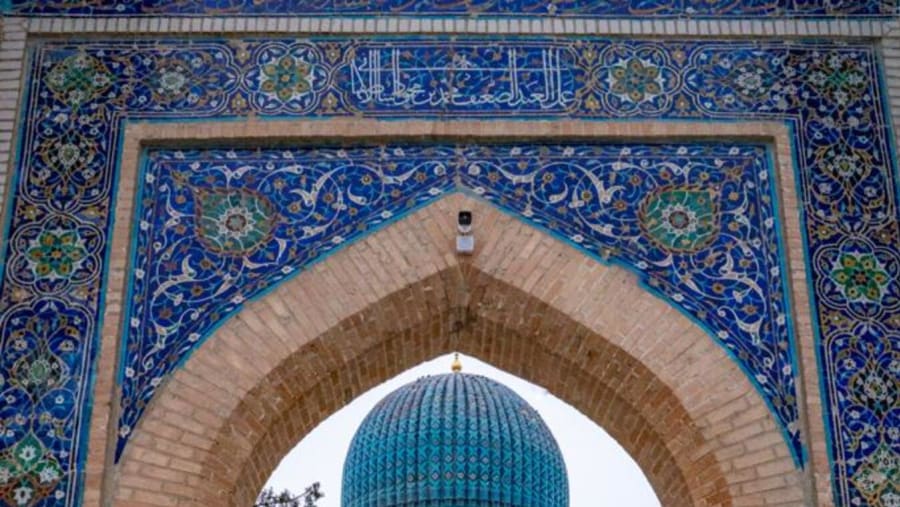
- Mausoleum of Amir Temur - The conqueror, emperor, and founder of the Temurid dynasty, Amir Temur, built this mausoleum for his favorite grandson, Muhammad Sultan, who was supposed to take the throne after his grandfather. However, the future ruler passed away before him, so Amir Temur built the mausoleum for Muhammad Sultan in the 15th century.
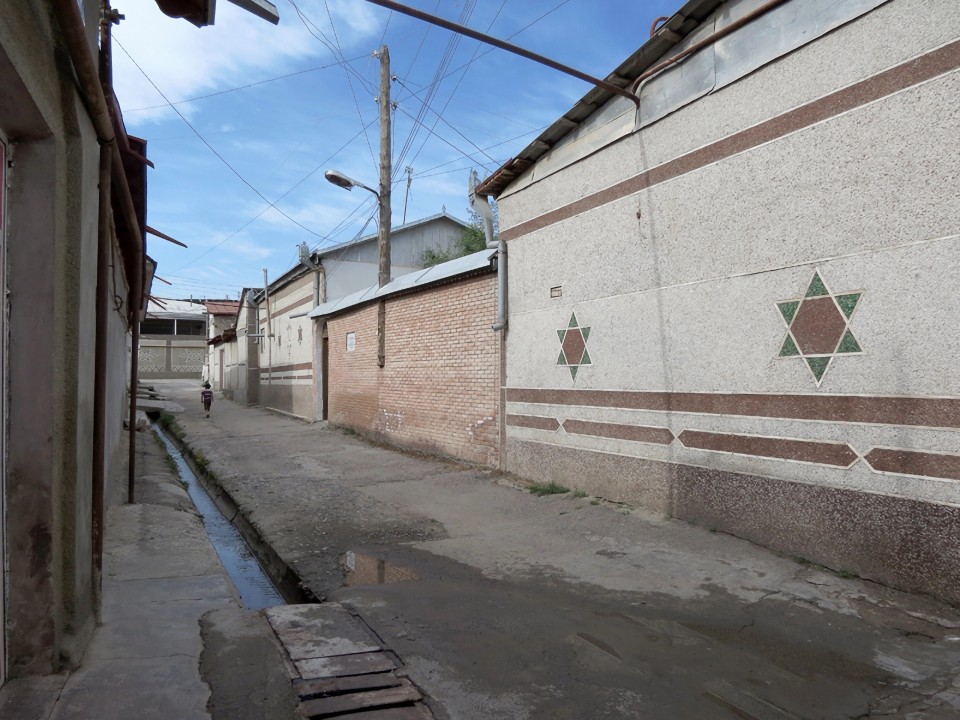
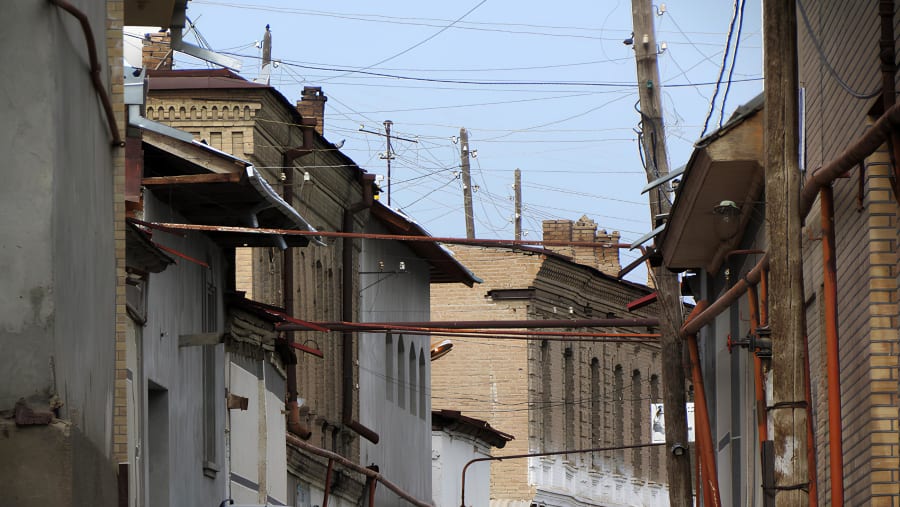
- Mahalla - Visit a local neighborhood to see the true life of local people. It is a community of craftsmen who used to live there and run their small family businesses. The way the Mahallas were designed is very unique and reflects a special way of life that helped residents survive during periods of extreme heat.
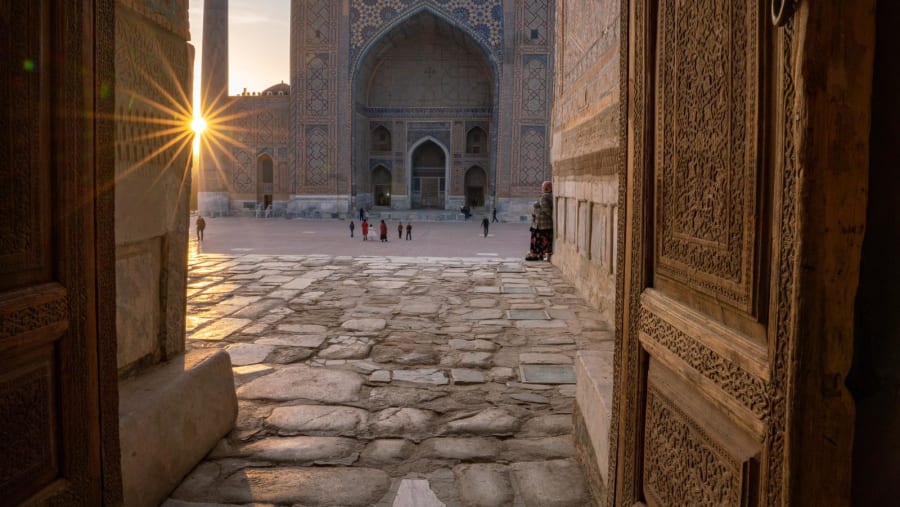
- Registan Square - The most important and truly unique complex in Samarkand, consisting of three madrasas from the 15th to 17th centuries. It is not only a tourist attraction; there is always a crowd of local visitors who come from different parts of Uzbekistan. The first madrasa was built by Amir Temur's grandson, Ulughbek, and is named after him. The Sher Dor and Tilla Kori madrasas were constructed by Yalangtush Bahadur, the ruler of Samarkand in the 17th century.
- Lunch break - Visit a local house and cook a traditional meal.
- Siyab Bazaar - A blend of smells, spices, and silk, this bazaar represents the actual life of local people in Samarkand. Quite a long time ago, before the invention of the internet and newspapers, people would learn the latest gossip by visiting bazaars. Even now, large numbers of customers shop in bazaars, making this a brilliant place to experience local culture.
- Bibi Khanum Mosque - Amir Temur's victorious campaign to northern India played a major role in the construction of one of the largest mosques in Central Asia, which could accommodate 15,000 Muslims at one time.
- Shakhi Zinda Necropolis - The elite of 14th-century Samarkand were buried close to Qusam ibn Abbas, the cousin of the Prophet Muhammad, who was the first Muslim to be buried in Central Asia. This is the main reason why so many people wanted to build mausoleums and be buried near him. As a result, there are a number of special mausoleums built in the 14th century by recognized architects of that period.