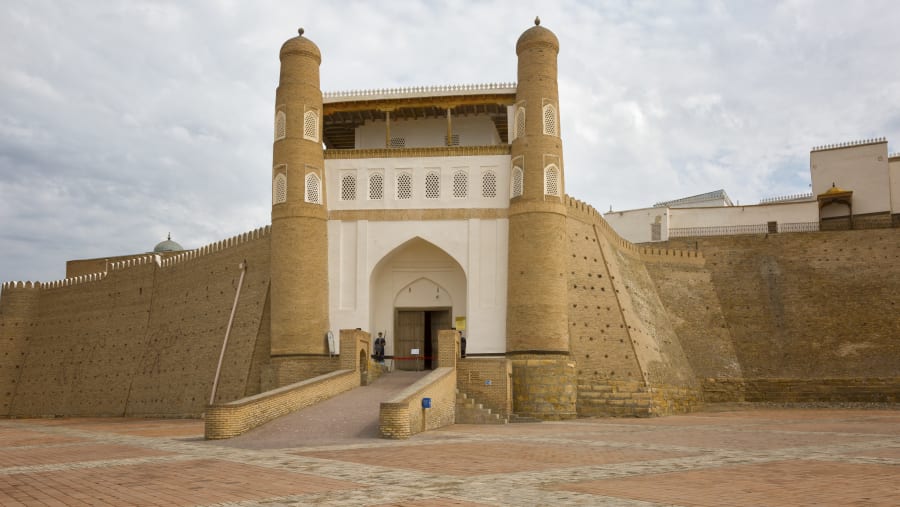
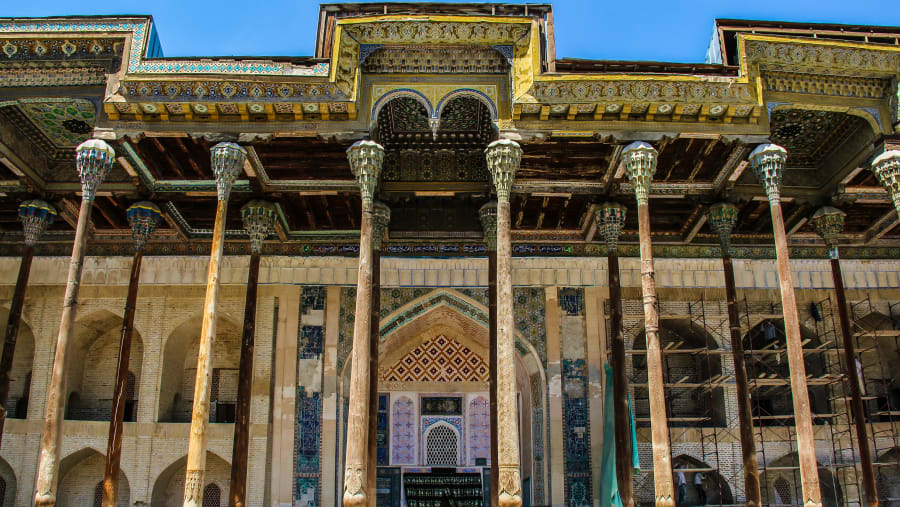
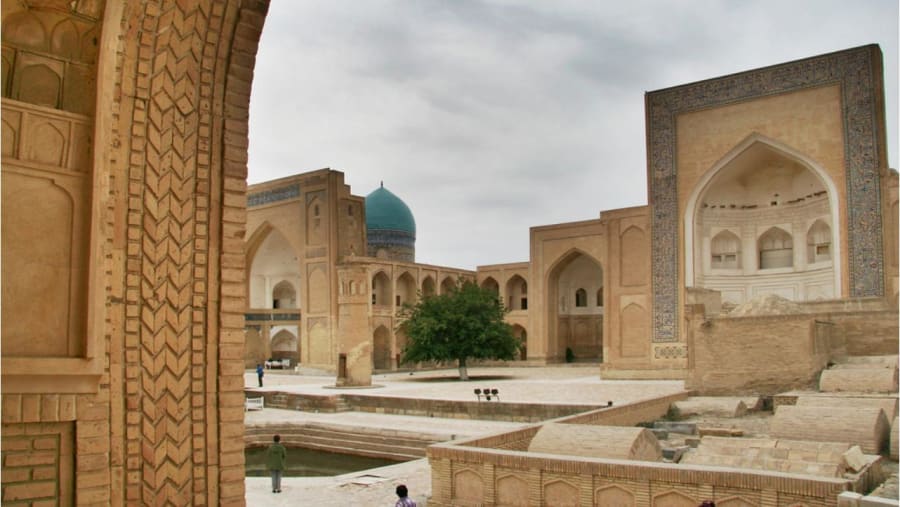
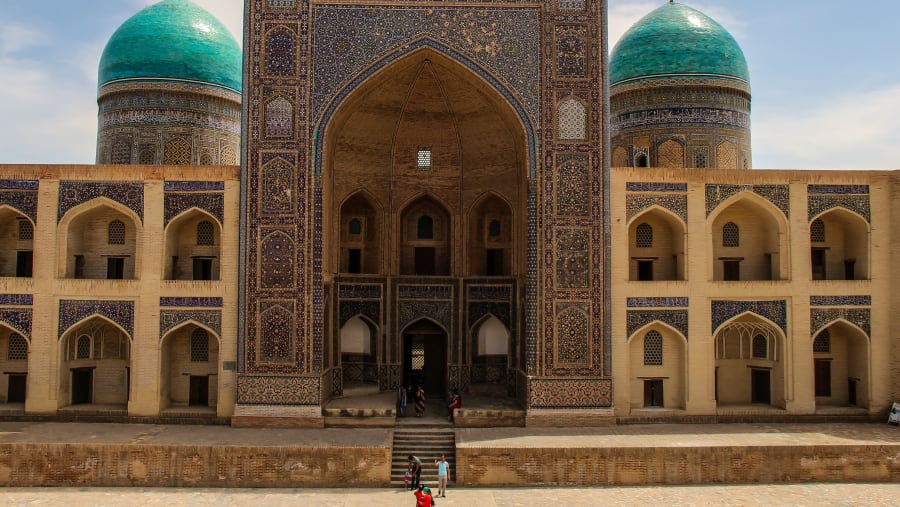
We'll visit some religious sites, so it is important to wear longer clothes and a hat.
Scholars believe that Bukhara was established around the middle of the first millennium BC. During archaeological excavations within the city, artifacts such as pottery, jewelry, and remnants of 5th-century BC structures have been uncovered.
The city of Bukhara was first mentioned between the 4th and 5th centuries on coins bearing its name. In the 7th century, the Chinese scholar and translator Xuanzang wrote about the city. The name 'Bukhara' is derived from the Old Uighur language, meaning 'prayer house' or 'temple.' However, various sources have referred to the city by different names, including Nyumi, Bukho, Buhe, Bukhala, Bumiskat, Fuho, and Anxi.
Throughout its history, Bukhara has been a coveted city for many rulers, changing hands from one conqueror to another. In pre-Islamic times, it served as a cultural hub for Central Asia.
During the 9th and 10th centuries, Bukhara became the capital of the Samanid Empire. Renowned figures, such as Abu Ali Ibn Sina, Abu Abdullah Jafar Ibn Muhammad Rudaki, Omar Khayyam, and others, lived and worked within its borders.
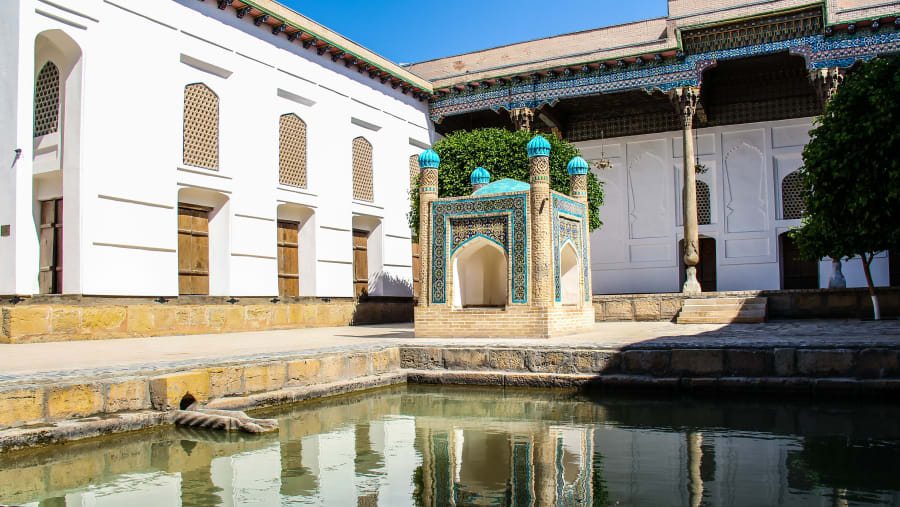
In the ensuing centuries, architectural brilliance flourished in Bukhara even as it ceased to be the capital. Numerous medieval structures have been preserved to this day. Under the reign of Tamerlane (Amir Timur), Bukhara began to emerge as a religious center, earning the moniker Bukhoroi Sharif, or Holy Bukhara.