Tanzania · Trekking

16-Day Kilimanjaro Lemosho Climb and Tanzania Camping Safari

16 Days Round trip from Tanzania Challenging pace

The journey

Trip highlights
  • 01 Trek the stunning Lemosho Route, known for its scenic beauty and acclimatization advantage
  • 02 Cross diverse ecosystems on Mount Kilimanjaro, from dense rainforest to giant heather moorland
  • 03 Reach Uhuru Peak at 5,895m, the highest point on Mount Kilimanjaro
  • 04 Explore Tarangire, Serengeti, and Ngorongoro Crater on a 5-day camping safari
  • 05 Spot the Big Five in Tanzania's iconic national parks

Embark on a 16-day adventure through the breathtaking landscapes of Kilimanjaro and Tanzania's top wildlife destinations. Begin with an exhilarating 8-day trek on the Lemosho Route, reaching iconic Uhuru Peak (5,895m) as you pass through diverse mountain ecosystems. After conquering Africa's highest summit, continue with a 5-day camping safari through Tarangire, Serengeti, and Ngorongoro Crater, where you'll witness the Big Five and the spectacular wildlife of Tanzania's most famous parks.

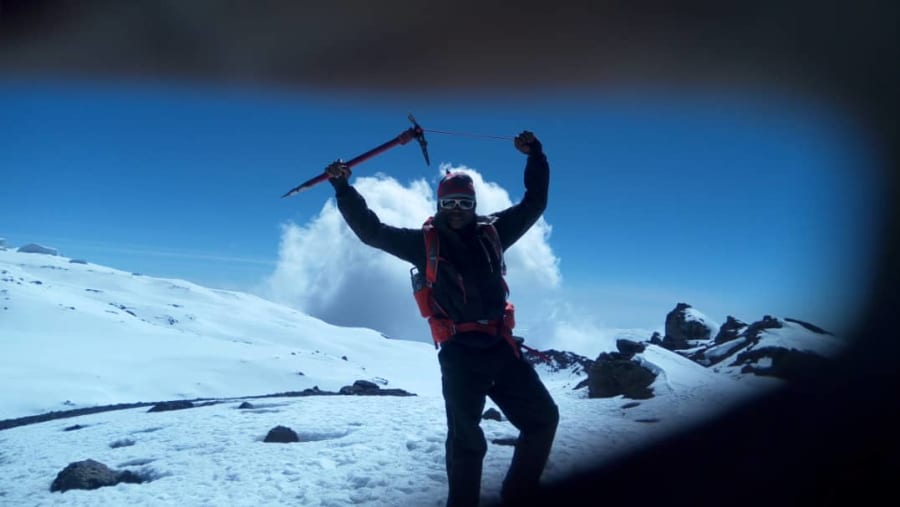
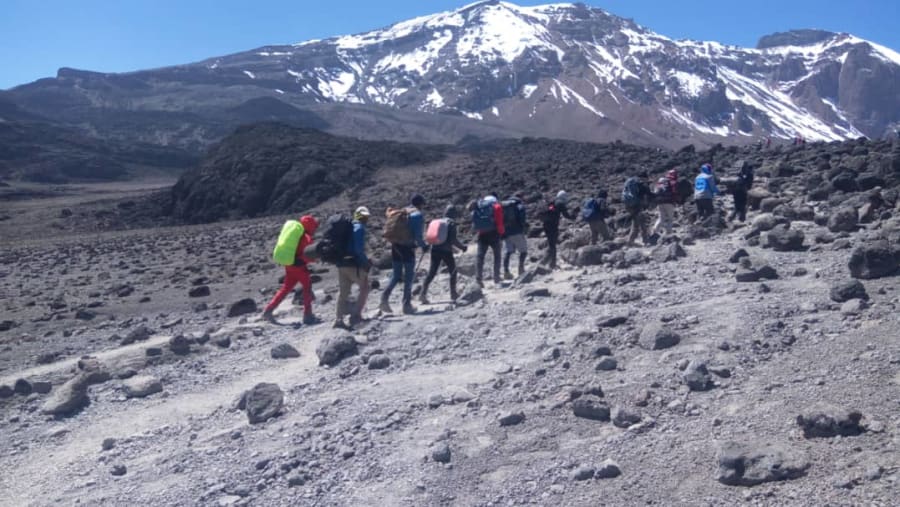
You will be surrounded by awe-inspiring ice cliffs and magnificent views of Mawenzi Peak and beyond.

From the itinerary

At a glance

What this trip includes

Duration 16 Days
Tour type Shared
Activity level Challenging
Accommodation Included · Budget
Transport Included
Wheelchair access Not applicable
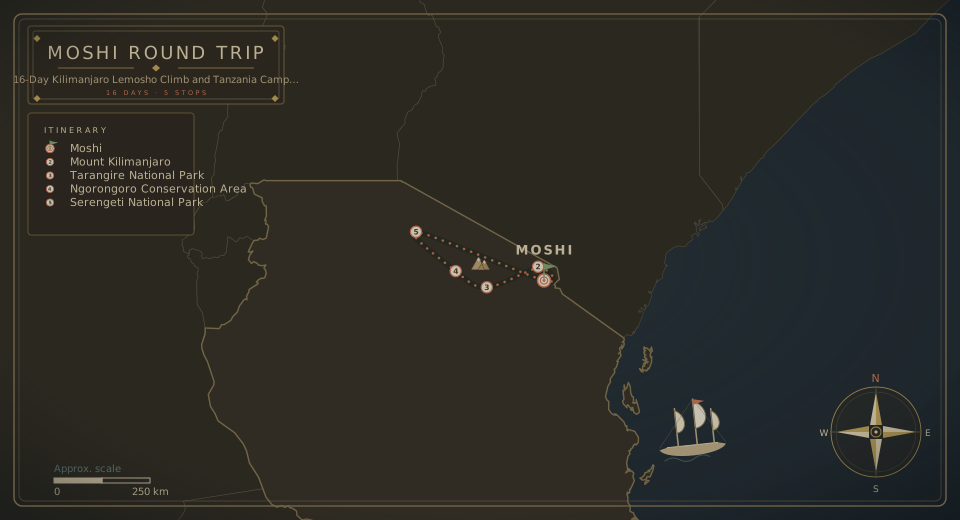
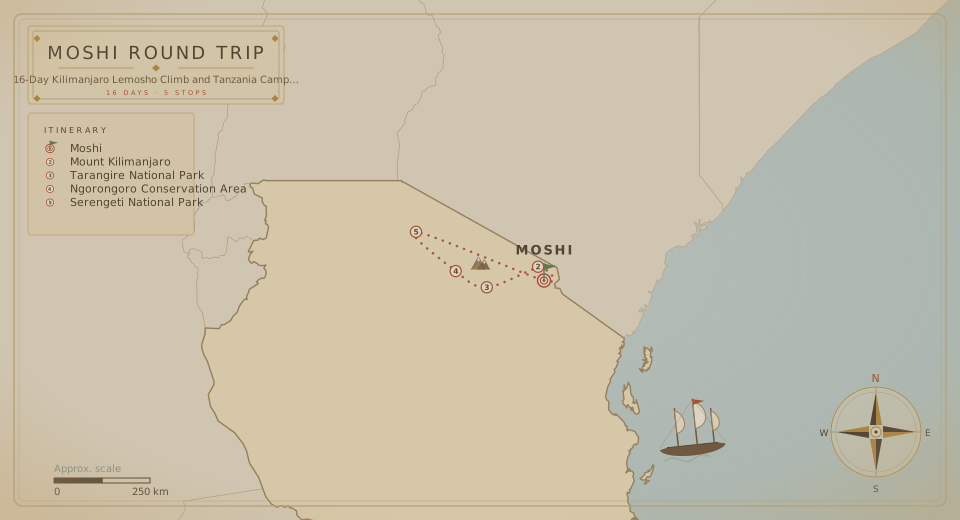
Cities Moshi, Mount Kilimanjaro, Serengeti National Park, Ngorongoro Conservation Area, Lake Manyara, Tarangire National Park
Languages English

Day by day

The itinerary

1
Day 01

Arrival and Transfer to Moshi

  • Airport pick-up and transfer to your hotel in Moshi. Overnight accommodation in Moshi, including breakfast.

2
Day 02

Londorossi Gate to Mti Mkubwa Camp

Trekking Time: 3 hours | Distance: 7 km | Altitude Gain: 450m

  • A three-hour drive from Moshi will take you to Londorossi Gate (1,800m), where we will complete the National Park registration formalities.
  • After registration, you will be driven to the starting point of your trek at 2,350m. The first day is a shorter walk through stretches of untamed, dense, ever-changing rainforest, trekking to your first camp, Mti Mkubwa Camp (2,750m).
3
Day 03

Mti Mkubwa Camp to Shira Camp 1

Trekking Time: 6-7 hours | Distance: 10 km | Altitude Gain: 800m

  • The trail continues towards Shira Camp 1, bringing you out of the forest into the giant heather moorland zone and up steep ridges leading to the Shira Plateau.
  • From here, you will be able to take in the stunning views Kilimanjaro has to offer, including Mount Meru in the west with its breathtaking sunsets.
  • After crossing several streams, we continue over the Shira Ridge (3,600m) and then gently descend to Shira Camp 1.
4
Day 04

Shira Camp 1 to Shira Camp 2

Trekking Time: 3-4 hours | Distance: 8 km | Altitude Gain: 290m

  • The trail continues to Shira Camp 2 (3,810m), passing across the Shira Plateau through the moorland zone and a more open area, where you will have some of the best scenic views of the mountain landscape.
  • After reaching camp, you will have a hot lunch and rest for the day. Short excursions will be done for acclimatization.
5
Day 05

Shira Camp 2 to Barranco Camp via Lava Tower

Trekking Time: 6-7 hours / Distance: 11 km / Altitude Gain: 110m

  • Today, the Lemosho Route meets the Machame Route before approaching Lava Tower.
  • The trail to Barranco Camp, taking 6-7 hours, is extremely beautiful and starts with a gentle incline towards Kibo.
  • You will reach a ridge marked by a rock named the Shark's Tooth (4,400m) and go south, crossing shallow valleys to Lava Tower (4,600m).
  • We will gradually descend to Barranco Camp, with its great views of the icy Western Breach and the Barranco Wall, better known as the 'Breakfast Wall'. This is an acclimatization day following the 'walking high, sleeping low' rule of mountaineering.
6
Day 06

Barranco Camp to Karanga Camp

Trekking Time: 4-5 hours / Distance: 5 km / Altitude Gain: 200m, Altitude loss: 220m

  • The day starts with a not-too-technical trek up the Barranco Wall (200m high), which, although steep, only requires hand-and-feet climbing for a few stretches.
  • The top of the 'Breakfast Wall' has attractive vistas of Kibo and the surrounding landscape.
  • We will then follow the trail with many up-and-down sections across small streams and then cross the Karanga River to the Karanga campsite (3,930m). This is another short day of trekking to assist with acclimatization.
7
Day 07

Karanga Camp to Barafu Camp

Trekking Time: 2-4 hours / Distance: 4 km / Altitude Gain: 770m

  • The day starts by following the path up and across a rocky zone with views of the mountain's Southern Glaciers. Continuing our eastward traverse to Barafu Camp, we meet the crossroads with the Mweka Route.
  • A further hour's climb up a steep and rocky Lava Ridge will bring us to Barafu Camp (4,681m).
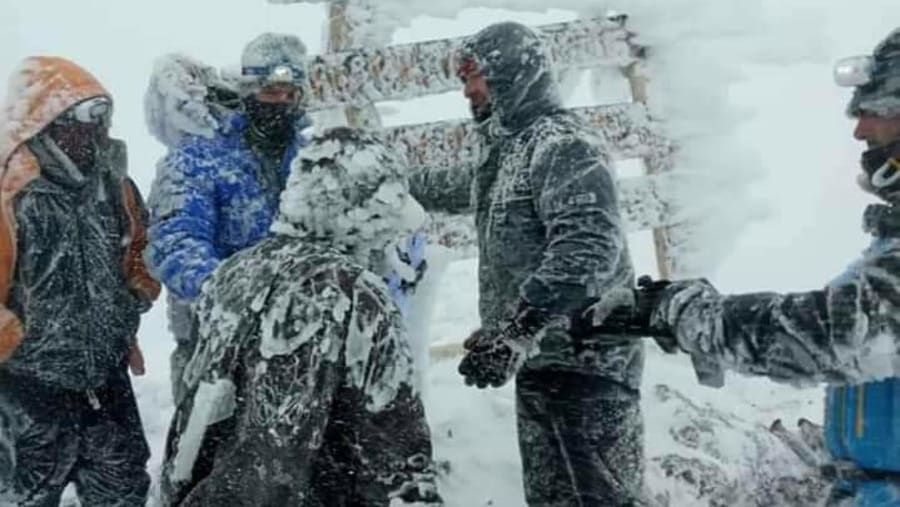
  • You have completed the South Circuit of the mountain, and from here you will be able to view the summit from a number of different angles. The terrain at Barafu Camp is inhospitable and has very little vegetation; it often snows at this point and, in the rainy season, can be blanketed.
  • We will set up camp, rest, and enjoy a hearty meal before heading to bed - the summit is just a further 1,188m, which we will start to attempt at midnight.
8
Day 08

Summit Attempt to Uhuru Peak and Descent to Mweka Camp

Trekking Time: 6-7 hours / Distance: 5 km / Altitude Gain: 1195m

  • Waking up at 23.00 hrs, you will have a light snack and hot drink before starting your 5 km trek to the summit. This is the most exhausting day of your climb, with an overall trekking time of approximately 16 hours. This section of your climb is the coldest, with temperatures ranging from -5°C to -10°C.
  • We will head northwest, following the trail up an increasingly steep valley on the edge of scree fields. You will pass the Rebmann and Ratzel glaciers towards Stella Point (5,672m).
  • You are now on the southern rim of Kibo, where you will have spectacular views as the sun rises.
  • Just a further hour's climb will bring you to Uhuru Peak (5,895m) - congratulations, you have reached the highest point of Mount Kilimanjaro, the 'Roof of Africa'. You will be surrounded by awe-inspiring ice cliffs and magnificent views of Mawenzi Peak and beyond.

Summit (5,895m) to Mweka Camp (3,100m)

Trekking Time: 5-6 hours / Distance: 9 km / Altitude loss: 2795m

  • We will start our descent to Stella Point and then get back on the trail to Barafu Camp, where you will have a short rest before heading to Mweka Camp (3,100m). It is a 9 km trek, and en route you will be able to take in the spectacular views of the plains of Kilimanjaro.
  • This is not a difficult route, taking just 4-5 hours. The trail takes you down a rocky scree path (remember to go 'Pole pole') through moorland and then into beautiful forest habitat. We will share our last meal on Mount Kilimanjaro, and you will have a very well-deserved sleep.
9
Day 09

Mweka Camp to Mweka Gate

Trekking Time: 4-5 hours / Distance: 10 km / Altitude Loss: 1300m

  • You will start your day with breakfast and then singing and celebrations with your porters before descending 1,300m to Mweka Gate, considered an easy day's climb with it taking just a few hours to get to the gate.
  • On arrival at Mweka Gate, you will receive your Gold Summit Certificate, a token to take home and remember one of the biggest adventures you can experience.
  • You will continue on a short walk to Mweka Village, where you will be transferred back to your hotel for a refreshing hot shower, dinner, and perhaps even a Kilimanjaro beer.
  • Overnight accommodation in Moshi, including breakfast.
10
Day 10

Rest Day and Moshi Walking Tour

  • Today your driver-guide will give you a briefing on what to expect during your following 5-day safari.
  • You will have a walking tour of Moshi and get to learn more about the local traditions and culture.
  • Overnight accommodation in Moshi, including breakfast.
11
Day 11

Moshi to Tarangire National Park

  • Early morning drive from Moshi to Tarangire National Park, taking approximately 4 hours.
  • Once at the gate, you will register and we will begin our mid-morning game drive. Tarangire National Park contains a range of different habitats, from grasslands and woods to low hills, scrub, and swampland in the south.
  • Tarangire is southeast of Lake Manyara and is well known as the home of elephants, where it is not unusual to hear of hundreds of sightings a day. It is also home to the mystical baobab trees, the elephants' favourite food.
  • Other wildlife includes waterbucks, impalas, wildebeest, zebra, and buffalo. Most of the predators that can be spotted are lions and hyenas.
  • You will also spot the stunning birds of East Africa, from the Fire Finch to the African Fish Eagle. The Tarangire River cuts through the park and connects to Lake Burunge in the west; it is the key to life in the dry season when most of the migration congregates here.
  • We will stop at one of the many viewpoints in the park for a picnic lunch, and then enjoy an afternoon game drive.

Overnight and dinner at Haven Nature Campsite - camping.

12
Day 12

Tarangire to Serengeti National Park

  • After breakfast at the lodge, we will drive through the Ngorongoro Conservation Area towards the Serengeti plains, taking approximately 4-5 hours. As we transit through the Ngorongoro Conservation Area, the opportunity for game viewing is endless.
  • The Serengeti is one of Tanzania's oldest and largest national parks, covering an area of 14,763 square kilometres.
  • The park is a World Heritage Site, with the earth's largest concentration of plains game - mainly wildebeest and zebra.
  • These are in abundance, especially during the annual migration. The population of plains game also includes buffalo, giraffe, and warthog, as well as a wide range of antelopes including Thomson's and Grant's gazelle, dik-dik, bushbuck, eland, and impala.
  • Apart from Ngorongoro, the Serengeti is one of the best places to see predators in action. Predators include large clans of hyenas, lion prides, cheetahs, and the hardest to spot, leopards.
  • We will have a picnic lunch in the park before an afternoon game drive and then head to the lodge.

Overnight and dinner at Nyani Campsite - camping.

13
Day 13

Full-Day Game Drive in Serengeti

  • After an early breakfast, we will begin a full day's game viewing in the north of the Serengeti. This is the best time to get great views of the animals as they wake and head out into the day.
  • Apart from the wildlife mentioned above, you may be lucky to see other scavengers, including jackals and vultures.
  • There are also some 520 bird species to be spotted, including storks and ostriches, and many more.
  • We will enjoy a picnic lunch and continue with a full afternoon and early evening game drive.

Overnight and dinner at Nyani Campsite - camping.

14
Day 14

Serengeti to Ngorongoro Crater Rim

  • After an early breakfast, we will enjoy an early morning game drive. This is the best time to get great views of the animals as they wake and head out into the day.
  • Apart from the wildlife mentioned above, you may be lucky to see other scavengers, including jackals and vultures.
  • There are also some 520 bird species to be spotted, including storks and ostriches, and many more.
  • After our morning game drive, we will leave the Serengeti and head back through the Ngorongoro Conservation Area towards the crater. You will have plenty of opportunity for further game viewing en route.

Overnight and dinner at Simba Campsite - camping.
15
Day 15

Ngorongoro Crater to Moshi

  • We will have breakfast at the lodge before descending into the 600-meter-deep crater. The crater has a 19-kilometre diameter, making it one of the world's largest unbroken and unflooded calderas.
  • The park covers approximately 300 square kilometres, where the landscape ranges from lush rainforest on the rim to bush savannas and acacia woodland.
  • Ngorongoro is home to the highly endangered black rhino and the largest herds of wildebeest, zebra, and buffalo.
  • Predators also live in the crater; here there is plenty of opportunity to spot a hunt. Most of the predators found in the crater include lions, hyenas, cheetahs, jackals, and serval cats.
  • We will enjoy a picnic lunch before leaving the crater, where plenty of wildlife can still be spotted. We will begin our drive back to Moshi in the late afternoon. Overnight accommodation in Moshi, including breakfast.
16
Day 16

Departure Transfer to Kilimanjaro Airport

  • Pick-up from your accommodation in Moshi and transfer to JRO - Kilimanjaro Airport for your departure flight.
Uhuru Peak, Shira Plateau, Serengeti plains, Ngorongoro Crater

Where this trip takes you

Uhuru Peak, Shira Plateau, Serengeti plains, Ngorongoro Crater

The route
Where you'll travel

Tour route map
Round trip from Tanzania 6 cities · 16 Days

The fine print

Trip details

What's Included

  • All National Park entry fees, including the Ngorongoro Crater vehicle fee
  • Park rescue fees
  • Accommodation in Moshi before and after the Kilimanjaro trek - 3 nights
  • Lodge or camping accommodation during the safari and Mount Kilimanjaro camping, including camping equipment
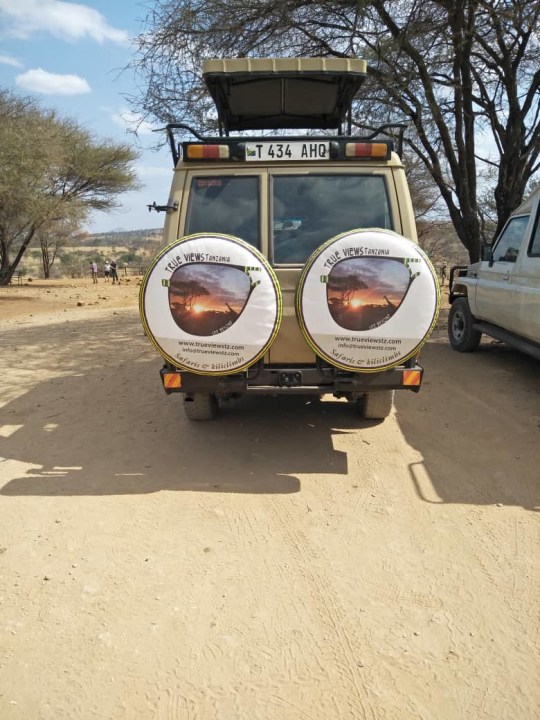
  • Transport by 4x4 Land Cruiser with pop-up roof
  • All meals and water on safari and Mount Kilimanjaro
  • Professional driver-guide (fluent in English), assistant guide, cook, and porters
  • All activities as specified in the itinerary
  • Pick-up from and drop-off at your accommodation in Moshi
  • Airport pick-up on the day of arrival and drop-off at Kilimanjaro Airport

What's Not Included

  • Tips
  • Additional beverages and drinks
  • Items of a personal nature, such as toiletries
  • Personal travel insurance and evacuation fees
  • Visas

What to bring

  • Warm sleeping bag
  • Scarf
  • Camera
  • Warm gloves
  • Camel bag/water bottle
  • Thermal underwear
  • Head torch with extra batteries
  • Warm windproof jacket with hood
  • Walking poles
  • Waterproof jacket and over-trousers
  • Sunglasses
  • Warm sweater
  • Sun tan lotion and lip balm
  • Down jacket (for summit)
  • Day bag/rucksack
  • T-shirts for daily wear
  • Wash kit, towel
  • Trekking trousers for daily wear
  • Leggings (2 pairs)
  • Shorts (minimum 2 pairs)
  • Socks (at least 6 pairs)
  • Warm sleeping clothing
  • Comfortable trekking boots
  • Trainers
  • Gaiters

Know before you go

There are two distinct trekking seasons which constitute the best time to climb Kilimanjaro.

  • They are January-March and June-October.
  • January-March is generally colder than June-October, and there is a higher probability of encountering snow on the summit. For some, this might be seen as a negative, but the benefit of a January-March trek is that the slopes are often quieter at this time of year.
  • The June-October trekking season coincides with the summer holidays in Europe and North America, and hence certain routes are often quite busy.
  • March, April, and November are the wettest months on Kilimanjaro and are not ideal for trekking.
  • Snowfall and cold temperatures are common during December-May.

Logistics

Meeting & route

Meeting point
Tanzania
Tour start
Tanzania
Tour ends at the same location as the start point.
End of the journey

Your 16 days finish where they began, in Tanzania.

Watch the tourHQ film Watch the film

Create your own adventure

Can't find the perfect tour? Tailor your dream trip.

  • Tell us your destination, dates and group size.
  • Our travel experts and local guides design a tailored itinerary, just for you.
  • Enjoy your trip with peace of mind, knowing everything is taken care of.
Plan my holiday

Say goodbye to travel stress.

Starting from

USD 3,830 /person
Book This Tour

When

Travellers

Total