Peru · Mountain Exploration

3-Day Nevado Pisco Climb from Huaraz through Cordillera Blanca

3 Days Round trip from Huaraz Moderate pace

The journey

Trip highlights
  • 01 Experience the stunning Cordillera Blanca, the highest tropical mountain range in the world
  • 02 Climb Nevado Pisco on a route suitable even for climbers without prior mountaineering experience
  • 03 Enjoy magnificent views of the Andes, including Huandoy, Alpamayo, Artesonraju, and Chopicalqui
  • 04 Start your adventure in the spectacular Quebrada Llanganuco

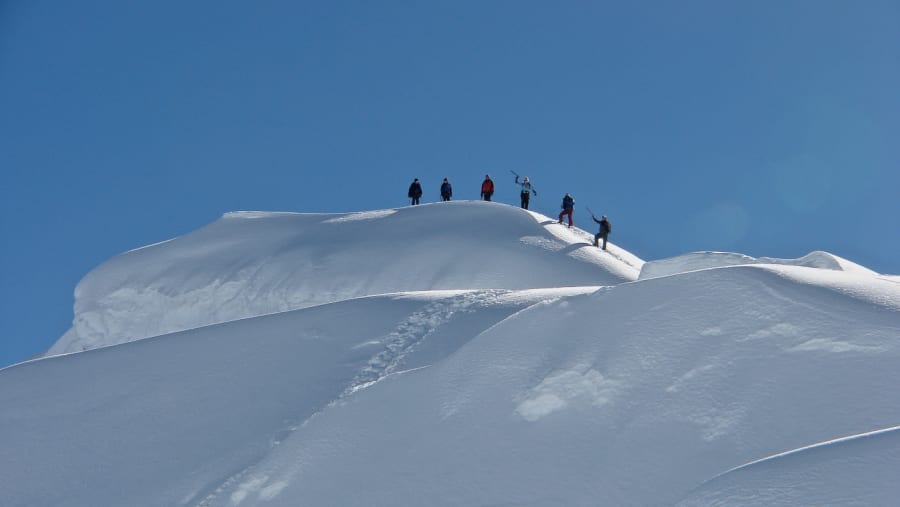
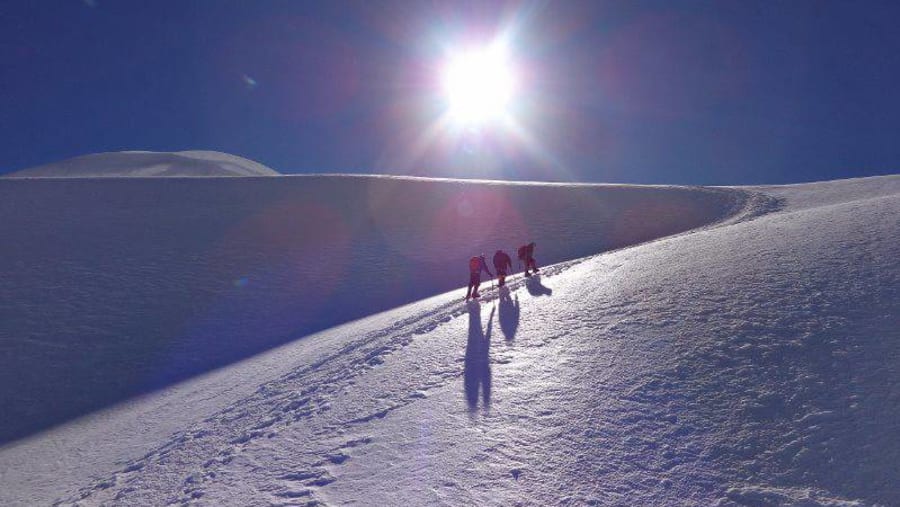
Explore the breathtaking Cordillera Blanca on a 3-day mountaineering adventure to Nevado Pisco. Home to more than 50 peaks above 15,000 feet, 700 glaciers, and 300 lakes, this spectacular Andean region offers an unforgettable setting for outdoor enthusiasts. No prior mountaineering experience is required, but climbers should be in good physical condition for the high-altitude ascent. From the summit, take in panoramic views of the Andes, including North and South Huascarán, Peru's tallest mountain.

From the summit, take in panoramic views of the Andes, including North and South Huascarán, Peru's tallest mountain.

From the itinerary

At a glance

What this trip includes

Duration 3 Days
Tour type Shared
Activity level Moderate
Accommodation Included · Budget
Transport Included
Wheelchair access No
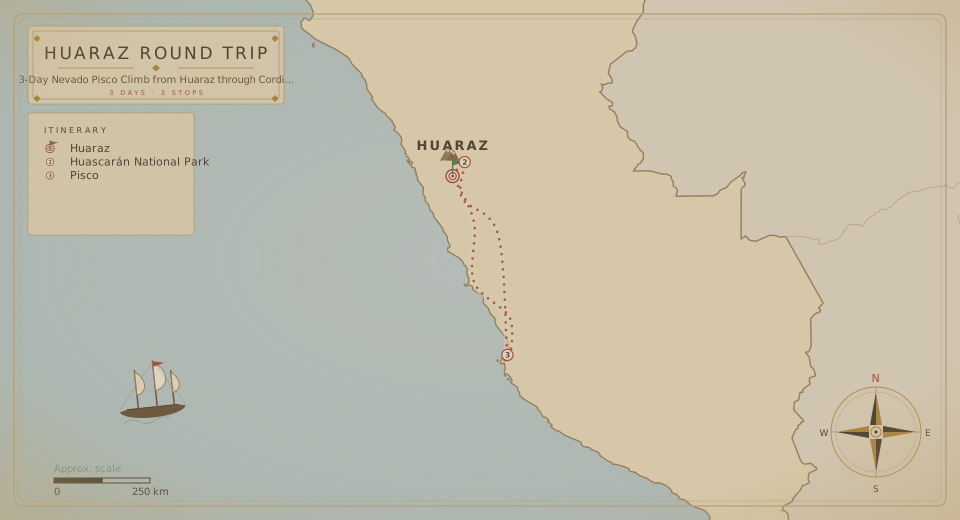
Cities Huaraz, Pisco, Huascarán National Park
Languages English, Spanish

Day by day

The itinerary

1
Day 01

Huaraz to Refugio Perú via Valle Llanganuco

  • Departure: Leave Huaraz early in the morning by private transport, heading through the Santa River Valley. The drive passes through Yungay and continues into Valle Llanganuco, famous for its stunning lakes and scenic views.
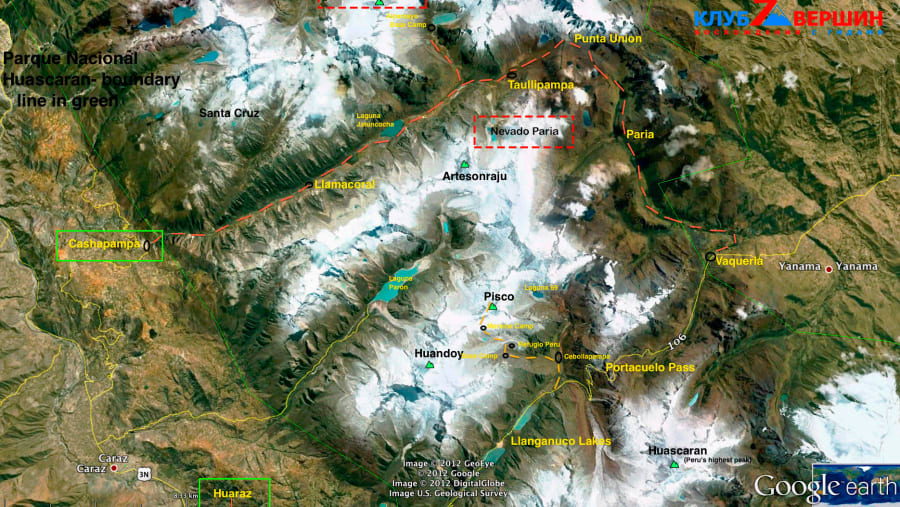
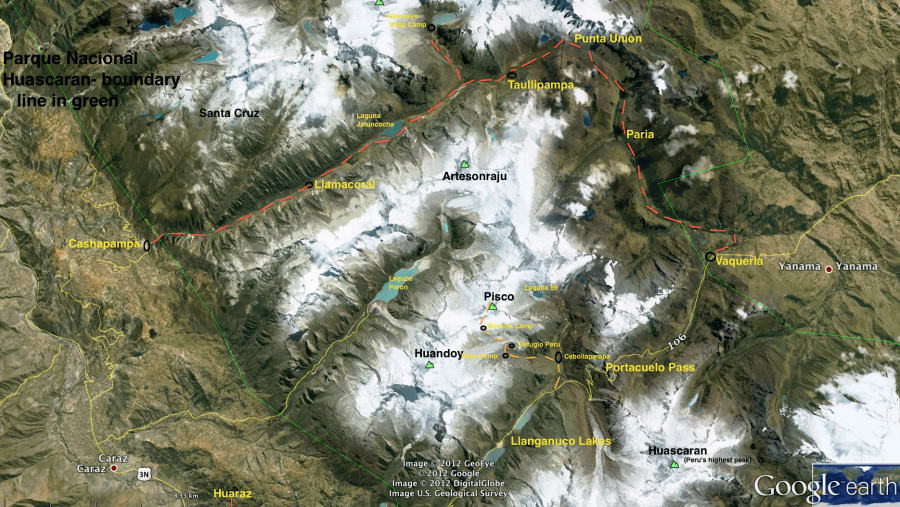
  • Arrival at Cebollapampa: From the Cebollapampa crossing, begin the trek toward Refugio Perú, which serves as the base camp.
  • Scenic views: Along the way, enjoy stunning panoramic views of the Huascarán and Chopicalqui peaks, as well as Huandoy, Chacraraju, and Yanapaccha towering over the landscape.
  • Overnight: Stay overnight at Refugio Perú, where preparations are made for the climb.
  • Meals: Lunch and dinner included.
2
Day 02

Summit Attempt on Nevado Pisco and Return to Base Camp

  • Early start: The climb begins just after midnight to avoid the warmer temperatures later in the day.
  • Moraine crossing: The ascent starts by crossing the long moraine, followed by a steep climb up to the saddle of Nevado Pisco.
  • Glacier ascent: The final phase involves a challenging climb on the glacier, leading to the summit at 5,752 m.
  • Summit views: From the top, enjoy stunning views of Huascarán, Peru's highest peak, along with Huandoy, Chopicalqui, and more.
  • Optional hike to Moraine Camp (4,900 m): Those who do not wish to climb all the way to the summit can choose to hike up to Moraine Camp and then return to the refuge.
  • Return: After reaching the summit, or after the Moraine Camp hike, descend back to Refugio Perú for the night.
  • Meals: Breakfast, lunch, and dinner included.
3
Day 03

Descent to Cebollapampa and Return to Huaraz

  • Descent: Begin the descent back to Cebollapampa in the morning. The trek leads down to the highway, where the transport will be waiting.
  • Return to Huaraz: From Cebollapampa, travel back to Huaraz by vehicle, arriving tired but fulfilled after the climb.
  • Overnight: Stay overnight in Huaraz at a local hotel.
  • Meals: Breakfast and lunch included.

This itinerary offers a fantastic balance of adventure, natural beauty, and mountaineering challenges. Whether you reach the summit of Nevado Pisco or choose to hike to Moraine Camp, you will experience some of the best views in the Cordillera Blanca.

Nevado Pisco summit, Valle Llanganuco lakes, Refugio Perú base camp

Where this trip takes you

Nevado Pisco summit, Valle Llanganuco lakes, Refugio Perú base camp

The route

Where you'll travel

Tour route map
Round trip from Huaraz 3 cities · 3 Days

The fine print

Trip details

What's Included

  • Peruvian qualified and experienced local guide(s)
  • All meals during the tour
  • Camping tents for 2 persons
  • Porters for Nevado Pisco (1 porter for every 2 participants)
  • Kitchen equipment
  • Cooks
  • Donkey driver and donkeys
  • Transportation according to the tour schedule from/to Huaraz

What's Not Included

  • International round-trip flights to Lima, Peru
  • Transfer from the airport for bookings with individual flights arriving or departing at different times
  • Exit tax at Lima airport
  • Travel accident and health insurance
  • Luggage insurance and trip cancellation coverage
  • Meals in restaurants in Lima and Huaraz
  • Personal expenses
  • Acclimatization tour
  • Entrance fees to Huascarán National Park
  • Transfer from the hotel to the airport and bus station
  • Domestic flight ticket with LC-Peru
  • Hotel Casa Andina - 2 nights in Lima
  • Hotel San Sebastián - 4 nights in Huaraz
  • Pick-up at the airport in Lima to the hotel
  • Personal equipment such as boots, ice axe, crampons, harness, sleeping bag, mat, Goretex, etc.
  • Tips

What to bring

When preparing for the Nevado Pisco climb, it's important to bring the appropriate gear to ensure safety, comfort, and success during the ascent. Here's a list of what you should pack:

Essential Clothing and Gear

1. Clothing:

  • Base layer (top and bottom): Moisture-wicking material (synthetic or merino wool) for moisture control and warmth.
  • Mid layer (fleece or down jacket): For insulation, especially during cold nights and early mornings.
  • Outer layer (waterproof and windproof jacket): Protects against wind and rain, especially on the glacier.
  • Climbing pants: Durable and flexible pants, ideally waterproof and insulated for glacier conditions.
  • Trekking pants: Comfortable for the approach trek and the first day of climbing.
  • Hat or beanie: For warmth, especially at high altitudes.
  • Gloves:
    • Lightweight gloves for the trek.
    • Warm climbing gloves for the glacier and summit.
  • Buff or neck gaiter: To protect your neck and face from the cold and wind.
  • Socks (3-4 pairs): Wool or synthetic socks to avoid blisters and provide warmth.
  • Sun hat or cap: To protect your face from sun exposure during the day.

2. Footwear:

  • Mountaineering boots: Insulated, waterproof boots with a rigid sole to handle rocky and icy terrain.
  • Trekking shoes: Comfortable shoes for the approach hike and when not on the glacier.
  • Crampons: Necessary for ice and glacier sections. These will be provided by the guide, but ensure they fit your boots.

3. Climbing Equipment:

  • Ice axe: For the ascent and descent on the glacier.
  • Crampon-compatible boots: As mentioned, boots that can securely hold crampons for ice climbing.
  • Harness: For the summit attempt; typically provided by the tour operator.
  • Climbing rope: Usually provided by the guide or operator.
  • Carabiners: A couple of locking carabiners, especially for securing yourself on the glacier.
  • Helmets: For safety during the climb; usually provided by the tour operator.

4. Backpack:

  • Daypack (25-40L): For carrying your personal items during the ascent. Ensure it's comfortable for all-day wear and has enough room for water, snacks, and layers.
  • Hydration system: A hydration bladder or bottles (at least 2-3L capacity) to stay hydrated, especially at altitude.

Personal Items:

  • Sunscreen: High SPF to protect against intense UV radiation at high altitudes.
  • Lip balm: With SPF to protect lips from sun and wind.
  • Sunglasses: With 100% UV protection for high-altitude conditions and snow glare.
  • Personal snacks: Energy bars, trail mix, or chocolate for a quick energy boost during the climb.
  • First-aid kit: Including blister treatment, bandages, pain relief, and any personal medication.
  • Toiletries: Toothbrush, toothpaste, wet wipes, hand sanitizer, and any other basic hygiene items.
  • Camera/phone: To capture the beautiful views; ensure it is in a waterproof case.

Camping Gear (provided by the operator):

  • Tent: The operator typically provides shared tents.
  • Sleeping bag: Insulated for cold weather (at least -10°C to -15°C rating). Some operators provide this.
  • Sleeping pad: To insulate from the cold ground and provide comfort during the night.

Miscellaneous:

  • Passport and permits: Ensure you have a valid passport, travel documents, and any required permits for the climb.
  • Cash: For any optional purchases or tips, as some remote areas might not have ATM access.
  • Camera gear/GoPro: If you want to document your adventure, make sure it is packed securely.

Additional Tips:

  • Altitude preparation: The climb is at high altitude, so if you're not acclimatized, it's advisable to spend a few days in Huaraz before the climb.
  • Personal preferences: If you have any specific personal items you like, such as a favorite snack or a comfort item, don't forget it.

By preparing with the right gear, you'll ensure that you stay comfortable, safe, and well-equipped for your Nevado Pisco climb adventure.

Know before you go

Climbing Nevado Pisco is a beautiful and challenging high-altitude experience that requires preparation and an understanding of the terrain and conditions. Here's everything you should know before embarking on this 3-day adventure.

1. Altitude & Acclimatization

  • Nevado Pisco's summit: 5,752 meters (18,874 feet) above sea level.
  • Base Camp (Refugio Peru): 4,680 meters (15,354 feet) above sea level.
  • Moraine Camp (optional): 4,900 meters (16,076 feet) above sea level.

It's important to be aware of the risks associated with high-altitude climbing. Make sure you arrive in Huaraz at least 2-3 days before your climb to acclimatize properly. Failure to acclimatize properly can lead to altitude sickness, which can be dangerous. If you feel symptoms like headaches, nausea, or dizziness, alert your guide immediately.

2. Climbing Difficulty

  • The climb is moderate to challenging. The final section to the summit requires an ice climb, and you'll be navigating through a glacier.
  • The first two days involve trekking, but the third day will involve a more physically demanding climb, starting around midnight for the summit attempt.

3. Gear and Equipment

  • Crampons and ice axe: You will be provided with climbing gear such as crampons and an ice axe, but it's essential to have mountaineering boots that are compatible with crampons. Make sure to check the equipment before the climb.
  • Personal equipment: You will need to bring essential items like sunscreen, sunglasses, a camera, and personal snacks.
  • Tents and sleeping gear: Camping equipment, including tents, sleeping bags, and sleeping pads, is provided by the operator. You'll stay in comfortable tents at base camp and optionally at Moraine Camp.

4. Weather Conditions

  • Daytime: Expect cool to warm conditions during the day, but temperatures can vary. Always bring appropriate layers for comfort.
  • Nighttime: At higher altitudes, temperatures can drop dramatically, especially at base camp and higher. Be prepared for cold nights with proper clothing and sleeping bags rated for sub-zero temperatures.
  • Weather: Weather in the Andes can be unpredictable. Be ready for rain, snow, or wind at any time, especially in higher regions near the glacier.

5. Physical Fitness

  • Physical fitness is key: The climb is demanding. You'll need to be in good physical condition, especially for the summit day. Hiking at altitude can be strenuous, and the climb to the summit requires technical skill and endurance.
  • Training: If possible, train in advance with hiking or mountaineering activities, including carrying a heavy pack, stair climbing, and building leg and core strength.

6. Itinerary and Timing

  • Day 1: Trek from Huaraz to Cebollapampa and then to Refugio Peru (Base Camp). The hike is scenic, taking you through the Llanganuco Valley, past glacial lakes, and with views of Huascarán Peak and Chopicalqui.
  • Day 2: Early morning climb to Moraine Camp or directly to the summit of Nevado Pisco. It's a long day, beginning before dawn, with a challenging ascent to the top and panoramic views of the Andes.
  • Day 3: Descend back to Cebollapampa and return to Huaraz in the afternoon. This will be a long descent, but rewarding after reaching the summit.

7. Cost & What's Included

What's included:

  • Professional guides experienced in high-altitude mountaineering.
  • Climbing equipment: ice axe, crampons, helmet, ropes, and harness.
  • Transportation from Huaraz to the base camp and back.
  • Meals during the trek: breakfast, lunch, and dinner.
  • Tent accommodation at base camp and Moraine Camp, if used.

8. Safety and Insurance

  • Travel insurance is highly recommended. Ensure it covers high-altitude climbing and rescue services.
  • Emergency evacuation: The guides are experienced, and in case of an emergency, evacuation can be arranged. Having insurance that covers high-altitude rescues is essential.

9. Food and Water

  • The operator will provide nutritious meals during the trek. You'll be given hot meals at base camp, but you can also carry additional snacks like energy bars and chocolate for quick energy boosts.
  • Water: You will be given safe drinking water at the camps, but bring a water bottle to stay hydrated, especially during the climb.

10. Local Culture & Respect

  • Respect local customs: This region is home to indigenous communities. Show respect for local traditions, especially when passing through villages and cultural sites.
  • Leave no trace: Ensure you leave no waste behind during the climb. Stick to the trails, dispose of trash properly, and respect the environment.

11. Emergency Contact and Communication

  • Satellite phones: If you're going on a remote route, guides typically carry satellite phones for emergency communication.
  • Make sure your guide has your emergency contact details before the climb starts.

12. Health Considerations

  • Acclimatization: Make sure to rest before the climb to allow your body to adjust to the altitude. This will reduce the risk of altitude sickness.
  • Hydration: Stay hydrated at all times, especially at higher altitudes, where dehydration is common.
  • Medical check-up: If you have any health issues or concerns, especially related to heart or respiratory conditions, it's wise to consult a doctor before the climb.

By being well-prepared and informed, your Nevado Pisco climb will be a thrilling and memorable experience in the majestic Andes Mountains. Stay safe, take your time, and enjoy the breathtaking views!

Logistics

Meeting & route

Meeting point
Huaraz, Perú
Tour start
Huaraz, Peru
Tour ends at the same location as the start point.
End of the journey

Your 3 days finish where they began, in Huaraz.

Watch the tourHQ film Watch the film

Create your own adventure

Can't find the perfect tour? Tailor your dream trip.

  • Tell us your destination, dates and group size.
  • Our travel experts and local guides design a tailored itinerary, just for you.
  • Enjoy your trip with peace of mind, knowing everything is taken care of.
Plan my holiday

Say goodbye to travel stress.

Starting from

USD 950 /person
Book This Tour

When

Travellers

Total