Peru · Trekking

2-Day Chachani Volcano Climb from Arequipa with High-Altitude Camping

2 Days Round trip from Arequipa Moderate pace

The journey

Trip highlights
  • 01 Summit Chachani Volcano at 6075 m above the Arequipa highlands
  • 02 Cross the Pampas Cañahuas plateau in the Aguada Blanca and Salinas National Reserve
  • 03 Spot Vicuñas, Guanacos, Eagles, Viscachas, Deer, and Andean Foxes en route
  • 04 Camp at 5163 m with spectacular views of the Andes
  • 05 Take in panoramic summit views of Coropuna, Ampato, Sabancaya, Misti, Ubinas, and Arequipa

Climbing Chachani is one of the most challenging and thrilling experiences in the Arequipa region of Peru. This 2-day ascent takes you up one of the area's highest volcanoes, across rocky terrain, intense cold, and extreme altitude, with the reward of reaching a spectacular Andean summit. Along the way, you travel through the Aguada Blanca and Salinas National Reserve, camp high on the mountain, and push for the top with the support of an experienced mountain guide. From the summit, enjoy stunning views of Arequipa, nearby volcanoes, and the Peruvian highlands.

Here, it is possible to observe fascinating animals such as Vicuñas, Guanacos, Eagles, Viscachas, Deer, and Andean Foxes, all protected by the government of Peru and the surrounding communities.

From the itinerary

At a glance

What this trip includes

Duration 2 Days
Tour type Shared
Activity level Moderate
Accommodation Included · Budget
Transport Included
Wheelchair access No
City Arequipa
Languages English, Spanish

Day by day

The itinerary

1
Day 01

Arequipa to Chachani Base Camp at 5163 m

  • At 9 am, we meet at your hotel and embark on a journey in our sturdy 4x4 vehicle for approximately 3 hours from Arequipa to the end of the road at 4064 m.
  • We drive on a dirt road, crossing steep hills where our driver tests the power of our 4x4. We stop at the back of Chachani, on the plateau known as Pampas Cañahuas, recognized as part of the Aguada Blanca and Salinas National Reserve.
  • Here, it is possible to observe fascinating animals such as Vicuñas, Guanacos, Eagles, Viscachas, Deer, and Andean Foxes, all protected by the government of Peru and the surrounding communities.
  • Next, we face a 4x4 off-road challenge through the foothills of Chachani until we reach a place called "El Collado" at an altitude of 5100 m. This last stretch of the road is in poor condition and lasts approximately 40 minutes.
  • At this point, we review and pack all the necessary equipment for the climb of Chachani mountain.
  • The guide emphasizes the importance of not forgetting any recommended or suggested equipment, as there is no way to replace it at this location.
  • The first part of the hike is quite gradual and almost flat, following ancient paths in good condition thanks to mountain guides.
  • The second hour of the hike includes a gradual ascent, passing through small, undiscovered Inca ruins in the lower area of the trail.
  • After two hours of walking, carrying all the necessary equipment for camping and climbing, we finally reach the base of Chachani at 5163 m.
  • Here, we set up tents and enjoy lunch on the mountain with a spectacular view of the Andes.
2
Day 02

Summit Chachani Volcano at 6075 m and Return to Arequipa

  • Today, wake-up is scheduled between 2 a.m. and 4 a.m., depending on the weather and how you feel with altitude sickness. The tour guide or the cook will offer you a hot and energizing breakfast.
  • Afterward, you will need to check all your climbing equipment, such as gloves, boots, headlamp, walking poles, camera, water bottle, and windproof gear to protect yourself from the cold wind (-12°C or less).
  • This day represents the most challenging part of the ascent, with approximately 900 meters of climbing to reach the summit of Chachani at 6075 m. The ascent takes between 4 and 6 hours, depending on each climber's physical condition and level of acclimatization to the altitude.
  • Approximately 80% of climbers manage to reach the summit of Chachani, even if they experience a headache, and are rewarded with stunning views from the top. Climbers spend around 30 minutes enjoying panoramic views of Coropuna, Ampato, Hualca Hualca, Sabancaya, Misti, Ubinas, the city of Arequipa, and other surrounding landscapes. It is worth noting that this climb does not require technical rock or ice climbing skills, as Cerro Chachani is primarily approached as a high-altitude trek.
  • At the appropriate time, the descent begins back to base camp for about 2 hours, followed by an hour to rest and pack all the equipment.
  • Then, continue descending to reach the 4x4 vehicle and begin the journey back to Arequipa at around 3:00 p.m.
  • This last stretch of the trip takes approximately 3 hours until you arrive at your hotel, marking the end of an unforgettable experience.
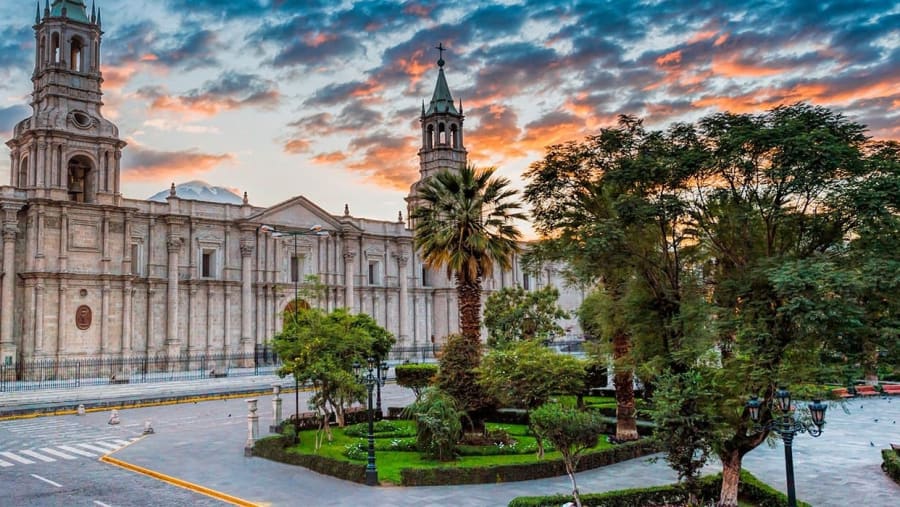
Pampas Cañahuas plateau, Aguada Blanca and Salinas National Reserve, Chachani Volcano summit, Arequipa views

Where this trip takes you

Pampas Cañahuas plateau, Aguada Blanca and Salinas National Reserve, Chachani Volcano summit, Arequipa views

The route

Where you'll travel

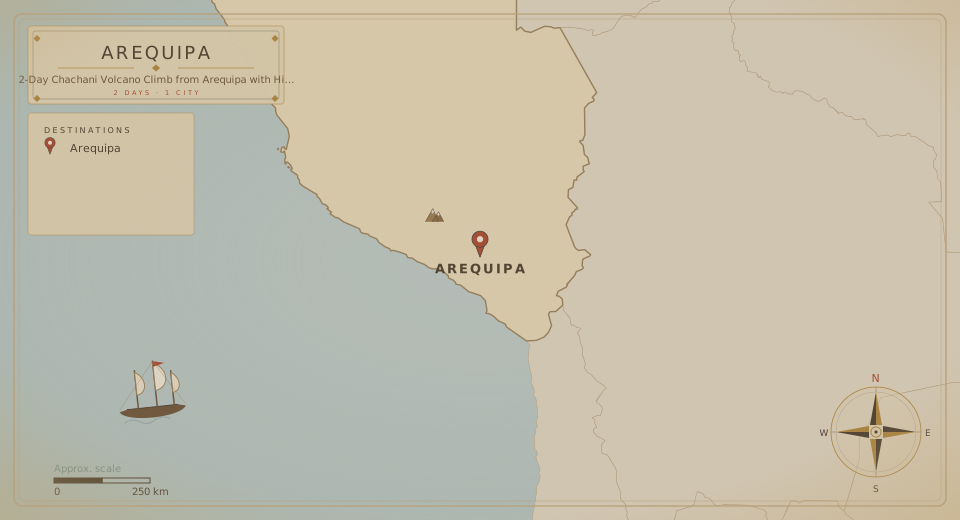
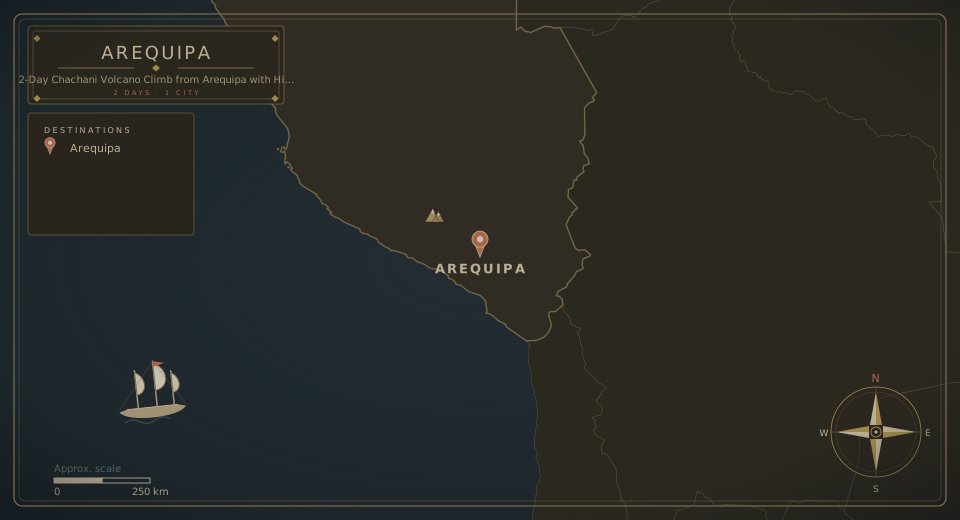
Tour route map
Round trip from Arequipa 1 city · 2 Days

The fine print

Trip details

What's Included

  • Certified, experienced English-speaking mountain guide
  • Pre-tour briefing (one day before the climb)
  • Private 4x4 transportation
  • Camping equipment: four-season mountain tent and mattresses
  • Cooking equipment
  • Meals on the mountain: 1 lunch, 1 hot dinner, and 1 hot breakfast
  • Plenty of hot coca tea to keep you energized
  • Oxygen bottle (inside the vehicle)
  • First aid kit
  • Communication system: guides carry mobile phones for communication during the climb
  • Cooking equipment

What's Not Included

  • Technical climbing gear such as crampons, ice picks, and safety rope (provided only if there is snow on the summit)
  • Sleeping bag (-5°C): available for hire at our Arequipa office for $10 USD per day
  • Tips for the guide and camp staff
  • Windproof jacket or windproof pants: available for hire at our Arequipa office for $5 USD per day per item
  • Waterproof climbing boots: available for hire at our Arequipa office for $9 USD per day
  • Travel insurance
  • Drinking water: 6 liters per person for 2 days
  • Breakfast on the first day and snacks
  • Headlamp and gloves (Group & Semi-Private Service)
  • Extras as personal expenses

What to bring

  • Backpack, 70 L minimum
  • 6 liters of drinking water for cooking and personal use
  • Sleeping bag rated to -5°C - hire available for $8 USD per day (Group Service)
  • Windproof jacket and pants
  • Strong, comfortable, waterproof boots
  • One complete change of clothing
  • Sweater and thermal pants (something warm)
  • 6 liters of water per person, minimum
  • Flashlight and batteries (Group Service)
  • Hat or cap to protect you from the sun
  • Sunblock (sun protection cream)
  • Toilet paper
  • A selection of small snacks, chocolate, dried fruit, biscuits, etc.
  • Camera, plenty of film, and spare batteries
  • Binoculars
  • Your personal first aid kit
  • Walking sticks or poles (Group Service)

Know before you go

Know Before You Go: Climb Chachani Volcano

If you're considering climbing Chachani Volcano, here's essential information to help you prepare for this incredible adventure in the Peruvian Andes.

  • Physical Preparation: Chachani sits at 6,075 meters (19,898 feet) above sea level. Altitude sickness is a real concern, and you'll need to acclimatize properly. It is recommended to spend a few days in Arequipa (2,335 meters) before starting your ascent.
  • Fitness Level: While the climb does not require technical climbing skills, it is a physically demanding trek due to the altitude, cold, and rocky terrain. A good level of cardiovascular fitness is essential to cope with the thin air at high altitudes.
  • Cold Temperatures: The weather can be extreme, with temperatures dropping as low as -20°C (-4°F) at higher altitudes, especially at night. Be prepared for very cold winds and harsh conditions.
  • Day and Night Temperature Range: Expect large temperature fluctuations. It can be sunny and warm during the day but freezing cold at night.
  • Weather Variability: The mountain's weather is unpredictable. Storms, fog, and winds can arrive suddenly, so always be prepared for any changes.
  • Clothing: Layering is key. Pack thermal base layers, a down jacket, a windproof jacket, and waterproof gear. Make sure to bring warm gloves, a balaclava, and a hat for cold weather.
  • Footwear: You'll need sturdy trekking boots for the hike, as well as mountain boots if you are planning to summit in snow or icy conditions.
  • Sleeping Gear: A high-quality sleeping bag rated for temperatures below -20°C is essential, as the nights can be freezing. Consider an inflatable mattress for added comfort.
  • Hydration & Nutrition: Bring water bottles, a thermos, and snacks to keep hydrated and fueled throughout the climb.
  • Climbing Gear: If you're attempting the summit, you'll need crampons, an ice axe, helmet, and harness. The climb does not require advanced technical skills, but basic equipment is needed to navigate snowfields or icy rocks.
  • Sun Protection: The sun is intense at high altitudes, so pack sunscreen (SPF 40), sunglasses (Category 3 or 4), and lip balm (SPF 30).
  • Best Time to Go: The best months to climb Chachani are during the dry season (April to October), when the weather is more predictable and there is less chance of rain or snow.
  • Off-Season Climbs: If you plan to climb outside of this window, be sure to arrange an official permit. The official season is from November 1 to March 31.
  • No Major Fees: You'll need a permit to climb Chachani, which can be arranged by your guide or trekking agency. DIFROL (the Directorate of Borders and Limits) handles border regulations for the climb, and there is no fee for this.
  • Climbing Permits: In some cases, additional regional permits may be required, especially for high-altitude treks. The cost for these permits is minimal (around USD 200) and can be arranged through local agencies.
  • Hiring a Guide: Although the climb does not require technical expertise, it is highly recommended to hire a local guide with experience on Chachani. They will help with navigation, provide insight into local culture, and ensure your safety. Some agencies offer 1 guide for every 3 climbers.
  • Logistical Support: Many agencies offer packages that include transport, meals, accommodation, and camping gear. Guides can also help with acclimatization hikes around Arequipa and the base camps.
  • Acclimatization is Key: Plan to spend at least 2 days in Arequipa before beginning your ascent to Chachani to help your body adjust to the altitude.
  • Signs of Altitude Sickness: Be aware of symptoms such as headache, dizziness, nausea, and shortness of breath. If symptoms become severe, it is important to descend immediately.
  • Base Camp: Most climbers set up base camp at Laguna de Chachani or Campo Base, located at approximately 4,800 meters. This is the location where you'll begin the final push to the summit.
  • Summit Day: The summit climb usually takes around 6-8 hours from base camp. It involves navigating rocky terrain and possibly crossing snowfields. The summit offers stunning views of Arequipa, Misti, and Pichu Pichu volcanoes.
  • Transportation: Typically includes transport from Arequipa to the base camp.
  • Meals: Basic meals like breakfast, lunch, and dinner are included, with a focus on energy-rich foods for climbers.
  • Accommodation: Base camp is often provided, but for the ascent, climbers sleep in tents. Make sure to bring your own camping gear if not included.
  • Physical Readiness: To safely tackle Chachani, you should be in good physical condition, especially with cardio and endurance training. You'll need to climb for several hours at high altitudes, where breathing becomes more difficult.
  • Health Concerns: If you have heart or lung conditions or any concerns about high-altitude sickness, consult with a doctor before attempting the climb.
  • Guide and Permits: Expect to pay for guide services (around USD 100-150 per day), permit fees, and transportation to base camp. The overall cost for an organized climb can range from USD 300 to USD 500 depending on your package.
  • Respect the Environment: Chachani Volcano is a natural treasure. Be mindful of your environmental impact and follow Leave No Trace principles, packing out all waste and trash.
  • Local Communities: The region around Chachani is home to indigenous people, including Quechua communities. Be respectful of their customs and traditions, and always ask for permission before taking photographs.

Climbing Chachani is a challenging yet rewarding experience that offers spectacular views, an opportunity to acclimatize for higher peaks, and a chance to explore one of the most iconic volcanoes in Peru. Proper preparation, the right gear, and a good guide are all essential to make your climb a success.

Logistics

Meeting & route

Meeting point
Arequipa, Perú
Tour start
Arequipa, Perú
Tour ends at the same location as the start point.
End of the journey

Your 2 days finish where they began, in Arequipa.

Watch the tourHQ film Watch the film

Create your own adventure

Can't find the perfect tour? Tailor your dream trip.

  • Tell us your destination, dates and group size.
  • Our travel experts and local guides design a tailored itinerary, just for you.
  • Enjoy your trip with peace of mind, knowing everything is taken care of.
Plan my holiday

Say goodbye to travel stress.

Starting from

USD 650 /person
Book This Tour

When

Travellers

Total