Pakistan · Religious & Spiritual

9-Day Buddhist Pilgrimage Tour in Pakistan with Taxila and Swat

9 Days Round trip from Islamabad Easy pace

The journey

Trip highlights
  • 01 Explore UNESCO-listed archaeological marvels such as Taxila and Takht-i-Bahi
  • 02 Visit the serene Swat Valley, known as the 'Switzerland of the East'
  • 03 Discover ancient Buddhist sites including Dharmarajika Stupa and the Butkara stupas
  • 04 See rich Gandhara-era artifacts in the museums of Peshawar and Swat
  • 05 Follow a 9-day pilgrimage route through Pakistan's historic Buddhist heartland

Embark on a spiritual journey through Pakistan's rich Buddhist heritage on this 9-day tour, tracing the footsteps of ancient pilgrims. Explore the UNESCO-listed archaeological marvels of Taxila, the historic treasures of Peshawar, and the serene Swat Valley, often called the 'Switzerland of the East.' Visit renowned Buddhist sites such as Dharmarajika Stupa, Takht-i-Bahi Monastery, and the Butkara stupas, and marvel at the artifacts housed in world-class museums. This immersive experience combines history, spirituality, and cultural richness, offering a window into the golden age of Gandhara Buddhism.

Embark on a spiritual journey through Pakistan's rich Buddhist heritage on this 9-day tour, tracing the footsteps of ancient pilgrims.

From the itinerary

At a glance

What this trip includes

Duration 9 Days
Tour type Private
Activity level Easy
Accommodation Included · Budget
Transport Included
Wheelchair access Yes
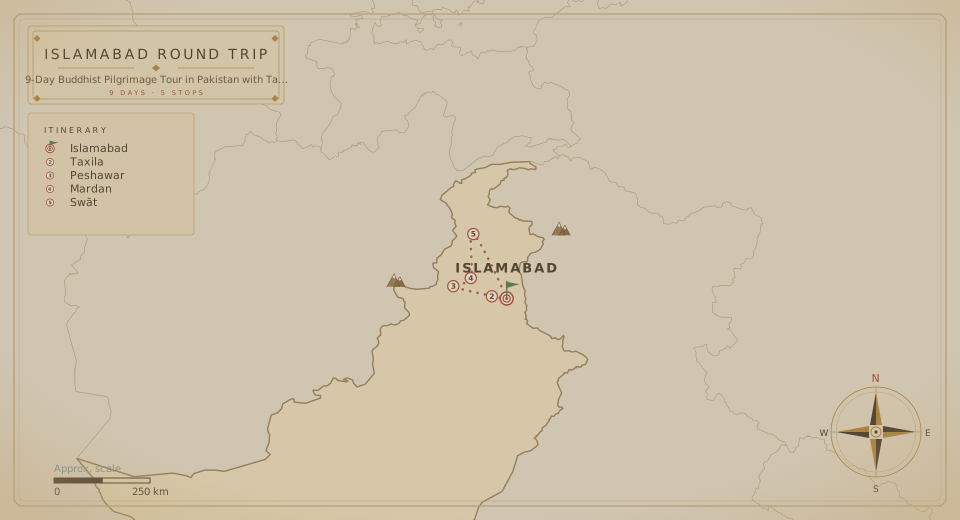
Cities Islamabad, Peshawar, Mardan, Taxila, Swāt
Languages English

Day by day

The itinerary

1
Day 01

Arrival in Islamabad

  • Upon arrival, pick up from Islamabad Airport and transfer to the hotel.

Overnight in Islamabad.

2
Day 02

Taxila Museum and Dharmarajika Stupa Excursion

  • After breakfast, head towards Taxila. Visit Taxila Museum and the Taxila site, including Dharmarajika Stupa. In the evening, return to Islamabad.
  • Taxila:
    • Nestled in the rich history of Pakistan, Taxila emerges as an archaeological gem, echoing the tales of Buddhism's profound influence in the region. With roots dating back over two millennia, Taxila stands as a testament to the ancient civilization that once thrived in this corner of South Asia.
  • Historical Significance:
    • Taxila, designated as a UNESCO World Heritage Site, served as a major center of learning and commerce during the Gandhara period. Flourishing between the 6th century BCE and the 5th century CE, it attracted scholars, philosophers, and traders from across Asia, making it a melting pot of cultures and ideas.
  • Buddhist Legacy:
    • At the heart of Taxila's allure lies its association with Buddhism. The city played a pivotal role in the life of Siddhartha Gautama, who later became the Buddha. The archaeological remains include monasteries, stupas, and statues, all reflecting the vibrant Buddhist culture that once thrived in this ancient city.
  • Dharmarajika Stupa:
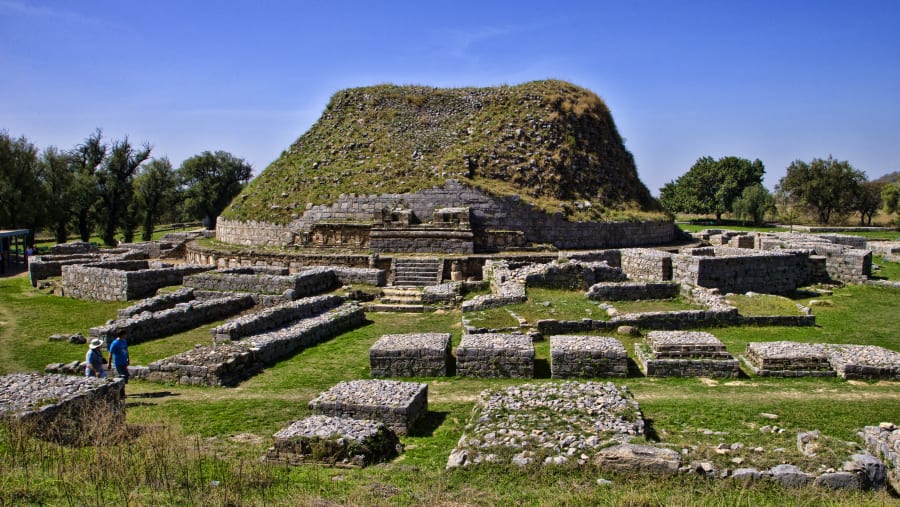
    • One of the most significant structures in Taxila is the Dharmarajika Stupa, a massive monument that housed relics of Lord Buddha. Its intricate carvings and architectural grandeur provide a glimpse into the spiritual devotion of the people of Taxila.
  • Jaulian Monastery:
    • The Jaulian Monastery, another jewel in Taxila's crown, stands as a testament to the scholarly pursuits of the time. This complex of stupas and monastic cells reflects the dedication to education and enlightenment that permeated the region.
  • Sirkap:
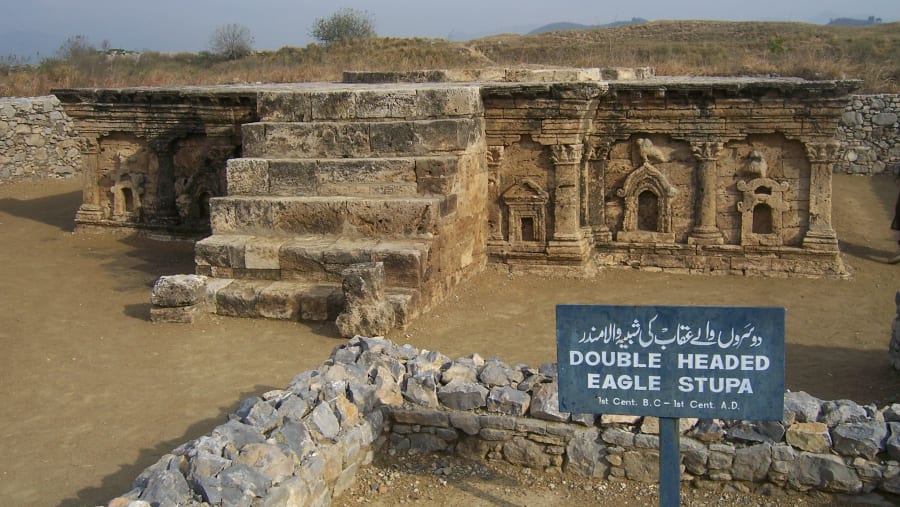
    • Sirkap, an ancient city within Taxila, showcases the city's urban planning prowess. It housed a mix of Greek, Persian, and Buddhist architectural styles, further underlining the multicultural tapestry that defined Taxila.

Overnight in Islamabad.

3
Day 03

Explore Sirkap and Jaulian Monastery

  • After breakfast, visit more sites of Taxila, including Sirkap and Jaulian Monastery.
  • Explore the Taxila sites.
  • Return to Islamabad.

Overnight in Islamabad.

4
Day 04

Drive to Peshawar and Visit the Museum

  • After breakfast, drive to Peshawar. Visit Peshawar Museum and Qissa Khawani Bazar.
  • Peshawar Museum: Guardian of Buddhist Artifacts
    • In the heart of Peshawar, Pakistan, the Peshawar Museum stands as a custodian of the region's rich cultural heritage, particularly the Buddhist artifacts that tell the tales of an ancient and flourishing civilization. This repository of history serves as a bridge between the modern world and the echoes of Buddhism that once reverberated through the valleys of this historic region.
  • History:
    • Peshawar, with its strategic location along ancient trade routes, has been a melting pot of diverse cultures for centuries. The Peshawar Museum, established in 1907, encapsulates this cultural amalgamation and is renowned for its extensive collection of artifacts dating back to the Gandhara period.
  • Gandhara Art:
    • The museum's pride lies in its remarkable collection of Gandhara art, a distinctive blend of Greco-Roman and indigenous styles that flourished from the 1st to 5th centuries CE. Gandhara art reached its zenith in this region, and the museum preserves the finest examples of Buddha statues, stupas, and other Buddhist relics that showcase the artistic brilliance of the era.
  • Buddhist Sculptures:
    • Among the museum's treasures are intricately carved Buddhist sculptures, portraying the serene visage of the Buddha and scenes from his life. These sculptures, often made of schist and stucco, reflect the spiritual devotion and artistic finesse of the ancient Gandhara craftsmen.
  • Glimpses of Monastic Life:
    • Visitors to the Peshawar Museum can explore artifacts that provide glimpses into monastic life during the Gandhara period. Items such as pottery, coins, and everyday objects offer a holistic view of the culture and lifestyle that prevailed in this Buddhist-dominated landscape.

Overnight in Peshawar.

5
Day 05

Takht-i-Bahi En Route to Swat Valley

  • After breakfast, drive to Swat Valley. En route, visit Takht-i-Bahi. Then transfer to the hotel. Enjoy leisure time to explore Swat Valley.
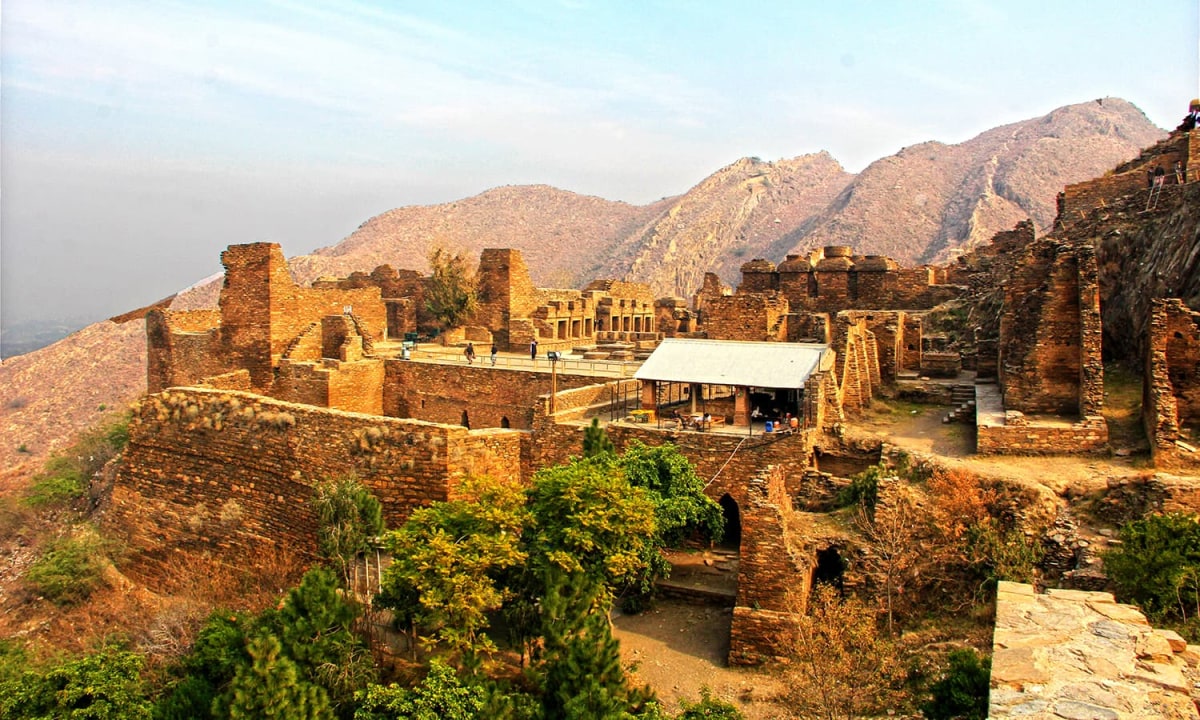
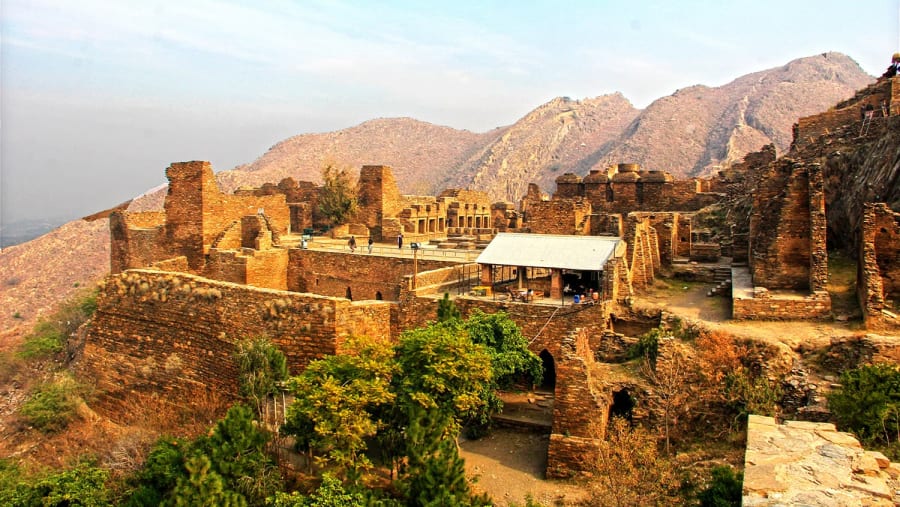
  • Takht-i-Bahi: A Stairway to Buddhist Splendor
    • Nestled on a hilltop in the Mardan District of Khyber Pakhtunkhwa, Pakistan, Takht-i-Bahi stands as a testament to the grandeur of Buddhist civilization in the region. This UNESCO World Heritage Site unveils a history steeped in spirituality, education, and architectural brilliance.
  • Foundation of Tranquility:
    • Takht-i-Bahi, meaning 'Throne of Spring,' was founded in the 1st century CE during the Kushan Empire. It flourished as a prominent Buddhist monastic complex, becoming a center for spiritual enlightenment and scholarly pursuits.
  • Architectural Marvel:
    • The site's layout reflects the classical Gandhara style, blending Hellenistic and Indian architectural influences. The main stupa, surrounded by monastic cells, stupas, and assembly halls, attests to the meticulous planning and aesthetic sensibility of its creators.
  • Monastic Hub:
    • Takht-i-Bahi served as a vibrant monastic hub, attracting scholars, monks, and students from distant lands. The complex comprised various levels, each dedicated to specific purposes, such as meditation, living quarters, and communal activities, fostering an environment conducive to spiritual reflection and learning.
  • Trade and Cultural Exchange:
    • Situated along the ancient Silk Road, Takht-i-Bahi played a crucial role in trade and cultural exchange. The interactions between different civilizations influenced the art and iconography found within the site, creating a unique fusion of Greek, Persian, and Indian artistic elements.
  • Hellenistic Influence:
    • The Greco-Bactrian rulers in the region left an indelible mark on Takht-i-Bahi's architecture. The use of Corinthian columns, friezes depicting scenes from the Buddha's life, and the incorporation of Hellenistic motifs showcase the syncretic nature of Gandhara art during this period.
  • Decline and Rediscovery:
    • Takht-i-Bahi experienced a decline in the 7th century with the spread of Islam, leading to the abandonment of the site. However, its historical significance endured, and the site was rediscovered by British archaeologists in the 19th century.
  • UNESCO Recognition:
    • In 1980, Takht-i-Bahi was designated as a UNESCO World Heritage Site, acknowledging its outstanding universal value and contribution to the understanding of Buddhist civilization in South Asia.
    • Today, Takht-i-Bahi stands as a silent witness to the ebb and flow of time. Visitors can wander through the well-preserved ruins, marvel at the architectural ingenuity, and contemplate the echoes of a bygone era when Takht-i-Bahi was a thriving center of Buddhist wisdom and enlightenment.

Overnight in Swat.

6
Day 06

Swat Museum and Buddhist Heritage Sites

  • After breakfast, visit Swat Museum and Buddhist sites.
  • Buddhist Splendor in Swat Valley: A Journey through Spiritual Marvels
    • Nestled in the picturesque Swat Valley of Pakistan lies a treasure trove of Buddhist heritage, where ancient monastic complexes and stupas whisper tales of a bygone era. The Swat Valley, also known as the 'Switzerland of Pakistan,' was once a flourishing center of Buddhism, and its archaeological sites showcase the profound impact of this spiritual tradition on the region.
  • Butkara Stupa:
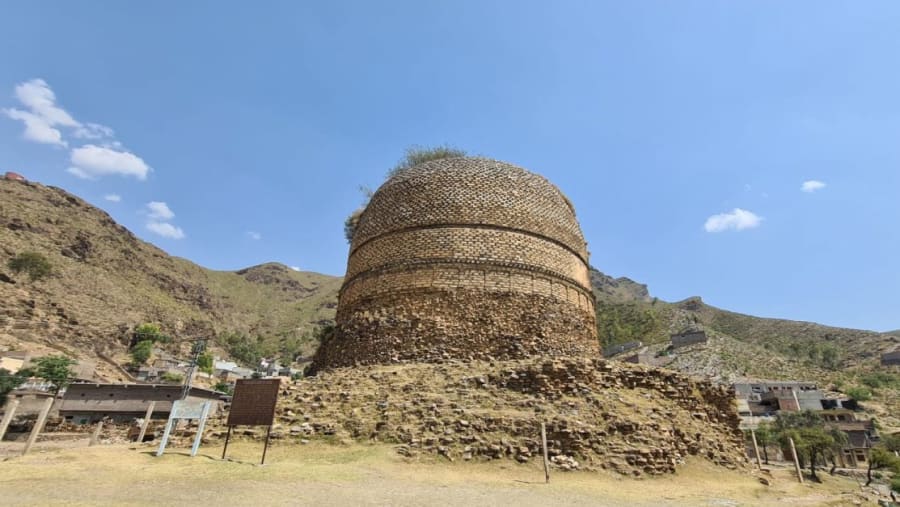
    • One of the prominent Buddhist sites in Swat is the Butkara Stupa, dating back to the 2nd century BCE. The stupa, with its distinctive circular base and intricate carvings, stands as a testament to the artistic brilliance of the Gandhara civilization. Butkara Stupa was a significant center for Buddhist worship and served as a symbol of the region's religious vitality.
  • Udegram Buddhist Monastery:
    • Udegram, another significant Buddhist site in Swat, boasts the ruins of a monastery and stupas dating back to the 7th century CE. The remnants of this site provide insights into the monastic life that once thrived in the valley, showcasing the enduring influence of Buddhism in shaping the cultural landscape.
  • Padmasambhava's Birthplace - Udegram:
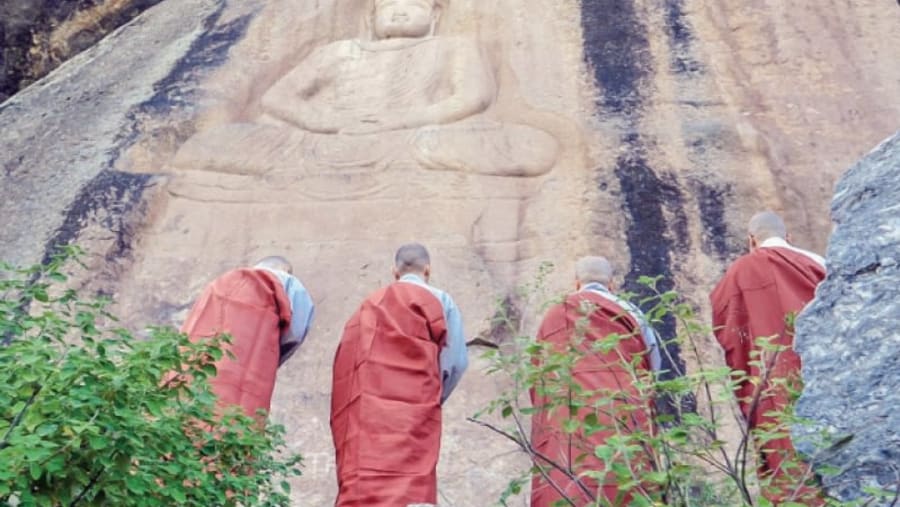
    • Udegram is not only an archaeological marvel but also holds a special place in Buddhist history as the birthplace of Padmasambhava, also known as Guru Rinpoche. Born in the 8th century, Padmasambhava is revered as a key figure in Tibetan Buddhism and is credited with spreading the teachings of Vajrayana Buddhism in the Himalayan region.
  • Padmasambhava's Legacy:
    • Padmasambhava's teachings and spiritual practices have left an indelible mark on the Buddhist traditions of the Himalayas. Pilgrims and practitioners visit Udegram to pay homage to the birthplace of Guru Rinpoche, reflecting the enduring spiritual significance of this tranquil site.
  • The Enchanting Swat Valley:
    • Apart from its specific Buddhist sites, the entire Swat Valley is a sanctuary of natural beauty and cultural richness. Surrounded by snow-capped peaks, lush green valleys, and meandering rivers, Swat provides a serene backdrop for those seeking spiritual reflection and historical exploration.
    • As visitors meander through the ruins of ancient stupas and monasteries in Swat, they not only witness the architectural brilliance of a bygone era but also connect with the spiritual essence that once permeated this Himalayan region. Swat Valley, with its blend of natural splendor and cultural heritage, stands as a living testament to the enduring legacy of Buddhism in South Asia.

Overnight in Swat.

7
Day 07

Full-Day Excursion to Swat Buddhist Sites

  • After breakfast, enjoy a full-day excursion of Swat and its Buddhist sites, including Butkada-1, Butkada-2, Saidu Stupa, and Padmasambhava's place.

Overnight in Swat.

8
Day 08

Return to Islamabad and Explore the City

  • After breakfast, head back to Islamabad. Upon arrival, explore Islamabad.

Overnight in Islamabad.

9
Day 09

Islamabad Sightseeing and Departure

  • After breakfast, visit Pakistan Museum, Pakistan Monument, and Lake View Park.
  • Go shopping in the evening, then after dinner transfer to the airport.
Taxila, Dharmarajika Stupa, Takht-i-Bahi, Swat Valley

Where this trip takes you

Taxila, Dharmarajika Stupa, Takht-i-Bahi, Swat Valley

The route
Where you'll travel

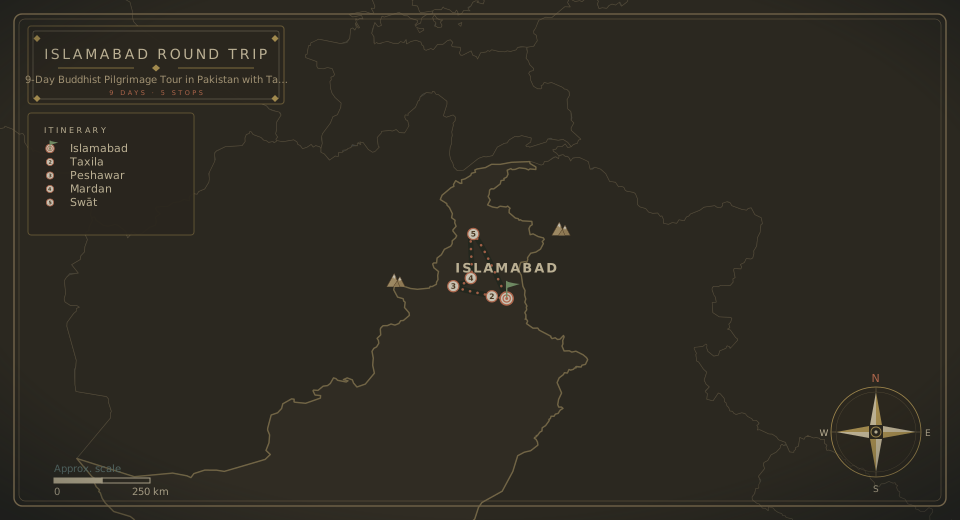
Tour route map
Round trip from Islamabad 5 cities · 9 Days

The fine print

Trip details

What's Included

  • 1- and 2-star hotel accommodation
  • Daily breakfast as per itinerary
  • Air-conditioned transport, including fuel and toll taxes

What's Not Included

  • Tips for the guide and driver
  • Meals such as lunches and dinners
  • Extras such as soft drinks, ice cream, and hard drinks during meals
  • Photography charges
  • Entrance fees
  • International airfares
  • Anything not mentioned in the included services section
  • Guide
  • Driver meals and room per day

What to bring

Travel Essentials:

  • Valid passport and visa: Ensure your passport is valid for at least six months.
  • Travel insurance documents: For medical emergencies and travel disruptions.
  • Copies of important documents: Digital and printed copies of passport, visa, and itinerary.
  • Credit/debit cards and cash: Local currency (Pakistani Rupees) for small purchases.

Clothing:

  • Comfortable, modest clothing: Loose-fitting clothes/pant shirt.
  • Lightweight layers: Daytime can be warm; evenings may be cool.
  • Warm jacket/sweater: For cooler regions like Swat Valley and evenings.
  • Comfortable walking shoes: Essential for exploring archaeological sites and forts.
  • Sandals/flip-flops: For casual wear or at accommodations.

Personal Care Items:

  • Sunscreen and sunglasses: To protect from strong sun exposure.
  • Hat/cap: For shade during outdoor excursions.

Health and Safety:

  • Personal medications

Know before you go

Hotel accommodation (clients will be accommodated in these hotels):

  • Islamabad - Royal Guest House / 1-star hotel
  • Peshawar - guest house / 1-star hotel
  • Swat - guest house / 1-star hotel or similar

Transportation will be provided accordingly:

  • 01-02 pax: one Toyota Corolla car (4-seater)
  • 03-08 pax: one van (13-seater)

For one person, the charge will be double the original cost for using a single room.

Single room supplement: US$ 245 per person per room (from 2 pax to 08 pax).

Driver meals and room will be paid by the client on a daily basis.

Logistics

Meeting & route

Meeting point
Islamabad, Pakistan
Tour start
Islamabad, Islamabad Capital Territory, Pakistan
Tour ends at the same location as the start point.
End of the journey

Your 9 days finish where they began, in Islamabad.

Watch the tourHQ film Watch the film

Create your own adventure

Can't find the perfect tour? Tailor your dream trip.

  • Tell us your destination, dates and group size.
  • Our travel experts and local guides design a tailored itinerary, just for you.
  • Enjoy your trip with peace of mind, knowing everything is taken care of.
Plan my holiday

Say goodbye to travel stress.

Starting from

USD 465 /person
Book This Tour

Estimated room rates

Single Room $465.00 — $690.00
Double Sharing $465.00 — $690.00

When

Travellers

Total