Tanzania · Trekking

9-Day Mount Kilimanjaro Lemosho Trek to Uhuru Peak

9 Days Round trip from Uhuru Peak Moderate pace

The journey

Trip highlights
  • 01 Climb Mount Kilimanjaro via the scenic Lemosho Route
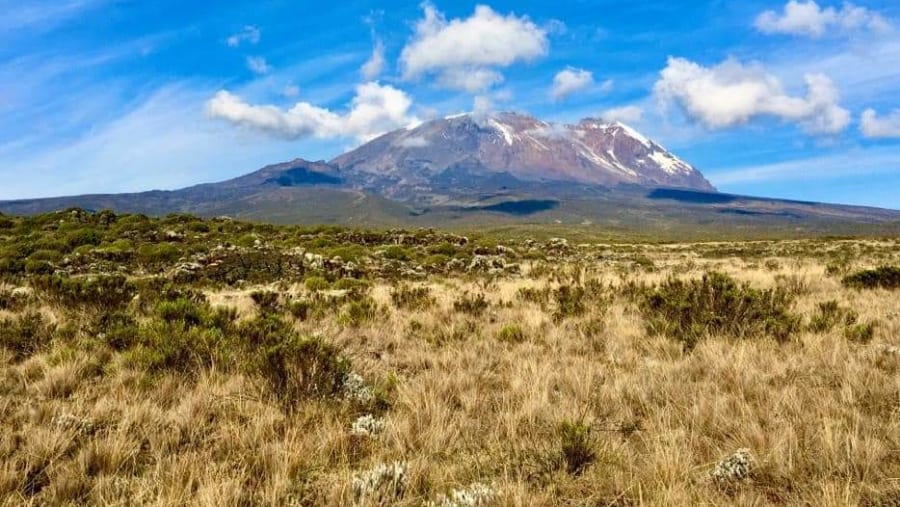
  • 02 Trek through diverse habitats from mountain forest to moorland
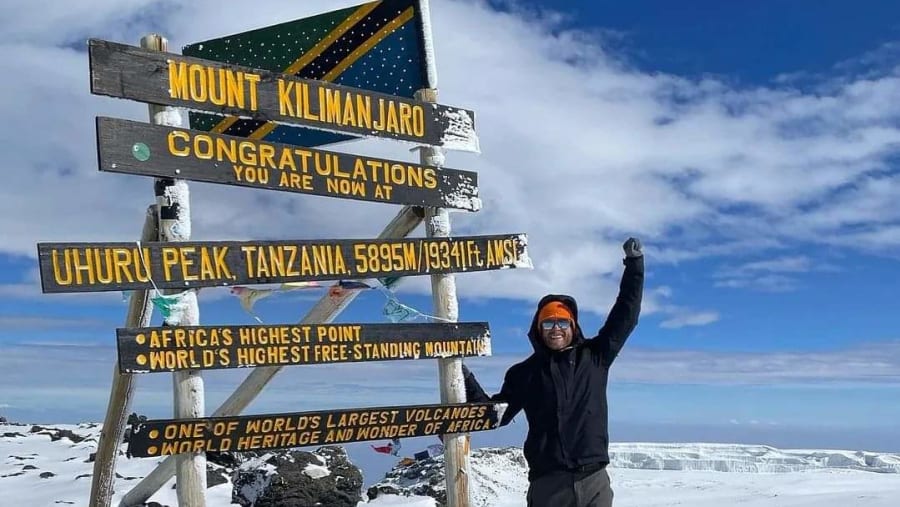
  • 03 Summit Uhuru Peak at 5895m, the highest point in Africa
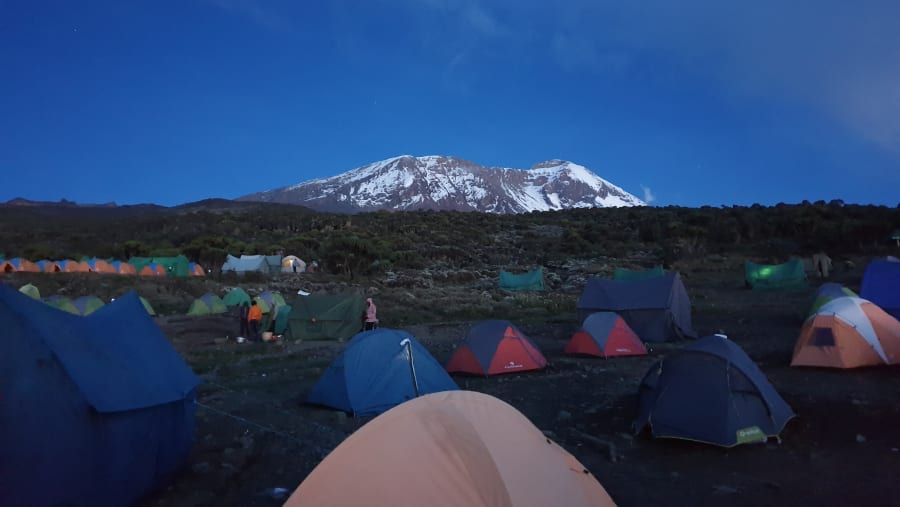
  • 04 Acclimatize at high camps including Shira, Barranco, Karanga, and Barafu
  • 05 Celebrate your successful climb at Mweka Gate with your mountain crew

Embark on a 9-day adventure to conquer Africa's highest peak, Kilimanjaro, via the Lemosho Route. Trek through lush mountain forests, moorlands, and high-altitude camps as you build acclimatization toward your summit attempt. The journey culminates in a midnight ascent through Stella Point to Uhuru Peak at 5895m, the highest point in Africa. Along the way, enjoy dramatic landscapes, dedicated mountain support, and the unforgettable achievement of standing on the Roof of Africa.

The journey culminates in a midnight ascent through Stella Point to Uhuru Peak at 5895m, the highest point in Africa.

From the itinerary

At a glance

What this trip includes

Duration 9 Days
Tour type Private
Activity level Moderate
Accommodation Included · Standard
Transport Included
Wheelchair access No
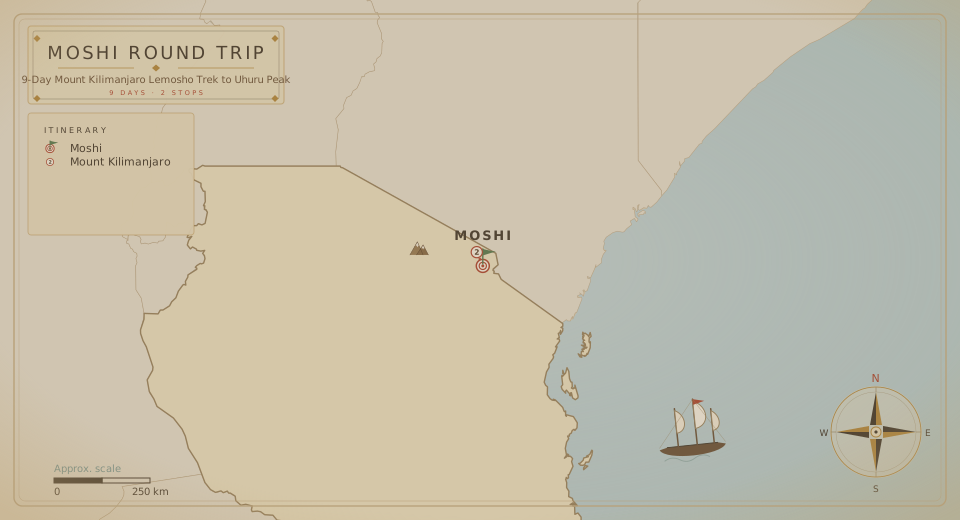
Cities Moshi, Mount Kilimanjaro
Languages English, German, Spanish

Day by day

The itinerary

1
Day 01

Arrival in Moshi and Gear Check

  • Upon your arrival at Kilimanjaro International Airport, you'll meet our office representative, followed by an hour's drive to the hotel in Moshi Town.
  • After a short rest at the hotel, our mountain guide will meet you to check your climbing gear and equipment.
  • If any gear is missing, the guide will assist you with renting the missing items from local rental shops.
2
Day 02

Londorossi Gate to Mti Mkubwa Camp

Distance: 5km

Time taken to hike: 3 hours

Habitat: Mountain forest

  • A 3-hour private drive from the hotel in Moshi to the starting point, Londorossi Gate.
  • At the gate, registration, payment, and entrance permit processes will take place while porters sort and weigh the luggage.
  • After all the processes are completed, the hike starts to the first camp, Mti Mkubwa Campsite.
  • The trail is gentle and passes through the rainforest.
  • At the campsite, you will spend the remaining time resting, having dinner, and sleeping overnight.
3
Day 03

Mti Mkubwa to Shira I Camp

Distance: 8km

Time taken: 5 hours

Habitat: Montane forest zone to moorland zone

  • After breakfast, the hike continues to Shira I Campsite, leaving the rainforest and beginning the approach into moorland vegetation.
  • At Shira Camp, you will rest, have dinner, and stay overnight.
4
Day 04

Shira I to Shira II Camp

Distance: 8.5km

Time: 5 hours

Habitat: Moorland

  • Gently hike across the plateau to Shira II Camp, crossing some streams on the trail; this is a good path for acclimatization.
  • A lunch box will be provided on the way. You will enter Shira II Camp in the late afternoon and spend the rest of the day having dinner and staying overnight.
5
Day 05

Traverse from Shira II to Barranco Camp

  • Traverse from Shira II to Barranco Camp.
6
Day 06

Barranco Camp to Karanga Camp

  • After breakfast at Barranco Camp, you will have a short hike to Karanga Camp, where you will spend the remaining time enjoying a hot lunch, dinner, and an overnight stay.
7
Day 07

Karanga to Barafu Camp and Summit Attempt

  • At Barafu Base Camp, you will rest, have dinner, and sleep early because you will wake at midnight for the summit attempt.
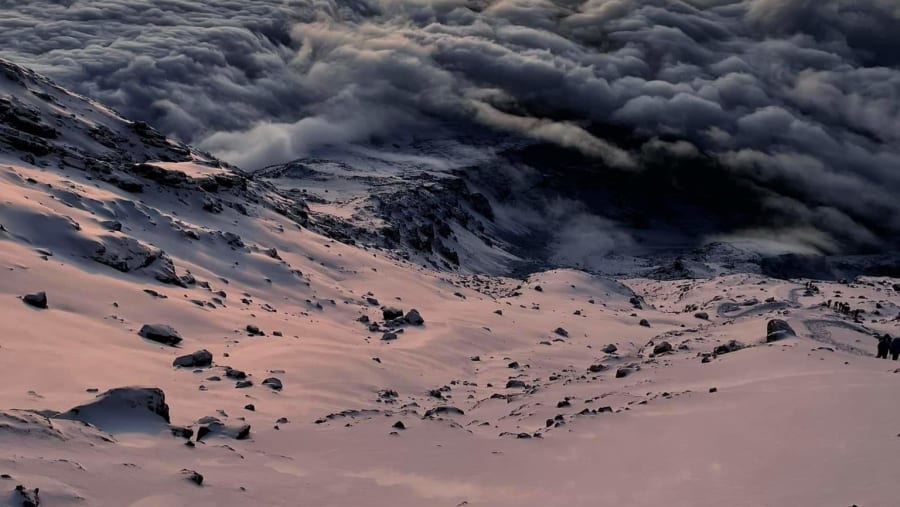
  • Around 01:00 am, the guide will wake you so you can prepare properly with your summit gear and warm clothes suitable for temperatures down to -10 degrees Celsius.
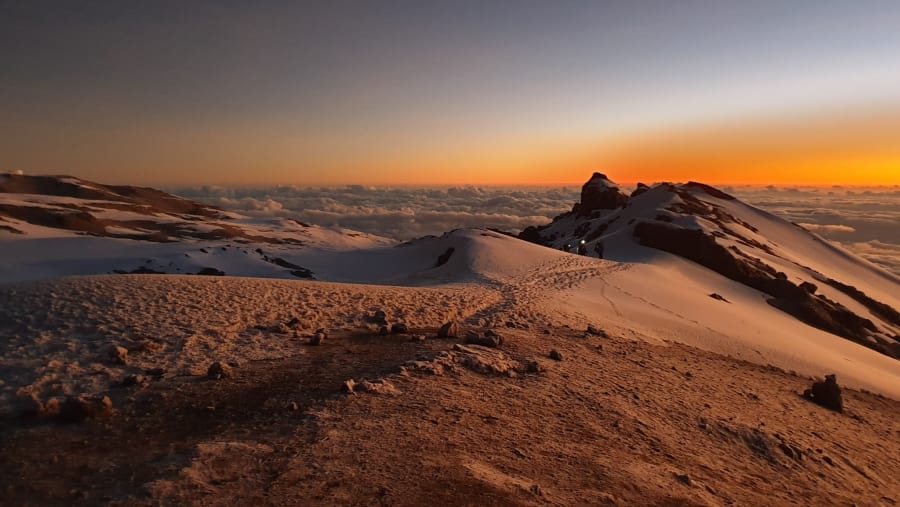
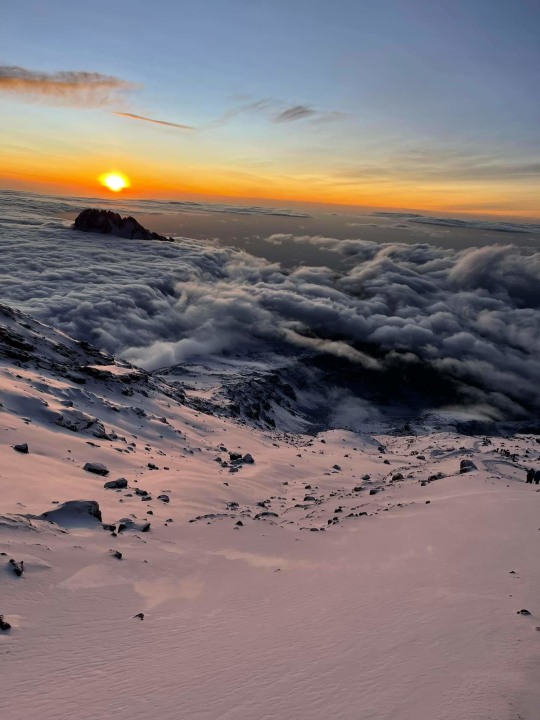
  • After all preparations are complete, the guide will slowly lead you upward for the summit attempt, passing through Stella Point (5685m) to Uhuru Peak (5895m).
  • Congratulations! You have made it to the top of Africa, and now you are standing at Africa's highest point, Uhuru Peak.
8
Day 08

Uhuru Peak to Barafu Camp and Down to Mweka Camp

  • The beginning of this day will find you still at the top of Mount Kilimanjaro. If the weather is good, you will be able to spend some time there, taking beautiful photos of your lifetime African adventure at sunrise and drinking tea from your thermal bottle before starting the descent to Barafu Camp.
  • At Barafu Camp, you will have time for breakfast and rest before hiking down to Mweka Camp for lunch, dinner, and an overnight stay.
9
Day 09

Mweka Camp to Mweka Gate and Return to Town

  • It's the end of your 9-day Mount Kilimanjaro adventure. On this morning, you will pack all your belongings and get ready to leave the park. The crew will organize and sort everything to mark the end of the tour.
  • They will sing, celebrate, and congratulate you on a successful climb.
  • After that, you will hike down to Mweka Gate, where you will sign out of the park and receive certificates if you completed your summit attempt successfully, followed by a 1-hour private drive to the hotel in town for rest and continuation of your other schedule.
Mti Mkubwa Campsite, Shira II Camp, Barafu Base Camp, Uhuru Peak, Tanzania

Where this trip takes you

Mti Mkubwa Campsite, Shira II Camp, Barafu Base Camp, Uhuru Peak, Tanzania

The route

Where you'll travel

Tour route map
Round trip from Uhuru Peak 2 cities · 9 Days

The fine print

Trip details

What's Included

  • Kilimanjaro park fee
  • Kilimanjaro camping fee
  • Kilimanjaro rescue fee (not helicopter)
  • Crew payment and fees (guides, cook, camp leader, and porters)
  • Meals on the mountain (three meals a day as per meal guide and client taste and preference)
  • Medical kit (First Aid)
  • Non-personal hiking gear
  • Round-trip airport transfers
  • Round-trip transfer to Kilimanjaro
  • Two nights of hotel accommodation on arrival and after Kilimanjaro

What's Not Included

  • Tipping
  • Personal hiking gear and items for personal use
  • Visa
  • Flights, both domestic and international
  • Any other activities not mentioned in this package

What to bring

GEARS AND EQUIPMENT

Climbing Mount Kilimanjaro requires specific gear to ensure safety, comfort, and success. Here's a comprehensive guide to the essential equipment:

1. Clothing

  • Base Layers: Moisture-wicking shirts and thermal underwear to regulate body temperature and keep you dry.
  • Insulating Layers: Fleece or down jackets for warmth, especially at higher altitudes.
  • Outer Layer (Shell): Waterproof and windproof jackets and pants to protect from rain and cold.
  • Trekking Pants: Lightweight, breathable, and convertible pants that dry quickly.
  • Gloves: Inner thermal gloves and waterproof outer gloves.
  • Headwear: Warm hat, sun hat, and a buff or balaclava for wind protection.
  • Footwear: Insulated hiking boots with good ankle support and traction. Also, bring camp shoes for relaxing after each day's hike.
  • Socks: High-quality, moisture-wicking hiking socks and liner socks for added comfort and blister prevention.

2. Backpacks and Bags

  • Daypack: A 20-30 liter backpack for daily essentials (water, snacks, camera, etc.).
  • Duffel Bag: For porters to carry your main gear; durable and waterproof.
  • Dry Bags: For keeping items dry and organized.

3. Sleeping Gear

  • Sleeping Bag: A four-season sleeping bag rated for -10°C (14°F) or lower.
  • Sleeping Pad: Lightweight and insulated, as an extra layer between you and the ground.

4. Trekking Gear

  • Trekking Poles: Essential for balance and reducing impact on your knees, especially on the descent.
  • Headlamp: For pre-dawn summit climbs and nighttime use.
  • Water Bottles & Hydration System: Two 1L water bottles or a hydration bladder.
  • Gaiters: To keep mud, snow, and debris out of your boots.

5. Other Essentials

  • Sunglasses: UV protection with wrap-around coverage for high-altitude glare.
  • Sunscreen: High SPF (30+), as UV exposure increases with altitude.
  • Lip Balm: SPF lip balm to prevent chapping.
  • Snacks: Energy bars, dried fruits, and nuts for quick calories on the trail.
  • First Aid Kit: Basic kit with bandages, blister care, painkillers, and altitude sickness medication.
  • Personal Toiletries: Wet wipes, biodegradable soap, hand sanitizer, and toilet paper.
  • Portable Charger: To keep your electronics powered during the trek.

6. Optional (but Useful)

  • Camera: For capturing the breathtaking views.
  • Journal: For documenting your experience.
  • Portable Seat Pad: Adds comfort during breaks.

Having the right gear can make a huge difference on Kilimanjaro, especially in variable weather and challenging conditions. Be sure to test your equipment and pack efficiently to balance comfort and weight.

Know before you go

KILIMANJARO CLIMBING TIPS FOR BEGINNERS

Climbing Mount Kilimanjaro is a thrilling adventure for first-time hikers, and with the right preparation, you'll increase your chances of summiting successfully. Here are some essential tips:

1. Choose the Right Route

  • Kilimanjaro has several routes, each offering unique challenges and scenery. For beginners, the Machame Route (6-7 days) and Lemosho Route (7-8 days) are popular because they offer a good balance of acclimatization time and stunning views.
  • Avoid shorter routes like Marangu if you're not used to high altitudes; they tend to have lower success rates due to rapid ascents.

2. Prioritize Acclimatization

  • Altitude sickness is the biggest challenge on Kilimanjaro. To reduce your risk, pick a longer itinerary (7-9 days) to allow more time to acclimatize.
  • Follow the "climb high, sleep low" principle, where you hike to a higher elevation and descend to sleep at a lower camp.
  • Take it slow, even if you feel strong. Locals say, "Pole pole" (slowly, slowly), and it's vital advice.

3. Train for the Trek

  • Focus on endurance training (hiking, walking, running) for at least two to three months before your trek. Weekly hikes with increasing distance and elevation are ideal.
  • Practice hiking with a weighted backpack similar to what you'll carry.
  • Add some strength and flexibility training to help with the rocky terrain and long days on foot.

4. Pack the Essentials

  • Layered Clothing: Temperatures vary greatly. Pack a good moisture-wicking base layer, insulating middle layers, and a weatherproof outer layer.
  • Quality Boots: Break in your hiking boots well in advance to avoid blisters.
  • Trekking Poles: These help reduce knee strain on steep ascents and descents.
  • Sleeping Bag: A 4-season, high-quality sleeping bag rated for below-freezing temperatures is a must.
  • Sunscreen and Sunglasses: The sun is intense at higher altitudes, even if it's chilly.
  • Snacks: Bring high-energy snacks for quick boosts, especially for summit night.

5. Stay Hydrated and Eat Well

  • Drink at least 3-4 liters of water daily to stay hydrated. Hydration aids acclimatization and keeps energy levels up.
  • Many people lose their appetite at high altitudes, but try to eat what you can. Carbs are easier to digest and provide sustained energy.

6. Mentally Prepare for Summit Night

  • The summit push is usually around midnight, so be ready for a tough 6-8 hours in freezing conditions.
  • Mentally prepare for a challenging climb in thin air, steep slopes, and darkness. Keep a steady pace, and know that the sunrise will make the climb worth it!

7. Listen to Your Body

  • If you feel symptoms of altitude sickness (nausea, headaches, dizziness), let your guide know immediately. They're trained to monitor and assist with altitude-related issues.
  • The summit isn't worth risking your health for. Descending is sometimes the wisest choice.

8. Use a Reputable Guide Company

  • Choose a guide company with experienced, well-reviewed guides and high porter standards. They will help with acclimatization, logistics, and motivation, increasing your summit chances.
  • Check that your company follows Kilimanjaro National Park's porters' rights guidelines to ensure fair treatment of the porters who support your climb.

9. Bring Extra Cash for Tips

  • Tipping guides and porters is standard and a meaningful way to show appreciation for their hard work. Plan to bring around $200-300 USD for tips.

10. Respect the Mountain and Local Culture

  • Kilimanjaro is a place of natural beauty and cultural significance. Respect local customs, pick up after yourself, and don't leave any trash on the mountain.

Additional Tips

  • Keep electronics warm (like cameras and phones) on summit night; batteries drain quickly in the cold.
  • Focus on enjoying the journey, not just the destination - the landscapes and camaraderie make Kilimanjaro special.

With the right preparation, gear, and mindset, Kilimanjaro can be a deeply rewarding adventure.

Daily Itinerary for Kilimanjaro Climb: 8 days Lemosho route

Day 01: Arrival at JRO airport, transfer to your hotel in Moshi Town for rest and overnight.

Day 02: Commence the Kilimanjaro climb tour, at Shira I Camp.

Day 03 - 07: Continue climbing, summit overnight on day 6.

Day 08: Descend from the summit to Mweka Camp.

Day 09: Descend to Mweka Gate and exit the park to Moshi Town for rest and overnight/departure.

Logistics

Meeting & route

Meeting point
Kilimanjaro International Airport (JRO)
Tour start
Uhuru Peak, Tanzania
Tour ends at the same location as the start point.
End of the journey

Your 9 days finish where they began, in Uhuru Peak.

Watch the tourHQ film Watch the film

Create your own adventure

Can't find the perfect tour? Tailor your dream trip.

  • Tell us your destination, dates and group size.
  • Our travel experts and local guides design a tailored itinerary, just for you.
  • Enjoy your trip with peace of mind, knowing everything is taken care of.
Plan my holiday

Say goodbye to travel stress.

Starting from

USD 4,000 /person
Book This Tour

When

Travellers

Total