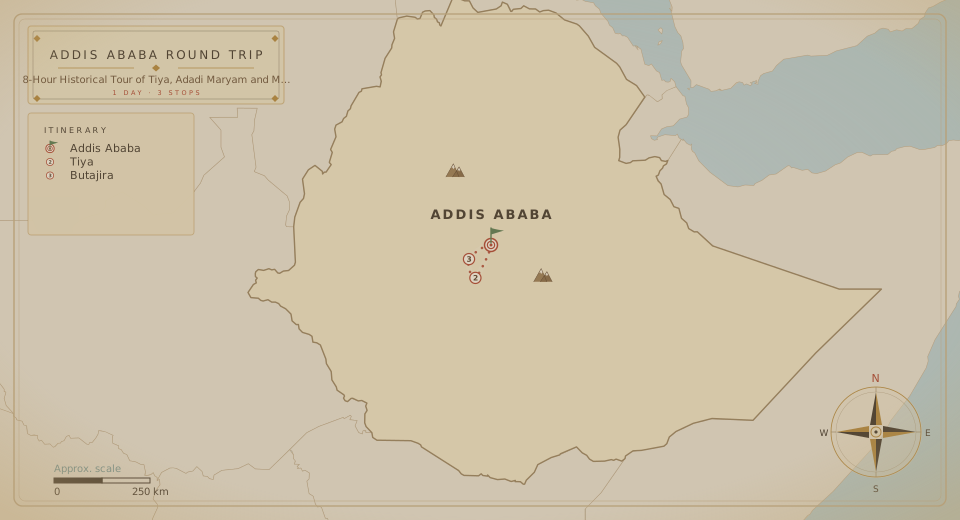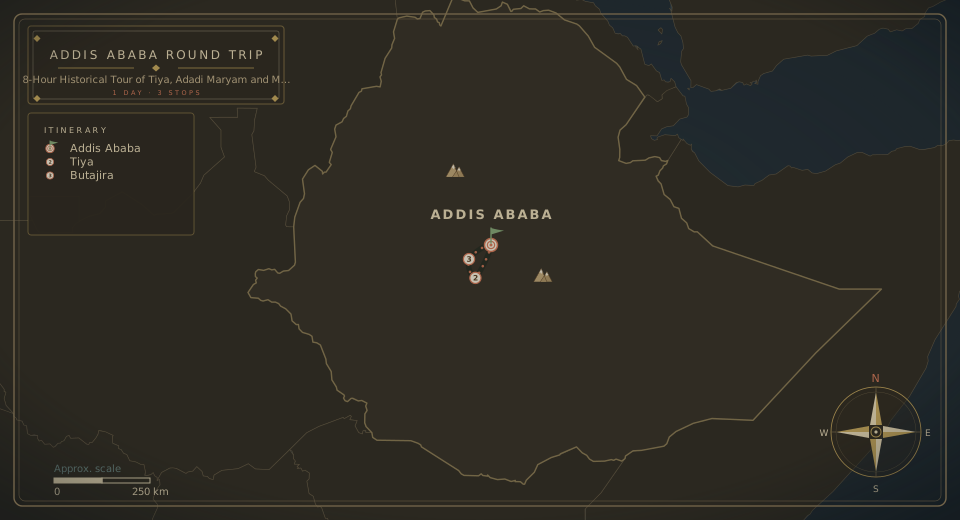
Day 01
Tiya, Adadi Maryam and Melka Kunture Exploration
- The archaeological sites of Tiya, Adadi Maryam, and Melka Kunture are important cultural and historical landmarks in Ethiopia, offering valuable insights into the country's ancient civilizations.
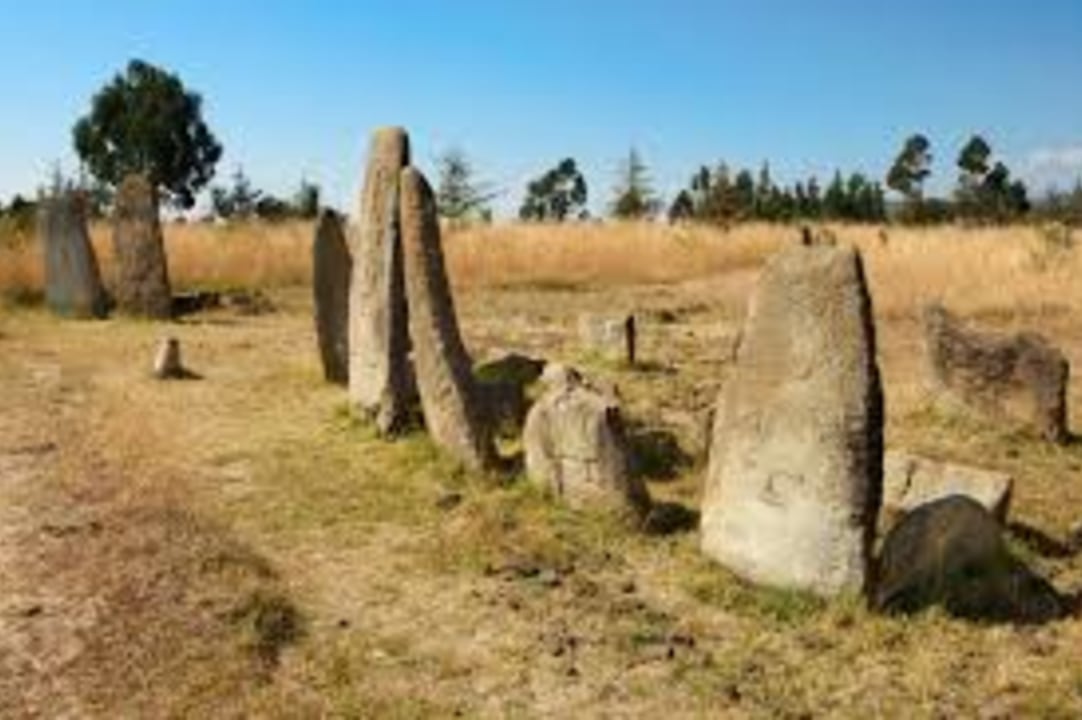
- Tiya: Tiya is an ancient archaeological site located in the southern part of Ethiopia.
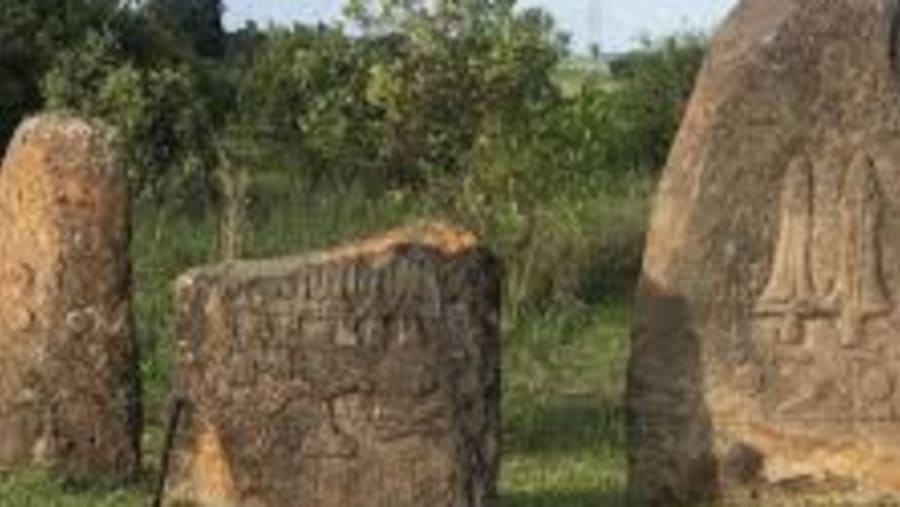
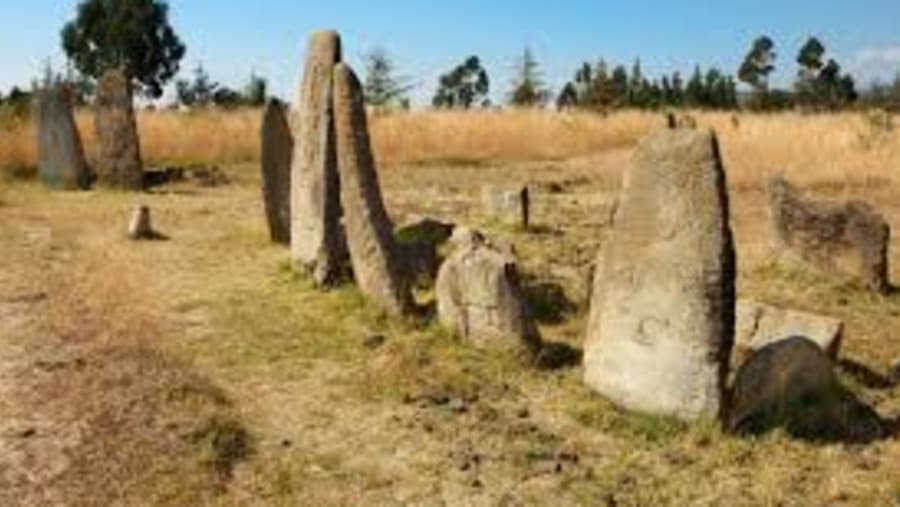
- It is famous for its megalithic monuments, including a series of large, carved stones (stelae) and tombs believed to date from the 9th to the 12th centuries CE.
- These stelae are decorated with unique symbols, and the site is considered a burial ground for a kingdom or elite class. Tiya is one of Ethiopia's UNESCO World Heritage Sites, and it sheds light on early Ethiopian history, ritual practices, and funerary traditions.
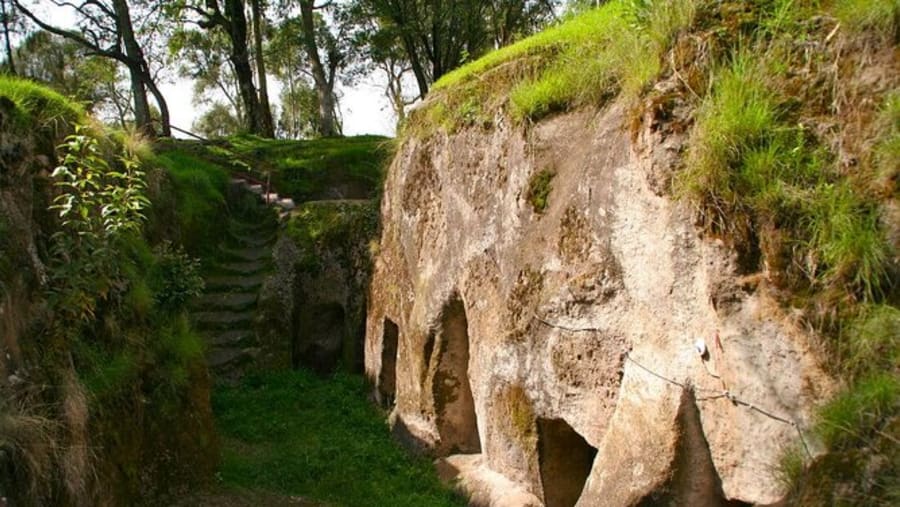
- Adadi Maryam: Adadi Maryam is a rock-hewn church in the Omo River Valley, approximately 30 km south of Addis Ababa.
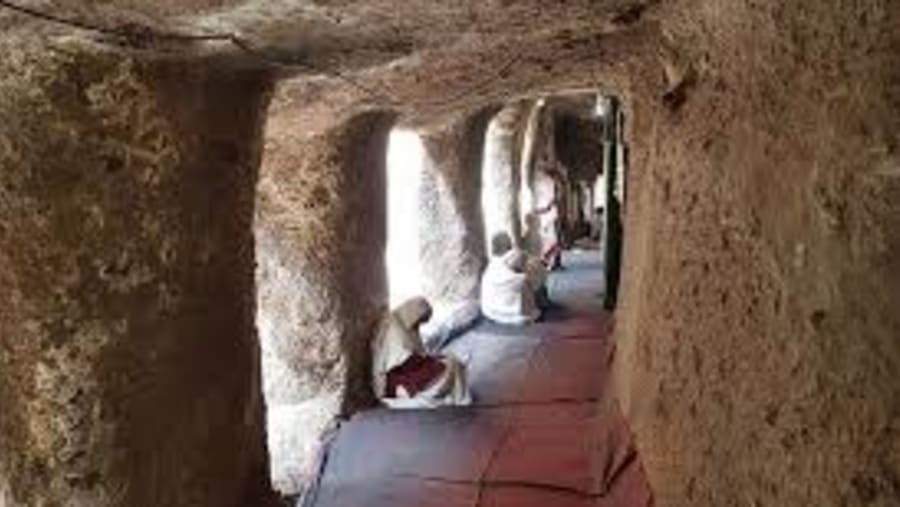
- It is a 12th-century church built during the Zagwe Dynasty, and it is one of the few examples of rock-hewn architecture found outside the more famous Lalibela.
- The church is known for its unique architectural style, carved from solid rock, and its religious significance. The site is notable for its preservation and role in the development of Christian monastic traditions in Ethiopia.
- Melka Kunture: Melka Kunture is an archaeological site in the Abyssinian Highlands near Butajira, dating back to the Middle Stone Age, approximately 1.5 million to 300,000 years ago.
- It is known for its well-preserved stone tools and remains of early human settlements.
- The site is significant for understanding the evolution of human societies, with evidence of early hominid activity and the development of tool-making. The discoveries at Melka Kunture contribute to the broader understanding of early human life in East Africa.