Kenya · Trekking

5-Day Mount Kenya Climb to Point Lenana with Huts or Camping

5 Days Round trip from Kenya Easy pace

The journey

Trip highlights
  • 01 Climb Mount Kenya, Africa's second-highest peak, across diverse mountain landscapes
  • 02 Reach Point Lenana at 4,985 meters for panoramic summit views
  • 03 Trek through bamboo forests, alpine meadows, rocky outcrops, and glacial terrain
  • 04 Spot mountain wildlife and over 130 bird species along the route
  • 05 Stay in mountain huts or camps with hearty meals and hot drinks during the trek

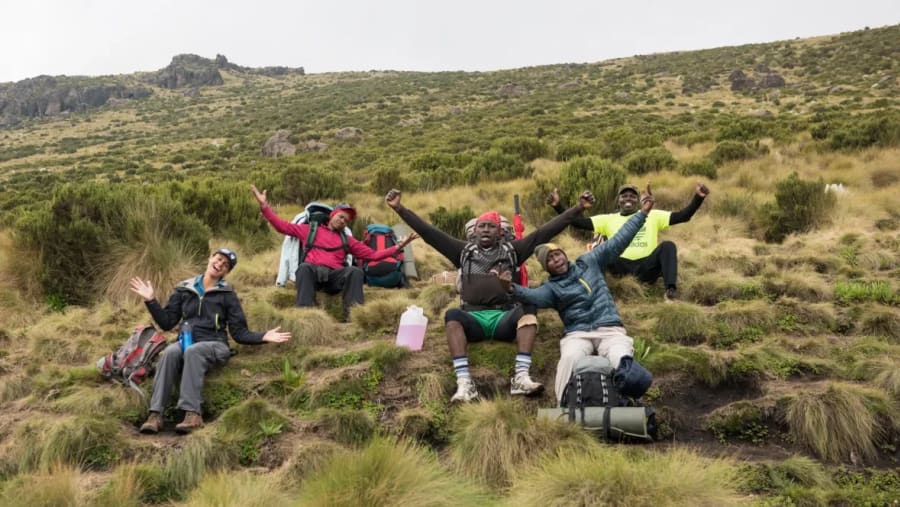
Embark on a 5-day adventure to conquer Mount Kenya, Africa's second-highest peak. Trek through lush forests, bamboo zones, alpine meadows, and rugged high-altitude terrain as you make your way toward Point Lenana. Along the route, enjoy views of striking glaciers, unique mountain flora, and wildlife, with time built in for acclimatization. Reaching the summit rewards you with panoramic views of the surrounding peaks and, on clear days, even Mount Kilimanjaro in the distance.

Reaching the summit rewards you with panoramic views of the surrounding peaks and, on clear days, even Mount Kilimanjaro in the distance.

From the itinerary

At a glance

What this trip includes

Duration 5 Days
Tour type Shared
Activity level Easy
Accommodation Included · Budget
Transport Included
Wheelchair access Not applicable
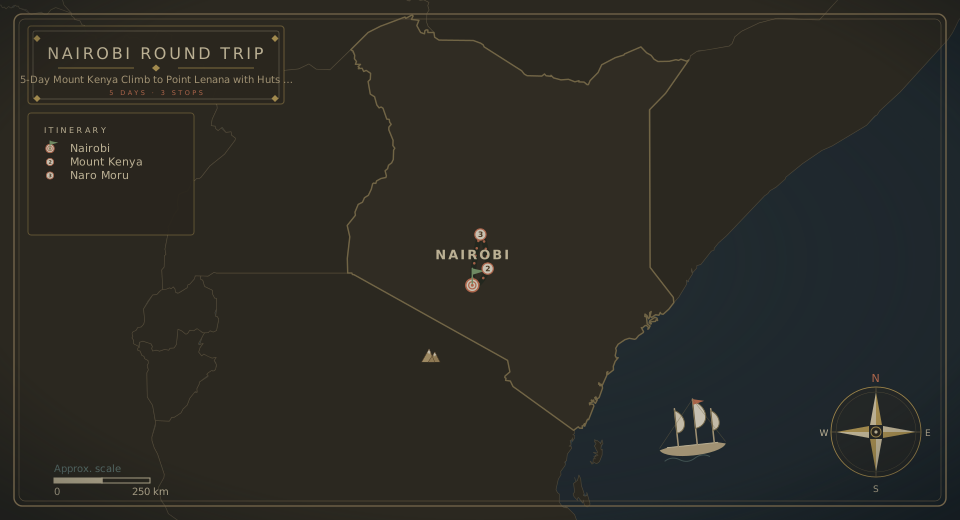
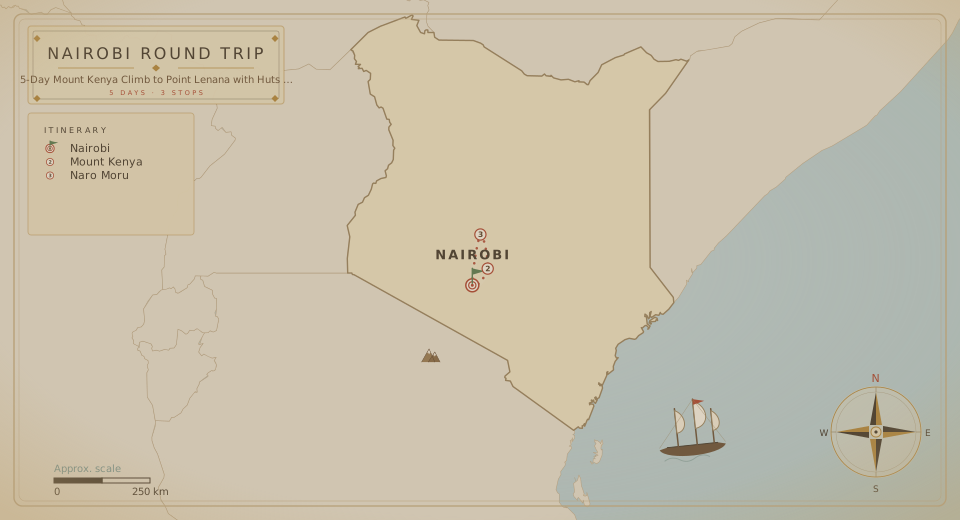
Cities Nairobi, Mount Kenya, Naro Moru
Languages English

Day by day

The itinerary

1
Day 01

Arrival and Transfer to Mount Kenya

  • Arrive in Nairobi, or another designated starting point, and meet your guide. After a briefing, head to Mount Kenya National Park, around 3-4 hours by road from Nairobi.

  • Depending on your chosen route, continue to either Naru Moru or Sirimon Gate, both popular starting points for the climb.

  • Settle into your accommodation for the night, whether at a nearby lodge or campsite. This gives you time to rest and acclimatize before the climb begins.
2
Day 02

Trek to the Mountain Hut

  • After an early breakfast, begin the ascent. Depending on the route chosen, today's trek takes around 6-7 hours and leads to one of the mountain huts, either Judmier Hut or Old Moses Camp.

  • The trail passes through a mix of alpine and bamboo forests, where you may spot wildlife such as monkeys and birds. As you gain altitude, the thinner air provides an important opportunity to begin adjusting.

  • On arrival at the hut, settle in for a hot meal and an early night to prepare for the higher altitude ahead.

3
Day 03

Climb to High Altitude Camp

  • After a hearty breakfast, continue your climb to the high-altitude camp, either Shipton's Camp or Mintos Hut, situated at around 4,200-4,300 meters (13,780-14,100 feet).

  • The terrain becomes more rugged, with rocky outcrops, alpine meadows, and chances to view Mount Kenya's striking glaciers. The hike takes about 5-7 hours, depending on your route and pace.

  • Once at camp, spend the rest of the day resting and acclimatizing. Your guides will also provide instructions to help you prepare for the summit attempt.

4
Day 04

Summit Point Lenana and Descend

  • Wake up around 2-3 a.m. for the summit attempt and begin the final push. This is the most demanding part of the climb and takes about 4-6 hours to reach Point Lenana at 4,985 meters (16,355 feet), the third-highest peak of Mount Kenya.

  • Reaching the summit is an exhilarating experience, with panoramic views of the surrounding peaks, glaciers, and the vast African landscape. If the weather is clear, you may also see Mount Kilimanjaro in the distance.

  • After celebrating your achievement, begin the descent, which takes another 4-6 hours depending on the route. You will head down to Old Moses Camp or Judmier Hut.

  • Rest and recover after this long and rewarding day.

5
Day 05

Final Descent and Return to Nairobi

  • After breakfast, begin the final descent to the park gates, which typically takes 3-4 hours. Enjoy the remaining views and time to reflect on your climb.

  • Once you reach the base, transfer back to Nairobi, arriving in the late afternoon or evening.

  • You will be dropped off at your accommodation or at the airport, bringing the climb to an end with lasting memories and a strong sense of accomplishment.

Mount Kenya, Point Lenana, Shipton's Camp, Old Moses Camp

Where this trip takes you

Mount Kenya, Point Lenana, Shipton's Camp, Old Moses Camp

The route

Where you'll travel

Tour route map
Round trip from Kenya 3 cities · 5 Days

The fine print

Trip details

What's Included

  • Transportation
  • Transfers to and from Nairobi: Transport from Nairobi, or other starting points, to Mount Kenya National Park and back.
  • Road Transfers: Transport from the park gate to the starting point of the climb, such as Naru Moru or Sirimon Gate.
  • Accommodation
  • Mountain Huts or Camping: Accommodation at mountain huts, such as Judmier Hut and Shipton's Camp, or campsites on the mountain during the trek.
  • Pre- and Post-Trek Lodging: Accommodation for the first and last night at a hotel or lodge in Nairobi or near the park.
  • Meals
  • Full Board: All meals during the climb - breakfast, lunch, and dinner - are included. These are hearty and nutritious to fuel you during the trek.
  • Hot Drinks: Tea, coffee, and other hot drinks are provided at campsites and huts.
  • Trekking Services
  • Professional Guide: A certified, experienced mountain guide will accompany you throughout the trek, offering safety, advice, and insight into the region.
  • Porters: Porters carry your luggage and camping gear, excluding your personal items.
  • Cook: A cook prepares your meals during the trek.
  • Permits and Park Fees
  • Park Entrance Fees: All required permits and fees for accessing Mount Kenya National Park are included.
  • Conservation Fees: These contribute to the preservation of the park's ecosystem.
  • Safety and Support
  • First Aid Kit: Basic medical supplies are provided in case of emergencies.
  • Altitude Support: Guides are trained in altitude sickness prevention and treatment, with emergency plans in place.
  • Summit Certificate
  • Completion Certificate: A certificate is provided to climbers who reach Point Lenana, the third-highest peak on Mount Kenya.

What's Not Included

  • Personal Items
  • Personal Gear: Items such as hiking boots, clothing, backpacks, and personal trekking equipment, including sleeping bags and walking sticks, are usually not included. These need to be brought by the climber.
  • Personal Snacks: Any additional snacks, energy bars, or drinks not provided by the tour operator.
  • Personal Toiletries: Toiletries such as toothpaste, soap, and other hygiene items are typically not included.
  • Tips and Gratuities
  • Guide, Porter, and Cook Tips: Tips for the mountain guide, porters, and cook are not included in the cost of the trek. Tipping is customary and usually expected at the end of the trek, and the amount depends on the level of service and personal satisfaction.
  • Travel Insurance
  • Comprehensive Travel Insurance: While basic trekking insurance may be included, you may need to arrange your own comprehensive travel insurance that covers trip cancellation, medical expenses, lost luggage, and any additional activities outside the climb.
  • Emergency Evacuation (if not included)
  • Evacuation Costs: While some operators may include emergency evacuation, it's important to confirm whether evacuation insurance is included. If not, climbers are responsible for covering evacuation costs if needed, such as due to injury or altitude sickness.
  • Alcoholic Beverages
  • Alcoholic Drinks: Alcohol is generally not included during the trek. You may bring your own if the operator permits, but it is not typically provided.
  • Additional Accommodation
  • Accommodation Before or After the Trek (if not specified): Any lodging you require before the trek starts, if arriving earlier than the standard arrival date, or after the trek ends, if you choose to stay longer, is not included unless arranged separately.
  • Optional Equipment Rentals
  • Climbing Gear Rentals: If you need additional gear such as trekking poles, crampons, or specialized equipment, these are usually rented separately.
  • Sleeping Bag and Mattress Rentals: If the trek involves camping and the operator does not provide these, you may need to rent them separately.
  • Flights and Transportation
  • Flights to and from Nairobi: International or domestic flights to get to Nairobi or your starting point are not included.
  • Transfers to the Mountain Base (if outside the package): If you prefer a private or upgraded transfer, this could be an additional cost.
  • Extra Activities
  • Non-Trekking Activities: Activities outside the trek, such as safaris, cultural excursions, or sightseeing, are not typically included unless specified in the itinerary.

What to bring

1. Clothing

  • Trekking Boots: Sturdy, waterproof boots with good ankle support for trekking on rocky and uneven terrain.
  • Warm Layers: Mount Kenya can get very cold, especially at higher altitudes, so pack warm layers such as:
    • Fleece or thermal jacket
    • Insulated jacket (for summit night)
    • Base layers (long-sleeved shirt and pants)
  • Trekking Pants and Shorts: Comfortable, lightweight, and moisture-wicking.
  • Waterproof Pants: These are important for rainy weather or when walking through wet areas.
  • T-shirts: Moisture-wicking, breathable T-shirts.
  • Gloves: Warm gloves for colder temperatures, especially near the summit.
  • Hat or Beanie: To protect your head from the sun and to keep warm at higher altitudes.
  • Scarf or Buff: To protect your face from wind and dust.
  • Sun Hat or Cap: For sun protection during the lower-altitude trek.

2. Trekking Gear

  • Backpack: A small, comfortable daypack for carrying your essentials like water, snacks, and a camera.
  • Waterproof Rucksack: For your main trekking gear, such as a sleeping bag and clothes, to keep everything dry.
  • Sleeping Bag: A warm, four-season sleeping bag for colder nights at higher altitudes, especially for camping.
  • Sleeping Pad: If camping, a lightweight, insulated mat will make sleeping more comfortable.
  • Trekking Poles: Helpful for stability on steep or uneven terrain.

3. Personal Items

  • Water Bottles or Hydration System: Ensure you have a system to carry 2-3 liters of water. It's essential to stay hydrated throughout the trek.
  • Snacks: Energy bars, nuts, and dried fruits to keep your energy up during breaks.
  • Sunscreen: High-SPF sunscreen to protect against UV rays at high altitudes.
  • Lip Balm: With sun protection to avoid chapped lips.
  • Toiletries: Biodegradable soap, toothpaste, toothbrush, and toilet paper.
  • Wet Wipes: For quick cleaning when water is not available.
  • Hand Sanitizer: To maintain hygiene.
  • Personal Medications: Any personal medications you may need, including altitude sickness medication. Consult your doctor before the climb.
  • Insect Repellent: To protect against insects, especially at lower altitudes.

4. Technical Equipment (if applicable)

  • Headlamp or Flashlight: For navigating at night or early morning, especially on summit day.
  • Camera: For capturing the incredible views. Make sure it's packed in a waterproof bag.
  • Batteries and Power Bank: Extra batteries and a power bank to charge devices, as there may be limited access to electricity on the mountain.

5. Health and Safety

  • First Aid Kit: A basic first aid kit including plasters, antiseptic wipes, pain relievers, blister treatment, and any other personal medical items.
  • Altitude Sickness Medication: Consult with your doctor about necessary medication for altitude sickness, such as Diamox.
  • Personal Identification: Passport, insurance details, and any required permits, including copies of your documents.
  • Emergency Contact Info: Have your emergency contact information easily accessible.

6. Optional Items

  • Camera/GoPro: For capturing your trek and summit moments.
  • Gaiters: To prevent dirt or snow from getting into your boots.
  • Binoculars: For birdwatching and enjoying the scenery.
  • Notebook/Journal: For documenting your experiences on the mountain.

7. Cash

  • Local Currency (Kenyan Shilling): For tipping, purchasing souvenirs, or paying for any extra services not included in your package.

8. Travel Essentials

  • Travel Insurance: Make sure you have adequate coverage for the climb, including evacuation and medical treatment if needed.

9. Optional: Extra Gear Rentals

  • Rentals: If the tour operator doesn't provide them, you may want to rent additional gear like trekking poles, sleeping bags, or warm jackets from the tour operator or a local rental service.

Know before you go

1. Physical Fitness

  • Moderate Physical Demands: The climb is challenging but suitable for those with a moderate level of fitness. You should be prepared for long days of trekking, with elevation gains up to 4,985 meters (Point Lenana). While no technical climbing skills are required, physical preparation is essential.
  • Training: It's recommended to engage in cardio exercises like hiking, running, or cycling, and to practice hiking with a loaded backpack before your trip to build stamina.

2. Altitude

  • Altitude Sickness: Mount Kenya is a high-altitude climb, and the air is thinner at higher elevations. Symptoms of altitude sickness can include headaches, nausea, dizziness, and fatigue. It's important to stay hydrated and take the ascent slowly.
  • Acclimatization: The 5-day itinerary provides time to acclimatize, with gradual altitude gains to help minimize the risks of altitude sickness. However, listen to your body and inform your guide if you feel unwell.
  • Medication: If you are concerned about altitude sickness, consult your doctor before the trip. Some climbers use medication like Diamox to help prevent symptoms.

3. Weather Conditions

  • Variable Weather: Mount Kenya's weather is highly unpredictable, with temperatures varying significantly based on altitude. It can be hot during the day, especially at lower altitudes, and freezing at night near the summit. Be prepared for rain and cold conditions, particularly above 3,000 meters.
  • Pack for All Seasons: Layering is essential. Bring warm clothing, waterproof jackets, and sun protection (hat, sunscreen) for varying conditions.

4. Trekking Routes

  • Popular Routes: The most commonly used routes for climbing Mount Kenya are Sirimon and Naro Moru. Both offer different experiences, but the trek follows similar elevation patterns. You should choose the route that suits your fitness level and schedule.
  • Itinerary Variations: While the 5-day itinerary is typical, some groups may opt for longer or shorter climbs. Confirm your exact itinerary with the operator.

5. Packing and Equipment

  • Essential Gear: Bring proper hiking boots, warm layers, a sleeping bag, and a headlamp for summit day. Many operators provide some gear, but you'll need to bring your own personal essentials, such as clothes, toiletries, and camera gear.
  • Luggage: Avoid overpacking; you'll need to carry your personal belongings, and porters will help with the rest. Make sure your equipment is lightweight and practical for hiking.

6. Accommodation and Facilities

  • Mountain Huts and Campsites: During the trek, you'll stay in mountain huts or campsites. The huts provide basic facilities, including bunk beds and shared bathrooms. If camping, you'll sleep in tents.
  • No Luxuries: Facilities are basic, and there's no electricity in most areas. Be prepared for a rustic experience, with hot meals provided but limited amenities.

7. Health and Safety

  • Health Precautions: Ensure you're in good health before the climb. Carry any personal medications you might need, especially for conditions like asthma or allergies.
  • First Aid: Guides carry basic first aid kits, but it's a good idea to bring your own small kit with blister treatments, pain relief, and altitude sickness medication.
  • Emergency Evacuation: In case of emergency, such as severe altitude sickness or injury, evacuation procedures are in place, but it may take time to reach lower altitudes, so ensure you have adequate insurance coverage.

8. Local Customs and Etiquette

  • Respect Local Culture: The mountain holds spiritual significance for the Kikuyu people. Be respectful of local customs and traditions, particularly when passing through villages and interacting with local people.
  • Environmental Responsibility: Leave no trace - dispose of waste responsibly and carry out any trash you generate. Help protect the natural beauty of Mount Kenya.

9. Insurance and Emergency Evacuation

  • Insurance: Make sure you have comprehensive travel insurance that covers trekking, altitude sickness, and emergency evacuation. Confirm with your operator what insurance coverage they provide.
  • Emergency Contact: Always have an emergency contact number and the details of your travel insurance provider handy.
  • Basic climbing gear, such as ropes or crampons for higher altitude climbs, may be included depending on the operator and route. Please confirm availability in advance, as personal gear such as boots and jackets remains your responsibility.
  • Some tours include basic trekking insurance covering emergency medical evacuation and other contingencies. Please confirm the exact coverage with your operator before travel.

10. Wildlife and Flora

  • Flora and Fauna: Mount Kenya is home to a variety of wildlife, including monkeys, buffaloes, and elephants at lower altitudes. However, wildlife encounters are rare at higher elevations. The mountain's unique flora, such as giant groundsel and lobelia, is a highlight.
  • Don't Feed Wildlife: Never feed animals during your trek, as this can disrupt their natural behavior and health.

11. Tipping

  • Tipping Etiquette: Tipping is common in Kenya. While not mandatory, it is customary to tip the guide, porters, and cook at the end of the trek. The recommended amount can vary, but it's generally about $10-20 per guide and $5-10 per porter per day.

12. Booking and Cost

  • Book Early: Mount Kenya is a popular destination, so it's advisable to book your trip well in advance, especially during peak trekking seasons (July to September and December to March).
  • Cost: Prices vary based on the tour operator, route, and what's included in the package. Ensure you understand what's covered in the cost, such as transportation, permits, meals, accommodation, and guides.
  • Diverse Landscapes: Experience a dramatic range of ecosystems, from lush tropical rainforests at the base to alpine meadows, glaciers, and rocky outcrops as you ascend.
  • Rugged Terrain: The climb takes you through a variety of terrain, including bamboo forests, moorlands, and rocky paths that offer a sense of adventure and raw beauty.
  • Mountain Wildlife: While trekking, you may spot animals like monkeys, buffaloes, antelopes, and various bird species. The lower altitudes are rich with wildlife, offering a unique opportunity to see mountain animals in their natural habitat.
  • Birdwatching: The mountain is home to over 130 bird species, including the rare and elusive rock parrot and the beautiful sunbirds.
  • Breathtaking Views from the Summit: Reaching Point Lenana, at 4,985 meters, provides panoramic views of the surrounding mountains and glaciers, as well as distant views of Mount Kilimanjaro on clear days.
  • Sunrise from the Top: The summit is often reached before sunrise, allowing you to witness a magical sunrise over the Great Rift Valley and the surrounding peaks.
  • Glacial Terrain: Mount Kenya is one of the few places in Africa with permanent glaciers. As you ascend, you'll see striking tarns and remnants of glaciers that add to the dramatic scenery.
  • Stunning Peak Views: Enjoy panoramic views of Batian Peak and Nelion Peak, the two highest summits of Mount Kenya, and witness the beauty of the mountain's rugged, snow-capped tops.
  • Indigenous Flora and Fauna: Learn about the unique flora of Mount Kenya, such as the giant lobelias and endemic alpine plants that thrive at high altitudes.
  • Guided Insights: Knowledgeable guides share insights into the cultural significance of the mountain to local communities, such as the Kikuyu people, who consider it sacred.
  • Moderate Difficulty: The climb offers a moderate but challenging trek suitable for climbers with average fitness levels. It's a perfect introduction to high-altitude climbs, testing your endurance while providing a rewarding sense of accomplishment.
  • Acclimatization: The itinerary allows for proper acclimatization, reducing the risk of altitude sickness and helping you enjoy the climb safely and comfortably.
  • Mountain Hut Experience: Stay in comfortable mountain huts, such as Judmier Hut and Shipton's Camp, that offer a cozy respite after a long day of trekking, with meals, warm drinks, and a chance to rest.
  • Scenic Campsites: If camping, you'll sleep under the stars with incredible views of the surrounding peaks and glaciers.
  • Memorable Climb: The sense of achievement when reaching Point Lenana and completing the 5-day trek is incomparable. The climb is an unforgettable personal milestone for adventure seekers and nature lovers alike.
  • Panoramic Views: From lush valleys to towering snow-capped peaks, Mount Kenya offers some of the most photogenic landscapes in Africa, perfect for landscape and wildlife photography.
  • Golden Hour: Capture the beauty of the mountain at sunrise and sunset, with soft lighting over glaciers, meadows, and ridges.

Logistics

Meeting & route

Meeting point
Nairobi, Kenya
Tour start
Kenya
Tour ends at the same location as the start point.
End of the journey

Your 5 days finish where they began, in Kenya.

Watch the tourHQ film Watch the film

Create your own adventure

Can't find the perfect tour? Tailor your dream trip.

  • Tell us your destination, dates and group size.
  • Our travel experts and local guides design a tailored itinerary, just for you.
  • Enjoy your trip with peace of mind, knowing everything is taken care of.
Plan my holiday

Say goodbye to travel stress.

Starting from

USD 2,184 /person
Book This Tour

When

Travellers

Total