Kenya · Safari

7-Day Kenya Wildlife Safari through Maasai Mara, Nakuru and Samburu

7 Days Round trip from Masai Mara National Reserve Easy pace

The journey

Trip highlights
  • 01 Spot the Big Five on game drives across the Maasai Mara and Lake Nakuru
  • 02 Witness the Great Migration at the Mara River during the July-October season
  • 03 See Lake Nakuru's pink flamingos, rhinos, and rich birdlife
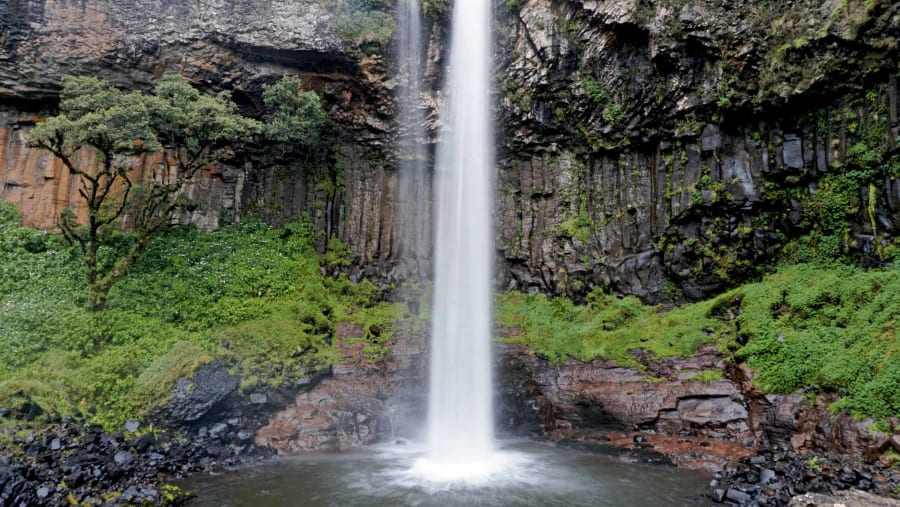
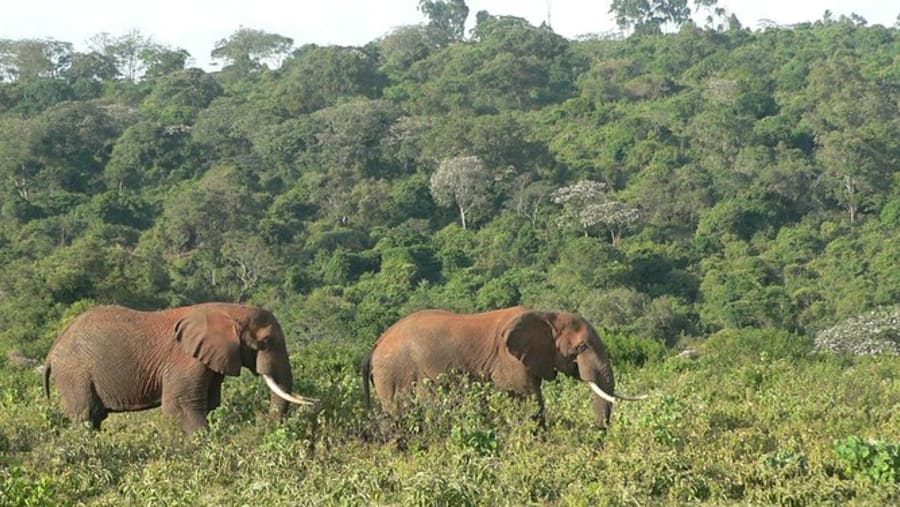
  • 04 Explore Aberdare's misty forests, waterfalls, and mountain wildlife
  • 05 Encounter Samburu's 'Special Five,' including Grevy's zebra and gerenuk
  • 06 Enjoy scenic drives through the Great Rift Valley and Kenya's varied landscapes

Embark on a 7-day safari through Kenya's most iconic national parks and reserves, from the breathtaking savannahs of the Maasai Mara to the bird-rich shores of Lake Nakuru, the misty forests of Aberdare, and the unique terrain of Samburu. This journey offers excellent opportunities to spot the Big Five, witness the Great Migration in season, and encounter rare regional wildlife such as Samburu's 'Special Five.' Along the way, enjoy scenic drives through the Great Rift Valley and experience Kenya's remarkable diversity of landscapes, wildlife, and culture.

Embark on a 7-day safari through Kenya's most iconic national parks and reserves, from the breathtaking savannahs of the Maasai Mara to the bird-rich shores of Lake Nakuru, the misty forests of Aberdare, and the unique terrain of Samburu.

From the itinerary

At a glance

What this trip includes

Duration 7 Days
Tour type Private
Activity level Easy
Accommodation Included · Standard
Transport Included
Wheelchair access Not applicable
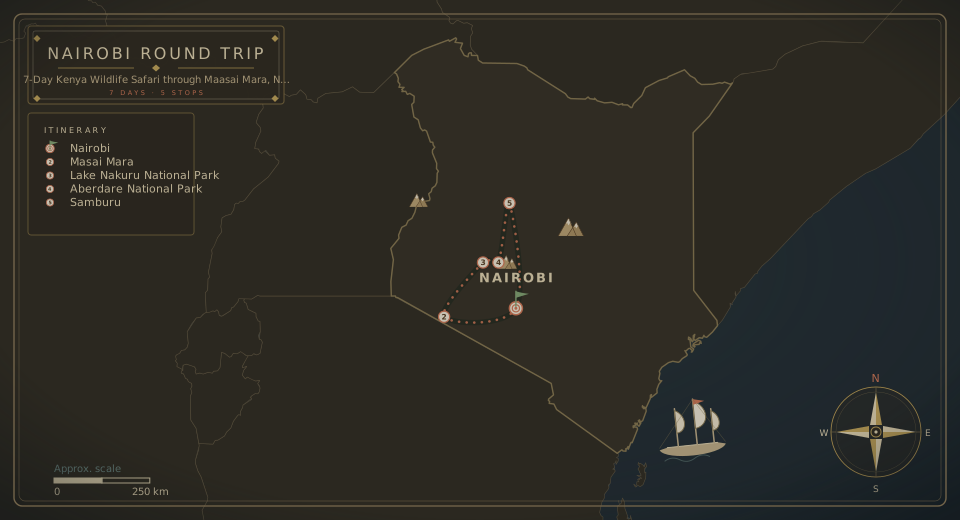
Cities Nairobi, Masai Mara, Lake Nakuru National Park, Samburu, Aberdare National Park
Languages English

Day by day

The itinerary

1
Day 01

Nairobi to Maasai Mara via the Great Rift Valley

  • Morning: Start your adventure with an early morning departure from Nairobi, driving through the scenic Great Rift Valley. Stop at a viewpoint for panoramic views and photo opportunities, and enjoy a brief orientation about the trip highlights and the Maasai Mara's incredible wildlife and cultural heritage.
  • Arrival & Check-In: Arrive at your lodge or camp in the Maasai Mara by early afternoon. After check-in, take some time to relax and enjoy a hearty lunch while soaking in the beautiful surroundings.
  • Afternoon Game Drive: Head out for your first game drive in the Maasai Mara. This is one of the best times to start spotting wildlife, as many animals are active during the late afternoon hours. Look out for elephants, lions, giraffes, zebras, and, if you're lucky, a leopard lounging in a tree.
  • Evening: Return to your lodge or camp as the sun sets, casting a golden glow over the savannah. Enjoy a delicious dinner and relax by the campfire, sharing stories and expectations for the days ahead.
  • Overnight: Spend the night at your Maasai Mara lodge or camp, surrounded by the sounds of the wild under a star-filled African sky.

Note: Evening activities may include optional cultural experiences, such as a Maasai dance performance, providing insight into the local Maasai way of life.
2
Day 02

Full-Day Wildlife Exploration in Maasai Mara

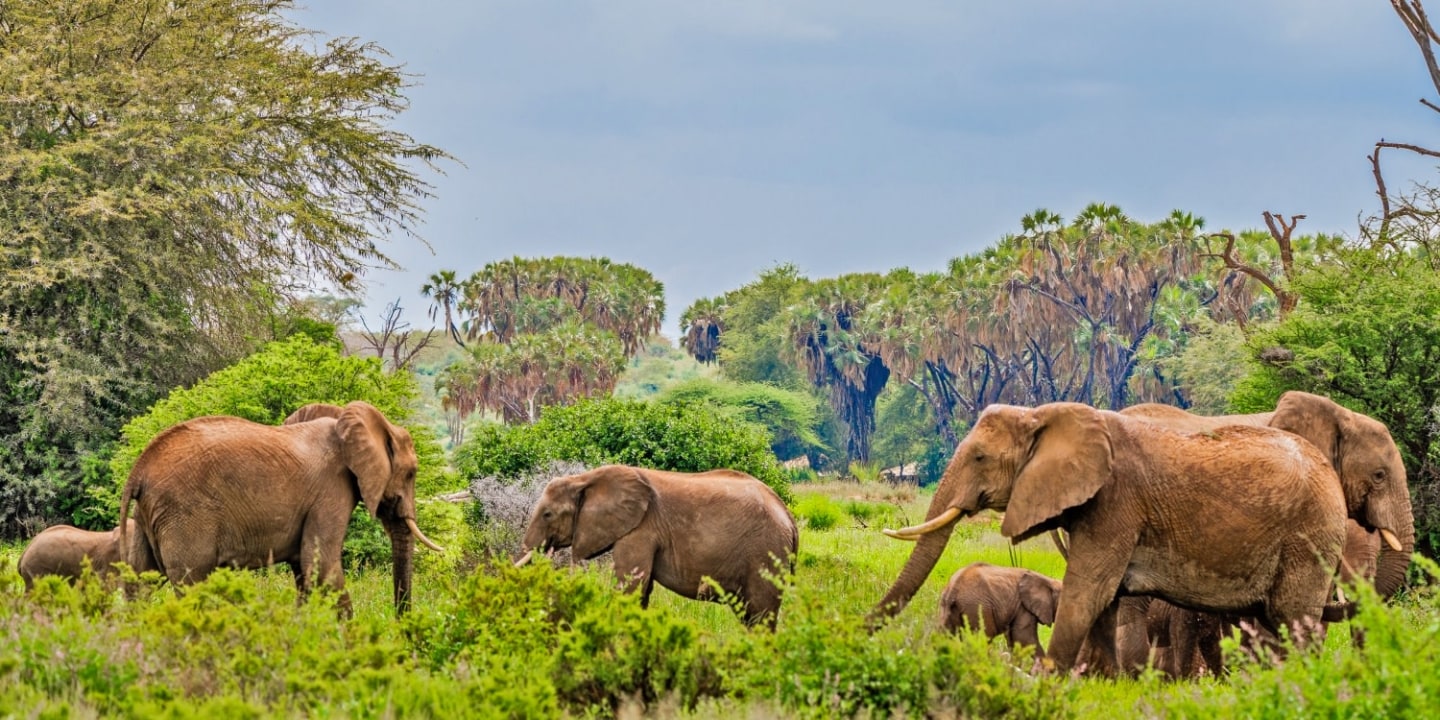
  • Early Morning Game Drive: Start the day with a sunrise game drive, one of the best times to observe wildlife, as animals are most active in the cooler hours. You might spot lions finishing a night hunt or witness herds of elephants and other animals grazing peacefully across the plains.
  • Breakfast in the Wild (Optional): Enjoy a special bush breakfast out in the open savannah, if arranged, allowing you to fully immerse yourself in the wilderness. Alternatively, return to the lodge for breakfast.
  • Full-Day Exploration: After breakfast, head back out for a full-day game drive with a packed lunch, exploring deeper into the Maasai Mara. This extensive drive takes you to various corners of the reserve, enhancing your chances of spotting the Big Five - lion, leopard, elephant, buffalo, and rhino - as well as other remarkable species such as cheetahs, zebras, and wildebeests.
  • Visit the Mara River (Seasonal): If your trip coincides with the Great Migration season (July-October), you may witness one of nature's most dramatic events as thousands of wildebeests and zebras attempt to cross the crocodile-infested Mara River. This breathtaking spectacle is one of the highlights of the Maasai Mara.
  • Lunch in the Bush: Enjoy a packed picnic lunch in a designated spot within the reserve, surrounded by the sights and sounds of the wild.
  • Afternoon Game Drive: Continue your exploration in the afternoon, when cooler temperatures may bring more wildlife activity. Keep an eye out for the Maasai Mara's incredible birdlife, including colorful lilac-breasted rollers, vultures, and eagles soaring above the savannah.
  • Return to Camp: Head back to your lodge or camp in the early evening, where you can relax and freshen up.
  • Dinner and Overnight: After a delicious dinner, unwind and share stories with fellow travelers around the campfire. Enjoy another night under the starry African sky, resting up for more adventures to come.

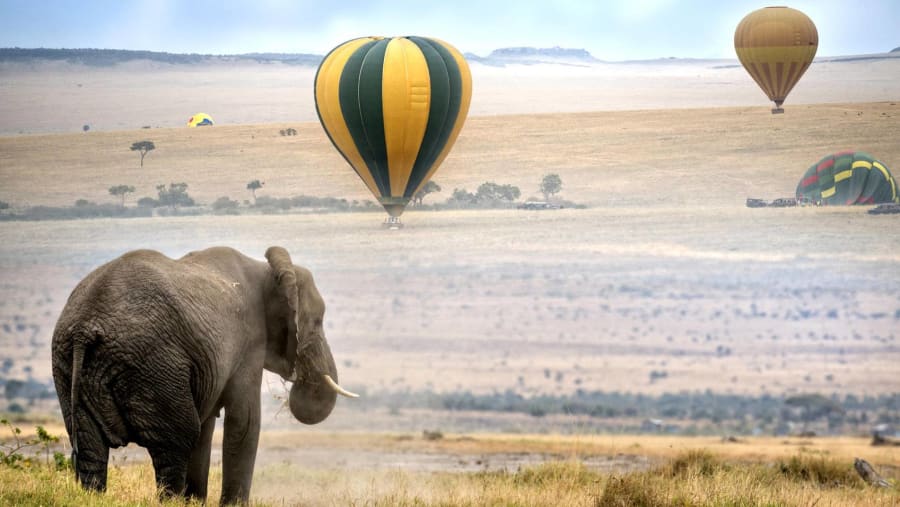
Note: Optional activities, such as a hot air balloon safari (pre-booking required), can be arranged for an unforgettable aerial view of the Mara at sunrise, followed by a champagne breakfast in the wild.

3
Day 03

Maasai Mara to Lake Nakuru National Park

  • Morning Game Drive (Optional): For those who wish, begin the day with an early morning game drive to catch any last glimpses of the Maasai Mara's wildlife as the sun rises over the plains. You may spot animals that are still active from the night or catch predators preparing to rest for the day.
  • Breakfast & Departure: After breakfast, check out and bid farewell to the Maasai Mara as you begin your journey to Lake Nakuru National Park. The drive takes you through the scenic landscapes of Kenya's Rift Valley, passing through small towns and lush farmlands along the way.
  • Arrival at Lake Nakuru & Check-In: Arrive at Lake Nakuru National Park by early afternoon. Check in at your lodge or camp, have lunch, and take a moment to relax and enjoy the peaceful surroundings.
  • Afternoon Game Drive: Head out for an afternoon game drive in Lake Nakuru National Park, famous for its beautiful lake, which attracts thousands of pink flamingos (seasonal) and other bird species. This park is also known for its conservation efforts, particularly for the endangered white and black rhinos, which you have a good chance of spotting here.
  • Wildlife Viewing: In addition to the flamingos and rhinos, Lake Nakuru is home to a variety of animals, including Rothschild giraffes, buffalos, baboons, and zebras. The park's diverse habitats, from the lake shores to woodlands, make for unique and varied wildlife sightings.
  • Evening at the Lodge: After the game drive, return to your lodge or camp for dinner. Relax for the evening, surrounded by the sounds of nature, and prepare for the next leg of your safari journey.
  • Overnight: Spend the night at your Lake Nakuru accommodation, reflecting on the stunning sights and experiences of the day.

Note: Lake Nakuru's landscapes provide fantastic photography opportunities, especially during sunset when the lake glows with pink hues from the flamingos and other waterbirds.

4
Day 04

Lake Nakuru to Aberdare's Forests and Waterfalls

  • Breakfast & Morning Departure: Begin your day with breakfast at the lodge. Afterward, check out and start your journey toward Aberdare National Park, a unique forested park known for its lush, mountainous landscapes and waterfalls.
  • Arrival & Check-In: Arrive at your accommodation near Aberdare National Park by midday. Depending on your choice of lodging, you might stay in an elevated lodge with a nearby waterhole, offering the chance to view animals as they come to drink.
  • Lunch at the Lodge: Enjoy a delicious lunch and take in the peaceful, green surroundings.
  • Afternoon Nature Walk or Game Drive: After lunch, head into the forested Aberdare Park for a nature walk, if available, or a game drive. Aberdare is known for its cool, misty forests filled with unique flora and fauna, including elephants, buffaloes, colobus monkeys, and the elusive bongo antelope. The park's dense vegetation makes animal spotting more challenging, but the experience is magical and serene.
  • Scenic Highlights: Visit some of Aberdare's scenic attractions, such as Chania or Karuru Falls, where water cascades down steep cliffs amid verdant forests. The Aberdare Mountains also offer breathtaking viewpoints across Kenya's central highlands.
  • Evening at the Lodge: Return to your lodge in the early evening. Many lodges in this area are strategically located near waterholes or salt licks, allowing you to enjoy wildlife sightings from the comfort of your lodge as animals visit to drink at dusk.
  • Dinner & Overnight: After dinner, relax in the cozy lodge atmosphere, listening to the forest sounds around you. Enjoy your overnight stay with an opportunity to witness nocturnal animals if your lodge has night-viewing facilities.

Note: Aberdare is a special experience because it is more secluded and offers a chance to appreciate Kenya's natural beauty in a quieter, less-crowded setting.

5
Day 05

Aberdare to Samburu National Reserve

  • Breakfast at the Lodge: After breakfast, take in the peaceful surroundings before heading out for a short morning game drive or a visit to scenic spots such as Karuru Falls.
  • Depart for Samburu: Begin the drive to Samburu National Reserve, which takes about 5-6 hours.
  • Arrive & Check-In at Lodge/Camp: Arrive in the Samburu region by early evening and check in.
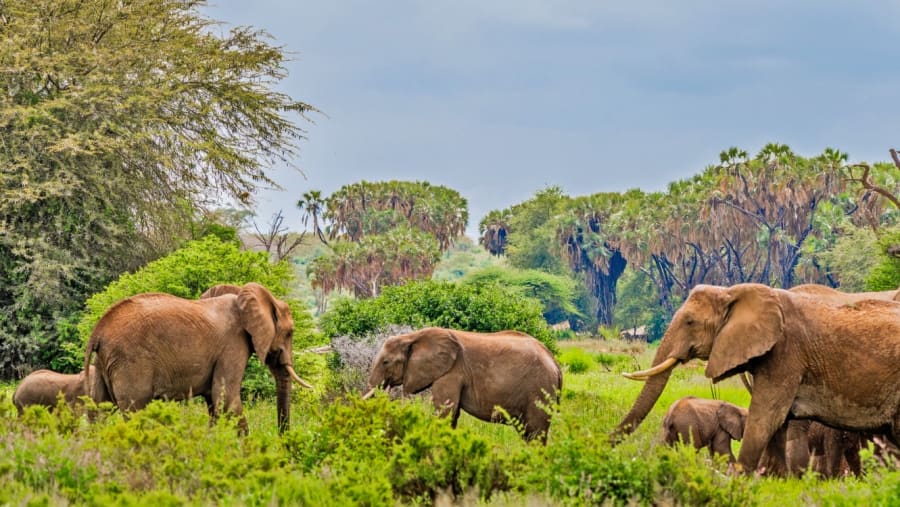
  • Evening Game Drive: Set out for a game drive in Samburu, known for its unique wildlife, including the 'Samburu Five' - Grevy's zebra, Somali ostrich, reticulated giraffe, gerenuk, and the beisa oryx.
  • Dinner & Overnight Stay: Return to your lodge for dinner and relaxation.
6
Day 06

Full Day of Wildlife and Culture in Samburu

  • Morning Game Drive: After breakfast, enjoy a morning game drive to spot the rare and beautiful wildlife that Samburu is known for.
  • Optional Cultural Visit: You may also visit a local Samburu village to interact with the indigenous people and learn about their customs and way of life.
  • Lunch at the Lodge: Return to the lodge for a delicious lunch and some relaxation.
  • Afternoon Game Drive: In the afternoon, embark on another thrilling game drive. The park's wildlife is abundant, and you'll have a chance to see predators, elephants, and more.
  • Dinner & Overnight Stay: Return to the lodge for dinner and an overnight stay.
7
Day 07

Final Samburu Game Drive and Return to Nairobi

  • Morning Game Drive: After an early breakfast, take your final game drive in Samburu. This is a great opportunity for last-minute wildlife sightings.
  • Check-Out & Drive Back to Nairobi: After the game drive, head back to Nairobi, a journey of approximately 6-7 hours.
  • Arrival in Nairobi: Arrive in Nairobi in the late afternoon or early evening.
  • Departure: Drop-off at Nairobi's Jomo Kenyatta International Airport for your flight or at any preferred destination within the city.
Masai Mara savannah, Lake Nakuru National Park shoreline and flamingos, Samburu National Reserve scrubland

Where this trip takes you

Masai Mara savannah, Lake Nakuru National Park shoreline and flamingos, Samburu National Reserve scrubland

The route

Where you'll travel

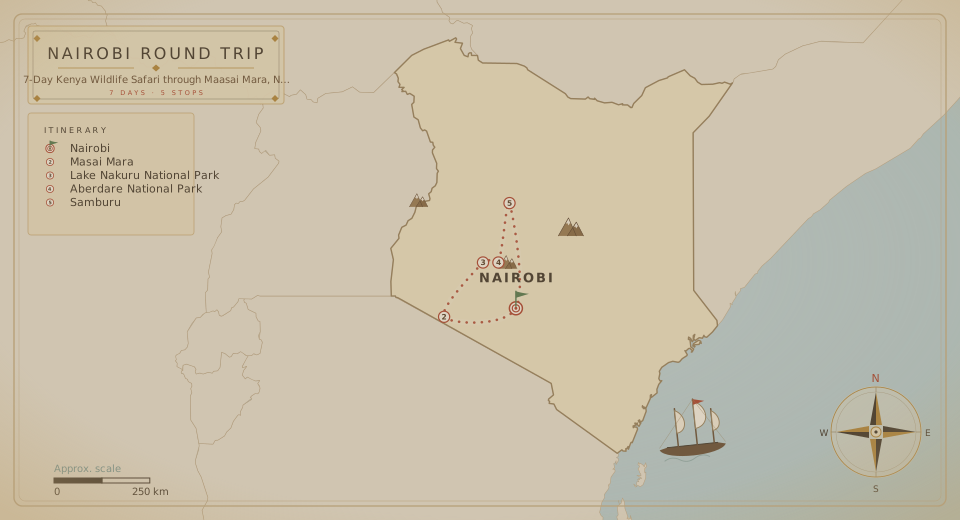
Tour route map
Round trip from Masai Mara National Reserve 5 cities · 7 Days

The fine print

Trip details

What's Included

  • Park fees (for non-residents)
  • All accommodation (unless listed as an upgrade)
  • A professional driver/guide
  • All transportation
  • All taxes/VAT
  • Round-trip airport transfer
  • Meals (as specified in the day-by-day section)
  • Drinking water (on all days)

What's Not Included

  • International flights (from/to home)
  • Additional accommodation before and at the end of the tour
  • Tips (tipping guideline: US$10.00 pp per day)
  • Personal items (souvenirs, travel insurance, visa fees, etc.)
  • Government-imposed increases in taxes and/or park fees

What to bring

1. Clothing

  • Lightweight, breathable clothing: Long-sleeved shirts and pants in neutral colors (khaki, beige, or olive) to blend with the surroundings and protect you from the sun.
  • Warm layers: Evenings and early mornings can be chilly, especially in higher-altitude areas like Aberdare and Samburu, so bring a jacket or fleece.
  • Safari hat: A wide-brimmed hat to protect your face and neck from the sun.
  • Comfortable shoes: Closed-toe shoes for walks, hikes, or game drives, preferably sturdy sandals or hiking shoes.
  • Flip-flops: For casual wear at the lodge.
  • Swimwear: Some lodges may have pools, so don't forget a swimsuit.
  • Rain jacket: If traveling during the rainy season (April to May, November), bring a light waterproof jacket.

2. Essentials for Safari

  • Binoculars: For better wildlife viewing and birdwatching.
  • Camera with extra memory cards & batteries: You'll want to capture the stunning landscapes and animals, so ensure you have enough power.
  • Sunglasses: A must for sun protection during the day.
  • Sunblock (SPF 30 or higher): The sun can be intense in Kenya.
  • Insect repellent: To protect against mosquitoes and other bugs, especially during evening game drives and at lodges.
  • Personal first aid kit: Include any personal medication, pain relievers, plasters, and other basics.
  • Tissues or wet wipes: Useful for quick clean-ups.
  • Water bottle: Stay hydrated during long drives and game drives.

3. Health & Hygiene

  • Malaria prevention: If recommended by your doctor, bring anti-malarial medication.
  • Hand sanitizer: Handy for cleaning your hands when soap and water aren't available.
  • Toiletries: Toothbrush, toothpaste, deodorant, etc.
  • Travel-size disinfectant wipes: To clean your hands or surfaces when necessary.

4. Travel Documents & Money

  • Passport: Make sure it's valid for at least six months from the date of entry.
  • Visa (if required): Ensure you have the necessary visa for Kenya.
  • Travel insurance: Always advisable, including coverage for medical emergencies.
  • Photocopies of documents: Keep photocopies of your passport, visa, and insurance.
  • Money: Bring some Kenyan Shillings for tipping and small purchases. A credit card is accepted at most lodges, but cash is useful in remote areas.

5. Miscellaneous

  • Flashlight/Headlamp: Some lodges have limited electricity at night.
  • Plastic bags or packing cubes: For organizing your clothes and keeping things tidy in your suitcase.
  • Books or journal: For relaxing downtime at the lodge or on long drives.
  • Travel pillow and blanket: If you're a light sleeper or will be on long drives.
  • Ziplock bags: To keep your camera and other electronics dry in case of rain.
  • Snacks: Some energy bars or trail mix for long drives.

6. Optional

  • Swahili phrasebook or translation app: While English is widely spoken, learning a few Swahili phrases can be fun and helpful.
  • Portable charger or power bank: For keeping your devices charged during long days.
  • Guidebook or map: Useful for learning about the places you'll visit.
  • Trekking poles: If you plan on doing nature walks or hikes, especially in Aberdare.

Things to Keep in Mind

  • Avoid bright colors: Stick to neutral tones, as bright colors can disturb wildlife or attract insects.
  • Pack light: Most safari lodges have baggage weight limits for internal flights. Aim for a small, soft-sided bag for convenience.
  • Prepare for dust: Dust from game drives can settle on your clothes and gear, so bring something to protect electronics and sensitive items.

Know before you go

1. Weather & Climate

  • Daytime temperatures: Expect warm to hot weather during the day (70°F to 85°F or 21°C to 29°C), but temperatures can drop significantly in the early morning and evening, especially in places like Aberdare and Samburu.
  • Rainy season: Kenya experiences two main rainy seasons: long rains (April-May) and short rains (November-December). If traveling during these months, pack accordingly (rain jacket, waterproof shoes, and quick-dry clothing).
  • Sun exposure: The sun can be intense, especially at higher altitudes, so pack sunblock, sunglasses, and a hat.

2. Health & Safety

  • Vaccinations: It's recommended to check with your doctor before traveling to ensure you're up to date on vaccines. Common recommended vaccines include:
    • Yellow fever: Required for entry if coming from a yellow fever-endemic area.
    • Hepatitis A & B, typhoid, and tetanus: Commonly recommended.
    • Malaria prophylaxis: Talk to your healthcare provider about whether you need malaria prevention medication.
  • Altitude adjustment: Areas like Aberdare and Samburu are at higher altitudes (3,000-4,000 feet or 900-1,200 meters). If you're sensitive to altitude, stay hydrated and take it easy on the first day.
  • Insect bites: Use insect repellent to avoid bites, especially from mosquitoes that may carry diseases like malaria. Wear long sleeves and pants during early mornings and evenings.
  • Drinking water: Always drink bottled or purified water. Avoid tap water to stay safe from waterborne illnesses.

3. Currency & Money

  • Currency: The currency in Kenya is the Kenyan Shilling (KES). It's best to carry some local currency, though most lodges accept credit cards (Visa and MasterCard). ATMs are available in major cities but limited in more remote areas.
  • Tipping: Tipping is customary in Kenya. For safari guides, tips of $10-15 per day per person are recommended, and for hotel staff, $1-2 per night. You can also tip porters and local guides.
  • Exchange rate: It's a good idea to exchange some currency before your trip or at the airport upon arrival. Be mindful of exchange rates.

4. Safari Etiquette & Wildlife Viewing

  • Respect wildlife: Always keep a safe distance from animals. Do not attempt to feed or disturb them. Follow your guide's instructions during game drives.
  • Game drive conduct: Keep noise to a minimum during game drives to avoid startling wildlife. Always stay inside the vehicle unless instructed otherwise.
  • Photography: Safaris are a photographer's dream. Always ask before taking photos of local people. Keep your camera ready for wildlife, but don't forget to take in the experience without a lens.
  • No sudden movements: Wildlife may react to sudden movements, especially predators. Always stay calm and quiet, particularly in the presence of large animals.

5. Packing Tips

  • Baggage restrictions: If you're flying internally (e.g., from Nairobi to Maasai Mara or Samburu), most small aircraft have strict baggage weight limits (usually 15-20 kg per person). Stick to a soft-sided bag for convenience.
  • Photography gear: A zoom lens is essential for wildlife photography, and extra memory cards and batteries are highly recommended.
  • Electrical plugs: Kenya uses Type G electrical plugs (same as the UK) with a voltage of 240V. Bring a plug adapter and check the voltage compatibility of your devices.

6. Cultural Considerations

  • Language: English is widely spoken, but Swahili is the national language. Learning a few basic Swahili phrases, like 'Asante' (Thank you), 'Jambo' (Hello), and 'Karibu' (Welcome), will be appreciated by locals.
  • Respect for local customs: Kenyans are generally friendly and welcoming. When visiting Maasai villages or interacting with local tribes, always ask for permission before taking photos of people.
  • Dress code: While there's no strict dress code, it's advisable to dress modestly, especially in rural areas and villages.

7. Connectivity & Communication

  • Internet & phone signal: Most lodges and camps in remote areas may have limited or no internet access. Some might offer Wi‑Fi in common areas. Kenyan mobile networks (e.g., Safaricom) provide good coverage in most areas, but signal strength can vary in remote locations.
  • SIM cards: If you need data or phone service, consider purchasing a local SIM card at the airport or in Nairobi.

8. Transportation & Driving

  • Road conditions: Game drives are often on rough, unpaved roads. Expect bumpy, dusty rides, but the scenery and wildlife make it worthwhile.
  • Internal flights: If your safari includes small internal flights (e.g., to Maasai Mara or Samburu), expect light aircraft with limited luggage allowances. Make sure your baggage complies with the size and weight restrictions.

9. Timing & Best Travel Period

  • Best time to visit: The best time for a safari in Kenya is during the dry seasons, generally from June to October and December to March. This is also when wildlife viewing is at its peak, as animals gather around waterholes and the grass is low, making them easier to spot.
  • The Great Migration: If you're visiting the Maasai Mara, the Great Migration (July to October) is a must-see. Millions of wildebeest, zebras, and gazelles move from the Serengeti to the Maasai Mara, offering an incredible spectacle.

10. Emergency Contacts & Safety

  • Emergency numbers: In case of emergency, dial 999 for police or ambulance.
  • Stay in touch: Make sure someone at home knows your travel itinerary, just in case of any issues.
  • Safety: Kenya is generally safe for tourists, especially in safari areas. Always follow your guide's instructions and stay in designated areas. Avoid walking alone in cities, especially at night.
  • Optional cultural experiences, hot air balloon safaris, bush breakfasts, and internal flights may be available on request or if arranged in advance.

Logistics

Meeting & route

Meeting point
Jomo Kenyatta International Airport (JKIA) (NBO), Embakasi, Nairobi, Kenya
Tour start
Masai Mara National Reserve, Kenya
Tour ends at the same location as the start point.
End of the journey

Your 7 days finish where they began, in Masai Mara National Reserve.

Watch the tourHQ film Watch the film

Create your own adventure

Can't find the perfect tour? Tailor your dream trip.

  • Tell us your destination, dates and group size.
  • Our travel experts and local guides design a tailored itinerary, just for you.
  • Enjoy your trip with peace of mind, knowing everything is taken care of.
Plan my holiday

Say goodbye to travel stress.

Starting from

USD 3,488 /person
Book This Tour

When

Travellers

Total