Which season is best to visit Mardi Himal?
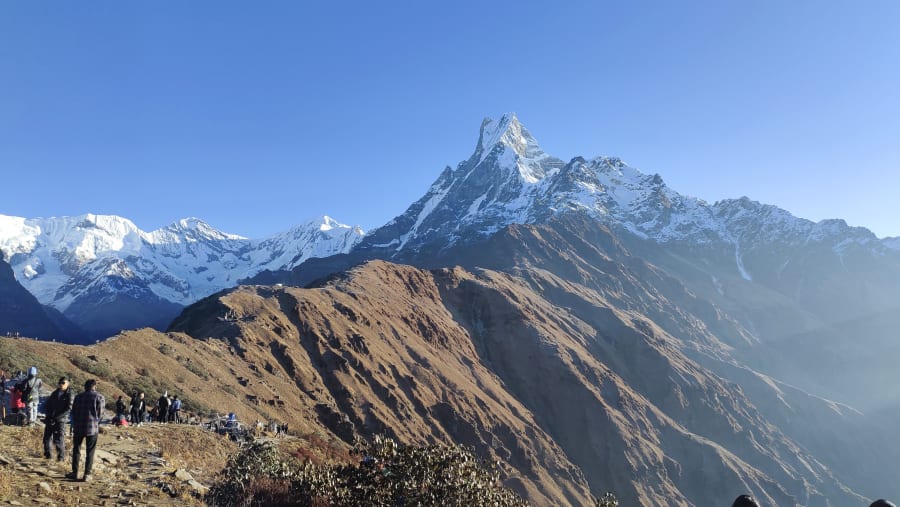
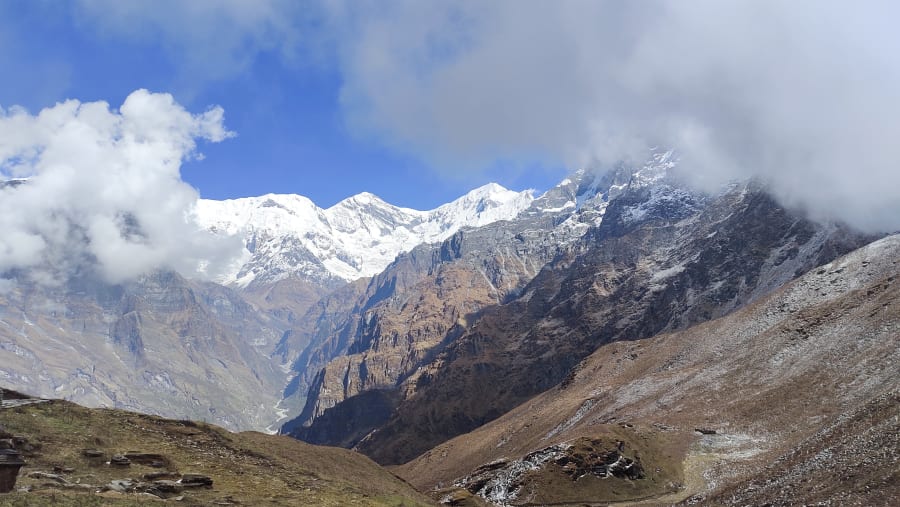
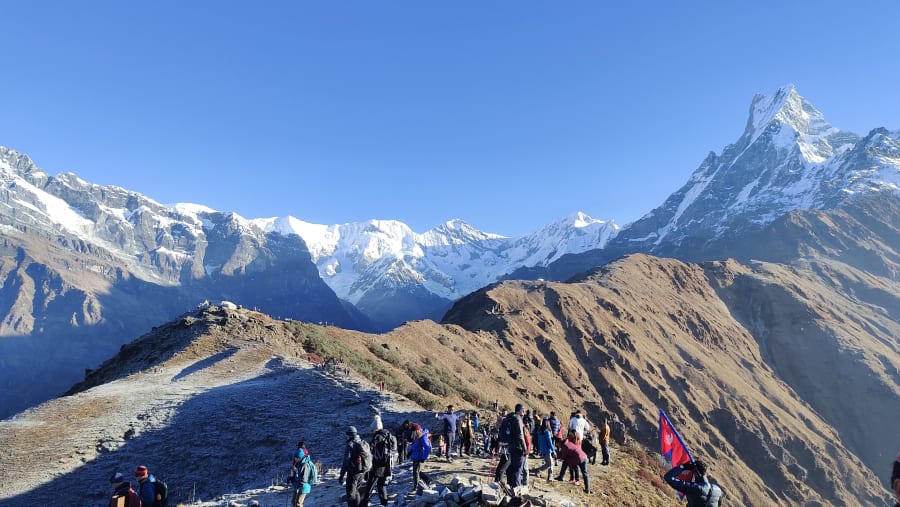
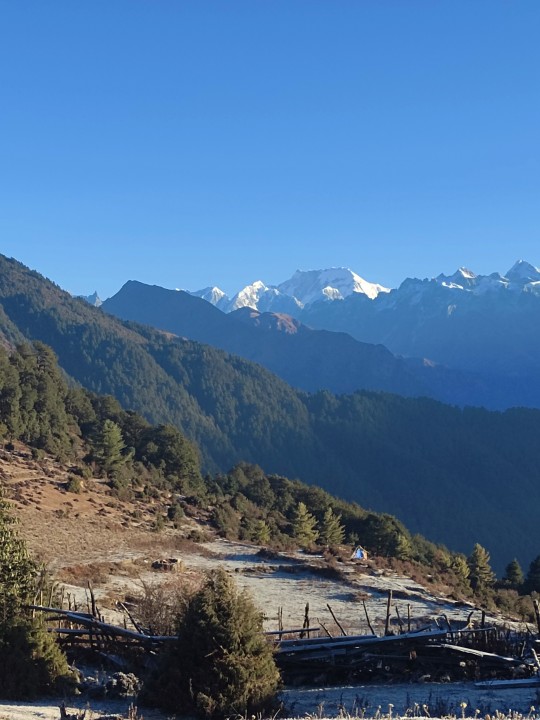
The best seasons to visit the Mardi Himal Trek in Nepal are autumn (September to November) and spring (March to May). During these seasons, the weather is generally stable, with clear skies and comfortable temperatures. The views of the Himalayas are magnificent, with vibrant landscapes due to blooming wildflowers in spring and clear mountain views in autumn.
History of Mardi Himal
The history of Mardi Himal can be traced back to its formation along with the rest of the Annapurna Mountain Range. Mardi Himal is a mountain peak located in the Annapurna Region of Nepal. It stands at an elevation of 5,587 meters (18,330 feet) and is one of the lesser-known peaks in the region. Mardi Himal was first summited by a Japanese expedition team in 1961, led by Ang Temba Sherpa. They successfully reached the summit via the southeast face of Mardi Himal. Since then, it has become an attraction for mountaineers and trekkers, with its relatively lower altitude compared to other peaks in the region. The Mardi Himal Trek gained popularity among trekkers in the early 2010s, offering an alternative and less crowded route in the Annapurna Region. It gradually became known for its scenic beauty, serene atmosphere, and the opportunity to witness stunning mountain views. Thus, the Mardi Himal Trek has become a favorite among adventure enthusiasts who wish to explore the Annapurna Region and experience the beauty of Mardi Himal.
Safety notes for Mardi Himal
- Ensure you have the necessary permits for the trek.
- Prepare yourself by engaging in regular exercise and building up your endurance before the trek, and consult a healthcare professional before embarking on any strenuous activities.
- Be cautious of the risks of altitude sickness.
- Be prepared for varying weather conditions throughout the trek.
- Invest in good-quality trekking gear, including proper hiking boots, waterproof clothing, a durable backpack, and trekking poles if necessary. Do not forget essentials like a hat, sunglasses, sunscreen, and a headlamp.
- Carry a fully charged mobile phone and a portable power bank for emergency communication.
- Carry a well-stocked first aid kit with essential items such as bandages, antiseptic creams, painkillers, blister plasters, and any necessary personal medications.
How long is the Mardi Himal Trek?
The total distance of the Mardi Himal Trek is 40 km / 25 mi. One needs 4-5 days to complete the route. If you combine this with one of the other popular routes (Poon Hill, Annapurna Base Camp, etc.), you will need 3-5 extra days.
How difficult is the Mardi Himal Trek?
Mardi Himal is a moderate high-altitude trek that does not require any mountaineering skills or a lot of experience, and it is good to do as an acclimatization trek. It is quite easy to get quickly to lower altitudes if you start feeling unwell, and it is one of the shortest treks in the Annapurna Region.
Weather and climate
Spring (March to May) is one of the best times to trek in the Mardi Himal Region. The weather is generally mild with clear skies, making it ideal for trekking. Daytime temperatures range from 10C to 20C at lower elevations, while higher altitudes can be cooler. Be prepared for occasional rain showers during this season.
Summer/Monsoon (June to August) brings the monsoon season to the region, resulting in frequent rain showers and cloudy conditions. Trekking during this time can be challenging due to muddy trails and reduced visibility. Temperatures during this season range from 15C to 25C at lower elevations. It is advisable to have proper rain gear and take extra precautions during this season.
Autumn (September to November) is another popular season for trekking in the Mardi Himal Region. The weather is generally stable, with clear skies and mild temperatures. Daytime temperatures range from 10C to 20C at lower altitudes, while higher elevations experience cooler temperatures. This season offers excellent views of the surrounding mountains and is a great time to trek.
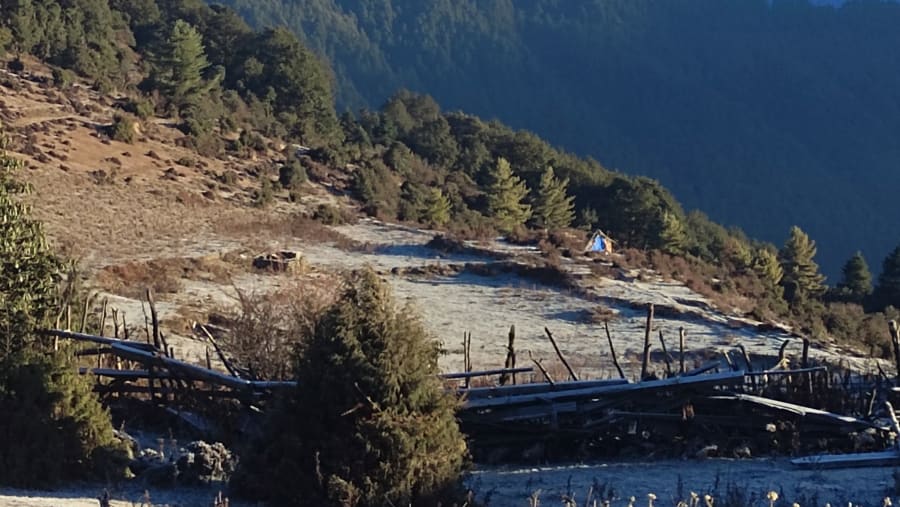
Winter (Dec to Feb) brings colder temperatures to the Mardi Himal Region, especially at higher elevations. Daytime temperatures can drop below freezing. Snowfall is common, particularly at higher altitudes. Trekking during winter requires proper cold-weather gear and precautions for icy and snowy trails.