How long does the trek take?
The trek typically takes 11-13 days, depending on your itinerary, acclimatization days, and pace. This includes travel time to and from the trailhead.
What is the best time to trek EBC Trek?
The best times are during the pre-monsoon (March to May) and post-monsoon (September to November) seasons. These periods offer the most stable weather and clear views.
How much does the EBC Trek cost?
Costs range from $1,000 to $1800 per person, depending on the tour operator, group size, and inclusions. This typically covers permits, guides, porters, accommodation, and meals.
How do I book the trek?
You can book through trekking agencies specializing in the Himalayas or directly with tour operators offering Manaslu Circuit packages. Early booking is recommended, especially during peak trekking seasons.
What permits are required for the EBC Trek?
You need a local permit (Trek Card) for the Khumbu Pasanglhamu Rural Municipality fee and a Sagarmatha National Park Permit.
How can I obtain the permits?
Permits are usually arranged by your trekking agency. They will help with the application process and ensure you have the necessary documents before starting your trek.
Is the trek safe?
The trek is generally safe when conducted with reputable guides and proper preparation. However, altitude sickness is a risk, so proper acclimatization is crucial. Ensure you have a knowledgeable guide and follow safety guidelines.
What health precautions should I take?
You should be in good physical condition and have no serious health issues. It is advisable to consult a doctor before trekking, especially if you have pre-existing conditions or concerns about high altitude.
What should I do if I experience altitude sickness?
If you experience symptoms of altitude sickness, such as headache, nausea, or dizziness, inform your guide immediately. They will assess your condition and may recommend descending to a lower altitude or taking rest days.
What type of accommodation can I expect?
Accommodation is generally in teahouses or lodges along the trail. These provide basic facilities, including beds, meals, and communal areas. In some remote areas, the facilities may be more basic.
What should I pack for the trek?
Pack warm, layered clothing, a good pair of trekking boots, a sleeping bag, trekking poles, and essentials like sunscreen, a hat, and a water bottle. Personal gear lists are usually provided by your trekking agency.
How challenging is the trek?
The EBC Trek is considered moderately difficult to challenging due to its high altitude and varied terrain. It involves long walking hours and high-altitude ascents of Kalapathar (5550 m).
What kind of food is available on the trek?
Teahouses along the trek offer a range of food, including local Nepali dishes, Tibetan cuisine, and some international options. Meals usually consist of dal bhat (lentil soup with rice), noodles, and soup.
Is it safe to drink water on the trek?
It is generally advisable to drink treated or purified water. You can use water purification tablets or filters, or buy bottled water along the trail. Ensure you follow hygiene practices to avoid waterborne illnesses.
Is travel insurance required?
Yes, travel insurance is highly recommended. It should cover trekking at high altitudes, medical emergencies, and trip cancellations. Some trekking agencies may require proof of insurance.
Everest Base Camp Trek is one of the most popular treks in the world. It takes you to the foot of the great Mt. Everest. This trek will definitely give you an awesome experience and also the chance to learn about the local Sherpa community and their rich culture.
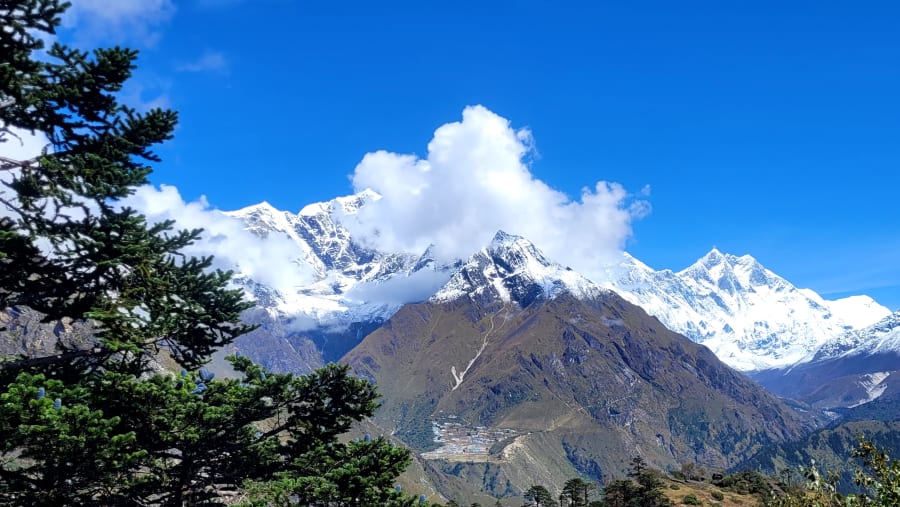
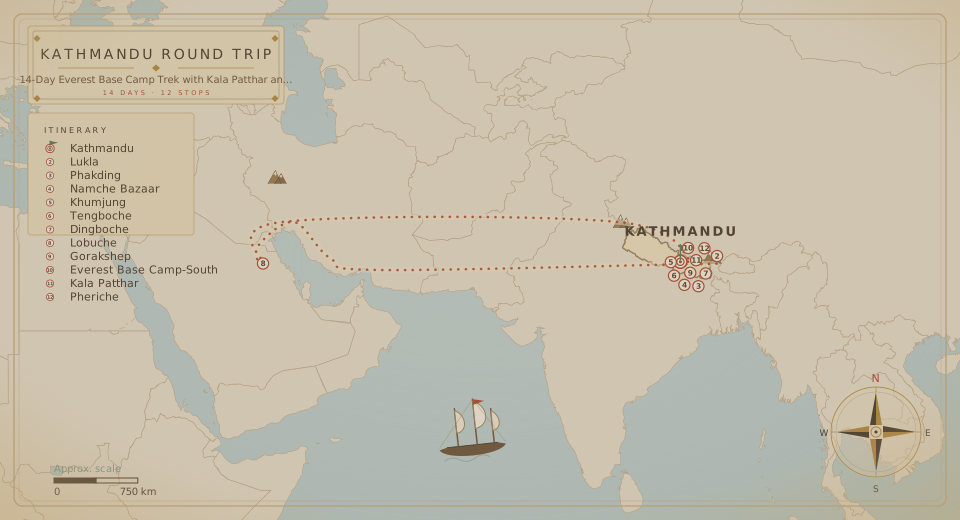
The Everest Base Camp Trek starts with a flight from Kathmandu to Lukla. Landing in Lukla, you will be thrilled by stunning views of Lukla village itself and enchanting views of the surrounding mountains. The trek then takes you through stunning landscapes and to the famous Tyangboche Monastery, where you will have a better chance to experience Buddhism in a peaceful and harmonious atmosphere. The route also passes through Namche Bazaar at 3440 m, the main trading center and hub of the Khumbu region.
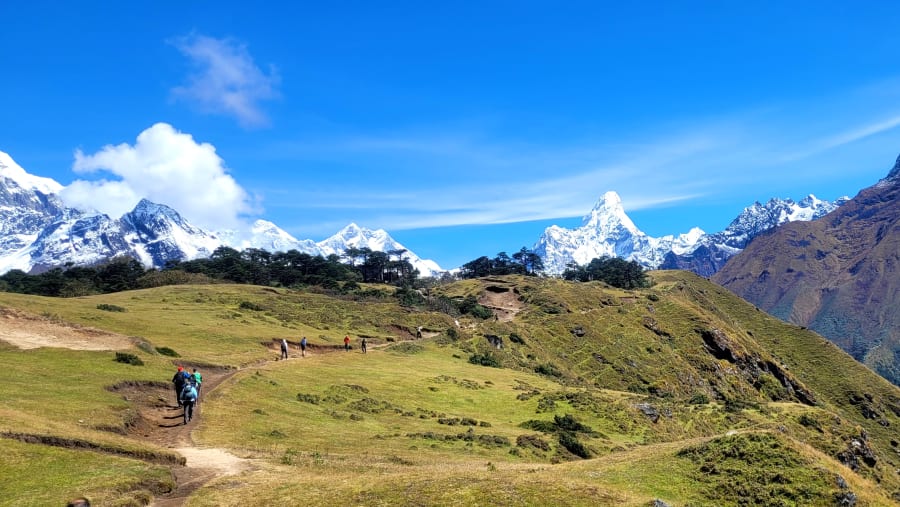
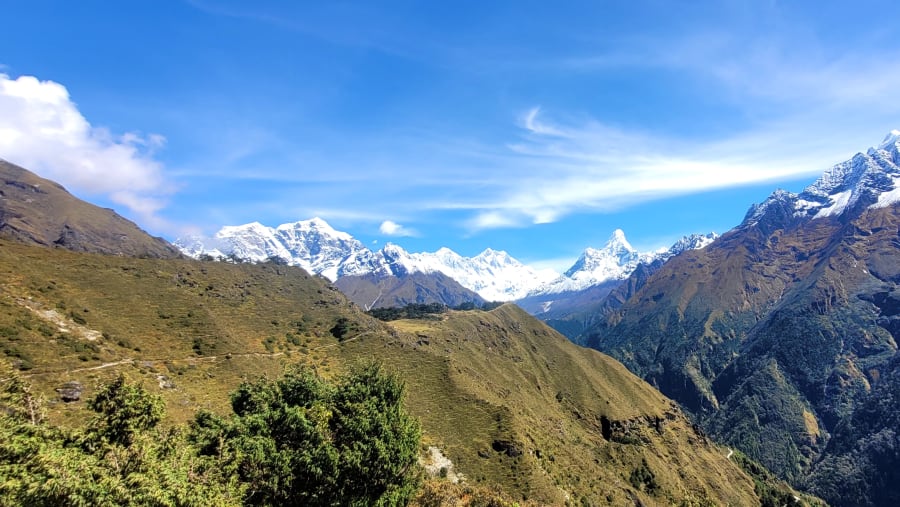
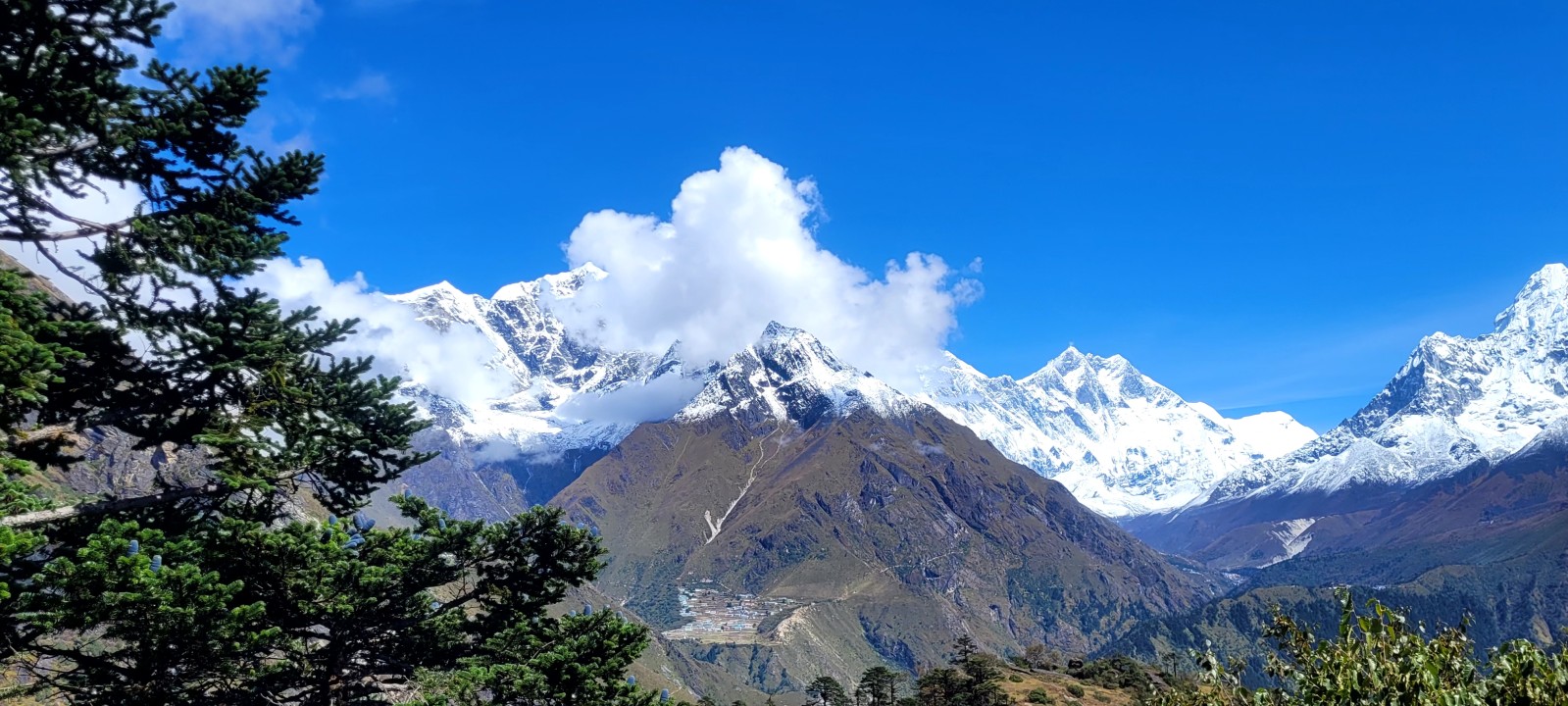
On the way to Everest Base Camp, you pass through Sagarmatha National Park, home to diverse mountain flora and fauna, along with Nepal's national flower, the rhododendron. At higher altitudes, vulnerable and rare red pandas may also be seen. On the way from Lobuche, you will walk among frozen rivers in an icy wilderness. When you reach Everest Base Camp (5364 m), you will see panoramic views of the mountains, including Mt. Nuptse, the Khumbu Glacier, and the world's highest peak, Mt. Everest. From there, you can also visit the mighty viewpoint of Kalapathar (5530 m), the place to see magnificent views of Ama Dablam, Pumori, stunning Nuptse, Mt. Everest, as well as the Khumbu Glacier.