Academy of science – Athens University – National Library
Our journey takes us down the storied Panepistimiou Street, a cornerstone of Athens' rich historical tapestry. This path is lined with an array of neoclassical edifices that have withstood the test of time, their foundations laid in the late 1800s. Yet, the highlight of our walk will be the exploration of Athens' Architectural Trilogy - a celebrated ensemble consisting of The Academy, The University, and The National Library. Each of these landmarks not only represents a pivotal moment in Athenian architectural heritage but also embodies the intellectual spirit that has long defined the city.
Lycabettus Hill
Our ascent will take us to the summit of Lycabettus Hill, Athens' tallest peak, offering unrivaled panoramic vistas of the city below. From the historic Acropolis Hill to the shimmering expanse of the Aegean Sea, you'll be treated to a breathtaking 360-degree perspective that encapsulates the beauty and grandeur of Athens in its entirety.
National Garden
Nestled between the bustling Syntagma Square and the historic Panathenaic Stadium, in the very core of Athens, is the renowned National Garden. This verdant oasis offers a serene retreat from the city's hustle and bustle, presenting a tranquil haven amidst Athens' liveliest districts. It's a marvel how this enchanting garden, spanning roughly 16 hectares, manages to preserve its tranquility against the backdrop of the city's busiest thoroughfares.
Commissioned by Queen Amalia, the consort of King Otto and Greece's inaugural queen, the garden was brought to life between 1838 and 1840. This expansive green space stands as a testament to the queen's vision, transforming a piece of the urban landscape into a peaceful, verdant sanctuary for the public.
Zappeion Megaron
The Zappeion Megaron in Athens, a masterpiece conceived by the renowned Danish architect Theophil Hansen in 1878, carries the name of Evangelis Zappas, an influential Epirote entrepreneur instrumental in initiating the Zappian Olympic Games. These games laid the groundwork for the resurgence of the Olympic Games in the modern era, bridging a centuries-long gap and reestablishing this pivotal sporting event.
Zappas' commitment to funding the revival led to the hosting of the first modern Olympic Games at the Panathenaic Stadium in 1896. The architectural elegance of the Zappeion Megaron is truly a sight to behold. Its design features an impressive oval-shaped courtyard surrounded by a two-level colonnade. The structure's rust hues paint a striking image, reminiscent of the color palette often found in ancient Greek buildings.
Panatheniac Stadium
See the Panathenaic Stadium, that stands as a magnificent highlight among Athens' attractions, epitomizing the city's contemporary glory. Throughout its extensive history, it has undergone numerous metamorphoses, culminating in its role as the venue for the inaugural modern Olympic Games in 1896. It holds the unique distinction of being the world's only stadium constructed entirely from marble, cementing its status as a remarkable architectural feat and a key destination for visitors to the city.
Philopappou Hill
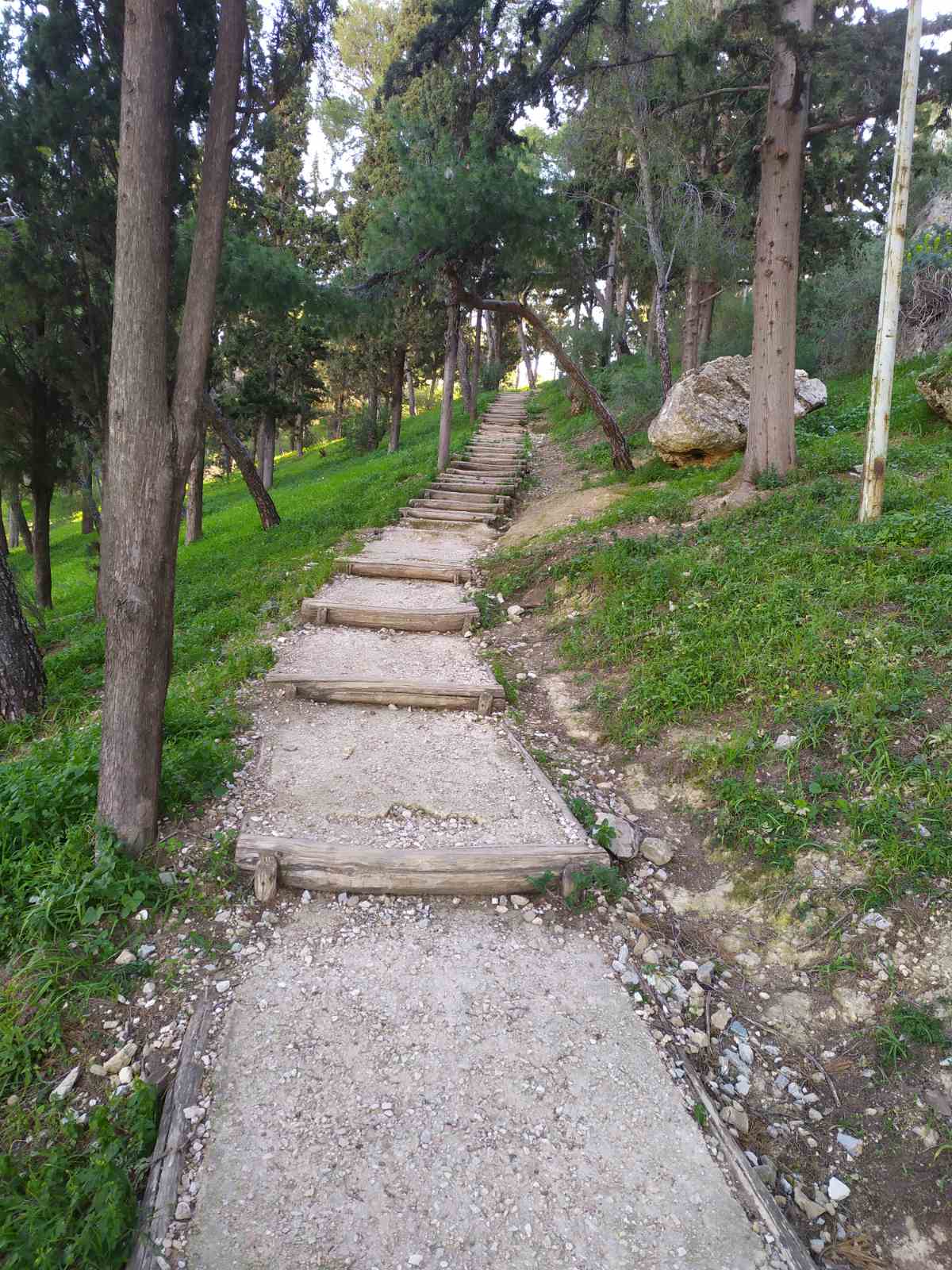
Philopappos Hill, also known as Filopappou, offers a verdant escape near the Acropolis, featuring historical sites including the prison of Socrates. Atop this hill, by the Filopappos Monument, visitors are treated to stunning vistas. The ascent is notably more gentle compared to other hills, making it an accessible option for many. The hill and its environs are lush, providing a panoramic spectacle of the Acropolis and various landmarks. This spot tends to be quieter than other popular viewpoints, making it an ideal choice for those seeking serenity. For those looking to immerse themselves in nature without embarking on a strenuous hike, Philopappos Hill comes highly recommended.
Pnyx Hill
Situated roughly 500 meters to the west of the Acropolis, Pnyx Hill is distinguished by its rocky terrain, embraced by parklands. This site holds a revered position in the annals of global history as a crucial ancient locale. A notable feature is an artificially shaped stone platform, or Vima (which translates to 'step' in Greek), accessed by stone steps carved into the hill.
The Pnyx served as the assembly spot for Athenian citizens to engage in political debates and decisions regarding their city's destiny. It marks the inception of democracy, a revolutionary concept where, for the first time, the male citizens of a community were considered equal, with the privilege to vote and participate in governance. The Athenians deemed the collective involvement in such matters too significant to entrust to a singular ruler, such as a king or governor. Over the centuries, this practice evolved, laying the groundwork for the democratic systems observed in the modern era.