Tanzania · Trekking

7-Day Mount Kilimanjaro Machame Route Trek to Uhuru Peak

7 Days Round trip from Mt Kilimanjaro Hard pace

The journey

Trip highlights
  • 01 Trek through lush rainforest, alpine desert, and volcanic landscapes on the Machame Route
  • 02 Reach Lava Tower at 4,640 meters as part of your acclimatization journey
  • 03 Benefit from the Machame Route's gradual altitude gain to support summit success
  • 04 Enjoy panoramic mountain views from Shira Camp and the surrounding high-altitude trails
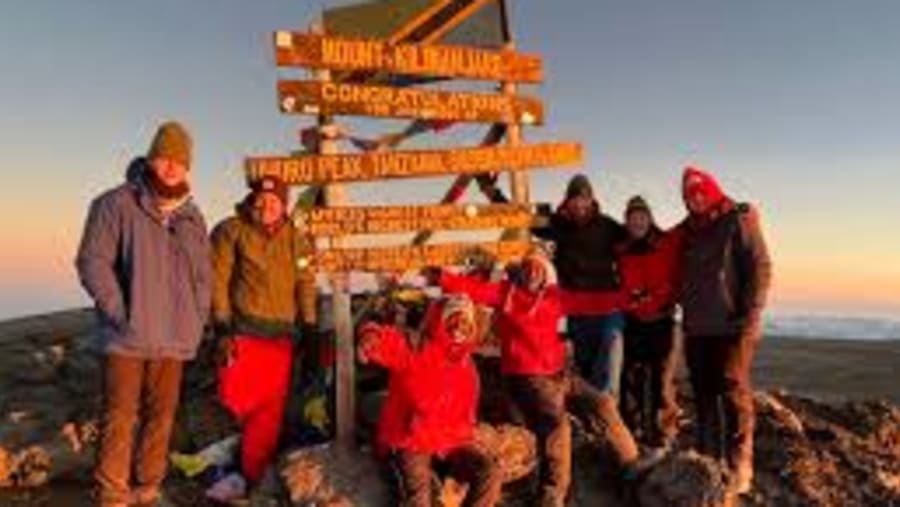
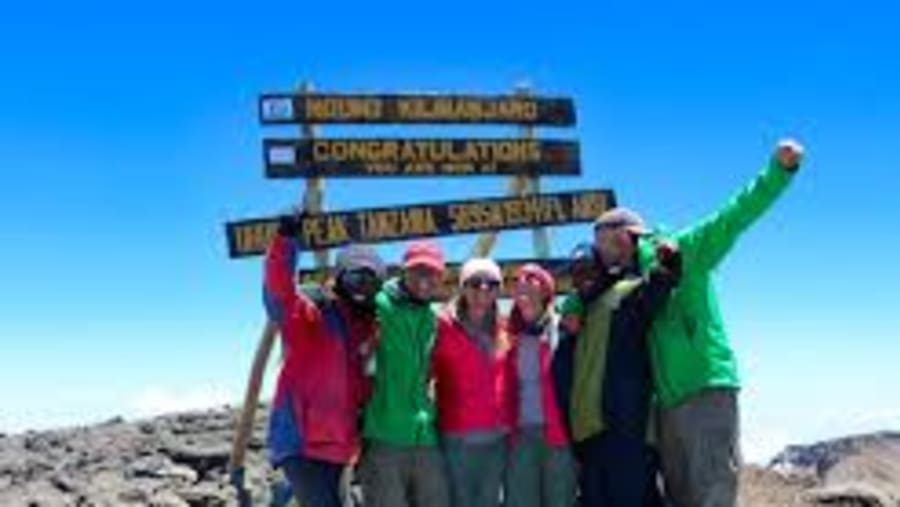
  • 05 Watch the sunrise from Uhuru Peak at 5,895 meters after a pre-dawn summit push
  • 06 Discover diverse plant and animal life, especially in the enchanting rainforest zone

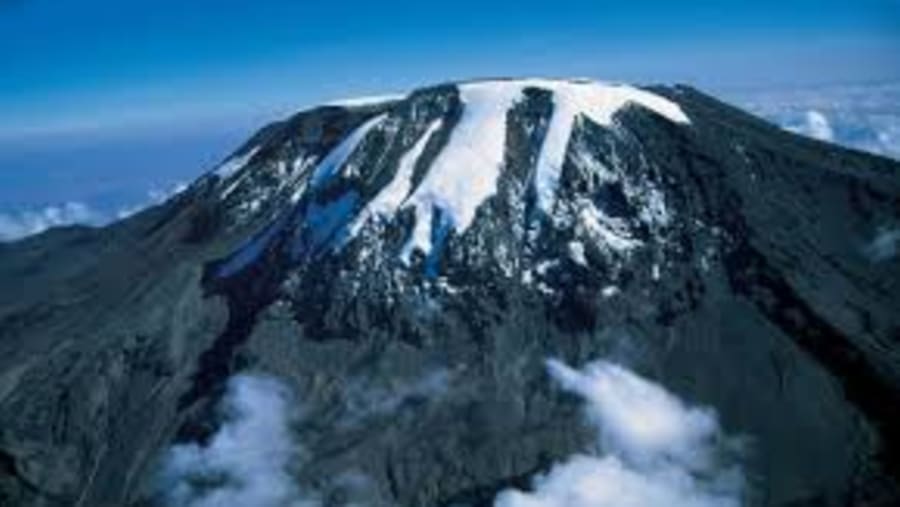
Join an amazing 7-day trek on Mount Kilimanjaro via the scenic Machame Route. Start at Machame Gate, hike through beautiful rainforest, and continue across alpine desert and volcanic landscapes as you gain altitude through Shira, Lava Tower, Barranco, Karanga, and Barafu camps. This route offers gradual acclimatization and ever-changing scenery before your final pre-dawn push to Uhuru Peak. Celebrate your achievement with incredible sunrise views from the summit before descending to Mwema Camp.

Celebrate your achievement with incredible sunrise views from the summit before descending to Mwema Camp.

From the itinerary

At a glance

What this trip includes

Duration 7 Days
Tour type Private
Activity level Hard
Accommodation Included · Budget
Transport Included
Wheelchair access No
Cities Mount Kilimanjaro, Machame
Languages English

Day by day

The itinerary

1
Day 01

Machame Gate to Machame Camp Through the Rainforest

  • Begin your trek at Machame Gate by registering your gear and meeting your porters and guides.
  • Hike through the lush rainforest, encountering diverse plant and animal life.
  • Arrive at Machame Camp, set up your tent, and enjoy a well-deserved dinner.
2
Day 02

Machame Camp to Shira Camp Across Heather and Alpine Desert

  • Ascend through heather and alpine desert zones.
  • Reach Shira Camp, where you'll be rewarded with panoramic views of the surrounding mountains.
  • Savour a hearty meal and rest to prepare for the next day's trek.
3
Day 03

Shira Camp to Lava Tower Through Volcanic Landscapes

  • Continue your ascent, passing through volcanic landscapes.
  • Arrive at Lava Tower, a prominent volcanic formation that offers stunning views.
  • Acclimatize and prepare for the upcoming summit push.
4
Day 04

Lava Tower to Barranco Camp via Barranco Valley

  • Descend to Barranco Camp, traversing the scenic Barranco Valley.
  • Experience the unique geological formations and enjoy the beauty of your surroundings.
5
Day 05

Barranco Camp to Karanga Camp with High-Altitude Views

  • Ascend steeply to Karanga Camp, gaining crucial altitude for your summit attempt.
  • Take in the breathtaking views of the surrounding peaks.
6
Day 06

Karanga Camp to Barafu Camp Before the Summit Push

  • Continue your ascent through rocky terrain to Barafu Camp, the last acclimatization camp before the summit push.
  • Rest and prepare for the challenging climb to Uhuru Peak.
7
Day 07

Uhuru Peak Summit at Sunrise and Descent to Mwema Camp

  • Begin your summit push before dawn, tackling the steep ascent to Uhuru Peak.
  • Enjoy the incredible sunrise views from the summit, celebrating your achievement.
  • Descend to Mwema Camp, where you can relax and revel in your successful trek.
Machame Gate rainforest, Shira Camp panoramas, Lava Tower volcanic landscapes, Uhuru Peak sunrise

Where this trip takes you

Machame Gate rainforest, Shira Camp panoramas, Lava Tower volcanic landscapes, Uhuru Peak sunrise

The route

Where you'll travel

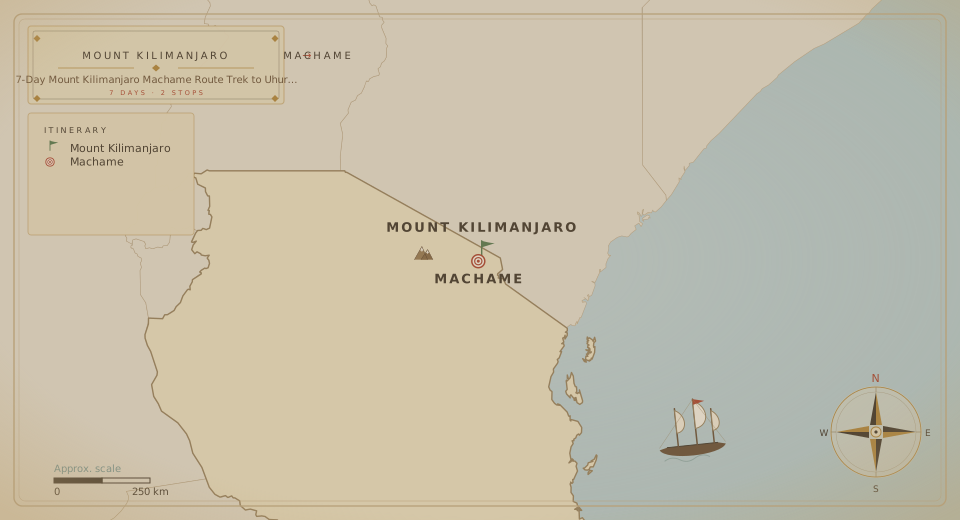
Tour route map
Round trip from Mt Kilimanjaro 2 cities · 7 Days

The fine print

Trip details

What's Included

  • 7 nights of mountain accommodation
  • All transportation, including airport pick-up and drop-off
  • All park entrance fees
  • Professional English-speaking mountain guide and chef
  • Meals as per the itinerary
  • Mineral water provided on all days
  • All mentioned activities
  • All government taxes
  • 18% VAT
  • Government-mandated increases in entry fees
  • Rescue fees
  • Pre- and post-program accommodation for 2 nights
  • Camping equipment, including tent, mattress, mess table, and chairs
  • Porterage

What's Not Included

  • International flights (from/to home)
  • Internal flights
  • Personal items (souvenirs, travel insurance, visa fees, etc.)
  • Tips (recommended from $400 for the mountain guide, chef/cook, and porters)
  • Mount Kilimanjaro trekking equipment

What to bring

  • 1. Clothing: Base Layers (Moisture-Wicking)
  • Thermal underwear (top and bottom): Keeps you warm by wicking sweat away.
  • Long-sleeve shirts: Made from moisture-wicking materials (e.g., merino wool or synthetic).
  • Short-sleeve shirts: Ideal for warmer lower altitudes.
  • Insulating Layers (Fleece or Down)
  • Fleece jacket: Provides warmth at mid-altitudes.
  • Insulated down jacket: Essential for cold nights and summit day.
  • Outer Layers (Waterproof and Windproof)
  • Waterproof jacket: Durable and breathable, with a hood.
  • Waterproof pants: Protect against rainy or wet conditions.
  • Soft shell jacket/pants: Shield from wind and cold at higher altitudes.
  • Legwear: Hiking pants: Lightweight, quick-drying, and comfortable.
  • Thermal leggings: For extra warmth during summit night.
  • Waterproof pants: Essential for cold or wet days.
  • Headgear: Warm hat/beanie: Needed for cold evenings and summit day.
  • Sun hat: Protects against sun exposure.
  • Balaclava or Buff: For wind protection at higher altitudes.
  • Sunglasses: UV-protective with good coverage to block glare from the sun and snow.
  • Gloves: Lightweight gloves: Suitable for mild weather.
  • Insulated gloves/mittens: Waterproof and warm for the summit attempt.
  • Footwear: Hiking boots: Waterproof, sturdy, and well-broken in with ankle support.
  • Gaiters: Keep dirt, mud, and snow out of your boots.
  • Trekking socks: Moisture-wicking (merino wool is ideal). Bring several pairs, including thermal socks for summit night.
  • Camp shoes: Lightweight shoes (e.g., sneakers or sandals) for use at campsites.
  • Sleeping bag: Rated for sub-zero temperatures (-10°C to -15°C or lower). A down sleeping bag is recommended.
  • Sleeping bag liner: Adds warmth and helps keep your sleeping bag clean.
  • Sleeping pad: While basic mats may be provided, consider bringing an inflatable pad for extra comfort.
  • Trekking equipment: Trekking poles: Adjustable and shock-absorbing, especially useful on steep sections and descents.
  • Headlamp: With extra batteries for nighttime hikes and summit day.
  • Backpack (30-40L): For carrying daily essentials (water, snacks, camera, layers). Your porters will carry the bulk of your gear.
  • Daypack rain cover: To keep your gear dry.
  • Water bottles (1-2 liters): Wide-mouthed to prevent freezing at higher altitudes.
  • Hydration bladder: Optional for easy access to water, but may freeze on summit day.
  • Water purification tablets or drops: Add an extra layer of safety, even though water is provided and boiled.
  • Energy snacks: High-energy bars, nuts, gels, or dried fruits to fuel your trek.
  • Sunscreen: SPF 50 or higher for strong UV exposure at high altitudes.
  • Lip balm with SPF: To prevent chapped lips.
  • Personal first aid kit: Include band-aids, blister treatment, painkillers, altitude sickness medication (e.g., Diamox), anti-inflammatory pills, and personal prescriptions.
  • Toiletries: Travel-sized items (toothbrush, toothpaste, biodegradable soap).
  • Hand sanitiser: For quick hygiene.
  • Wet wipes: Helpful for basic cleaning since there are no showers on the trek.
  • Toilet paper: Some campsites may not provide it.
  • Towel: Lightweight and quick-drying.
  • Electronics and miscellaneous
  • Camera: To capture stunning scenery (with extra memory cards and batteries).
  • Power bank/solar charger: For recharging electronics; there is no electricity on the mountain.
  • Trekking map or guidebook: Optional but helpful for reference.
  • Diary/notebook and pen: To document your journey.
  • Travel documents: Passport, visa, permits, insurance, and necessary certificates.
  • Optional but recommended
  • Portable altitude chamber: Helpful if you're prone to altitude sickness (often provided by your operator).
  • Earplugs: Campsites can get noisy.
  • Neck pillow: For a more comfortable sleep at camp.
  • Flag or banner: For a memorable summit photo.

Know before you go

  • Training: Engage in cardio, hiking with a backpack, and strength training for endurance.
  • Altitude acclimatization: The Machame Route promotes a "climb high, sleep low" strategy, so prior experience with altitude can be beneficial.
  • AMS awareness: Symptoms include headaches, dizziness, and fatigue. Communicate with your guide about any issues.
  • Prevention: Stay hydrated, ascend slowly, and consider Diamox for acclimatization. Always prioritize safety over reaching the summit.
  • Licensed operators: Book with reputable companies that prioritize experienced guides and proper equipment.
  • Ethical practices: Select operators certified by the Kilimanjaro Porters Assistance Project (KPAP) for fair treatment of porters.
  • Trek cost: A 7-day trek costs between $2,000 and $4,000, covering guides, porters, permits, and meals.
  • Tipping: Budget around $250-$300 for tips to the crew, a vital part of their income.
  • Comprehensive coverage: Ensure insurance covers high-altitude trekking, medical emergencies, and evacuations.
  • Visa requirements: Most travellers need a visa, obtainable upon arrival or online.
  • Vaccinations: Consult your doctor for recommended vaccinations, such as yellow fever and hepatitis A/B.
  • Variable weather: Prepare for hot, cold, and wet conditions. The best trekking months are January to early March and June to October.
  • Essential gear: Refer to a detailed packing list to cover all climate conditions. Rental options are often available.
  • Mental strength: Stay positive and support fellow trekkers. Prepare for long, tiring days, especially during the challenging summit night.
  • Respect porters: Treat porters with respect; they are essential to your experience, carrying gear and setting up camp.
  • Ascent to Uhuru Peak: Begins around midnight; dress warmly and focus on taking small steps.
  • Peak considerations: Reaching Stella Point is commendable, but Uhuru Peak is the true summit.
  • Leave no trace: Stick to trails, pack out trash, and minimize environmental impact in this UNESCO World Heritage Site.
  • Learn Swahili: Basic phrases like "Jambo" (hello) and "Asante" (thank you) help connect with locals.
  • Experience local traditions: Explore Moshi or Arusha for a taste of Tanzanian culture before and after your trek.

Logistics

Meeting & route

Meeting point
Kilimanjaro International Airport, Kilimanjaro Airport Road, Tanzania
Tour start
Mt Kilimanjaro, Tanzania
Tour ends at the same location as the start point.
End of the journey

Your 7 days finish where they began, in Mt Kilimanjaro.

Watch the tourHQ film Watch the film

Create your own adventure

Can't find the perfect tour? Tailor your dream trip.

  • Tell us your destination, dates and group size.
  • Our travel experts and local guides design a tailored itinerary, just for you.
  • Enjoy your trip with peace of mind, knowing everything is taken care of.
Plan my holiday

Say goodbye to travel stress.

Starting from

USD 2,300 /person
Book This Tour

When

Travellers

Total