Tanzania · Trekking

7-Day Mount Kilimanjaro Trek via Marangu Route to Uhuru Peak

7 Days Round trip from Arusha Moderate pace

The journey

Trip highlights
  • 01 Stand on Uhuru Peak (5,895 m), the highest point in Africa
  • 02 Trek through lush rainforest with chances to spot Colobus monkeys
  • 03 Take in views of Northern Tanzania from Maundi Crater
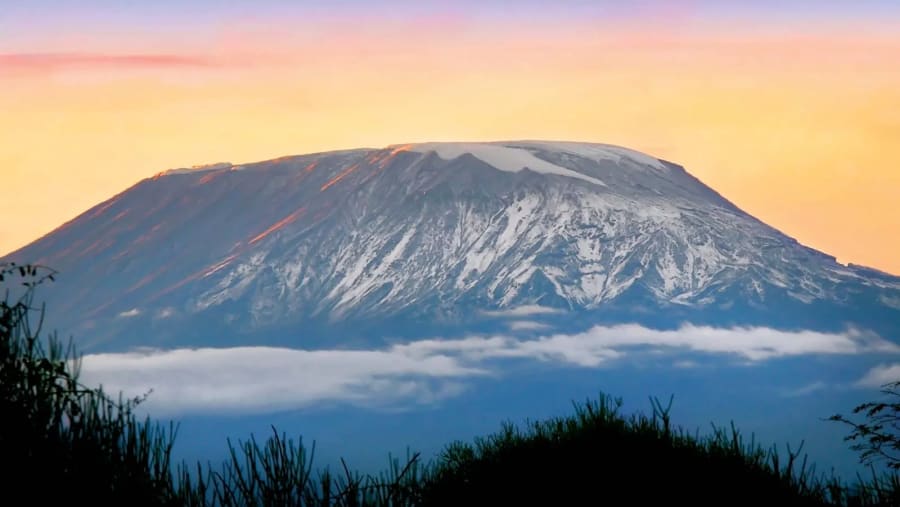
  • 04 Marvel at the striking Kibo and Mawenzi peaks
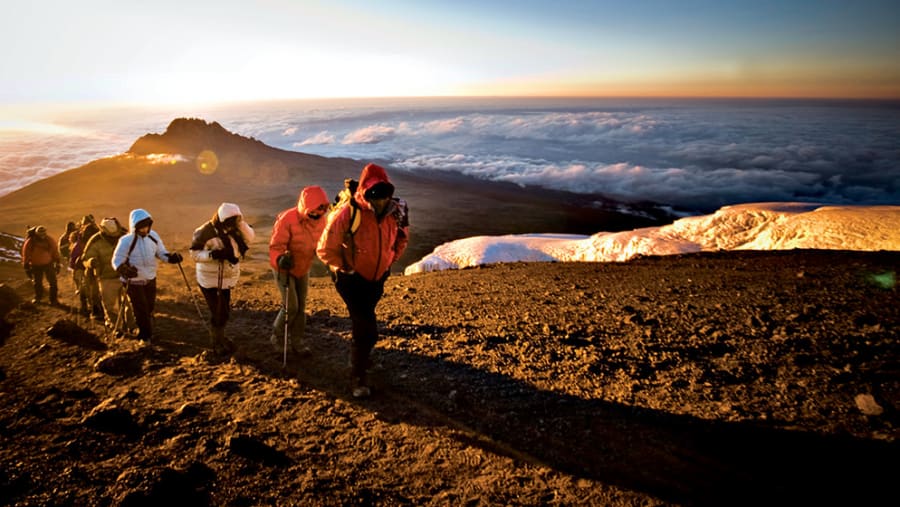
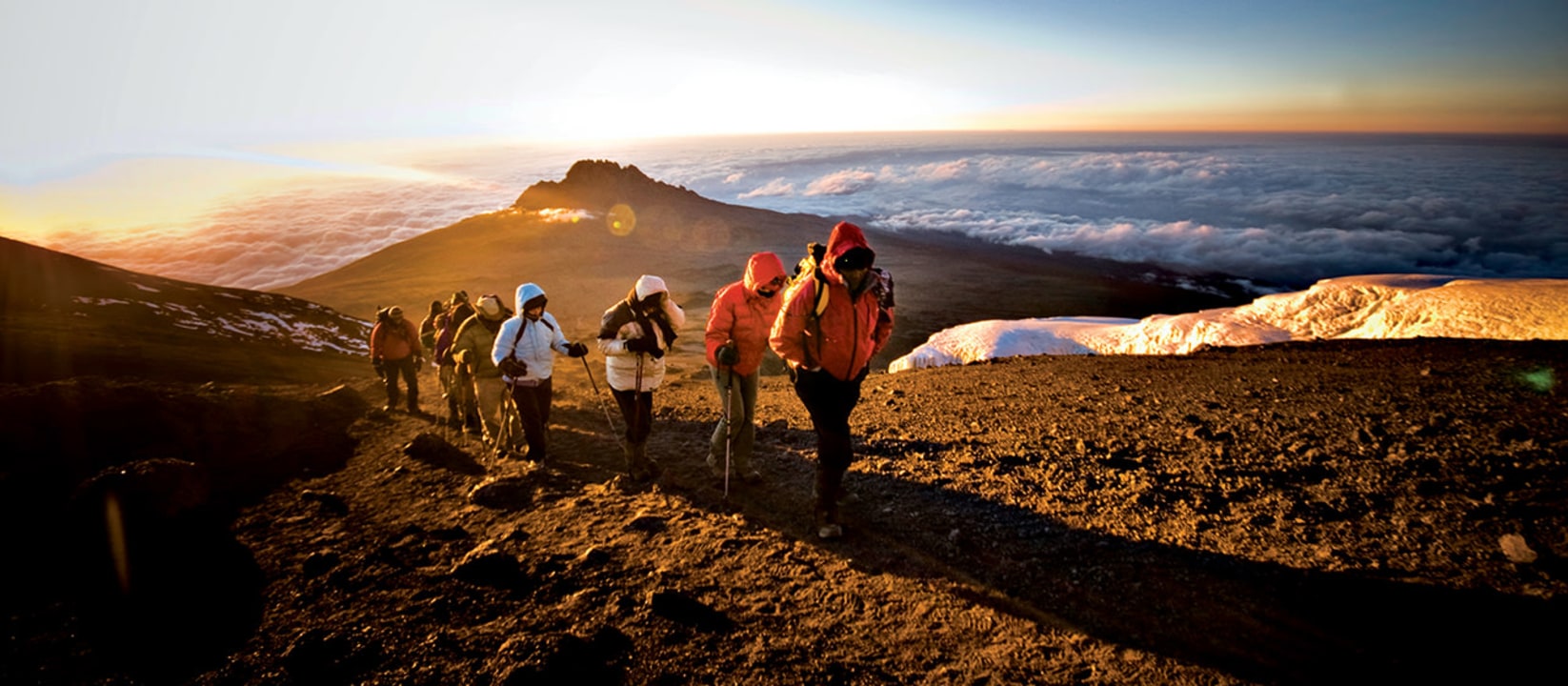
  • 05 Experience a midnight summit push and sunrise on Kilimanjaro

Embark on a thrilling 7-day adventure to summit Mount Kilimanjaro, Africa's highest peak, via the Marangu Route. Trek through dense rainforests alive with rich plant life and wildlife like Colobus monkeys, then continue across moorland and alpine desert landscapes toward the summit. Along the way, enjoy breathtaking views of Northern Tanzania from Maundi Crater and marvel at the stunning Kibo and Mawenzi peaks. The journey culminates in a midnight ascent to Uhuru Peak, where you can witness a breathtaking sunrise from the Roof of Africa.

The journey culminates in a midnight ascent to Uhuru Peak, where you can witness a breathtaking sunrise from the Roof of Africa.

From the itinerary

At a glance

What this trip includes

Duration 7 Days
Tour type Private
Activity level Moderate
Accommodation Included · Standard
Transport Included
Wheelchair access No
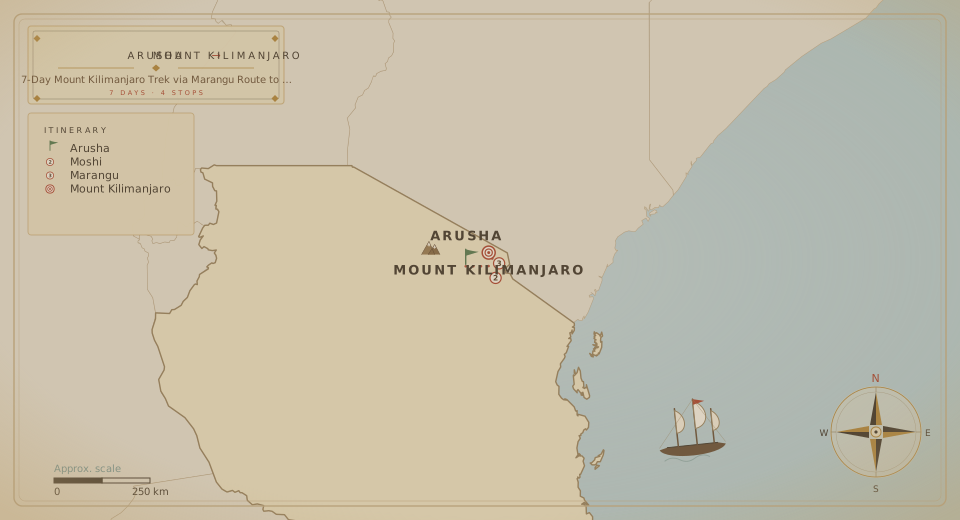
Cities Arusha, Moshi, Mount Kilimanjaro, Marangu
Languages English, French, German, Italian, Spanish

Day by day

The itinerary

1
Day 01

Arrival in Tanzania and Trek Briefing

  • Destination: Moshi/Arusha
  • Activity: Arrival and transfer to your hotel at Karibu Heritage House/Park View Hotel in Moshi on a bed-and-breakfast basis.
  • Briefing: Meet your trekking guide for a briefing about the climb.
  • Rest: Prepare for the trek and rest before the start of the journey.
2
Day 02

Marangu Gate Through Rainforest to Mandara Hut

  • Register at Marangu Gate.
  • Begin the trek through dense rainforest, encountering wildlife such as Colobus monkeys.
  • Arrive at Mandara Hut and take a short walk to Maundi Crater for views of Northern Tanzania.

Elevation: 1,860 m (6,100 ft) to 2,700 m (8,860 ft)

Hiking Time: 5-6 hours

Distance: 8 km (5 miles)

Habitat: Rainforest

3
Day 03

Mandara Hut to Horombo Hut via the Moorlands

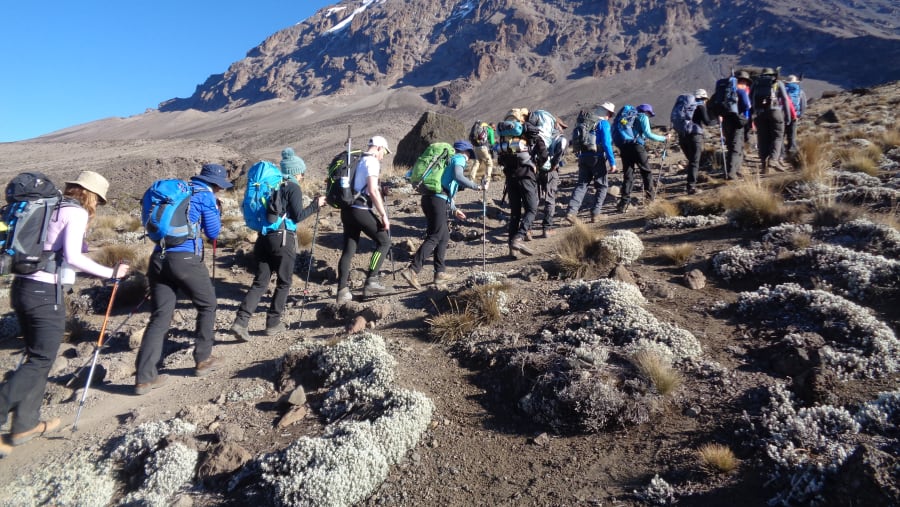
  • Pass from the lush forest into the moorlands.
  • See views of Kibo and Mawenzi peaks.

Stay overnight at Horombo Hut.

Elevation: 2,700 m (8,860 ft) to 3,720 m (12,200 ft)

Hiking Time: 6-8 hours

Distance: 12 km (7.5 miles)

Habitat: Moorland

4
Day 04

Acclimatization Day at Horombo Hut

  • Resting and acclimatising for the day will help with altitude.
  • (Optional) Go for a short hike to Zebra Rocks or Mawenzi Ridge for better acclimatization.

Elevation: 3,720 m (12,200 ft)

Hiking Time: Optional 4-5 hour hike for acclimatization

Distance: Optional 5-10 km (3-6 miles)

Habitat: Moorland

5
Day 05

Across the Saddle to Kibo Hut

  • Trek across the Saddle, a barren, lunar-like landscape between Mawenzi and Kibo peaks.
  • Reach Kibo Hut and rest early in preparation for the midnight summit push.

Elevation: 3,720 m (12,200 ft) to 4,703 m (15,430 ft)

Hiking Time: 6-8 hours

Distance: 10 km (6.2 miles)

Habitat: Alpine desert

6
Day 06

Midnight Summit Push to Uhuru Peak and Descent to Horombo

  • Start at midnight for the summit attempt.
  • Pass Gilman's Point (5,685 m) and Stella Point (5,756 m).
  • Reach Uhuru Peak, the highest point in Africa.
  • After the summit, descend to Kibo Hut for rest, then continue down to Horombo Hut.

Elevation: 4,703 m (15,430 ft) to 5,895 m (19,341 ft at Uhuru Peak), then descend to 3,720 m (12,200 ft)

Hiking Time: 10-15 hours (6-8 hours ascent, 4-7 hours descent)

Distance: ~20 km (12.4 miles)

Habitat: Arctic (Uhuru Peak), Alpine desert (Kibo), Moorland (Horombo)

7
Day 07

Final Descent to Marangu Gate

  • Final descent through the moorland and lush rainforest.
  • Return to Marangu Gate, where successful climbers can sign the logbook and receive a certificate.
  • Transfer back to your hotel for rest and celebration.

Elevation: 3,720 m (12,200 ft) to 1,860 m (6,100 ft)

Hiking Time: 5-7 hours

Distance: 20 km (12.4 miles)

Habitat: Moorland, Rainforest

Maundi Crater views, the Saddle lunar-like landscape, Kibo and Mawenzi peaks, Uhuru Peak

Where this trip takes you

Maundi Crater views, the Saddle lunar-like landscape, Kibo and Mawenzi peaks, Uhuru Peak

The route

Where you'll travel

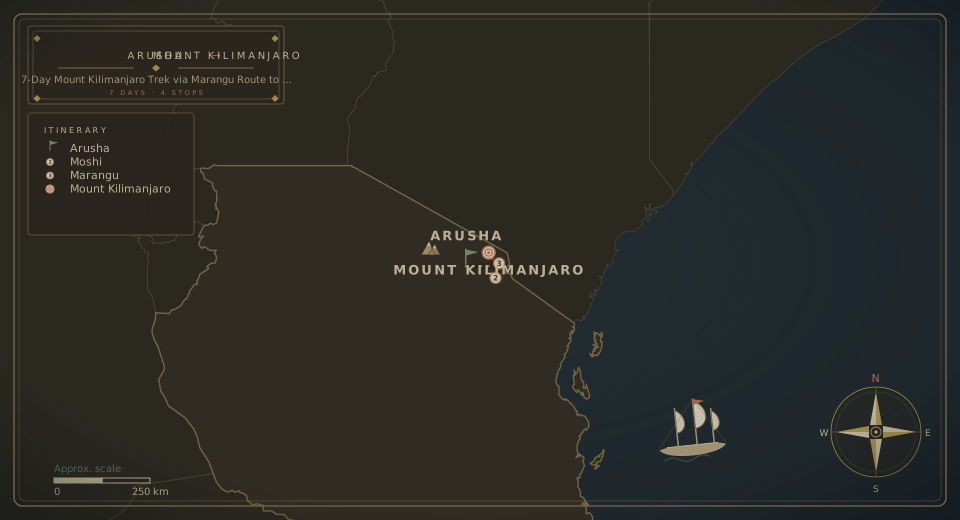
Tour route map
Round trip from Arusha 4 cities · 7 Days

The fine print

Trip details

What's Included

  • One-night hotel stay before the trek (usually in Moshi or Arusha)
  • Hut accommodation on the mountain (Mandara, Horombo, and Kibo huts)
  • Three meals a day during the trek (breakfast, lunch, and dinner)
  • Dinner on arrival day and breakfast on departure day
  • Boiled drinking water while on the mountain
  • Experienced, English-speaking professional guide(s) certified by the Kilimanjaro National Park
  • Porters to carry your equipment and supplies
  • Cook to prepare meals on the mountain
  • Kilimanjaro National Park entry fees
  • Hut fees for the Marangu Route
  • Camping fees (if applicable for overnight stays at campsites along the route)
  • Rescue fees (for emergency situations during the climb)
  • Transfers to and from Kilimanjaro National Park (Marangu Gate)
  • Airport transfers on arrival and departure
  • Dining tent and utensils
  • Sleeping huts with mattresses and pillows
  • Oxygen cylinder and pulse oximeter for altitude monitoring
  • Climbing permits
  • Certificate of achievement (green for reaching Gilman's Point, gold for Uhuru Peak)

What's Not Included

  • International flights
  • Personal trekking gear (sleeping bags, trekking poles, clothing, etc.)
  • Travel insurance (mandatory, covering high-altitude trekking)
  • Tips for guides, porters, and cooks (typically $200-300 per climber for the entire team)
  • Extra accommodation and meals before or after the climb (beyond the included nights)

What to bring

  • Moisture-wicking thermal tops and bottoms
  • Long-sleeve shirts and leggings (for layering and warmth)
  • Fleece jacket or pullover
  • Insulating pants (for colder days and summit night)
  • Waterproof and windproof jacket (Gore-Tex or similar)
  • Waterproof hiking pants
  • Insulated down or synthetic jacket (for summit night)
  • Lightweight, quick-dry T-shirts
  • Convertible hiking pants/shorts
  • Sun hat and neck gaiter/buff
  • Sturdy, waterproof hiking boots (well broken in)
  • Comfortable camp shoes or sandals
  • Warm hiking socks (wool or synthetic) and liner socks
  • Gaiters (to protect from mud and scree)
  • Warm beanie or wool hat
  • Sun hat with a wide brim
  • Sunglasses (UV-protective, preferably polarized)
  • Warm, insulated gloves and lightweight liner gloves
  • Daypack (30-40L) for carrying personal items, water, and snacks during daily hikes
  • Duffel bag (to be carried by porters), typically with a 15 kg limit for the porters to carry
  • Sleeping bag rated for -10°C to -15°C (14°F to 5°F), suitable for high-altitude conditions
  • Trekking poles: adjustable and collapsible for support on rough terrain and descents
  • Hydration bladder (2-3 liters) and/or water bottles
  • Water purification tablets or filters (optional but useful)
  • Headlamp with extra batteries for early morning or nighttime trekking (especially on summit night)
  • High-energy snacks for quick fuel (nuts, energy bars, chocolate)
  • Insulated water bottle (for summit day) to prevent water from freezing at high altitudes
  • Wet wipes, biodegradable soap, and toilet paper
  • Sunscreen (SPF 30 or higher), lip balm with SPF
  • Hand sanitiser and towel
  • Basic personal medications (pain relievers, blister treatment, altitude sickness medication)
  • Diamox (for altitude sickness prevention, consult your doctor)
  • Passport, visa, and travel insurance details
  • Cash for tips and extras
  • Camera/phone for photos and a power bank or solar charger
  • Earplugs for sleeping in the communal huts
  • Notebook and pen to journal your experience
  • Camera, if you prefer a dedicated one for better photos

Know before you go

  • Fitness Level: Although the Marangu Route is considered less technical, it still demands good physical fitness due to the high altitude and long hiking days.
  • Training: Start training at least 2-3 months before the climb. Focus on cardio, strength training (especially for legs), and hiking on inclines with a weighted backpack.
  • Altitude: Kilimanjaro's highest point, Uhuru Peak, stands at 5,895 meters (19,341 feet), where altitude sickness is a serious risk.
  • Acclimatization: Choose the 7-day itinerary over shorter options to improve acclimatization and increase your chances of reaching the summit.
  • Symptoms: Common symptoms of altitude sickness include headaches, nausea, dizziness, and shortness of breath. Knowing these symptoms is essential for monitoring your health.
  • Prevention: Consider using Diamox (Acetazolamide), a medication to help prevent altitude sickness, after consulting your doctor.
  • Varied Climate Zones: Kilimanjaro has five distinct climate zones, from tropical rainforest at the base to arctic conditions at the summit. You will experience both hot and freezing temperatures during the trek.
  • Temperature Range: Daytime temperatures can be mild, but at night, especially at higher elevations, they can drop to -20°C (-4°F) or lower.
  • Rain: The Marangu Route can be rainy, especially during the wet season (March-May and November). The best times to climb are January to mid-March and June to October, when conditions are drier and more favorable.
  • Layering: Bring versatile layers to handle the changing conditions. You'll need gear for both warm and freezing conditions, and rain protection is essential.
  • Porters: Porters will carry most of your gear (up to 15 kg), but you'll need to carry a daypack with essentials such as water, snacks, and extra layers.
  • Hut Accommodation: The Marangu Route is the only Kilimanjaro route with hut accommodations, providing basic shelters (Mandara, Horombo, and Kibo huts) with shared dormitory-style rooms.
  • No Camping: This is a non-camping route, which means no tents. Hut accommodation makes it a popular choice for those seeking a little more comfort compared to other routes.
  • Scenery: While the Marangu Route is less scenic than other routes like the Machame or Lemosho routes, it offers beautiful views of the moorland, alpine desert, and surrounding peaks.
  • Kilimanjaro National Park fees, including park entry, rescue fees, and hut accommodation fees, are typically included in the price of the trek. These fees are set by the government and are non-negotiable.
  • Tipping: It is customary to tip your guides, porters, and cook after the trek. On average, each climber should budget about $200-300 to tip the entire crew. Guides, porters, and cooks rely heavily on tips as part of their income.
  • Tipping Breakdown: Usually, guides receive the largest portion, followed by the cook and porters.
  • Vaccinations: Ensure you're up to date on routine vaccinations, and consider specific vaccines such as yellow fever (if coming from or transiting through a yellow fever zone), typhoid, and hepatitis.
  • Malaria: While the risk of malaria on the mountain is low, there is still a risk in the lower regions. Consider taking antimalarial medication if you're spending time in lowland areas.
  • Travel Insurance: It's mandatory to have travel insurance that covers high-altitude trekking (up to 6,000 meters) and emergency evacuation. Make sure your policy includes mountain rescue services.
  • Local Customs: Respect the local culture and customs in Tanzania. The country is predominantly Christian and Muslim, so modest clothing and polite behavior are appreciated, especially in urban areas.
  • Swahili Phrases: Learning a few basic Swahili phrases can go a long way in engaging with your porters and guides (e.g., 'Jambo' for hello and 'Asante' for thank you).
  • Mental Toughness: Summit night (Day 6) is extremely challenging, with cold temperatures, high altitude, and steep inclines. Be mentally prepared for the long ascent and focus on taking one step at a time.
  • Positive Mindset: Mental preparation is just as important as physical fitness. The key to success is pacing yourself, staying positive, and trusting your guides.

Logistics

Meeting & route

Meeting point
Kilimanjaro International Airport, Kilimanjaro Airport Road, Tanzania
Tour start
Arusha, Tanzania
Tour ends at the same location as the start point.
End of the journey

Your 7 days finish where they began, in Arusha.

Watch the tourHQ film Watch the film

Create your own adventure

Can't find the perfect tour? Tailor your dream trip.

  • Tell us your destination, dates and group size.
  • Our travel experts and local guides design a tailored itinerary, just for you.
  • Enjoy your trip with peace of mind, knowing everything is taken care of.
Plan my holiday

Say goodbye to travel stress.

Starting from

USD 2,160 /person
Book This Tour

When

Travellers

Total