Tanzania · Safari

2-Day Tarangire and Ngorongoro Safari with Big Five Game Drives

2 Days Round trip from Kilimanjaro Airport Rd Easy pace

The journey

Trip highlights
  • 01 Drive through Tarangire's iconic baobab landscapes
  • 02 Spot elephants, lions, giraffes, and other wildlife on game drives
  • 03 Explore the wildlife-rich Ngorongoro Crater, a UNESCO World Heritage Site
  • 04 Enjoy picnic lunches surrounded by stunning natural landscapes

Enjoy an amazing 2-day safari exploring Tarangire National Park and the Ngorongoro Crater. Exciting game drives offer the chance to see a variety of wildlife, including elephants, lions, giraffes, and the Big Five. Savour picnic lunches surrounded by beautiful landscapes and lively ecosystems as you discover two of Tanzania's most rewarding safari destinations. Finish your adventure with stunning views and memories that will stay with you forever.

Spend the day inside the crater, home to an incredible concentration of wildlife, including the Big Five: lion, leopard, elephant, buffalo, and rhinoceros.

From the itinerary

At a glance

What this trip includes

Duration 2 Days
Tour type Private
Activity level Easy
Accommodation Included · Standard
Transport Included
Wheelchair access No
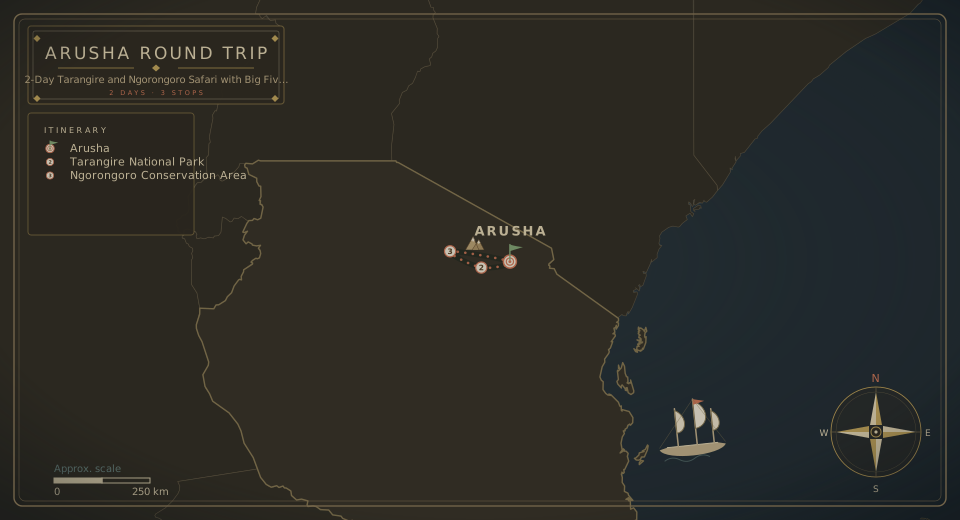
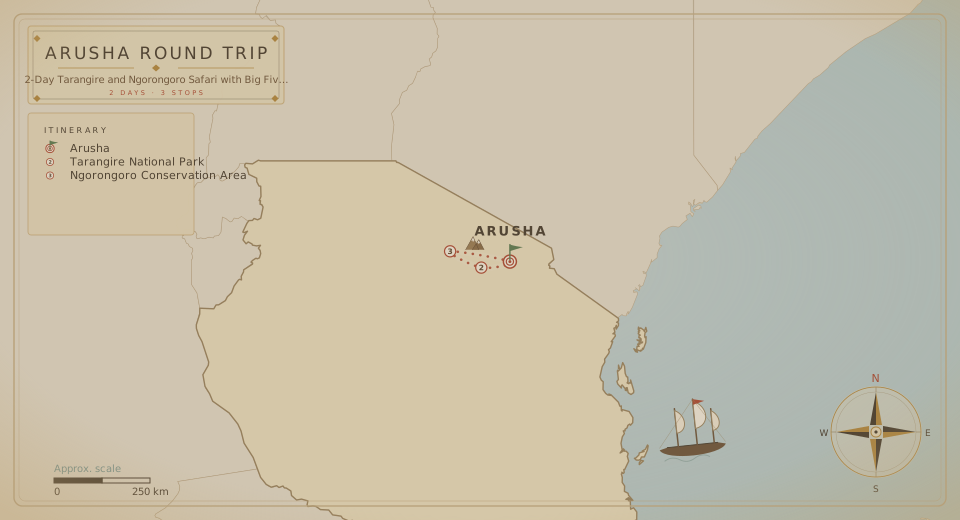
Cities Arusha, Mount Kilimanjaro, Ngorongoro Conservation Area, Tarangire National Park
Languages English, French, German, Italian, Spanish

Day by day

The itinerary

1
Day 01

Tarangire National Park Game Drive

  • Your safari adventure usually begins with an early morning departure from your accommodation in Arusha or another nearby town.

  • Embark on a scenic drive to Tarangire National Park, known for its diverse wildlife and iconic baobab trees.

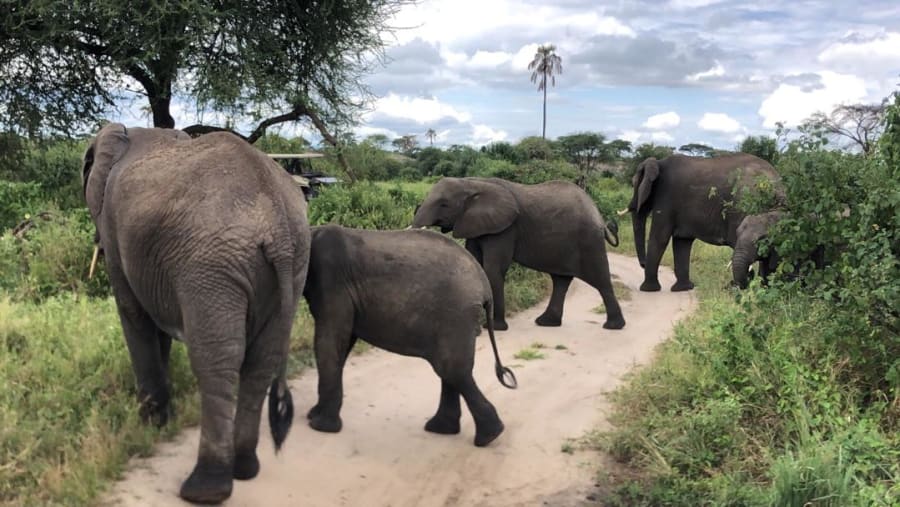
  • After entering the park, enjoy a game drive with your experienced guide in search of elephants, lions, giraffes, zebras, and various bird species.

  • Enjoy a picnic lunch in the park while taking in the natural beauty.

  • Continue your exploration of Tarangire in the afternoon, looking for more wildlife and picturesque landscapes.

  • In the late afternoon, leave the park and head to your chosen accommodation for dinner and an overnight stay at Ngedere Safari Lodge on a full-board basis, including breakfast, lunch, and dinner.
2
Day 02

Ngorongoro Crater Wildlife Safari

  • Start your day early with breakfast at your accommodation before departing for Ngorongoro Crater.

  • Upon arrival at the Ngorongoro Conservation Area, descend into the Ngorongoro Crater, a UNESCO World Heritage Site.

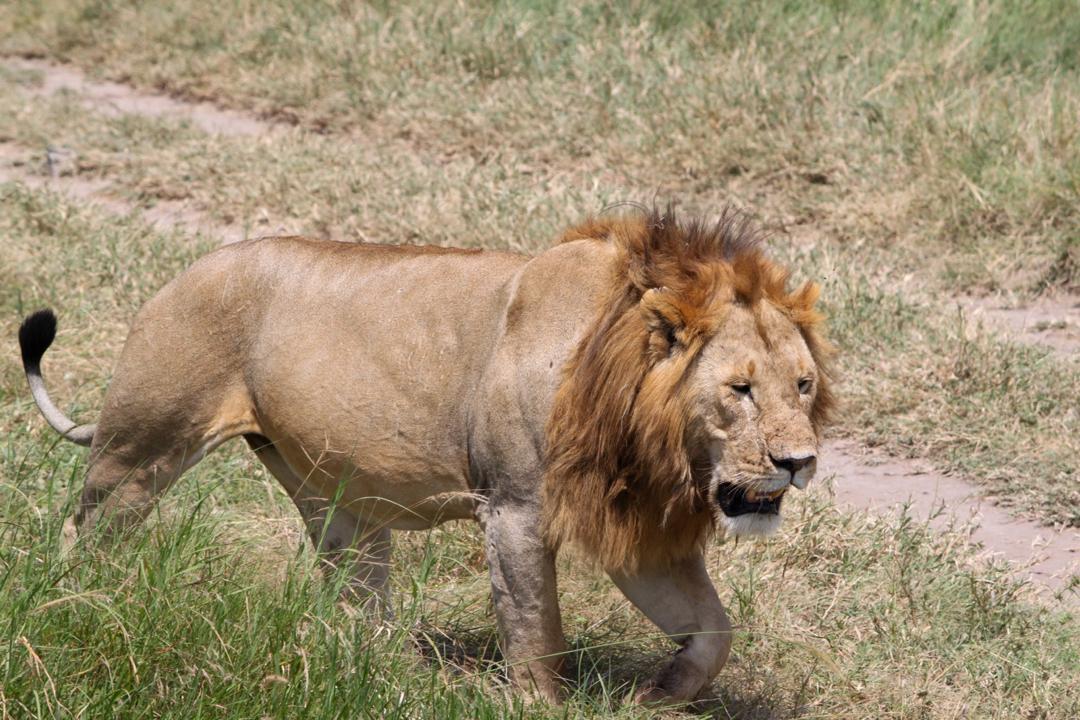
  • Spend the day inside the crater, home to an incredible concentration of wildlife, including the Big Five: lion, leopard, elephant, buffalo, and rhinoceros.

  • Enjoy another picnic lunch within the crater while observing the animals in their natural habitat.

  • Continue your game drive in the afternoon, exploring different parts of the crater and maximizing your chances of wildlife sightings.

  • In the late afternoon, ascend from the crater and begin your journey back to Arusha or your next destination.

Tarangire National Park, baobab trees, Ngorongoro Crater

Where this trip takes you

Tarangire National Park, baobab trees, Ngorongoro Crater

The route

Where you'll travel

Tour route map
Round trip from Kilimanjaro Airport Rd 4 cities · 2 Days

The fine print

Trip details

What's Included

  • Pickup and drop-off from the starting point
  • Park entrance fees
  • Accommodation during the safari on a full-board basis, including breakfast, lunch, and dinner
  • Transport
  • Lunch box
  • Government tax
  • 4×4 Land Cruiser with an open roof
  • 2 litres of bottled drinking water per person per day
  • Soft drinks
  • Crater service

What's Not Included

  • Personal expenditure
  • Tips for lodge staff
  • Tip for the tour guide
  • Alcohol

What to bring

  • Camera with extra batteries and memory cards: Essential for capturing wildlife and scenic moments.
  • Binoculars: Great for spotting animals from a distance.
  • Phone and charger: Some camps and lodges have charging stations.
  • Power bank: Useful if you're on long drives or in remote areas without electricity.
  • Plug adapter: Tanzania uses type D and G sockets (the same as the UK).
  • Flashlight or headlamp: Helpful for navigating at night in camps or lodges.

Know before you go

  • Visa: Most visitors to Tanzania need a visa. You can obtain it from a Tanzanian embassy or upon arrival at major airports and border crossings. An online e-visa is also available for certain nationalities.
  • Passport: Ensure your passport is valid for at least 6 months beyond your stay in Tanzania.
  • Yellow Fever Certificate: If you're coming from or transiting through a country where yellow fever is endemic, you may need to present proof of yellow fever vaccination.
  • Vaccinations: In addition to yellow fever, consider vaccines for Hepatitis A, Hepatitis B, Typhoid, and Tetanus. It's best to consult a travel health clinic well in advance of your trip.
  • Malaria: Tanzania is a malaria-prone area, especially in rural and lower-altitude regions like the Serengeti. Consult your doctor about taking anti-malarial medication and use insect repellent with DEET, wear long sleeves and trousers in the evenings, and sleep under a mosquito net where possible.
  • Food and Water Safety: Stick to bottled or purified water, and avoid drinking tap water. Be cautious with street food, and eat only well-cooked meals from reputable lodges or restaurants.
  • Currency: The local currency is the Tanzanian Shilling (TZS), but US dollars (from 2006 or newer) are widely accepted, especially in tourist areas. Carry small denominations of dollars for tips and small purchases.
  • Credit Cards: Many lodges and hotels accept credit cards, but smaller establishments may prefer cash. ATMs are available in cities like Arusha, but less so in remote areas.
  • Tipping: Tipping is customary for safari guides, drivers, and lodge staff. A common guideline is $10-15 per day for guides and drivers and $5-10 per day for lodge staff.
  • Seasons: Tanzania has two main seasons:
  • Dry season (June to October): Best for wildlife viewing, as animals gather around water sources.
  • Wet season (March to May, November): Lush scenery and fewer tourists, but some roads may be difficult to navigate. The Great Migration occurs year-round but is often best viewed during the dry season.
  • Temperatures: Days can be warm (25-30°C / 77-86°F), but evenings and early mornings, especially in Ngorongoro Crater, can be quite chilly, so pack layers.
  • Wildlife: Tanzania is home to an incredible diversity of wildlife. While on safari, you'll likely see the 'Big Five' (lion, leopard, elephant, buffalo, rhino), but patience is key. Don't expect to see everything immediately-game drives are about the thrill of discovery.
  • Respect wildlife: Keep a safe distance from animals and avoid making loud noises. Never attempt to feed or touch the animals.
  • Stay in the vehicle: Only leave the vehicle when your guide says it's safe.
  • Photography: Bring a good camera with zoom capabilities and avoid using flash photography near animals.
  • Luggage Limits: If you are flying on small internal flights, there may be strict luggage weight limits (15-20kg per person, soft bags preferred). Confirm with your safari operator or airline beforehand.
  • Clothing: Neutral-colored clothing is recommended to avoid attracting insects. Avoid bright colors like red or dark blue.
  • Language: Swahili is the national language, but English is widely spoken in tourist areas. Learning a few basic phrases in Swahili is appreciated by locals.
  • 'Jambo' - Hello
  • 'Asante' - Thank you
  • 'Karibu' - Welcome
  • Respecting local customs: Tanzania is generally conservative. Dress modestly, especially when visiting villages or towns outside of the parks.
  • Photography: Always ask permission before taking photos of people, especially Maasai or other local tribes.
  • General safety: Tanzania is generally safe for tourists, but petty crime can occur. Keep your valuables secure and avoid displaying large amounts of cash or expensive electronics in public.
  • Park safety: Always follow the guidance of your safari guide. Never wander off from the group or vehicle during game drives or walks.
  • Time Zone: Tanzania operates on East Africa Time (EAT), which is GMT +3.
  • Connectivity: Wi-Fi is available in most lodges and camps, though it may be slow or limited in remote areas. You can purchase a local SIM card for better coverage, as mobile networks are widespread.
  • Respect the environment: Tanzania's parks are protected areas, so do not litter, damage vegetation, or disturb wildlife.
  • Support local communities: Consider buying locally made crafts or visiting community-based tourism initiatives.
  • Conservation Fees: Your park entrance fees contribute to the conservation of Tanzania's wildlife and natural habitats. Respect the regulations of the parks to help preserve them for future generations.

Logistics

Meeting & route

Meeting point
Kilimanjaro International Airport, Kilimanjaro Airport Road, Tanzania
Tour start
Kilimanjaro Airport Rd, Tanzania
Tour ends at the same location as the start point.
End of the journey

Your 2 days finish where they began, in Kilimanjaro Airport Rd.

Watch the tourHQ film Watch the film

Create your own adventure

Can't find the perfect tour? Tailor your dream trip.

  • Tell us your destination, dates and group size.
  • Our travel experts and local guides design a tailored itinerary, just for you.
  • Enjoy your trip with peace of mind, knowing everything is taken care of.
Plan my holiday

Say goodbye to travel stress.

Starting from

USD 934 /person
Book This Tour

When

Travellers

Total